 Emergency:
  WhatsApp

Subscribe to our

Winter is not only associated with colder weather but there are also increased risks to the health of the heart because of changes in season and the higher concentration of air pollution. It is very important to know how the winter air pollution is related to heart issues, particularly to those who are residing in cities with low air quality. This is a complete blog on the topic of increasing the heart attack risk in the winter season and what you can do to save yourself. If you are searching for a cardiologist appointment near me or a heart specialist in Noida, getting early consultation can be lifesaving.
Breathing polluted winter air and worried about your heart? Book a preventive cardiac checkup in Noida today at +91 96670 64100.
Air pollution usually intensifies during winter when cold weather conditions lead to pollution such as fine particulate matter (PM2.5) and nitrogen dioxide being trapped at the ground level due to temperature inversion. This stagnant polluted air can greatly enhance the level of exposure, which is cardiovascular in nature. Research indicates that the number of heart attacks caused by this spike of pollution increases seasonally during winter months.
Small particles of the contaminated air get deep into blood and lead to inflammation and oxidative stress. These mechanisms increase the rate at which plaque develops in the arteries, a condition referred to as atherosclerosis that narrows and hardens blood vessels. This causes the heart to work more, which elevates blood pressure and predisposes the heart to heart attack and other heart-related complications.
Even cold weather is a factor leading to heart risks. Exposure of blood to cold leads to constriction of blood vessels thus elevating blood pressure and making blood thick. This compound, combined with the inflammation caused by pollution, puts a lot of pressure on the heart and may trigger complications, particularly in people with underlying heart diseases.
Combination of cold weather and air pollution results in significant increase of myocardial infarction (heart attacks) hospitalizations. Research confirms that heart attack risk in winter is higher several days after exposure to cold air and pollution, likely due to delayed physiological effects on the cardiovascular system.
Pollution-induced heart attack cases are on the rise during colder months. The toxins inhaled damage the endothelial lining inside blood vessels rendering them more susceptible to bursting or clogging, which causes heart attacks. The symptoms like chest pain, dyspnea, arrhythmia, and fatigue are not to be overlooked in winter when the air pollution level is high.
Some groups such as the elderly, individuals with diabetes, hypertension or already existing heart disease are especially susceptible. Air pollution adds to their risk factors as it encourages unstable plaque and arrhythmias and that close monitoring and preventive care are important during winter.
Heart attacks during the winter should be prevented in a multi-faceted approach. To minimize risk, it is possible to stay up-to-date with the indexes of air quality (AQI) in the area and restrict outdoor activities on days with high pollution rates first. Air purifiers in the home and masks in the street will help to filter the dangerous particles.
Maintaining healthy lifestyle habits, e.g. a balanced diet, exercising, which should be adjusted to the indoor conditions in times of cold weather, and stress control to maintain a normal blood pressure should also be noted. The season also calls on people on heart drugs to adhere to the treatment regimens strictly.
Air pollution is not just harmful in causing heart attacks. In the long run, they are causative agents of chronic issues like heart failure and ischemic heart disease. The PM fine particles also result in inflammation and oxidative stress in vessels and even heart tissue, which can result in myocardial fibrosis (scarring) that can reduce the pumping capacity of the heart.
In addition, pollutants increase risk factors such as high blood pressure, irregular heartbeats. Pollution and cold weather in combination with other stressors may hasten cardiovascular aging and raise deaths due to cardiac deaths in winter.
It is always observed that during winter months, there is a peak of acute cardiac events that are associated with increase in pollution levels. Such trends are recorded through studies in such urban centres as Delhi and Kolkata in addition to festivals and seasonal heating that deteriorates the quality of air.
There are a variety of reasons behind this seasonal rise; there is an increase in the quantity of particulate matter, the colder weather leads to a restriction of the vascularity, as well as lifestyle changes which include less exercise and more indoor pollution due to heating systems. The combination of them leads to the development of cardiac complications.
Pollution is not the only problem that presents health risks to the heart during winter. The cardiovascular system can be set under stress indirectly by hypothermia, higher blood viscosity, and respiratory infections. These factors together with the pollution increase the risk of heart attack among the vulnerable populations.
Individuals with underlying heart disease ought to exercise greater care by wearing warm clothes, not making any drastic temperature swings and ensuring that they see a cardiologist regularly. Heart diseases can avoid a lot of problems associated with pollution through proactive care in winter seasons.
Experiencing chest discomfort, breathlessness, or unusual fatigue in winter smog? Get urgent cardiology consultation in Noida at +91 96670 64100.
In conclusion, heart attack risk in winter is significantly influenced by the combination of cold weather and increased air pollution. Understanding the impact of winter air pollution and heart health helps in taking preventive measures that can save lives. The main steps to be taken are regular health checkups, staying out of harm from pollution, and visiting a cardiology Hospital in Noida frequently in case of pre-existing heart ailments. In the case of expert care, then in the given number, Felix Hospital is contacted in order to seek specialized services.
Q.1. What is the role of winter air pollution and heart attacks?
Ans. The cold air during winter captures pollutants leading to inflammation and damage of arteries increasing the risk of heart attacks.
Q.2. Who is most at risk for pollution-induced heart attacks?
Ans. Patients with heart conditions and elderly people are more vulnerable.
Q.3. Do cardiac risks of pollution decrease with wearing a mask?
Ans. Yea, such masks as N95 are able to exclude unhealthy particles and minimize exposure.
Q. 4 Which lifestyle modifications assist in preventive measures to the heart during winter pollution?
Ans. Healthy eating, indoor exercise, and not going out during the times of pollution are healthy.
Q.5. In winter, should I visit a heart specialist?
Ans. When chest pain, palpitations, or shortness of breath is experienced during the peaks of pollution, consult a cardiologist as soon as possible.
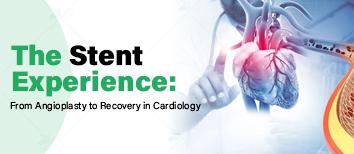
A stent procedure can be life-saving for those with blocked arteries. This guide walks you through the stent experience—from the angioplasty process to post-procedure recovery and lifestyle changes.
In Noida hospitals, recognized for being among the best heart health hospitals in Noida, are at the forefront of offering critical care for heart-related issues.


Subscribe to our
© Copyright 2026. All Rights Reserved by Felix Healthcare Private Limited
Design and development by :


 +(91)9667064100
 Emergency : +(91)9667064100