 Emergency:
  WhatsApp

Subscribe to our

Finding out your child has a bleeding disorder can feel frightening, especially when symptoms appear in the earliest years of life—before you even know what to look for. Haemophilia is one of the most common inherited conditions that prevents blood from clotting properly, and it affects families across the world. According to the World Health Organization, haemophilia and other bleeding disorders remain significantly underdiagnosed in low- and middle-income countries, where access to clotting factor treatment is limited for the vast majority of those who need it. Yet with early diagnosis, the right specialist care, and consistent management, children with haemophilia can grow up to lead full, active, and healthy lives.
Understanding the condition is the first and most powerful step a parent can take. Knowing what haemophilia is, recognising its early signs, and finding the right specialist care for accurate diagnosis and treatment can make an enormous difference—not just in your child's health today, but in their quality of life for years to come.
Don't ignore unusual bleeding or frequent bruising in your child. Early diagnosis can make a life-changing difference call +91 9667064100
Haemophilia is a genetic bleeding disorder that makes it hard for the blood to clot because it doesn't have enough clotting factors. Children with this condition might bleed longer than usual after getting hurt, or they might even bleed for no reason at all.
When you get hurt, clotting factors usually help stop the bleeding. People with haemophilia don't have these factors, so even small cuts can cause bleeding that lasts for a long time. The condition is usually passed down from parents to children and is often found in young children, especially when they start to bruise or bleed for no reason.
Depending on which clotting factor is missing, there are different types of haemophilia that can affect kids. Families can better understand how serious their child's condition is and what kind of treatment they need by learning about the different kinds of haemophilia in children.
The most common types are:
Haemophilia A (lack of Factor VIII) — the most common type
Haemophilia B (lack of Factor IX) — also called Christmas disease
Haemophilia C (lack of Factor XI) — less common, affects both boys and girls equally
Haemophilia that is mild, moderate, or severe depending on the levels of factors
The severity of the condition determines how often bleeding episodes happen. Kids with severe haemophilia may bleed on their own without getting hurt, but kids with mild haemophilia may only show signs after surgery or an injury.
Parents often worry about how their child got this condition. Understanding the causes of Haemophilia can help clear up confusion and guilt that come with genetic disorders.
Main causes include:
Inherited genetic changes on the X chromosome
Family history of bleeding disorders
Rare spontaneous genetic mutations
Boys are more likely to be affected by Haemophilia A and B because they only have one X chromosome. Girls can also have haemophilia particularly Haemophilia C and girls with two affected X chromosomes can develop Haemophilia A or B as well, though this is uncommon.
Finding problems early is important to stop them from getting worse. Parents should know about the symptoms and early warning signs that could mean their child has haemophilia.
Common signs are:
Bruises that happen often without any clear reason
Cuts or injuries that bleed for a long time
Nosebleeds that won't stop
Pain or swelling in the joints
Bleeding after getting an injection or having dental work done
Joint bleeding is especially serious because repeated episodes can lead to permanent joint damage. According to the World Federation of Hemophilia, joint damage is the most common long-term complication of severe haemophilia (Source: WFH Guidelines, 2020).
Diagnosis for Hemophilia usually includes:
Clotting factor level measurement
Genetic testing when needed
Medical advances have made a big difference in how people with haemophilia are treated.
Modern treatments of Hemophilia include:
Clotting factor replacement therapy - replacing the missing clotting factor through infusion
Preventive (prophylactic) treatment - regular infusions to prevent bleeding before it starts
Desmopressin (DDAVP) - a medication used in mild Haemophilia A that stimulates the body to release its own stored Factor VIII, avoiding the need for infusions in minor situations
Pain management and physiotherapy!
With proper treatment, children can live near-normal, active lives.
Taking care of haemophilia goes beyond hospital visits. Parents can reduce risks by following Home Care and Management Tips.
Helpful tips:
Encourage safe activities like swimming
Use protective gear during play
Maintain good dental hygiene
Avoid medicines that increase bleeding risk
Teach children to recognise early symptoms
Awareness at home plays a key role in preventing emergencies.
Some situations require immediate medical attention. Knowing when to consult a specialist ensures timely care.
Seek medical help if:
Bleeding does not stop
Severe joint pain or swelling occurs
There is a head injury
Blood appears in urine or stool
Early consultation reduces complications and hospitalisation.
Living with haemophilia affects emotional and social well-being. Parents should support their child emotionally and encourage open communication. Counselling and support groups help children build confidence and adapt to lifestyle changes.
With modern treatment, children with haemophilia can live long, healthy lives. Regular monitoring and awareness are key to long-term success.
Early treatment significantly reduces the risk of joint damage, severe bleeding, and hospital visits.
Benefits of early care:
Better quality of life
Fewer complications
Reduced medical emergencies
Improved long-term outcomes
Consult a specialist today to ensure the best care, timely treatment, and a healthy future for your child call +91 9667064100
Children with haemophilia need awareness, early diagnosis, and consistent care. Understanding what haemophilia is, its types, causes, and early warning signs helps parents take timely action. Proper diagnosis and access to treatment in Noida ensure better outcomes. Following home care tips and knowing when to consult a specialist can prevent complications.
Yes, low-impact sports like swimming and cycling are recommended.
There is no permanent cure, but treatment allows a healthy life.
It depends on severity. Children with mild haemophilia may only need treatment after injury or surgery, while those with severe haemophilia often require regular preventive infusions sometimes two to three times a week.
Girls are usually carriers of Haemophilia A and B and may show mild symptoms. However, girls can fully develop haemophilia particularly Haemophilia C, which affects both sexes equally, or in rare cases when a girl inherits two affected X chromosomes.
With proper care, your children can live long and active lives.
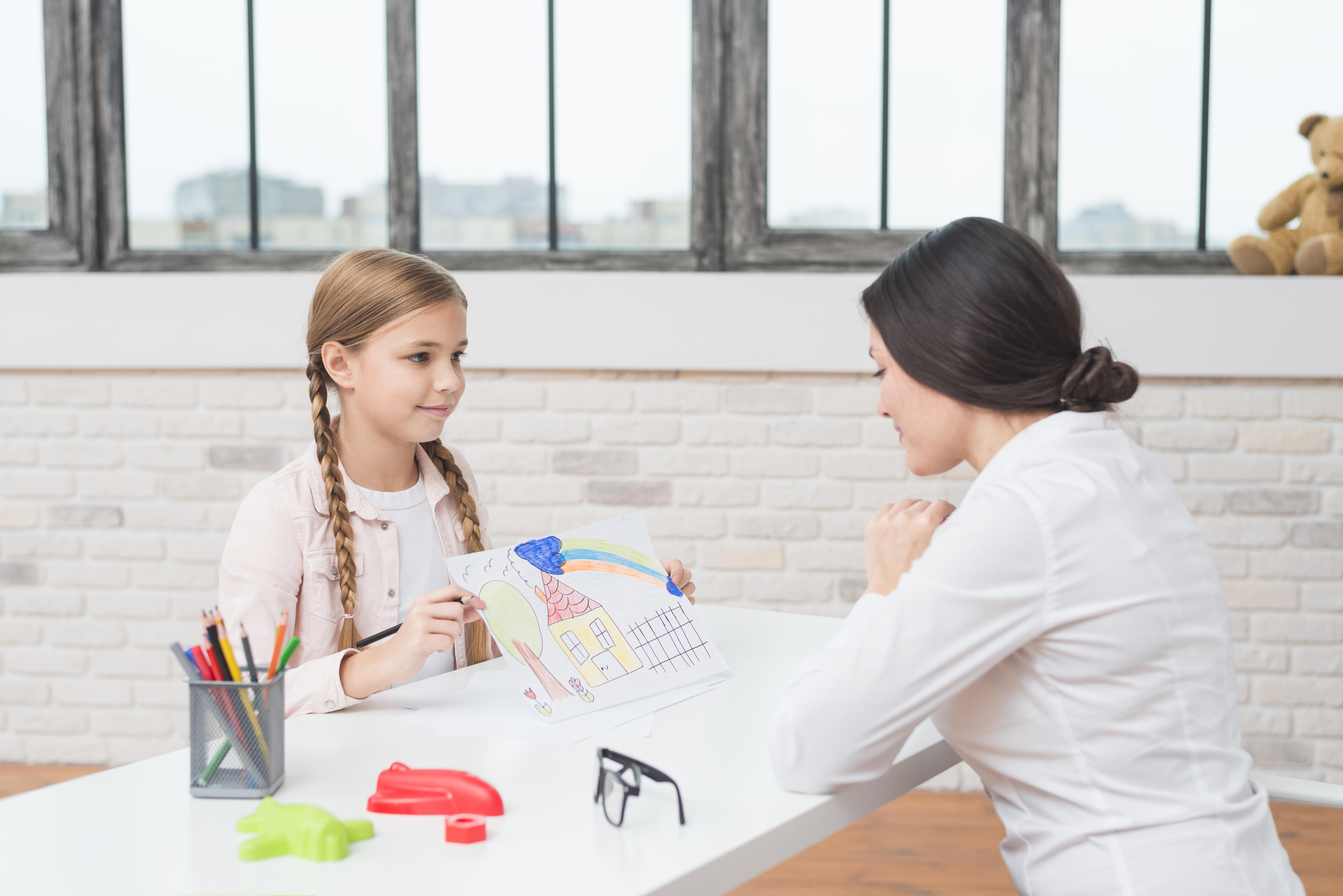
As a child care specialist, I have noticed a huge difference in overall growing of a child in the last 14 years.
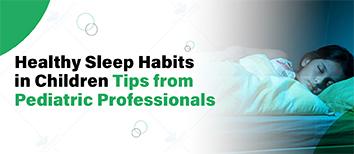
During sleep, the body releases growth hormones, which are essential for a child's growth and development. Adequate sleep is vital for muscle development, tissue growth, and the overall physical health of a child.
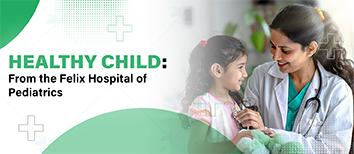
Childhood is an important period in which lifelong habits are formed, making it an ideal time to introduce lifestyle interference that can promote long-term health and well-being.

Subscribe to our
© Copyright 2026. All Rights Reserved by Felix Healthcare Private Limited
Design and development by :


 +(91)9667064100
 Emergency : +(91)9667064100