 Emergency:
  WhatsApp



Subscribe to our
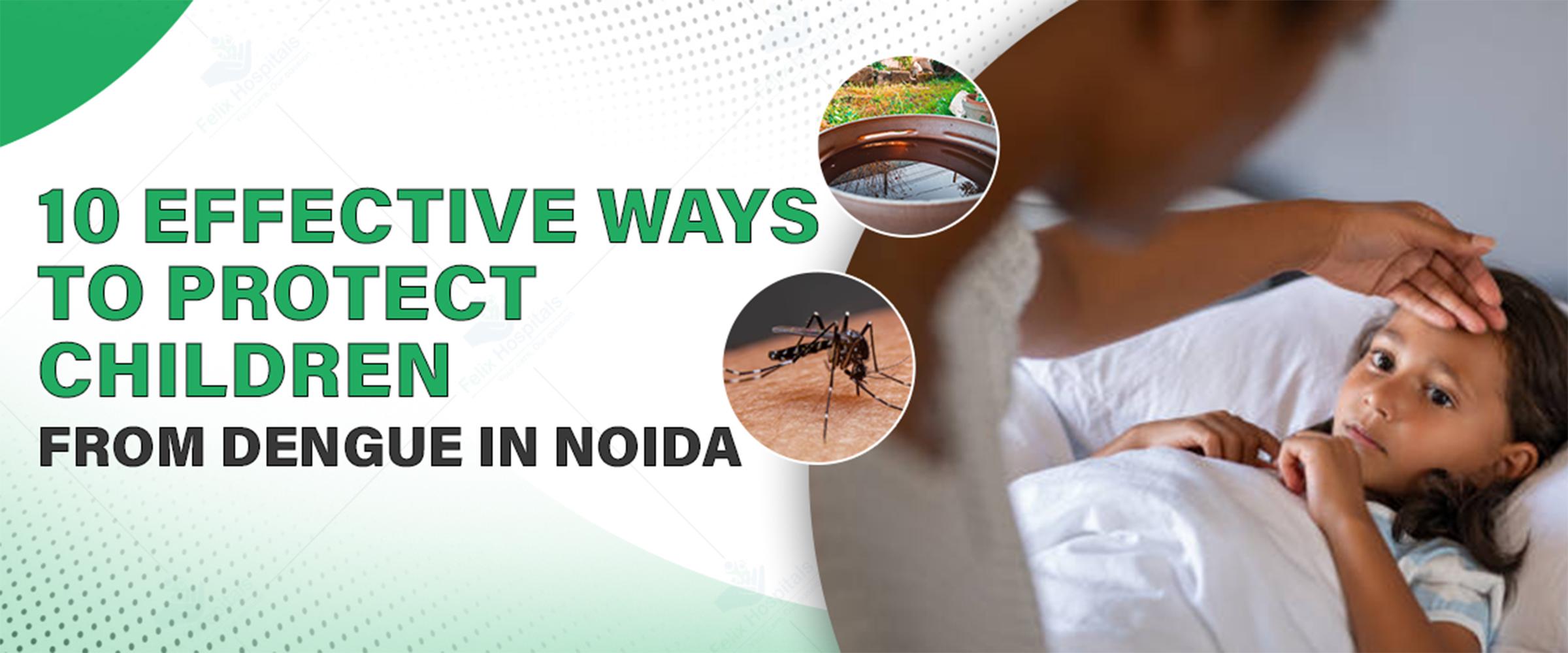
When monsoon is round the corner, so is the danger of dengue — a deadly, mosquito-transmitted disease that infects numerous families in Noida every year. Children, due to their yet-developing immunity and seasonal exposure to the outside world, constitute one of the vulnerable groups. You, as a guardian, bear an important part in avoiding dengue.
Know how to avoid dengue in children and take regular precautions to keep them safe from this serious infection by ensuring timely screening at the Pediatric Dengue Treatment Hospital in Noida. Simple home remedies, regular habits, and timely awareness can make all the difference in the world when it comes to your child's protection.
Dial +91 9667064100 and schedule an appointment with pediatrics expert and receive assured care and advice for your kid's health.
Dengue is caused by the bite of the daytime active Aedes aegypti mosquito. After getting infected, the virus could cause high temperature, joint pain, rash, and in rare events, hemorrhagic fever due to dengue or shock syndrome due to dengue.
Dengue in children could quickly develop and could result in dehydration, weakness, and low platelets. If in the beginning its symptoms are understood and medical attention is taken in time, serious problems could be avoided.
Spontaneous high fever
Pain and Headache in back of eyes
Loss of appetite or nausea
Joint and musculoskeletal pain
Skin rashes
Tiredness or fatigue
While dengue may seem scary, the silver lining is that its majority of cases are avoidable. With these child dengue prevention tips, you can ensure your young ones remain safe from harm during the busy season.
Mosquito repellents are an easy and effective mosquito bite preventer. Select repellents that are child-safe — ideally products that contain natural extracts such as citronella, lemongrass, or eucalyptus oil.
Use repellent on skin exposure areas in an even distribution prior to your child venturing outside or to school. Never use repellent on hands, eyes, and mouth for little kids. Repel again according to the product label for best protection level.
Mosquitoes prefer exposed skin, particularly in the morning and in the late evening. Clothe your child in long-sleeved shirts, long pants, and socks to cover exposed skin as much as possible.
Light clothing is best, as dark is more attractive to mosquitoes. When your child goes outside to play or goes off to school in the morning, ensure that he/she is in coverings that protect them.
Mosquitoes breed in still water, even in tiny puddles. Make it a household habit to:
Empty and wash pails, plant containers, and birdbaths daily.
Inspect air coolers, gutters, and plant saucers every few days.
Cover all water storage containers tightly.
Disposable tires, cans, and bottles that may accumulate rainwater, distribute.
This is an easy habit that lowers mosquito breeding considerably — one of the best dengue prevention tips for kids that every home should adopt.
Use of protection nets is essential, more so for small children and babies. Use mosquito nets above cribs and bedsteads during bed times.
Always check your window and door screens for holes and gaps, and if you find any, mend them to prevent mosquito entry. Using repellents or plug-in vaporizers indoors at night is another form of added protection.
Aedes is most active in the morning and in the late afternoon. Request your children to play in the house during these times.
In the case that outside play is not avoidable, make sure they're covered up with repellent and clothes. Setting up safe in-door playgrounds minimizes direct exposure to mosquito bites while keeping children active.
Having a robust immunity shall make your child quick to bounce back if he does end up getting an infection. Add foods that are high in Vitamin C (like oranges, amla, and guava), iron, and antioxidants.
Keep your child properly hydrated with water, coconut water, and juices. Restrict junk foods and adding immunity-rich foods such as turmeric milk, green leafy veggies, and nuts will raise resistance power to infection naturally.
Good mosquito breeding places during the monsoon season are plant and cooler trays. Wash and dry them out once in 2-3 days. To keep the mosquito larvae out of the water tray of a cooler, add a few drops of water in kerosene or neem oil.
This is a very easy routine that can help significantly decrease the number of mosquitoes surrounding your house.
Mosquitoes can be turned away with several natural remedies. Plants such as tulsi, mint or lemongrass are good to keep around the windows to keep the mosquitos away.
Camphor or neem lamp used briefly in the evening can also prevent mosquito bites, but these natural remedies must be used together and not instead of repellents and other preventive measures.
Teach your child easy everyday things such as:
Using repellent and then heading out.
Do not play near still water or drainage.
Reporting immediately about any symptoms of fever or general malaise.
More awareness will help the kids understand the importance of their role in ensuring their safety, and it will create a long term health consciousness.
When your child shows any of the symptoms of fever, vomiting, rash, or body ache especially in monsoon, visit a doctor immediately. Instant detection saves your child from dengue and its consequences in an effective manner.
If fever or lethargy is persistent, seek advice from pediatric dengue specialist in Noida for proper evaluation, rehydration treatment, and care. Prompt medical attention is the best defence for dengue.
In rapidly urbanizing cities, rapidly constructed buildings, insufficient drainage, and exposed water supplies create ideal mosquito-breeding conditions. Since bites from Aedes aegypti mosquitoes happen during the day, school children and children who spend more time outside are more exposed.
It's essential that residential societies, schools, and families all collaborate and keep their areas clean and prevent stagnant water from forming. Prevention of dengue is the joint liability that begins in your own home.
Replace flower vase water every two days.
Maintain dry and clean bathrooms and toilets.
Apply mosquito patches on your kids rather than creams.
Spray environmentally friendly repellents in dark spots and shoe stands.
Wash and cover all utensils used for water storage.
Small, constant steps are more efficient in avoiding dengue than is any once-for-all effort.
Besides physical protection, developing healthy routines supports dengue prevention and overall well-being
Rest well: A well-rested body has improved immunity.
Stay properly hydrated: Proper fluids help in flushing toxins.
Practice yoga or light exercises: They reinforce blood flow and immune operations.
Establish screen boundaries: Advocate for after-school time outside in safe hours.
Following routine schedules in daily activities makes children physically fit and immune to seasonal disorders.
In the rare instance your child is experiencing high fever, rash, or unusual lassitude — do not wait. Early consultation with physicians is the key in avoiding dengue complications.
Preventing dengue in children involves frequent awareness, cleanliness, and preventive lifestyles. With safe methods of mosquito prevention, regular and balanced feeding, and swift medical care, parents could prevent infection from occurring significantly.
Remember — prevention begins at home. Regular screening for stagnant water, use of repellents, and maintaining your child's health in general remain the perfect solutions for preventing dengue.
Let's make it safe this season through awareness and preparation. Together, our children can remain dengue-free and healthy.
Q.1. Can my child attend school in recovery from dengue?
Ans. It is recommended that your child is kept for some time in bed until fever and weakness completely settle. Dengue creates weakness and low platelets, and rest and fluid replenishment are essential. Coming back too early to school may prolong convalescence and put the child at risk for infection.
Q.2. Which foods increase platelets in dengue?
Ans. Supply fresh fruits like papaya, pomegranate, and kiwi that would support platelet construction, in a natural manner. Supply soup, coconut water, and boiled vegetables, along with plenty of liquids. Avoid oily, spicy, and packaged foods, for they do tend to weigh down the stomach.
Q.3. Can dengue spread from one child to another?
Ans No, dengue is not contagious. It doesn’t spread through direct contact, air, or food. However, if a mosquito bites an infected person and then bites another person, it can transmit the virus. Hence, protecting sick children from mosquito bites also helps prevent further spread.
Q. 4. Does papaya leaf juice work for dengue?
Ans. Papaya leaf juice is also in use in Indian villages for increasing platelet levels, but scientific proof is scarce. Always consult your pediatrician before administering it to your child.
Q.5. Can mosquito bites from clothing transmit dengue?
Ans. Yes, even mosquitoes bite through thin or tightly-fitted clothing. That is why it is necessary to dress children up in loose, light-colored, and full-sleeved clothing.
If you suspect that you or your child may have enlarged adenoids, visiting a specialized facility like the adenoid swelling hospital in Noida can provide the necessary diagnosis and treatment.
Dengue is a mosquito-borne viral disease causing high fever, body pain, and rashes. It spreads through Aedes mosquitoes. Early treatment and mosquito control help prevent complications.


Subscribe to our
© Copyright 2026. All Rights Reserved by Felix Healthcare Private Limited
Design and development by :


 +(91)9667064100
 Emergency : +(91)9667064100