 Emergency:
  WhatsApp

Subscribe to our
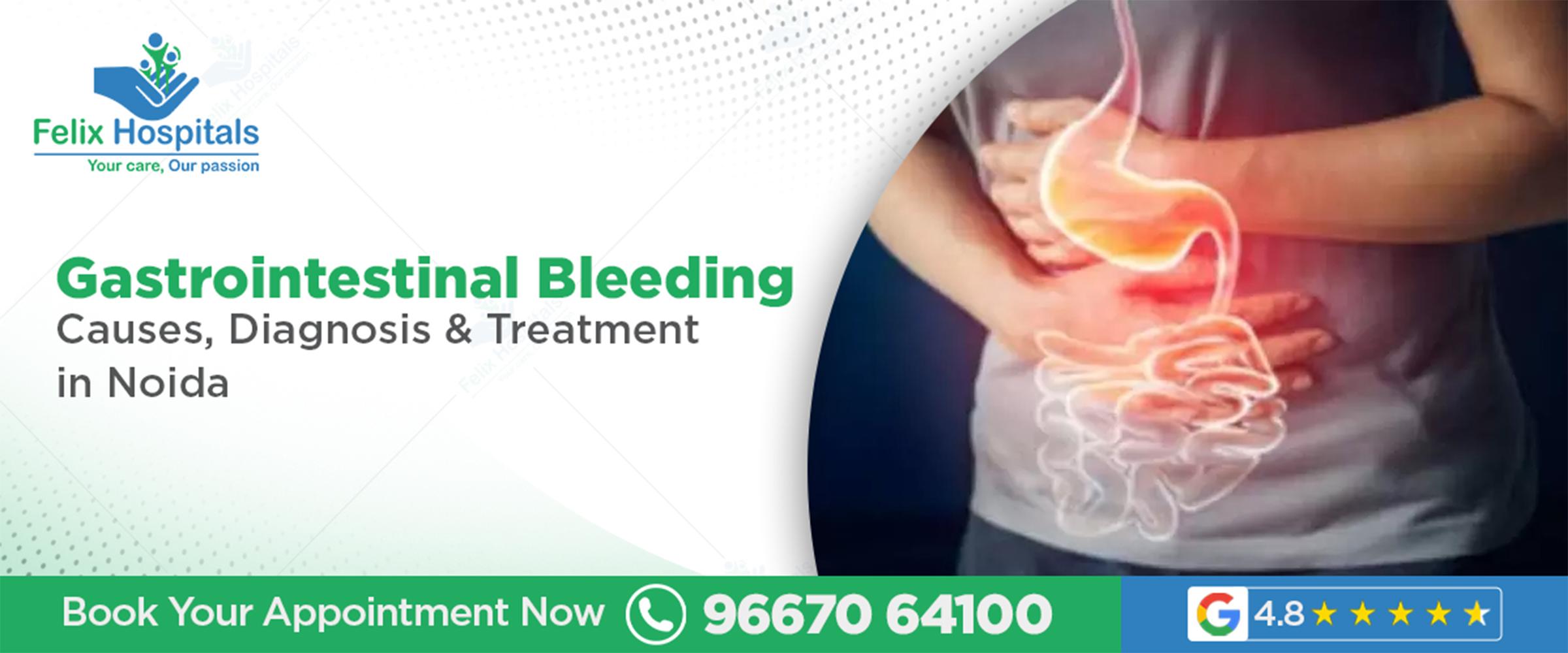
Gastrointestinal (GI) bleeding is one of the most serious digestive emergencies, and it requires immediate medical attention. It can appear suddenly with symptoms like vomiting blood or black stools, or it may develop slowly and cause fatigue, anemia, or weakness. Whether the bleeding originates in the esophagus, stomach, intestine, or colon, timely diagnosis and proper treatment are critical to prevent life-threatening complications.
This comprehensive guide explains the causes and symptoms of gastrointestinal bleeding, available tests, and the best options for gastrointestinal bleeding treatment in Noida.
“Experiencing vomiting blood, black stools, or dizziness? Don’t wait — call +91 9667064100 now to consult the best gastroenterologist in Noida immediately.”
GI bleeding refers to any bleeding in the digestive tract, ranging from the esophagus down to the rectum.
It is broadly classified into two types:
Occurs in:
Esophagus
Stomach
Duodenum
Common conditions requiring upper GI bleeding treatment include ulcers, varices, and severe acid reflux.
Occurs in:
Small intestine
Colon
Rectum
It is often caused by infections, diverticulosis, polyps, or inflammatory bowel disease.
Both conditions need rapid assessment by a GI bleeding specialist in Noida to identify the source and control the bleeding.
Understanding what triggers the bleeding helps in early detection and timely treatment. Below are the major causes affecting adults:
One of the most common causes. Ulcers may form due to:
H. pylori infection
Long-term painkiller use (NSAIDs)
Stress and alcohol
When ulcers erode blood vessels, GI bleeding occurs.
Inflammation of the stomach lining or esophagus can cause bleeding, especially if chronic.
Enlarged veins in the esophagus—usually seen in people with liver disease—can rupture suddenly and lead to heavy bleeding.
This is a medical emergency requiring immediate hospital care.
Common causes of lower GI bleeding
Symptoms include bright red blood on stools or tissue.
Polyps may bleed slowly over time. Some may be precancerous and need removal.
Crohn’s disease and ulcerative colitis cause inflammation, ulcers, and intestinal bleeding.
Small bulging pouches in the colon can rupture and lead to sudden lower GI bleeding.
Bacterial infections like E. coli or parasitic infestations may also cause bleeding.
The causes and symptoms of gastrointestinal bleeding may vary depending on where the bleeding originates.
Major Symptoms Include:
Vomiting blood (bright red or coffee-ground appearance)
Black, tarry stools (melena)
Fresh blood in stools
Dizziness or fainting
Palpitations
Shortness of breath
Fatigue or weakness
Abdominal pain
If any of these symptoms appear suddenly, you must seek emergency gastrointestinal bleeding care in Noida immediately.
Gastroenterologists use advanced diagnostic tools to pinpoint where the bleeding is occurring.
A thin tube with a camera is used to examine the:
Esophagus
Stomach
Duodenum
This is the gold standard for diagnosing and treating upper GI bleeding.
Used for:
Colon and rectum examination
Detecting polyps, infections, tumors, and bleeding points
Helpful when endoscopy doesn’t reveal the source.
This test identifies internal bleeding or vascular abnormalities.
To check:
Hemoglobin levels
Clotting ability
Infection markers
A swallowable camera capsule helps detect bleeding in the small intestine, where other tests cannot reach.
Treatment depends on:
Cause
Severity
Bleeding location
Here are the commonly used methods for gastrointestinal bleeding treatment in Noida:
Most bleeding issues can be treated immediately during endoscopy using:
Clips
Coagulation therapies
Injection therapy
Band ligation
This approach is fast, minimally invasive, and highly effective.
Depending on the cause, doctors may prescribe:
Proton pump inhibitors (PPIs)
Antibiotics (for H. pylori infection)
Anti-inflammatory medicines
Drugs to reduce portal hypertension (for varices)
Required in cases of severe blood loss to stabilize the patient.
Emergency procedures include:
Endoscopic band ligation
Sclerotherapy
Medications to reduce pressure in veins
Rarely required, but used when:
Endoscopy fails
Tumors or polyps need removal
Severe bowel injury is present
A GI bleeding hospital in Noida will have advanced surgical backup if needed.
GI bleeding can turn fatal if ignored.
You must visit a hospital immediately if you observe:
Vomiting blood
Black stools
Sudden weakness
Rapid heartbeat
Fainting
Hospitals equipped for emergency gastrointestinal bleeding care in Noida provide:
24×7 endoscopy
ICU support
Blood bank access
Specialist gastroenterologists
This ensures timely treatment and improved survival rates.
Felix Hospital, Noida, offers advanced gastroenterology care with modern endoscopy units, experienced specialists, and round-the-clock emergency support. Patients receive accurate diagnosis, immediate intervention, and comprehensive follow-up care under the supervision of the best gastroenterologist in Noida.
Sudden GI bleeding or severe abdominal discomfort? Get urgent care from top specialists at Felix Hospital. Call +91 9667064100 for emergency gastrointestinal bleeding treatment in Noida today.
GI bleeding should never be ignored. Early detection, accurate diagnosis, and timely treatment can prevent complications and save lives. With advanced facilities and expert gastroenterologists available locally, patients can access reliable and effective gastrointestinal bleeding treatment in Noida without delay.
Q. 1. What is the first sign of GI bleeding?
Ans. Black stools or vomiting blood are the most common early signs.
Q. 2. Is GI bleeding an emergency?
Ans. Yes—immediate medical attention is required.
Q. 3. Can ulcers cause heavy bleeding?
Ans. Yes, untreated stomach ulcers are a major cause of serious bleeding.
Q. 4. How is GI bleeding diagnosed?
Ans. Endoscopy or colonoscopy helps identify the exact source.
Q. 5. Which doctor should I consult?
Ans. A GI bleeding specialist in Noida or a gastroenterologist.
Understand the factors that influence gastric balloon surgery cost in Noida, including hospital facilities, doctor expertise, and post-procedure care.
Expert gastroenterology care for better digestive health, offering advanced diagnosis and treatment for GERD, IBS, ulcers, and liver disorders.
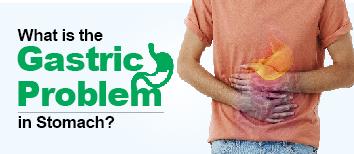
Gastric problems occur when excess acid or digestive disturbances affect the stomach lining, causing symptoms like bloating, acidity, and pain. Timely diagnosis ensures effective treatment.


Subscribe to our
© Copyright 2026. All Rights Reserved by Felix Healthcare Private Limited
Design and development by :


 +(91)9667064100
 Emergency : +(91)9667064100