 Emergency:
  WhatsApp



Subscribe to our
Liver cirrhosis is the condition in which the liver gradually ceases its effective performance. It may be due to excessive consumption of alcohol, and infections such as hepatitis, fatty liver and anti-immune system to the liver. A Liver Specialist in Noida will help to identify the issue early, delay it, and perceive complications. Previously cirrhosis was regarded as irreversible but today physicians have now discovered that in some cases early cirrhosis is reversible provided therapy against the cause is administered promptly.
The most recent tests, the capability to monitor the functioning of the liver, provision of medicines addressing viruses, small endoscope operations, and even the ability to provide liver transplants to very advanced patients can all be included at a trusted Liver Hospital In Noida patients receive full care that suits them with the help of professional liver doctors, diet specialists as well as programs to alter habits. The objective is to cure the disease as well as to assist patients to modify their activities, habits of eating, and drinking in order to keep their liver healthier. Early onset of asking a liver specialist is the way to ensure long term health in case you or someone you love is at risk.
Consult the best Liver Specialist in Noida today – call +91 9667064100.
To know is liver cirrhosis reversible you should know that although the advanced liver cirrhosis cannot be reversed in most cases, medical advancements of late have demonstrated the reversibility of the cirrhosis at early stages, subject to the cause of the cirrhosis. Being an important question Can liver cirrhosis be cured with an effective treatment of the underlying cause, the regenerative ability of the liver may result in a positive change.
Stages of liver cirrhosis are as follows:
Early cirrhosis: At this point the liver performs sufficiently even with the scarring. Proper treatment of the underlying cause can stop the process of fibrosis, and part of the damage can be undone.Early-stage liver cirrhosis recovery can be done easily and effectively.
Advanced cirrhosis: This stage is characterized by massive and irreversible scarring. The liver is greatly incapacitated and its functioning can hardly be reversed. The aim of treatment is on dealing with the symptoms and complications, and the only curative therapy in this case is a transplant of the liver.
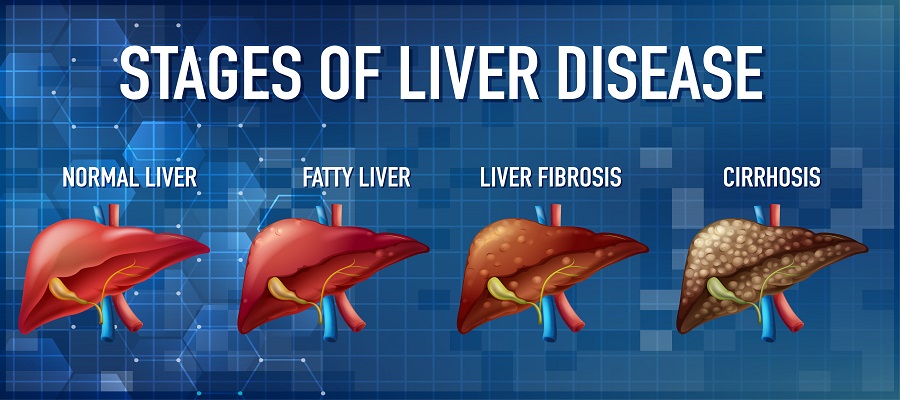
Cirrhosis can be divided in a few ways, however the most widely used classification is the four stages of liver disease leading to cirrhosis.
Stage1: Inflammation (Steatosis): This is the first stage in which inflammation or accumulation of fats in the liver takes place. This stage can be reversible in case the cause is being treated adequately.
Stage2: Fibrosis: Inflammation causes scarring (fibrosis) that in turn starts to obstruct normal blood flow in the liver. By now the liver is likely to continue functioning satisfactorily.
Stage3: Cirrhosis: A lot of scarring has substituted normal liver tissue and the liver becomes boiled and hard. It is at this point that the disease starts to become serious but it is still possible that the liver will be compensated and the liver will continue to perform years without serious complications.
Stage4: End-Stage Liver Disease/Liver Failure: This involves a decompensated stage, where the liver is unable to perform effectively any longer causing life threatening complications.
Timely information and treatment is the main thing in How to manage liver cirrhosis symptoms effectively with optimal success. Early-stage recovery is concerned with solving the actual source of the damage.
Therapy of underlying cause: In case of conditions such as the hepatitis C virus, contemporary antivirals can cure the condition, which will see significant improvements in the condition of the liver. In the case of alcohol liver disease, total abstinence has to be considered.
Weight management: In the case of non-alcoholic fatty liver disease (NAFLD), weight loss becomes one of the main methods of treatment that can enhance the working of the liver and can minimize scarring.
Lifestyle modifications: A healthy diet with regular exercise may help bring about liver health and avert deterioration.
Proper control of the symptoms of liver cirrhosis.
In both early and advanced phases, symptom control is an important aspect of treatment.
Diet and lifestyle change: Adhere to a low sodium diet in order to avoid fluid retention. Combat malnutrition by feeding on a balanced diet that is high in fruits, vegetables and lean protein.
Avoid alcohol: It is necessary to avoid alcohol completely in order to avoid additional harm.
Exercise: Keeping body fitness through moderate physical exercises helps to control weight and get yourself in good health.
Safe medications: Do not take any medications such as NSAIDs without consulting a doctor since many of these may aggravate liver damage.
Some of these kinds of medication may be prescribed by the doctors to control certain symptoms:
Diuretics (e.g. furosemide, spironolactone): Diuretics are used to decrease the amount of fluid in the abdomen (ascites) and legs (edema).
Beta-blockers: These medications are prescribed to decrease the elevated blood pressure levels inside the liver veins (portal hypertension) and decrease the threat of internal bleeding inside the enlarged veins (varices).
Lactulose and Rifaximin: These drugs are used to disintegrate toxins in the body that may be causing confusion which is referred to as hepatic encephalopathy.
Antibiotics: Can be applied in the treatment or prevention of infection, which is more likely in people with cirrhosis.
Other procedures can be required to treat complications in complicated cases:
Paracentesis: This is used to remove excessive amounts of fluid in the abdomen.
Endoscopic procedures: This treatment is applied to enlarged veins of the esophagus or stomach which risk bleeding out.
Liver transplant: It is the only curative treatment used in the end stage liver disease when the liver is unable to perform.
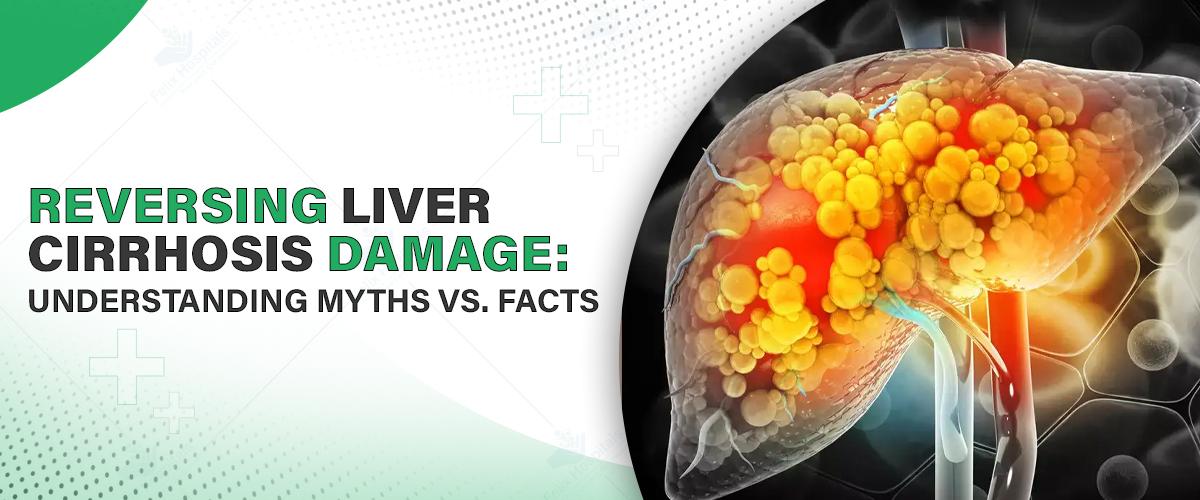
No, but in some instances, early-stage cirrhosis is reversible and in most instances, advanced liver cirrhosis cannot be reversed. In the past, liver cirrhosis was thought to be an invariable irreversible illness, but over the recent years, medical development has added some nuances to this knowledge. The cause of the boils is addressed through treatment in order to prevent additional scarring as well as controlling complications. The major Liver cirrhosis myths and facts are as the follows:
Fact: This is subject to the stage and cause of the disease.
Early Cirrhosis: In this case, a portion of a liver remains healthy and there is enough hepatic functioning. When effective treatment of the underlying cause is provided, the course of scarring can be stopped and even the liver can possibly work to repair some of the damage.
Advanced Cirrhosis: Lake liver has become heavily scarred permanently and is unable to heal the scar. Although it is too late to reverse it, the situation can be slowed down and treated to prevent life-threatening complications.
Myth: The liver is self-healing, and corrects with abstinence.
Fact: Although no alcohol consumption is crucial to healing in alcoholic liver disease situations, the level of the healing process is determined by the level of damage that already exists.
In the case of alcohol-related cirrhosis, alcohol could be cured by abstinence and this would be ideal in improving the liver by prolonging life but not in the advanced scarring.
The most important step is to quit drinking, no matter how much reversal can be achieved.
Myth: A regular liver practice test indicates that the cirrhosis is healed.
Fact: This is a myth especially in the case of compensated cirrhosis that might present normal liver tests on blood.
Routine blood tests are not always accurate in representing the level of liver scarring.
More complex diagnostic techniques like imaging or liver biopsy are required to adequately determine the amount of fibrosis.
Myth: It is no use treating the underlying cause when there is cirrhosis present.
Fact: Necessity to treat the stone cause of the liver disease, even in its later stage, as a progression slows and it is not further deteriorated.
Viral Hepatitis (Hepatitis B and C): Viral Hepatitis can be stopped by the use of antiviral drugs that reduce liver damage.
Non-alcoholic fatty liver disease (NAFLD): Metabolic conditions such as diabetes can be managed through weight loss and other means that can greatly enhance liver conditions.
Autoimmune diseases: Immunosuppressants are able to minimize liver inflammation.
Slow or reverse liver injury.
The objective of curing cirrhosis is to treat the cause, prevent the further advancement of liver damage, and treat the complications.
Manage cirrhosis with expert guidance – call +91 9667064100 today.
Although advanced cirrhosis is irreversible, early detection and proper management of the disease allows the victims to live better and longer lives. When a well known Liver Specialist is seen in Noida, he can provide advice on what to eat, which pills to take and when the time to see him is that the disease can be slowed down or even reversed to a great level at an earlier stage.
Felix Hospital is one of the best Noida liver hospitals that deals with the entire body treatment of liver issues. Since the early testing and family consultation to the advanced treatment and transplant assistance, Felix employs the finest technology, an experienced group of liver specialists, and custom-made programmes to provide every patient with the most appropriate care near home.
Q1. What are the lifestyle recommendations by Felix physicians to cirrhosis patients?
Ans: They recommend avoidance of alcohol consumption, practice of balanced dieting, maintaining a normal weight, and physical activities to prevent worsening of the disease.
Q2. Does Felix hospital offer liver transplant?
Ans: Yes. Felix provides liver-consultation in transplantation and collaborates with centers in transplantation.
Q3. Is fatty liver potentially fatal to cirrhosis?
Ans: Yes. Lack of treatment and lifestyle modification may result in scarring and cirrhosis in case of fatty liver disease.
Q4. Does Felix hospital provide diet counseling to liver patients?
Ans: Yes. The diet programs of Felix are designed by nutritionists who offer a solution of fixing the liver that is affected by cirrhosis.
Q5. What is the frequency of follow up with a liver specialist on the case of cirrhosis?
Ans: Check-ups are usually recommended by Freudian physicians after every 3-6 months, depending on the distance of the disease.


Subscribe to our
© Copyright 2026. All Rights Reserved by Felix Healthcare Private Limited
Design and development by :


 +(91)9667064100
 Emergency : +(91)9667064100