 Emergency:
  WhatsApp


Subscribe to our
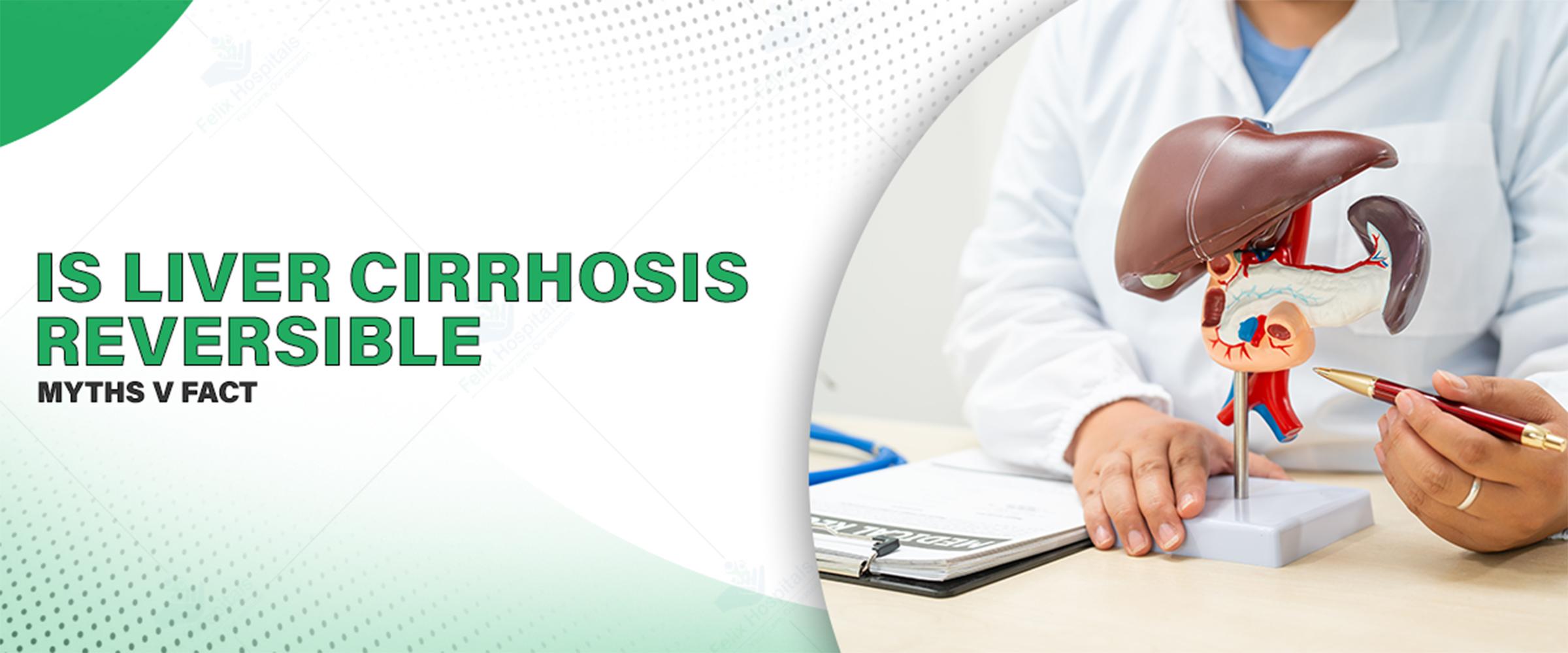
Few liver illnesses are as alarming as cirrhosis. Cirrhosis is often enveloped in mystery, fear, and misconceptions. Everybody is always wondering: "Is liver cirrhosis reversible?" or "Can liver cirrhosis be cured?" The replies are never absolute but educating oneself is the best first step towards proper management.
Cirrhosis is a slow-progressing illness, or it develops over time as a result of long-standing damage to the liver. But prompt detection, appropriate treatment at the right time, and adoption of a healthy lifestyle may slow down the progress and enhance the quality of life. If liver issues are faced by someone or their family member, taking the consultation of a reliable liver specialist in Noida will make diagnosis correct and treatment planning efficient.
Treatments are not the only ways to manage cirrhosis; it is adjusting our lifestyle with professional support. Call today at +91 9667064100 for your treatment.
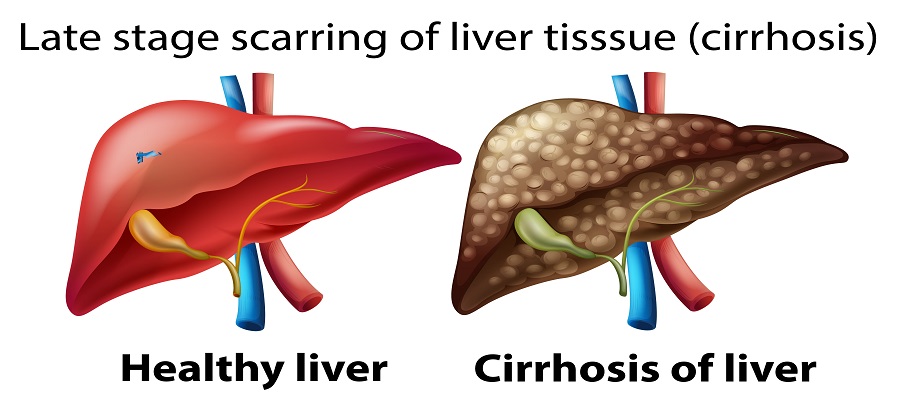
Late scarring of liver tissue caused by ongoing damage is liver cirrhosis. When scar tissue takes the place of normal liver cells, the liver is no longer able to perform important liver functions—like detoxification, metabolism, and bile secretion—properly.
Some common causes include:
Chronic alcohol consumption
Viral hepatits (Hepatitis B, C, or D)
Non-alcoholic fatty liver disease (NAFLD)
Autoimmune hepatitis
Long-standing bile duct obstruction
This is significant to understand because cirrhosis does not occur overnight—it is the terminal state of chronically damaged livers.
Cirrhosis develops in stages, and awareness of them allows the patient to know what to anticipate.
Compensated Stage – The liver is damaged but functioning. The symptoms will be faint or will be non-existent.
Decompensated Stage – Advanced scarring disables liver function and results in problems such as fluid accumulation, jaundice, or confusion.
End-Stage Liver Disease (ESLD) – The liver is no longer able to function and may require transplantation.
Everyone wants to know – "Is liver cirrhosis reversible in the first stage?" The answer is that although scar tissue is irreversible in absolute terms, liver cirrhosis in the first stage is reversible with adequate medication and lifestyle change in order to avoid secondary scarring.
Myth 1: Cirrhosis is always irreversible.
Fact: Advanced cirrhosis is irreversible but may be slowed down or even stopped if it is discovered in an earlier stage. Certain liver function may even be restored.
Myth 2: Only alcoholics are connected to cirrhosis.
Fact: Alcohol abuse is a common cause but hardly a sole culprit. Non-alcoholic fatty liver disease is another offender as are viral infections with hepatitis and autoimmune diseases.
Myth 3: Home remedies will cure cirrhosis.
Fact: Herbal teas, detoxification drinks, or alternative medicine may relieve symptoms but will never replace treatment. Specialist treatment is essential.
Myth 4: After diagnosis, life is extremely short.
Fact: With proper treatment, cirrhosis patients—especially at the early stage—can lead long and pleasant life.
This clarification of liver cirrhosis misconceptions and facts allows patients to concentrate on evidence-based treatment and not myths.
They usually ask: "Can liver cirrhosis be cured if it is discovered early?" Even though a perfect cure may be unlikely to happen, an early diagnosis provides the greatest possibility of healing.
Recovery actions to facilitate involve:
Leaving aside alcohol
Treatment of viral hepatitis by antiviral therapy
Being at an ideal weight to avoid accumulation of fat in the liver
They must have a liver-friendly diet rich in lean protein, whole grain cereals and fruits.
By following these steps, patients can prevent progression and manage symptoms effectively.
Management of cirrhosis is long term and requires vigilance. Some management pointers are listed below:
Medication adherence: Doctors may prescribe diuretics for fluid buildup or antivirals for hepatitis.
Avoiding harmful substances: Alcohol, certain painkillers, and supplements can worsen damage.
Dietary change: Lower sodium to balance fluid retention; consume smaller nutrition-dense meals.
Lifestyle changes: Regular exercise, stress management, and rest are essential.
Regular review: Blood and other investigations and occasional liver biopsy establish that progression is being tracked.
If complications do arise then on-time treatment at a well-established liver hospital in Noida will make a big difference in outcomes.
The honest reply is: not entirely, but it is controllable. The scar tissue is eliminated but still the remaining healthy cells in the liver are able to carry out the liver's function if the damage is prevented from progressing.
Late in the course of the disease, liver transplantation is the only therapy. Nevertheless, no patient will ever reach that point if and when doctor's instructions are followed.
Everyone is interested in the correct treatment course. The correct answer is: individualized and professional treatment. The selection of specialist physicians ensures:
Precise diagnosis through advanced blood and imaging tests
Individualized treatment protocols depending on the aetiology (alcoholic, viral, or metabolic)
Fewer problems and risk with prompt interventions
Holistic support including dietary, psychological, and family counseling
This active management allows for safe procedures, efficient management of symptoms and maximized recovery results.
If liver problems are what you suspect, do not wait. Act now on the health front and consult an expert. Prioritize long-term healing for a brighter tomorrow. Call +91 96670 64100.
Then is liver cirrhosis reversible? The short reply is no—but the longer and more encouraging reply is yes, in controlling progression and in management of symptoms and in enhancing quality of life. Scar tissue is permanent but cirrhosis in the very early stage may be held in check through lifestyle changes and medication and frequent check-up.
If ever in life you've posed to yourself the question "How to know if my liver is healthy?" or "Can liver cirrhosis be treated and cured?", remember at all costs prompt treatment is key.
Q1. What are the initial symptoms of liver cirrhosis?
Ans: Fatigue, easy bruising, loss of appetite, and mild swelling of the abdomen are typically the first symptoms.
Q2. Is liver cirrhosis at an early stage curable?
Ans: Yes, it can be slowed down or even prevented if the reason (like alcohol or hepatitis) is treated in time.
Q3. How to treat liver cirrhosis symptoms effectively at home?
Ans: Be cautious about a low-sodium diet, adequate fluid intake, avoiding alcohol, and treatment compliance by your doctor.
Q4. How is cirrhosis treated naturally?
Ans: While some natural foods like turmeric or green tea support liver health, they cannot replace medical treatment.
Q5. How long is liver cirrhosis patient life expectancy?
Ans: This depends on the stage at diagnosis and general health. Quality life for many years is usually attained by early diagnosis.
Q6. Do cirrhotic patients exercise?
Ans: Yes, light to moderate exercise may improve stamina and muscle preservation. Consult with your doctor always.

Discover 11 expert tips to prepare for labour and delivery.
Understand how fatty liver develops, its key stages, and the steps needed for recovery. Early diagnosis and expert treatment can help reverse damage and restore liver function.


Subscribe to our
© Copyright 2026. All Rights Reserved by Felix Healthcare Private Limited
Design and development by :


 +(91)9667064100
 Emergency : +(91)9667064100