 Emergency:
  WhatsApp



Subscribe to our
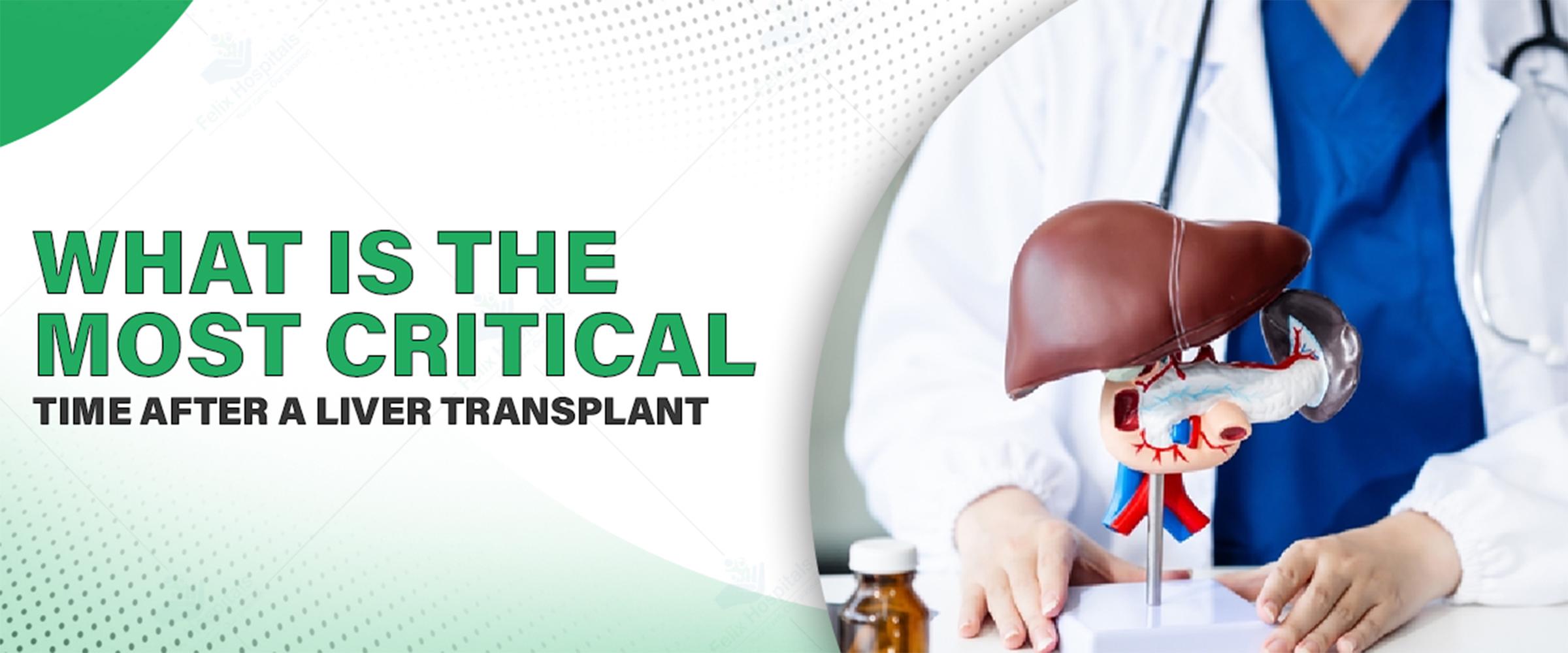
Liver transplantation is a life-altering surgery that gives people a second chance at life. But like any big surgery, the recovery process is full of hard times and has to be done sensitively .Patients often ask, "What is the most critical time after liver transplant surgery?" In this blog, we'll talk about the time frames after a liver transplant, possible problems and important care strategies that Liver Transplant Hospital In Greater Noida provides helping patients and their families get through this hard time.
Book your consultation now and get personalized guidance for a healthier recovery journey.
The immediate postoperative period is the first 72 hours to weeks after the surgery to transplant the liver. This stage is the most critical time after liver transplant because it's when the body starts to accept the new organ and alongside starts to heal from the surgery.
Patients are usually moved to the ICU after surgery so that they can be closely watched. During this important time, patients may have changes in their blood pressure, heart rate, and other vital signs. Part of the reason for these changes is how the body reacts to surgery and anaesthesia. In the ICU, Liver Specialist and nurses keep an eye on these vital signs, liver function, and overall stability. The length of a patient's stay in the ICU is the most liver transplant critical period depending on their condition, but it usually lasts a few days so that Liver Specialist in Greater Noida can keep a close eye on them and act quickly if they need to.
It's important to control pain well because severe pain can cause stress responses that can affect blood flow and organ function. In the starting , the patient is given strong painkillers, and the dose is changed as they get better.
After surgery, many patients remain on a ventilator for a day or two. Early extubation, which involves removing the breathing tube, indicated that the patient was stable enough to breathe independently. But this decision is not taken lightly, lest it subject the patient’s lungs and fresh new liver to an excessive amount of stress.
Patients are given medication to prevent rejection immediately following the surgery. These medications are very critical and you need to take them exactly as directed. Adaptations may be necessary however, depending on and how the patient responds.
There can be some blood loss with a liver transplant due to the nature of the surgery. Patients may receive fluids and, occasionally, blood transfusions. The team meticulously manages fluids to keep blood pressure stable without overburdening the body.
In addition to pain and blood loss, several other complications can occur during this period:
Blood Clots (Thrombosis): Blood clots in the blood vessels of the liver can block blood flow and cause harm to the organ.
Primary Non-Function (PNF): In rare cases, the transplanted liver doesn't work right away. This can happen for a number of reasons, such as bad organ quality, problems during surgery, or severe rejection.
Infections: The surgery can make you more likely to get infections.
Once a patient is stable in the ICU, they are usually moved to a specialised transplant ward. This stage, which usually lasts from days 3 to 7, is still fragile but marks the shift from intensive care to a place where the patient is more involved in their recovery.
Here is a list of the most important things that will happen during this first period.
Daily blood tests are very important for keeping an eye on how well the new liver is working. These tests check the levels of bilirubin, liver enzymes, and clotting factors. All of these things can tell you how well the liver is working and whether the body is accepting the transplant.
Moving around early is good for your health and lowers your risk of blood clots. Short walks in the hospital hallway and deep breathing exercises are two simple things you can do to avoid problems like pneumonia.
At this point, nurses and transplant coordinators start to teach patients and their families about the medicines they will need to take at home. This includes how important it is to stick to immunosuppressants, know the signs of infection, and deal with side effects.
It's not just your body that needs to heal after a liver transplant; your mind does too. Patients may feel nervous or like they can't handle it. There are hospital psychologists, and counselors who can help people deal with these feelings and make sure that their mental health is as good as their physical health.
If everything goes well, the transplant team will start making plans for the patient's discharge by the end of the first week. This includes making follow-up appointments, teaching people how to take care of themselves, and finding help at home.
The first three months after the transplant are the most important. During this time, the main goal is to make sure the transplanted liver works properly and to look for any problems that might come up.
The immune system is set up to attack anything it sees as "foreign." and post liver transplant complications will be there. The body may still start to fight against the new liver even when taking immunosuppressive drugs (drugs that lower the immune response). This is most common during the first three months. Fever, jaundice, and belly pain are some symptoms. The drugs themselves that suppress the immune system to keep the body from rejecting an organ can also make people susceptible to infections.
Bacterial, viral
Fungal infections
Lung Infections, Such as Pneumonia
Infections of the urinary tract
Infections in wounds
Liver Transplant Hospitals In Greater Noida treat people with antibiotics and antifungal medication just in case, to reduce that potential risk. Patients must also follow strict hygiene rules, avoid crowded places and eat only food that is cooked well to reduce their risk of illness.
It is critically important to pursue immunosuppressive treatment. Patients need to take their medicines as prescribed to avoid rejection and other issues. Regular check-ins with the transplant team make it possible to alter the amounts of medications and monitor side effects. Even with strong medications, there is always a chance that the body will start attacking the new liver. On the other hand, infections can take hold in a person with a very weak immune system, even if they are only mild at first.
People can have chronic rejection months or even years after the transplant. It causes the liver to slowly stop working. To treat this condition well, you need to keep an eye on it and find it early.
People who have had a transplant are more likely to get heart disease because of things like high blood pressure, diabetes, and weight gain that can happen with immunosuppressive therapy. It's very important to live a heart-healthy life.
Long-term immunosuppression can raise the risk of some cancers, such as lymphomas and skin cancer.
Choose one of the best liver transplant surgeons in Noida: What to expect during a regular visit to your liver transplant surgeon in Noida:
Assess how well the liver is functioning.
Change medications as needed.
Offers advice on diet, exercise and how to live, generally.
Liver transplant survival time, for a person is over 90% surviving the first year, around 70-80% living for at least five years, and many living for 10, 20, or even 40+ years depending on factors like age, overall health, and strict adherence to post-transplant care and medications. Survival rates have improved significantly due to advancements in surgical techniques, immunosuppressant medications, and post-transplant care.
Don’t risk complications. See a Liver Specialist in Greater Noida after the transplant.
You’re lucky to get a second chance at life with a new liver, but you have to take care of that. Your long-term success will hinge on seeking help from your Liver Specialist in Greater Noida, taking your medications as instructed, and adopting healthier habits.
If you or a loved one is considering or has undergone a liver transplant and you would like help understanding how best to restore your health, don’t be shy about seeking out an expert to assist you.
Find the links below:
Check the links below:
Q1: Is it possible to reject, despite the use of medications?
Ans: Yes, it may get rejected, at least during the initial 3 months. The risk is low when there is the use of immunosuppressants, but constant monitoring is essential.
Q2: What is the average stay of a patient of ICU following a liver transplant?
Ans: The average patient has a stay at the ICU of 248 days, which is determined by stability and progress.
Q3: What is the prevention of infection after liver transplant?
Ans: Good hygiene, prophylaxis antibiotics, antifungal drugs and avoiding overcrowded areas decrease chances of infection.
Q4: What is the post-liver transplant lifestyle modification?
Ans: The patients are recommended to consume good food, exercise, avoid alcohol, smoking, maintain weight, and live a heart-friendly lifestyle.

Discover 11 expert tips to prepare for labour and delivery.


Subscribe to our
© Copyright 2026. All Rights Reserved by Felix Healthcare Private Limited
Design and development by :


 +(91)9667064100
 Emergency : +(91)9667064100