 Emergency:
  WhatsApp


Subscribe to our
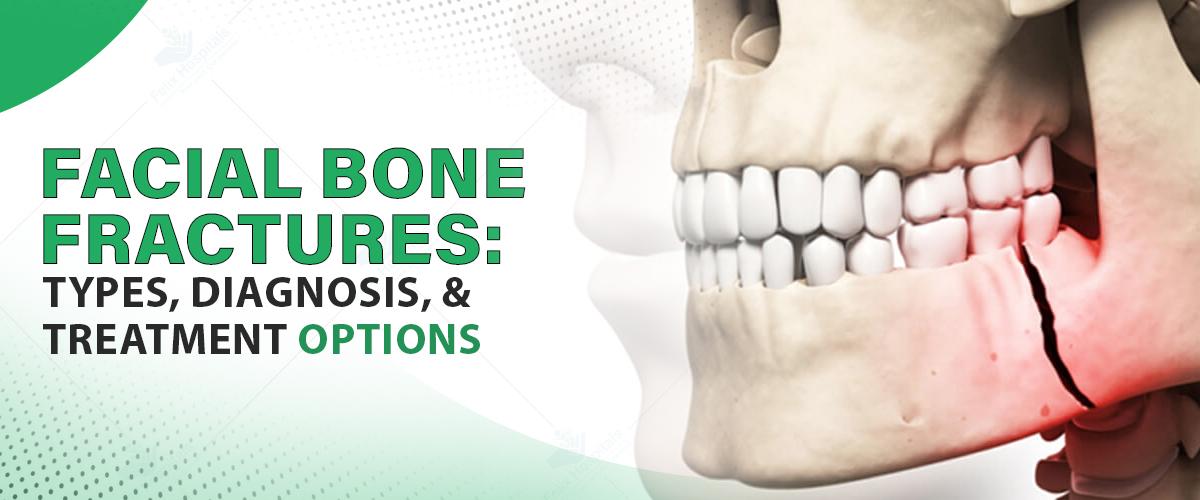
Facial bone fractures are serious injuries involving broken bones in areas such as the jaw, nose, cheekbones, or eye sockets. Since facial bones are less dense and weaker compared to other bones in the body, they are more susceptible to injury.
When there is a facial fracture, the key to success is early diagnosis and treatment from a proficient orthopedic surgeon. If you reside in Noida and are experiencing this condition, having the best orthopedic hospital on your side can significantly improve your recovery process.
Call us now at +91 9667064100, or come to our hospital and speak with our experts directly and receive the treatment that you deserve.
Facial bone fractures—maxillofacial fractures—are where one or more of the facial bones are fractured as a result of trauma. They not only cause pain, but they also disfigure, can hinder breathing, and impair speech, eating, or vision.
Depending on the fractured bone, the symptoms of a facial fracture vary, but the following are common signs:
If you or a loved one has any of these symptoms after an injury, immediate medical attention is necessary.
Facial fractures result from severe trauma. The usual causes are:
Facial bone fractures can be accompanied by severe complications if not treated correctly:
The best hospitals in Noida begin the diagnosis process by performing a physical examination to observe any external trauma signs, such as bruising, swelling, or facial asymmetry. The physician can also:
Facial fracture treatment varies depending on the area and severity of the fracture. The primary aim is to restore both function and form
1. Medication
Physicians may prescribe:
2. Closed Reduction
This is achieved by realigning bones non-surgically. It's appropriate for tiny fractures where bones can be aligned outside the body.
3. Open Reduction and Internal Fixation (ORIF)
Surgery comes in when the fractures are complex. Surgeons incise the bone to enter it and hold it together with plates, screws, or wires.
4. Facial Reconstructive Surgery
For severe cases, reconstructive surgery may be performed to:
Even though no face injury is ever completely avoidable, you can reduce your risk by:
Book an appointment today with one of Noida's top-rated orthopedic and maxillofacial surgeons.
Face bone fractures can be life-altering, not just physically, but psychologically as well. Early intervention, specialist treatment, and individualized care are the hallmarks of a smooth and successful outcome. Whether it is a simple nasal fracture or a reconstructive complex case, choosing the right hospital with an experienced orthopedic staff can make all the difference in your results.
At the best orthopedic hospital in Noida, we don't just treat your healing, but also your comfort, confidence, and overall well-being. Our state-of-the-art facilities, along with expert surgeons and empathetic care, have you back to life as usual—pain-free and restriction-free.
Q: How do I know if I need surgery for a facial fracture?
Ans: Not every facial fracture must be operated on. But if the bones are out of place, interfere with your ability to breathe, eat, or see, or produce marked disfigurement, surgery is generally advised. Your doctor will determine the course of action based on a CT scan.
Q: Do facial bone fractures heal by themselves?
Ans: Low-level fractures, particularly nondisplaced fractures, will heal naturally if they are rested and provided with TLC. Yet, without assessment, there is the risk of long-term complications such as facial asymmetry or nerve damage.
Q: Is facial reconstructive surgery safe?
Ans: Yes, if by competent orthopedic and plastic surgeons in an upscale clinic, facial reconstructive surgery is safe and often indicated to restore both function and appearance. Risks are small when performed in an attended hospital.
Q: When should I seek treatment if I suffer a facial injury?
Ans: Right away. Delaying until after swelling has begun to treat it worsens it, straightens more problematic, and more likely to create lasting damage or infection. The sooner you're treated, the simpler the recovery.
Q: Will facial surgery cause scars?
Ans: Newer surgical techniques that are performed by high-quality hospitals attempt to reduce scarring. Incisions are often placed inside the mouth or in skin creases so that scarring is virtually unseen.
Q: What is the function of an orthopedic surgeon in treating facial fractures?
Ans: Orthopedic surgeons, particularly maxillofacial trauma experts, play a critical role in diagnosing, re-setting, and stabilizing facial bones—along with ENT or plastic surgery teams for optimal care.
Q: 7. How do I prepare for facial fracture surgery?
Ans: You can possibly have to go through pre-surgical examinations (tests, imaging), not consume food or drink for several hours prior to surgery, and have someone accompany you later. Your surgeon will give you some instructions based on your case.

Bone fractures are common injuries from accidents or falls. While many heal well, complications can arise, affecting recovery. Learn more about these issues and treatments.


Subscribe to our
© Copyright 2026. All Rights Reserved by Felix Healthcare Private Limited
Design and development by :


 +(91)9667064100
 Emergency : +(91)9667064100