 Emergency:
  WhatsApp


Subscribe to our
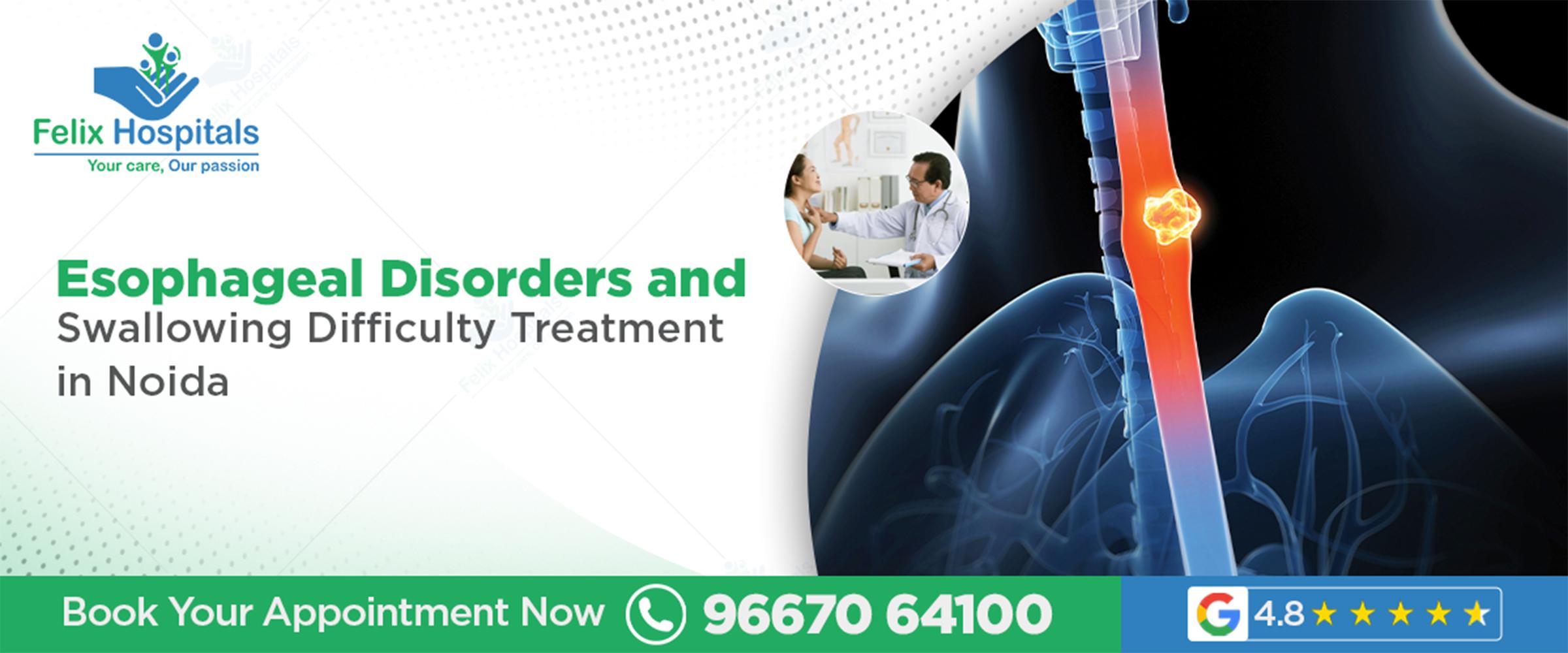
Esophageal disorders are conditions that affect the tube connecting your mouth to your stomach, often leading to pain, discomfort, or difficulty swallowing. Many people mistake swallowing issues for acidity or throat irritation, but persistent symptoms may indicate deeper problems within the esophagus. These conditions can affect everyday eating, hydration, and nutrition, making timely diagnosis essential.
Early detection helps prevent complications like weight loss, choking episodes, or chronic inflammation. Modern medical facilities now offer advanced evaluation methods, allowing patients to understand the nature of their swallowing difficulty clearly. People often search for Dysphagia treatment in Noida when symptoms worsen or interfere with their daily meals, making specialized care crucial.
Trouble swallowing or chest discomfort while eating? Get evaluated early — call +91 9667064100 for expert guidance.
The esophagus plays a vital role in transporting food from the mouth to the stomach through coordinated muscle contractions. When these muscles weaken, tighten abnormally, or become irritated, patients may experience discomfort, pain, or a sensation of food getting stuck. Some conditions are mild and temporary, while others require medical attention to avoid long-term damage. One of the major concerns associated with swallowing problems involves the Causes and symptoms of swallowing disorders, which may include infections, nerve issues, muscle disorders, or structural changes. Without prompt assessment, minor swallowing problems can progress to more serious complications.
Difficulty swallowing can develop due to a variety of structural or functional issues. For example, acid reflux can damage the lining of the esophagus, causing inflammation that narrows the passage. Neurological conditions such as stroke or Parkinson’s disease may affect coordination between the mouth and throat muscles, interfering with the swallowing reflex. Tumors or growths may also obstruct the esophageal pathway, making swallowing extremely challenging. Other patients may develop symptoms due to age-related changes or chronic infections. Understanding the Esophageal stricture treatment process becomes essential when persistent narrowing interferes with normal food movement.
Patients with swallowing disorders often describe a feeling of food sticking in the chest or throat, which gradually becomes more frequent. Pain while swallowing, regurgitation of food, unexplained coughing, or frequent throat clearing are also warning signs. Some people begin to avoid certain foods or start eating very slowly to limit discomfort. Over time, this leads to reduced nutrition and significant weight loss. Others may notice chest discomfort or burning sensations that accompany meals. Many of these concerns point toward the need for early Esophageal pain and discomfort treatment, which helps relieve irritation and restore normal function before complications arise.
Chronic acid reflux, also known as GERD, is a major contributor to esophageal disorders. Frequent exposure to stomach acid can weaken and inflame the lining of the esophagus, making it susceptible to scarring. This scar tissue sometimes leads to narrowing, making swallowing progressively more difficult. Patients often feel chest burning or a sour taste in their mouth after meals. If untreated, this inflammation may progress to Barrett’s esophagus, a condition requiring long-term monitoring. People experiencing persistent discomfort often seek advice from the Best gastroenterologist in Noida, especially when reflux symptoms don’t improve with lifestyle changes.
An esophageal stricture occurs when the esophagus becomes narrowed due to inflammation, scarring, or chronic irritation. This narrowing makes it harder for food and liquids to pass, causing discomfort or blockage. Many strictures result from long-standing reflux disease, but infections, medications, or injuries from swallowed objects may also contribute. Symptoms often begin subtly and worsen over time, making early evaluation essential. People facing recurrent difficulty swallowing benefit greatly from Esophageal stricture treatment, which focuses on widening the narrowed area and reducing further inflammation.
To identify the underlying cause, doctors often begin with a detailed medical history and physical examination. Endoscopy is one of the most informative diagnostic tools because it allows doctors to view the esophagus directly and identify inflammation, narrowing, or structural changes. Barium swallow tests also help evaluate the movement of food through the esophagus, highlighting areas of obstruction or poor muscle coordination. Manometry tests measure muscle strength and function to determine whether motility disorders are contributing to the symptoms. People searching for an Esophagus specialist doctor in Noida often undergo these tests to clarify what is causing their discomfort and swallowing difficulty.
Treatment varies depending on the cause of the swallowing difficulty. For reflux-related inflammation, acid-reducing medicines help heal the esophageal lining and prevent further irritation. Infections are treated with appropriate medications, while neurological causes require therapy focused on strengthening the swallowing reflex. For strictures, endoscopic procedures are commonly used to widen the narrowed area, improving food passage immediately. Patients dealing with motility disorders may need long-term management to support muscle coordination. Many hospitals offering Esophageal disease specialist hospital-level care use minimally invasive techniques to ensure quicker recovery and fewer complications.
Simple lifestyle changes can significantly reduce symptoms and prevent future esophageal issues. Patients are often advised to eat smaller meals, avoid lying down immediately after eating, and stay upright to prevent acid reflux. Soft foods may help ease discomfort during flare-ups. Reducing caffeine, alcohol, and spicy food intake is also beneficial. For those with reflux-induced symptoms, weight management and sleeping with the head elevated can offer relief. When combined with proper medical care, these modifications enhance the effectiveness of treatments such as Esophageal pain and discomfort treatment, helping patients regain confidence in their eating habits.
Ignoring swallowing problems can lead to severe complications, including dehydration, malnutrition, aspiration pneumonia, and esophageal tearing from repeated strain. Chronic inflammation increases the risk of ulcer formation and bleeding. In rare cases, long-term reflux may lead to Barrett’s esophagus, a condition requiring continuous monitoring for potential cancerous changes. Patients often delay seeking help until symptoms significantly worsen. Understanding the causes and symptoms of swallowing disorders is important because early treatment prevents escalation and restores comfortable eating and drinking routines.
Frequent choking, painful swallowing, or sudden weight loss? Get help now —call +91 9667064100 before symptoms worsen.
Felix Hospital offers advanced diagnostic technology, expert gastroenterologists, and comprehensive treatment approaches for swallowing disorders. From detailed evaluations to minimally invasive procedures, patients receive tailored care for their specific condition. The medical team focuses on restoring safe and comfortable swallowing while addressing the root cause of the problem. With compassionate guidance and modern facilities, Felix ensures a smoother recovery experience.
Esophageal disorders can severely affect your ability to eat, swallow, and maintain proper nutrition, but timely treatment can make a significant difference. Understanding the underlying causes, recognizing early symptoms, and seeking medical evaluation are essential for preventing complications. Modern facilities now provide effective Dysphagia treatment in Noida, helping patients regain normal swallowing function and improve their quality of life. Whether symptoms are mild or persistent, consulting a specialist ensures accurate diagnosis and proper management before the condition progresses.
Q. 1. Why am I suddenly having trouble swallowing?
Ans. This may be due to inflammation, infection, or narrowing inside the esophagus. Early testing helps identify the cause.
Q. 2. Is swallowing difficulty always serious?
Ans. Not always, but persistent symptoms can indicate a deeper issue that needs medical attention.
Q. 3. Can reflux alone cause swallowing problems?
Ans. Yes, long-term acid reflux can damage the esophagus and lead to scarring or narrowing.
Q. 4. How is a stricture treated?
Ans. Most strictures are treated with endoscopic dilation, which widens the narrowed area safely and effectively.
Q. 5. Should I see a doctor immediately?
Ans. Yes, especially if you have weight loss, choking episodes, or ongoing chest discomfort while swallowing.
Endoscopic Spine Surgery in Noida offers a revolutionary, minimally invasive solution for chronic back and spine-related pain


Subscribe to our
© Copyright 2026. All Rights Reserved by Felix Healthcare Private Limited
Design and development by :


 +(91)9667064100
 Emergency : +(91)9667064100