 Emergency:
  WhatsApp

Subscribe to our
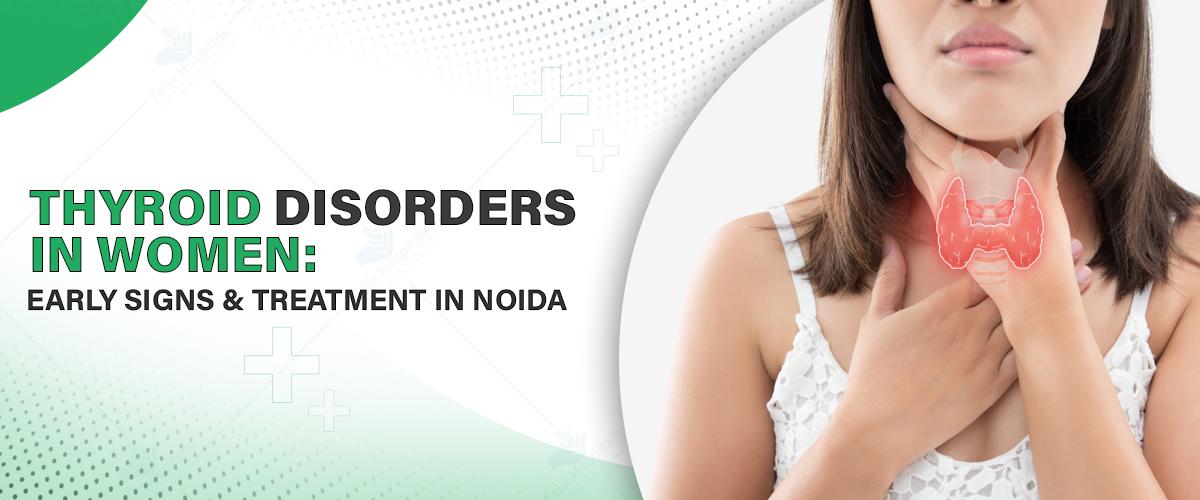
Thyroid diseases involve a number of conditions that affect the thyroid gland, which is a small, butterfly-shaped organ located at the bottom part of the neck. The gland releases hormones that regulate the metabolic rate, expenditure on energy, as well as the overall growth and development of the body. Abnormalities in the functioning of the thyroid gland result in an over- or under-production of hormones, resulting in several diseases.
Research from the National Institute of Health indicates that women are considerably more susceptible to thyroid problems compared to men, with an estimated tenfold increased risk. This blog focuses on the types, symptoms ,challenges of women’s thyroid issues and thyroid treatment in noida.
Call +91 9667064100 right now to get specialised thyroid treatment in Noida.
Hypothyroidism, or the inability to produce enough hormones in the thyroid, will greatly reduce the metabolism rate in women. Hypothyroidism has many potential causes; among these are Hashimoto's thyroiditis, an autoimmune disorder where the body itself mistakenly attacks the thyroid gland and iodine deficiency.
Hyperthyroidism, or the overproduction of the hormone by the thyroid, has the capability to substantially increase the metabolic rate in the body. The most frequent cause of hyperthyroidism is the autoimmune disease known as Graves' disease, which activates the thyroid gland to the overproduction of hormones.
Thyroiditis is an uncommonly severe inflammation of the thyroid gland that has the potential to develop hyperthyroidism or hypothyroidism, depending on the stage.
Thyroid nodules are small tumors on the thyroid. Even though most nodules are not cancers, nodules sometimes are cancers.
Women with hypothyroidism, a condition where the thyroid gland doesn’t produce enough hormones, may experience a range of symptoms. Common signs include fatigue, weight gain, and sensitivity to colds. Women may also experience dry skin, hair loss, constipation, and muscle weakness. Additionally, hypothyroidism can cause menstrual irregularities, including heavy periods or prolonged menstrual cycles, and contribute to fertility issues.
Hyperthyroidism due to an overactive thyroid gland causes symptoms like loss of weight, enhanced appetite, and profuse sweating. Women will observe an accelerated or irregular pulse, anxiety, irritability, and tremors. Additional symptoms are heat intolerance, diarrhea, and menstrual irregularities, including thinner or less frequent menstrual periods. Hyperthyroidism also causes fertility issues along with problems during pregnancy.
Other thyroid gland conditions, such as thyroiditis and thyroid nodules, also have a variety of symptoms. Thyroiditis results in neck stiffness and swelling, weakness, and alterations in the concentration of the thyroid hormones that lead to either hyperthyroid or hypothyroid symptoms based on the disease stage. Thyroid nodules are typically not noticed but occasionally will result in the inability to swallow, the presence of a noticeable lump on the neck, or voice changes.
Blood tests and imaging that identifies the functions and cause of thyroid disorders and any structural problems are used to diagnose thyroid disorders in women.
TSH: The initial test to be used to rule out or rule in hypo- or hyperthyroidism.
Free T4: Ascertains severity in case of abnormal TSH.
Free T3: It is indicated when the suspicion of hyperthyroidism presents with normal Free T4.
Thyroid antibodies: TPOAb/TgAb in case of Hashimoto; TRAb/TSI in case of Graves.
Thyroid ultrasound: Used to assess nodules or goiter; non-radiative during pregnancy.
Radioactive iodine uptake/thyroid scan: Diagnoses cause of hyperthyroidism (not in pregnancy/breast feeding).
Fine-needle aspiration (FNA): Biopsy of suspected nodules to exclude the presence of cancer.
Special cases: Pregnancy/infertility- trimester specific TSH levels and antibody testing determine the care.
Menstrual abnormalities: Thyroid diseases lead to prolonged or shortened menstrual periods or absence of periods, heavy menses or scanty menses. It is possible that such disruptions could affect fertility and reproductive health in the female.
Now the big question: Can thyroid issues cause infertility or miscarriage? Mostly thyroid dysfunction disrupts ovulation in such a way that a woman can’t conceive. Thyroid imbalances if not treated, may also lead to miscarriages and pregnancy issues.
Weight fluctuations: Hypothyroidism tends to produce weight gain because of a
decrease in metabolism, and hyperthyroidism results in substantial weight loss. These changes can certainly contribute to a woman’s physical appearance and confidence.
Heart Problems: Thyroid diseases also can affect the heart. Hypothyroidism can lead to high cholesterol along with a higher risk of heart disease, while, conversely, hyperthyroidism can cause palpitations, hypertension and a rapid heart rate.
Bone Health: Hyperthyroidism can cause bone to lose density and may lead to osteoporosis, especially in postmenopausal women. Restoring healthy thyroid function preserves bone mass.
Complications During Pregnancy: Untreated thyroid problems during pregnancy could lead to conditions such as preeclampsia or premature birth. They can also lead to infant developmental issues.
Mood Swings and Depression: Women with thyroid disease frequently have mood swings and depression. These mood changes can interfere with a person’s personality, relationships and life.
Insomnia and Restless Sleep: Thyroid Conditions can contribute to insomnia or restless sleep, which then causes more fatigue and harms mental and physical health. If the signs and problems of the thyroid are known the diagnosis and necessary measures can be implemented.
Women should get a thyroid check when symptoms, key life stages (planning pregnancy, during pregnancy, postpartum), or risk factors are present; periodic screening can also be considered after mid-30s if risk is higher. The main tests are blood tests (TSH, Free T4/T3, antibodies) and, when needed, imaging like ultrasound.
Call +91 9667064100 to make an appointment for a correct diagnosis and treatment of your thyroid.
Women can experience complicated cases of thyroid disorders that can affect not only their physical but also emotional health, reproductive and quality of life. Early detection of the symptoms and treatment on time is crucial to avoiding developing long-term problems like infertility, heart problems, or bone loss. Women with unexplainable changes in weight, menstrual problems, or chronic fatigue cannot disregard these symptoms.
Should you have any issues related to thyroid health, the consultation of an experienced thyroid doctor in Noida will aid in getting a proper diagnosis and a unique treatment. Thyroid diseases are easily treatable with proper medical instructions and continuous medication resulting in the majority of women enjoying fruitful life full of confidence and success.
Q1. Is thyroid disease passed down through families?
Ans: Yes. Women who have a family history of thyroid or autoimmune diseases, such as diabetes, are more likely to have thyroid problems.
Q2. Do thyroid problems have anything to do with PCOS (Polycystic Ovary Syndrome)?
Ans: Yes. Both thyroid problems and PCOS mess with hormones, which can cause women to have irregular cycles, trouble getting pregnant, and weight problems.
Q3. Do thyroid problems make hair fall out and skin problems worse?
Ans: Of course. Thyroid imbalances can cause dry skin, thinning hair, brittle nails, and even early greying.
Q4. Do people with thyroid problems always need to take medicine for the rest of their lives?
Ans: Not all the time. Hypothyroidism usually needs treatment for life, but conditions like thyroiditis may get better with short-term treatment.
Q5. Can thyroid issues make pregnancy more dangerous?
Ans: Yes. If you don't treat your thyroid disease, you could have a miscarriage, give birth too early, or have developmental problems with your baby. Getting care from a thyroid doctor in Noida as soon as possible is very important.
Q6. What changes to your lifestyle can help with thyroid problems?
Ans: A healthy diet, stress management, not smoking, and regular checkups with your doctor are all important for thyroid health.
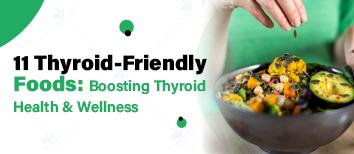
Explore 11 thyroid-friendly foods that support hormone balance, boost energy, and improve overall thyroid health naturally.


Subscribe to our
© Copyright 2026. All Rights Reserved by Felix Healthcare Private Limited
Design and development by :


 +(91)9667064100
 Emergency : +(91)9667064100