 Emergency:
  WhatsApp

Subscribe to our
When it comes to treating complex vascular problems, medical science has advanced far beyond traditional open surgery. One of the biggest breakthroughs in modern vascular care is endovascular treatment, a minimally invasive approach that repairs blood vessel disorders from within the vessels themselves. Unlike open surgery, which involves large cuts and long recovery periods, endovascular procedures use tiny incisions, advanced imaging, and precision tools to treat life-threatening conditions with remarkable accuracy.
As one of the leading centers for vascular care, Felix Hospital offers advanced endovascular therapy in Noida, helping patients recover faster with minimal discomfort. This guide explains what endovascular treatment is, how it works, different types of procedures, benefits, risks, and when your doctor may recommend it.
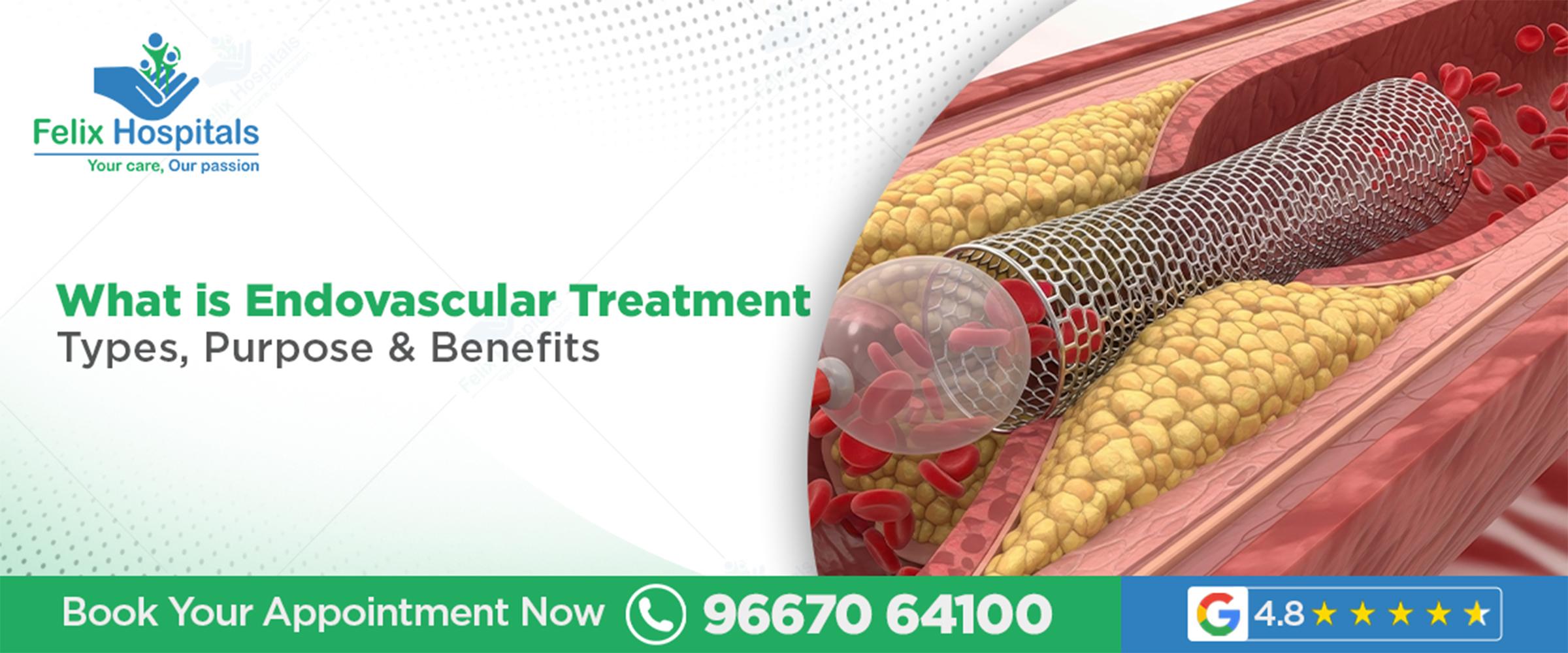
To understand what endovascular treatment means, think of it as repairing the body’s blood vessels from the inside. Instead of opening the chest, abdomen, or limbs, a specialist inserts a thin tube called a catheter through a tiny puncture—usually in the groin or wrist—and guides it through the blood vessels using live imaging.
Through this catheter, doctors can:
Open blocked arteries
Remove blood clots
Seal aneurysms
Strengthen weakened vessel walls
Improve blood flow in the legs
Treat vascular abnormalities
This minimally invasive technique is now widely used for treating stroke, aneurysms, peripheral artery disease, and other vascular conditions.
Understanding the process can help reduce anxiety. Here is how how endovascular therapy works:
Tiny Access Point: A small puncture is made, usually in the femoral artery.
Catheter Navigation: A catheter is guided through the blood vessels using X-ray imaging.
Treatment Delivery: Special devices—stents, coils, balloons, or clot retrieval tools—are delivered through the catheter.
Closure & Recovery: The catheter is removed, and the puncture is sealed without stitches.
Because the vessels act like natural pathways, the body undergoes minimal trauma.
Understanding the types of endovascular treatment helps patients choose the right path with their vascular specialist. Some of the most common include:
A tiny balloon is inflated inside a narrowed artery to restore blood flow.
A mesh tube (stent) is placed inside the artery to keep it open long-term.
Used for brain aneurysms, coils are inserted to block blood flow into the bulge and prevent rupture.
A clot-removal procedure, often lifesaving for stroke patients.
Used to repair abdominal or thoracic aortic aneurysms without open surgery.
Small materials are placed inside a vessel to block abnormal blood flow.
Removal of plaque buildup inside arteries, especially in the legs.
Each procedure is tailored to the patient’s condition and imaging results.
The purpose of endovascular surgery is to:
Restore proper blood flow
Prevent life-threatening complications
Treat vascular diseases without major surgery
Reduce physical trauma and enhance recovery
Offer treatment options to high-risk patients
It is especially useful for conditions where traditional open surgery may be risky.
The benefits of endovascular procedures have made them the preferred choice for many patients:
Tiny punctures, not large incisions.
Most patients resume normal activities quickly.
Minimal post-operative discomfort.
Smaller wounds reduce chances of complications.
Many procedures require only 1–2 days of observation.
Elderly or medically fragile patients tolerate these procedures better.
Understanding the difference between open surgery and endovascular surgery helps patients make informed decisions.
Open Surgery
Endovascular Surgery
Large incision
Tiny puncture
Longer recovery
Faster recovery
Higher blood loss
Minimal blood loss
Longer hospital stay
Short stay or day-care
Visible scarring
Barely visible marks
High-risk for frail patients
Safer for high-risk patients
Endovascular surgery is not only effective but also much gentler on the body.
Every medical procedure has potential risks. The risks of endovascular treatment include:
Minor bleeding at the puncture site
Damage to the blood vessel
Allergic reaction to contrast dye
Rare recurrence of blockage
Infection (very rare due to small wounds)
Your vascular specialist will evaluate your overall health to minimize risks.
Doctors may recommend endovascular treatment for:
Brain aneurysms
Ischemic stroke
Carotid artery disease
Peripheral artery disease (PAD)
Aortic aneurysms
Varicose veins
Blood vessel malformations
If symptoms like leg pain, numbness, dizziness, or vision changes appear, early evaluation is crucial.
Felix Hospital offers advanced minimally invasive vascular care, backed by modern imaging, experienced specialists, and 24/7 emergency support. Patients receive personalized treatment plans, accurate diagnosis, and seamless follow-up care under one roof.
Endovascular treatment is one of the most significant advancements in modern vascular care. By avoiding major surgery, it offers a safer, less painful, and faster alternative for treating critical vascular diseases. If you are experiencing symptoms like leg pain, numbness, weakness, or have been diagnosed with aneurysms or narrowed arteries, seeking timely care is essential. With expert guidance and advanced facilities for minimally invasive vascular surgery, Felix Hospital provides compassionate and effective endovascular surgeon in Noida, helping patients regain their health with confidence.
Q.1. Is endovascular treatment painful?
Ans. No, it is performed under anesthesia and involves minimal discomfort.
Q. 2. How long does an endovascular procedure take?
Ans. Most procedures take 1–3 hours, depending on the condition.
Q. 3. Can endovascular surgery treat stroke?
Ans. Yes, clot-removal procedures like thrombectomy are life-saving for ischemic stroke.
Q. 4. How soon can I return to normal activities?
Ans. Most patients resume daily activities within a few days.
Q. 5. Is endovascular treatment safe for older adults?
Ans. Yes, it is especially beneficial for elderly or high-risk patients due to its minimally invasive nature.
The primary goal of the Treadmill Stress Test is to evaluate how well the heart responds to increased physical activity
By working closely with experienced vascular surgeons and following their guidance, patients can achieve positive outcomes and enjoy a better quality of life.
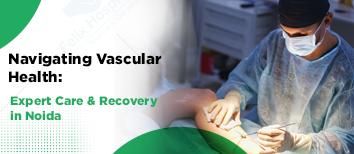
Expert vascular care in Noida for conditions like varicose veins and artery blockages, ensuring timely treatment and smooth recovery.


Subscribe to our
© Copyright 2026. All Rights Reserved by Felix Healthcare Private Limited
Design and development by :


 +(91)9667064100
 Emergency : +(91)9667064100