 Emergency:
  WhatsApp


Subscribe to our
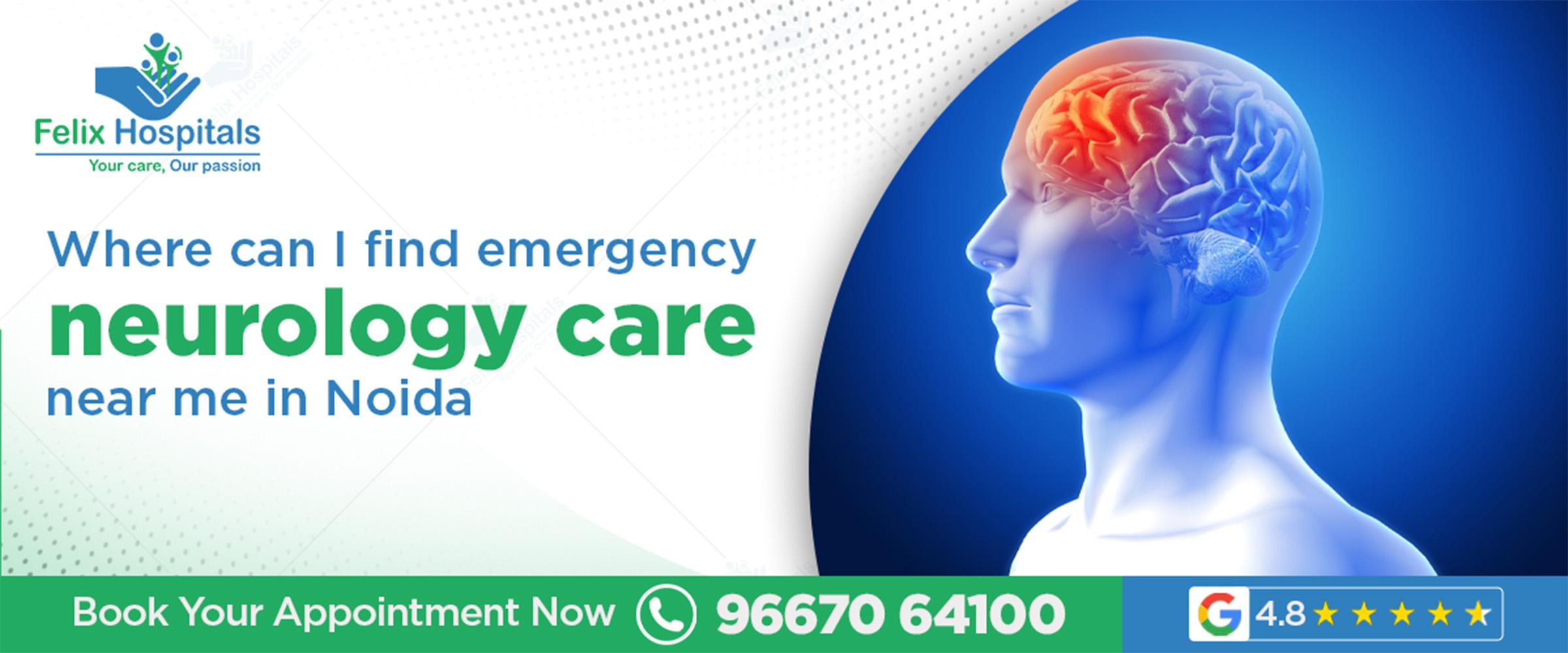
Neurological emergencies, such as strokes, seizures, traumatic brain injuries, or sudden neurological deficits, require immediate medical attention.
According to medical research, every minute of delay in stroke treatment can result in the loss of approximately 1.9 million brain cells.
Here's something that might surprise you: emergencies affecting the brain, spinal cord, or nerves progress rapidly—sometimes within minutes. In such emergencies, people look for an emergency hospital near me that too equipped with advanced diagnostic and treatment facilities ensuring that patients receive the care they need without delay.
Timely intervention will save lives and even a life-long disability. People of Noida often ask: “Where can I find emergency neurology care near me?” Others search online for the best neurologist near me. Understanding when to seek a highly-experienced neurologist , knowing the available services can significantly improve the outcomes.
Ensure 24/7 access to expert neurological care—connect with a trusted neurologist in Noida today. Call +91 9667064100.
Neurological emergency refers to acute issues that pose threats to the nervous system, the spinal cord, or the brain, and require emergency treatment.
Examples of such common neurological emergencies are:
Stroke : Stroke is the major cause of death and third major cause of disability in neurological emergencies.
Seizures: Status epilepticus occurs approximately in 40 out of 100,000 individuals every year and it can be lethal if not treated within 30 minutes.
Acute Weakness or Paralysis: Denotes either spinal cord or nerve damage. About 250,000-500,000 individuals in the globe incur injuries on the spine annually.
Severe Headache or Loss of Consciousness: Can be an indication of an aneurysm, bleeding, or infection. Aneurysm occurrence in the brain is 3-5 percent between the general population.
Your body gives you warning when things go terribly wrong. Permanent disability can be averted by recognising such warning signs.
Temporary or one-sided numbness, weakness, in the face, arm or leg,
Unclear or confused wordings
Loss of vision or seeing two items
Violent and abrupt headache with neck stiffness
Bouts of either loss of balance, vertigo, or seizures
In case you observe any of these symptoms, call an emergency neurology hospital close to your location or make an immediate call. Fast action saves lives.
A stroke occurs when the blood supply to a part of the brain is suddenly blocked (ischemic stroke) or when a blood vessel in the brain bursts (hemorrhagic stroke). When brain cells do not receive oxygen and nutrients, they begin to die within minutes. This is why stroke is considered a medical emergency and requires immediate treatment.
Typical symptoms include:
Facial droop or uneven smile
Weakness in an arm or leg
Speech or speech comprehension problems.
Sight failure or a terrible ache in the head.
A seizure is a sudden, uncontrolled electrical disturbance in the brain that can cause changes in movement, behavior, awareness, or consciousness. Seizures may last from a few seconds to a few minutes and can vary in severity.
Status epilepticus, a condition of prolonged seizures longer than 5 minutes, is an emergency.
The emergency management of seizures include:
IV anti‑seizure medications
Oxygen and vital monitoring
Establishment of the underlying causes.
Follow‑up with a neurologist
Head trauma, or traumatic brain injury (TBI), occurs when an external force injures the brain. In India, approximately 1.5-2 million individuals suffer traumatic brain injuries every year (Source -Indian Head Injury Foundation)
The main symptoms include:
Inability to articulate thoughts or become unconscious.
Long-term vomiting and severe headache.
Inequity of eye-sight or pupils
Lack of coordination with weakness.
Quick intervention in the golden hour may lower mortality by 25 percent.
A spinal cord emergency occurs when sudden trauma, compression, or injury disrupts the spinal cord’s function, leading to weakness, paralysis, or loss of sensation. Immediate medical intervention is critical to prevent permanent disability.
Emergency management steps include:
MRI or CT scan
Visiting an Emergency surgeon
Early rehabilitation
In all these neurological emergencies, a 24/7 neurology hospital Noida ensures round-the-clock access to advanced diagnostic tools and appropriate treatment.
Condition | Critical Time Window | Outcome With Prompt Care |
Ischaemic Stroke | 4.5 hours | 60–70% good recovery |
Brain Hemorrhage | 6–12 hours | 50–60% survival |
Status Epilepticus | 30 minutes | 80% seizure control |
Severe Head Trauma | Golden Hour | 75% better outcomes |
Spinal Cord Injury | 8 hours | 50% better function |
Rapid diagnostic imaging assists physicians in making timely and accurate diagnoses.
Brain CT: Can be completed in less than ten minutes to diagnose and identify abnormalities such as stroke, bleeding, or trauma.
MRI and Angiography: Offer imaging modalities used to visualise the brain, spinal cord, and blood vessels in detail in order to assist with emergent interventions.
Being prepared for an emergency can save time and improve outcomes of neurological treatment. Follow these steps:
Keep emergency numbers handy
Have a list of medication history and medical history.
Learn the FAST technique of stroke.
Identify nearby local hospitals
Educate family members.
When looking for neurology emergency hospital near me, opt for the hospital which has:
24/7 Neurology Emergency Care
Experienced neurologists
Cutting edge lab services
Ambulance service
Immediate 24X7. thrombolysis/intervention teams.Early stroke treatment can reduce stroke death and disability rates by as much as 25%.
Ongoing Surveillance for Neurological High-risk Group.There is a stability and quick response in a sudden case.
Immediate Neurosurgical attention can be given even in cases where the life of the patient is at stake.Experienced neurologist in noida help to avoid permanent neurological damage due to trauma.
Early rehabilitation is key to better outcomes and regaining independence:
Physical Therapy: Up to 70% of patients become independent.
Occupational Therapy: Decreases the level of disability by 25 per cent.
Speech Therapy: Contributes to the recovery of communication in a third of stroke survivors.
Psychological Support: Manages depression in nearly 30% of stroke patients
Locate the nearest neurology emergency care in Noida and get immediate assistance. Call +91 9667064100 now.
If you or a loved one is facing an emergency involving the brain, spinal cord, seizures, sudden weakness, or other neurological warning signs, it’s critical to seek immediate medical attention at a facility with 24/7 emergency neurology care. Neurological emergencies, such as strokes or seizures, can progress very rapidly, and timely treatment can literally save lives and prevent long-term disability.
Yes, brain cells start dying within minutes of being deprived of oxygen, which is why every minute is critical in the event of a stroke. This is often referred to as "time is brain".
A seizure becomes an emergency when it lasts for longer than five minutes; recurrent without full recovery in between; and/or requires immediate attention if a person is having difficulty breathing. This is referred to as status epilepticus.
Sudden, severe headaches can be a medical emergency especially if there are associated symptoms such as stiff neck or changes in vision.
Yes, early intervention in the first eight hours will increase recovery potential and decrease the likelihood of long-term disability.
24/7 neurology facilities provide continuous neurologic coverage, specialty intensive care units, advanced imaging services (CT, MRI, and angiography), rapid triage and treatment of the acute stroke/trauma patient along with the availability of neurosurgeons for surgery on acute stroke/trauma.
Yes. neurological emergencies can change rapidly and when in doubt it is best to err on the side of caution and go to the nearest medical facility with emergency neurology services to receive prompt diagnosis and treatment.
Experiencing tingling in your hands or feet? It could signal a nerve-related issue. Consult our expert neurologists at Felix Hospitals to find the cause and get the right treatment today.
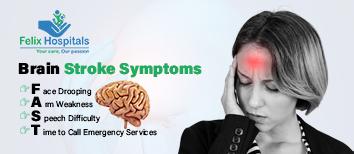
Recognizing the symptoms of a brain stroke is critical for getting prompt medical attention. The acronym F.A.S.T. is often used to remember the most common Brain stroke symptoms.
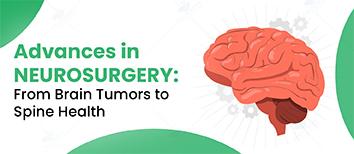
Advanced neurosurgery improves treatment for brain and spine disorders with better outcomes.

Subscribe to our
© Copyright 2026. All Rights Reserved by Felix Healthcare Private Limited
Design and development by :


 +(91)9667064100
 Emergency : +(91)9667064100