 Emergency:
  WhatsApp


Subscribe to our
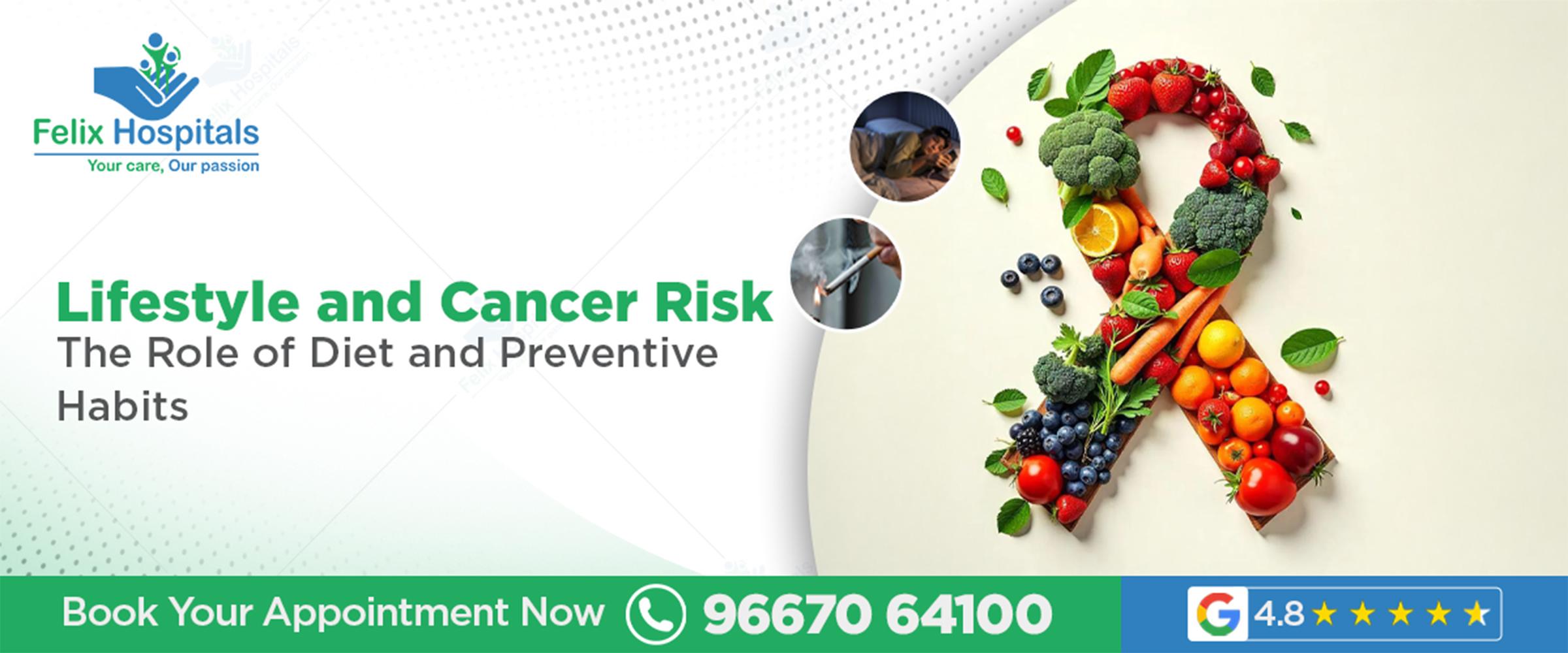
Cancer is a result of multiple causes, including genetic, environmental or lifestyle factors. There is mounting evidence that links lifestyle and cancer risk. Decisions about diet and physical activity and use of preventive services can have a major impact on the likelihood of developing certain cancers. The link between diet and cancer – along with the information you need to know about your own risk and keep yourself healthy – can be learned, allowing individuals to reduce multiple cancer risk factors and improve health outcomes by following healthy lifestyle habits.
Those looking for experts advice can also rely specialists at the Best Cancer Hospital in Noida where the specialist teams are well-experienced and work with the patient focused on not just treatment but also cancer prevention. The expertise of a Best Oncologist in Noida can also assist woman in identifying personal risk factors and learning effective cancer prevention tips including appropriate screenings, nutrition and cancer and lifestyle modifications.
Concerned about your cancer risk or looking for preventive care? Consult experts today for guidance on nutrition and cancer prevention. Call +91 9667064100 to schedule your consultation.
Scientific research has shown that daily habits can strongly influence cancer development. Many cancers are associated with lifestyle choices such as poor diet, smoking, alcohol consumption, and lack of physical activity.
Major lifestyle and cancer risk related factors which impact cancer risk:
Poor diet high in processed foods.
Physical inactivity and sedentary behavior
Smoking and tobacco use
Heavy drinking of alcohol
Obesity and metabolic diseases.
According to the World Health Organization, nearly 30–50% of cancer cases are preventable through lifestyle changes, early detection, and improved public health measures.
Diet and cancer have been extensively studied. Some foods create inflammation, oxidative stress, or hormonal associated with cancer, while others have components protective against cancer.
Dietary factors that might elevate the risk of cancer are:
Having a high consumption of red and processed meat
Inadequate intake of fruits and vegetables
Too much sugar and processed food
High fat diets, which contribute to obesity
Diets high in plant-based foods, however, have proven to be nourishing and cancer prevention, as they are a rich source of antioxidants, fiber and vital micronutrients.
Fresh fruit and vegetables
Wholegrain
Nuts and seeds
Legumes and plant proteins
These foods promote a well-regulated immune system and are optimal for long-term cancer prevention.
Following healthy lifestyle habits and lifestyle reduces the risk of many cancers. Prevention may start with small, routine adjustments.
Here are some effective cancer prevention tips:
Keep a healthy body weight
Be physically active – 30 minutes a day is recommended
Consume a well-balanced, nutrient-rich diet
Drink alcohol in moderation (2 glasses or less a day)
Don‘t smoke or use tobacco products
American Institute for Cancer Research suggests that maintaining a healthy weight and active lifestyle may reduce the risk of several cancers, including breast, colorectal, and pancreatic cancers.
Certain cancer risk factors are directly influenced by long-term lifestyle choices.
Risk factors are:
Smoking and tobacco use
Poor nutrition and/or disordered eating
Lack of exercise
Prolonged stress and disturbed sleep
Exposure to environmental toxins
Understanding these risks allows individuals to take proactive steps toward cancer prevention and improved overall health.
Good nutrition is essential for cellular protection and immune defense. Nutrition and cancer influence through many biologic pathways, including anti-inflammation, hormonal balance and oxidative stress reduction.
Important nutrition tactics are:
Consume more fibre, predominantly from fruit and vegetables
Eat whole foods rather than processed ones
Cut back on excess sugar and bad fats
Drink enough water
These dietary changes can support metabolic health and reduce long-term lifestyle and cancer risk.
While diet plays a major role, other preventive habits are equally important in lowering cancer risk.
Important prevention practices include:
Routine medical examinations and sanitary inspections
Vaccination for hepatitis B and HPV
Skin protection from overexposure to sunlight
Stress reduction and sleeping well
These measures complement dietary changes and strengthen overall cancer prevention strategies.
Even with healthy habits, early detection remains essential. Screening programs can detect cancer at early stages when treatment outcomes are significantly better.
The healthcare professionals of the Best Cancer Hospital in Noida are the advocates for preventive screenings including:
Screening for breast cancer
Screening for cervical cancer
Screening for colon cancer
Lung cancer risk evaluation
A visit to the Best Oncologist in Noida not only lets you evaluate your personal cancer risk factors but also helps you to develop a tailored plan for prevention.
Lifestyle Factor | Impact on the Body | Potential Cancer Risk |
Poor diet | Inflammation and obesity | Higher cancer risk |
Physical inactivity | Metabolic imbalance | Increased risk |
Tobacco use | DNA damage | Multiple cancers |
Excess alcohol | Liver and cellular damage | Digestive system cancers |
When you understand the impact of lifestyle and cancer risk, you can take control and make choices to enhance your health. A couple of minor adjustments in diet, physical activity, and preventive measures can significantly decrease your risk of cancer.
For diet and cancer prevention advice, please have a word with the experts at the Best Cancer Hospital in Noida.
Professional consultation from a Best Oncologist in Noida can allow you to know the cancer risk factors and direct you towards best cancer prevention tips.
Call +91 9667064100 today to schedule your consultation and take the first step toward better health.
Yes. A lot of work has shown that healthy behaviors, including eating well, being physically active, and not using tobacco, can dramatically decrease the chance of getting several cancers.
What we eat and drink is thought to be responsible for up to 35% of all cancer cases, so if you know which foods to eat to help prevent cancer, you can give yourself the best chance at a long, healthy life. Fruits, vegetables, whole grains, and beans are rich in antioxidants and fiber, and they’re the foods most often linked to lower risk of cancer.
But you can’t ignore the fact that being overweight is also a big risk factor for cancer. Keeping a healthy body weight is important since obesity is a risk factor for a number of cancers, including breast, colorectal and liver cancer.
People with a family history, ongoing symptoms or many risk are advised to see a professional for specific screening and advice.
Yes. Routine screening is important because many cancers develop silently and can be more effectively treated when detected early.

Maintaining a healthy lifestyle is important, in today’s scenario. It is common to hear about some or the other problem related to health faced by individuals.
Recognize the early warning signs of cervical cancer. Learn about its symptoms, causes, and when to consult a gynecologist for timely diagnosis and treatment.
Explore the cervical cancer vaccine cost in Noida, compare prices across hospitals, and understand how vaccination helps prevent HPV infection and cervical cancer.

Subscribe to our
© Copyright 2026. All Rights Reserved by Felix Healthcare Private Limited
Design and development by :


 +(91)9667064100
 Emergency : +(91)9667064100