 Emergency:
  WhatsApp



Subscribe to our
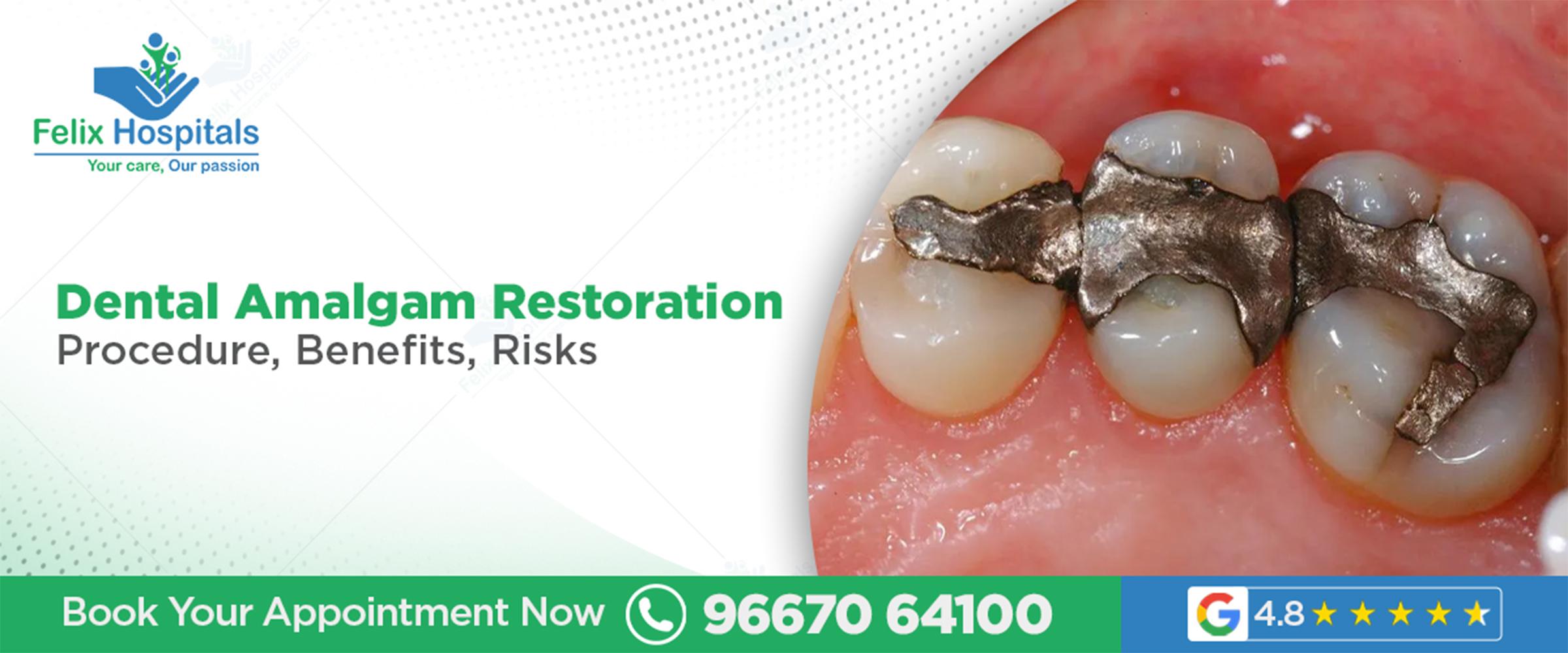
Many people don't pay attention to small dental problems until they hurt or become visible, even though oral health is very important for overall health. Cavities, chipped teeth, worn enamel, and tooth decay are all very common, but modern dentistry has good ways to fix both the function and the look of these problems. The goal of dental restoration procedures is to fix broken teeth, stop them from getting worse, and give you a healthy smile again.
If you go to the Best Dentist Hospital In Noida and see the Best Dentist In Noida early, dental problems can often be fixed quickly and with little pain. This complete guide goes over everything you need to know about What Is Dental Restoration, including how to prepare and the Benefits of Dental Restorations.
Get expert care from experienced dental professionals and protect your oral health for the long term. Schedule your appointment now at +91 9667064100 for personalized dental restoration treatment.
Dental restoration is the process of fixing or replacing damaged tooth structure. These treatments help you chew again, keep you from getting sick, and make your teeth look better. Depending on how bad the damage is, dental restorations can be as simple as fillings or as complicated as crowns and bridges.
What Is Dental Restoration? in simple terms? It is a dental procedure that fixes teeth that have been damaged by cavities, fractures, wear, or trauma while keeping the natural shape of the teeth as much as possible.
Natural healing doesn't happen with tooth damage. Decay spreads deeper into the layers of the tooth once it starts. If you don't get treatment, the problem could cause a lot of pain, an infection, or even the loss of a tooth.
When Is Dental Filling Recommended? When cavities form, enamel wears away, teeth crack, or small holes form because of bacteria, fillings are recommended.
Some common reasons are:
Cavities or tooth decay
Teeth that are cracked or chipped
Teeth that are worn down from grinding
Fillings that need to be replaced
Better looks
Depending on the state of the tooth, different materials and methods are used.
Restorations that are direct
These include fillings that go right into the tooth.
Restorations that are not direct
These are crowns, inlays, onlays, and bridges that are made in a lab.
Knowing how the Procedure of Dental Restoration works can help calm patients and get them ready for the treatment process.
Before beginning treatment, dentists do a thorough check to make sure the restoration is safe and effective.
Before filling, dentists usually do the following:
Get X-rays of your teeth
Look at the structure of the teeth
Check the health of your gums
Talk about material choices
Talk about what to do and what to do after
Most of the time, local anaesthesia is used to make sure there is no pain.
Most dental restorations follow a set process to make sure they are accurate and comfortable.
The Step-by-Step Dental Filling Process usually has the following steps:
Using local anaesthesia to numb the area
Taking out decayed or broken tooth material
Cleaning the hole to get rid of bacteria
Putting restoration material in the space
Shaping and polishing the tooth
Usually, the process takes between 30 and 60 minutes for each tooth.
Dentists use different materials depending on durability and aesthetics:
Amalgam (silver fillings)
Composite resin (tooth-colored)
Ceramic fillings
Glass ionomer fillings
Each material has unique advantages and considerations.
Restoring teeth in a timely manner has both medical and cosmetic benefits. The Benefits of Dental Restorations are:
Stops tooth decay from getting worse
Brings back the ability to chew
Makes smiles look better
Stops the spread of infections
Makes teeth stronger
Keeps natural teeth
Getting treatment early can often stop expensive procedures later.
People have been using amalgam fillings for decades because they last a long time and are cheap.
But patients often want to know about the Risks and Side Effects of Amalgam Fillings. Some worries are:
Concerns about mercury levels
Teeth may change colour.
Changes in temperature cause it to expand or contract.
Allergic reactions that don't happen often
Modern research shows that amalgam is safe for most patients, but many people choose tooth-colored alternatives because they look better.
The right material depends on how long it lasts, how much it costs, and how it looks.
The Amalgam vs Composite Fillings: Key Differences helps patients make smart choices.
Feature | Amalgam | Composite |
Color | Silver | Tooth-colored |
Durability | Very strong | Strong but less durable |
Cost | Lower | Higher |
Aesthetics | Visible | Natural-looking |
Lifespan | 10–15 years | 5–10 years |
Dental restorations last a long time, but they don't last forever. The length of their lives depends on how well they take care of their teeth and how they live.
People often want to know, How Long Do Fillings Last? Life expectancy:
Fillings made of amalgam last 10 to 15 years.
Composite fillings last for 5 to 10 years.
Ceramic fillings last for more than 15 years.
Regular visits to the dentist can help them last longer.
Taking care of yourself after treatment will help the results last. Following the Aftercare Tips for Dental Fillings can help avoid problems.
Care that is suggested includes:
Don't eat until the numbness goes away.
Don't eat hard foods for 24 hours.
Keep up with your oral hygiene routine.
If you need to, use toothpaste that desensitises.
Go to follow-up visits
It's normal to be a little sensitive, and it usually goes away in a few days.
Most patients recover quickly, but temporary symptoms may occur:
Mild tooth sensitivity
Slight discomfort while chewing
Temporary numbness
Minor gum irritation
Persistent pain should be evaluated by a dentist.
Over time, dental restorations wear out or break.
When to Replace a Restoration? Some signs are:
Filling that is cracked or chipped
Pain or sensitivity in the teeth
Darkening around the edges of the filling
Food getting stuck a lot
There are gaps you can see between the filling and the tooth.
Regular visits to the dentist can help find problems early.
It's always better to stop something from happening than to treat it. Do these things:
Daily Mouth Care
Use fluoride toothpaste to brush your teeth twice a day.
Floss every day
Use mouthwash that kills bacteria
A Healthy Diet
Cut back on sugary foods and drinks
Stay away from sticky candies.
Drink a lot of water
Going to the dentist regularly
Regular checkups find cavities early.
Cavities often make kids need fillings. Early treatment stops pain and keeps teeth from getting hurt. Paediatric dentists use tools and materials that are safe and comfortable for kids.
Fear keeps a lot of patients from getting treatment right away. Modern dental offices have painless methods, options for sedation, and cutting-edge technology that make dental restoration quick and easy.
The costs depend on:
What the material is
Where the tooth is
How bad the damage is
Technology in clinics
Getting treatment early is always cheaper than waiting.
Regular dental visits every six months help find cavities, gum disease, and failing restorations early on. Preventive care cuts down on the need for complicated procedures.
Restored teeth work just like natural teeth if you take care of them. Long-term success depends on keeping your mouth clean and going to the dentist regularly.
Don’t wait for tooth pain to get worse. Restore your smile with safe and effective dental treatments. Call +91 9667064100 today to book your dental consultation.
One of the best ways to fix broken teeth, stop infection, and get your smile back to normal is through dental restoration. Modern dentistry has safe and long-lasting solutions for everything from simple fillings to more complicated restorative procedures. Patients can make smart choices about their oral health when they know how the procedure works, what the benefits and risks are, and how to take care of themselves afterward.
Seeing the Best Dentist Hospital In Noida and getting treatment from the Best dentist In Noida guarantees personalised care, cutting-edge technology, and long-term dental health. Taking care of your teeth today will make them stronger, give you more confidence, and make your smile brighter for years to come.
You might need a dental restoration if you have tooth pain, are sensitive to hot or cold, have visible holes, chipped teeth, or food that gets stuck often. A dental check-up can find out what the problem is early on.
Yes, dental restorations are safe and used by many people. When you take care of your teeth and go to the dentist regularly, modern materials are strong and meant to last for many years.
You can eat normally again after the numbness goes away. But it's best to stay away from hard or sticky foods for at least 24 hours to keep the tooth safe.
If you put off getting treatment, your tooth decay could get worse, which could cause a lot of pain, an infection, root canal treatment, or even losing a tooth. Restoration early on helps you avoid complicated and expensive procedures.
Composite fillings, which are tooth-colored, look better and blend in with your teeth better. Amalgam fillings, on the other hand, are stronger and cheaper. Your needs and your dentist's advice will help you choose the best option.
Dr. Shinja Dixit is an experienced Oral and Maxillofacial Surgeon with 9+ years of expertise in dental implants, wisdom tooth removal, complex tooth extractions, and advanced oral surgical procedures.

Tooth sensitivity causes sharp pain with hot, cold, or sweet foods, disrupting daily life. Visit our Noida dental hospital for personalized care and relief.
Know the key symptoms that signal it’s time for a tooth extraction and how timely action can save your smile.


Subscribe to our
© Copyright 2026. All Rights Reserved by Felix Healthcare Private Limited
Design and development by :


 +(91)9667064100
 Emergency : +(91)9667064100