 Emergency:
  WhatsApp


Subscribe to our

With the increasing number of diseases transmitted by the mosquito in the monsoon, the risk of dengue is immense in India. Although the best-known are fever and aches in the body, little is known that dengue can be severe to the heart health at times. This season, protect yourself and your loved ones by seeking timely dengue fever treatment in Noida and understanding the links between dengue and heart complications. Comprehensive and early care is especially vital for cardiac dengue patients-prompt cardiac dengue patients treatment in Noida can make a critical difference to recovery and long-term well-being.
Experiencing chest pain or irregular heartbeat during dengue? Call +91 9667064100 for urgent cardiac evaluation in Noida.
Outbreak of dengue fever is the order of the day both on and after the rainy season. What most of them do not realize is that dengue virus is not only capable of causing high fever, rash and fatigue, but can also place strain on the cardiovascular system. In some cases, the virus enters heart tissue, defects the regular heart rhythm, or causes lethal inflammation which exposes patients to severe heart problems.
The risk of dengue heart disease should be increased to those with pre-existing heart disease, diabetes, elderly groups, and even young healthy adults because the cardiac impacts of dengue do not affect any age group.
Viral Myocarditis: This refers to an inflammation of the heart muscle, which is caused by the direct pandemic in the heart by dengue virus. It can be in the form of unexplainable fatigue, palpitations, chest pain or breathlessness.
Electrical Disturbances: Problems of heart rhythm (arrhythmias) can be observed during the process of infection when inflammatory changes occur in the conduction system of the heart.
Pericardial Effusion: The pericardial effusion (fluid build up around the heart) can occur causing further chest pain or shock in critical situations.
Blood Pressure Drops: Dengue frequently results in dehydration and loss of plasma, which results in severely low blood pressure - a greater issue among individuals with underlying cardiac disorders.
Heart Failure: In extreme but uncommon conditions, the dysfunction of the heart due to muscle weakness and the pressures of the disease can ultimately result in the destruction of the ability to pump the heart, or acute heart failure.
These dengue and heart complications can escalate swiftly, making close monitoring crucial.
Anyone can develop dengue heart problems, but certain groups are more prone:
Patients aged over 65 years of age and with high blood pressure, diabetes, or kidney disease.
Individuals having a predisposed heart disease like coronary artery disease or congestive heart failure.
Young children and expectant mothers (because of circulatory changes and the fluctuation of the immune system)
Patients who get cases of repeated dengue infections or severe dengue.
Some of the common symptoms that require immediate care are chest pain, escalated heart rate, instant dyspnea, headache, and low blood pressure.
The typical classic dengue symptoms are a high fever, headache, extreme joint and muscle pains, along with skin rash. In case of heart involvement, other warning signs can be:
New or worsening chest pain
Sudden, slow or rapid heartbeats.
Palpitations (the feeling that you can feel your heart racing or pounding)
Poorly understood fainting or dizziness.
The abrupt occurrence of severe fatigue or incompetence of performing other normal tasks.
Constant dyspnea, particularly on rest.
Abdominal(belly) or leg swelling (indications of accumulated fluid in the body)
Recognizing these symptoms early makes dengue fever heart risk easier to manage and reduces the risk of complications.
There are a few key biological reasons for heart complications from dengue:
Direct attack of the virus: Dengue virus has the ability to access the cardiac cells triggering inflammation and dysfunction.
Over reaction of the immune system: In other cases, the intense response of the body to dengue is carried to the extreme and the heart suffers on the cross fire.
Electrolyte disruptions: Vomiting, diarrhea and loss of saline and potassium saline and potassium salinity displaces heart.
Drug effects: Certain medicines that are required to manage the symptoms of dengue might have effects on the heart rates and blood pressure.
There are a lot of cases that are temporary but need the attention of specialists to avoid irreversible damage that could be severe.
Close clinical evaluation: History and physical examination, paying attention to such symptoms as chest pain, palpitations, or exhaustion.
Laboratory tests: Heart enzymes (such as troponin), electrolytes, and dengue serology.
ECG (electrocardiogram): Examines rhythm defects.
Echocardiogram: Tests the operation of the heart muscles and examines the presence of fluid around the heart.
Checking blood pressure and oxygen levels regularly during the treatment.
Early, aggressive diagnostics are the best way to identify dengue effects on heart and tailor treatment quickly.
Dengue prevention tips are your best defense, but those who fall ill require prompt medical attention. Mainstays of cardiac dengue patients treatment in Noida include:
Close monitoring hospitalization, in particular, in case of any cardiac symptoms or blood pressure alteration.
IV fluids are judiciously used so as to prevent overload, which aggravates heart activity.
Drugs to regulate heart-beat and rhythm in case of arrhythmias develop.
Diuretics/inotropes (as necessary) to heart failure or water retention.
Oxygen therapy and in some cases even lifetime temporary pacing of life threatening rhythm issues.
It may take days and weeks to heal, so the underlying cause is early rehabilitation, and cardiac follow-up as much as possible reduces the damage caused.
The most effective preventive measure of cardiac effects due to dengue is pre-emptive prevention. Key dengue prevention tips:
Apply mosquito repellents and nets, particularly in the early morning and the evenings.
Put on light clothes but long-sleeved trousers.
Eradicate standing water in and around habitation.
Make sure that there are appropriate screens on doors and windows.
It is important to consult the doctor when you are feeling poorly (particularly when it involves the heart condition).
In Noida, community awareness and early treatment of dengue fever are beneficial in keeping the outbreak of dengue fever within management, and assure reduced heart risk.
Protect your heart during dengue season—schedule a consultation with specialists at +91 9667064100 today.
Dengue season must be observed--particularly in cases of people who are exposed to heart involvement. Awareness about dengue fever treatment in Noida and advanced cardiac dengue patients treatment in noida can save lives. Be able to identify the warning signs, treat prevention seriously, and cooperate with healthcare workers to achieve the safest result when dealing with an outbreak of dengue. One should not disregard abnormal symptoms--keep your heart safe just like you keep yourself out of dengue.
Q. 1. Can dengue fever cause heart problems?
Ans. Yes, dengue fever can lead to heart complications such as myocarditis (inflammation of the heart muscle), arrhythmias (irregular heartbeats), pericarditis (inflammation of the lining around the heart), and in rare severe cases, heart failure.
Q. 2. What are the warning signs of dengue affecting the heart?
Ans. Symptoms include new or worsening chest pain, palpitations, irregular heartbeats, sudden breathlessness, dizziness, fatigue, and swelling in the legs or abdomen. Immediate medical attention is crucial if these symptoms are present.
Q. 3. Who is at higher risk for cardiac complications from dengue?
Ans. People over 65, those with pre-existing heart disease, diabetes, kidney problems, young children, pregnant women, and patients with severe or repeated dengue infections are more susceptible to cardiac involvement.
Q. 4. How is cardiac dengue diagnosed?
Ans. Doctors diagnose cardiac dengue by clinical evaluation, blood tests for heart enzymes, ECG for rhythm abnormalities, echocardiogram to assess heart function, and continuous monitoring of vital signs.
Q. 5. What treatments are recommended for heart complications in dengue?
Ans. Treatment involves hospitalization with close monitoring, regulated intravenous fluids, medications for arrhythmias or heart failure, oxygen therapy, and sometimes advanced interventions like pacemaker insertion. Early treatment improves outcomes.
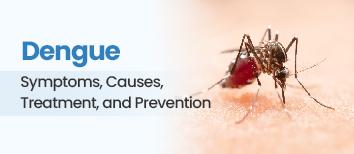
Dengue is a mosquito-borne viral disease causing high fever, body pain, and rashes. It spreads through Aedes mosquitoes. Early treatment and mosquito control help prevent complications.

Consult the best general physician for dengue fever at Felix Hospital. Their expertise in diagnosing and managing dengue virus infections can lead to timely and effective treatment.


Subscribe to our
© Copyright 2026. All Rights Reserved by Felix Healthcare Private Limited
Design and development by :


 +(91)9667064100
 Emergency : +(91)9667064100