 Emergency:
  WhatsApp



Subscribe to our

Constipation is an extremely frequent digestive complaint in all age groups. Occasional constipation is generally fleeting, while chronic constipation—persistent difficulty in passing stool for weeks or even months—is a serious condition which impairs comfort, mood, and day-to-day functioning. It can cause the symptoms such as bloating, abdominal cramp, and persistent feeling of full heaviness or incomplete defecation.
At Felix Hospital, we also know how distressing and unpleasant chronic constipation can be. Delineating the root cause is the key to lasting relief. If you are experiencing persistent bowel concerns, a visit with a gastroenterologist in Noida can identify the root cause and offer individualized Constipation treatment in Noida suitable for you.
Call +91 9667064100 and book your consult with us or discover more about advanced digestive medicine at Felix Hospital.
Chronic constipation is defined as bowel movements that are difficult, painful, or infrequent over a number of weeks or more. Commonly, it's having less than three bowel movements each day that are hard and dry and require straining when defecating.
But constipation isn't inevitable. For the person for whom frequency is the problem, for the person for whom distress or incomplete bowel elimination is the issue, the normal causes of chronic constipation can range from diet and lifestyle considerations all the way through disease and drug therapy.
One of the most prevalent reasons for chronic constipation is a low-fiber diet. Fiber plays a key role in bulk and making the consistency of the stool so soft that the mass can easily move through the intestines. Diets high in processed food, refined grains, and low in vegetables and fruit are often accompanied by constipation.
Hydratation is also essential. If you are not consuming enough water, your colon extracts excess fluid from the waste and you get dry, hard bowel movements.
Simple Solutions:
Eat high-fiber diets including vegetables, fruits, oatmeal, and whole-wheat food.
Drink at least 8–10 glasses of water daily.
Restrict coffee and beer, since they are dehydrating.
Sedentary living reduces the activity of the digestive system and reduces the intestinal muscles' activity, leading to constipation. People who sit for longer periods —or bed-rested people—are the most likely to get constipation.
Regular exercise like brisk walking, yoga, or light exercises induces intestinal contractions and bowel movements are easier and more frequent.
One of the most overlooked reasons for developing constipation issues is the ignoring of the body's natural desire to evacuate the bowel. Due to busy lifestyles, lack of access to clean bathrooms, or plain habit, holding in bowel movements can cause the natural impulse to diminish over a period. In turn, the stool spends more time in the colon and becomes more compacted and difficult to move.
The simple rule: when your body signals, respond immediately.
Certain medications can shift the bowel process into low gear. Those are:
Pain relievers (more
Iron supplements
Antidepressant
Calcium antacids and Aluminum antacids
Some blood pressure medications
If you’re experiencing constipation after starting a new medicine, it’s best not to stop on your own. Speak to a gastroenterologist in Noida, who can review your prescriptions and adjust them safely if necessary.
Hormones also act directly on the way the intestines work. Digestion and constipation can be caused by conditions like hypothyroidism, diabetes, and pregnancy. Hormonal effects in women can also produce irregular bowel movements at the time of menopause and in pregnancies.
Treating the root cause hormonal problem can alleviate constipation and recover the health of the gut.
Emotional health and gut health are also related. The gut can get upset if the individual becomes stressed, fearful, or depressed, and gut transit can become slowed and bowel functions irregular. The majority of chronically stressed patients also complain of chronic constipation or irritable bowel syndrome-like symptoms.
At Felix Hospital, we employ the principles of holistic medicine—treating the complete person: emotionally and physically. Techniques like meditation, deep breath exercises, and counseling can treat stress-induced constipation.
At times, constipation can't be solely blamed on lifestyle—there can be a structural issue in the intestines, rectum, or colon. Some examples are:
Anal haemorrhoids or anal fissures causing painful passage from the bowel
Colon strictures (narrowing up the intestine)
Pelvic floor dysfunction, in which muscles are unable to coordinate while defecating
Such conditions need imaging and medical attention. The advanced infrastructure at Felix Hospital enables the experts to detect such conditions and treat them with specific procedures.
Other nerve conditions like Parkinson's disease, multiple sclerosis (MS), or spine injury can also cause bowel movement abnormalities. When the intestinal-controlling nerves are not working well, constipation becomes persistent and challenging to correct with the help of diet alone.
In such instances, multidisciplinary team work including neurologists and gastrointestinal specialists allows for proper care and improved quality of living.
You must see a doctor if you have:
Constipation more than 3 weeks
Intense abdominal distress or gas
Blood in stool
Rapid weight loss
Nausea or lethargy with constipation
Chronic constipation should at no moment be ignored. Constipation therapy in Noida from expert gastroenterologists at Felix Hospital includes precise diagnosis and relief from the disease with efficient and secure interventions.
Ignoring chronic constipation can lead to:
Straining induced hemorrhoids
Anal fissures (small breaks in the rectum)
Rectal prolapse (portion of the rectum protruding through the anus)
Fecal impaction, where stool becomes too hard to pass
They are painful complications and also affect the entire digestive system. Early treatment prevents the complications and also improves the health of the gut.
To avoid constipation and facilitate bowel passage:
Consume more fiber (25–30 grams daily)
Drink fluids
Get some exercise every day
Establish a regular toilet routine
Restrict fast and processed food
Chill with stress reduction techniques
Small regular modifications can cause a big difference in digestive comfort and future health.
Get expert hospital care now at the Felix Hospital where qualified gastroenterologists can restore health and well-being in the digestive tract.
Constipation does not seem like such a big problem, but if it becomes chronic, it can actually take its toll on your quality of life. Being aware of the reasons behind chronic constipation will help you to gain the power to manage your gut health. Although lifestyle changes, healthy diet, fluids are so important, sometimes the contribution of medicine is necessary.
As the Best Gastroenterology Hospital in Noida, the Felix hospitals offers effective and customized treatment of Constipation. Using the most recent diagnostic technology, considerate patient care and patient-centric practices, we defeat constipation and bring enduring digestive health.
Q. 1. What are the most common causes of chronic constipation?
Ans. The common culprits are a low fiber diet, lack of fluids, physical inactivity, and some medications. Hormonal disturbances, stress, and disease of the bowel can be implicated too.
Q. 2. Can stress and anxiety cause chronic constipation?
Ans. Yes. Stress directly impairs the gut-brain axis, which can cause the gut to move less quickly and bowel habits to become irregular. Relaxation, counseling, or mindfulness can often alleviate constipation and aid in general digestive health.
Q. 3. How often should I see a doctor for constipation?
Ans. A specialist should also be consulted in case the constipation lasts longer than three weeks, in case it causes sharp pain, or in case the person experiences blood in the stool or weight loss. Early consulting with a specialist at Felix Hospital permits precise identification and successful and secure therapy.
Q. 4. How can you relieve constipation naturally?
Ans. Elevate your intake of fiber, consume lots of water, remain active physically, and eschew processed meals. Regular bathroom routine also works its way. Nevertheless, for lasting constipation, one should consult for Constipation treatment in Noida.
Q. 5. Which are the foods that might aggravate constipation?
Ans. Eatings that are very processed, red meat, milk and fried or sweet snacks may slow down the digestion process. Use vegetables, fruits, and whole grains instead so that healthy bowel motions are achieved and constipation becomes chronic.
Q. 6. Are there illnesses that will lead to constipation?
Ans. Yes. Hypothyroidism as well as diabetes, irritable bowel syndrome (IBS), and neurological disorders, such as Parkinson, can lead to constipation.

Expert gastroenterology care for better digestive health, offering advanced diagnosis and treatment for GERD, IBS, ulcers, and liver disorders.
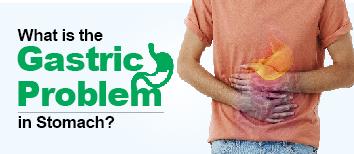
Gastric problems occur when excess acid or digestive disturbances affect the stomach lining, causing symptoms like bloating, acidity, and pain. Timely diagnosis ensures effective treatment.


Subscribe to our
© Copyright 2026. All Rights Reserved by Felix Healthcare Private Limited
Design and development by :


 +(91)9667064100
 Emergency : +(91)9667064100