 Emergency:
  WhatsApp


Subscribe to our
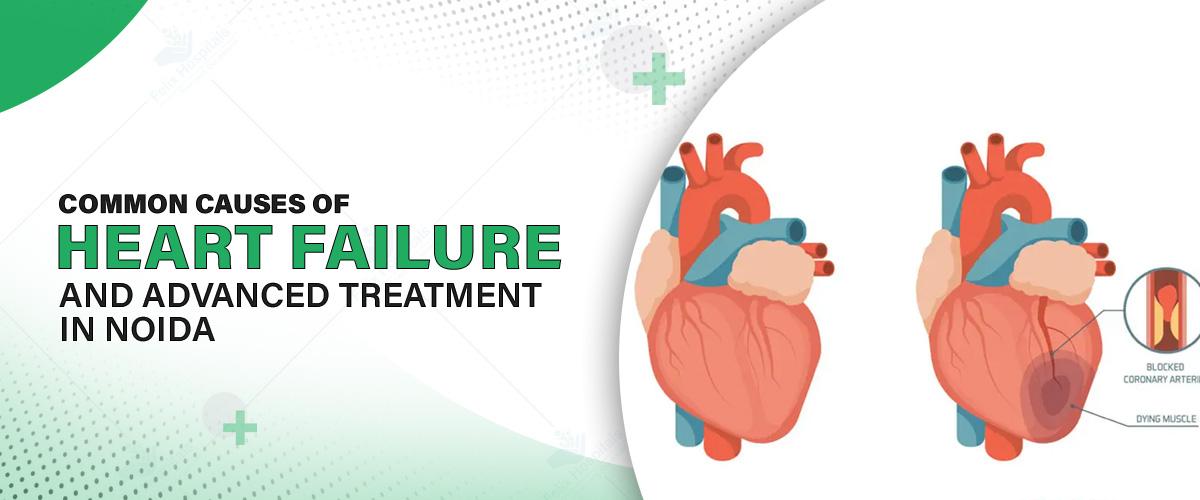
Heart failure is a severe condition that happens because of the failure of the heart to pump blood effectively to provide the body with what it requires. Heart failure can cause fatigue, fluid accumulation, and damage to organs. Early diagnosis and management are needed to improve the survival and quality of life of the patient.
If you need specialized treatment, the top hospitals for heart failure treatment in Noida has top-notch facilities, skilled cardiologists, and patient-friendly care according to your heart condition.
Don't ignore heart symptoms. Call at +91 9667064100 right now for a professional heart evaluation!
Understanding the common causes of heart failure allows prevention and management. The most frequent causes are:
Coronary Artery Disease (CAD) and Heart Attack: CAD is one of the primary causes, decreasing or stopping blood to the heart. Complete blockage may cause heart attack, killing heart muscle and decreasing its pumping ability.
High Blood Pressure (Hypertension): The heart has to work harder with too much pressure, and over time the muscles become thick or weak.
Heart Valve Disease: The diseased valves cause the heart to work harder and harder, ultimately leading to heart failure.
Cardiomyopathy: Disease of the heart muscle, resulting from genetics or infection or of undetermined cause, interferes with the heart's function of circulating blood.
Congenital Heart Defects: Structural defects a baby is born with can overwork other parts of the heart, causing permanent damage.
Arrhythmias (Irregular Heart Rhythms): Irregular heart rhythms lower the efficiency of the heart and result in failure.
Diabetes: Untreated diabetes may cause damage to arteries and nerves and weaken the heart muscle.
Obesity: Overweight places additional strain on the heart and raises the risk of heart failure.
Thyroid Disorders: Overactive and underactive thyroid both have a detrimental effect on heart rhythm and rate.
Certain Medications: Certain chemotherapy drugs, NSAIDs, and diabetes drugs have been found to carry higher risk for heart failure.
With the development of medicine and medical technology, nowadays there are a number of options for advanced heart failure treatment Noida aside from traditional medicines:
Implantable Cardioverter-Defibrillators (ICDs): Track life-threatening arrhythmias and administer electric shocks to convert the heart rhythm back to normal.
Cardiac Resynchronization Therapy (CRT): To improve the efficiency of the heart it synchronizes the lower chambers of the heart
Ventricular Assist Devices (VADs): Mechanical devices that support the pumping of blood from the heart.
Coronary Artery Bypass Grafting (CABG): Bypasses the arteries that are blocked to restore blood to the heart.
Heart Valve Replacement/Repair: Fixes malfunctioning valves that compromise heart function.
Heart Transplant: For patients with end-stage heart failure in which all other therapies fail.
ACE Inhibitors and ARBs: Make blood vessels relax and decrease the work burden of the heart.
ARNIs: newer drugs that achieve maximum blood vessel dilation and minimize heart workload.
Beta-blockers: Increase heart function by decreasing heart rate.
Diuretics: Help to drain excess water and swelling.
Aldosterone Antagonists: Decrease the blood pressure and improve cardiovascular health.
SGLT2 Inhibitors: First used for diabetes, now effective against heart failure.
Other medications: Digoxin, Ivabradine, and inotropes may be used in selected patients.
In addition to clinical management, lifestyle change is needed:
Healthy Diet: Reduced in sodium, saturated fats, and sugars. The DASH and Mediterranean diets are recommended.
Regular Exercise: Regular moderate exercise under supervision makes the heart strong.
Quit Smoking: Critical to promote circulation and reduce risk.
Weight Control: Lightens the heart's workload. Alcohol restriction: Regulates heart rhythm and blood pressure.
Fluid Restriction: In some cases, controls symptoms.
Identification of warning signs can lead to pre-emptive treatment:
Difficulty in breathing
Recurring wheeze or cough
Weakness and drowsiness
Swelling of the abdomen, legs, or feet
Irregular or abnormal heartbeat
Weight gain due to fluid retention
Complications can range from kidney and liver injury to arrhythmias and cardiac arrest.
Diagnosis is a full assessment and some tests:
Blood tests
Electrocardiogram (ECG)
Chest X-ray
Echocardiogram
Cardiac MRI and CT scans
The treatment cost of heart failure in Noida also varies based on the severity of the disease and the treatment required. Medication and follow-up can vary between INR 10,000 and INR 50,000. CABG or device implant surgery can vary between INR 2 lakhs and INR 7 lakhs. Always request your treating doctor to clarify the cost and insurance cover.
Most people in Delhi NCR trust Felix Hospitals not just for their modern facilities, but for their personalized care at every step of the way. Here are a few reasons why people choose Felix:
Best cardiologists in Noida with multiple of years of expertise.
Felix has modern diagnostic laboratories , and their use of technology is matched with a focus on what really works—not just the latest trends, but real solutions that fit your needs.
Safety and quality with NABH accreditation, you get peace of mind knowing that every procedure follows strict standards, and your well-being comes first.
Felix Hospital is one of the Best Heart Failure Treatment Hospitals in Noida with multidisciplinary cardiac units, high-level ICU units, and minimally invasive procedures.
Early diagnosis saves lives— Call +91 9667064100 to set up your heart check-up today.
Recognizing the cause of heart failure and early treatment can be a lifesaver. From medication to diet modification to getting heart failure treatment in Noida, there is complete treatment for each phase of the condition. If you are searching for a cardiac specialist in Noida or comparing the Heart failure treatment cost in Noida, it is important not to ignore the symptoms. Consider getting treated at a highly rated hospital for heart failure treatment in Noida to achieve improved heart health.
Q1. Can treatment reverse heart failure?
Ans: Heart failure can't always be fixed, but the right medicines, lifestyle changes, and medical treatments can help manage it well.
Q2. Do I need to have surgery for heart failure?
Ans: Not always. Medication and changes to one's lifestyle can help with many cases; surgery is only recommended in advanced or specific situations.
Q3. How can I tell if I need a pacemaker or an ICD?
Ans: Your cardiologist will suggest it based on tests like an ECG, echocardiogram, and your symptoms or risk of sudden cardiac arrest.
Q4. Can just changing your diet help with heart failure symptoms?
Ans: Diet helps a lot, but to really control it, it needs to be combined with medicine and regular checkups.
Q5. Do people with heart failure have to take their medications for the rest of their lives?
Ans: Yes, in most cases. These drugs are very important for controlling symptoms and stopping them from getting worse.
Dr. Rahul Arora is an experienced Interventional Cardiologist with 21+ years of expertise in advanced cardiac care, specializing in personalized, evidence-based treatment for heart diseases and improved patient outcomes.
Best heart hospital in Noida for bypass surgery at affordable prices with expert cardiac surgeons, advanced facilities, and quality patient care for better recovery.
Heart disease is a significant health concern for women, often presenting unique challenges. Understanding the causes, symptoms, and treatment options is essential for early detection and effective management.
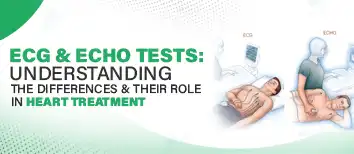
Learn the key differences between ECG and ECHO tests and their role in heart treatment.

Subscribe to our
© Copyright 2026. All Rights Reserved by Felix Healthcare Private Limited
Design and development by :


 +(91)9667064100
 Emergency : +(91)9667064100