 Emergency:
  WhatsApp


Subscribe to our
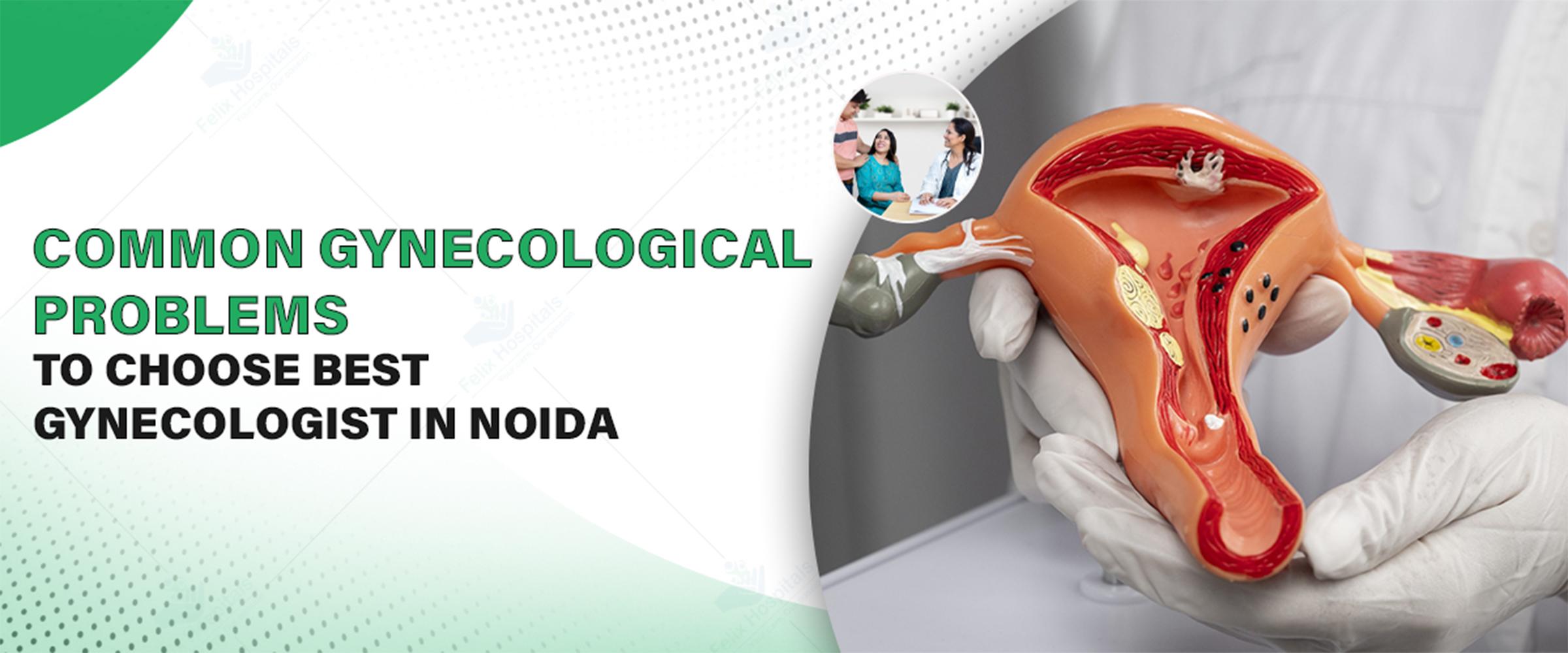
Women's health is among the most important but least discussed aspects of total wellness. From the first menstruation cycle to gestation, post-gestational convalescence, and menopause, the body of a woman undergoes countless changes throughout her life. While natural, these changes sometimes come along with problems that call for medical attention.
Sadly, numerous women are reluctant to talk about their reproductive health freely. Owing to social stigma, fear, or ignorance, issues that begin small tend to become bigger conditions. Knowing about the prevalent issues in women's gynecologic enables you to identify issues earlier and seek appropriate medical advice prior to the issues turning complicated.
If you are suffering from symptoms such as untimely periods, pelvic ache, unusual discharge, or hormonal disorder, you must visit a gynecologist in Noida for professional assessment and individual attention. With the help of advanced diagnostic facilities and caring medical assistance, the majority of Gynecological issues can be treated as well as averted.
In this blog, we will discuss regular reproductive health issues, their causes, symptoms, the best ways to prevent, and how to select the right gynecologist for long-term health.
Get counseling from a professional Gynecology expert now at +91 9667064100 and take the first step towards healthy women's health balance
Women's health entails something more than cycles — it entails the right functioning of the whole reproductive system. Following are a few of the most prevalent women's health issues and how they'll have an impact upon daily life:
One of the most common complaints among women, including you, are irregular periods, which may be the consequence of stress, inadequate nutrition, thyroid disease, or an underlying hormonal disease like PCOS. Skipped cycles, heavy flow, or drastically late or early timing may indicate something is awry.
PCOS is a hormonal disorder that impacts millions of women. It leads to a lot of acne, excess weight, and infertility as a result of hormonal imbalances. Symptoms and treatment of PCOS differ between individuals, but cycle regulation and complication minimization are achieved through diets and medicines when diagnosed early.
This disease implies that endometrial lining grows in areas other than the uterus, causing pelvic pain, lethargy, and infertility. It's a condition that may need prolonged care, either medical or surgical, which may be minimally invasive.
PID is a sexually transmitted condition that infects the fallopian tubes, uterus, or the ovaries. If left unchecked, it may cause scarring, perpetual pain, or infertility. Protection along with good hygienic practices will definitely cut the rate of occurrence.
Fibroids are harmless growths in the uterus that cause heavy bleeding, heavy or extended menstruation, and swelling of the abdomen. Though a few fibroids regress spontaneously, a few will have to be managed with drugs or surgery, depending on size and condition.
Bacterial and yeast infections are among the most frequent gynecologic issues in females, which may lead to itching, discharge, or burning. Good vaginal cleanliness and the use of no harsh soap or douche prevent recurrence.
Problems like dysmenorrhea (crampy pain), menorrhagia (heavy menstruation), or amenorrhea (loss of menstruation) are signals of a deeper hormonal disorder or reproductive illness. Never overlook these.
Early diagnosis of symptoms of Gynecological disease will avoid further distress. Some among the general symptoms are:
Abnormal, painful, or heavy mensus
Pelvic pressure or pain
Abnormal vaginal smell or discharge
Burning or stinging sensations
Painful intercourse or painful urination
Unexplained weight gain or acne pimples
Over-growth of hairs (Symptom of PCOS)
Mood fluctuations and lethargy
If any of these symptoms continue, a specialist appointment can begin treatment to treat the cause in the first place.
Gynecological issues can arise from a mix of biological, environmental, and lifestyle factors. The causes of gynecological disorders often include:
Hormonal upset as a consequence of stress, thyroid disease, or PCOS
Poor nutrition, obesity, or lack of exercise
Poor menastrual hygiene
Bacterial or fungal infection
Genetics and family history
Tobacco use, alcohol use, and excess caffeine
Prolonged medication use or birth control misuse
Whereas there are some causes that cannot be avoided, healthy living and regular consultations can help prevent chronic diseases.
Menstruation in the female tells something about her hormonal status. Heavy bleeding, missed period, or crampy pain could indicate medical issues that need to be addressed.
Prevalent Menstrual Disorders Are:
Menorrhagia: Long or heavy bleeding.
Oligomenorrhea: Infrequent or irregular cycles.
Dysmenorrhea: Menstrual Cycle pain resulting from out.
Amenorrhea: Failure to menstruate for more than three months.
Treatment Technique: Advanced and patient-focused techniques are used to diagnose and treat common gynecological problems effectively.
Changes in lifestyle: Balanced consumption of foods that have iron and vitamins, and regular exercises.
Hormonal therapy: To regulate irregular cycles.
Medicine: Over-the-counter analgesics and anti-inflammatory.
Surgical procedures: For severe cases such as fibroids or endometriosis.
Proper diagnosis and appropriate treatment of these common Gynecological problems among women are offered by a professional evaluation.
PCOS impacts hormonal balance and can disrupt ovulation, metabolism, and fertility.
Irregular or absent menstruation
Weight gain, especially around the waistline
Acnes and oily skin.
Excessive or thinning loss/baldness of
Difficulty getting pregnant
Dietary Changes: Reducing processed foods and white sugars.
Exercise: Moderate activity to control insulin resistance.
Medications: To control cycle lengths and to control hormone levels.
Reduction of stress: Mindfulness, yoga, and sleep hygiene.
PCOS may be managed based on frequent medical care and behavioral improvements coupled with the guidance of a dependable Fertility specialist Noida.
Choosing a proper doctor determines long-term reproductive health. A good gynecologist not just diagnoses and treats but makes you comfortable when you talk to him or her about sensitive issues.
Choose a doctor of medicine who is fully licensed, experienced, and skilled in treating both common and complex women's health issues.
Your gynecologist needs to listen carefully, make sure they understand, and give you a space where you don't feel judged.
Some doctors are experts in hormone disorders, pregnancy, or fertility. Choose someone who takes a whole-body approach to women's health.
Ultrasound, hormone tests, and minimally invasive surgery are some of the modern diagnostic tests that speed up and improve the process.
Preventing women's health issues has a big effect, in addition to treatment. Here are some tips to keep your hormones in balance and stop more problems from happening:
Eat a balanced meal that includes foods that are green, whole grains, and protein.
To stay at a healthy weight, you should exercise every day.
Do yoga or meditation to help you relax and lower your stress levels.
Sleep long enough to regulate hormone levels.
Don't smoke, drink, or eat processed foods.
Schedule annual checkups.
Keep sexual and menstrual cleanliness.
Small modifications in daily habits can drastically help avoid general Gynecological issues.
If you are having symptoms of pelvic pain, or you have irregular periods, or you have trouble conceiving, consult a professional at +91 9667064100 today.
Women's reproductive health has a strong correlation to emotional, hormonal, and physical health. Failing to heed initial cues can have serious consequences such as infertility, anemia, or recurring pain. Learning about the most prevalent conditions in women — PCOS, abnormal menses, fibroids, or endometriosis — gives you the strength to make proactive choices for good health.
Selecting a good gynecologist will provide you with proper diagnosis, respectful treatment, and benevolent care. Keep in mind, it's not a luxury to care for yourself — it's a must. With periodic visits to the doctor, a healthy style of life, and prompt treatment, you'll be able to have a healthier, happier life.
Your body deserves care and attention and compassion. Listen to its signals, anticipate, and take the step to a lifetime of good health.
Q.1. What are the most common gynecological problems women face?
Ans. Problems such as PCOS, out-of-regular periods, endometriosis, and vaginal infections are among the most prevalent concerns which women of every age are prone to.
Q.2. How do I know if I have a hormonal imbalance?
Ans. If you experience irregular periods, weight changes, acne, or hair loss, it might indicate a hormonal imbalance. Consulting a doctor is the best way to confirm.
Q.3. When to consult a gynecologist for problems of menstruation?
Ans. If your period is always irregular, uncomfortable, or heavy bleeding, you must visit a physician right away for assessment.
Q.4. Does PCOS affect fertility?
Ans. In fact, PCOS can interfere with ovulation, thereby complicating conception. But if treatment and behavior change are attained earlier, the fertility can normally resume.
Q.5. How frequently should women have a Gynecological check-up?
Ans. Physicians suggest a minimum of a once a year check-up or as often as you have lingering symptoms.

Understanding the symptoms, and knowing the different types of heart diseases are crucial for effective prevention and management.
Selecting the best gynecologist hospital in Noida is crucial for your health. Learn what to look for in top facilities offering specialized care in maternity, infertility, menstrual health, and gynecological surgeries.
Exploring the Best IVF hospital in Noida for expert fertility treatments. Felix Hospital IVF is dedicated to helping couples achieve their dream of parenthood with advanced fertility treatments, latest technology, and compassionate care


Subscribe to our
© Copyright 2026. All Rights Reserved by Felix Healthcare Private Limited
Design and development by :


 +(91)9667064100
 Emergency : +(91)9667064100