 Emergency:
  WhatsApp

Subscribe to our
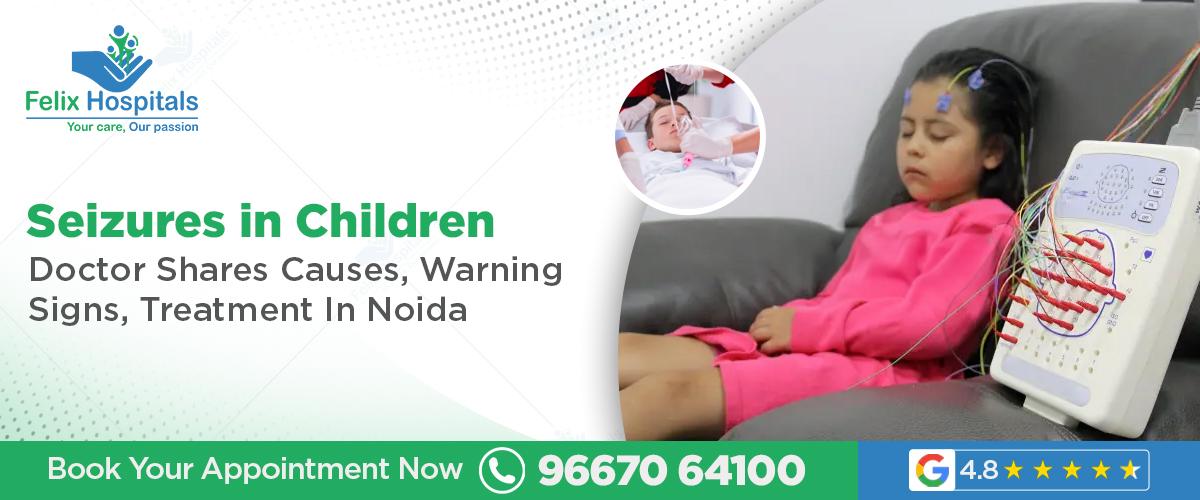
It is a highly upsetting moment when the child suddenly and without control shakes or loses consciousness, something that is painful to the parents. Such episodes, known as seizures in children, can have several underlying causes, and timely diagnosis is crucial. Consulting a pediatric neurologist in Noida can help identify the root cause, provide personalized care, and ensure proper follow-up to manage the condition effectively.
Realizing the causes of a seizure, early warning signs and the most effective treatments should enable parents to deal with it effectively. In this article, an experienced pediatric specialist explains the important aspects of pediatric seizure treatment hospital in Noida, including causes, symptoms, and modern therapeutic approaches.
Worry about your child seizing? Check online to book an appointment with a pediatric specialist today at +91 9667064100 .
A seizure occurs when the brain cells transmit signals of abnormality which interrupt normal brain activity. Not all seizures in children look the same--some may involve convulsions, while others cause brief staring spells, muscle stiffness, or confusion.
Movement, behavior and awareness can be managed by the brain by means of coordinated electrical activity. When they malfunction, it causes a transient spike in the activity, which causes the physical and sensory alterations noticed by the parents. Although one seizure is not necessarily an indication that a child has epilepsy, recurrence of episodes may lead to review to establish the cause and establish how to carry them out effectively.
The duration of seizures may be different, some may take seconds, whereas others may take several minutes. The seizure may also be focal (on one side of the brain) or generalized (on both sides).
Understanding the causes of seizures in kids can help parents and caregivers act quickly. Some of the common triggers are:
Fevers: In children, febrile seizures can be caused by high fever. They are usually brief and not life terminating yet they need consideration.
Genetic factors: There are genetic conditions in which individuals are born with an inclination toward epilepsy or neurological disorders that result into frequent seizures.
Head trauma: A severe blow or trauma to the head may cause interference with the brain activity resulting in seizures.
Infections: Meningitis, encephalitis, or other brain infections can result in pediatric seizures.
Birth injury or brain development problems: Some children may be more vulnerable to oxygen deficiency when they are born or to abnormal brain development.
Electrolyte imbalances: Low sodium, calcium, or other chemical disorders can cause seizures.
Medication side effects or poisoning: There are hardly any cases when sudden convulsions could be triggered by exposure to some medicines or toxins.
Although the cause may be different, it is important to point out the trigger so as to control and prevent it. Professional assessment would make sure that the right tests such as EEG, MRI, and blood tests are conducted to identify the underlying problem.
Parents often miss early or subtle warning signs of seizures in children. These indicators can be identified, and this can provide an early medical response. Key warning signs include:
Sharp twitching, jerking or stiffness of muscles.
Episodes of staring when the child appears to be in a trance over a couple of seconds.
Dizziness or passing out following a short period of time.
Unclear reasons for sudden falls.
Involuntary movements of the eyes, chewing or repetitive movements.
Sudden shortness of breath or paleness or bluishness of the skin.
A postepisodic fatigue, sleepiness or irritation.
Children of the younger age might also seem too quiet at times, unresponsive or show deviations in their behavior or speech following a seizure. Some of the seizures resolve spontaneously, but any seizure that extends beyond five minutes or one that is accompanied by difficulties in breathing is to be treated as a medical emergency.
The diagnosis starts with a history in detail- when the episode started to take place, how long it was taking place, and what symptoms were exhibited in advance, during, and after. The typical recommendations of a pediatric neurologist include:
Electroencephalogram (EEG): Monitors electrical brain activity in order to identify irregular patterns.
MRI or CT Scan: Finds problems in the structure of the brain, infection, or growth defects.
Blood tests: Rule out metabolic imbalances or infections, or genetic markers.
Developmental assessment: Assesses motor and mental processes that have been impacted by frequent seizures.
Proper diagnosis will help the child to be diagnosed with epilepsy or show that the seizure was a one time affair. With the help of the accurate trigger identification, specific treatment and prevention options are possible.
Modern seizure treatment for children focuses on controlling episodes, minimizing side effects, and allowing normal childhood development. A multidisciplinary, structured plan is the most effective division and it can incorporate:
Medication therapy: The primary pillars of treatment should be anti-seizure drugs (anticonvulsants). The kind and the amount of dosage vary depending on the type of seizures, their cause and age.
Lifestyle changes: Proper sleep, balanced diet, and hydration are significant with regard to lowering the number of seizures.
Treating underlying causes: The underlying infections, metabolic or brain injuries should be treated to avoid the additional instances.
Physical and occupational therapy: Can help children to become strong, coordinated, and normal again following frequent seizures.
Surgery: In some instances, when drugs do not work, surgery can be used to excise a small part of the brain that causes seizures.
Emergency care plan: Families are suggested to store prescribed rescue medicines to be used during long-term or cluster seizures.
Each child is treated individually, and the progress is monitored over time. Frequent feedback and transparent communication with the medical staff are what guarantee safer and more productive results.
Parents play an active role in managing child seizure symptoms. In addition to taking medical recommendations, they will be in a position to provide a safer environment and identify early symptoms. Helpful practices include:
Ensuring the child's environment is safe by clearing his or her episodes of sharp objects or obstacles.
Not panicking-the majority of the seizures will end in a few minutes.
Having a log of the time of seizures, the events leading to the seizures and time taken to regain consciousness.
Taking medicine regularly without omission.
A conversation with the physician (such as swimming, cycling).
Training of the caregivers, school teachers and relatives will result in everyone being educated on how to act in the event of an episode.
Many children with pediatric seizures lead normal, healthy lives after proper treatment. Others mature out of the condition when their brain matures, whereas others have to be placed on long-term medication. Positive outcomes are facilitated by early diagnosis, appropriate treatment compliance, and a friendly environment.
Regular visits to a pediatric neurologist should also be maintained by parents and attention should be paid to the evolving symptoms. Children are able to deal with the condition with confidence through emotional support, counseling and open conversations.
Although not every type of seizure is curable, management of triggers lowers the frequency of seizures. Prevention measures that are common are:
Regular drug routines.
Getting sufficient rest- sleep deprivation may lead to incidences.
Preventing lack of food or dehydration.
Preventing head injury in children in sports or play.
Early treatment of fever under medicine.
Observation of lighting or sound stimuli in sensitive children.
With awareness of such preventive measures, parents can reduce episodes considerably in terms of frequency and severity.
Do you need a professional assessment of the symptoms of your child? Contact us now at +91 9667064100.
Timely medical evaluation, awareness, and professional guidance make a major difference in managing seizures in children. If your child shows unusual behaviors such as sudden stiffness, jerking, or brief confusion spells, consulting a pediatric neurologist in Noida is the right step toward safe recovery. Access to advanced care, regular monitoring, and personalized pediatric seizure treatment in Noida offers children the best chance at leading active, healthy lives.
Q.1. What are my instructions in case my child has a seizure at home?
Ans. Remain calm, place the child on his or her back, and ensure that the airway remains open and does not put anything in the mouth. I would consult medical assistance in case the episode takes over five minutes.
Q.2. Are all seizures in children a sign of epilepsy?
Ans. Not always. There are also seizures that are high-fever induced and can be caused by temporary factors and may not be evidence of long-term epilepsy.
Q.3. Can medication completely stop pediatric seizures?
Ans. With correct prescription and follow up, many children do respond very well to medication and live a seizure-free life.
Q.4. What are the early warning signs that I can find in my child?
Ans. Watch short periods of staring, jerks, loss of consciousness or strange repetitive movements.
Q.5. What are the reasons why I need to see a pediatric neurologist?
Ans. In case your child has frequent seizures, loss of consciousness without any clear reason, or some strange movement, then make an appointment with a physician immediately.

10 Reasons why a child may not grow
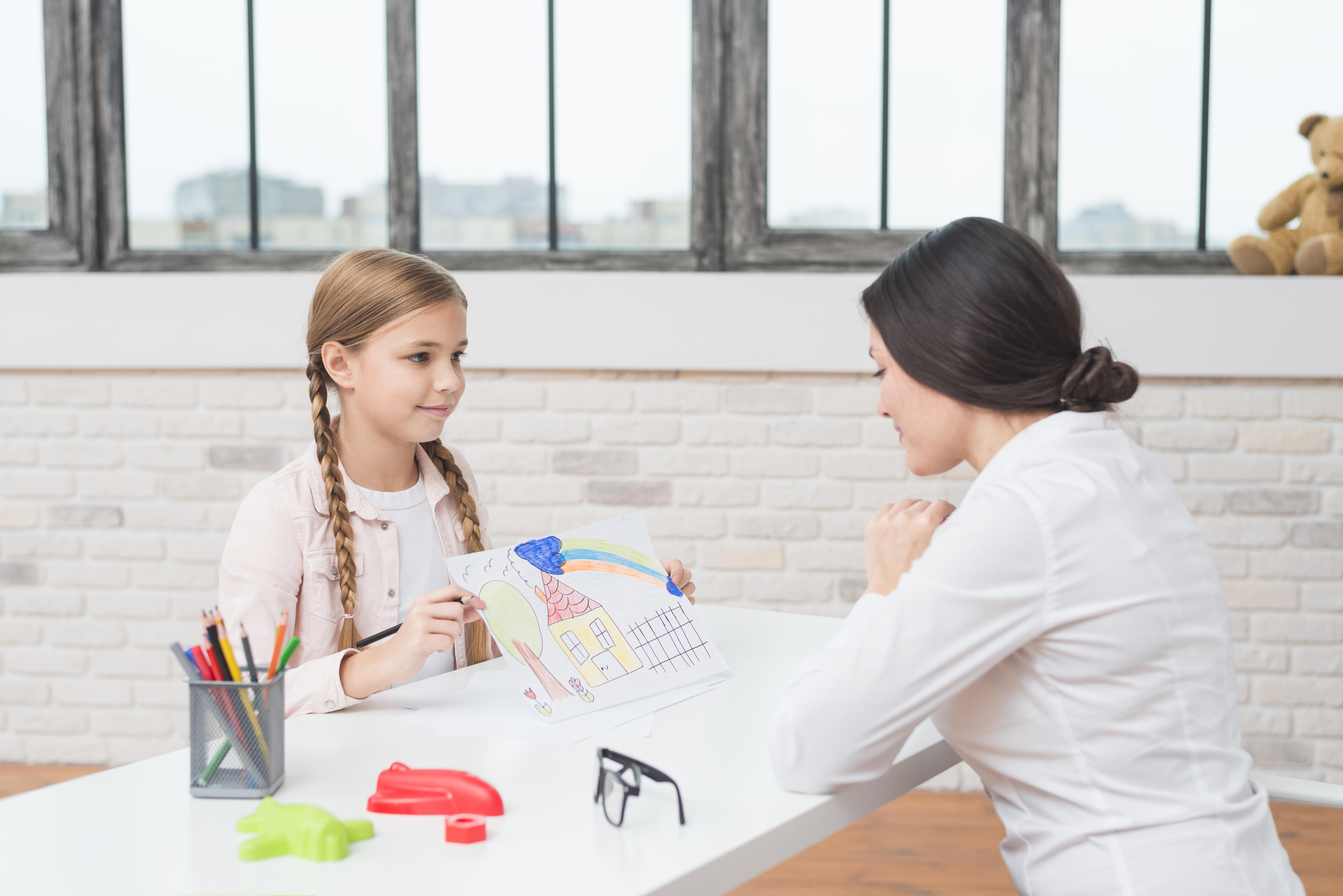
As a child care specialist, I have noticed a huge difference in overall growing of a child in the last 14 years.

Every parent wants their child to become a successful, confident, and good human being. A child is like a sponge, which can take any shape and can absorb almost everything they see/learn.
Pediatric rheumatology focuses on diagnosing and treating autoimmune and inflammatory disorders affecting children’s joints, muscles, and connective tissues.


Subscribe to our
© Copyright 2026. All Rights Reserved by Felix Healthcare Private Limited
Design and development by :


 +(91)9667064100
 Emergency : +(91)9667064100