 Emergency:
  WhatsApp

Subscribe to our
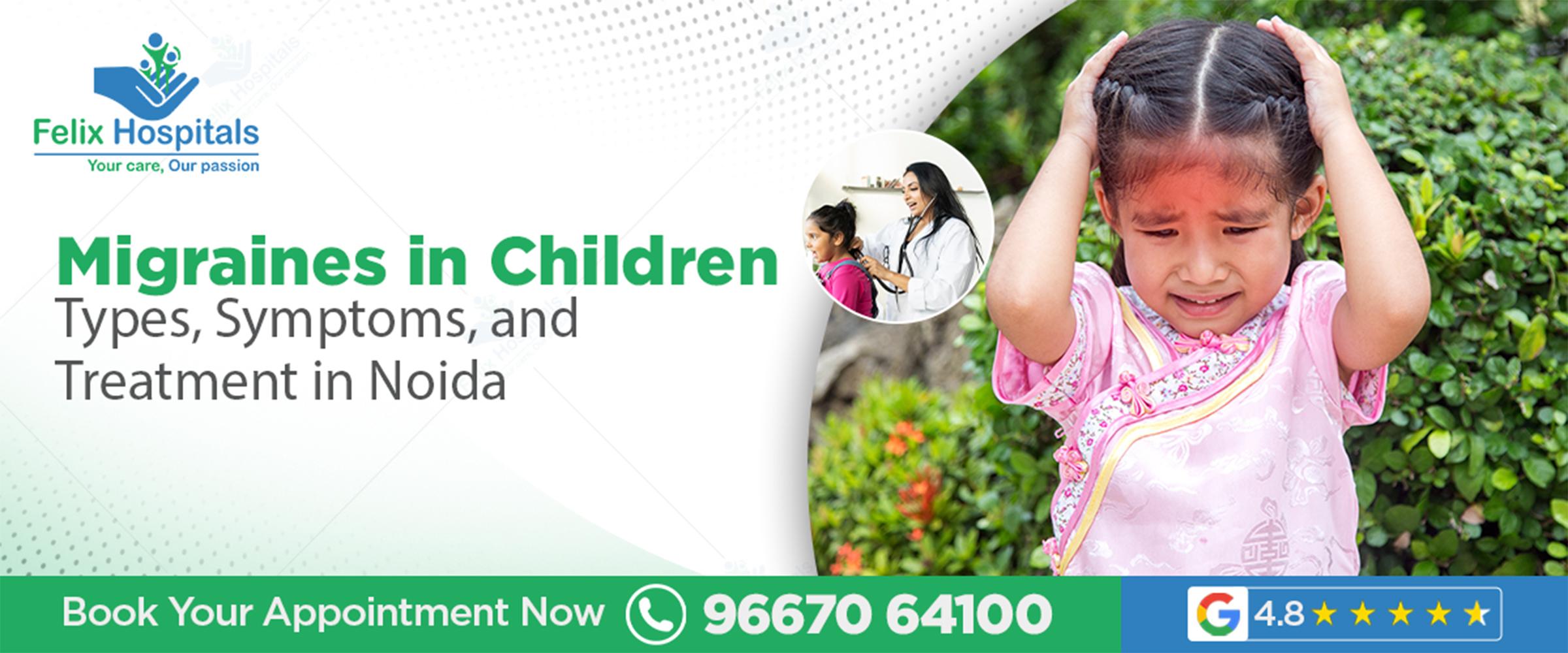
Headaches are usually dismissed or misconstrued as fleeting pains brought upon by stress, fatigue, or even thirst. However, if migraines, even in children, come rather often, induce bouts of nausea, photophobia, or light headedness — they are, quite literally, migraines. Far more prevalent than many parents know, migraines are a force to be dealt with, capable of derailing a child's lifestyle, disposition, and thinking ability.
In India, and more so urban areas like Noida, school stress, exposure to electronic devices, and an irregular lifestyle are causing migraines at an alarming rate among children. Identifying symptoms at an early stage and getting proper care from a pediatric neurologist in Noida can avert long-term consequences and enhance a child's general health.
Call us today at +91 9667064100 to schedule an appointment and bring your child's life migraine-free.
A migraine headache is more than a headache — it's a multi-phasic disorder of brain function, neural electrical activity, and blood circulation. Children's attacks also last between 1 to a total of 48 hours, whereas briefer attacks are more common than their adult counterparts. Children are also less likely to have a headache localized to one side of their head and are susceptible to having difficulty explaining how they are doing, which hampers diagnosis.
Migraines also are accompanied by nausea, vomiting, photophobia, and occasional disturbances of vision. Children are agitated, isolated, or less attentive in school by these symptoms, so migraine treatment for children should be done early.
It is also necessary for parents to recognize how to tell apart a headache from a normal headache:
Headache
Migraine
Mild to moderate pain
Severe headache, throbbing
Short term
Endures for hours or a whole day
No other symptoms
With nausea, sensitivity to light/sound
Caused by dehydration, stress, or eye strain
Associated with brain function and inflammatory nerves
While sleep and fluids are typically successful treatments for headache, migraine requires health care and often a comprehensive regimen of management involving drugs and behavioral adjustments.
Knowing what kind of migraine your child has helps doctors learn how to best treat it. The three most typical types of migraines for children are:
Most frequent form of migraine in children. It generates intense throbbing headache, predominantly bilateral, accompanied by nausea and photophobia.
They may also have visual symptoms of flashing lights, zigzag lines, or blind spots before headache development. The aura usually occurs for a duration of about 10–30 minutes.
Common between the ages of 5 and 10 years. They rather experience severe abdominal pain, nausea, or vomiting, not a headache. Over a period, it may lead to classical migraine headache.
Marked by vertigo, dizziness, and imbalance, even if severe headache is not present. It may render walking or concentrating impossible.
A rare but severe type that produces brief one-sided weakness or numbness of the body, often like a stroke.
Appropriate identification and early referral to a child migraine specialist in Noida can ensure proper identification and early management.
Headaches: Migraines are a consequence of a genetic, environmental, and neurological interaction. Migraine causes of children are as follow:
Genetics: If a parent migraines, then their child's risk of developing migraines is as high as 70%.
Sleep disturbances: Abnormal sleep quality or nonspecific sleep schedule disturbances have been known to induce migraine attacks.
Dehydration: Water avoidance or excessive exposure to sunlight on sunny days.
Food factors: Processed food, caffeine, and skipping of meals are also frequent causes.
Stress and anxiety: Stressful events or feelings of anxiety may precipitate migraine attacks.
Hormonal shifts: Especially during adolescence, hormonal shifts can predispose females to increased migraines.
Environmental triggers: Bright lights, strong odors, air irritants, and too much TV viewing are typical provocations of city life in Noida.
Children's migraine symptoms are also quite diverse. Some of the frequent symptoms are as follows:
Pulsating or throbbing headache pain.
Nausea or vomiting during attacks.
Sensitivity to light, sound, or smell.
Blurred vision or visual disturbances (during migraine with aura).
Fatigue, irritability, or abrupt change of mood.
Dark circles beneath eyes or pale complexion.
Stomach hurt but no other digestive symptoms.
Children below a certain age group might not express their pain verbally but are seen to be restless, cry, or retire to dark rooms to prevent pain. Such behavioral indicators should not be dismissed.
Migraines may disrupt a child's physical, psychological, and social health.
Academic-wise, absenteeism and inability to focus may influence grades.
Socially, children may avoid playing outside or attending events to prevent headaches.
Psychologically, it can induce a state of anxiety, frustration, or withdrawal.
Proper treatment of migraines for children also tends to lead to normal activities, and children regain confidence both in school and during playtime.
Pediatric neurologists usually begin by referring to both of a child's medical as well as family histories. Diagnostic procedures include:
Neurological tests: Ruling out other brain diseases or disorders of nerves.
Imaging tests: CT scans or MRI are recommended if symptoms are unusual or severe.
Migraine diary: The parents might be requested to record when it happens, how long, and potential causes.
Proper diagnosis guides the proper course of treatment and avoids medication wastage.
Children's migraines are managed by blending medication, lifestyle modification, and relief treatments. Pain relief, reduction of occurrence, and leading a normal life are aimed at by management of migraines in children.
Doctors may prescribe:
Pain relievers (acetaminophen, ibuprofen) for mild cases.
Triptans for moderate-to-severe attacks.
Prophylactic medication for frequent attacks.
All medication is to be given under proper medical advice.
Healthy lives prevent future strokes:
Establish a sleep regimen and diet regimen.
Stay hydrated and don't eat processed foods.
Promote regular exercise and moderate viewing of television.
Stress relief through yoga or deep breathing.
These involve treatments like Cognitive Behavioral Therapy (CBT), where adolescents are educated about how to manage headache and anxiety associated with migraines. It's quite effective if added to medication.
Application of cold compresses on forehead.
Being in a dark and quiet room during the attack.
Encouraging massages and relaxing.
These processes reduce the pain and shorten healing at home.
Parents also play a significant role in taking care of migraines. Here's how:
Diary of migraine to identify and avoid triggers.
Ensure that children maintain a healthy balance and drink in their lunches.
Monitoring of screen exposure and eye rest breaks encourage.
Provide relaxation measures such as meditation.
Make regular follow-ups with a pediatric neurologist.
Seek expert consultation by qualified pediatric neurologists in Noida for proper, sound, and successful diagnosis and long-term care management.
Children's migraines are a source of distress to both child and parent, but easy management is available through awareness, early recognition, and proper management, provided by experts. Recognition of migraine warning signs early enough results in rapid intervention, thereby preventing long-term consequences such as lost days at school and distress of a psychological kind.
Children with migraines need a gentle, disciplined strategy — a mix of medical management, reassurance, and self-management of lifestyle factors. A parent in Noida should never ignore recurring headaches, as early referral to a top pediatric Hospital in Noida can profoundly change a child's health and eventual sense of ease.
Remember, migraine treatment is not just about pain relief — it's about your child's overall quality of life, being active, confident, and a happy child.
Q. 1. Migraines may begin at what age for children?
Ans. They may begin as young as at the age of 5 years. Prompt therapy averts frequent and severe attacks as children reach older ages.
Q. 2. Are migraines in children hereditary?
Ans. Yes. Kids are more likely to have migraines if their parents have migraines, as there are shared genetic causes between them.
Q. 3. Can stress or school pressures cause migraines?
Ans. In fact, psychological stress, anxiety during tests, and interrupted sleep have been recognized as primary precipitants of migraine for school children.
Q. 4. Are migraine medicines appropriate for youngsters?
Ans. Yes, under the direction of a child neurologist. Type and dosage are based on frequency of attack, weight, and child's age.
Q. 5. Do migraines cause long-term brain issues?
Ans. No, migraines are not brain-harming, but if pain is not treated, it might affect behavior, mood, and concentration in the long run.
Q. 6. Are home treatments beneficial for migraines?
Ans. Indeed, self-management measures such as fluids, rest, and cold compress are effective relief for their mild attack of migraine.
Q. 7. When should i see the doctor?
Ans. If your child's headache is severe, frequent, or is accompanied by vomiting, dizziness, etc., then please see a pediatric neurologist at Noida urgently.
Pediatric rheumatology focuses on diagnosing and treating autoimmune and inflammatory disorders affecting children’s joints, muscles, and connective tissues.
During sleep, the body releases growth hormones, which are essential for a child's growth and development. Adequate sleep is vital for muscle development, tissue growth, and the overall physical health of a child.
Our team of pediatric professionals is committed to offering expert care and guidance on sleep-related issues. If you’re looking for a pediatric doctor near me, our experienced specialists are ready to assist.
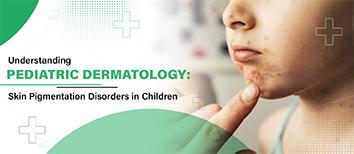
It’s essential to note that the cost of skin pigmentation disorder treatment in Noida can differ based on the type of treatment required and the healthcare facility's resources.


Subscribe to our
© Copyright 2026. All Rights Reserved by Felix Healthcare Private Limited
Design and development by :


 +(91)9667064100
 Emergency : +(91)9667064100