 Emergency:
  WhatsApp

Subscribe to our
Health issues of women need to be addressed in a timely manner and with proper care to maintain wellbeing at all the life stages. The cervical polyp is one of such problems that a woman has to deal with because this growth can be uncomfortable, unexpected, or worrisome at any age. Partnering with an expert gynecologist in Noida is crucial for accurate assessment, counseling, and management of these growths. If you or a loved one has questions about cervical polyps, this comprehensive blog explores everything you need to know, with a special focus on Cervical polyp treatment in Noida for accessible and quality care.
Concerned about unusual bleeding? Schedule Call on +91 9667064100 Cervical polyp treatment in Noida immediately.
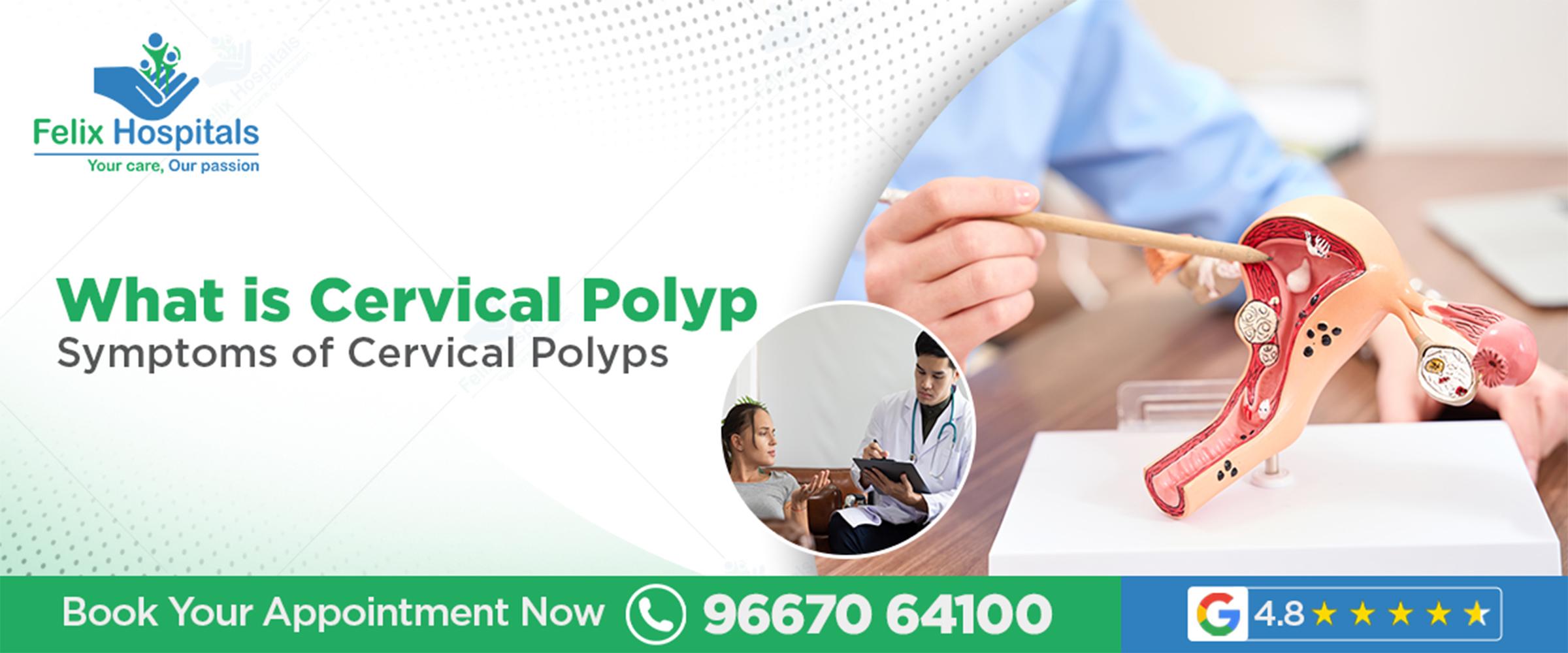
A cervical polyp is a benign (noncancerous) small growth appearing on the lower, narrow end of the uterus known as the cervix which opens into the vagina. The polyps in the cervix are not that uncommon, especially with the women between the ages of 20 and 50 years old and in most of the cases, the polyps are detected during normal gynecological tests. Cervical polyps are almost benign and hardly ever become cancerous, but they may lead to some symptoms or disrupt some life events such as maternity.
Polyps in the cervix can range in size from a few millimeters to several centimeters, appearing as red, pink, or purple finger-like projections from the cervical canal. Others might have multiple polyps though some women have only a single polyp.
Causes of cervical polyps are not always clear, but several factors contribute to their development:.
Chronic inflammation: The prolonged inflammation of the cervix due to infections, allergies, or persistent vaginal discharge can cause the development of polyp.
Hormones: Estrogen has significant contributions in the development of cervical and uterine tissues. Fluctuations - These may include those that occur during pregnancy, perimenopause or as a consequence of hormonal drugs and stimulate the development of the polyp.
Cervical trauma: The cervical lining may be disrupted by previous childbirth, treatment of miscarriages, or surgeries such as dilation and curettage (D&C) and IUD insertions which can spur the growth of polyp.
Infections: Have had or recurrent bacteria, yeast, or sexual transmission infection (STIs) infections such as HPV may increase risk.
Blockage of blood vessels: It may be associated with poor drainage and engorgement of small blood vessels in the cervix.
Although cervical polyps can grow in anybody, they are more probable among the women who have multiple pregnancies, chronic infections, or using some specific medications that contain hormones.
The majority of cervical polyps are noisy and asymptomatic. In most cases, the initial indication is the occurrence of the same during a routine pelvic examination. Still, some symptoms of cervical polyp can include:
Abnormal vaginal bleeding: This can be between periods, intercourse or post menopause.
Abnormally heavy menstrual (menorrhagia): Polyp might result in excessive or prolonged menstruation.
Vaginal discharge: The polyp may cause a watery vaginal discharge or be irritated or infected.
Bleeding after douching or tampon insertion: Any trauma to the vagina can result in the fragile polyps bleeding.
Pelvic pain or cramping: Polyps that are large and/or infected may at times lead to mild lower abdominal pain or cramping.
In some cases, polyps can be infected causing foul-smelling discharge or more pelvic pain.
Signs of cervical polyp in women are not always obvious. It is likely that many women will not even be aware of their presence until they are diagnosed with it during a regular gynecological exam. You must however watch out for any abnormal vaginal bleeding, continued unexplained vaginal discharge or pain particularly after sexual intercourse.
If you notice these symptoms, consult with a qualified gynecologist in Noida--early identification and management not only remove the discomfort but also reduce complications in the future.
Regular examinations are very important in early detection. Here's how to identify cervical polyps in women:
Pelvic exam: Your gynecologist can normally see the polyps through the speculum to have a closer view of the cervix.
Pap smear: A Pap test is not aimed at identification of polyps, however, in some cases such a sample may contain atypical cells or be abnormally bleeding which can indicate the presence of polyps.
Transvaginal ultrasound: This is an imaging test that is used to exclude polyps within the uterus, differentiate between polyps and fibroids, and examine the endometrium.
Colposcopy: To have a closer look, your doctor may apply a colposcope on the cervix, which would be magnified, particularly when the Pap smear is suggesting changes.
Biopsy: A small sample will be taken and examined in case of doubt of whether the polyp is malignant or causing severe symptoms.
Intensive early recognition results in less invasive treatment.
Polyps can also be detected in some cases during prenatal examinations. Cervical polyp detection during pregnancy deserves special attention; hormonal changes can prompt their growth, or make them more fragile and symptomatic with light bleeding. The majority of cervical polyps present during pregnancy are non-malignant and are non-infectious to the fetus. Nevertheless, vaginal bleeding during pregnancy is to be reported immediately.
In the majority of the cases, when the polyp is small, not bleeding, and not likely to get infected, physicians will delay the polyp removal until postpartum. A large polyp, one that is infected or bleeds persistently may be advised to be removed or monitored more closely, but the maternal and fetal safety should always come first.
After it is identified, the management will rely on the size, number, symptoms, and any risk factors. Numerous benign and asymptomatic cervical polyps are merely followed. Removal (polypectomy) is a relatively fast, painless process conducted in the physician’s office with minimum discomfort.
Tissues removed are submitted to the pathologist to determine benignity. In case of any infection, relevant antibiotics will be prescribed. Follow-up will allow no relapse or secondary cervical anxieties.
You should promptly contact a gynecologist in Noida or seek Cervical polyp treatment in Noida if you experience:
Vaginal bleeding (that is not due to your menstrual period or after menopause) which cannot be explained.
Continuous vaginal vagueness.
Blood in the vagina, tampon, or surgery.
Pelvic discomfort
Any polyp found on routine or pregnancy check up.
The prompt evaluation will enable the prompt recovery, reassurance and minimization of risk of complications in the future.
Book an expert assessment with a gynecologist in Noida today Call on +91 9667064100.
Although these cervical polyps are benign, they may be associated with symptoms that interfere with normal life or make people think they are at risk of any health complication. Consistent gynecological examinations, symptom awareness, and intervention are the key factors that will make sure that these growths are identified and addressed immediately. If you live in Noida, reach out to a reputed gynecologist in Noida for thorough evaluation and explore your options for Cervical polyp treatment in Noida. The best means of safeguarding the health of women is knowledge, attention and access to high-level gynecologic care.
Q. 1 Are the cervical polyps capable of causing cancer?
Ans. Several cervical polyps are harmless; in uncommon cases, they may develop cancer, yet, all the excised tissues are verified to be harmless.
Q. 2 Does the excision of a cervical polyp cause pain?
Ans. Removal (polypectomy) is a fast outpatient operation, and is relatively painless.
Q.3 Is there recurrence of cervical polyps?
Ans. Recurrence is rare and may occur, frequent gynecologic examination aids in the early detection of new growths.
Q.4 Do cervical polyps cause harm during pregnancy?
Ans. The majority of them are not harmful; however, all the bleeding needs immediate assessment by a physician.
Q.5 What leads to the bleeding of cervical polyps?
Ans. Polyps can be weakened by physical trauma, infection, or hormonal changes and result in bleeding.
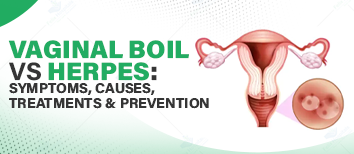
Vaginal boils and herpes both cause painful bumps in the genital area, but their causes and treatments are very different. Knowing the difference helps women choose the right treatment and prevent complications.


Subscribe to our
© Copyright 2026. All Rights Reserved by Felix Healthcare Private Limited
Design and development by :


 +(91)9667064100
 Emergency : +(91)9667064100