 Emergency:
  WhatsApp

Subscribe to our
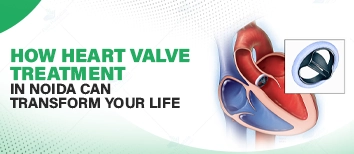
Heart valve diseases, especially mitral and aortic stenosis, are very bad for the heart and can make life much harder for people. These problems happen when the heart valves get smaller, which makes it harder for blood to flow through the heart and to the rest of the body. If you don't get treatment in time, they can cause problems like heart failure, stroke, or even death. Fortunately, patients can now get their hearts back to normal and live healthier lives thanks to advanced treatments like Valve Replacement in Noida. If you want to find the best cardiology hospital in Noida, you should know what these conditions are and how they are treated.
Your heart needs expert care. Call our cardiologists at +91 9667064100.
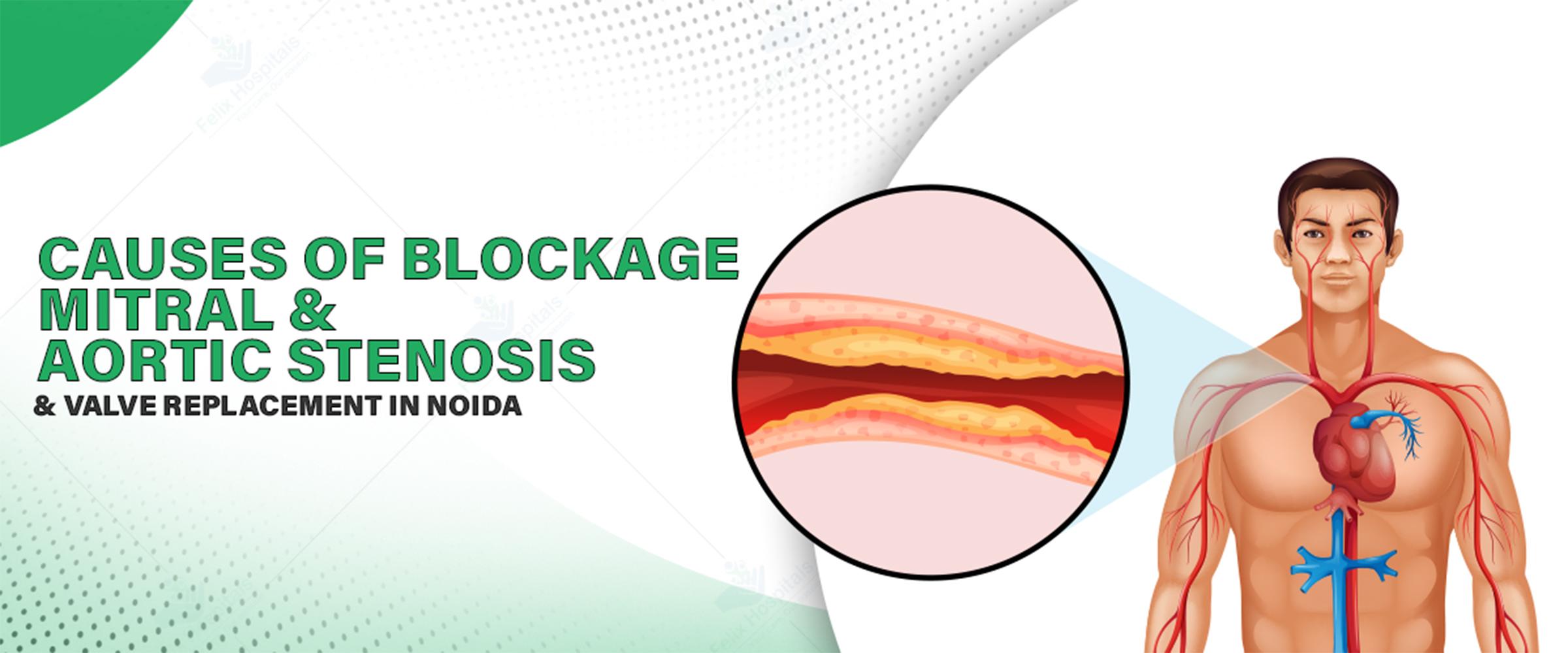
Heart valves control the flow of blood between the heart's chambers and into the big arteries. Mitral and aortic stenosis are conditions that cause the mitral and aortic valves to narrow (or become blocked), which stops them from fully opening and slows blood flow.
There are a number of conditions that can cause blockage. These are the most common causes of blockage (mitral and aortic stenosis):
Rheumatic fever is one of the main reasons for valve stenosis, especially in developing countries. It happens when the body's immune system mistakenly attacks the heart valves after a streptococcal infection (like strep throat) that wasn't treated or wasn't treated well. Over time, this makes the valves scarred and smaller, which causes stenosis.
Some people are born with heart valves that don't work right. A common birth defect that raises the risk of aortic stenosis as a person gets older is a bicuspid aortic valve, which only has two leaflets instead of three.
Calcium deposits can build up on the mitral and aortic valves as people get older, making them less flexible and stiff. Older people often have this condition, which can eventually lead to very narrow spaces.
Endocarditis (an infection of the heart valves), radiation therapy to the chest, lupus, metabolic disorders, and some medications are less common causes.
The signs and symptoms of mitral and aortic stenosis usually get worse over time and can include:
Breathlessness, especially when moving around
Tiredness or weakness
Pain or tightness in the chest
Irregular heartbeat or palpitations
Swelling in the feet and ankles
Feeling dizzy or fainting
Coughing, which may include blood
If any of these symptoms don't go away, you need to see a heart specialist right away.
For treatment to work, you need to get the right diagnosis. Doctors might suggest a number of tests, such as:
Ultrasound of the heart (echocardiogram)
Electrocardiogram (ECG) to find arrhythmias
X-ray of the chest to check the size of the heart
Cardiac catheterization measure pressure and take pictures of valves
Early diagnosis allows for quick action, which lowers the risk of problems.
When stenosis gets bad enough that it affects daily life, Valve Replacement in Noida is the only option. This surgery replaces a damaged or narrowed valve with a fake or biological one to get blood flow back to normal.
Made from strong materials like titanium or carbon
Last a long time, but you have to take blood thinners for the rest of your life to keep clots from forming.
Made from tissue from cows or humans
Don't usually need long-term anticoagulation
Could wear out over time and need to be replaced later
The cardiologist will tell you what kind of valve to use based on a number of things, such as the patient's age, lifestyle, medical history, and the type of valve they recommend.
The time it takes to heal can depend on how the surgery was done:
You will need to stay in the hospital for 5 to 7 days after open-heart valve replacement and be fully healed in 6 to 8 weeks. Transcatheter or minimally invasive valve replacement (TAVR/TMVR) means shorter hospital stays and faster recovery, usually in 2–3 weeks.
Felix Hospital is a well-known name in cardiac care when it comes to valve replacement in Noida. The hospital has the best infrastructure, the best cardiologists, and the newest diagnostic and surgical technologies. Felix is known for putting patients first, which means that each treatment plan is made to fit the specific health needs of the person. Their cardiac surgery team is an expert in both traditional and minimally invasive valve replacement procedures. This means that patients have the best possible outcomes with less risk and faster recovery times. Patients and their families always praise Felix Hospital for its caring staff, clear communication, and excellent medical knowledge.
Patients must make lifestyle changes and have regular follow-ups after a successful Valve Replacement in Noida to make sure the procedure works in the long term. This includes:
Regular check-ups with a cardiologist
Taking the right amount of medicine as directed
Staying active (as your doctor says you should)
Not smoking and drinking
Eating a heart-healthy diet that is low in salt and fat
People with mechanical valves will also need to get checked regularly to make sure they are taking the right amount of blood thinner.
Not all cases of valve stenosis can be avoided, but the following steps can help lower your risk:
Treat throat infections right away to stop rheumatic fever.
Take care of long-term health problems like diabetes and high blood pressure.
Keep your body moving and your weight in check.
Don't smoke and learn how to deal with stress.
Get your heart checked out regularly, especially if you have a family history of heart disease.
Finding your heart valve problems early can save lives. Call +91 9667064100 to schedule your appointment.
Blockage (mitral and aortic stenosis) can happen because of many reasons, such as infections, changes that happen with age, or heart defects that are present at birth. It's very important to know the signs to get treatment right away and avoid serious problems.
Valve Replacement in Noida is a safe and effective way to restore proper heart function thanks to advances in medical technology.
Finding the right hospital is very important .If you have early signs or advanced stages of valve disease, make sure that patients in Noida get the best possible cardiac care by experienced specialists and offering full care.
Q1. If I have diabetes or high blood pressure, can I still get valve replacement surgery?
Ans: Yes, patients with these conditions can safely have the procedure done if they get the right medical care.
Q2. How can I tell if I need a new valve or just medicine?
Ans: Your cardiologist can only make that decision after tests like an echocardiogram or cardiac cath.
Q3. When can I go back to work after getting a new valve?
Ans: You might be able to go back to work in 3 to 8 weeks after getting the all-clear, depending on your job and how you recover
Q4. Does Felix Hospital let people get second opinions on valve surgery?
Ans: Yes, expert cardiologists at Felix give second opinions after doing a full diagnostic review.
Q5. After getting a new valve, do I need a pacemaker?
Ans: Not all the time. It depends on how the heart acts after surgery, but not all patients may need one.
Aortic valve stenosis is a serious heart condition that occurs when the aortic valve narrows, making it difficult for the heart to pump blood effectively.
Spinal stenosis surgery is needed when severe pain, weakness, or numbness persists despite non-surgical treatment and affects daily activities.
Aortic valve stenosis is a serious heart condition that occurs when the aortic valve narrows, making it difficult for the heart to pump blood effectively.


Subscribe to our
© Copyright 2026. All Rights Reserved by Felix Healthcare Private Limited
Design and development by :


 +(91)9667064100
 Emergency : +(91)9667064100