 Emergency:
  WhatsApp

Subscribe to our
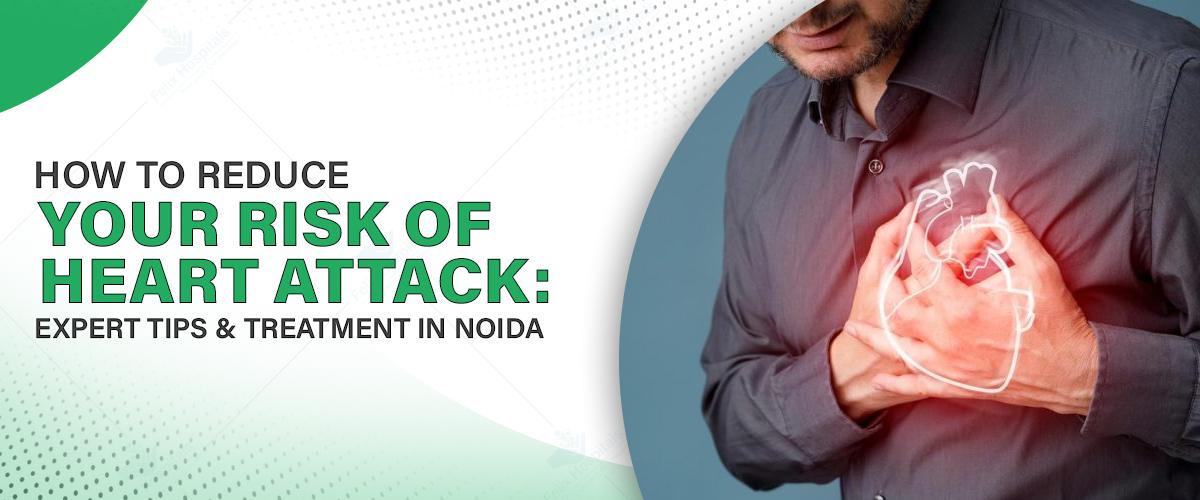
Let's not pretend we have all the answers, but here's a little truth: we all get caught up in the rat race—work, kids, social media, chores and before we know it, our heart health is quietly put on the back burner. This isn't a guilt trip or a lecture; it's a friendly reminder, like one from a close friend, about how small decisions sleep habits, weekend treats, skipping that evening walk add up over time. And, while you're accustomed to putting everything and everyone else first, it's worth remembering that your heart is also important. Especially since some of us are fortunate enough to have access to places like the best cardiology hospital in Noida for expert advice when we decide it's time. Let's start with some simple, smart changes you can do it.
Ready to take charge of your heart health? Don’t wait—reach out today for expert advice and personalized care. Call us now at +91 9667064100.
It's similar to your heart suddenly not receiving enough oxygen because something is blocking the blood flow usually a clot or some buildup inside the arteries. When this occurs, parts of your heart muscle may begin to suffer damage, sometimes quickly. And it's not always obvious right away, sometimes the symptoms appear gradually, and other times they strike suddenly, like a punch you didn't expect. In any case, it's serious business, and understanding what's going on inside can have a significant impact on how you respond.
Taking care of your heart may seem overwhelming at first, but it really boils down to a few simple habits you can incorporate into your daily routine with little effort. It's the small, everyday choices that, while often overlooked, add up and make a big difference. So, before you get overwhelmed, here are some simple, practical ways to keep your heart healthy over time:
If you smoke, quit. If someone in your household smokes, encourage them to stop. We know it's difficult. However, recovering from a heart attack or stroke, as well as living with chronic heart disease, are more challenging. Commit to quitting. We're here to help if you need it.
A healthy diet is one of the most effective ways to fight heart disease. Other controllable risk factors that can be influenced by diet include cholesterol, blood pressure, blood sugar levels, and weight.
Choose nutrient-dense foods over nutrient-poor ones. Nutrient-dense foods contain vitamins, minerals, fibre, and other nutrients but are low in calories.
Choose a healthy diet rich in vegetables, fruits, and whole grains.
Incorporate low-fat dairy products, skinless poultry, fish, legumes, nontropical vegetable oils, and nuts.
Limit consumption of saturated and trans fats, red and processed meats, added sugars, sugar-sweetened beverages, and sodium.
To maintain a healthy weight, balance your diet and physical activity so that you burn as many calories as you consume.
You must reduce your consumption of saturated fat, avoid trans fat, and get moving. If diet and physical activity alone do not reduce those numbers, medication may be necessary.
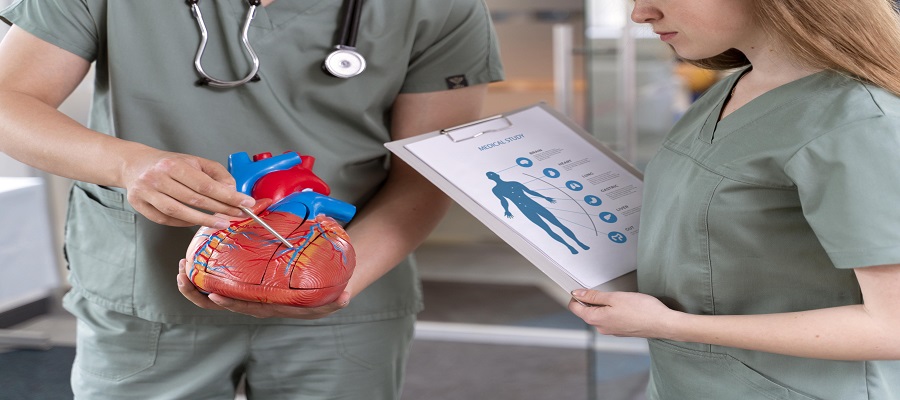
Your total cholesterol score includes LDL, HDL, and triglycerides.
A low LDL cholesterol level (less than 70 mg/dL) is considered beneficial to heart health. However, your LDL level should not be the primary factor in determining treatment. If you have a higher risk of heart disease or stroke, the best cardiologist in Noida may recommend lifestyle changes and medication to lower your LDL.
Higher HDL (good) cholesterol levels are generally preferred. Low HDL cholesterol increases your risk of heart disease. People with high blood triglycerides tend to have lower HDL cholesterol. Lower HDL cholesterol can be caused by:
Genetic factors
Type 2 diabetes.
Smoking
Being overweight.
Being inactive
Triglycerides are the most common type of body fat. Normal triglyceride levels vary with age and gender. A high triglyceride level combined with low HDL or high LDL cholesterol can cause atherosclerosis. Atherosclerosis is the accumulation of fat in artery walls, which increases the risk of heart attack and stroke.
High blood pressure is a significant risk factor for strokes. Break the salt habit, take your medications, and get moving. These figures must fall and remain low. The ideal blood pressure is less than 120/80 mm Hg.
Sit less, and move more. Try to engage in physical activity every day. A minimum of 150 minutes per week of moderate-intensity physical activity can help lower blood pressure and cholesterol. It can also help you maintain a healthy weight. If you are currently inactive, start slowly. Even a few minutes at a time could provide some health benefits.

Consuming too many calories and engaging in insufficient physical activity can increase your risk of becoming overweight or obese. Many people have trouble losing weight. However, even modest weight loss (5% to 10% of body weight) can help lower your risk. Weight loss can help with high blood pressure and cholesterol. It can also help manage diabetes. To achieve and maintain a healthy weight, focus on proper nutrition.
Controlling calorie intake
Being physically active.
Manage diabetes.
Even when blood glucose levels are under control, diabetes significantly increases the risk of a heart attack or stroke. If you have diabetes, regular medical checkups are essential for keeping blood sugar under control. Work with your healthcare provider to eat healthily, manage your weight, and stay active. You may also require medications to help regulate your blood sugar or insulin levels.
A good night's sleep every night is essential for your heart health. Sleep quantity and quality can have an impact on your eating habits, mood, memory, internal organs, and other aspects of your health. Excessive or insufficient sleep can be harmful. Adults should aim for an average of seven to nine hours per night. To improve the quality of your sleep,
Being physically active throughout the day
Creating a Bedtime Routine
Keep your electronic devices out of the bedroom.
Stress can lead to unhealthy habits like smoking or smoking more, overeating, and a lack of physical activity. Chronic stress may cause high blood pressure. These factors can raise your risk of heart disease and stroke. To manage stress, try healthy activities like:
Regular exercise.
Make time for friends and family.
Practice relaxation techniques.
Drinking excessive alcohol can:
Raise blood pressure.
Increase in cardiomyopathy, stroke, cancer, and other diseases.
Contribute to elevated triglycerides
Cause irregular heartbeats.
Contribute to obesity, alcoholism, suicide, and accidents.
If you don't already drink, don't start. If you drink, limit your intake to one drink per day for women and two drinks per day for men.
The National Institute on Alcohol Abuse and Alcoholism defines a drink as 1-1/2 fluid ounces of 80-proof spirits like bourbon, Scotch, vodka, or gin.
At the end of the day, caring for your heart isn't about achieving perfection or turning your entire life upside down. It's about the small decisions you make on a regular basis some easy, some difficult. It's normal to make mistakes from time to time; it's all part of the human experience. What is most important is to show up for yourself and your health, even if it seems insignificant. Remember that your heart works hard for you every day, so giving it some extra attention will go a long way. And if you ever feel unsure or need assistance, places like the hospital for the best heart attack treatment in Noida are available to help. So take a deep breath, start where you can, and keep moving forward you got this.
Have questions or need support with your heart care journey? Give us a call anytime at +91 9667064100 and let’s get started together.
Find the links below:
Check the links below:
Q: How often should I check my blood pressure and cholesterol?
Ans: You should get your cholesterol and blood pressure checked at least once a year, or more often if your doctor says you should based on your risk factors.
Q: Is heart disease something that runs in families? Should I be worried?
Ans: Yes, genetics can be a factor. If you have close family members with heart disease, you should be extra careful about how you live your life and see your doctor often.
Q: I don't have any symptoms. Do I still need to worry about heart disease?
Ans: Yes, of course. Even if you feel fine, you need to get regular checkups and follow healthy habits to avoid heart disease.
Q: Are there any signs that I should go to the hospital right away?
Ans: Yes. If you suddenly have chest pain, shortness of breath, pain that moves to your arm or jaw, dizziness, or heavy sweating, you need to call 911 right away.
Q: Is it ever too late to start making choices that are good for your heart?
Ans: No, it's never too late. At any age, even small changes can make a big difference in your heart health.
Q: How can managing stress help my heart?
Ans: Stress management lowers blood pressure and cuts down on bad habits like smoking or eating too much, all of which are good for your heart.
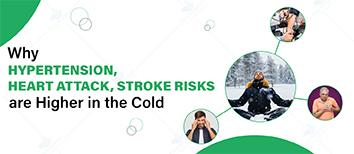
Cold weather affects the body in several ways that can increase cardiovascular risks.
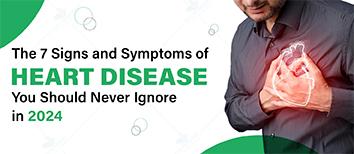
Heart disease is a significant health concern for women, often presenting unique challenges. Understanding the causes, symptoms, and treatment options is essential for early detection and effective management.


Subscribe to our
© Copyright 2026. All Rights Reserved by Felix Healthcare Private Limited
Design and development by :


 +(91)9667064100
 Emergency : +(91)9667064100