 Emergency:
  WhatsApp


Subscribe to our
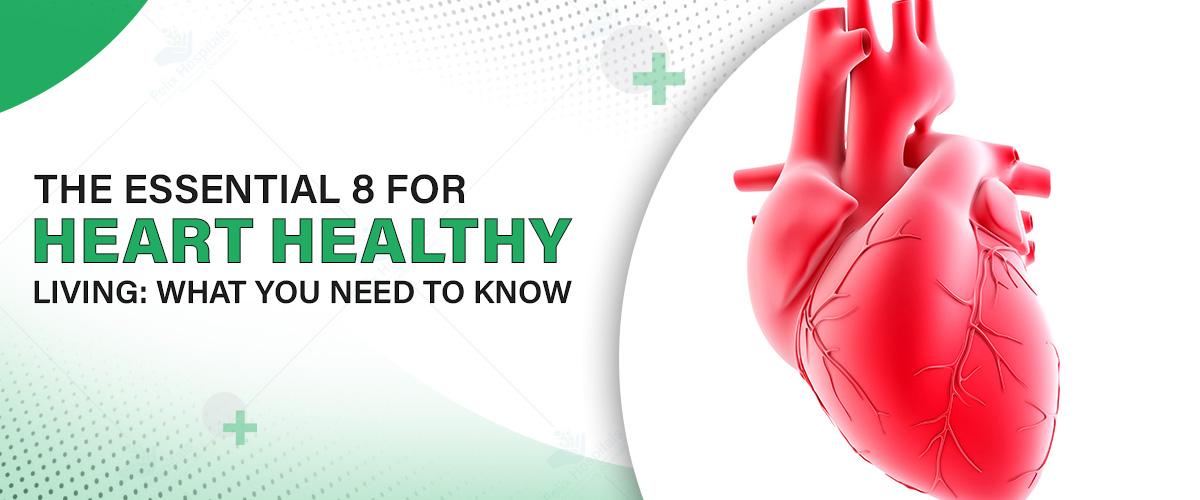
One of the leading causes of death throughout the world is heart disease. Research indicates that 80 percent of heart attack and stroke cases can be prevented in case individuals reform their habits and seek periodic health care. Heart health is a set of eight simple rules that can ensure that you reduce the risk of heart issues and live a better life. If you want expert help, seeing the best cardiologist in Noida can give you a plan that fits your health. Either to be cured of heart disease or manage an existing one, best cardiac hospital in Noida for Cardio Vascular Diseases comes with care delivered through new technology and time-tested treatment. The eight principles are the essence of having a healthy heart in the long run.
Book an entire heart check-up with our Cardiologists. Don't wait for symptoms – prevention is key to maintaining optimal heart health. Call +91 9667064100 to book your consultation today.
The most essential aspect of a healthy heart is a good diet. Consume whole foods like fruit, vegetables, whole grains, lean meat, nuts, and seeds as well as good fats such as olive oil. Reduce processed foods, excess salt, added sugar and saturated fats.
Exercise is good to make the heart strong, blood circulate and also to help maintain weight, blood pressure and cholesterol. The mainstream activity in terms of time required by adults is a weekly intake of at least 150 mins of moderate exercise or 75 minutes of vigorous exercise along with two days of strength training. Something as simple as walking briskly, swimming or biking can do wonders on the heart.
Smoking contributes a lot to heart disease and has been identified as the cause of death of one third of all deaths related to the heart. It damages blood vessels, decreases blood oxygen and increases the risk of blood clots. No matter how long you have been smoking, when you quit it only takes a year to reduce your risk of heart disease by half.
In order to have a healthy heart, sleep is important. Adults require 7 to 9 hours of sleep per night. Poor sleep or insufficient sleep has been associated with high blood pressure, obesity, diabetes and heart disease. Regular sleep schedule, sleep environment, and screen time before sleep are the best strategies to use to have a good sleep.
Excessive weight puts pressure on the heart and increases the chances of diabetes, hypertension, fatty cholesterol. Having a good body weight by eating well and engaging in exercise lessens the heart workload. Even a loss of 5-10 percent of your weight can be of significant health benefit.
Understanding How often should cholesterol be checked? is essential for cardiovascular health management. Adults above 20 years and your levels have been normal, then test after every 4 to 6 years. Check more frequently in case you have risk factors, in turn, family, or past heart disease. Plaque along the arteries is because of high LDL also known as the bad cholesterol. High HDL or good cholesterol gets rid of bad cholesterol in the blood.
Heart disease is a complication that is predisposed by diabetes and prediabetes. Excess sugar destroys vessels and nerves in the long-run and damages the heart. Long control is demonstrated by regular blood-sugar monitoring, including hemoglobin A1c test. Regulate the sugar levels through diet, exercise, and medication when necessary to save the heart.
It is best that the blood pressure stays below 120 over 80. High blood pressure, which is normally termed as the silent killer, does not show any symptoms, though it predisposes people to the danger of heart attack, stroke, and other heart related complications. To maintain a healthy pressure, make sure to monitor it often, modify your lifestyle and medications as prescribed by your physician.
The individuals engaging in these eight rules are considerably less affected by heart diseases, strokes and premature mortality. The protection of doing many healthy habits together is even better than doing one habit. Studies indicate that individuals who demonstrate adherence to the majority of the eight rules are at lower risk of 76% chances of death due to heart related diseases compared to the poorly scoring individuals.
Many people wonder, Can you reverse heart disease? While established heart disease cannot be completely "reversed," major changes can be made with serious lifestyle modifications and effective medication. Studies indicate that comprehensive lifestyle modifications can slow progression, reduce symptoms, and even promote regression of certain types of plaque buildup in arteries.Understanding How To Prevent Heart Disease involves implementing these eight essential practices consistently over time. Prevention is never expensive as compared to treatment after the disease has developed. The onset of cardiovascular disease can be prevented or slowed down by early intervention and lifestyle change in the majority of the persons.
Implementing Best Heart Healthy Tips requires a comprehensive approach addressing diet, exercise, stress management, and regular medical monitoring. Incremental changes in the manner of small sustainable ones are usually more effective than radical changes in both short and long-term. Collaboration with healthcare providers will provide customized approaches that would align with personal life and medical policies.
Start by analyzing where you are doing poorly in each of the eight areas and identify the areas requiring the greatest issue. Specify measurable objectives: walk 30 minutes daily, consume fruit and vegetables, or attain a particular blood pressure. Gradual gradual transitions are more effective in the long term than attempting to make many changes simultaneously.Stabilize a support circle of family, friends, and physicians who make you motivated. Track your progress and be motivated with the help of such tools as fitness trackers, phone apps, or online websites.Frequent examinations allow the detection of risk factors in time. Collaborate with your health team to create a prevention plan that suits your risk, family history and health.
Sustainable heart health implies that it is about developing habits rather than short-term remedies. Find fun activities to be involved in consistent with being active such as dancing, hiking or making healthy dishes together with family. Minimize the substitution of processed foods: switch refined whole grains with whole grains and processed meats with lean proteins.
Stress management is important to the heart though most people ignore it. The prolonged stress may increase the blood pressure, inflammation and initiate unhealthy habits. Incorporate stress minimizing practices that include meditation, deep breathing, yoga or exercise in your routine.
What is around you affects the heart. Provide a supportive environment in the homestead where good health habits can be adopted by making healthy food accessible, discarding tobacco products and establishing space to exercise and rest.
Get assistance immediately in case of chest pains, difficulty in breathing and other symptoms involving the heart. Our 24/7 emergency services are prepared to provide life saving services. Call +91 9667064100 now.
The eight main things you should be doing will provide you with a good roadmap of both preventing heart disease and generally feeling healthier. Official evidence has proven that maintaining a healthy lifestyle reduces chances of heart attack, stroke as well as premature death and it enhances the quality of life of all people. To be successful, one should be committed, patient, and even professional to remain motivated. To individuals within the Delhi-NCR region, visiting the best cardiologist in Noida provides you with advice and individual care plans. The best cardiac hospital in noida cardio Vascular Diseases that has the availability of modern facilities and skilled staff. It is important to remember that priority in heart health is a lifelong process and all the positive changes become significant to the overall wellness of the heart and healthier and brighter future.
Q1: What are the red flags of heart disease?
A1: Signs like chest pain, difficulty breathing, fatigue, feeling lightheaded, arrhythmia, swollen legs or feet, pain in arms, neck, jaw, or back. Other individuals might not exhibit any symptoms thus frequent examinations are of importance.
Q2: Are heart diseases common among young adults?
A2: Yes. A heart disease may occur in people regardless of their age. The risk is increased by family history, diabetes, high cholesterol, smoking, obesity and having a sedentary lifestyle. At any age, its prevention is important.
Q3: What is the influence of stress on the health of the heart?
A3: Chronic stress can increase blood pressure and result in inflammation, as well as tend to promote poor coping skills such as eating, smoking, or drinking in excess. Healthier decisions, meditation, and exercise can help keep your heart safe.
Q4: Do lifestyle options hold less vitality than genetic factors as far as heart health is concerned?
A4: Genetics is important, however, lifestyle is more significant. It is possible to reduce the risk even in individuals who have a good family background through proper health habits and medical attention.

However, stress, sedentary lifestyle, chronic diseases such as diabetes and hypertension, and genetic factors place young individuals at risk of heart attack.

Best heart hospital in Noida for bypass surgery at affordable prices with expert cardiac surgeons, advanced facilities, and quality patient care for better recovery.
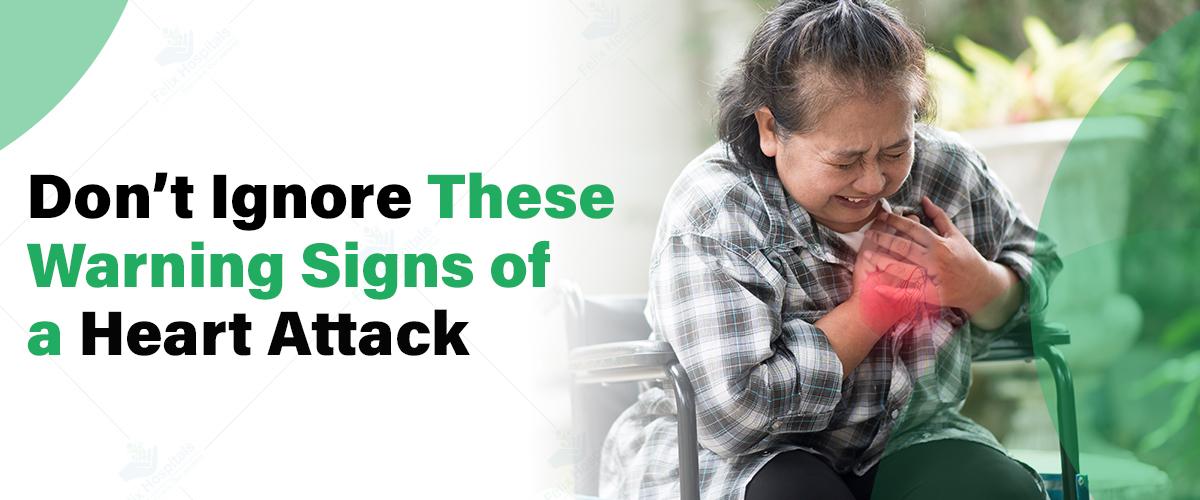
Heart attack signs early is crucial because timely intervention can significantly reduce the risk of severe complications and improve outcomes.


Subscribe to our
© Copyright 2026. All Rights Reserved by Felix Healthcare Private Limited
Design and development by :


 +(91)9667064100
 Emergency : +(91)9667064100