 Emergency:
  WhatsApp


Subscribe to our
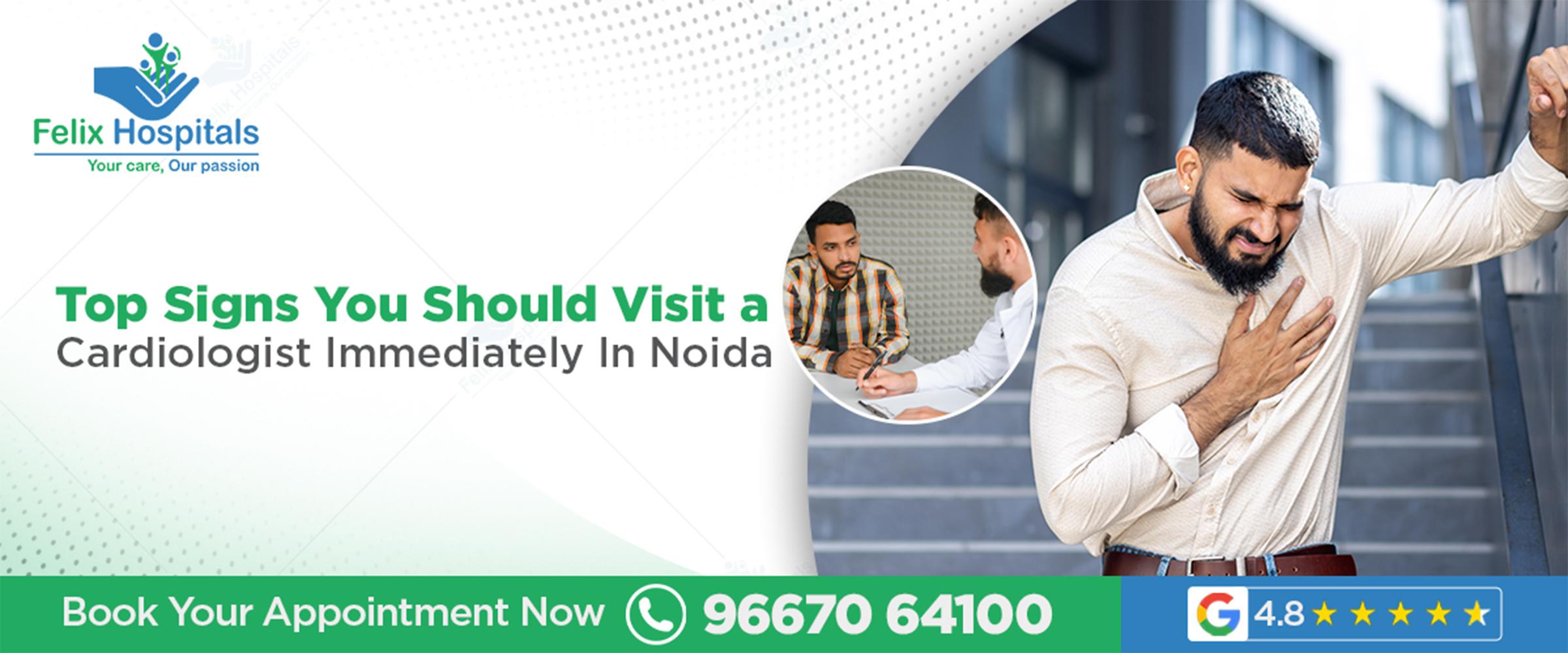
Every year, a large number of individuals fail to detect the early symptoms of a fatal heart disease not because the signs weren't there, but because they were too easy to ignore. A little fatigue. Some tightness in the chest. A moment of dizziness. Nothing that seemed worth a doctor's visit.
But your body is always sending signals, and tuning in might just save your life. Symptoms don’t come on suddenly for the most part — symptoms come on gradually and sneak up on you as stress, indigestion or just plain old age. And in the meantime, while people wait for it to pass, invisible damage accrues until what was manageable becomes life-threatening.
A cardiac emergency care hospital in Noida provides immediate treatment for life-threatening heart conditions such as heart attack, severe chest pain, or arrhythmias with round-the-clock critical support. These centres are equipped with advanced diagnostics and cardiac intervention teams to stabilise patients quickly.
Experiencing warning signs of heart problems? Link to professional assessment. Today, call to talk to a specialist +91 9667064100.
Heart disease is not very rapid but it may escalate rapidly in case it is not taken care of. Knowing when to see a cardiologist is essential once symptoms start disrupting daily life. The facts:
Delays increase the risk of heart attack
Early intervention leads to better outcomes
Underlying problems should be identified early enough before they become crises.
The symptoms that keep recurring or worsen require urgent treatment.
The most widespread alarm is chest discomfort but most people ignore it. Some patterns of chest-pain are indicative of acute heart issues:
Pressure on your chest.
Burning or persistent pain.
Pain to the left arm, jaw, back or shoulder.
Accompanied with the pain is sweating, nausea, or breathlessness.
Pain that worsens with physical activity
Tightness and dizziness.
Approximately 30% of heart-attack victims, including women and diabetics, have atypical symptoms of heart disease, which do not involve the typical chest pains.
Getting out of breath after a jog is normal. But if you are struggling to breathe just walking around the house or picking up the mail, that is not normal. Warning signs include:
Inefficient heart pumping.
Fluid buildup in the lungs.
Blocked coronary arteries.
Ineffective flow of oxygen to muscles.
Don’t blame it on:
Only weight gain.
“Just getting older.”
Being “out of shape.”
If your heart feels like it is racing, pounding, or fluttering in your chest, the rhythm might be off. When this happens often or lasts a while, it could be a sign of heart disease. Watch out for:
Arrhythmias (abnormal rhythms).
Structural heart problems.
Valve dysfunction.
Electrical pathway issues.
Long, recurring, episodes.
Palpitations, which may be secondary and are weak or painful in the chest.
Racing heart that won’t calm.
Irregular rhythms at rest.
Severe fatigue is a warning of early signs of heart disease.This is due to:
Muscles starved of oxygen.
Failing organs, stricken with diminished flow.
Daily tasks feel draining.
Without any effort, fatigue is manifested.
Upper hand fatigue with normal things.
Fatigue which deteriorates with time.
exhausted with little activities.
Requirement of too much sleep between menial duties.
The swelling of the leg or ankle normally implies a combination of fluid retention - a symptom that the heart is no longer pumping effectively. Causes include:
Heart straining with difficulty in pushing blood.
Fluid backing up in tissues.
Fluid tugged to lower limbs by gravity.
Tight pair of shoes.
Edoema and dyspnea.
Pitting edoema and fuzzy fatigue.
Oedema and pains in the chest.
chronic puffiness which is not going away.
It is an obvious sign of cardiovascular suffering when a person suddenly seems to feel faint or dizzy. These urgent heart symptoms that need immediate care mean:
Minimised blood pressure to the brain.
Abnormal heart rhythms.
Circulatory disturbances due to structural problems.
Potential antecedents of cardiac events.
Repeated fainting episodes.
Dizziness during exercise.
Consciousness loss without notice.
Dizziness and chest pains.
High blood pressure is a silent disease, although there are some warning signs. Watch for:
Severe headaches.
Blurred or double vision.
Chest discomfort or pain.
Difficulty breathing.
Hypertension that is not controlled destroys arteries, heart, kidneys and brain in the long run, and may show no significant symptoms before advanced stages.
When it is family history, be on high alert when it comes to heart disease. Key points:
Risk is enhanced by genetic predisposition.
Genetic disorders may strike at an early age.
A screening will identify issues early enough before complications.
Urgency is increased by symptoms and family history.
Family history of chest pain + sudden.
Family history + dyspnea of unknown cause.
Family history and unremitting palpitations.
Family members who had heart attacks early (below age 55).
There are a few cases which require urgent attention in a cardiac emergency care hospital in noida, and not appointments. Call emergency services for:
Sudden crushing chest pain.
Brutal dyspnea during rest.
Cognitive impairment or unconsciousness.
Sudden weakness on one side.
Pain in the chest taking longer than 5 minutes.
Pain unrelieved by rest.
Drive yourself to a hospital.
Wait to see if it passes.
Hope several drugs will prevent the situation.
Timely referral to a cardiologist near me will guarantee:
Symptom | Urgency Level | Action Required |
Crushing chest pain | EMERGENCY | Call emergency immediately |
Persistent breathlessness | HIGH | See cardiologist within 24 hours |
Frequent palpitations | MODERATE | Schedule appointment within week |
Unexplained fatigue | MODERATE | Consult within 1–2 weeks |
Ankle swelling + breathlessness | HIGH | Urgent evaluation needed |
Family history + new symptoms | MODERATE–HIGH | Don't delay consultation |
Don't wait for symptoms to worsen—visit a trusted cardiac emergency care hospital in noida now. Book your appointment at +91 9667064100.
Heart-related symptoms should never be taken lightly, regardless of your age or how healthy you think you are. Recognizing signs to visit a cardiologist and acting promptly can prevent serious complications and save your life. Whether it's chest discomfort, breathlessness, palpitations, unusual fatigue, or swelling—these are all your heart's way of asking for help. Early evaluation, accurate diagnosis, and timely treatment form the foundation of effective cardiac care. The most powerful step toward long-term heart health? Actually listening to your body and seeking help when something feels off.
A: Not always, but recurring or exertion-related pain should be evaluated by a cardiologist.
A: Yes, heart conditions can affect all age groups and should not be ignored.
A: Yes, it may indicate underlying heart or circulation problems.
A: Not always, but frequent palpitations require cardiac assessment.
A: If swelling is persistent or combined with breathlessness, seek immediate care.
Dr. Nidhi Tikmani is an experienced Clinical Cardiologist with 10+ years of expertise in diagnosing and managing heart diseases through advanced non-invasive cardiac diagnostics and evidence-based care.
A stent procedure can be life-saving for those with blocked arteries. This guide walks you through the stent experience—from the angioplasty process to post-procedure recovery and lifestyle changes.
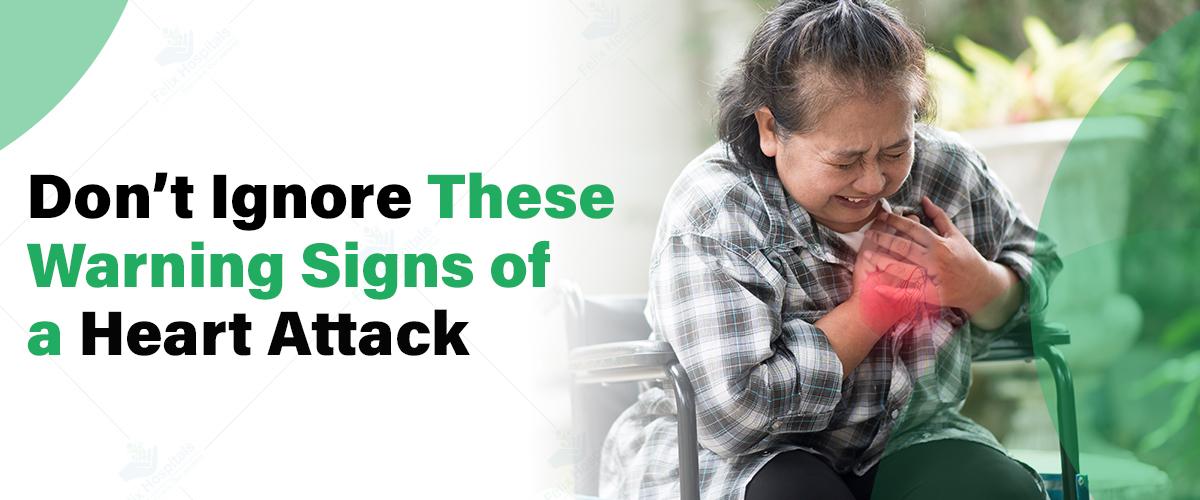
Heart attack signs early is crucial because timely intervention can significantly reduce the risk of severe complications and improve outcomes.

Subscribe to our
© Copyright 2026. All Rights Reserved by Felix Healthcare Private Limited
Design and development by :


 +(91)9667064100
 Emergency : +(91)9667064100