 Emergency:
  WhatsApp



Subscribe to our

There aren't many questions in maternity care that make people more anxious and get more unsolicited advice than this one. Family members have strong opinions. There are stronger ones on social media. And in the middle of all of this is a pregnant woman who is trying to figure out what is best for her and her baby. The truth is that there is no one "better" way to deliver. Visit the best gynecologist in Noida to know the real differences between the two makes that choice easier and less scary, helping with the answer. Each pregnancy is unique. A Gynaecologist can look at your medical history and help you figure out what is best for you and your baby.
To see a specialist at a trusted Gynaecology Hospital in Noida, call +91 9667064100. You can make an appointment in person or over the phone.
Normal vaginal delivery is the process by which the baby comes out of the birth canal after labour, which can be either natural or induced. It is the way the human body is made to give birth, and it is still the best way to give birth for uncomplicated pregnancies all over the world.
A caesarean section (C-section) is a type of surgery in which the baby is delivered through cuts made in the abdomen and uterus. It can be planned ahead of time, which is called an elective or scheduled C-section, or it can be done as an emergency when problems come up during labour.
The main difference isn't just in how they look. It includes the time it takes to heal, how the body reacts, the baby's birth experience, starting breastfeeding, and what it means for future pregnancies. To have an informed conversation about which approach is best for a certain woman, you need to understand the whole picture, not just the moment of delivery.
When people ask which is "better," this is the question they really mean. The answer based on evidence is complicated: for uncomplicated pregnancies, vaginal delivery carries lower overall risk for both mother and baby, which helps clarify Which Is Safer: Caesarean or Normal Delivery? For pregnancies with certain complications, a C-section may be the safer option — sometimes by a large margin.
For the mother, giving birth through the vagina is linked to:
Less chance of surgical problems like bleeding, bladder damage, and blood clots
No chance of infection in the surgical wound or problems with the uterine scar
Recovery happens faster overall
Less likely to have problems in future pregnancies
For the baby, vaginal delivery is linked to:
The baby's lungs are squeezed as they pass through the birth canal, which lowers the risk of transient tachypnea of the newborn (TTN), a breathing problem that happens more often after C-sections.
Being around bacteria in the mother's vagina that help the newborn's gut microbiome grow, which could have long-term effects on the immune system
Less likely to have breathing problems right after birth
This doesn't mean that C-sections are always dangerous. In fact, they are one of the most common and well-developed types of surgery in the world. But like all surgeries, they come with risks that vaginal delivery doesn't have, and those risks need to be weighed against the specific clinical reason for the surgery.
A C-section isn't just a matter of choice or convenience; in some medical situations, it's the safest or only safe choice for the mother, the baby, or both, which explains When Is a Caesarean Section Medically Necessary? Medically necessary C-sections are:
Placenta praevia — where the placenta is over or very close to the cervix, blocking the birth canal; vaginal delivery would cause catastrophic bleeding
Foetal malpresentation — a baby that is in a breech (feet-first) or transverse (sideways) position and can't be safely delivered vaginally
Foetal distress — an abnormal heart rate during labour that shows the baby isn't handling the process well and needs to be delivered right away
Failure to progress—labour that has stopped even though there are enough contractions and is not safe to keep going for an indefinite amount of time
Placental abruption — when the placenta comes off the uterine wall too soon, it causes bleeding and makes it harder for the baby to get oxygen.
Previous uterine surgery — certain past uterine procedures or multiple prior C-sections may substantially elevate the risk of uterine rupture during labour.
Active maternal infections — like a primary genital herpes outbreak during labour, which would put the baby at risk of getting the virus through vaginal delivery
Certain foetal conditions — some abnormalities or presentations where the stress of labour would be harmful to the baby
The main difference is between a C-section that is done because it is medically necessary and one that is done because the person wants it to happen. Both exist, but they have different levels of risk.
When it is safe to do so, vaginal delivery has a number of benefits that go beyond the delivery room, which highlights
Shorter hospital stay: usually 24 to 48 hours instead of 3 to 5 days after a C-section
Quicker return to normal movement and daily life
No surgical wound to heal, which lowers the chance of getting an infection, forming adhesions, or getting a hernia at the incision site.
Starting breastfeeding earlier and more easily, since the mother isn't recovering from abdominal surgery
Less chance of problems in future pregnancies—each C-section raises the chance of placenta praevia, placenta accreta, and uterine rupture in future pregnancies.
The baby benefits from going through the birth canal because it clears fluid from the lungs and helps the microbiome grow.
Less chance of blood clots after surgery (deep vein thrombosis or pulmonary embolism)
For women planning multiple pregnancies, the cumulative risk of repeat C-sections is a clinically significant factor that is frequently underestimated at the time of decision-making.
A C-section is major abdominal surgery, and like all major surgery, it carries risks that are important to understand clearly — not to discourage the procedure when it is needed, but to ensure it is not chosen casually when it is not, helping explain What Are the Risks of a C-Section?
Risks in the short term:
More blood loss than a vaginal delivery that isn't complicated
Risk of injury to nearby structures, such as the bladder, bowel, or blood vessels, during surgery
Infection after surgery, such as in the wound site, uterus (endometritis), or urinary tract
Bad reaction to anaesthesia
Forming blood clots in the lungs or legs (DVT or pulmonary embolism)
Slower recovery of bowel function after surgery
Risks that last a long time:
Uterine scar: Every C-section leaves scar tissue that makes it harder to get pregnant again.
Placenta accreta spectrum: This is when the placenta grows into or through the scar on the uterus in a later pregnancy, which can cause bleeding that could kill you.
Higher chance of the uterus breaking during later labours
Adhesions are internal scar tissue that can cause long-term pelvic pain or problems with bowel or bladder function.
In some cases, endometriosis can grow on the scar site.
For the baby:
There is a higher chance of respiratory problems, especially if the baby is born before 39 weeks without labour.
Possible change in the way the gut microbiome colonises compared to babies born vaginally
None of these risks mean that a C-section shouldn't be done if it's medically necessary. They mean it shouldn't be done when it isn't.
One of the most important practical differences between the two methods is recovery. This is something that people who choose an elective C-section often don't think about enough, which explains How Does Recovery Differ Between C-Section and Normal Delivery?
After giving birth through the vagina:
Most women can walk within a few hours of giving birth.
Most of the time, a woman stays in the hospital for 24 to 48 hours after giving birth without any problems.
If there was a tear or episiotomy, perineal soreness goes away in 2–4 weeks.
Most people can go back to light activity within a few days.
In most cases, you can drive again in 1–2 weeks.
After the C-section:
Most people stay in the hospital for 3 to 5 days.
For the first 24 to 48 hours, there is a urinary catheter and an IV line.
Pain at the incision site can be very bad for the first week and needs painkillers.
For at least six weeks, you can't lift heavy things, drive, or do hard work.
The scar on the inside of the uterus takes much longer to heal than the surface does.
For months, some women feel numbness, sensitivity, or pulling at the scar site.
The difference in recovery time is especially important for women who have other young children at home, don't have a lot of help at home, or are going back to work that is physically demanding.
Childbirth hurts, no matter how you do it. The pain is different for each method and time, but neither is pain-free, which helps address Which Delivery Method Is Less Painful?
During vaginal delivery, there is pain during labour because contractions get stronger and the birth itself puts a lot of pressure and stretching on the body. Some good ways to manage pain are:
Epidural anaesthesia is the best choice because it keeps the woman awake and alert while keeping the pain under control.
Nitrous oxide (air and gas)
Opioids that go into the muscles
Water therapy and other non-drug methods
After a normal vaginal birth, the pain usually goes away quickly. It doesn't hurt, but the change from hard work to holding a baby is quick.
During a C-section, the surgery itself doesn't hurt because it's done under spinal or epidural anaesthesia. The pain after surgery, on the other hand, is surgical pain that lasts longer and is felt at the abdominal incision and in the deeper layers of the uterus. Many women say that the pain after a C-section is harder to deal with than the pain after a vaginal delivery. This is mostly because it makes it hard to move around and take care of the baby on your own.
The woman and her care team work together to make the decision about how to deliver the baby. It is not just one conversation at 38 weeks; it is an ongoing evaluation throughout the pregnancy, which answers How Do Doctors Decide the Best Delivery Method?
Things that affect the recommendation are:
Foetal position and presentation — a baby that is in a good position and is head-down is better for vaginal delivery
Placental location — placenta praevia or a low-lying placenta may make vaginal delivery impossible.
Previous obstetric history — previous C-sections, uterine surgery, or difficult deliveries change the risk calculation
Maternal health conditions — pre-eclampsia, gestational diabetes, heart conditions, and other factors affect the safest way to give birth
Indicators of foetal health—growth scans, amniotic fluid levels, and CTG monitoring during labour help decide when and how to give birth.
The woman's informed wishes—for women who don't have a clear medical reason for one method over another, it's important and right to make decisions together.
A well-equipped maternity unit won't push women toward either method without a good reason. The gynecologist's job is to explain the risks and benefits of that particular woman, baby, and pregnancy, and to help her make an informed choice rather than forcing her to make one.
An experienced Gynaecologist in Noida can help you figure out what is safest and best for you, whether you are pregnant for the first time or have had a C-section before.
Call +91 9667064100 for short wait times for specialist consultations.
There is no one right answer to the question of whether a C-section or vaginal delivery is better. There is a right answer for each woman, based on her health, her baby's health, her past pregnancies, and the clinical judgement of her care team. For uncomplicated pregnancies, the evidence supports vaginal delivery as the lower-risk option with faster recovery and fewer long-term implications for future pregnancies. In some cases of pregnancy with certain problems, a C-section may be the safest or only safe option. In those cases, it is the right choice.
Not every type of birth defines successful maternity care — the true goal is a healthy mother and a healthy baby. Decisions during pregnancy and delivery should never be driven by fear, social pressure, or convenience, but by medical guidance and safety. At the Best Gynecology Hospital in Noida, expert care ensures that every step of your motherhood journey is guided by compassion, experience, and the right clinical advice for you and your baby.
Not always. For many women who have had a lower-segment C-section before, are currently pregnant without any complications, and don't need to have surgery to give birth, vaginal birth after caesarean (VBAC) is a well-known option. The success rates for VBAC are between 60% and 80% for the right candidates. The main risk that needs to be looked at is a rupture of the uterus at the scar site. This is a serious risk, but it only happens in about 0.5–1% of VBAC labours. Before recommending VBAC, your gynaecologist will look at the type of uterine incision made during your first C-section, the reason for that C-section, your current pregnancy factors, and the resources available at your delivery unit.
Not yet. Most babies turn head-down on their own between 34 and 37 weeks. If your baby is still breech at 36–37 weeks, your obstetrician may talk to you about an external cephalic version (ECV). This is a procedure in which a doctor moves the baby into a head-down position from outside the abdomen. About half of the time, ECV works, and it is safe for the right people. A planned C-section is usually the best option if the baby stays breech at term and ECV doesn't work or isn't safe. This is because vaginal breech delivery is more dangerous and not done very often.
A lot of women have this question, but not many ask it out loud. Fear of labour pain (tokophobia) is a real psychological condition and a real clinical concern that should not be ignored. If you have severe tokophobia, you should talk to your gynaecologist and a maternal-fetal medicine or mental health expert in depth. Most women find that effective epidural pain management during labour makes contractions much less painful.
A C-section doesn't stop you from breastfeeding, but it can make the first few days harder. Skin-to-skin contact right after birth, which helps with milk production and the first latch, is harder to do in the operating room, but many hospitals now make it easier. Pain after surgery and limited movement in the first few days can make it hard to position the baby.
Gestational diabetes doesn't always mean you need a C-section. The recommendation depends on a number of things, such as how well your blood sugar has been controlled during pregnancy, the baby's estimated weight, the level of amniotic fluid, and how your cervix is getting ready for labour. A macrosomic baby, or one that is too big for its age, is at real risk of shoulder dystocia during vaginal delivery, which is a very serious problem. But if your diabetes is under control, the baby's growth is normal, and your cervix is in good shape, many obstetricians would support a trial of labour with close monitoring.
Dr. Yadav has 12+ years of experience and specializes in high-risk and twin pregnancies, ectopic pregnancy, and menstrual disorders.
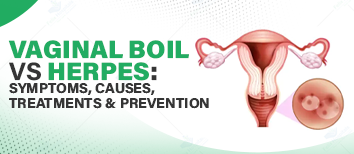
Vaginal boils and herpes both cause painful bumps in the genital area, but their causes and treatments are very different. Knowing the difference helps women choose the right treatment and prevent complications.


Subscribe to our
© Copyright 2026. All Rights Reserved by Felix Healthcare Private Limited
Design and development by :


 +(91)9667064100
 Emergency : +(91)9667064100