 Emergency:
  WhatsApp




Subscribe to our
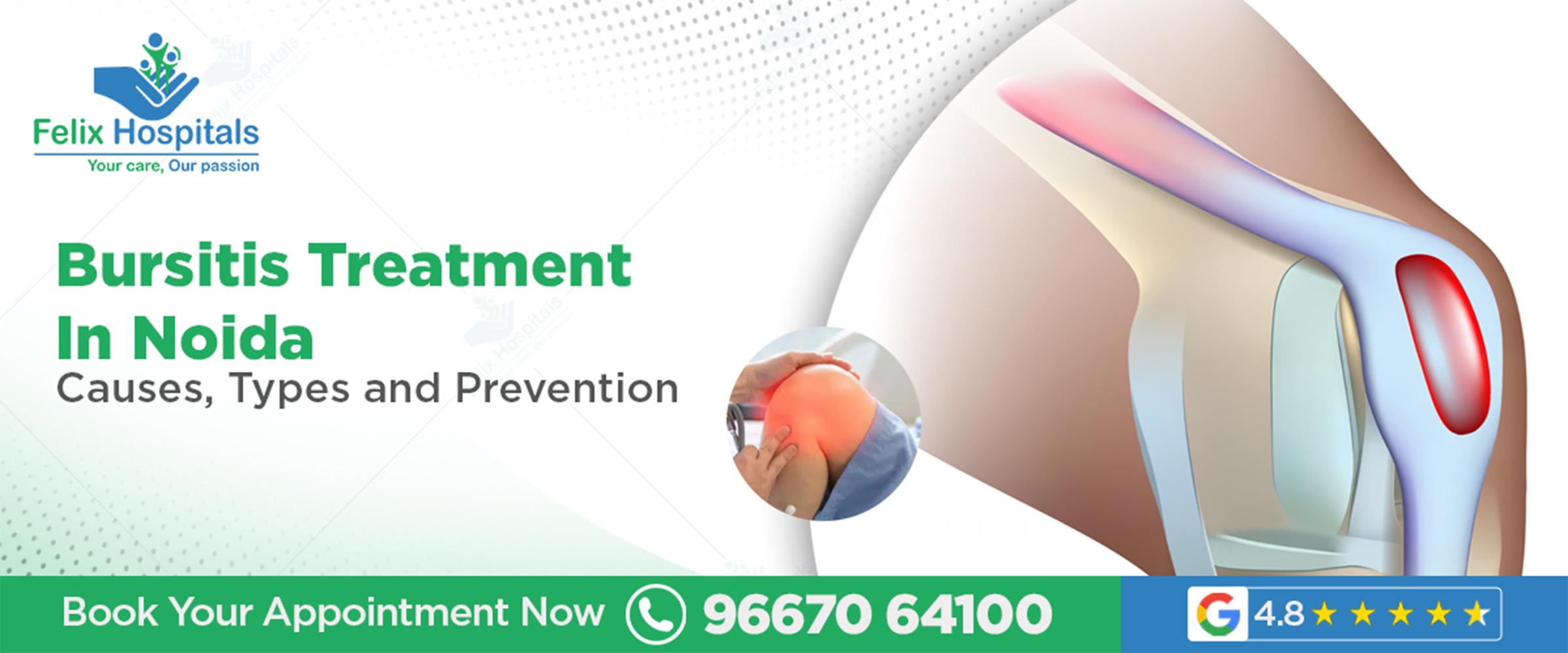
Bursitis affects the small, fluid-filled sacs called bursae that cushion the joints and help them glide smoothly during movement. When these bursae become inflamed, everyday tasks such as lifting the arm, bending the knee or even sitting for long periods may trigger discomfort or pain. Many people initially ignore the warning signs until the swelling and stiffness begin to interfere with daily life, making timely evaluation essential. Early recognition of bursitis symptoms ensures that treatment begins before inflammation becomes chronic or spreads to surrounding structures.
Suffering from joint pain or swelling? Consult for fast relief — call +91 9667064100 for specialized bursitis care in Noida.
Bursae are positioned throughout the body to reduce friction between bones, tendons and muscles. When these structures experience repeated irritation, the bursa becomes inflamed and filled with excess fluid, limiting range of motion and causing pain during movement. Sudden injuries, repetitive strain and certain medical conditions all contribute to the development of inflammation. In many cases, people overlook the early signs and unknowingly aggravate the condition further, allowing bursitis causes to build up until the pain becomes difficult to manage.
As inflammation increases, the bursa thickens and begins to press against surrounding tissues, worsening pain with movement or pressure. What begins as mild discomfort can gradually progress into more severe swelling, tenderness and difficulty performing regular tasks. Because different joints experience different mechanical loads, the condition may manifest in slightly different ways depending on the affected area. Clinically, orthopaedic teams often classify the condition based on the location and severity, helping patients understand the types of bursitis that may develop over time.
Although bursae exist in multiple joints, certain locations are particularly vulnerable due to repetitive daily use. The shoulder, elbow, hip and knee frequently show symptoms, especially in individuals involved in overhead work, long hours of kneeling or heavy lifting. Among these, shoulder pain tends to affect working adults the most, especially those with desk jobs or physically demanding tasks. When such pain persists with movement or lying on one side, doctors frequently discuss options for shoulder bursitis treatment in Noida that focus on reducing inflammation and restoring comfortable mobility.
Patients often report a deep, aching sensation around the joint that worsens with specific movements. Mild swelling, redness, local warmth and difficulty sleeping on the affected side are also early indications that the bursa is irritated. If left untreated, the inflammation may spread to nearby tissues, increasing recovery time. Understanding these patterns helps individuals take proactive steps toward care rather than ignoring or misinterpreting them. Many orthopaedic consultations begin with patients describing these early bursitis symptoms without realising the importance of timely management.
Extended periods of repetitive motion — such as long-distance walking, computer work or lifting at work — can intensify inflammation in the bursae. Individuals who maintain poor posture or fail to warm up before exercise also place extra stress on joints, leading to increased discomfort. Over time, small repeated strains accumulate, eventually causing the inflammation to worsen. People often unknowingly expose themselves to these bursitis causes, making preventive strategies just as important as treatment itself.
Certain groups are more likely to develop inflammation in their bursae, including athletes, manual laborer and older adults whose soft tissues naturally weaken over time. Patients with arthritis, diabetes or gout may also experience more frequent episodes due to underlying systemic conditions. Understanding your personal risk helps guide lifestyle changes, physiotherapy plans and early treatment. Doctors also use these risk assessments to determine the specific types of bursitis that may require more structured intervention.
A thorough physical examination remains the first step in identifying bursitis, followed by clinical imaging when needed. X-rays rule out bone issues, while ultrasound or MRI confirms inflammation, fluid accumulation or associated tendon involvement. These diagnostic tools help orthopaedic specialists distinguish between bursitis and other joint conditions like tendinitis or arthritis. Accurate imaging is especially important for guiding shoulder bursitis treatment in Noida, since surrounding structures are often simultaneously affected in the shoulder region.
Most cases can be managed through a combination of rest, ice therapy and anti-inflammatory medication. Activity modification is crucial to give the irritated bursa time to heal. Supporting the affected joint with braces or cushions also helps limit friction. Patients are encouraged to avoid high-impact movements until the swelling begins to subside. Because early management plays a major role in long-term outcome, doctors ensure that treatment specifically targets ongoing bursitis symptoms to prevent worsening or recurrence.
Physiotherapy forms the backbone of long-term recovery, especially once initial inflammation has reduced. Therapists focus on mobility exercises, strengthening surrounding muscles and correcting posture or movement patterns that place stress on the bursa. These guided exercises help restore normal joint function, reduce stiffness and improve flexibility. Misalignment, muscle weakness and repetitive strain are all treated through customised rehabilitation programs, making physiotherapy central to managing underlying bursitis causes effectively.
If pain persists despite conservative care, doctors may recommend corticosteroid injections to reduce inflammation quickly. These injections are administered under imaging guidance for precision. In severe or recurrent cases, minimally invasive procedures may be considered to remove the inflamed bursa or repair associated tissue damage. Such interventions are rarely the first choice but can provide relief when other options fail, especially for complex types of bursitis requiring targeted care.
Preventive strategies focus on reducing repetitive strain and improving joint function. This includes maintaining a healthy body weight, strengthening muscles around major joints and using proper form during exercise or daily tasks. Workplace ergonomics also play a critical role, especially for individuals with desk-bound or labour-intensive jobs. Gradually increasing activity levels helps avoid sudden stress on the bursae, particularly for patients undergoing shoulder bursitis treatment in Noida, where posture and muscle balance are essential for long-term joint health.
Ongoing pain, swelling or stiffness? Get expert evaluation now — call +91 9667064100 to consult a Bursitis Specialist in Noida.
Successful recovery often relies on coordinated care between orthopaedic doctors and physiotherapists. Patients benefit from personalised treatment plans that address both inflammation and the root cause of the condition. Felix Hospital offers comprehensive orthopaedic care, providing evaluation, imaging and rehabilitation support under one roof, helping patients manage bursitis effectively with a structured and patient-friendly approach.
Bursitis can significantly impact mobility and quality of life, but with timely diagnosis, proper treatment, and preventive strategies, most patients regain full function without long-term complications. Recognising early warning signs, adopting healthier movement patterns, and seeking expert medical advice from the Best Orthopedics in Noida are essential steps in managing this condition. Whether discomfort begins after repetitive activity or emerges suddenly, early intervention ensures faster healing. Understanding bursitis symptoms helps individuals avoid chronic inflammation and return to daily activities with improved comfort and confidence.
Q. 1. How long does bursitis usually take to heal?
Ans. Most cases improve within a few weeks, but recovery may take longer if inflammation is severe or long-standing.
Q. 2. Can bursitis return after treatment?
Ans. Yes, recurrence is possible, especially if repetitive strain or improper posture continues.
Q. 3. Does physiotherapy really help?
Ans. Physiotherapy is highly effective for restoring movement and preventing future flare-ups.
Q. 4. When should I consider an injection?
Ans. Injections are considered when pain remains significant despite rest and medication.
Q. 5. Can bursitis lead to long-term disability?
Ans. Most patients recover fully, but ignoring symptoms for too long may extend recovery time.

Understand menopause-related joint pain and find effective treatment options in Noida.


Subscribe to our
© Copyright 2026. All Rights Reserved by Felix Healthcare Private Limited
Design and development by :


 +(91)9667064100
 Emergency : +(91)9667064100