 Emergency:
  WhatsApp



Subscribe to our

Itchiness of the breast is a frequent issue that every woman encounters at least once in her life. In the majority of cases, it is non-dangerous and associated with slight skin irritation or drying, or hormonal disruptions. Nonetheless, chronic, or weird, itching may occasionally be a sign of a medical condition that needs to be addressed.
The breast skin, particularly the nipple area, is sensitive, and may respond to environmental factors, clothing, hygiene products, and internal hormonal changes. Hormones may cause temporary discomfort or itching during various stages of life; this includes puberty, pregnancy, and menopause.
Although the vast majority of cases occur in a mild form, persistent, severe symptoms, or related to other changes, including redness, swelling, discharge, or lumps, should not be overlooked. The low percentage of clinical observations suggest that some cases of breast itch can be associated with more severe and dangerous conditions, such as infections or uncommon types of breast disease.
Timely treatment in a Gynecology Hospital in Noida will provide the appropriate assessment, diagnosis, and confidence.
Experiencing persistent itching or discomfort in your breast? Don’t ignore it—early evaluation can prevent complications. Call +91 9667064100 to consult a gynecologist today.
The first step towards identifying the cause is to understand why my breasts are itchy.
There are various common causes of breast itching which could include:
Sweating and friction
Allergic reactions
Hormonal changes
When hot, sweat may be deposited under the breasts causing irritation and itching. Friction can also be exacerbated with tight or tight clothing.
Menstrual periods or pregnancy can elevate the skin sensitivity, allowing itching to be more pronounced.
Is it normal to have itching on the breast, many people wonder?
Yes, itchy sometimes is normal, it is usually temporary. It may occur due to:
Weather changes
Skin dryness
Minor irritation
Nevertheless, persistent long-term itching, as well as itching that is accompanied by other symptoms, cannot be overlooked.
According to medical professionals, although most cases are harmless, chronic itching needs to be checked to eliminate the possibility of underlying conditions.
Knowledge about the causes of itching around the nipples leads to establishment of certain triggers.
Common causes include:
Eczema or dermatitis
Fungal infections
Soaps or detergents allergy
Hormonal changes
The nipple region is the most sensitive segment of the breast, and is therefore most likely to be irritated. Redness, flaking and discomfort may be a result of infections or skin conditions. Symptoms can be reduced with proper hygiene and avoidance of irritants.
Itchy breasts may be caused by a number of different things.
Common causes include:
Dry skin
Heat rash
Allergic reactions
Hormonal changes
The fungi can also be effectively prevalent in damp and cool climates. These infections are moist and may result in severe itching and reddening.
It is important to know about understanding breast itching as a symptom of breast cancer? but it is a mistake. Breast itching in most instances is not associated with cancer. But, in some rare instances, some forms of breast cancer like inflammatory breast cancer or Paget disease can lead to itching.
Warning signs may include:
Chronic itching of a single location.
Redness or swelling
Alterations of the skin
Nipple discharge
It is worth mentioning that such cases are uncommon, but any strange or unusual persistent symptom must be assessed by a physician.
Many patients ask, can itchy breasts be a sign of cancer?
Itching by itself is not a common symptom of cancer, but it must not be overlooked when it is accompanied by other symptoms.
Red flags include:
Lump in the breast
Changes in breast shape
Persistent redness
Unusual discharge
Treatment results are much better when breast cancer is diagnosed at an early age, which is why it is always good to see a doctor in case of suspicion.
Knowing when I should worry about breast itching helps in timely action.
You should consult a physician when:
Itching continues for several weeks.
There is redness or swelling
Skin changes are visible
Itching is confined to a single spot.
There is pain or discharge
Recurrent symptoms can present with a condition that needs to be treated.
Proper diagnosis is essential to identify the cause of breast itching.
Test | Purpose |
physical examination | identifies visible changes |
skin tests | detect allergies or infections |
imaging tests | rule out internal issues |
biopsy (if needed) | detect abnormal cells |
These tests help doctors determine the exact cause and provide appropriate treatment.
The method of treatment is determined by the cause.
Common treatments include:
Moisturizers for dry skin
Antifungal infections creams.
Allergy antihistamines
Creams to treat skin diseases with medication.
It is also important to avoid irritants and keep clean.
Early intervention is beneficial to avoid complications and offer relief.
Breast itching can be averted with simple lifestyle changes.
Tips include:
Wearing breathable fabrics
Maintaining proper hygiene
Avoiding harsh soaps
keeping skin moisturized
These will prevent skin irritation and preserve skin health.
Qualified medical attention leads to proper diagnosis and treatment.
Medical care provides:
Individualized treatment options.
Advanced diagnostic tools
Monitoring of symptoms
Mvoidance of complications.
Better results can be achieved with the help of specialists.
Not sure if your symptoms are normal or serious? Get expert evaluation for complete peace of mind. Call +91 9667064100 to consult a gynecologist now.
Breast itching is generally an innocuous process, although it may also be a sign of an underlying problem. Learning to identify an itchy spot on my breast, why my breasts itch, and when I need to be concerned about itching around my nipples are key to keeping my breast healthy.
Simple care will be sufficient to treat most cases, but a doctor should always consider persistent or unusual symptoms. The Best Gynecologists in Noida can help in proper diagnosis and treatment.
Itching should be localized when it continues or is accompanied by other signs.
Sure, the amount of sweat may cause skin irritation and irritation.
No, pregnancy-related hormonal changes are the cause of itchiness temporarily.
Continued, aggravated, or symptomatic itching should be attended to medically.
Yes, the mild ones can be treated with adequate hygiene and care.
Dr. Sheetal Yadav is a board-certified dermatologist with 4+ years of experience in medical and cosmetic dermatology. She specializes in treatments like laser procedures, chemical peels, micro-needling, PRP, mesotherapy, and Botox/fillers. Recognized among the Best Dermatologists in Noida, she provides safe and personalized skincare solutions.
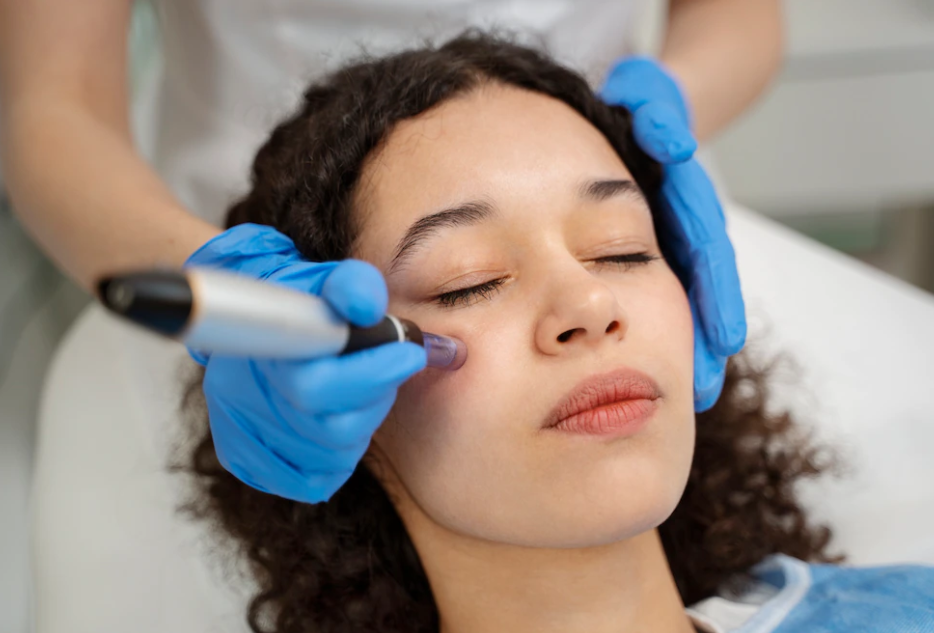
If your answer is yes, then, here are 6 easy steps to keep your skin look young and glowing.
Understanding the types of skin rashes, their symptoms, causes, and treatment options is essential for anyone experiencing skin issues.


Subscribe to our
© Copyright 2026. All Rights Reserved by Felix Healthcare Private Limited
Design and development by :


 +(91)9667064100
 Emergency : +(91)9667064100