 Emergency:
  WhatsApp



Subscribe to our
People often ignore eye irritation, itching, and redness as small problems, but they can sometimes be signs of a long-term eye condition called blepharitis. A lot of people who go to the Best Eye Hospital In Noida have eyelid inflammation that doesn't go away on its own, but they don't know they need to see a doctor. Blepharitis can make the eyelids and eyelashes hurt, and if you don't treat it, it can last for a long time. The World Health Organization says that more than 2.2 billion people around the world have eye problems, and a large number of these cases could be avoided with early care and good hygiene. Patients can better manage this condition and avoid complications if they know what causes it, what the symptoms are, how it is diagnosed, and how it is treated.
Call +91 9667064100 to make an appointment today if your eyelids are bothering you or if your eyes hurt all the time.
The eyelids keep dust, bacteria, and other things that can irritate the eyes out. There are tiny oil glands along the edges of the eyelids that make oils that keep the eyes moist and stop them from drying out. Irritation and infection can happen when these glands get clogged or inflamed. According to the American Academy of Ophthalmology, blepharitis is one of the most common eye problems, affecting 37–47% of people who go to eye clinics.
Important things patients should know:
Eyelids help keep eyes healthy by protecting them
Oil glands keep the tear film stable
Not cleaning your eyelids well can cause inflammation
Early treatment stops long-term irritation
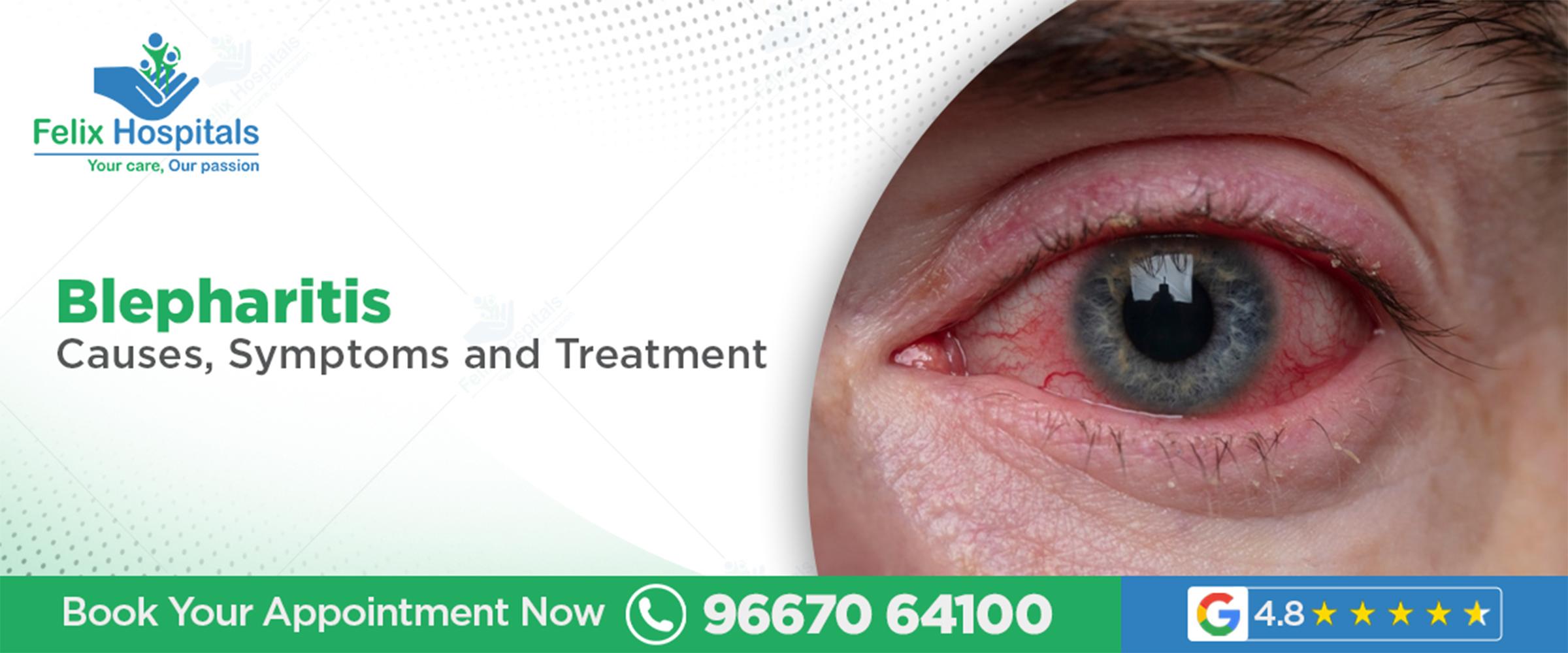
What Is Blepharitis? helps people find out about their condition early. Blepharitis is a long-term inflammation of the edges of the eyelids, usually at the base of the eyelashes. It can be painful, but it rarely threatens your vision if you get it treated early.
Important information:
Affects both eyes at the same time
Often turns into a long-term problem that keeps coming back
Can happen to both kids and adults
Most of the time, it's caused by bacteria or skin problems
Research indicates that more than 30% of adults encounter symptoms of blepharitis at some stage in their lives.
Patients can better understand why their eyelids are inflamed by knowing the Common Causes of Blepharitis.
Some common causes are:
Infection of the eyelids by bacteria
Dysfunction of the Meibomian glands, which causes oil glands to become blocked
Dandruff or problems with the scalp
Rosacea and skin problems
Reactions to cosmetics that are allergic
Not cleaning your eyelids well
Studies show that problems with the Meibomian glands are to blame for 60% of blepharitis cases.
Knowing Signs and Symptoms to Watch For can help you find the problem before it gets worse.
Some common signs are:
Eyelids that are red and swollen
A burning or itching feeling
Crust forming around the eyelashes
Eyes that are watery or dry
Being sensitive to light
More serious symptoms:
Vision that is not clear
Loss of eyelashes or wrong direction
Eye infections that happen a lot
Eyelids that stick together when you wake up
Almost half of the people who have dry eye syndrome also have blepharitis.
Patients can stop their condition from getting worse by knowing Risk Factors and Complications.
Some risk factors are:
Oily skin or flakes of skin
Wearing contact lenses
Putting on a lot of eye makeup
Changes in hormones
Long-term skin problems
Possible problems:
Long-term dry eye disease
Chalazion and styes
Irritation of the cornea
Loss of eyelashes
If you don't treat blepharitis, your risk of getting dry eyes goes up by as much as 70%.
Chronic eyelid inflammation can have a big effect on comfort and daily life.
Consequences for everyday life:
It's hard to use screens for long periods of time
Pain while wearing contact lenses
Rubbing your eyes a lot and getting them irritated
Trouble sleeping because of pain
Early treatment helps keep you comfortable and productive.
Patients can get ready for an evaluation by the Best Eye specialist in Noida by learning how How Blepharitis Is Diagnosed.
Steps in the diagnosis process include:
A thorough eye exam
Checking the edge of the eyelid
Checking the tear film
Checkup with a slit lamp
Early diagnosis makes it possible to make treatment plans that are specific to each person and stops problems from happening.
Patients can better manage their blepharitis by learning about Treatment Options for Blepharitis.
Some medical treatments are:
Eye drops or ointments with antibiotics
Medicines that reduce inflammation
Fake tears for dryness
Antibiotics taken by mouth in serious cases
In 80–90% of patients, treatment makes symptoms better.
For long-term care, it's important to follow Home Care and Eyelid Hygiene Tips.
Daily care plan:
A warm compress for 10 to 15 minutes
Cleaning the eyelids gently with diluted shampoo
Don't wear eye makeup when you have flare-ups
Wash your hands before you touch your eyes
Change out old makeup often
Cleaning your eyelids every day can cut down on flare-ups by up to 50%.
You can stop eyelid inflammation from coming back by changing some simple habits.
How to avoid:
Keep your face clean
Take care of skin and dandruff problems
Cut down on screen time and eye strain
Drink plenty of water and eat a balanced diet
Being consistent is very important for long-term relief.
Knowing When to See an Eye Specialist can help you get treatment early and avoid problems.
If you see any of the following, talk to a doctor:
Symptoms that last longer than two weeks
Very red or swollen
Eye infections that happen a lot
Changes in vision
Constant dryness or irritation
Early consultation at the Best Eye Hospital In Noida guarantees timely treatment and a quicker recovery.
With the right care and medical advice, blepharitis can often be managed even though it is chronic.
Follow the treatment plan every time
Keep up your eyelid cleaning routine
Go to follow-up appointments
Stay away from things that irritate your eyes
Most patients live comfortably without major problems as long as they take care of themselves.
Get a professional diagnosis and advanced eye care from experienced professionals. Call a doctor right now at +91 9667064100 to protect your eye health.
Blepharitis is a common eye condition that people often don't pay attention to. If you don't treat it, it can cause long-term pain. Patients can better manage their blepharitis by learning What Is Blepharitis?, Signs and Symptoms to Watch For, and Treatment Options for Blepharitis. Getting treatment at the Best Eye Hospital In Noida and seeing the Best Eye specialist in noida will make sure you get the right diagnosis, the best treatment, and long-term relief. Most patients can keep their eyes healthy and comfortable for years to come by following good hygiene, getting medical care, and making changes to their lifestyle.
No, it is usually caused by bacteria or problems with the skin.
It is long-lasting, but you can take care of it.
Yes, old or heavy makeup can cause flare-ups.
With regular care, symptoms get better in a few weeks.
In serious cases, vision may become temporarily blurry.
Dr. Deepanjali Arya is an experienced Ophthalmologist with 9+ years of expertise in diagnosing and treating eye disorders through advanced medical and surgical eye care.

Eye flu, also known as conjunctivitis, is a common eye infection causing redness, irritation, and watering. Learn its causes, symptoms, and effective treatments.


Subscribe to our
© Copyright 2026. All Rights Reserved by Felix Healthcare Private Limited
Design and development by :


 +(91)9667064100
 Emergency : +(91)9667064100