 Emergency:
  WhatsApp


Subscribe to our
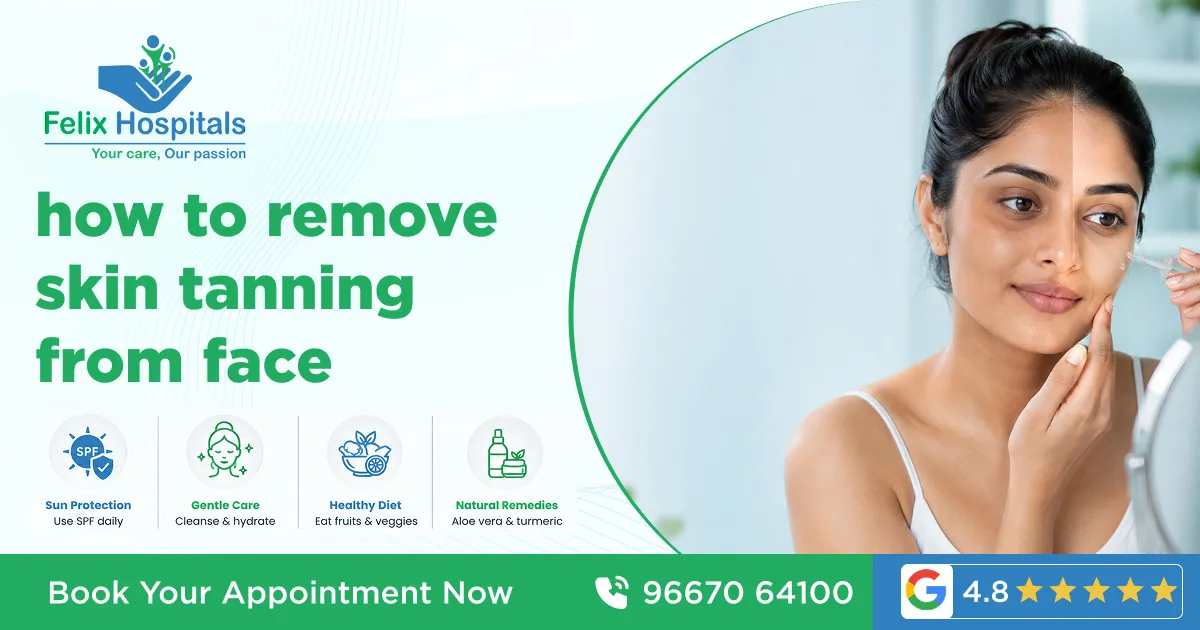
There's a particular kind of frustration that comes with sun tan on the face. You were outside for a few hours, maybe a wedding, a cricket match, a day of running errands across Noida in peak summer and now there's a visible difference between your face and your neck. Your forehead and nose are darker. There's a line at your jawline. Your natural skin tone feels like it's somewhere underneath all of it, waiting to come back.
The good news is that most sun tan is genuinely reversible. Unlike the deeper pigmentation changes that come from melasma or post-inflammatory hyperpigmentation, a straightforward sun tan sits primarily in the outermost layers of the skin which means consistent, targeted treatment brings your natural tone back faster than most people expect.
The less good news is that most of what gets recommended online for tan removal from lemon juice to fairness creams to elaborate ten-step routines ranges from ineffective to actively damaging. The ingredients that work are simpler than the marketing suggests.
When UV radiation from sunlight hits the skin, specialised cells called melanocytes respond by producing more melanin, the pigment responsible for skin colour. This is a protective response. Melanin absorbs UV radiation and disperses it as heat, protecting the DNA in deeper skin cells from damage.
The key fact for treatment purposes: most surface tanning is in the epidermis, the outermost skin layer. The epidermis renews itself every 28 to 40 days. Tanned cells are shed and replaced with cells from below that haven't been UV-exposed. This is why tans fade naturally over time and why treatments that accelerate cell turnover work so well for tan removal.
What makes some tans stubborn: repeated UV exposure keeps stimulating melanin production faster than the skin can shed tanned cells. Tans that have been layered over weeks or months, or that have triggered deeper pigmentation changes, take longer to treat and may need clinical intervention.
If there's one thing that underpins every effective tan removal approach, it's this. Tanned cells are on the surface. Getting them off faster than the natural 28-40 day cycle is how you remove tan. Every effective tan removal ingredient either exfoliates directly or accelerates the skin's own cell turnover.
Physical exfoliation scrubs remove dead cells mechanically. Chemical exfoliation AHAs, BHAs, enzyme-based products dissolves the bonds holding dead cells together and clears them more evenly. Both work. Chemical exfoliation is generally gentler and more consistent in results.
Home-based exfoliation two to three times a week is the baseline for any tan removal routine.
This combination has been used in Indian skincare for generations and the chemistry behind it holds up. Besan exfoliates mechanically while absorbing excess oil. Curd contains lactic acid, a natural AHA that gently dissolves dead cell bonds, improves cell turnover, and has a mild brightening effect over time.
How to use: Mix two tablespoons of besan with enough fresh curd to form a spreadable paste. Add a pinch of turmeric if you like. Apply to face, let it dry partially for about 15 minutes then rub off gently with wet fingers using circular motions. Rinse with cool water. Use two to three times a week.
What to expect: Noticeably smoother, brighter texture within one to two weeks. Gradual tan reduction over four to six weeks of consistent use.
Underestimated and consistently effective. Raw potato contains catecholase, an enzyme with documented tyrosinase-inhibiting activity tyrosinase being the enzyme that drives melanin production. Regular use on tanned skin slows ongoing melanin synthesis and gradually lightens existing pigmentation.
It's particularly effective on the nose, forehead, and cheekbones, the areas that catch the most direct sun.
How to use: Grate a raw potato and squeeze out the juice. Apply directly to tanned areas with a cotton pad. Leave for 20 minutes, rinse with cool water. Use it daily.
What to expect: Gradual lightening of tanned areas over three to five weeks. More effective on recent tans than on established, layered pigmentation.
Tomatoes contain lycopene, a powerful antioxidant alongside natural acids that gently exfoliate and brighten. Lycopene has documented photoprotective properties, meaning it helps neutralize some of the UV-induced damage that drives pigmentation. Honey adds moisture and soothes post-sun inflammation.
This combination is particularly good for skin that's been repeatedly sun-exposed because it addresses both the existing tan and some of the inflammatory damage underneath it.
How to use: Blend half a tomato into a smooth paste, mix with one teaspoon of raw honey. Apply to face, leave for 20 minutes, rinse. Use three to four times a week.
What to expect: Reduced redness and surface brightness improvement within one to two weeks. Tan reduction visible over four to six weeks.
Curcumin in turmeric inhibits tyrosinase and has anti-inflammatory properties that reduce post-sun skin stress. Milk's lactic acid content improves cell turnover. Together they work at two levels slowing melanin production and accelerating shedding of already-tanned cells.
How to use: Mix half a teaspoon of raw turmeric with enough cold raw milk to form a paste. Apply to face, leave for 15 to 20 minutes, rinse thoroughly. Use two to three times a week.
What to expect: Reduced surface tan over four to six weeks. Works gradually don't expect dramatic overnight change.
Fresh aloe vera gel contains aloe in a compound with documented melanin-inhibiting properties alongside deep hydrating polysaccharides. Sun-damaged skin is often dehydrated skin, and dehydration makes tanning and uneven tone look significantly worse. Restoring the moisture barrier helps the skin's natural renewal process work more efficiently.
How to use: Apply fresh gel from a cut aloe leaf directly to tanned skin. Leave for 30 minutes or use it as an overnight treatment. Use it daily.
What to expect: Improved hydration and soothing of sun-stressed skin within days. Gradual reduction in tan depth over four to six weeks with consistent use.
Dried orange peel powder contains vitamin C in a form that penetrates the skin more effectively than fresh orange juice. It's more concentrated and less acidic. Vitamin C inhibits melanin synthesis through tyrosinase inhibition and gradually fades existing pigmentation with consistent use. Rose water soothes and balances.
How to use: Mix one tablespoon of dried orange peel powder with rose water to form a paste. Apply to face, leave for 15 minutes, rinse. Use twice a week.
What to expect: Gradual brightening and tan reduction over four to six weeks.
Simple, immediate, and underrated for freshly tanned skin. Cold milk applied directly after sun exposure does two things: the cold constricts blood vessels and reduces the inflammatory response that deepens tanning, and the lactic acid begins gentle surface exfoliation immediately. Applied within a few hours of sun exposure, it genuinely reduces how deeply a tan sets.
How to use: Soak a clean cloth in cold raw milk. Apply as a compress to tanned areas for 15 to 20 minutes. Rinse with cool water. Most useful immediately after sun exposure or the following morning.
Doing individual remedies occasionally produces slow results. Combining them in a structured weekly routine produces visible improvement in two to three weeks.
Morning (daily): Wash face with a gentle cleanser. Apply aloe vera gel as a light layer, leave on, don't rinse. Sunscreen SPF 50 before going out. Always.
Evening (daily): Cleanse thoroughly to remove pollution and sunscreen. Apply potato juice on tanned areas with a cotton pad. Leave 20 minutes, rinse.
Tuesday and Friday: Besan and curd scrub. Gentle circular motion, two minutes, rinse with cool water.
Wednesday: Turmeric and milk paste. 15 to 20 minutes, rinse well.
Saturday: Tomato and honey mask, followed by aloe vera overnight treatment.
Throughout the week: Two liters of water minimum daily. Sleep adequately skin renewal is significantly faster during sleep. Eat antioxidant-rich foods tomatoes, amla, and citrus which support melanin regulation from the inside.
The internet recommends several tan removal remedies that cause more harm than they fix. Worth knowing before you damage your skin pursuing a shortcut.
Lemon juice directly on skin The most commonly recommended, most consistently damaging. The citric acid concentration in raw lemon juice is far higher than any skincare formulation. Applied directly to the face and followed by sun exposure which is exactly when people use it it causes phototoxic reactions, chemical burns, and paradoxically worsens pigmentation. The brightening effect is real but the damage is not worth it. Formulated vitamin C products work without the risk.
Bleaching creams containing mercury or hydroquinone without medical supervision Over-the-counter bleaching creams in India sometimes contain mercury, a neurotoxin or high concentrations of hydroquinone. Both cause long-term damage with regular use. Hydroquinone in formulations above 2% should only be used under dermatologist supervision for specific periods. Mercury-containing products should not be used at all.
Baking soda is highly alkaline, disrupts skin's natural pH, damages the acid mantle, and worsens sensitivity and uneven tone. Despite persistent recommendations online, it is not useful for any skin concern.
Tomato juice alone as a daily toner Tomato in a mask is fine. As a daily leave-on toner the acidity can irritate and sensitive skin over time, particularly in summer when skin is already stressed.
Sun tan doesn't distribute evenly. Different areas of the face get different amounts of UV exposure and need slightly different approaches.
Nose and forehead the T-zone tan These areas protrude and get the most direct sun. Tan here is usually the deepest. Potato juice daily on these specific areas, combined with consistent SPF application, targets this effectively.
Under-eye area The skin here is thinner and more sensitive than the rest of the face. Avoid abrasive scrubs in this area. Cold milk compresses and aloe vera are gentle enough for daily under-eye use.
Neck and jawline the tan line The visible demarcation between the face and neck is one of the most common complaints. Extend all tan removal treatments to the neck. Don't treat the face and stop at the jawline. The tan line won't close that way.
Cheekbones High-exposure area that responds well to antioxidant treatments tomato and honey, orange peel powder.
This depends on how the tan got there and how long it's been there.
Recent tan (1 to 3 weeks old): Consistent home treatment produces visible improvement in two to three weeks. The tan is primarily in the upper epidermis and responds quickly to exfoliation and brightening ingredients.
Layered, older tan (months of cumulative exposure): Four to eight weeks of consistent treatment for meaningful improvement. Some of the pigmentation may have shifted deeper into the dermis and will respond more slowly.
Tan combined with hyperpigmentation: If the tanning has triggered underlying melanin production beyond the surface which happens with repeated, heavy sun exposure home remedies will improve the appearance but may not fully resolve it. Clinical treatment may be needed.
Some tanning and pigmentation doesn't respond adequately to home care. Knowing when to step up to clinical treatment saves weeks of ineffective effort.
Chemical Peels Superficial to medium-depth peels glycolic acid, lactic acid, salicylic acid accelerate cell turnover significantly beyond what home exfoliation achieves. A series of three to six peels spaced two to four weeks apart produces visible tan reduction and skin brightening. Particularly effective for layered, accumulated tan. Cost at reputable dermatology clinics in Noida: ₹2,000 to ₹8,000 per session depending on peel depth and type.
Laser Toning / Q-Switched Nd: YAG Laser Targets melanin in the skin without damaging the surface. Breaks down excess melanin deposits that contribute to tan and uneven tone. Multiple sessions required typically four to eight. Effective for stubborn tan that hasn't responded to other treatments. Cost in Delhi NCR: ₹5,000 to ₹15,000 per session.
Vitamin C Infusion/Glutathione IV Intravenous and topical vitamin C and glutathione treatments reduce melanin synthesis systemically. Popular in dermatology clinics across India. Results vary not as consistently documented as topical or laser approaches but some patients respond well. Should only be administered by qualified medical professionals.
Prescription Topicals Dermatologist-prescribed formulations containing kojic acid, azelaic acid, tranexamic acid, or supervised-concentration hydroquinone work significantly faster than over-the-counter alternatives. If your tan is combined with underlying pigmentation, a prescription topical is often the most efficient first step.
You can do every remedy consistently, use the right ingredients, follow the weekly routine and undo all of it in a single afternoon without sun protection.
Every tan removal treatment works by reducing existing melanin and preventing new production. Sun exposure actively drives new melanin production. If you're treating tan in the evening and getting re-tanned during the day without SPF, you're running on a treadmill.
SPF 50, broad spectrum, applied every morning, reapplied every two hours if you're outdoors this is not optional for tan removal to work. It's the foundation that every other remedy builds on.
For daily city use in Noida and Delhi where UV index is high eight to nine months of the year, SPF 50 PA+++ is the minimum recommendation. Apply it as the last step before leaving the house. Every day. Including overcast days UV penetrates cloud cover.
Most sun tan on the face is reversible with consistent, targeted treatment. The ingredients that work besan, curd, aloe vera, potato juice, turmeric, orange peel are accessible, affordable, and genuinely effective when used consistently as part of a structured routine. The timeline is weeks, not days. And SPF is the non-negotiable foundation that makes everything else work.
When tanning is deeper, layered over months, or combined with underlying pigmentation that doesn't respond to home care, clinical treatment at a dermatology department produces results that home remedies can't match. The right approach depends on what you're actually dealing with.
At Felix Hospital our dermatology team assesses tan and pigmentation properly before recommending treatment whether that's an optimized home routine, a course of chemical peels, laser toning, or a prescription topical. The consultation starts with an honest picture of what your skin needs, not a package designed around what we want to sell you.
Call +91 9667064100 to book a dermatologist consultation
The fastest home approach combines daily potato juice on tanned areas, besan and curd exfoliation two to three times a week, and aloe vera overnight treatment alongside strict SPF 50 during the day. Visible improvement in two to three weeks for recent tans. For faster clinical results, a series of superficial chemical peels or laser toning sessions at a dermatology clinic produces quicker reduction.
Besan and curd scrub, raw potato juice, aloe vera gel, turmeric and milk paste, and tomato and honey mask used consistently over four to six weeks remove surface tan naturally. Consistency matters more than any single ingredient; use them as part of a structured weekly routine rather than occasionally.
Recent tans of one to three weeks respond in two to three weeks of consistent treatment. Accumulated tan from months of sun exposure takes four to eight weeks. Tan combined with deeper pigmentation may need clinical treatment for full resolution.
Tan from a specific period of sun exposure can be fully removed. However ongoing sun exposure without protection will retanning the skin continuously. The goal is removing existing tan while protecting against new tanning with daily SPF not a one-time removal that lasts forever regardless of sun exposure.
Clinical options chemical peels and laser toning produce faster results than home remedies. Among home remedies, consistent exfoliation with besan and curd combined with daily potato juice application is the most effective combination. Nothing works without daily SPF.
No. Despite widespread recommendation, direct application of lemon juice to the face causes phototoxic reactions and chemical burns when followed by sun exposure. The citric acid concentration is too high for safe direct use. Formulated vitamin C skincare products achieve the brightening effect without the damage.
Significant tan removal in one week is unrealistic with home remedies alone; the skin's renewal cycle is 28 to 40 days. In one week you can reduce surface dullness, improve hydration, and begin the process. A superficial chemical peel at a dermatology clinic can accelerate this, producing visible improvement in seven to ten days.
Sunscreen doesn't remove existing tan, it prevents new tanning and stops ongoing UV stimulation of melanin production. Without sunscreen, every tan removal treatment is partially undone by daily sun exposure. SPF is the foundation that makes all other treatments effective.
These high-exposure areas respond best to daily potato juice application targeted and consistent. Combined with besan exfoliation twice weekly and strict SPF application to these specific areas, visible improvement typically shows in two to three weeks.
Dr. Tarun Gupta is an experienced Dermatologist with 17+ years of expertise in treating skin, hair, and nail conditions, along with advanced cosmetic dermatology procedures.
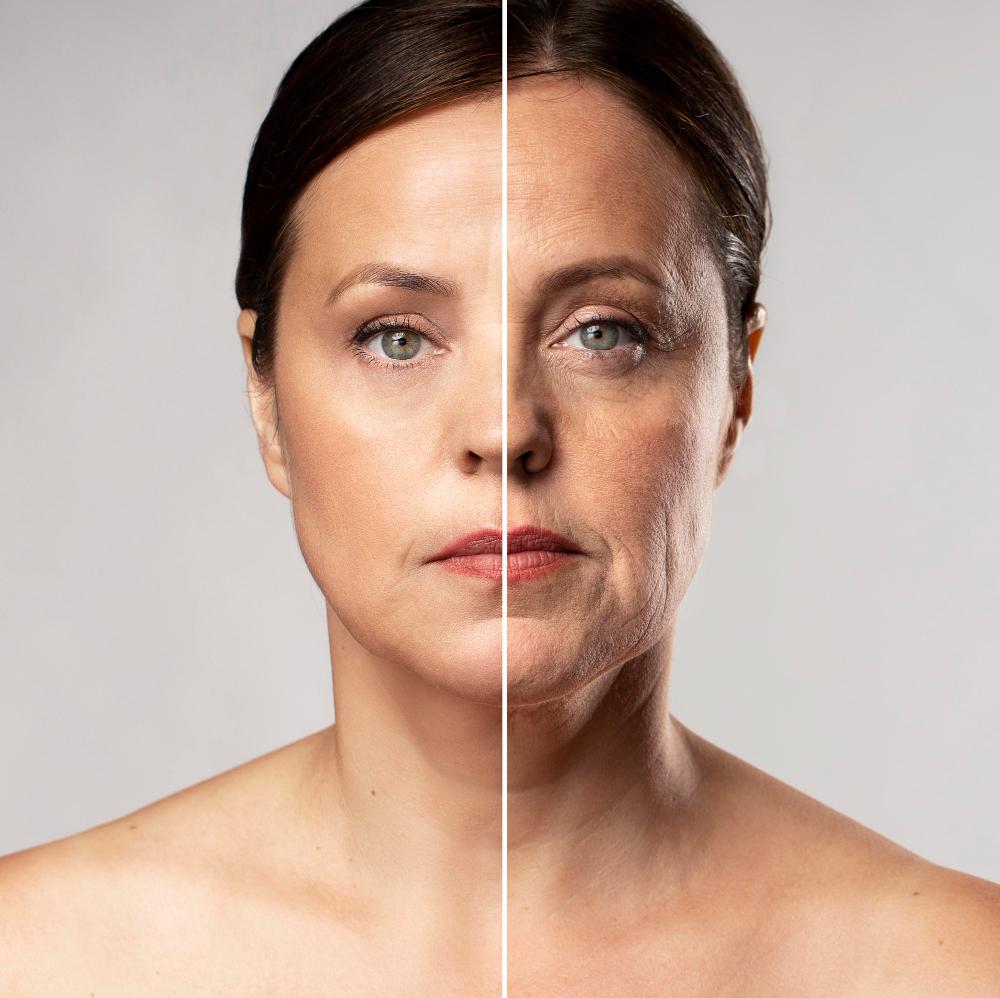
Certain skin disorders aren’t preventable, including genetic conditions and some skin problems due to other illnesses.
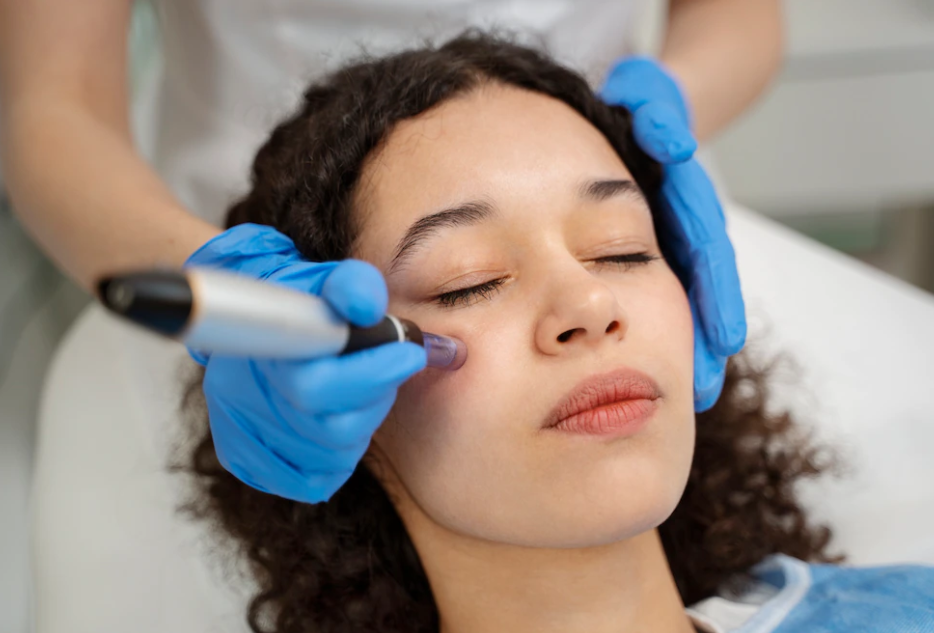
If your answer is yes, then, here are 6 easy steps to keep your skin look young and glowing.

It’s essential to note that the cost of skin pigmentation disorder treatment in Noida can differ based on the type of treatment required and the healthcare facility's resources.
In severe cases, surgery may be required to drain the blocked sinus.


Subscribe to our
© Copyright 2026. All Rights Reserved by Felix Healthcare Private Limited
Design and development by :


 +(91)9667064100
 Emergency : +(91)9667064100