 Emergency:
  WhatsApp


Subscribe to our
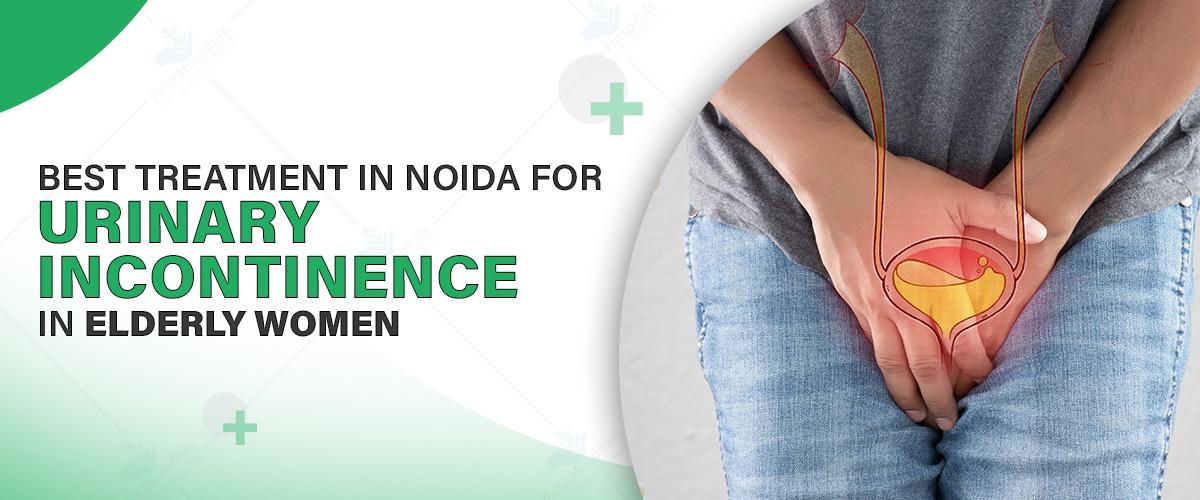
Imagine dealing with daily urinary leaks—not just as a symptom of aging, but as a sign of an underlying condition that’s actually treatable. For too many elderly women, urinary incontinence is not a health issue—it's an emotional and social struggle that quietly depletes confidence, dignity, and independence, but the story is finally changing. With increasing awareness, dedicated geriatric care, and advanced medical interventions, urinary incontinence treatment for elderly women in Noida is no longer just extremely effective but more accessible than ever before. You might be an older woman suffering from symptoms, a care who is worried about a loved one, or just someone searching for information, so you need to contact the best gynecology hospital in Noida. Having full knowledge of all available treatment choices can indeed be life-altering.
Noida has rapidly positioned itself as a leading hub for elderly healthcare, offering expert diagnostics, individualized therapies, and comprehensive treatment plans that help older women regain control discreetly, respectfully, and confidently. In this blog, we’ll explore the causes of urinary incontinence in aging women, available treatment paths, recovery expectations, and how to take that first important step toward relief.
Why live with discomfort when tailored, evidence-based treatment exists? Call a group at one of Noida's top-rated hospitals today at +91 9667064100.
Urinary incontinence is any involuntary loss of urine and is substantially more prevalent with increasing age. This is not just a symptom, it is the self-confidence that returns once control is regained.
Activities like lifting, sneezing, or coughing increase the pressure on the bladder, causing stress incontinence. The pelvic floor muscles, usually weakened after menopause or childbirth, are unable to support the bladder. It is one of the most prevalent forms among older women.
Urge Incontinence is characterized by a rapid, intense need to urinate and leakage before reaching the restroom. It's usually caused by overactive bladder muscle spasms and is more prevalent in older patients.
Both stress and urge symptoms combined. Elderly women often have both, and thus diagnosis and treatment become more complicated.
happens when the bladder fails to empty completely, resulting in continuous dribbling. This can be a result of weak bladder contractions or obstructions and is not as common.
By establishing your type of incontinence, a personalized urinary incontinence treatment plan in Noida can target what really works for your body.
Knowing why incontinence occurs is half the solution towards prevention or management.
Trigger Factors Include:
Hormonal Changes: Decrease in estrogen after menopause leads to thinner tissues of the urethra and bladder, changing bladder support and control.
Pelvic Floor Weakness: Pregnancy, childbearing, age, and decreased activity can weaken the core muscles that support the pelvic floor.
Chronic Conditions and Medications: Diabetes, urinary tract infection, constipation, or medications like diuretics can affect bladder control.
Obesity and Sedentary Lifestyle: Excess weight puts extra pressure on the bladder, while inactivity weakens pelvic support.
Neurological Problems: Disorders such as stroke, Parkinson's disease, or multiple sclerosis may interfere with bladder muscle messages.
Identifying these factors can assist you in averting worsening or modifying lifestyle parameters to ease symptoms.
It's tempting to write off occasional leaks as "part of aging," but even infrequent occurrences are worth investigating. If you're finding urinary leakage in older women—particularly if it starts interfering with everyday activities—early detection can be crucial.
Leakage during normal activities like walking, standing, or stair climbing
Urges that are hard to control and occur often
Waking up to urinate many times at night (nocturia)
Painful urination or recurrent urinary infection
Early treatment usually results in less complicated, less invasive treatments and can prevent complications like skin irritation or infection of the urinary tract, making recovery easier.
In Noida, contemporary care pathways offer individualized treatment alternatives for urinary incontinence based on severity, general health, and patient objectives.
Personalized Treatment Plans May Include:
Detailed assessment: Medical, physical, and bladder function testing
Conservative treatment: Pelvic muscle training, bladder retraining, lifestyle modification
Minimally invasive treatments: Sling or injection treatment if necessary
Long-term support: Regular follow-up, re-adjustments, and maintenance measures
Treatment approaches are fine-tuned with time, resulting in improvement without unnecessary intervention.
Conservative treatment often serves as the initial course of action, leading to significant improvements.
Important Conservative Treatments
Kegel Exercises: These are focused regimens designed to tighten pelvic muscles and are most effective when performed under the guidance of a trained physiotherapist.
Bladder Training Regimens: Incremental extensions of the interval between bathroom stops to improve bladder capacity.
Biofeedback Equipment: Equipment assists in visualizing and honing your pelvic control training.
Electrical Stimulation: Aids in stimulating and retraining weak pelvic muscles with subtle impulses.
Diet and Lifestyle Changes: Changes like fluid monitoring, weight control, and diet modification (eliminating offending agents such as caffeine or hot peppers).
These methods are mild, low-risk, and provide measurable improvement when strictly adhered to.
When symptoms continue after non-surgical interventions, more complex options are possible, particularly for problems significantly affecting everyday life. These procedures offer recovery tips for elderly women with urinary incontinence by providing relatively rapid recovery periods and minimal invasiveness.
Mid-Urethral Sling Procedures: The urethra is supported by a small mesh sling to ensure stress-based leakage prevention.
Botulinum Toxin (Botox) Injections: Transiently relax overactive bladder muscles and alleviate urge incontinence.
Sacral Nerve Stimulation (Neuromodulation): Implants a small device that delivers gentle pulses to nerves that control bladder function.
The choice of each is made considering individual risk profile, overall health, and desired results—always striving to reduce discomfort and maximize outcomes.
Choosing the best gynecologist in Noida whom you trust is crucial to successful treatment.
What to look for:
Geriatric Experience: A doctor trained in age-related urinary issues.
Collaborative Model: Referral to physiotherapy, nutrition counseling, or geriatric nursing staff.
Empathy and Communication: Straightforward explanations, compassionate treatment, and realistic goal-setting are important.
Evidence-Based Care: Application of current techniques, minimalism in interventions, and individualized treatment plans.
A robust initial assessment should set you with a good diagnosis, treatment choices, and confidence in your treatment journey.
Knowing costs beforehand helps make the right choices.
Expense Considerations:
Diagnostic tests: urine tests, ultrasound, or urodynamic tests
Non-surgical therapy sessions: physiotherapy, biofeedback, medical devices
Surgical procedure fees if necessary: includes surgeon, facility, anesthesia
Post-procedure and follow-up sessions: upkeep or repeat treatment
Assistive devices: pads, protective undergarments, or pelvic support devices if necessary
Leading providers support most geriatric care hospitals in Noida, including Felix Hospitals, with insurance and cashless payment options. Some have financial assistance or payment plans, enabling the road to recovery to be more accessible.
Outcomes differ, but numerous elderly women experience real improvement in confidence, comfort, and independence through appropriate treatment.
What to Expect:
Substantial decrease in leaks or, in most instances, complete bladder control
Increased daily activity and better sleep
Less anxiety and social shame
Successful long-term management with ongoing exercises, follow-up, or maintenance care
Gradual recovery is more common. Yet with perseverance and the right clinical team, the changes become life-enriching.
Schedule a consultation with a professional specialist in Noida for bespoke urinary incontinence care in Noida for older women, and start your journey towards renewed dignity and well-being.
Managing urinary incontinence doesn't have to mean acquiescing to discomfort or loneliness—particularly not in modern times of medical advancement and individualized treatment.
If you're an older woman experiencing symptoms or a caregiver seeking support for a loved one, rest assured that there is assistance available, tailored to your specific life stage, situation, and goals. In Noida, you'll discover hospitals with caring, elderly-sensitive settings that provide both innovative and old-fashioned urinary incontinence treatments for elderly women.
With trained pelvic floor therapy and secure, low-risk surgical alternatives, each treatment course is created to regain dignity, enhance everyday living, and raise the overall quality of life. Above all, you're not alone—and you never have to be embarrassed. With proper assistance, most women resume active, assertive living, free from the fears that formerly dictated their schedules. Please consider taking that first step now, because every woman should grow old with dignity, in comfort, and with pride.
Felix Hospital offers advanced and reliable Urinary Tract Infection (UTI) treatment in Noida with expert urologists ensuring fast relief and complete recovery.
Q1. Is urinary incontinence unavoidable as I age?
Ans: No. Although more prevalent with increasing age, many may be successfully treated or reversed by making lifestyle changes and receiving appropriate treatment.
Q2. How successful are treatments such as pelvic floor exercises?
Ans: Regular use, often under supervision, can restore bladder continence to many older women.
Q3. Do drugs have a role in urinary incontinence?
Ans: Yes. Certain medications treat urge incontinence by soothing bladder muscle spasms. They're typically used together with non-surgical treatments for maximum benefits.
Q4. Is surgery safe for older women who have incontinence?
Ans: Yes—when performed by skilled specialists, less-invasive procedures such as sling insertion or nerve stimulation are safe and well tolerated in the elderly.
Recovering after childbirth requires physical care, emotional support, and expert medical attention. Learn essential tips for a smooth postpartum recovery journey in Noida, from rest and nutrition to trusted hospitals and doctors.

A hernia typically occurs due to a combination of muscle weakness and strain. This can happen from factors such as aging, injury, heavy lifting, chronic coughing, or conditions like pregnancy and obesity.

Felix Hospitals is the leading hospital for hernia surgery in Noida and Delhi NCR.


Subscribe to our
© Copyright 2026. All Rights Reserved by Felix Healthcare Private Limited
Design and development by :


 +(91)9667064100
 Emergency : +(91)9667064100