 Emergency:
  WhatsApp


Subscribe to our

We all know that sleep is the bedrock of good health, but all too many people suffer from chronic insomnia, erratic sleep patterns or diseases such as sleep apnea that disrupt their rest. If you have been looking out for a dependable doctor for sleep disorders in Noida or if you have been looking for a sleep consultation near me, Felix Hospital offers state-of-the-art diagnostics and dedicated care in order for you to return to normal sleeping patterns. With patient centered care and state-of-the-art sleep medicine centers, come finally have the solution for your restless nights.
Having trouble sleeping? For expert sleep advice, call at +91 9667064100.
According to National Institute of Health :
| Age Group | Recommended Sleep Duration |
| Newborns (0 to 3 months) | Should average 14 to 17 hours of sleep a day, including naps |
| Infants (4 to 11 months) | Should average 12 to 15 hours of sleep per day, including naps |
| Toddlers (12 to 35 months) | Should average 11 to 14 hours, including naps |
| Preschoolers (3 to 5 years) | Should average 10 to 13 hours per day |
| School-age children (6 to 13 years) | Should average nine to 11 hours per day |
| Teenagers (14 to 17 years) | Should average eight to 10 hours per day |
| Younger adults (18 to 25 years old) | Should average seven to nine hours per day |
| Adults (26 to 64) | Should average seven to nine hours per day |
| Older adults (age 65 and over) | Should average seven to eight hours per day |
Reference (https://pubmed.ncbi.nlm.nih.gov/29073398/)
To decide what your bedtime should be, it’s important to think about how much sleep it takes to leave you feeling refreshed. Your genes, environment, and health conditions can also affect how much recommended sleep time by age will be.
Recommended sleep time by age depends on age; mainly children need more sleep than adults to feel adequately rested. 3 For young adults and people recovering from sleep debt, sleeping more than nine hours a night might be helpful.
Circadian rhythm refers to the internal or “master” clock that controls the production of melatonin, a hormone that makes you sleepy. Exposure to light during the day causes this master clock to generate alertness. At night, it promotes the production of melatonin, which helps you fall asleep and stay asleep.
To set a target bedtime, decide when you need to wake up. Then count backward to find out the number of hours of sleep you need.
Younger children require more sleep. If you would like your child to wake up between 7:00 and 8:00 a.m.:
Infants may be put to bed when sleepy, between about 7:00 and 8:00 p.m.
Toddlers may be put to bed between 7:00 and 9:00 p.m.
Preschool children may be put to bed between 8:00 and 9:00 p.m.
If your school or work schedule requires you or your child to be up between 5:00 and 7:00 a.m., these are the suggested bedtimes:
School-age children should go to bed between 8:00 and 9:00 p.m.
Teens should try to go to bed between 9:00 and 10:00 p.m.
Adults should try to go to sleep between 10:00 and 11:00 p.m.
Despite age and sleep needs, having a consistent wake time, even on the weekends, is important for better sleep.
A complete sleep cycle lasts between 90 and 120 minutes and consists of four stages. 7 The first three stages are non-REM or non-rapid eye movement. Stages 1 and 2 are light sleep, and stage 3 is deep sleep. Deep sleep is important for physical and mental recovery.
During REM sleep, your brain activity increases and your eyes move behind your closed lids. Your most vivid dreams occur during REM sleep.
Sleep is important for both your physical and mental well-being. During sleep, your body restores depleted energy, repairs cells, and releases hormones and other important chemicals that help support your body and brain.
Sleep deprivation, or not getting enough sleep, is associated with a number of health problems, including:
Heart disease
Obesity
Weight Gain
High blood pressure
Stroke
Metabolic syndrome
Sleep deprivation can also affect your cognitive function, including your ability to focus on tasks and think clearly.
You can make it easier to go to bed and fall asleep on time. Here are some strategies that may help.
Your bedroom can help you fall asleep and sleep more soundly. For most people, it’s a good idea to start with a quiet, cool, and dark room. Also, consider whether your mattress and bedding are hurting or helping your quest for a steady bedtime.
Consistent bedtime routines and relaxation techniques can also be helpful. A night routine prepares your mind and body for sleep, helping you unwind before you rest.
Reading, listening to soft music, stretching, or taking a bath can all help you relax. It is best to avoid overstimulating activities before bed, like watching television or exercising.
Cell phones and electronics should be avoided as much as possible. The artificial light from the screen can shift your sleep timing and make it harder to fall asleep.
Good sleep hygiene starts during the day. Try to avoid daytime naps. They reduce your overall sleep debt and also reduce the drive to go to sleep.
Spending time outdoors, in sunlight, may also be helpful. It’s a good idea to limit caffeine and alcohol, both of which can disrupt sleep. Try to avoid drinking caffeine after lunchtime, and don't drink alcohol right before bed. Once you’re in bed, limit brain-stimulating activities as much as possible. You want to associate your bed with sleep, not wakefulness.
Children who have a hard time falling asleep may be experiencing behavioral insomnia. There are two types of behavioral insomnia—sleep onset and limit setting. Some children may have both types.
Sleep-onset insomnia usually means a child has become dependent on certain soothing routines or objects and needs them to fall asleep. They may also need these routines if they wake in the middle of the night.
One way to help your child with sleep-onset insomnia is to build your child’s ability to self-soothe. Some experts recommend letting your child “cry it out.” This method involves gradually increasing the intervals when you go in to comfort your child. For example, parents can comfort a crying child every five minutes, then gradually extend the period to 10 minutes, then 15, and so on.
About 75% of teens don’t get enough sleep. Early school start times, late-night social activities, digital device use, and sleep cycle shifts all play a role.
Neighborhoods in which there are not enough trees and too much noise can also delay sleep. This may be because tree canopies reduce noise, light, and temperature. Trees and green spaces can also help reduce stress and improve mental health, which can impact sleep as well.
For adults, insomnia can be due to genetics. It can also be related to sleep disorders like sleep apnea or psychological conditions such as anxiety and depression. Insomnia can cause fatigue, daytime sleepiness, poor attention and concentration, and low energy and motivation.
The term "painsomnia" has been applied to an inability to get a good sleep due to a painful underlying health condition such as arthritis or a chronic condition like fibromyalgia.
Insomnia can become more of a problem as you age. The National Institute on Aging reports that menopause, restless leg syndrome, dementia, and sleep apnea can all keep you awake or disrupt your sleep after age 60. If you think a health condition may be keeping you up, talk to a healthcare professional or sleep specialist.
Unless you remedy your sleep problems, they will silently damage your health, work, and mental health. You can have your nights back and days full of energy with professional assistance through Sleep Disorders Treatment in Noida and access to sleep consultation near me services with ease at Felix Hospital. Bad sleep is not the new norm that you should accept.
Don’t ignore snoring or insomnia—book your appointment today at +91 9667064100.
Q1. Should kids who have trouble sleeping see a different doctor?
Ans: Yes. Felix Hospital offers paediatric sleep care services for problems like insomnia, night terrors, and sleep disorders that cause children to act out.
Q2. Does snoring always mean something is wrong?
Ans: Not always, but snoring that happens a lot or is loud could be a sign of sleep apnoea, which a sleep disorder doctor should check out.
Q3. How long does a sleep consultation at Felix usually last?
Ans: A normal consultation lasts 30 to 45 minutes and includes a thorough history, an evaluation of your lifestyle, and a plan for treatment.
Q4. Can Felix Hospital help with depression or anxiety that keep you from sleeping?
Ans: Yes, our team of psychologists, psychiatrists, and sleep specialists works together to treat both the medical and mental health issues that come with sleep disorders.
Q5. Do I always need to take medicine for insomnia?
Ans: Not always. Before giving out medications, Felix focusses on lifestyle changes, sleep hygiene, and behavioural therapy.
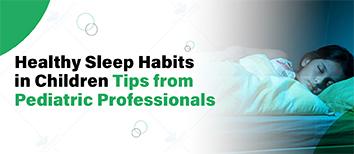
During sleep, the body releases growth hormones, which are essential for a child's growth and development. Adequate sleep is vital for muscle development, tissue growth, and the overall physical health of a child.
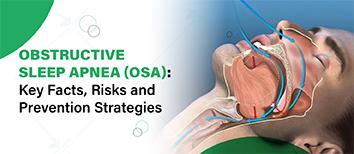
Obstructive Sleep Apnea occurs when the muscles in the throat relax excessively during sleep, causing the airway to become partially or fully blocked.

Lack of sleep silently damages your body and mind. Discover 10 shocking ways poor sleep affects your health, immunity, heart, and mental well-being.


Subscribe to our
© Copyright 2026. All Rights Reserved by Felix Healthcare Private Limited
Design and development by :


 +(91)9667064100
 Emergency : +(91)9667064100