 Emergency:
  WhatsApp


Subscribe to our
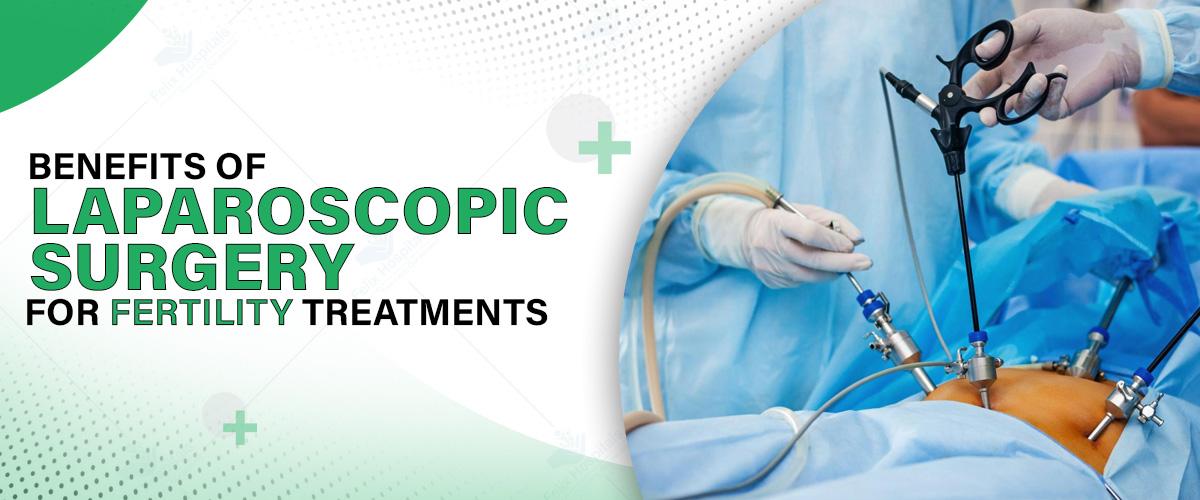
Many women around the world have trouble getting pregnant, which can be hard on their bodies and minds. Modern medicine gives us hope through advanced diagnostic and treatment methods. Laparoscopic surgery is one of the best and least invasive ways to do things today. It is widely known as the gold standard and is done at the best gynecology hospital in Noida for both diagnosing and treating infertility problems. This blog will talk about the main benefits of laparoscopic surgery for fertility and why it is so important for reproductive health care.
Take charge of your reproductive health. To talk to one of our gynecology experts, call +91 9667064100.
Laparoscopic surgery is a type of surgery that uses small cuts to insert a thin tube with a camera (laparoscope) and surgical tools. This lets you see the pelvic organs directly and helps find problems that might not show up on standard imaging tests.
The procedure is often used to find and treat problems like:
Fibroids
Cysts on the ovaries
PID, or pelvic inflammatory disease
Fallopian tubes that are blocked or broken
In many cases, laparoscopy can find the problem and fix it all in the same surgery.
One of the benefits of laparoscopic surgery for fertility is that it can fix the body's normal structure. For example, it can get rid of endometrial lesions, fibroids, and adhesions that make it hard to get pregnant. After these problems are fixed, a lot of women get pregnant on their own without needing IVF or other treatments.
Couples who can't get pregnant for no clear reason often find that laparoscopy reveals problems that can be easily fixed with surgery.
Open surgeries that are done the old-fashioned way require big cuts, long hospital stays, and long recoveries. On the other hand, laparoscopic surgeries only require 2 to 4 small cuts, which greatly reduces the damage to the body.
Patients gain from:
Less pain after surgery
Little scarring
Stays in the hospital are shorter.
A quicker return to normal life
This is especially helpful for women who want to start fertility treatments again or get pregnant soon after surgery. Laparoscopy for infertility treatment is also good for emotional health because it has a shorter recovery time.
Laparoscopy is more than just a way to treat infertility. It has a very high level of diagnostic accuracy. Laparoscopy lets doctors see the reproductive organs in real time and find even small problems, which is not possible with ultrasounds or HSG (hysterosalpingogram).
Some common results are:
Little bits of tissue sticking to the tubes
Light endometriosis
Small signs of infection or inflammation
Such specific information can help make personalized fertility plans that work better and save time.
One more big benefit of laparoscopic surgery for fertility is that it lets you get a diagnosis and treatment in the same visit. This means that fewer surgeries, anesthetics, and recovery times are needed. For instance, if a patient has a blocked tube and is having laparoscopy, the blockage can be cleared or the tubes can be fixed right away if possible. In the same way, ovarian cysts or fibroids that are found during the procedure can be taken out right away.
This combined method speeds up the process of planning for pregnancy, which saves time and emotional energy.
Sometimes, natural conception isn't possible, and assisted reproductive technologies (ART) like IVF are needed. Laparoscopy is also an important part of the preparation process. Laparoscopy can help with infertility in the following ways:
Getting rid of things that make it harder for embryos to implant
Treating hydrosalpinx (fallopian tubes filled with fluid) that can change the results of IVF
Fixing pelvic adhesions to make it easier to get eggs
Laparoscopy makes ART cycles more likely to work and lowers the chance of problems by making the reproductive environment better.
Most of the time, laparoscopic surgery is done under general anesthesia, so you won't feel any pain. After surgery, you might feel mild cramping, bloating, or pain in your shoulders because of the gas used during the procedure. These signs usually go away in a few days.
There are risks with any surgery, such as, Fever, Bleeding but when done at the best gynecology hospital in Noida by a skilled team, problems are rare and recovery goes smoothly.
The length of recovery depends on whether the laparoscopy was for diagnosis or surgery: Recovery time for diagnostic procedures is usually 1 to 2 days.
Procedures that are done during surgery (like myomectomy and adhesiolysis): It could take 2 to 4 weeks to get better.
Your doctor will give you instructions on how to care for your wounds, what activities you should avoid, and when to come back for follow-up appointments to make sure you heal completely.
The cost of laparoscopy for treating infertility depends on:
Place of treatment and city
Experience of the surgeon
Need for surgery
Some health insurance plans may pay for part of a laparoscopy if it is medically necessary. During your consultation, talk about all of your options for pricing and insurance.
Felix Hospital is a well-known name in the field of surgery for fertility issues. Many women think about it for their laparoscopy for infertility treatment because of these reasons:
A group of very skilled laparoscopic gynecologic surgeons
High-tech tools for diagnosis and surgery
Full range of fertility services, including planning after laparoscopy
Care that puts the patient first
Felix Hospital still gets great results for patients who want treatments based on evidence in a caring environment.
Laparoscopic surgery is a safe, effective, and advanced way to find hidden fertility problems or treat known reproductive problems. Laparoscopic surgery for fertility has more benefits than just being more precise. It gives people hope, clarity, and a better chance of getting pregnant. If you're thinking about getting pregnant naturally or with help, you should talk to your gynecologist about the possibility of laparoscopy. Laparoscopy changes the way people think about infertility, turning doubt into opportunity.
Are you thinking about laparoscopy for infertility? Call +91 9667064100 to move forward.
Q1. Can laparoscopy find damage to the tubes that ultrasound can't?
Ans: Yes, for sure. Laparoscopy gives a direct view of the fallopian tubes and can show small blockages or damage that imaging can't see.
Q2. How soon after laparoscopy can a woman get pregnant?
Ans: Most women can start trying to get pregnant after one to two menstrual cycles, depending on how much surgery they had.
Q3. Does laparoscopy make IVF more likely to work?
Ans: Yes, laparoscopic surgery for conditions like fibroids or endometriosis may greatly improve the chances of IVF success.
Q4. Is laparoscopic surgery only for women who can't get pregnant?
Ans: It's often used in fertility care, but it's also useful for finding out what's wrong with your reproductive organs and treating chronic pelvic pain.
Q5. Is it possible to do laparoscopy in a day-care setting?
Ans: Yes, most diagnostic laparoscopies and small repairs are done on the same day at places like Felix Hospital.
Q6. Can a single laparoscopic fertility surgery treat more than one condition?
Ans: Yes, surgeons can often fix a number of problems, such as endometriosis, in one surgery.
Dr. Ritesh Agrawal is an experienced surgeon in noida specializing in both open and minimally invasive laparoscopic procedures.
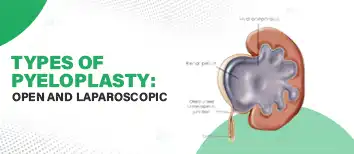
Learn about open and laparoscopic pyeloplasty, their benefits, and when they’re used to treat kidney blockage.
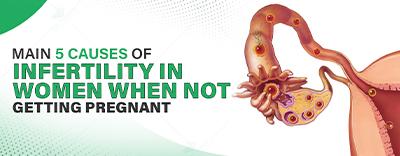
Facing trouble conceiving? This article highlights the main 5 causes of infertility in women, including hormonal imbalances, PCOS, endometriosis, blocked fallopian tubes, and age-related factors.


Subscribe to our
© Copyright 2026. All Rights Reserved by Felix Healthcare Private Limited
Design and development by :


 +(91)9667064100
 Emergency : +(91)9667064100