 Emergency:
  WhatsApp



Subscribe to our
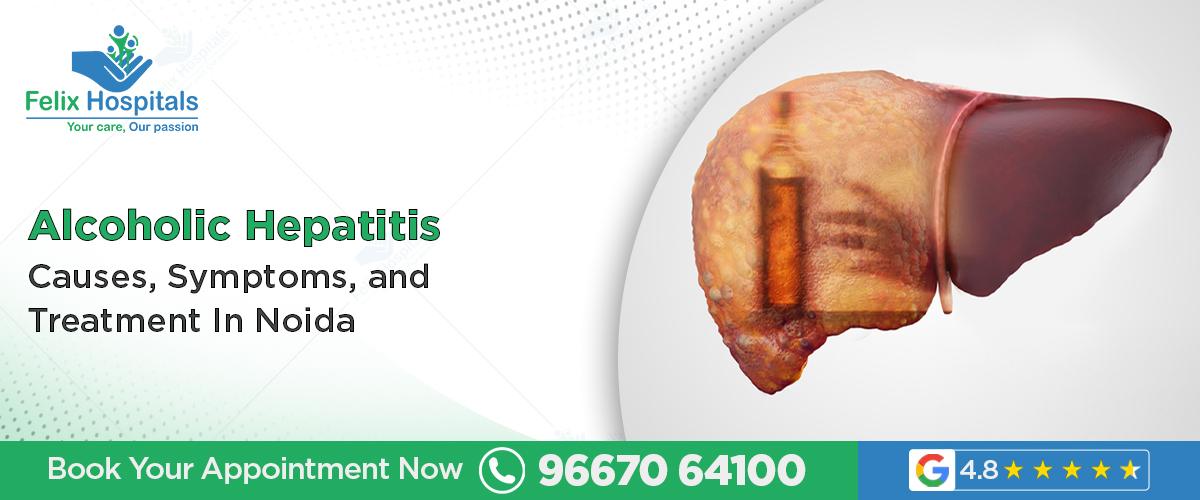
Liver health plays a vital role in overall well-being, yet it is often neglected until serious complications arise. Excessive and prolonged alcohol consumption is one of the leading causes of liver-related disorders in India. Among these conditions, alcoholic hepatitis is a serious inflammatory disease that can range from mild liver irritation to life-threatening liver failure. The condition often develops silently, making early detection and timely medical care extremely important.
With rising alcohol consumption patterns, especially in urban areas like Noida, hospitals are witnessing an increasing number of patients presenting with alcohol-related liver damage. Early diagnosis, complete alcohol cessation, and specialized treatment can significantly improve outcomes and prevent progression to irreversible liver disease.
If you or a loved one shows symptoms of alcohol-related liver disease, seek medical care immediately. Call +91 9667064100 to consult a liver specialist in Noida today.
What is alcoholic hepatitis refers to inflammation of the liver caused by excessive alcohol intake over a prolonged period. Alcohol damages liver cells, leading to swelling, inflammation, and impaired liver function. While some individuals may consume alcohol heavily without immediate symptoms, others develop liver inflammation much earlier due to genetic and metabolic differences.
Alcoholic hepatitis can occur suddenly and worsen rapidly, especially if alcohol consumption continues. In severe cases, it can progress to liver failure, making early medical evaluation critical.
Early signs of alcoholic hepatitis are often mistaken for general fatigue or digestive discomfort, which leads many patients to delay seeking medical help. These early symptoms are the body’s warning signs that liver inflammation has begun.
Persistent tiredness and weakness
Loss of appetite and unintentional weight loss
Nausea or vomiting
Mild abdominal discomfort
Low-grade fever
Recognizing these early signs allows doctors to initiate treatment before permanent liver damage occurs.
Alcoholic hepatitis complications can be severe and life-threatening if the condition is not treated promptly. Continued alcohol use worsens liver inflammation and accelerates damage.
Possible complications include:
Liver fibrosis and cirrhosis
Internal bleeding due to clotting disorders
Ascites (fluid accumulation in the abdomen)
Hepatic encephalopathy (confusion due to toxin buildup)
Increased risk of liver failure
Advanced complications often require prolonged hospitalization and intensive medical care.
Alcoholic hepatitis risk factors determine why some individuals develop severe liver inflammation while others do not, even with similar drinking habits. These factors influence how alcohol affects the liver.
Major risk factors include:
Long-term heavy alcohol consumption
Female gender (higher sensitivity to alcohol)
Poor nutrition and vitamin deficiencies
Obesity
Genetic predisposition
Coexisting viral hepatitis
Understanding risk factors helps in identifying high-risk individuals early.
What are the symptoms of alcoholic hepatitis depends on the severity of liver inflammation. Symptoms may worsen rapidly and require urgent medical attention.
Common symptoms include:
Yellowing of skin and eyes (jaundice)
Severe abdominal pain and tenderness
Dark urine and pale stools
Swelling of legs and abdomen
Mental confusion or drowsiness
Severe symptoms indicate advanced liver injury and must never be ignored.
How is alcoholic hepatitis diagnosed involves a detailed medical history, physical examination, and laboratory investigations. Doctors assess alcohol consumption patterns along with liver function.
Diagnostic methods include:
Blood tests to evaluate liver enzymes and clotting ability
Ultrasound or CT scan to assess liver size and structure
Liver biopsy in selected cases
Nutritional and infection screening
Accurate diagnosis helps differentiate alcoholic hepatitis from other liver conditions.
What is the best treatment for alcoholic hepatitis focuses on halting liver damage, reducing inflammation, and supporting liver recovery. The cornerstone of treatment is complete and permanent abstinence from alcohol.
Treatment plans may include:
Hospitalization for moderate to severe cases
Nutritional therapy and vitamin supplementation
Medications to reduce inflammation
Management of complications like infections or bleeding
Psychological support for alcohol dependence
Early treatment significantly improves survival and recovery.
Alcoholic hepatitis treatment in Noida is delivered through a multidisciplinary approach involving hepatologists, internal medicine specialists, nutritionists, and critical care teams. Modern hospitals offer advanced monitoring and evidence-based protocols for liver care.
Patients benefit from:
Comprehensive liver function monitoring
Intensive supportive care
Infection prevention and management
Long-term follow-up programs
Access to specialized liver care improves outcomes and reduces recurrence risk.
Consulting an alcoholic hepatitis specialist doctor in Noida ensures accurate diagnosis, proper staging of liver disease, and personalised treatment planning. Specialists are trained to manage both medical complications and alcohol dependence simultaneously.
Expert care plays a crucial role in preventing disease progression and improving long-term liver health.
Early action can save your liver and your life. Don’t delay expert care.
Call +91 9667064100 to book your liver consultation in Noida now
Alcoholic hepatitis is a serious but treatable liver condition when identified early and managed properly. Ignoring symptoms or continuing alcohol consumption can rapidly worsen liver damage and lead to irreversible complications. With timely diagnosis, strict alcohol abstinence, nutritional support, and specialist-led treatment by a Liver Doctor in Noida, many patients can stabilize their liver function and improve quality of life.
Hospitals in Noida now offer comprehensive liver care that focuses on both medical treatment and long-term recovery support.
(FAQs)
Q. 1. Is alcoholic hepatitis reversible?
Ans. Yes, mild cases can improve with early treatment and complete alcohol abstinence.
Q. 2. Can alcoholic hepatitis occur suddenly?
Ans. Yes, it can develop abruptly, especially after heavy drinking episodes.
Q. 3. Is alcoholic hepatitis the same as cirrhosis?
Ans. No, but untreated alcoholic hepatitis can progress to cirrhosis.
Q. 4. How long does recovery take?
Ans. Recovery depends on severity and alcohol cessation, ranging from months to longer.
Q. 5. Can alcoholic hepatitis be fatal?
Ans. Severe cases can be life-threatening without timely treatment.
Understand the different types of hepatitis, their causes, and effective treatment solutions available in Noida. Timely care helps prevent serious liver complications.


Subscribe to our
© Copyright 2026. All Rights Reserved by Felix Healthcare Private Limited
Design and development by :


 +(91)9667064100
 Emergency : +(91)9667064100