 Emergency:
  WhatsApp


Subscribe to our
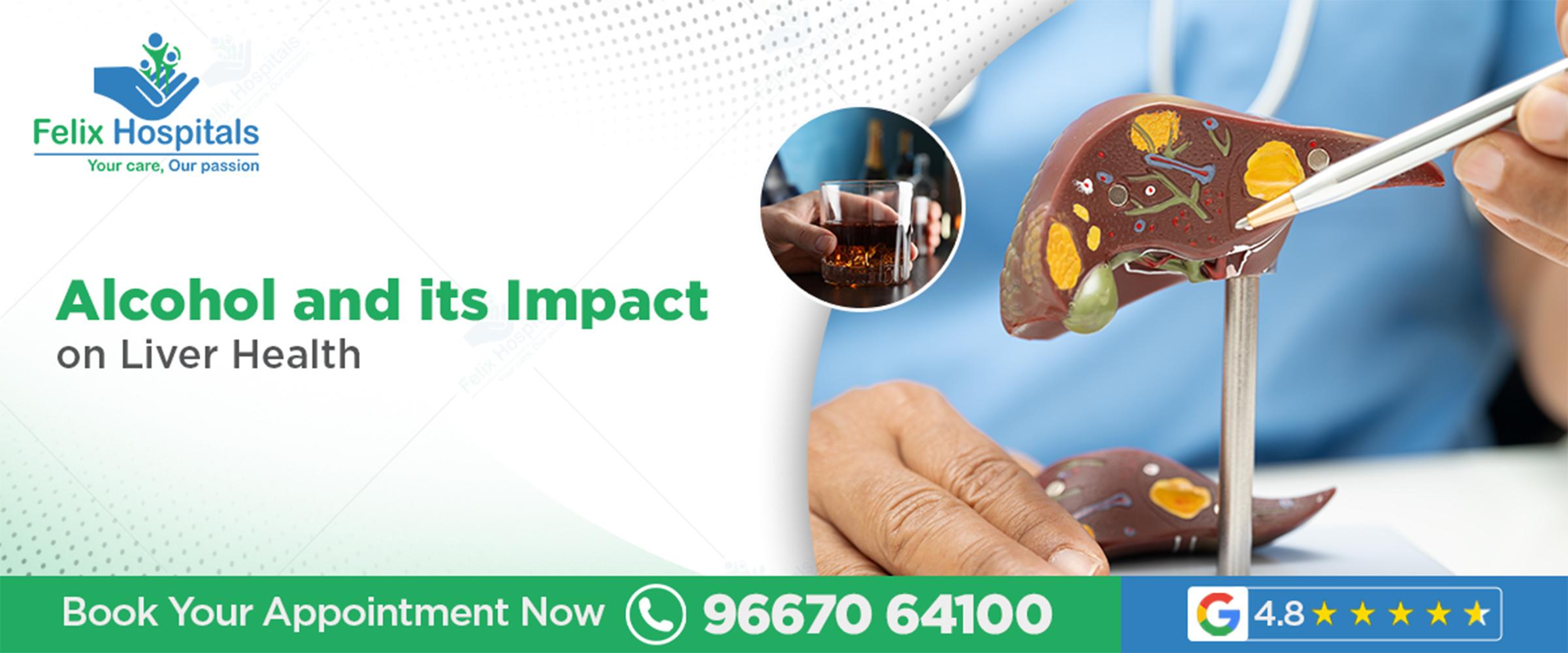
Drinking alcohol is a part of life in many social and cultural contexts, but heavy drinking can lead to liver damage. The liver is an essential organ for the metabolism of toxins, including alcohol, and for maintaining metabolic homeostasis within the body. It is important to know about effect of alcohol on liver as long term alcohol drinking slowly kills liver cells and alters its function.
With a regular intake of alcohol, particularly in such large amounts, the liver is working overtime, becoming overinflamed. This can eventually cause fatty liver, hepatitis and cirrhosis. People with symptoms of liver problems should see a liver specialist in Noida or the best gastroenterologist in Noida for diagnosis and treatment.
Experiencing fatigue, abdominal discomfort, or abnormal liver test results? Early medical evaluation can help detect liver damage before complications develop. Call +91 9667064100 to consult a liver specialist in Noida.
The liver is what processes and detoxifies everything that goes into the body. The liver metabolizes the alcohol into substances that can be eliminated from the body. But this process is slowed down by heavy drinking and the fat can build up in, and around, the liver cells. This is how alcohol affects the liver in the long term.
Scientific evidence indicates that only a certain amount of alcohol can be metabolized by the liver in an hour. Above that limit, toxic metabolites such as acetaldehyde build up in the liver, leading to oxidative stress and liver damage. Long-term chronic exposure to such toxins can result in alcohol-related liver disease, which impairs the liver's form and function.
High alcohol consumption can lead to liver cell damage and interfere with vital metabolic processes. The impact of alcohol on the liver could be slow to manifest and that damage could increase if drinking continues. Common effects include:
Excess fat in the liver cells
Inflammation of liver tissue
Decreased detoxification function
Reduced production of essential proteins
Hepatocyte damage and fibrosis
These changes can progressively weaken liver function and lead to serious complications.
Alcohol-related liver disease is a group of conditions that result from chronic alcohol use. The degree of liver damage is also variable and depends on how much and how long the person drank. The most common forms of alcohol-related liver disease are:
Alcoholic fatty liver disease
Alcoholic hepatitis
Liver fibrosis
Cirrhosis of the liver
These conditions may develop gradually and often worsen if alcohol consumption continues.
The stages of alcohol-related liver disease offer people a way to understand how their liver is being affected by drinking. Stages of liver damage due to alcohol usually include:
Fatty Liver (Steatosis): Fat buildup in the liver cells as a result of heavy alcohol consumption
Alcoholic Hepatitis: Liver tissue inflammation and injury
Liver Fibrosis: Scar tissue in the liver
Cirrhosis: Advanced scarring that impairs liver function
Early stages may be reversible if alcohol consumption is stopped and medical treatment is initiated.
It is important to be aware of liver damage symptoms from alcohol so that you know when to seek medical attention. The symptoms can develop slowly, becoming more obvious as the disease advances. Signs are the following:
Fatigue
Loss of appetite
Nausea and vomiting is frequent
Stomach ache, especially in the right upper corner
Skin and whites of eyes that turned yellow (jaundice)
Swelling in the abdomen or the legs
These signs indicate function may be impaired and require medical evaluation.
Some conditions may raise the chance of complications from the effects of alcohol on the liver. The major risk factors are:
Chronic heavy drinking
Malnutrition or undernourishment
Obesity or metabolic syndrome
Hepatitis virus infection
Predisposition to liver disease
Alcohol consumption and smoking
Individuals with these risk factors should undergo regular medical check-ups.
Early consultation for medical advice is essential when symptoms indicate that there might be liver damage. Noticing warning signs enables early intervention which halts the progress of the condition. Consult if you have:
Constant abdominal pain
Weight loss without explanation
Jaundice of the skin or eyes
Dark urine or light-coloured stool
Constant tiredness
Persistent nausea or vomiting
Consulting a liver specialist in Noida or the best gastroenterologist in Noida can help identify the underlying cause and begin appropriate treatment.
Doctors use several diagnostic tests to assess liver health and determine the severity of alcohol-related liver disease.
Test | Purpose |
Liver Function Test (LFT) | Evaluates liver enzyme levels |
Ultrasound Abdomen | Detects fatty liver or structural abnormalities |
FibroScan | Measures liver stiffness and fibrosis |
CT Scan or MRI | Provides detailed imaging of liver tissue |
Liver Biopsy | Confirms severity of liver damage |
These tests help doctors determine the stage of liver disease and guide treatment.
Treatment is aimed at preventing further liver damage and promoting liver regeneration. Early intervention can dramatically improve outcomes. Treatment options include:
Stop alcohol completely
Drugs that reduce liver inflammation
Nutritional treatment and vitamin replacement
Treatment of complications, including retention of fluid
Regular liver function tests
Patients with advanced liver damage may require specialized medical care under a liver specialist in Noida.
Lifestyle modifications play an important role in preventing further damage caused by how alcohol affects the liver. Significant lifestyle changes may include:
Refraining from consuming any type of alcohol
Eating a healthy and balanced diet
Keeping a healthy weight
Doing exercise regularly
Drinking enough liquid
Going for regular medical examinations
These steps support liver regeneration and improve overall health.
Stages of alcohol-related liver disease may progress to serious health complications that could impair the functioning of your body if left untreated. Complications can include:
Liver cirrhosis (liver fibrosis)
Liver failure
Portal hypertension
Increased risk of liver cancer
Worried about your liver health and/or alcohol-related issues? A liver specialist in Noida or top gastroenterologist in Noida can help you in your hour of need by providing you with precise diagnosis followed by expert treatment. Call +91 9667064100 to schedule your consultation today.
Drinking too much alcohol over a long period can affect the liver. Understanding the impact of alcohol on liver function enables an individual to assess the risk of chronic alcohol consumption.Early diagnosis, regular follow-ups, and timely visits to a liver specialist in Noida can help in preventing liver diseases from turning fatal. They can protect their liver and well-being, albeit without any quick remedies: a decrease in alcohol use and lifestyle modifications.
Yes. Heat-induced dehydration and inactivity during the summer months can slow down the movement of the intestines to cause constipation.
Just drinking cold fluids is too little to combat constipation. Drinking enough water and eating fiber-rich foods are better.
Yes Changes in diet, water consumption, and routine whilst on the move can interrupt normal bowel routines.
Yes. Stress can affect how you digest your food and can lead to inconsistent bowel movements.
Yes. When you take in a sufficient amount of dietary fiber, it keeps your stool regular and promotes your bowel movements.
Get expert constipation treatment in Noida. Learn about common causes, symptoms, and the best relief options to improve digestive health.

Struggling with constipation in summer? Learn its causes, symptoms, and effective remedies. Stay hydrated and follow expert tips for better digestive health.


Subscribe to our
© Copyright 2026. All Rights Reserved by Felix Healthcare Private Limited
Design and development by :


 +(91)9667064100
 Emergency : +(91)9667064100