 Emergency:
  WhatsApp

Subscribe to our
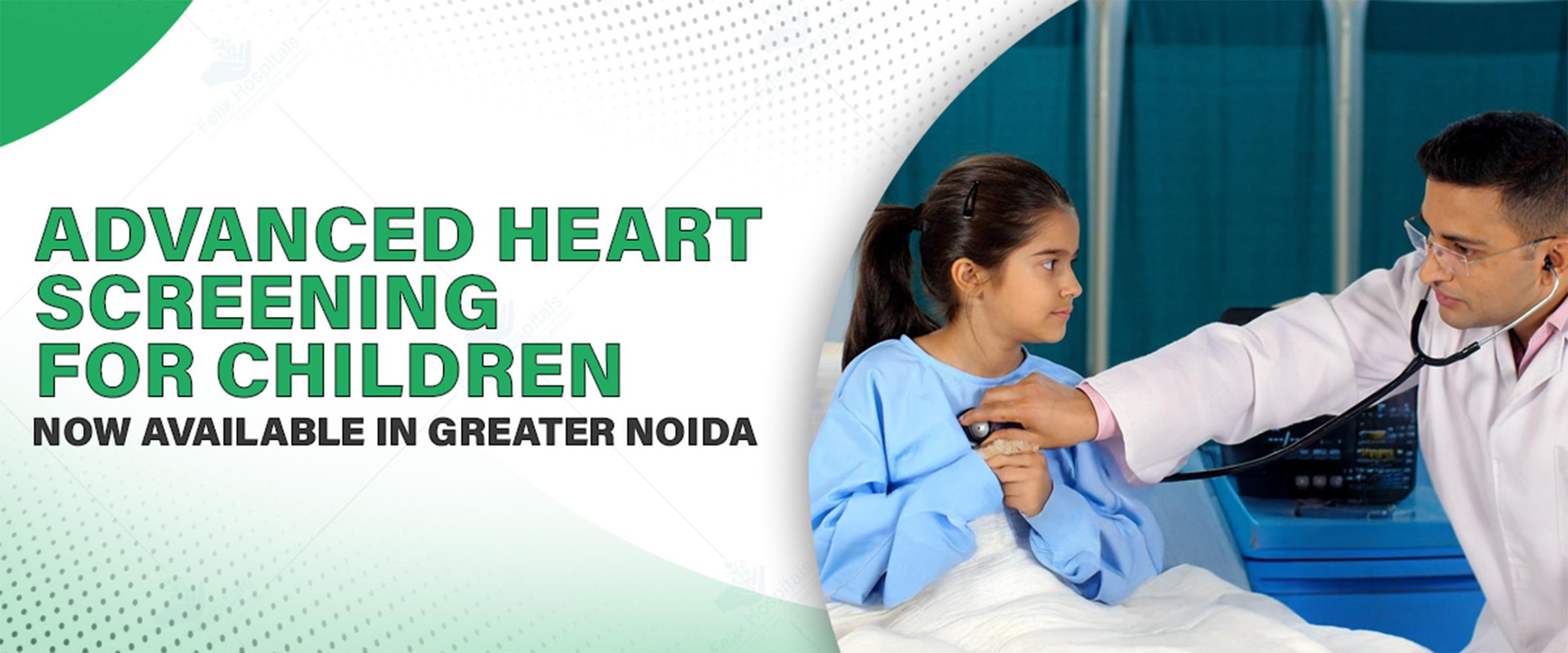
A child's heart is fragile, and even small problems can have long term effects if they aren't found. Routine check ups are important, but they don't always find hidden heart problems, especially in kids who seem healthy. Advanced heart screening for kids fills this gap by finding structural, or functional problems before they get worse using accurate tests that don't hurt. These tests aren't just for kids who have symptoms, they're also important for kids who have a family history of heart disease, congenital conditions, or who play competitive sports. Advanced screening gives parents and doctors the power to act quickly when problems are found early, which leads to healthier futures for young hearts. With Pediatric cardiology hospital in Greater Noida facilities now within reach, families now feel confident enough to visit the top pediatric heart doctors in Noida.
Call +91 9667064100 to make an appointment for advanced screening to make sure your child's heart is healthy.
Advanced child heart screening consists of a set of advanced, often non-invasive tests employed to detect potential heart problems early. Screenings are not reserved for children with symptoms — they can be part of preventive care in children with heart disease in a family member, congenital illness, or who play high-level sports.
The greatest distinction between routine check-ups and advanced screenings is depth and precision. These examinations can detect electrical irregularities, structural cardiac abnormalities, and disease indicators not seen in a normal physical examination.
Below is a description of some of the more common advanced screening tests used in Pediatric cardiology hospital in Noida and what each of them screens for:
An ECG measures the electrical activity of the heart using tiny sensors stuck to the child's chest.
Objectives:
Identifies abnormal heartbeats (arrhythmias)
Diagnoses heart blocks
Evaluates electrical conduction abnormalities
This is a quick painless test, and most often the first cardiac evaluation.
This is an ultrasound of the heart, generating pictures of its structure and function in real time.
Objective:
Assesses the shape and size of the heart
It checks the smoothness with which the valves open and close
Observes patterns of blood flow through the chambers
Echocardiography is vital in diagnosing congenital heart defects and monitoring ongoing heart conditions.
Holter monitoring refers to the employment of a 24–48 hour ambulatory ECG monitor.
Purpose:
Monitors continuously over a longer period of time
Detects infrequent arrhythmias which may not be apparent on a brief ECG
Helps investigate symptoms like unexplained fainting or palpitations
This is a relaxed test and allows children to go about their daily routines while being monitored.
A cardiac CT scan makes use of the application of X-ray technology coupled with sophisticated computer imaging to create excellent images of the heart and its blood vessels.
Purpose:
Diagnoses coronary artery abnormalities
Maps structural defects
Assists in preoperative planning in challenging cases
Cardiac MRI is the gold standard for high-resolution imaging of cardiac structure and function.
Purpose:
Provides 3D views of the heart vessels, valves, and muscle
Identifies inflammation, scarring, or congenital defects
Records progression of disease over time
Although longer than other investigations, MRI provides definition unmatched without the use of radiation.
They can be advised to have ECGs and echocardiograms as a regular checkup if they have a history of heart disease, hypercholesterolemia, or sudden cardiac death in their families.
Symptom Evaluation Advance screening is indicated if a child has symptoms such as:
Chest tightness or pain
Fast pulse or palpitations
Shortness of breath with ordinary activity
Dizziness or syncope
It necessitates serial echocardiograms in infants with congenital heart disease and, in the most severe cases, cardiac CT or MRI to precisely define the anatomy.
Competitive sports put further strain on the heart. Screening safeguards children against being unable to take part in high-intensity sporting activity without any underlying risk.
Early diagnosis helps:
Prevents such complications as heart failure or stroke
Enhances treatment success rates by intervening in time
Promotes healthy growth and development by controlling conditions early
Advanced heart screening is a safety net, catching risk before it develops into a problem.
Factors Affecting Heart screening test cost for children in Noida
The quantity and quality of tests carried out
Whether advanced imaging such as MRI or CT is needed
Hospital facilities and pediatric cardiology expertise
Use of sedation (for younger children during longer tests)
Despite varying costs, early diagnosis investment normally saves families from spending more on treatment in the long term.
If it's your child's heart, you need a facility that integrates medical expertise, cutting-edge facilities, and compassionate care. Felix Hospital in Noida and Greater Noida offers a complete spectrum of pediatric cardiac care — from diagnosis to surgery and follow-up. Their team of expert Child heart specialist doctors in Noida operates in coordination with pediatric cardiologists, anesthetists, and critical care specialists to deliver safe, effective treatment. With the latest diagnostic imaging, state-of-the-art operation theatres, and a separate pediatric ICU, Felix has an ambience where children are given world-class care at home. Families also appreciate open information, emotional support, and attention to lowering child heart surgery costs in Noida without compromising quality.
Parents can help make the screening process easier by:
Describe tests in reassuring simple language
Having the child rested the night before the appointment
Including comfort items such as a special toy for younger children
Following pre-test advice concerning food, drinks, or drugs
Discuss findings in detail
Discuss outcomes with parents
Refer for further investigation if indicated
Create a treatment or monitoring plan
In the majority of cases, screenings provide reassurance when the results are within normal limits. If a condition is found, advance planning leads to a healthier long-term result.
Call +91 9667064100 to get your child a heart check-up before they show any signs of trouble.
Pediatric cardiac screening in advanced form is now available in Greater Noida, allowing parents to safeguard their child's cardiac well-being through early diagnosis. With Pediatric cardiology hospital in Noida facilities now within reach, families now feel confident enough to visit the top pediatric heart doctors in Greater Noida. These screenings are a worthwhile investment in a child's future for ongoing follow-up, sports clearance, or symptom assessment.
Q1. How long will my child have to lie still for a cardiac MRI?
Ans: A cardiac MRI usually takes 30 to 60 minutes, and the child has to stay still. Younger children who can't stay still may be given sedation.
Q2.My child only has chest pain once in a while. Is one screening enough?
Ans: If you have symptoms that come and go, like chest pain that happens now and then, you may need to keep an eye on them or get screened again and again to catch them when they happen.
Q3. Is it normal for kids to have trouble breathing when they are doing normal things, or is it always a sign of something wrong?
Ans: It's not normal for healthy kids to have trouble breathing when they do everyday things. They should be checked out with advanced screening tests
Q4. If screening shows my child has a congenital heart defect, will they definitely need surgery?
Ans: Some congenital defects don't need surgery; they can be watched with regular echocardiograms and treated conservatively.
Q5. If the first screening results are worrying, does Felix Hospital give second opinions?
Ans: Felix Hospital's multidisciplinary team approach lets them get full evaluations and second opinions from other specialists in their network.

As a child care specialist, I have noticed a huge difference in overall growing of a child in the last 14 years.

Every parent wants their child to become a successful, confident, and good human being. A child is like a sponge, which can take any shape and can absorb almost everything they see/learn.
Best heart hospital in Noida for bypass surgery at affordable prices with expert cardiac surgeons, advanced facilities, and quality patient care for better recovery.
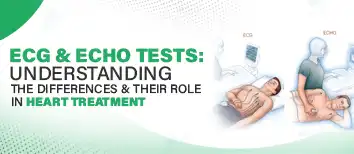
Learn the key differences between ECG and ECHO tests and their role in heart treatment.

Subscribe to our
© Copyright 2026. All Rights Reserved by Felix Healthcare Private Limited
Design and development by :


 +(91)9667064100
 Emergency : +(91)9667064100