 Emergency:
  WhatsApp

Subscribe to our
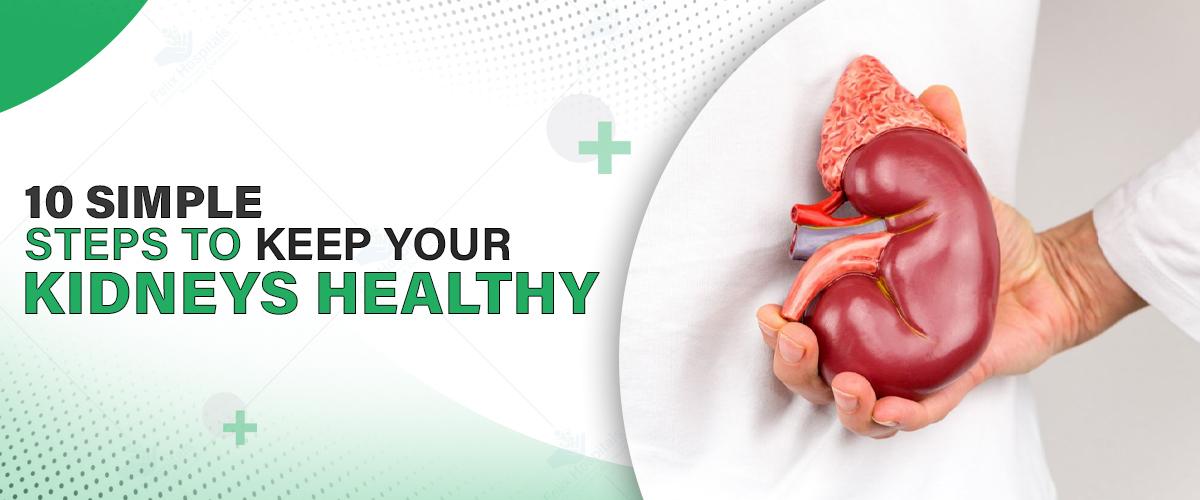
Your kidneys, which are located just below the rib cage, are essential for filtering blood, keeping your electrolyte levels in check, making hormones that are necessary, and activating vitamin D. Approximately the size of a fist, this organ silently assists your body—that is, until something prevents it from functioning. Fortunately, you can keep your kidneys healthy and even improve their function by making smart choices in your daily life and visiting the best nephrology hospital in Noida.
This blog tells you 10 tips for healthy kidneys. It includes expert advice and ways to protect your kidneys
Is your kidney health a cause for concern? Go to Felix Hospital in Noida for a professional evaluation and individualized care. Call us at +91 9667064100 right now.
Getting enough fluids is important for the health of your kidneys. Water helps get rid of toxins in your body and lowers your risk of getting kidney stones or infections. Aim for between 1.5 to 2 liters, or about eight glasses, of water a day. However, this amount may change depending on your level of exercise, the weather, and your health. That herbal tea or infused water you drink every now and then is also one of the best drinks for kidney cleansing.
Tip: Drink a glass of water first thing in the morning to get your kidneys working.
One of the best ways to keep your kidneys healthy for a long time is to eat well. Add foods good for kidney health to your diet while cutting back on salt, sodium, and processed foods. Foods that are excellent for your kidneys are:
Fresh fruits and vegetables, like berries, leafy greens, and bell peppers
Whole grains, like oats and brown rice
Proteins that are good for you (fish, lean poultry)
Cut back on processed meats, foods with a lot of salt, and fast food places that are always busy. Eating a lot of natural, nutrient-dense foods helps your kidneys filter blood properly.
High blood pressure puts a lot of stress on the small blood arteries in your kidneys, making it harder for them to filter out waste. Try to get your readings to be around 120/80 mm Hg. If you have prehypertension, you can make modifications to your diet and do some light exercise to help. If your blood pressure stays high (≥ 140/90 mm Hg), you should see a doctor.
The nephrology doctors says that controlling blood pressure is one of the most important things you can do for your kidneys, especially if you are at higher risk.
Diabetes that isn't under control is one of the main causes of kidney damage. Too much glucose makes the kidneys work too hard. Eating well, exercising, and taking medication (if prescribed) can all help keep blood sugar levels in a healthy range, which greatly lowers this risk. Regular blood glucose and HbA1c tests can find early changes in blood sugar levels before they cause problems.
Being overweight puts more stress on your kidneys and makes chronic diseases like diabetes and high blood pressure worse. Adding at least 30 minutes of moderate activity each day, like walking, biking, or dancing, not only helps you keep your weight down, but it also helps your heart and kidneys stay healthy. Walking and yoga are safe and effective tips for healthy kidneys.
Smoking hurts blood vessels all across your body, even the ones in your kidneys. It also makes you more likely to get kidney cancer. Too much alcohol makes the body produce more acid and dries it out. Getting rid of these things helps your kidneys work better and makes you healthier overall.
When taken often or in large amounts, NSAIDs (like ibuprofen and naproxen) can hurt the kidneys. Unless your doctor tells you otherwise, only use NSAIDs for brief periods of time. Opioids can also lower hormones that protect the kidneys. Always follow the dosing directions, and if you have risk factors, talk to your doctor before using it for a long time.
eGFR (estimated Glomerular Filtration Rate) and urine albumin are two tests that should be done regularly to find problems early. People who have diabetes, high blood pressure, a family history of these conditions, or are over 60 should be screened every year. Clinics like Felix Hospital can step in and delay the progression of kidney disease if they catch it early.
If you have burning when you pee, have to go to the bathroom a lot, have murky urine, or abrupt swelling, you may have a urinary tract infection or early kidney problems. Getting medical treatment right away helps avert problems. Nephrologists can provide you personalized advice on how to keep your kidneys healthy and how to treat them.
Chronic stress and lack of sleep elevate blood pressure and mess up how the body controls its metabolism, which can indirectly hurt the kidneys. Use relaxation methods including deep breathing, progressive muscle relaxation, or meditation. Aim for 7 to 9 hours of sleep each night to maintain hormonal balance and support the healing of your organs, this is one of the most effective tips for healthy kidneys.
These are some warning indicators to watch out for:
Swelling that doesn't go away in the ankles or around the eyes
Tiredness or trouble breathing
Blood or froth in urine
High blood pressure
Changes in how often you pee
If any of these happen, see a nephrologist. Felix Hospital has advanced diagnostic equipment and consultation services to look at your kidney health as a whole and suggest ways to protect them.
Don't wait for signs of renal disease to develop. Call us at +91 9667064100 for a full renal health checkup.
Your kidneys are highly important for your health because they get rid of toxins, keep your blood pressure in check, and keep your bones and blood healthy. These 10 simple strategies will dramatically minimize your risk of kidney injury. They include staying active, eating healthily, keeping your blood pressure in check, and only using safe drugs.
Many kidney problems get worse over time, but taking care of them early can make a major difference. If you are at a higher risk, it is vitally important to undergo regular check-ups and make changes to your lifestyle.
At Felix Hospital, we believe in taking care of your kidneys before they get sick and diagnosing problems early. Don't wait for signs to show up. Take care of your kidneys every day, and follow these effective tips for healthy kidneys.
Felix Hospital stands as the kidney failure hospital in noida, offering advanced nephrology care with expert doctors and state-of-the-art facilities for comprehensive kidney failure treatment in Noida.
Q1. Can my kidneys truly be hurt by being dehydrated?
Ans: Yes. If you are chronically dehydrated, your kidneys won't get as much blood flow, which makes it difficult for them to get rid of waste. This can cause kidney stones or possibly damage that lasts a long time. Try to drink enough water all day long.
Q2. Is it okay to take herbal supplements to help my kidneys?
Ans: Be careful. Some herbal or Ayurvedic supplements might hurt the kidneys, especially if you use them in excessive amounts or for a long time. Before you use them, always talk to your doctor.
Q3. Are kidney illnesses hereditary?
Ans: Some kidney illnesses, such as polycystic kidney disease, are caused by genes. If you have a family history of renal problems, you should think about getting your kidneys checked regularly at a place like Felix Hospital.
Q4. How does sleep affect the health of the kidneys?
Ans: Sleep problems like sleep apnea and not getting enough sleep can cause high blood pressure and other metabolic problems that hurt the kidneys. Sleep that is of good quality helps balance hormones and heal the kidneys.
Q5. Do kidney diseases usually hurt?
Ans: No. A lot of early-stage kidney problems don't hurt. That's why regular screenings are so important, especially for people who are at high risk, even if they don't have any symptoms.
Q6. How often do I need to see a nephrologist?
Ans: If you're in good health, you just need to see a doctor once a year. However, if you have diabetes, high blood pressure, or a family history of renal disease, you should visit a nephrologist more frequently to monitor your health.

The best hospital for heart and kidney health, where skilled specialists provide personalized and comprehensive cardiac and renal care.
Obesity and excessive sugar consumption are widely recognized as major contributors to diabetes, heart disease, and high blood pressure.


Subscribe to our
© Copyright 2026. All Rights Reserved by Felix Healthcare Private Limited
Design and development by :


 +(91)9667064100
 Emergency : +(91)9667064100