 Emergency:
  WhatsApp

Subscribe to our
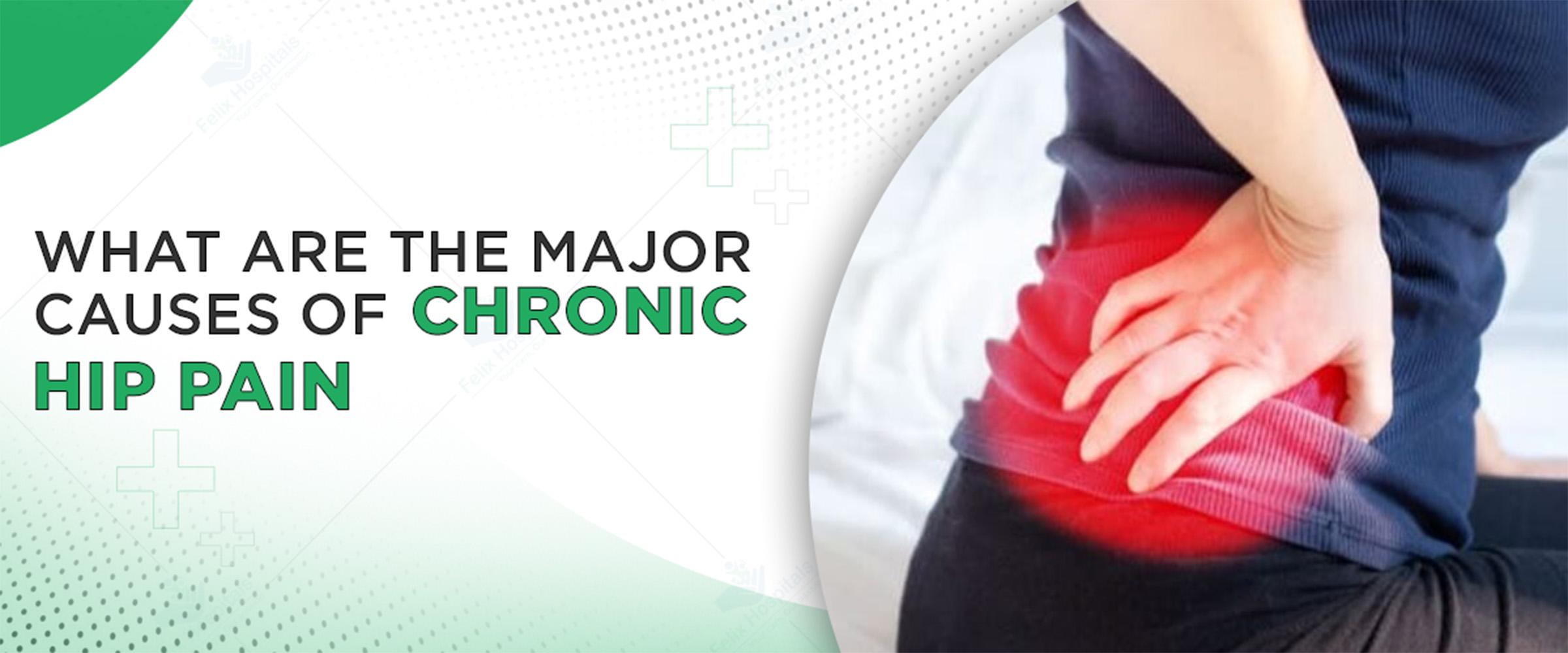
Hip pain is incredibly common, and both recent college graduates and grandparents are vulnerable.But the reason you are suffering can be harder to identify. For the correct diagnosis, the best clues are the nature of the pain and the location of the pain. An orthopedic doctor in Noida, examines common culprits of hip pain
For advanced diagnosis and treatment of hip pain in Noida, call +91 9667064100.
Hip pain is a common complaint that can be caused by a wide variety of problems. The precise location of hip pain can provide clues about the underlying cause.
Problems within the hip joint itself tend to result in being the Causes of chronic hip pain on the inside of the hip or the groin. Hip pain on the outside of the hip, upper thigh or outer buttock is usually caused by problems with muscles, ligaments, tendons and other soft tissues that surround the hip joint.
Hip pain can sometimes be caused by diseases and conditions in other areas of the body, such as the lower back. This type of pain is called referred pain.
If you feel pain in your groin area, it might be a core muscle injury, such as a strain or tear of muscles or other soft tissues in the lower abdomen.
This injury is quite common in weekend warriors — especially those who play sports involving a lot of extreme twisting and turning, but who aren't as athletically conditioned as they need to be.
Treatment: Resting the affected muscles for several weeks can help. You may also require surgery to repair the torn muscle by a general surgeon.
If it hurts on the outside of your hip, thigh and/or buttocks, you can probably blame bursitis — the inflammation of the pillow-like fluid sacs that keep tendons and muscles from rubbing directly against bone.
Though walking for a long time or climbing stairs can make it worse, bursitis usually is not associated with activity-related pain. It just hurts day to day. Even lying on that side when you sleep can make it hurt. Bursitis becomes more common as we age, and is especially prevalent in people over 60.
Treatment: At home, try resting, putting ice compresses on the area and taking anti-inflammatory and pain medications. Sometimes, your doctor may give you a cortisone injection to reduce inflammation.
If you're active, and your hip flexor (the group of muscles that lets you bring your knee and leg toward your body) or groin are tender when you touch or move them, you may have tendonitis. Straining or over-using tendons — the cords that attach the muscle to the bone — creates repeated minor injuries that eventually lead to muscular imbalances in the hip.
Treatment: Treatment options are similar to bursitis.
The labrum is the ring of cartilage that surrounds the hip socket and ensures the ball of the thighbone stays in place. When it tears — often in athletes and ballerinas — it causes pain in the hip or groin and limits movement, creating a sensation that the hip is locking, catching or clicking. This injury is common in people with anatomic abnormalities that make the hip too shallow or hips with impingement (see below), or in those who previously injured their hips.
Treatment: A type of minimally invasive surgery is used to repair the labrum and shave down the misshaped bone. This procedure corrects the hip's alignment, relieving pain and protecting the joint.
The pain you feel in your hip could actually be coming from elsewhere in your pelvis.
The pelvis contains many systems, and everything is jammed in there, close together. Sometimes, there can be confusion about where the pain is coming from. If the pain is limited to your groin and coincides with ovulation or your period, the cause could be endometriosis or uterine fibroids rather than a problem with the hip. Urological and gastrointestinal issues, such as gastroenteritis and prostate cancer, could also cause pain that's easily mistaken for a hip injury.
Treatment: Visit your primary care physician for a complete workup. Depending on the diagnosis, they may refer you to another specialist, such as a gynecologist or a gastroenterologist, for treatment.
Nho treats hip pain in many younger people who do high-intensity athletics, such as Tough Mudder races, CrossFit or barre classes. These intense activities can actually cause the hip bones to fuse in an abnormal shape and limit movement. This is called hip impingement, or femoral acetabular impingement (FAI). Not only does it hurt, but it also increases the risk of premature osteoarthritis.
Treatment: Physical therapy can help and is often the first line of treatment. Ultimately, surgery to move the hipbones to unlock them might be required.
This is a very common cause of a daily, dull pain in the hip. With osteoarthritis, your joints become stiff and swollen due to inflammation and breakdown of cartilage, causing pain and deformity. Recent studies show that osteoarthritis results when the hip bones are not formed perfectly, making them not fit together neatly. This eventually causes them to rub against each other. Being highly active — running marathons or playing high-impact sports like basketball — can increase your chances of getting osteoarthritis. Add aging, obesity or traumatic injury and the pain can become disabling.
Treatment: Along with rest, ice, steroids and over-the-counter pain and anti-inflammatory medications, more aggressive treatments include stem cell therapy and surgery, from hip resurfacing to total hip replacement.
An acute hip injury, such as a fall or sports trauma, can turn into Chronic hip pain after causes if it is not treated properly.
Previous fractures: A hip fracture that does not heal correctly can cause pain long after the initial injury. The risk of fracture-related chronic pain is higher in older adults and those with weakened bones from osteoporosis.
Labral tears: The labrum is the ring of cartilage that provides a seal for the hip socket. A fall, accident, or repetitive twisting motion can cause a tear that leads to a persistent clicking, catching, or pain in the joint.
Cartilage injury: It is possible for the joint cartilage to be injured upon trauma. If not corrected, such deformities can result in progressive joint destruction and aggravation of osteoarthritis .
Tendonitis and muscle strains: A sudden injury or too much repetitive stress can inflame the tendons and muscles surrounding the hip. Insufficient healing may result in a bothersome, long-lasting irritation and pain in hard-training people.
Weak biomechanics: Folks might change the way they walk or stand to compensate for pain after an injury. Over time, this can cause long-term stress on the hip and any other related joints in the area, resulting in chronic pain.
An accurate diagnosis is essential for successful management of chronic hip pain. Physicians frequently employ X-rays, MRIs and physical exams to pinpoint the precise source of pain.
Knowing what the root cause of hip pain is important . It can be either traumatic such as fractures, or muscle strains as well as non-traumatic ones like arthritis , tendonitis, and bursitis. Other causes are labral tears, pain from the lower back, developmental problems of the hip, and rarely, bone diseases or cancer. Where exactly you mean will, of course, vary depending on age, activity level and the location and quality of the pain.
Visit your primary care doctor if your hip pain is very severe or if it’s long-lasting. You would probably then be sent to a specialist for examination with a scope.
With the help of Felix specialists, you can get your mobility back and live without pain. Call +91 9667064100 right now.

Dr. Keshav Goel is an experienced Orthopedic and Joint Replacement Surgeon in Noida with over 10 years of clinical expertise. He has performed 2,000+ independent surgeries and specializes in computer-assisted joint replacement and arthroscopic surgeries of the knee, shoulder, and hip. Known for his skill in treating sports injuries, trauma, and joint disorders, he provides advanced and patient-focused orthopedic care.
Whether you need nonsurgical hip treatment or surgical intervention, orthopedic hospitals in Noida are dedicated to improving your hip health and overall quality of life. In Felix Hospitals the Centre of Bone and Joint care offers both conventional and modern age surgeries to restore mobility and relieve pain. Orthopedic Hospital in Noida offer innovative nonsurgical and surgical procedures to reduce pain, preserve hip functionality, and potentially delay or prevent hip replacement. Older adults experiencing fragility fractures of the pelvis need timely, dedicated care in order to address the complex needs often associated with falls.
Q1. Is hip replacement the only way to treat osteoarthritis of the hip?
Ans. Not all the time. Felix offers options like stem cell therapy, physiotherapy, and ways to keep joints from getting worse before thinking about replacement.
Q2. Does being overweight make hip pain more likely?
Ans. Yes, Too much weight puts stress on the hip joints, so Felix doctors often combine weight loss programs with orthopedic care to get better results.
Q3. Is hip pain in young people different from hip pain in older people?
Ans. Yeah Younger patients might have sports injuries or hip impingement, while older people are more likely to get arthritis and broken bones.
Q4. How does physiotherapy help with hip pain at Felix?
Ans. Physiotherapy is important for long-term relief because it strengthens muscles, increases flexibility, and relieves pressure on joints.
Learn the causes, symptoms, and treatments of hip osteoarthritis for better joint health.
Find expert tips to select the best orthopaedic hospital in Noida based on your specific medical needs, facilities, doctors, and patient care.


Subscribe to our
© Copyright 2026. All Rights Reserved by Felix Healthcare Private Limited
Design and development by :


 +(91)9667064100
 Emergency : +(91)9667064100