 WhatsApp
 Emergency:

Subscribe to our

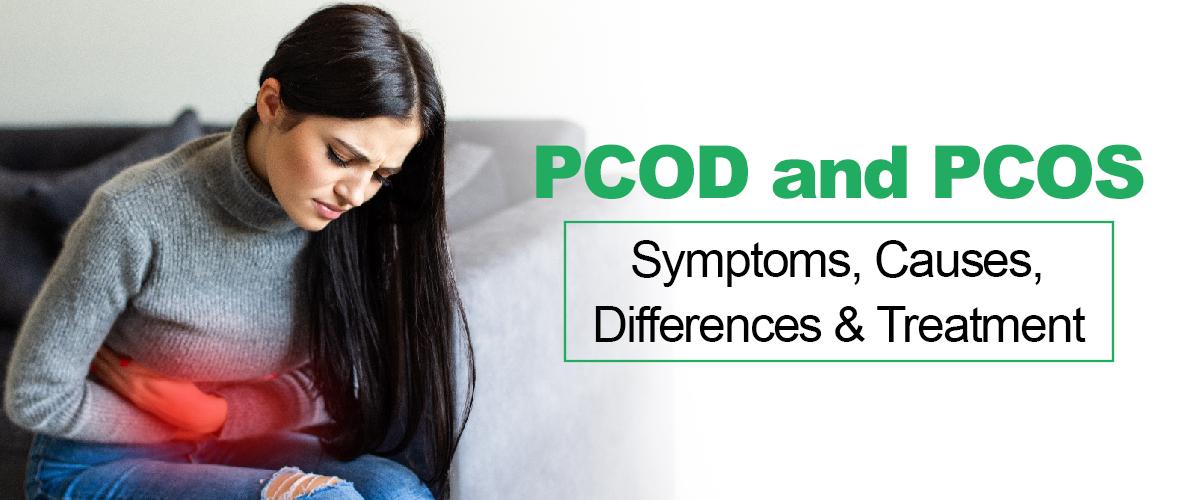
PCOS is a common hormonal condition that needs timely diagnosis and consistent care. If you are dealing with missed periods, acne, hair thinning, excessive hair growth, or fertility concerns, consulting the best PCOS doctor in Noida can help you regain hormonal balance. Experienced specialists use a patient-focused approach to understand symptoms, lifestyle factors, and long-term health goals.
Treatment for PCOS is not one size fits-all. Doctors create customized plans that may include hormonal therapy, insulin regulation, nutritional guidance, and lifestyle modification to manage symptoms effectively. The aim is to improve menstrual regularity, support fertility, and reduce future health risks such as obesity, diabetes, and cardiovascular problems. For expert consultation with the best PCOS Doctor in Noida, book your appointment now by contacting us at [email protected] or calling +(91) 96670 64100.
For expert consultation with the best PCOS Doctor in Noida, book your appointment now by contacting us at [email protected] or calling +(91) 96670 64100.
Q1. What is PCOS?
A: PCOS (Polycystic Ovary Syndrome) is a hormonal disorder that affects women of reproductive age and can cause irregular periods, weight gain, acne, and fertility issues.
Q2. What are the common symptoms of PCOS?
A: Common symptoms include irregular or missed periods, excessive facial or body hair, acne, weight gain, hair thinning, and difficulty in conceiving.
Q3. When should I consult a PCOS doctor?
A: You should see a PCOS doctor if you experience irregular periods, hormonal imbalance, fertility problems, or persistent PCOS-related symptoms.
Q4. Which doctor treats PCOS?
A: PCOS is usually treated by gynecologists, endocrinologists, or fertility specialists, depending on symptoms and treatment needs.
Q5. Can PCOS be cured permanently?
A: PCOS cannot be cured completely, but it can be effectively managed with proper treatment and lifestyle changes.
Q6. Can women with PCOS get pregnant?
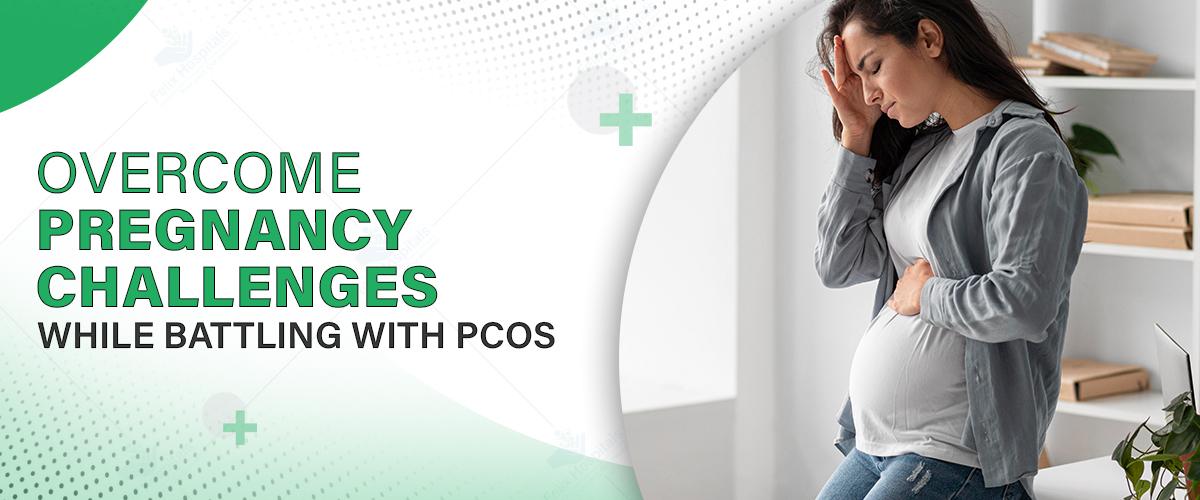
A: Yes, many women with PCOS can conceive with appropriate medical treatment, lifestyle changes, and fertility support.
Q7. Does PCOS cause weight gain?
A: Yes, hormonal imbalance and insulin resistance in PCOS can lead to weight gain in some women.
Q8. Is PCOS linked to diabetes?
A: Yes, untreated PCOS may increase the risk of insulin resistance and type 2 diabetes.
Q9. How is PCOS diagnosed?
A: PCOS is diagnosed through medical history, physical examination, blood tests, and ultrasound scans.
Q10. How can PCOS be managed long term?
A: Long-term management includes medication, healthy diet, regular exercise, weight control, and regular follow-ups with a PCOS specialist.



Subscribe to our
© Copyright 2026. All Rights Reserved by Felix Healthcare Private Limited
Design and development by :


 +(91)9667064100
 Emergency : +(91)9667064100