 WhatsApp
 Emergency:
 WhatsApp











Subscribe to our
 4.5
4.5
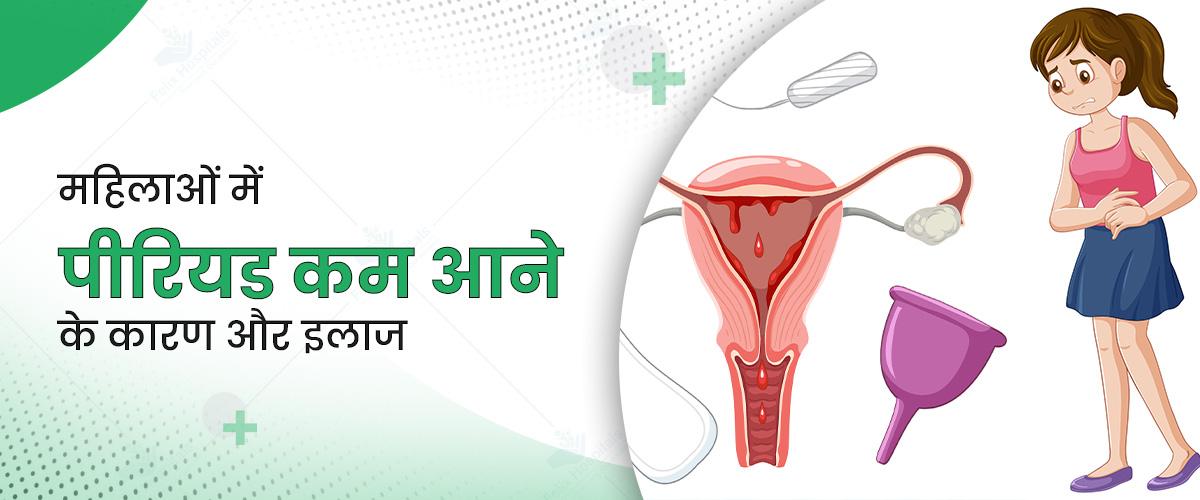
महिलाओं में मासिक धर्म का चक्र औसतन 21–35 दिन है। 3–7 दिन तक रक्तस्राव सामान्य होता है। मगर कई बार महिलाएं देखती हैं कि पीरियड की अवधि कम है, रक्तस्राव बहुत हल्का है यह एक-दो दिन में खत्म हो जाता है इसे हाइपोमेनेरिया (Hypomenorrhea) कहते हैं। पीरियड कम क्यों आते हैं इसके पीछे हार्मोनल असंतुलन, जीवनशैली, तनाव से लेकर कई मेडिकल कारण होते हैं।
अगर आप इस समस्या की जांच और सही इलाज के लिए भरोसेमंद स्त्री रोग विशेषज्ञ (Gynecologist) की तलाश कर रही हैं, तो अपने शहर के किसी मान्यता प्राप्त गायनेकोलॉजी अस्पताल में अपॉइंटमेंट लेकर पूरी जांच ज़रूर करवाएं है।
अभी अपॉइंटमेंट शेड्यूल करें – कॉल करें: +91 9667064100.
पीरियड का हल्का होना यानी मासिक रक्तस्राव का मात्रा या दिनों में कम होना, कई कारणों से होता है। यह अस्थायी और सामान्य भी होता है जैसे कि प्रेग्नेंसी के बाद, स्तनपान के दौरान या वजन में अचानक बदलाव के बाद होता है। मगर बार-बार ऐसा होना किसी हार्मोनल या संरचनात्मक समस्या का संकेत है।
हार्मोनल बदलाव में थायराइड विकार (Thyroid Disorders) पीरियड को प्रभावित करते हैं। प्रोलैक्टिन स्तर का बढ़ना और एस्ट्रोजन-प्रोजेस्टेरोन असंतुलन के कारण ओव्यूलेशन प्रभावित होता है। जिससे रक्तस्राव कम होता है।
पॉलीसिस्टिक ओवरी सिंड्रोम (PCOS) अनियमित और कम पीरियड का सबसे आम कारण है। एंडोमेट्रियल एट्रोफी में गर्भाशय की परत पतली होने से और गर्भाशय में चिपकने (Asherman’s Syndrome) से बार-बार गर्भपात या ऑपरेशन के बाद यह समस्या उत्पन्न होती है।
अत्यधिक तनाव या मानसिक दबाव, वजन में तेजी से कमी या बढ़ना तथा अत्यधिक व्यायाम या कठोर डाइटिंग भी पीरियड पर असर डालते हैं।
दवाओं और अन्य कारणों में हार्मोनल गर्भनिरोधक गोलियां या आईयूसीडी का उपयोग तथा पेरिमेनोपॉज (Perimenopause) भी पीरियड के स्वरूप को प्रभावित करते हैं।

कभी-कभी पीरियड कम होना किसी गंभीर स्त्री रोग या प्रजनन समस्या का शुरुआती संकेत होते हैं। समय पर चिकित्सकीय परामर्श लेकर उपचार के लिए लक्षण की पहचान जरूरी है।
जब मासिक धर्म के दौरान रक्तस्राव दो दिन से कम समय तक चलता है, तो इसे हाइपोमेनोरिया (Hypomenorrhea) माना जाता है। इस स्थिति में मासिक फ्लो सामान्य से काफी कम होता है। जिससे पैड बार-बार बदलने की आवश्यकता नहीं पड़ती। कई बार रक्तस्राव की जगह केवल ब्राउन रंग का डिस्चार्ज या हल्की स्पॉटिंग दिखाई देती है। जो पुराने रक्त के निकलने का संकेत होता है।
पीरियड चक्र की लंबाई में भी बदलाव देखने को मिल सकता है। यदि मासिक चक्र 21 दिन से कम का हो जाए, तो यह छोटा चक्र कहलाता है। जबकि 35 दिन से अधिक का चक्र लंबा होता है। दोनों स्थितियां हार्मोनल असंतुलन, थायरॉइड की गड़बड़ी, तनाव, वजन में अत्यधिक बदलाव या कुछ विशेष दवाओं के असर के कारण होती हैं।
पीरियड लंबे समय तक हल्के या अनियमित हैं, तो घरेलू उपायों या स्वयं-निर्धारित उपचार के बजाय अच्छे गयनेकोलॉजिस्ट विशेषज्ञ की सलाह और आवश्यक जांच कराना चाहिए।
पीरियड की नियमितता और संपूर्ण प्रजनन स्वास्थ्य बनाए रखने के लिए संतुलित जीवनशैली बेहद महत्वपूर्ण है। इसके लिए सबसे पहले आहार पर ध्यान देना जरूरी है।
रोजाना के खाने में हरी पत्तेदार सब्जियां, दालें, बीज, नट्स और साबुत अनाज शामिल करना चाहिए। यह शरीर को आवश्यक विटामिन, मिनरल्स और फाइबर प्रदान करते हैं जिससे हार्मोनल संतुलन बना रहता है।
मानसिक दबाव सीधे हार्मोनल कार्यप्रणाली को प्रभावित करता है। योग, मेडिटेशन और हल्की सैर न केवल मन को शांत करते हैं। बल्कि रक्त संचार और ऊर्जा स्तर को भी बेहतर बनाते हैं।
पर्याप्त और गहरी नींद लेने से शरीर को मरम्मत और हार्मोन संतुलन का समय मिलता है। नींद की कमी हार्मोनल असंतुलन को बढ़ाती है। शरीर को अत्यधिक थकाना भी नुकसानदायक है। इसलिए काम, व्यायाम और आराम में संतुलन बनाए रखना जरूरी है।
बहुत कम या बहुत अधिक बॉडी मास इंडेक्स (बीएमआई) हार्मोन के स्तर और ओव्यूलेशन को प्रभावित करते हैं जिससे पीरियड अनियमित होते हैं। इसलिए वजन को सामान्य सीमा में बनाए रखना फायदेमंद है।
कैफीन और जंक फूड का सेवन सीमित करना चाहिए। अधिक कैफीन हार्मोनल गतिविधि में बाधा डालता है। जंक फूड में मौजूद उच्च मात्रा में शुगर और ट्रांस फैट शरीर में सूजन और हार्मोनल गड़बड़ी को बढ़ाते हैं।
हल्के पीरियड का इलाज पूरी तरह कारण पर आधारित होता है। सही निदान के बिना इसका प्रभावी समाधान संभव नहीं है। अगर समस्या का कारण हार्मोनल असंतुलन है, तो डॉक्टर हार्मोन थेरेपी या उपयुक्त दवाएं देकर हार्मोन स्तर को संतुलित करते हैं।
थायरॉइड संबंधी समस्या होने पर थायरॉइड हार्मोन के स्तर को सामान्य करने के लिए विशेष दवाएं देते हैं। थायरॉइड का संतुलन सही होते ही मासिक धर्म का पैटर्न सामान्य होता है।
अगर पीरियड की अनियमितता का कारण पॉलीसिस्टिक ओवरी सिंड्रोम (पीसीओएस) है, तो इसका उपचार आमतौर पर वजन नियंत्रण, संतुलित डाइट और नियमित व्यायाम से शुरू होता है। डॉक्टर ओव्यूलेशन को प्रोत्साहित करने वाली दवाएं देते हैं। यह तरीका मासिक चक्र को नियमित कर प्रजनन क्षमता को बढ़ाता है।
गर्भाशय के अंदर चिपकने की स्थिति में सर्जिकल उपचार की आवश्यकता होती है। इसमें हिस्टेरोस्कोपिक एड्हीजनोलिसिस (Hysteroscopic adhesiolysis) नामक प्रक्रिया होती है। जिसमें गर्भाशय की परत में बनी चिपकन को सावधानीपूर्वक हटाया जाता है। जिससे सामान्य मासिक प्रवाह बहाल हो सके।
जीवनशैली में सुधार और सही पोषण का पालन भी बेहद जरूरी है। तनाव कम करने के लिए योग, ध्यान और पर्याप्त नींद लेना और आहार में हरी पत्तेदार सब्जियां, दालें, साबुत अनाज, बीज और नट्स शामिल करना चाहिए।
जंक फूड और अत्यधिक कैफीन से परहेज करना हार्मोनल स्वास्थ्य के लिए अच्छा है।
महिलाओं में पीरियड कम आना कई कारणों से हो सकता है, इसलिए समय रहते स्त्री रोग विशेषज्ञ से सलाह अवश्य लें। आज ही अपॉइंटमेंट बुक करें।
अगर पीरियड हल्के और अस्थायी हैं, तो अक्सर केवल जीवनशैली में सुधार और संतुलित पोषण अपनाना पर्याप्त है। नियमित व्यायाम, तनाव प्रबंधन, पर्याप्त नींद और पौष्टिक आहार से मासिक चक्र धीरे-धीरे सामान्य होता है।
हरी पत्तेदार सब्जियां, दालें, साबुत अनाज, बीज और नट्स का सेवन, साथ ही जंक फूड और अत्यधिक कैफीन से परहेज, हार्मोन संतुलन बनाए रखने में मददगार है।
अगर लक्षण लंबे समय तक बने रहें या धीरे-धीरे बढ़ते जाएं, तो केवल घरेलू उपायों पर निर्भर रहना सही नहीं है। ऐसी स्थिति में एंडोक्राइन और प्रजनन स्वास्थ्य विशेषज्ञ की देखरेख में उपचार शुरू करना जरूरी होता है। जिससे समस्या के मूल कारण की पहचान हो सके।
18–35 वर्ष की आयु की महिलाओं में पीरियड पैटर्न का सही आकलन और इसके पीछे के कारण को पहचानना प्राथमिकता होनी चाहिए। यह उम्र प्रजनन क्षमता के लिहाज से महत्वपूर्ण होती है। किसी भी हार्मोनल या संरचनात्मक समस्या का जल्दी पता लगना आगे की जटिलताओं को रोकता है।
खासतौर पर जो महिलाएं गर्भधारण की योजना बना रही हैं। उनके लिए समय रहते उचित इलाज शुरू करना बेहद जरूरी है। इससे फर्टिलिटी पर पड़ने वाले नकारात्मक प्रभाव को कम कर सकते हैं। गर्भधारण की संभावना बढ़ती है। समय पर जांच और इलाज, स्वस्थ प्रजनन जीवन की कुंजी है।
महिलाओं में पीरियड कम आने के कारण कई होते हैं। हार्मोनल बदलाव, मेडिकल स्थितियां या जीवनशैली के अलावा समय पर पहचान और सही इलाज से यह स्थिति आसानी से नियंत्रित हो सकती है। अगर आपके पीरियड लगातार कम हो रहे हैं, तो इसे नजरअंदाज नहीं करें। किसी योग्य स्त्री रोग विशेषज्ञ से जांच कराएं और उनके निर्देशों का पालन करें।
प्रश्न 1: क्या पीरियड कम आना सामान्य है?
उत्तर: कभी-कभी अस्थायी रूप से कम आना सामान्य होता है। लगातार ऐसा होना जांच की मांग करता है।
प्रश्न 2: क्या पीरियड कम होने से प्रेग्नेंसी में दिक्कत होती है?
उत्तर: अगर कारण ओव्यूलेशन या गर्भाशय की परत से जुड़ा है। तो फर्टिलिटी प्रभावित होती है।
प्रश्न 3: क्या जीवनशैली सुधार से फायदा होता है?
उत्तर: संतुलित आहार, तनाव प्रबंधन और सही वजन से कई मामलों में पीरियड सामान्य होते हैं।
प्रश्न 4: क्या सभी मामलों में दवा जरूरी है?
उत्तर: हल्के मामलों में केवल मॉनिटरिंग और लाइफस्टाइल बदलाव से भी सुधार संभव है।
पीसीओडी (PCOD) की समस्या उन महिलाओं में अधिक देखने को मिल रही है, जो नाइट शिफ्ट में काम करती हैं। पूरी रात जागना देर रात खाना जैसी लाइफस्टाइल उनकी सेहत को भारी नुकसान पहुंचा रही है।
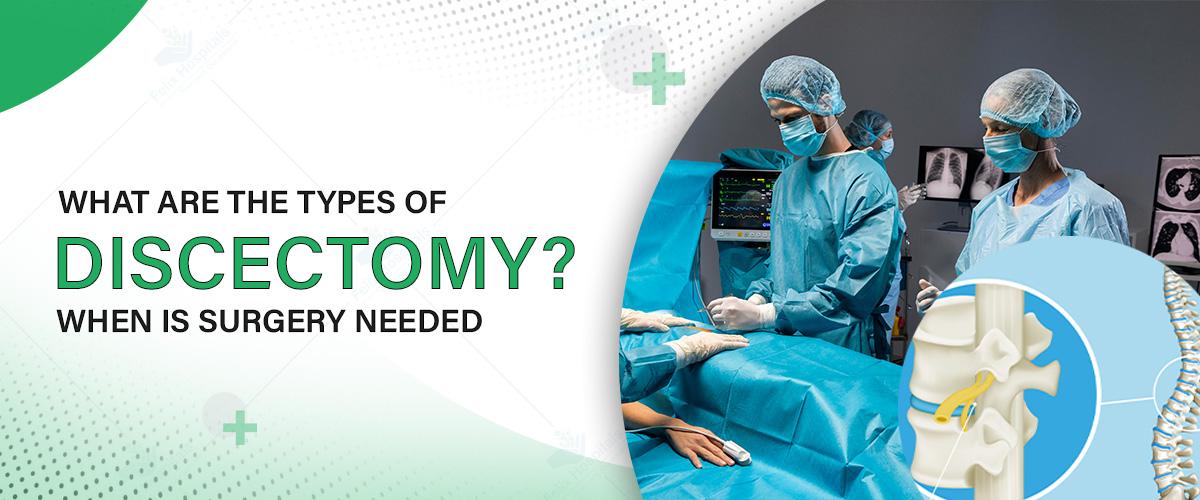
Back pain isn’t rare — most of us run into it somewhere along the way. Sometimes it’s harmless and fades after a day or two, but other times it hangs on, gets sharper, or even shoots down an arm or leg. Often, Orthopedic Doctors in Noida consider it a sign something’s going on with the spinal discs and the soft cushions between the bones in your back. If one of those discs bulges out or tears, it can press against a nerve and cause more than just an ache.
You might feel tingling, weakness, or pain that makes simple movements a chore. Many people get better with rest, therapy, or medication, but if the problem just won’t settle, surgery might be on the table. One option, called discectomy, removes the piece of the disc that’s pressing on the nerve so the pressure — and the pain — finally eases.
Call us today at +91 9667064100 and maintain your orthopedic conditions because action at the right time matters.
A discectomy is basically a surgery performed to take out the bit of a spinal disc that’s pressing on a nerve. Your spine has soft, cushion‑like discs between the bones — they help you move, bend, and absorb shocks when you walk or jump. But if one of those discs is damaged, it can bulge or tear.
The soft centre might push out and press against a nerve, and that’s when the trouble really starts. Pain shooting down a leg or arm, tingling, numbness, even weakness in certain muscles — these are all common.
The goal of the Best Neurology Hospital in Noida isn’t to remove the whole disc, just the piece causing the pressure. Freeing up that nerve usually means losing most of the pain and getting back some movement.
Not all discectomies are the same. Surgeons select the approach depending on where the issue is, how bad it is, and the general health of the patient. These are the primary types of discectomy:
The old method, a larger incision is made in the back to access and remove the diseased disc material.
Advantages: Easier recovery, less post-operative pain than with new methods.
Disadvantages: Longer recovery, executive post-operative pain and discomfort.
A lesser invasive procedure with smaller cut and utilization of a microscope.
Advantages: Less disturbance of tissue around the spinal canal, faster recovery, less scarring.
Best for: Herniated discs and sciatica.
Small skin puncture permits devices to excise disc tissue, usually under local anesthesia.
Benefits: Extremely short recovery, little postoperative pain.
Disadvantages: Not appropriate for all disc conditions.
Has used thin tube with tiny telescope (endoscope) to remove the involved disc segment through small cut.
Benefits: Extremely small incision, little bleeding, quicker return to activity.
Best for: Mild to moderate disc herniation.
A laser is utilized in decreasing or burning a portion of the disc.
Benefits: Treated as outpatient with less downtime.
Limitations: Less frequent and suitable for fewer cases only.
Surgery is never the initial choice. Most patients begin using non-surgical care, including:
Physical therapy to restore muscle strength and correct posture.
Medications such as anti-inflammatories or muscle relaxants.
Epidural steroid injections to alleviate swelling and irritation of the nerves.
If surgery must be performed, the kind of discectomy is based on:
Location of the affected disc (neck, middle back, lower back)
Size of the herniation
Your lifestyle and general health
Recovery from surgery may include:
Pain relief medication (make sure its recomended by the doctor)
Physiotherapy
Lifestyle modifications
Most people with a herniated or damaged disc get better with time, rest, and non‑surgical care. But there are certain situations where surgery — specifically, a discectomy—becomes a more sensible choice.
It’s usually considered when:
Pain won’t let up after several weeks or months of physiotherapy, medication, and other conservative treatments.
Weakness in the arms or legs is getting worse instead of better.
Numbness or tingling become constant.
Because of the nerve pressure the daily tasks like walking, standing, or even sleeping are difficult.
Serious nerve symptoms appear, such as problems controlling the bladder or bowel — in which case surgery may need to happen right away.
If you live in Noida or Delhi NCR, you should look for the best orthopaedic hospital in Noida to keep your bones in optimal condition.
Once you decide on surgery, the choice of hospital matters just as much as finding the right surgeon in Noida. A good setup can speed up recovery, while the wrong environment might make things harder than they need to be.
When you’re weighing your options, think about things like:
Does the hospital handle spine surgeries often? Surgeons, and teams, who do this regularly usually work more efficiently.
Who’s on the care team? After the lead doctor, you’ll need a skilled anesthesiologists, attentive nurses, and physiotherapists who understand spine recovery.
Is the equipment up to date? Good imaging, modern surgical tools, and setups for minimally invasive procedures can all make a difference.
Will they plan your recovery from day one? Some places send you home quickly but don’t give proper rehab support. The best ones integrate physiotherapy and follow‑ups into your care plan.
And of course — what do their patients say? Real reviews will often tell you what the marketing material leaves out.
A hospital that blends skill, technology, and genuine patient care will give you the best chance at a smooth decectomy surgery in Noida and an even smoother recovery.
Timely action can help you avoid long-term harm and increase your chances of recovering completely. Schedule an appointment by Clicking Here.

Dr. Keshav Goel is an experienced Orthopedic and Joint Replacement Surgeon in Noida with over 10 years of clinical expertise. He has performed 2,000+ independent surgeries and specializes in computer assisted joint replacement and arthroscopic surgeries of the knee, shoulder, and hip. Known for his skill in treating sports injuries, trauma, and joint disorders, he provides advanced and patient-focused orthopedic care.
A discectomy won’t be the right move for every back problem, but for some people — especially when a damaged disc just keeps pressing on a nerve — it can be life‑changing. The trick is figuring out the right timing, and making sure you’ve got the right team doing the job.
It’s not only about the operation itself. What happens before and after matters just as much. The best Neurologists In Noida will provide an accurate diagnosis, knowing the procedures inside out, and having good follow‑up care can all shape the result.
If your symptoms have been sticking around, interrupting sleep, work, or even the small day‑to‑day stuff, it’s worth acting sooner rather than later. Have that conversation with a spine specialist, get the tests you need, and look at all your choices at an affordable cost in Noida. With the right plan, a good surgeon, and proper aftercare, you’ve got a far better shot at getting your movement back — and leaving the constant pain behind.
Q1. Is discectomy a permanent solution to back pain?
Ans: Not necessarily — it takes out the disc element that is putting pressure on the nerve, but other spinal problems can develop later.
Q2. How soon can I walk after discectomy?
Ans: Most patients are allowed to walk the same day or in 24 hours, depending on the surgical method.
Q3. Will I lose mobility since part of my disc is being removed?
Ans: No — most recover the use of their limbs, and a few even feel more flexible when the pain has disappeared.
Q4. How long will I be out of work?
Ans:It depends — office work might get back to normal in 2–4 weeks, while heavy work might take 6–12 weeks.
Q5. Will I be under general anesthesia?
Ans: The majority of discectomies involve general anesthesia, although some minimally invasive ones can be done with local and sedation.
Q6. How painful is recovery?
Ans: Pain is generally mild to moderate following surgery and gets better within days to weeks, medication controls it.
Spinal stenosis surgery is needed when severe pain, weakness, or numbness persists despite non-surgical treatment and affects daily activities.
A spinal cord injury occurs when there is damage to the spinal cord, often resulting from trauma, disease, or degenerative conditions.
Orthognathic surgery corrects jaw alignment, improving both facial appearance and oral function.
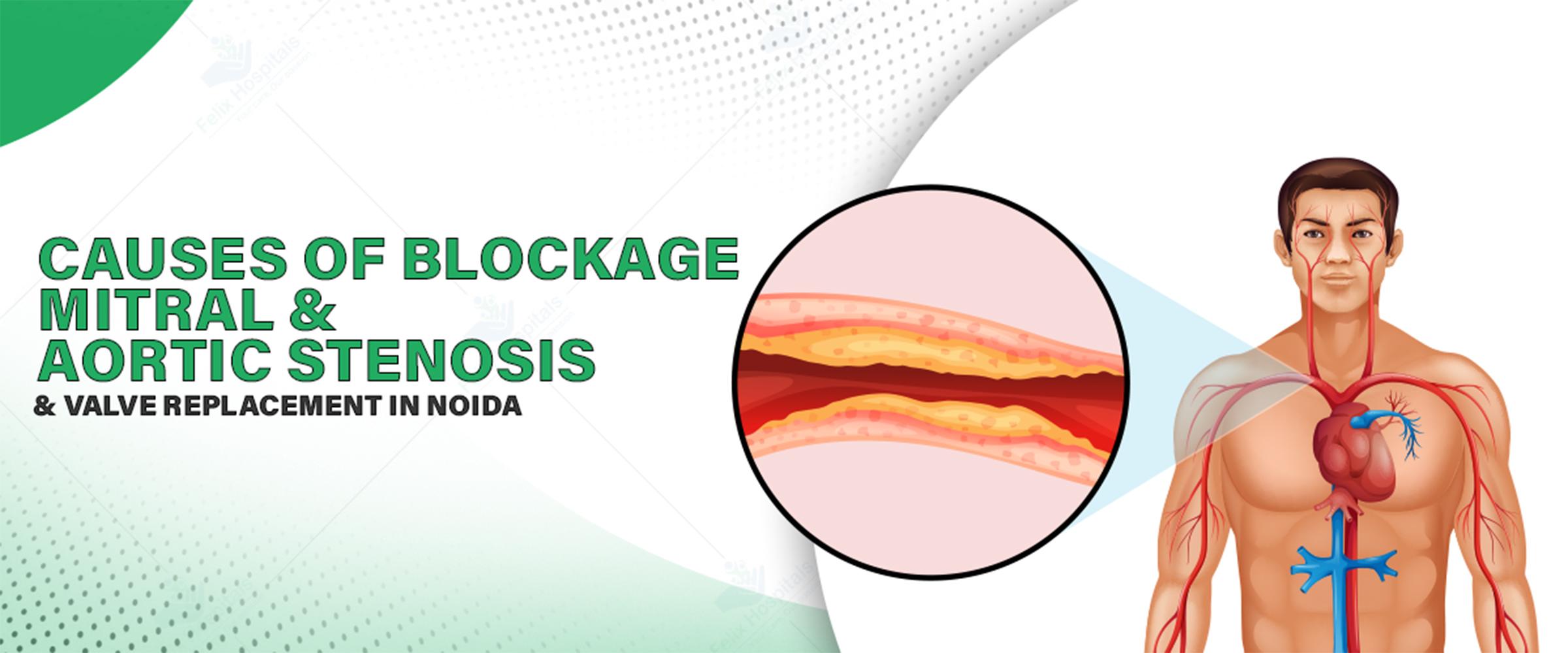
Heart valve diseases, especially mitral and aortic stenosis, are very bad for the heart and can make life much harder for people. These problems happen when the heart valves get smaller, which makes it harder for blood to flow through the heart and to the rest of the body. If you don't get treatment in time, they can cause problems like heart failure, stroke, or even death. Fortunately, patients can now get their hearts back to normal and live healthier lives thanks to advanced treatments like Valve Replacement in Noida. If you want to find the best cardiology hospital in Noida, you should know what these conditions are and how they are treated.
Your heart needs expert care. Call our cardiologists at +91 9667064100.
Heart valves control the flow of blood between the heart's chambers and into the big arteries. Mitral and aortic stenosis are conditions that cause the mitral and aortic valves to narrow (or become blocked), which stops them from fully opening and slows blood flow.
There are a number of conditions that can cause blockage. These are the most common causes of blockage (mitral and aortic stenosis):
Rheumatic fever is one of the main reasons for valve stenosis, especially in developing countries. It happens when the body's immune system mistakenly attacks the heart valves after a streptococcal infection (like strep throat) that wasn't treated or wasn't treated well. Over time, this makes the valves scarred and smaller, which causes stenosis.
Some people are born with heart valves that don't work right. A common birth defect that raises the risk of aortic stenosis as a person gets older is a bicuspid aortic valve, which only has two leaflets instead of three.
Calcium deposits can build up on the mitral and aortic valves as people get older, making them less flexible and stiff. Older people often have this condition, which can eventually lead to very narrow spaces.
Endocarditis (an infection of the heart valves), radiation therapy to the chest, lupus, metabolic disorders, and some medications are less common causes.
The signs and symptoms of mitral and aortic stenosis usually get worse over time and can include:
Breathlessness, especially when moving around
Tiredness or weakness
Pain or tightness in the chest
Irregular heartbeat or palpitations
Swelling in the feet and ankles
Feeling dizzy or fainting
Coughing, which may include blood
If any of these symptoms don't go away, you need to see a heart specialist right away.
For treatment to work, you need to get the right diagnosis. Doctors might suggest a number of tests, such as:
Ultrasound of the heart (echocardiogram)
Electrocardiogram (ECG) to find arrhythmias
X-ray of the chest to check the size of the heart
Cardiac catheterization measure pressure and take pictures of valves
Early diagnosis allows for quick action, which lowers the risk of problems.
When stenosis gets bad enough that it affects daily life, Valve Replacement in Noida is the only option. This surgery replaces a damaged or narrowed valve with a fake or biological one to get blood flow back to normal.
Made from strong materials like titanium or carbon
Last a long time, but you have to take blood thinners for the rest of your life to keep clots from forming.
Made from tissue from cows or humans
Don't usually need long-term anticoagulation
Could wear out over time and need to be replaced later
The cardiologist will tell you what kind of valve to use based on a number of things, such as the patient's age, lifestyle, medical history, and the type of valve they recommend.
The time it takes to heal can depend on how the surgery was done:
You will need to stay in the hospital for 5 to 7 days after open-heart valve replacement and be fully healed in 6 to 8 weeks. Transcatheter or minimally invasive valve replacement (TAVR/TMVR) means shorter hospital stays and faster recovery, usually in 2–3 weeks.
Felix Hospital is a well-known name in cardiac care when it comes to valve replacement in Noida. The hospital has the best infrastructure, the best cardiologists, and the newest diagnostic and surgical technologies. Felix is known for putting patients first, which means that each treatment plan is made to fit the specific health needs of the person. Their cardiac surgery team is an expert in both traditional and minimally invasive valve replacement procedures. This means that patients have the best possible outcomes with less risk and faster recovery times. Patients and their families always praise Felix Hospital for its caring staff, clear communication, and excellent medical knowledge.
Patients must make lifestyle changes and have regular follow-ups after a successful Valve Replacement in Noida to make sure the procedure works in the long term. This includes:
Regular check-ups with a cardiologist
Taking the right amount of medicine as directed
Staying active (as your doctor says you should)
Not smoking and drinking
Eating a heart-healthy diet that is low in salt and fat
People with mechanical valves will also need to get checked regularly to make sure they are taking the right amount of blood thinner.
Not all cases of valve stenosis can be avoided, but the following steps can help lower your risk:
Treat throat infections right away to stop rheumatic fever.
Take care of long-term health problems like diabetes and high blood pressure.
Keep your body moving and your weight in check.
Don't smoke and learn how to deal with stress.
Get your heart checked out regularly, especially if you have a family history of heart disease.
Finding your heart valve problems early can save lives. Call +91 9667064100 to schedule your appointment.
Blockage (mitral and aortic stenosis) can happen because of many reasons, such as infections, changes that happen with age, or heart defects that are present at birth. It's very important to know the signs to get treatment right away and avoid serious problems.
Valve Replacement in Noida is a safe and effective way to restore proper heart function thanks to advances in medical technology.
Finding the right hospital is very important .If you have early signs or advanced stages of valve disease, make sure that patients in Noida get the best possible cardiac care by experienced specialists and offering full care.
Q1. If I have diabetes or high blood pressure, can I still get valve replacement surgery?
Ans: Yes, patients with these conditions can safely have the procedure done if they get the right medical care.
Q2. How can I tell if I need a new valve or just medicine?
Ans: Your cardiologist can only make that decision after tests like an echocardiogram or cardiac cath.
Q3. When can I go back to work after getting a new valve?
Ans: You might be able to go back to work in 3 to 8 weeks after getting the all-clear, depending on your job and how you recover
Q4. Does Felix Hospital let people get second opinions on valve surgery?
Ans: Yes, expert cardiologists at Felix give second opinions after doing a full diagnostic review.
Q5. After getting a new valve, do I need a pacemaker?
Ans: Not all the time. It depends on how the heart acts after surgery, but not all patients may need one.

Aortic valve stenosis is a serious heart condition that occurs when the aortic valve narrows, making it difficult for the heart to pump blood effectively.
Spinal stenosis surgery is needed when severe pain, weakness, or numbness persists despite non-surgical treatment and affects daily activities.
Aortic valve stenosis is a serious heart condition that occurs when the aortic valve narrows, making it difficult for the heart to pump blood effectively.

Heart disease is still a major worldwide health issue, impacting millions of individuals annually. Heart valve surgery is one of the most sophisticated procedures today, a surgical intervention aimed at repairing defective or diseased heart valves. Irrespective of whether due to congenital abnormalities, infections, or degenerative processes, heart valve malfunction can significantly impair your heart's ability to pump blood in the normal direction.
If you are experiencing such a situation, you might be wondering if such a procedure is within your reach. Finding the optimal treatment and the proper location is vital, and that generally begins by looking for a credible heart valve surgery hospital in Greater Noida.
Planning surgery? Don't delay. Early treatment can avert complications. Book an appointment today by calling +91 9667064100.
Heart valve surgery is done to replace one or all of the four heart valves, i.e., the aortic, mitral, tricuspid, and pulmonary valves. These valves are responsible for maintaining the direction of flow of blood in the right direction in the heart. If a valve is defective, then serious complications like heart failure, stroke, or blood clots can develop.
They are divided into two main groups:
Valve repair surgery: Done to correct defects in the valve structure or function without its removal.
Surgery for heart valve replacement: The procedure for removing the dysfunctional valve and implanting a mechanical or biological valve.
Both are part and parcel of successful Heart Disease Treatment in case medicine or lifestyle changes are not sufficient.
Not all persons with a valve disease of the heart require surgery. It is usually indicated if:
The valve is seriously damaged.
Shortness of breath, fatigue, and pain in the chest increase.
The risk of heart failure or other complications increases.
If you are experiencing any of these symptoms, it is essential that you consult the Best Cardiologist in Greater Noida to determine if surgery is the best option for you.
Some of the most common warning signs that could lead to the need for heart valve surgery include:
Difficulty breathing while doing everyday activities
Swelling in your ankles, feet, or belly
Unexplained weight gain
Chest pain or pressure
Fainting or lightheadedness
Heart palpitations or irregular heartbeats
These symptoms indicate that your heart might not be functioning properly and that you might need valve treatment.
Before recommending surgery, your cardiologist will perform several tests:
Echocardiogram: Gives a detailed picture of blood flow and heart valves
Cardiac MRI or CT scan: Offers a 3D view of heart structures
Electrocardiogram (ECG): Records the heart's electrical activity
Cardiac catheterization: Helps to assess pressure and blood flow in the heart
Your general health, age, and individual valve condition will also determine your suitability for surgery.
You may be a suitable candidate for heart valve surgery if:
Your condition is deteriorating even with medication
The valve stenosis or regurgitation is severe
You have symptoms affecting quality of life on a daily basis
Meeting with the renowned cardiology surgeon in Greater Noida will assist in deciding on the proper procedure and timing for your case.
Several diseases can weaken the heart valves, such as:
Congenital heart defects: Valve problems at birth
Rheumatic fever: A complication of strep throat when left untreated
Endocarditis: inflammation of the heart lining
Degenerative valve disease: Age related wear and tear
Bicuspid aortic valve: A frequent genetic flaw
Every condition is different in how it affects the valve and may require either heart valve repair surgery or heart valve replacement surgery as part of overall heart disease treatment.
Choosing heart valve surgery is a serious decision. The below are important things to keep in mind:
Severity of symptoms: Are your symptoms restricting your activity or comfort?
Valve condition: Is the damage reversible or progressive?
Surgical risks: Is there any other medical condition that poses a risk?
Recovery expectations: Will surgery improve your long term health and wellbeing?
A personalized conversation with your heart care team can resolve these matters.
One needs to consult a cardiologist or a cardiac surgeon to be able to make an informed choice. They can weigh the pros and cons based on:
Your test and diagnosis outcomes
Presenting symptoms
Lifestyle and objectives
Alternatives to surgery
If in doubt, a second opinion might offer reconfirmation and a clear directions. Don't wait to pose the questions needed to protect your heart health.
If you suffer from heart valve complications, prompt action can determine your fate. Schedule an appointment today and find out what your heart needs in real life.
Heart valve surgery may be a life-changing procedure for the majority of patients with moderate to severe valve defects. With proper information and a skilled medical team, the decision to have heart valve repair surgery or heart valve replacement surgery becomes a whole lot simpler.
Look at your symptoms, listen to your body, and always consult specialists for the best advice. Still confused? Discover your alternatives by learning about the cost of heart valve replacement in Noida and making an informed choice towards a healthy life.
Q1. Is the heart valve surgery painful?
Ans: No, the operation itself is done while you're under anesthetic, so you won't experience pain, you will experience mild discomfort after.
Q2. How long will I be in the hospital after having surgery?
Ans: Usually, 5 to 7 days depending upon the procedure and how well you heal.
Q3. Can I live normally after having heart valve surgery?
Ans: Yes, the majority of patients resume normal activities and live a quality life after complete recovery.
Q4. Can you become pregnant after heart valve surgery?
Ans: It depends on your condition and the valve type—consult with your cardiologist about family planning.

Best heart hospital in Noida for bypass surgery at affordable prices with expert cardiac surgeons, advanced facilities, and quality patient care for better recovery.
Understand the essentials of heart valve replacement surgery, including the different types of procedures, what to expect during recovery, and how to choose the best treatment options.

The monsoon season rejuvenates our environment, transforming dusty roads into green tracks and providing a much-needed respite from the sweltering summer heat. But with the beauty of rain comes an increase in disease—in particular, waterborne diseases such as diarrhea. Kids are particularly prone at this time of year, as dirty water, faulty sanitation, and weakened immunity can soon convert a trifling upset stomach into a serious disease.
Preventing monsoon diarrhea is not a complicated proposition—simple hygiene, nutritional prudence, and prompt medical care. When families want reliable treatment during flu season, selecting the best pediatric hospital in Greater Noida that offers specialty pediatric diagnostics and treatment facilities is important.
This step-by-step guide will take you through everything you should know to protect your children from diarrhea—from learning what diarrhea is, how to prevent it, and when you should go for treatment, to treating at home and understanding the cost factor of treatment.
If your child is experiencing symptoms such as excessive fatigue, loose stools, dry mouth, or decreased urination, don't delay. Contact us now at +91 9667064100.
Diarrhea is defined by the presence of loose, watery stools or frequent bowel movements—three or more times daily. Although it is perhaps a slight nuisance, in children, it can quickly progress to dehydration, electrolyte imbalance, and even hospitalization in severe instances.
The most common causes are:
Viruses – like rotavirus or norovirus, which are particularly prevalent in children.
Bacteria – such as E. coli, Shigella, or Salmonella, which tend to be spread via contaminated food and water.
Parasites – such as Giardia lamblia, which infects the intestines and is commonly transmitted through dirty water supply.
During monsoon, these organisms thrive due to waterlogging, inadequate drainage systems, and contamination of drinking water sources. Kids are more prone as their immune system is still under development and they place hands or objects in their mouths more often.
The good news? Diarrhea is largely preventable. Below are some of the most effective and practical steps to avoid this illness during the rainy season.
Boil drinking water for at least 1–2 minutes and store it in clean, covered containers.
Install a reliable purifier (RO + UV) at home and get it serviced before monsoon.
Carry a portable water filter when travelling.
Avoid consuming street beverages, including juices, sugarcane juice, and cold drinks with ice made from unfiltered water.
Eat freshly prepared, home-cooked food—avoid leftovers when possible.
Say no to street-side food stalls during the rainy season, especially those selling items like chaats, pakoras, or fruit salads.
Wash raw produce thoroughly with purified water before consumption.
Use separate cutting boards for raw and cooked items to avoid cross-contamination.
Steer clear of dairy products if not kept refrigerated, since spoilage is prevalent in warm weather.
Make sure repeated handwashing with soap and water—particularly before meals, upon leaving the bathroom, or engaging in outdoor play.
If soap is not present, use alcohol-based hand antiseptics (60% or higher).
Trim nails and discourage nail sucking among children.
Teach children not to touch faces, particularly following contact with moist surfaces.
A robust immune system is your child's key protection. Ensure to:
Include probiotic foods such as curd, kefir, and self-cooked fermented foods.
Include zinc foods such as pumpkin seeds, chickpeas, and eggs.
Include fruits in season in peeled and washed form—such as bananas, apples, and papayas.
Provide soups, herbal teas, and warm liquids for aiding digestion.
Get advice from the best pediatric surgeon in Greater Noida on this immunity-booster supplement like multivitamins, iron, or vitamin D.
Sanitize storage tanks, bottles, and jugs on a weekly basis.
Disinfect water containers with a solution of water and vinegar or mild bleach.
Do not collect rainwater unless you are equipped with a filtered system.
Do not allow rainwater to stagnate in your neighborhood or yard.
Cover and scrub toilets, bathrooms, and drains regularly.
Employ disinfectant sprays in wet places to prevent fungal and bacterial growth.
Educate children to use the toilet hygienically and eliminate tissues correctly.
Parents seeking to determine appropriate monsoon diets or supplements may also seek advice from the best pediatrician nearby for a customized health plan based on their child's requirements.
Although most diarrhea is self-limiting, do not dismiss some red flag warning signs for seeking medical care:
Dry mouth, dry lips, or no tears when crying
Fever over 102°F, particularly with chills and vomiting
Blood or mucus in the stool
Persistent vomiting or inability to hold fluids down
Symptoms of severe exhaustion or unresponsiveness
No voiding for the last 6–8 hours
A trained pediatric team is able to diagnose the severity by physical examination and lab tests, i.e., stool exam, blood test, dehydration checkup. Early treatment with IV fluids, probiotics, or antibiotics (in case of bacteria) will help in a smooth recovery.
If symptoms are not severe, adopt these home management steps:
Combine 6 level teaspoons of sugar and ½ teaspoon of salt in 1 liter of clean drinking water. Give your child small sips at intervals of every few minutes.
Plain rice
Mashed bananas
Boiled potatoes
Moong dal soup
Plain toast or khichdi
Do not give raw fruits, dairy products (except yogurt), fried foods, or spicy foods.
Curd, probiotic sachets or drinks aid the replenishment of destroyed gut flora during illness.
Observe frequency of stools and urine. Use a simple chart to track progress.
Immediate washing of dirty clothes is essential. Add disinfectant in washing and change sheets daily to avoid reinfection.
The child can feel irritable or weak after diarrhea. Keep them warm, rested, and comforted.
Schedule an appointment today with the leading pediatric hospital in Greater Noida to ensure your child receives expert treatment and a swift recovery.
Monsoon season is a happy time, but only if treated with care. Diarrhea can be harmless looking at first, but in children, it can run out of control rapidly. With adequate prevention, hygienic practices, and access to reliable medical practitioners, it can be treated well.
If medical intervention is required, be sure to ask about the cost of diarrhea in Noida to get full transparency before treatment begins. Remember, investing in health now saves much more in the long run.
Let’s keep the rains joyful and the children healthy. Be proactive, stay informed, and place your trust in pediatric care that caters to your family's needs.
Q1. Can monsoon diarrhea be viral or bacterial?
Ans: Yes, both occur frequently. Viral diarrhea occurs more often and is self-limiting, whereas bacterial forms (such as E. coli or Salmonella) may necessitate antibiotics.
Q2. Why does my child's diarrhea recur despite recovery?
Ans: Reinfection might occur from contaminated food or water, poor hygiene, or unsuccessful treatment. A pediatric specialist should be consulted for repeated cases.
Q3. Will consuming ORS every day prevent diarrhea?
Ans: No. ORS is a remedy, not prevention. It should be used only in periods of illness or recovery.
Q4. How much does it cost to treat diarrhea in Greater Noida on average?
Ans: Fees can differ depending on the severity—outpatient consultation, tests, medication, or hospital stay. Most hospitals will give an estimate beforehand.

Looking for reliable treatment for diarrhea in Noida? Discover top-rated clinics and hospitals offering expert gastroenterology care, accurate diagnosis, and fast relief. Get treated by trusted specialists using modern techniques and patient-first approac

Wondering why you're suddenly facing diarrhea in Noida? Learn the key differences between food poisoning and infections, their symptoms, and how to manage them effectively.

Learn effective ways to prevent diarrhea during the monsoon season by following simple hygiene, dietary, and lifestyle practices to stay healthy.

Keep your eyes healthy and safe from infections and discomfort with these expert recommendations.
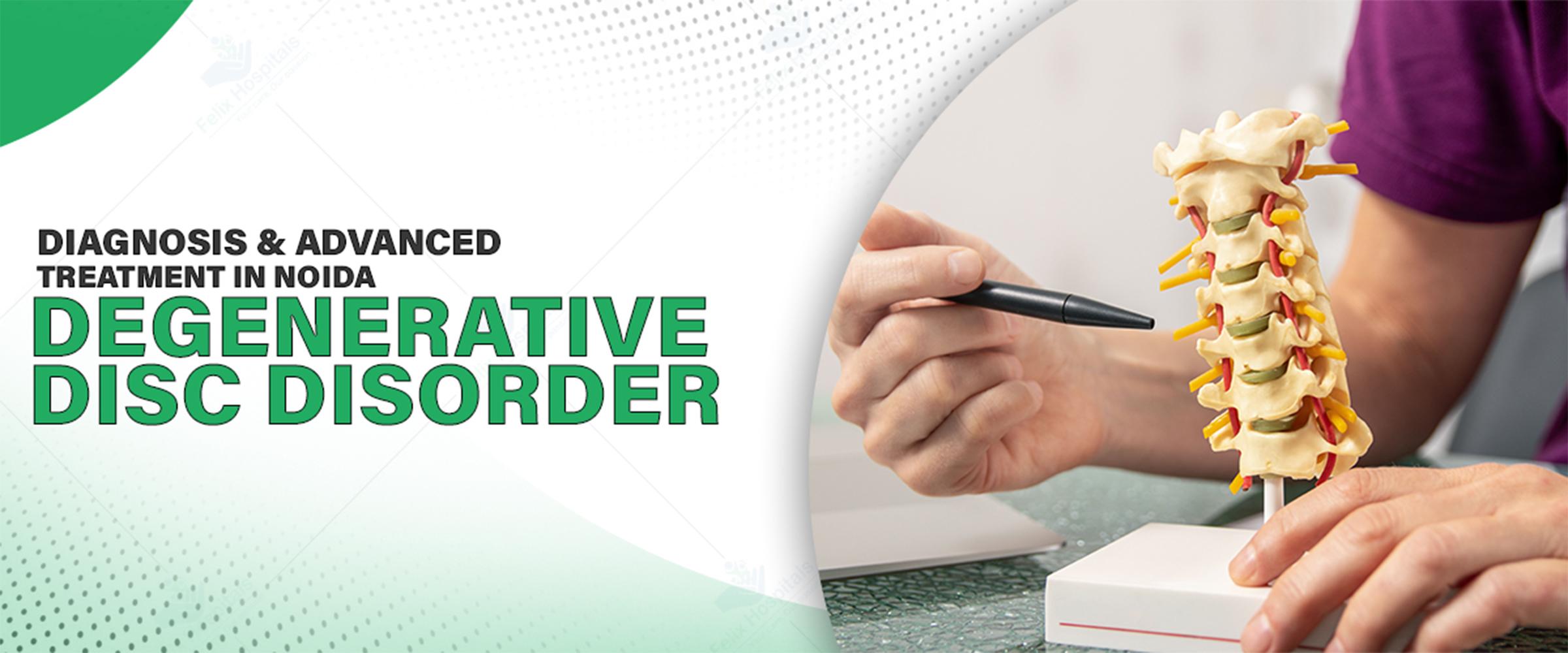
People often complain about back and neck pain these days, and it's often because of a condition called Degenerative Disc Disorder (DDD). A lot of adults over 40 have this condition. If you have chronic back pain, stiffness, or trouble moving, it might be time to see a spine specialist doctor near me for a correct diagnosis and good treatment. Fortunately, people can get treatment at the best Neurosurgery hospital in Noida. This hospital offers both basic and advanced treatments that are tailored to each patient's needs.
Make an appointment at +91 9667064100 to get your mobility back and live without pain.
Degenerative Disc Disorder is an Intervertebral Disc Disease in which the soft, cushion-like discs between your spine's vertebrae start to break down because of age, injury, or repeated stress. These discs act like shock absorbers, giving your spine flexibility and movement. Over time, they may lose water, elasticity, and structural integrity, which can cause pain and other problems with the spine.
As the discs get worse, they may not be able to cushion the vertebrae enough, which can make them rub against each other. The friction can cause things like:
Back and neck pain that comes and goes or can also lasts for a long time
Tingling or numbness in the arms and legs
Less flexibility
Pain that spreads when you move
Weakness in the muscles
If you don't treat Degenerative Disc Disorder it can get worse and cause problems with your spine, like spinal stenosis, herniated discs, or spondylolisthesis.
Different parts of the spine can degenerate:
The most common type is lumbar DDD, which usually affects the L4-L5 or L5-S1 discs.
Cervical DDD (neck) makes it hard to move around by making your neck stiff, give you headaches, and hurt your shoulders.
Multilevel DDD affects more than one part of the spine and is common in older people or people who have had spine problems for a long time.
Knowing the stages of degeneration can help you find the right treatment:
Dysfunction: Early wear and tear, which can be uncomfortable but not too bad.
Dehydration: Discs loses water which makes them less flexible.
Stabilisation: The spine tries to stay stable, which can lead to bone growths and nerve compression.
Collapse: A serious condition in which the vertebrae may touch, causing long-term pain and limited movement.
For effective treatment, it is very important to diagnose disc problems quickly and correctly. At a specialised clinic or hospital, the process of making a diagnosis includes:
Medical History and Physical Exam: Doctors look for problems with movement, neurological symptoms, and muscle strength.
X-rays show that the disc space is getting smaller and that there are bone spurs.
MRI (Magnetic Resonance Imaging) gives you clear pictures of soft tissue, showing things like disc degeneration, herniations, or nerve compression.
CT scans give very clear pictures of bone structures.
Discography: This is when dye is injected into a disc to find the source of pain.
These tests help figure out how bad the disorder is and what the best treatments are for disc degeneration.
Once the diagnosis is confirmed, treatment plans are made based on the patient's age, the severity of the condition, and their way of life. There are both surgical and non-surgical options for treating Intervertebral Disc Disease.
Physical Therapy: The goal of therapy is to strengthen the muscles that support the spine and core to lessen pain and improve flexibility.
NSAIDs, such as ibuprofen, lower inflammation.
Muscle relaxants help stop spasms.
Steroids and neuromodulators can help with pain that comes from nerves.
Steroid Injections: Injections near the affected nerves or joints that are targeted reduce swelling and give short-term relief.
Radiofrequency Neurotomy: This method uses heat to block pain signals from getting to the brain. It is not very invasive.
Spine surgery in Noida is an option if non-invasive treatments don't work. Some of the methods are:
Discectomy: In this the parts of the disc that are damaged are removed to relieve pressure on the nerves.
Foraminotomy and laminectomy - These surgeries that take out bone or tissue that is putting pressure on nerves.
Spinal fusion - In this surgery two or more vertebrae are connected to make the spine more stable and get rid of pain that comes from moving.
Disc Replacement Surgery: Replaces worn-out discs with fake ones to keep movement and ease pain.
These surgeries, done by skilled surgeons with cutting-edge tools, can greatly improve mobility and quality of life.
The price of treating disc disorder in Noida depends on the method used:
Consultation and diagnosis: ₹2,000 to ₹8,000
Physical therapy sessions cost between ₹1,000 and ₹2,500 each.
Steroid shots cost between ₹15,000 and ₹30,000 each time.
The cost of spinal surgery ranges from ₹1,50,000 to ₹4,00,000, depending on the type and how hard it is.
Daily habits also affect recovery, even though professional treatment is important:
Swimming, walking, or biking are all low-impact exercises that help keep your spine strong without putting too much strain on it.
Stretching and yoga can help you stand up straighter and ease stiffness.
Alternating between hot and cold packs helps with pain and swelling.
Felix Hospital is a great place to go for spine and neurosurgery care because they take a whole-person approach to treatment. Felix has a team of neurologists, orthopaedists, and spine surgeons who work together to provide personalised care using the latest diagnostic tools and surgical methods. They are a popular choice for disc-related problems because of their modern facilities, patient-first approach, and clear billing. Felix makes sure that you are safe, comfortable, and get good results at every step, whether you are thinking about non-invasive treatment or advanced spine surgery in Noida.
Call +91 9667064100 for expert help with degenerative disc disorder.
Degenerative Disc Disorder is a condition that gets worse over time but can be managed. People can live an active, pain-free life if they get diagnosed early, make changes to their lifestyle, and get expert medical care. Noida is now home to some of the best medical centres in the country, which offer full care from diagnosis to rehabilitation. You can get help with anything from finding the best Neurologists in Noida to figuring out how much it costs to treat a disc disorder in Noida. Taking action right away not only stops problems from getting worse, but it also helps you get your health and mobility back.
Q1. Can I get rid of Degenerative Disc Disorder, or will I have to live with it forever?
Ans: There is no cure for DDD, but the right treatment and changes to your lifestyle can help you deal with its symptoms.
Q2. How can I tell if my back pain is really Degenerative Disc Disorder?
Ans: If your back pain lasts for weeks and gets worse when you move, you should see a spine specialist for a proper diagnosis.
Q3. Is it possible for me to avoid surgery if I have Degenerative Disc Disorder?
Ans: Yes, many cases get better with physical therapy, medications, and other non-surgical methods. Surgery is only an option if these don't work.
Q4. How long should I try treatments that don't involve surgery before thinking about surgery?
Ans: Doctors usually suggest at least 6 to 12 weeks of conservative treatment unless the symptoms are very bad or getting worse.
Q5. After spine surgery for Degenerative Disc Disorder, will I be able to walk or work out?
Ans: Most patients get their mobility back after surgery and can start doing light exercise again within a few weeks, depending on the type of surgery and how well they heal.

Spinal cord injury is one of the most serious injuries one can have. The damages can be permanent if not treated on time.

Orthopedics is a specialized branch that takes care of your musculoskeletal problems related to joints, bones, muscles, spine, ligaments, and tissues.
When the health of your child is concerned, nothing matters more than selecting the right pediatrician. A good and experienced child specialist can do miracles in providing proper growth, development, and timely treatment for any health issue. With the abundance of Child Health Services in Noida, it is all the more crucial to make an informed decision. Whether you have just moved to the city or are simply seeking an upgrade, knowing how to select the best pediatrician can simplify your parenting life.
The best children's hospital in Noida is not merely filled with amenities for children, state of the art diagnostic equipment, and caring doctors. It is about discovering a pediatrician who understands your child and whom you can trust.
Schedule an appointment today for expert pediatric service and support your child's healthy future. Call us today at +91 9667064100.
Choosing a pediatrician is not a health choice—it's a family choice. Your child's long term partner in his or her path to wellness, from infancy through adolescence, will be a child specialist. For most parents, this is a daunting experience, particularly when there are so many options for Noida Pediatric Healthcare to choose from.
Here's a speedy guide to assist you in simplifying your search:
Think about your healthcare philosophy and parenting approach.
Think long term: this will be a long term relationship.
Ask for suggestions from parents in Noida.
Visit some clinics or hospitals to observe the surroundings.
If you are unsure as to where you should start, the following useful tips can help your way:
Begin with Research: Use online reviews, social media, and parenting forums to obtain genuine feedback. Search for the Best Pediatrician In Noida and compile names with positive reviews over and over.
Visit the Clinic: Look at the cleanliness, staff attitude, and child friendliness of the clinic.
Check Accessibility: Is the clinic within easy reach from where you are? Are the appointments easy for you?
Emergency Support: Ask if the pediatrician has an on call or emergency access schedule.
Experience and Specialization: Choose an individual with a lot of experience in Pediatric Care Noida and specialized knowledge of your child's needs (e.g., allergies, nutrition, or developmental milestones).
Some important things must be remembered when choosing the proper pediatrician:
Qualifications and Certifications: Ensure the doctor is qualified and certified in pediatrics.
Communication Skills: Your child should be at ease and listened to during visits. The pediatrician should explain everything to parents too patiently.
Availability of Child Health Services in Noida: Ensure that the hospital or clinic provides a range of services including vaccinations, growth monitoring, emergency visits, and developmental screenings.
Technological Support: Newer diagnosis machines and electronic health records can enhance the quality of care.
Clean and Safe Environment: Paediatric care must be conducted in an antiseptic, comforting environment.
When you meet a pediatrician for the first time, pay attention to the following:
How they engage with your child: Does your child feel at ease or is he/she anxious?
How they speak to you: Are they answering your questions clearly and in depth?
The treatment from the doctor: Are they busy with preventive care or just treating illnesses of your child?
Openly raise your question: A good pediatrician values parental intuition.
Connection and Comfort: the pediatrician must be someone you trust to handle any health concern.
So let's sum up what is most crucial when you are searching for a Pediatrician Near Me in Noida
Search for hospitals or clinics handling Noida Pediatric Healthcare.
See to it that the center offers extensive Child Health Services in Noida, like regular checkups, immunization, growth monitoring, and nutrition assessment.
Read testimonials online or between groups from parents.
Choose a center that provides emergency care and follow ups.
Assess the temperament of the pediatrician—they must be both knowledgeable and empathetic.
Among all the healthcare centers that exist, the top hospital in Noida has to offer more than mere pediatrics. It has to:
Sophisticated newborn and children's care facilities
Round the clock emergency pediatric care
Well trained and experienced pediatric staff
Comprehensive development and behavioral treatment plans
Tailored treatment for every child, including those with long term or complicated conditions
Such an environment not only ensures adequate care but also peace of mind for parents. Pediatricians here are well-versed in local health trends, seasonal patterns of diseases, and up to date practices in pediatric health.
Give your child the best care possible. Schedule a consultation with a pediatric specialist today.
Choosing the best pediatrician in Noida is a key decision that will determine the health trajectory of your child. With the proliferation of Pediatric Care in Noida and the growing number of specialist Child Health Services in Noida, choosing the most appropriate one for you is easier. Choose a pediatrician that is qualified but also understands the different needs of your child. Whether looking for the Best paediatrician in Noida or the Pediatrician Near Me in Noida, always seek expertise and compassion. Trust your feeling and don't feel shy from asking any type of questions. After all, your child warrants nothing but the best beginning in life.
Felix Hospital — Best best pediatrician in noida, delivering specialized pediatric care for newborns, infants, and children with compassion and excellence.
Q1. How frequently do children actually need check-ups?
Ans: It varies depending on age. The first year usually involves quite a few visits—think 1, 2, 4, 6 months, and so on. After that, you can expect annual check-ups unless something specific comes up.
Q2. Can I talk to a pediatrician online?
Ans: Absolutely. A lot of pediatricians in Noida now offer virtual consults for smaller concerns. It’s convenient when you don’t necessarily need to rush to a clinic.
Q3. What makes a pediatrician feel “right” for my child?
Ans: Honestly, it’s about comfort and trust. The right pediatrician will make both you and your child feel heard, won’t rush you, and will explain things in a way that doesn’t feel overwhelming.
Q4. What if my child doesn’t seem to like our current doctor?
Ans: Don’t ignore it. Kids pick up on things adults sometimes miss. If your child seems uneasy, it’s worth trying someone else—it’s important they feel safe.
Q5. Do all pediatricians give vaccinations?
Ans: Most do. But it’s worth confirming. You’ll want someone who follows the recommended immunization schedule and can guide you through it clearly.

Pediatric rheumatology focuses on diagnosing and treating autoimmune and inflammatory disorders affecting children’s joints, muscles, and connective tissues.

At Felix Hospitals, our team of best pediatricians in Noida specializes in diagnosing and treating UTIs in children with care and precision.

Childhood is an important period in which lifelong habits are formed, making it an ideal time to introduce lifestyle interference that can promote long-term health and well-being.

Given the life pace today, increasingly women are opting for delayed motherhood for medical, personal, or professional reasons. While such a decision empowers women to take charge of their future, it also poses serious issues related to fertility. Fertility preservation is a medical intervention that enables women to preserve their fertility for the future. For people looking for women fertility treatment, it is crucial to understand the optimally appropriate treatment options. The best gynecology hospital in Noida provides specialist treatment and access to cutting-edge fertility preservation methods that can enable parenthood at the right time.
Call Felix Hospital at +91 9667064100 to plan your future family with confidence.
Fertility preservation is a medical intervention that safeguards a woman's future ability to have biological children. It involves the retrieval and preservation of the reproductive material—e.g., eggs, embryos, or ovarian tissue—so that they can be used later. The fertility preservation procedure is recommended for women who are being treated with chemotherapy or radiation, as well as for women who might have to delay childbearing for career or personal reasons.
There are several reasons a woman may choose to undergo fertility preservation:
With the progression of age, the number and quality of eggs in women drop considerably, especially after 35 years of age. Egg banking at a younger age enhances the possibilities of conception at an older age.
Conditions such as cancer, autoimmune conditions, and advanced endometriosis are likely to call for treatments that can damage fertility. Treatments like surgery or chemotherapy can permanently affect reproductive capabilities.
The majority of women prefer to delay pregnancy for career goals, financial readiness, or failing to find the appropriate partner.
This is one of the most popular and reliable women fertility treatment techniques practiced nowadays. It involves hormonal stimulation of the ovaries to produce more than one egg. These eggs are extracted and frozen for later use. It is ideal for women who are not ready now to have a child but would want to have a child in the future.
Embryo freezing is best suited for women with a partner or with donor sperm. Eggs are taken out, fertilized with sperm to create embryos, and frozen. This is even more likely to be successful than egg freezing.
This is a more recent technique of fertility preservation in which part of the ovarian tissue is removed through surgery, stored in a frozen condition, and re-planted afterward. It is most effective in young girls or women who need urgent medical attention and cannot afford to wait for egg harvesting.
When you visit a fertility center in Noida, the first thing is normally a fertility test. This could include:
Hormonal blood work to assess ovarian reserve
Transvaginal ultrasound to assess ovarian health
Your medical history and treatment goal disclosure
These examinations establish the best preservation method and prepare you for the procedure.
Though fertility preservation is secure, there are certain risks to be considered:
Stimulation of the ovaries may result in hormonal imbalance and, in certain cases, ovarian hyperstimulation syndrome (OHSS)
Complications of surgery such as infection, bleeding, or damage to adjacent organs
Multiple births, premature delivery, or low birth weight in the case of using assisted reproductive techniques
But with appropriate medical advice, it can be avoided. It is always advisable to visit a best gynecologist in Noida and find out about the individual risks and benefits.
Age: Fertility preservation is optimal at a younger age when the quality of the eggs is higher.
Health Condition: Depending on whether you are receiving emergency care (e.g., cancer treatment), some of them are better than others.
Partner Status: Sperm is needed for embryo freezing but not for egg freezing.
Ethical or Religious Beliefs: Some individuals opt for egg freezing over embryo freezing based on ethical or religious beliefs.
When you are ready to become a parent, you can thaw the frozen embryos or eggs and use them by in vitro fertilization (IVF). Success will be based on:
Your age at the time of freezing
The cleanliness of the frozen material
Your general health
One of the treatments for fertility preservation in Noida is usually continuous care during pregnancy and conception.
Noida fertility preservation cost will differ based on the technique and the clinic selected. On average:
Egg freezing may range from ₹80,000 to ₹1,50,000 per cycle
Embryo freezing charges additional storage and fertilization fees
Freezing of ovarian tissue is more specialized and may be more costly
It is important to select a Noida fertility center that is open about their charges, and also provides financial counseling.
Felix Hospital is a name that can be trusted with fertility preservation treatment in Noida. Felix has a highly skilled team of gynecologists and reproductive medicine specialists who provide empathetic and personalized attention. The hospital is equipped with advanced IVF labs and fertility preservation centers, and the high success rates are testimony to the quality of care. Their quality pricing and patient-focused care are the reasons why women trust Felix with reproductive health care in the area.
Whether you are undergoing cancer treatment or planning for future parenthood, Felix offers best consultations in women fertility treatment with a focus on your comfort, safety, and well-being.
Call +91 9667064100 today to talk about your reproductive health.
Fertility preservation is a source of hope and flexibility for those women who wish to maintain their childbearing potential in the future. With the help of advanced technology and highly qualified care, women can make well-informed decisions according to their health, personal ambitions, and life circumstances. If you are about to undergo fertility preservation, consult the best gynecologist in Noida to choose the best route for you. With the growing need for fertility preservation procedure, timely action and expert advice can prove to be a turning point in your reproductive life. Whether egg freezing, embryo storage, or ovarian tissue preservation, knowing your choices today is taking command of your tomorrow.
Q1. When should I think about freezing my eggs if I want to wait to get pregnant?
Ans: Before 35 is best, since the quality and number of eggs goes down with age.
Q2. How long can you safely keep frozen embryos or eggs?
Ans: They can be stored safely for 10 to 15 years without losing their ability to grow.
Q3. Will keeping my fertility affect my hormones or my current menstrual cycle?
Ans: There may be temporary changes in hormones, but your natural cycle will start up again soon after the process.
Q4. Can I still freeze my eggs if I have endometriosis or PCOS?
Ans: Yes, but your treatment may be changed according to your condition to make it safer and more effective.
Q5. Is it possible to get counselling before making a decision about preserving fertility?
Ans: Yes, for sure. Felix Hospital offers counselling to help you make a decision that is right for you and free of stress.
Turner Syndrome can impact fertility and reproductive health, causing challenges with ovarian function, hormone production, and pregnancy for affected women.

Understand the primary causes of infertility in men and women. Learn about the medical, lifestyle, and hormonal factors that may affect your ability to conceive.


Subscribe to our
© Copyright 2026. All Rights Reserved by Felix Healthcare Private Limited
Design and development by :


 +(91)9667064100
 Emergency : +(91)9667064100