 WhatsApp
 Emergency:
  WhatsApp









Subscribe to our
यदि आप किसी भी प्रकार के फंगल इन्फेक्शन का अनुभव कर रहे हैं, तो आपके लिए डॉ. कुसुम गुप्ता और डॉ. सौरभ भाटिया जैसे विशेषज्ञ डॉक्टरों से परामर्श लेना अत्यंत महत्वपूर्ण है।
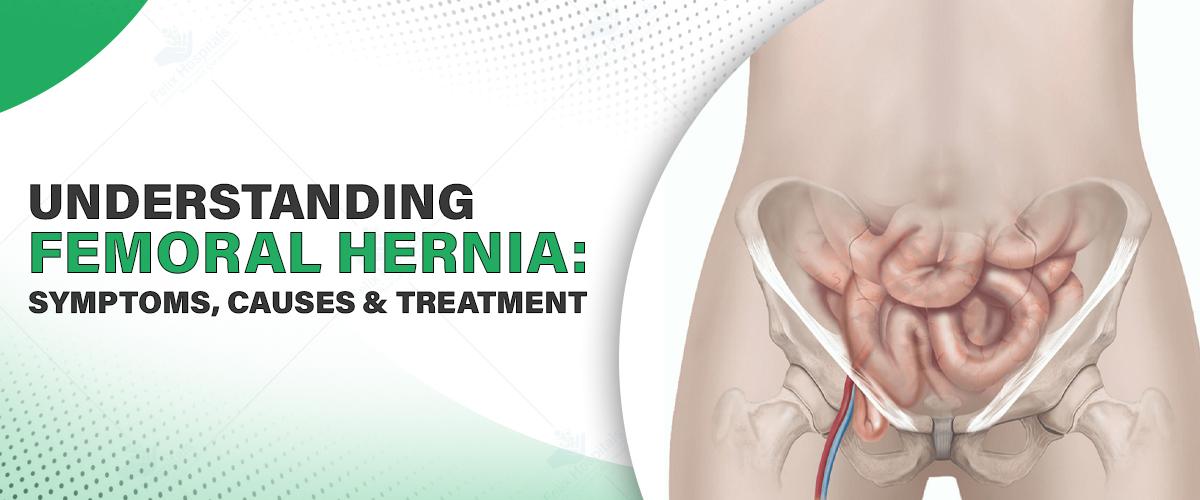
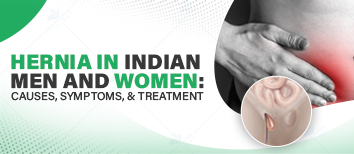
A femoral hernia is one of the less common types of hernia but can be extremely dangerous if left untreated. It is when a piece of intestine or fat protrudes through a thin spot in the lower part of the abdominal wall and into the femoral canal — a small tube just above the top thigh just below the inguinal ligament. It is more common in women than in men and often may not be diagnosed until complications arise.
Even though femoral hernias are less frequent than inguinal hernias, because of their location and susceptibility to complications, they need early diagnosis and early treatment. The best general surgery hospital in Noida can operate on them early enough to avert severe health consequences such as hernia content strangulation.
The femoral canal is found in the upper thigh, below the crease of the groin. It contains small blood vessels, lymph vessels, and nerves. Tissue from the abdomen protruding into the canal causes a femoral hernia. The swelling can be perceived or felt, which usually occurs on standing, coughing, or straining, and may disappear when lying down.
Although femoral hernias are uncommon, their small neck makes the hernia more likely to become trapped (incarcerated) or have its blood supply compromised (strangulated), both of which are emergencies.

In some cases, such a femoral hernia is so small that it never produces symptoms to be noted and only presents on physical examination. When symptoms do occur, though, they may be:
A bulge on the upper thigh or groin, below the inguinal ligament level.
Pain or tenderness in the lower abdomen, groin, or thigh, that worsens with activity, standing for an extended period, or heavy lifting.
Nausea and vomiting, particularly if the hernia is incarcerated or strangulated.
Abrupt stabbing pain in the groin region, which may indicate a medical emergency.
Alteration of bowel habit or inability to pass flatus in complete obstruction.
Symptoms can also aggravate with straining activities that lead to pressure in the abdomen, such as coughing, sneezing, or straining while having bowel movements. Any recurring groin swelling or pain should be evaluated by a hernia specialist in Noida or your local surgeon immediately.
The femoral hernias are caused by protruding tissue of the abdomen through a weakened portion of the lower abdominal wall into the femoral canal. The cause of the weakness or increased abdominal pressure is:
Some people are born with a predisposition to hernias due to weaker connective tissue or because the femoral canal does not close during embryonic development.
These states have the potential to weaken abdominal muscles and increase intra-abdominal pressure.
Typically secondary to lung disease due to smoking, asthma, or chronic respiratory disease.
Straining of the abdominal wall from excess weight predisposes to hernias.
Repeated heavy lifting in an unnatural way can raise pressure in the abdomen.
Straining on the bowel movement puts strain on the lower abdomen.
Long-term dialysis can increasingly weaken core muscles.
While both men and women are prone to femoral hernias, they happen more in women because of their wider pelvis and their body shape.
A femoral hernia is risky when part of the intestine is trapped in the femoral canal. It can lead to:
Incarcerated Hernia – Hernia cannot be manually pushed back into the abdominal cavity, leading to possible pain and discomfort.
Strangulated Hernia – The blood supply to the herniated tissue is cut off and tissue death follows. This is an emergency and needs to be operated on immediately.
If not treated early, a strangulated femoral hernia can cause a severe infection, sepsis, or even death.
Diagnosis of a femoral hernia is usually preceded by a history and physical examination. The physician will look for a bulge in the thigh or groin and can have the patient cough or sneeze, which will cause the hernia to be more pronounced.
Other diagnostic equipment may include:
Ultrasound – A painless, harmless imaging technique that can identify hernias and distinguish them from other swellings.
CT Scan – Provides clear images of the abdominal wall and helps make the diagnosis.
MRI – Used where higher accuracy is desired in imaging or other conditions should be ruled out.
The examinations also help differentiate a femoral hernia from other conditions such as swollen lymph nodes, femoral artery aneurysm, hydrocele, or inguinal hernia. Hernia Surgery Cost is more affordable if the diagnosis is done at the early stages
The Top Femoral Hernia Surgeon in Noida chooses operative repair for treatment of femoral hernia is operative repair. Repair of a femoral hernia is almost always indicated because of the very high risk of incarceration and strangulation.
In open surgery, the hernia site is incised over, the protruding tissue is returned to its original place in the body, and the site is supported by sutures and possibly a mesh implant to avoid recurrence of the hernia.
It is a minimally invasive procedure where a few small incisions are made through which a tool and camera are passed. The hernia is repaired from the inside, potentially with mesh. It has the benefits of less post-op pain, quick recovery, and smaller scars.
If strangulated, it requires immediate surgery to re-establish blood supply and prevent tissue loss. The affected parts of the intestine can be resected in this case.
The decision to go for open surgery or laparoscopy is based on hernia size, the health of the patient, and the experience of the surgeon. An expert femoral hernia surgeon in Noida will advise the best approach.
Affordable Hernia Surgery Hospital in Noida depends upon the type of surgery done for femoral hernia.
Recovery is based on the type of surgery done and the overall health of the patient. Most patients get well within 1–2 weeks and can go back to light activities, but they should not lift anything heavy or work out vigorously for weeks. The surgeon's post-surgery routine needs to be followed to prevent recurrence.
Control of pain, dressing, and proper wound care, and gradual return to regular activities constitute an important component of convalescence.
While all femoral hernias are not preventable, some lifestyle changes do lower risk:
Maintain a healthy weight to reduce pressure on the abdomen
Lift heavy weights with proper form, letting your legs provide the power, not your abs or your back
Treat chronic cough early
Treat constipation with a diet high in fiber and proper hydration
Add core-strengthening exercises to assist the abdominal muscles These techniques can also be applied to prevent recurrence following surgery.
For advanced treatment, Felix Hospitals provides end-to-end hernia treatment with Hernia Specialist in Noida. Equipped with the latest diagnostic equipment, minimally invasive techniques, and patient-centric care, Felix provides every patient with personalized treatment. Felix has long experience in managing routine and complex cases of hernia and thus is a safe destination for individuals worried about hernia surgery cost without sacrificing safety, accuracy, and long-term outcomes.
A femoral hernia might be less frequent than other hernias, but it poses greater danger of serious complications if not treated, including bowel strangulation or obstruction. Early recognition of symptoms—the most important of which is a painful swelling in the upper thigh or groin is the most important factor for receiving immediate medical care. The most effective cure remains surgery, which relieves pain and averts potentially life threatening complications. Individuals can safeguard their health and have a quicker, safer recovery by remaining vigilant about risk factors, leading a healthy lifestyle, and seeing an expert as soon as there is a problem.
Q1. Does being pregnant make it more likely that I will get a femoral hernia?
Ans: Yes, pregnancy puts more pressure on the abdomen and can make the abdominal muscles weaker, both of which can lead to a femoral hernia.
Q2. How long after femoral hernia surgery can I go back to work?
Ans: You can go back to light work in two weeks for many people, but this depends on what kind of surgery you had and what your job needs.
Q3. If problems come up, can Felix Hospital handle emergency femoral hernia cases?
Ans: Felix Hospital has emergency services available 24 hours a day, seven days a week, and experienced surgeons are on call to deal with urgent femoral hernia complications that need immediate surgery.
Q4. Does Felix Hospital offer complete packages that cover all aspects of femoral hernia treatment?
Ans: Felix Hospital has clear prices and full care packages that include an evaluation before surgery, the surgery itself, and follow-up care after surgery, all without any hidden fees.
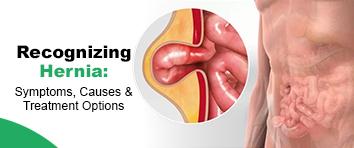
A hernia typically occurs due to a combination of muscle weakness and strain. This can happen from factors such as aging, injury, heavy lifting, chronic coughing, or conditions like pregnancy and obesity.
Understand the factors influencing inguinal hernia surgery costs in Noida, from hospital type to surgeon expertise, and make an informed healthcare decision.
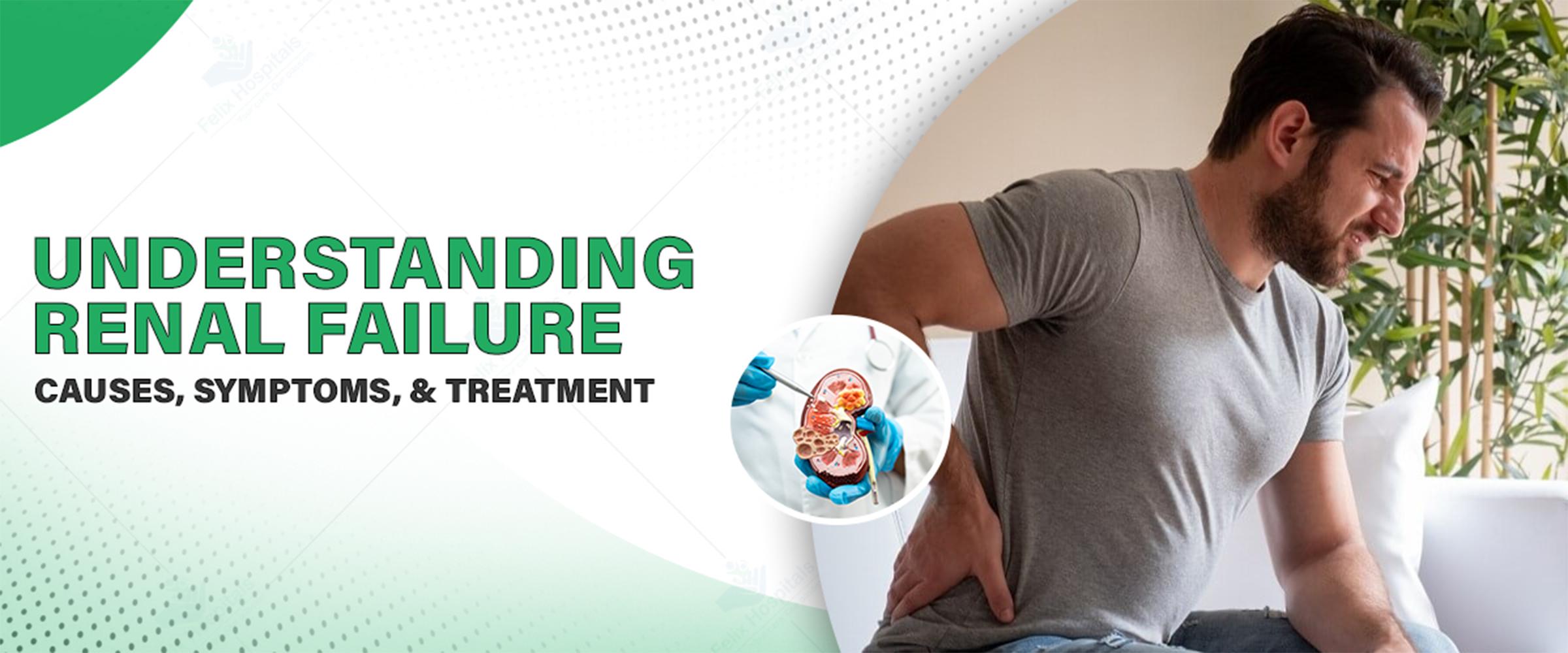
Kidney function is one of the foundations of good health, and it is not typically valued until something goes wrong. Acute or chronic renal failure, or kidney failure, is a severe disease in which the kidneys lose their ability to clear waste and control fluid and electrolyte balance in a normal manner. It can occur suddenly (acute kidney failure) or gradually over years (chronic kidney failure). Unless it is diagnosed and treated early, the disease can lead to life-threatening complications.
If you want to avail the best Nephrologist in Greater Noida or want to know about your kidney failure treatment cost options, this guide will take you through the reasons, symptoms, diagnostic processes, and treatment options for renal failure. For better treatment, the best Nephrology hospital in Greater Noida provides the best treatment according to the requirement of every patient.
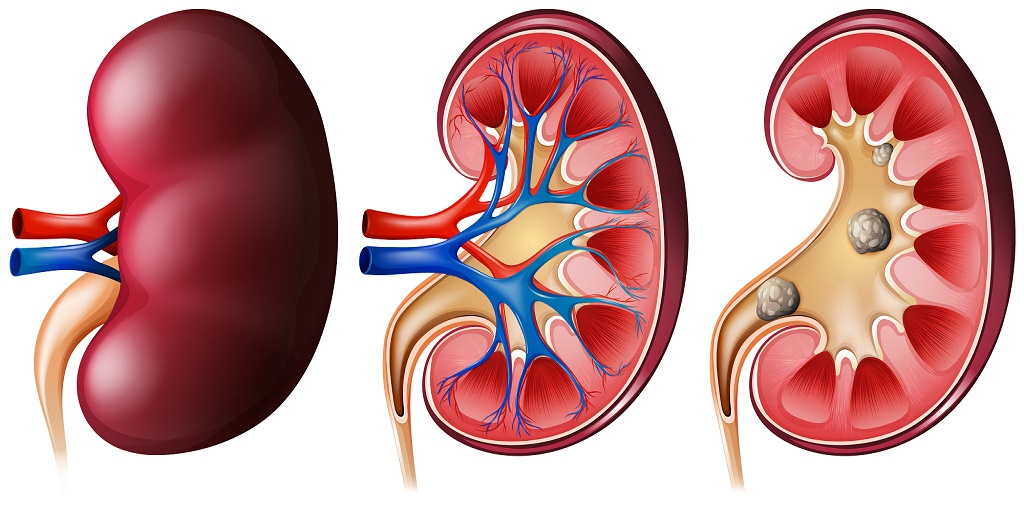
Your kidneys are two bean-shaped organs in the lower back on either side of the vertebrae. One of their key roles is to filter waste products, excess water, and toxins from the blood and excrete them in the urine. They also regulate blood pressure, the production of red blood cells, and levels of electrolytes.
Kidney failure ensues when these organs lose the ability to perform these functions. Depending on etiology, this may happen suddenly (acute renal failure) or after a few months or years (chronic kidney disease with end-stage renal failure).
Acute Kidney Failure: It develops within hours or days, typically because of severe dehydration, certain medications, obstruction of the urinary tract, or sudden loss of blood to the kidneys.
Chronic Kidney Failure: It progresses slowly, often as a consequence of long-standing diseases like diabetes mellitus, hypertension, or chronic kidney infection. It can ultimately lead to end-stage renal disease (ESRD), which is treated with dialysis or transplant.
Although anyone can acquire kidney issues, some things greatly increase the risk. The most common reasons are:
Diabetes Mellitus – Continuously high blood glucose levels ruin the sensitive filtering structures of the kidneys.
Hypertension – Chronic high blood pressure puts constant pressure on blood vessels, such as renal vessels.
Polycystic Kidney Disease (PKD) – A genetic disease leading to the formation of cysts filled with fluid within the kidneys.
Glomerulonephritis – Inflammation of the filtering structures of the kidney, typically due to autoimmune disorders or infection.
Autoimmune Diseases – Lupus can lead to inflammation and damage in kidney tissue.
Urinary Tract Obstruction – Secondary to kidney stones, prostate enlargement, or tumors.
Severe Dehydration or Shock – Can cause sudden and extreme damage to the kidneys.
You may be at higher risk for kidney failure if you:
There is a family history of kidney disease
Are above the age of 60
Have diabetes or hypertension
Take nonsteroidal anti-inflammatory drugs (NSAIDs) frequently
In its early stages, kidney failure will not have any noticeable symptoms. Conversely, in its later stages, symptoms may be:
Chronic fatigue and weakness
Swelling of the face, hands, or feet (edema)
Nausea, vomiting, or loss of appetite
Changes in the urination pattern (more or less frequent)
Muscle twitching and cramping
Trouble focusing or confusion
Dry, pruritic skin
Metallic taste in the mouth
If you notice these signs, you need to get medical attention from the Best kidney specialist near me before the condition gets out of hand.

Unless controlled, kidney failure can lead to:
High blood pressure
Accumulation of fluid in the lungs (pulmonary edema)
Heart disease
Weakened bones due to imbalanced minerals
Severe anemia
Life-threatening electrolyte disturbances
A proper and immediate diagnosis is needed for effective treatment. Best Nephrology hospital in Greater Noida will generally perform the following tests:
Blood Tests – To test creatinine, blood urea nitrogen (BUN), and estimated glomerular filtration rate (eGFR), a measure of the function of the kidneys.
Urine Tests – To detect abnormalities such as protein, blood, or infection.
Imaging Tests – Ultrasound, CT scans, or MRI to observe kidney structure and detect blockage, cysts, or tumors.
Kidney Biopsy – In some cases, a small sample of kidney tissue is taken for microscopic examination to identify the reason for damage.
Though chronic kidney failure cannot be cured, its development can be delayed, symptoms can be managed, and quality of life improved with treatment.
ACE inhibitors/ARBs – Help maintain blood pressure and prevent loss of protein through the urine.
Diuretics – Remove excess water and reduce swelling.
Erythropoietin-stimulating agents – Increase red blood cell counts to manage anemia.
Phosphate binders & Vitamin D supplements – Prevent bone disease.
Statins – Control cholesterol levels to reduce cardiovascular risks.
Dialysis replaces a portion of kidney function when it fails entirely.
Hemodialysis – A filter machine cleans your blood a few times a week at a dialysis center or hospital.
Peritoneal Dialysis – A special cleansing liquid runs through the belly to remove waste products and can be given at home.
A surgical procedure whereby a donor's good kidney replaces the non-functioning kidney. While it offers the most similar substitute for functioning kidneys, it requires lifelong medications to prevent rejection.
Low-potassium, low-sodium diet
Proper hydration
Daily physical activity
Avoiding excessive use of painkillers or NSAIDs
Management of uncomplicated conditions like diabetes and hypertension
Kidney failure treatment cost depends on the type of treatment the patient needs depending upon the condition of the renal failure.
While it is impossible to avoid all causes of kidney failure, you can reduce your risk by:
Blood glucose and blood pressure control
Sustaining hydration
Prevention of excessive intake of renal toxic drugs
Eating a nutritious diet with little processed foods
Routine kidney function tests if at risk
Among specialized kidney care, Felix Hospitals is renowned for its patient-centric services and state-of-the-art medical facilities. With well-equipped diagnostic centers, modern dialysis units, and highly qualified nephrologists .Felix guarantees precise diagnosis and customized treatment plans. The hospital's renal care specialists take care not just of medical management but also of long-term well-being. Through the blending of warm care and latest technology, Felix has gained patients' confidence for dependable and effective kidney care in the area.
With early diagnosis and adequate management, the majority of patients have good quality of life and survival despite renal failure. Dialysis and transplantation can greatly improve the quality of life and survival. Monitoring, close adherence to treatment regimens, and lifestyle modification are the keys.
If discovered in a timely manner, kidney failure is a curable condition. Knowing the symptoms, gaining an understanding of the causes, and obtaining timely medical assistance from the best Nephrologist in Greater Noida can be the deciding factor in the outcome of the situation. In the event that you require therapy you need to discover the cost of renal failure treatment, swift action and experienced nephrologists will help you in living a life that is both healthier and more active at the same time.
Q1: Am I still at risk for kidney failure if I have diabetes but my blood sugar is normal now?
Ans: Yes, having high blood sugar levels for a long time can hurt your kidneys, and diabetes is still the main cause of kidney failure, even if you are currently controlling it well.
Q2: Will I automatically be put on the kidney transplant waiting list if I start dialysis?
Ans: Transplant evaluation is different from starting dialysis and depends on your overall health, age, and ability to handle surgery. Not all people on dialysis are candidates for transplant.
Q3: Can kidney failure cause heart problems?
Ans: Yes, kidney failure can cause fluid to build up, which raises blood pressure and puts strain on the heart. It can also cause electrolyte imbalances that change the heart's rhythm.
In Noida hospitals, recognized for being among the best heart health hospitals in Noida, are at the forefront of offering critical care for heart-related issues.
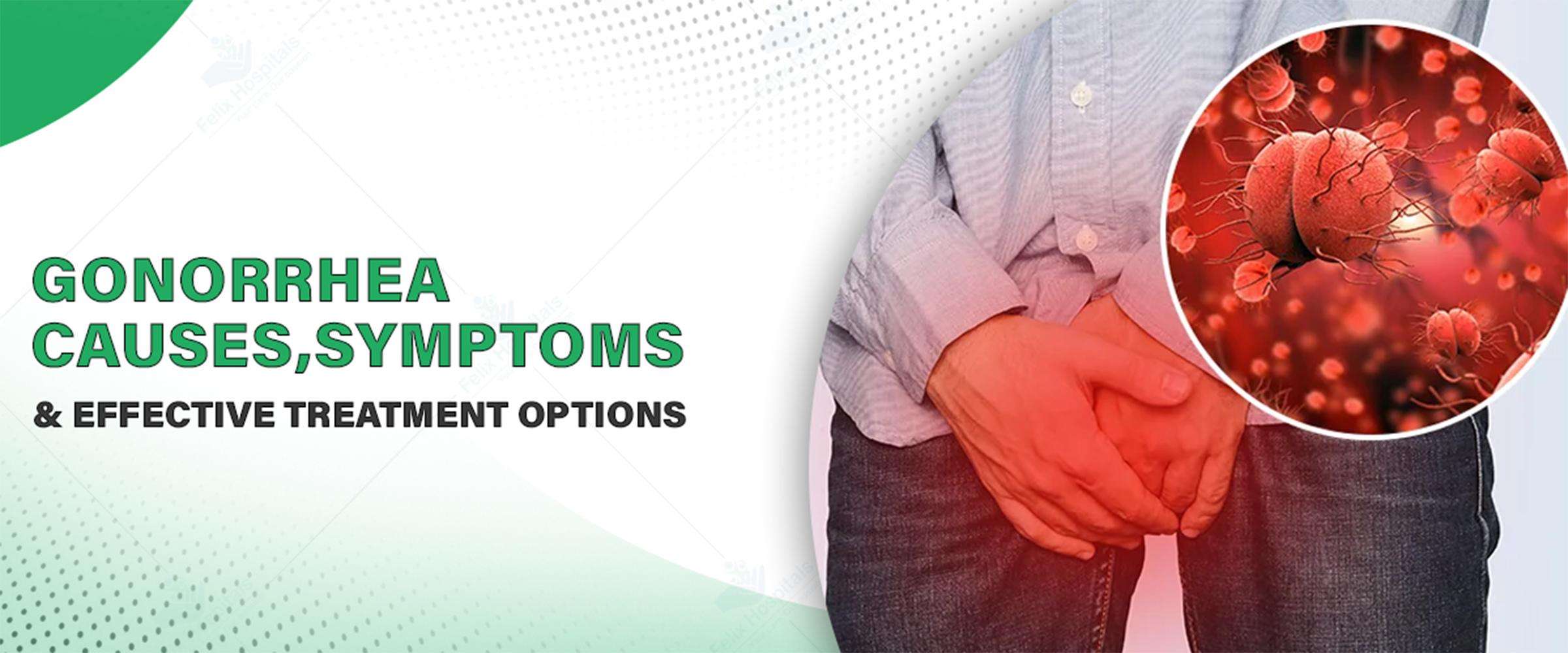
Gonorrhea is a sexually transmitted infection caused by the bacteria Neisseria gonorrhoeae. It infects the genital tract, rectum, and throat and is spread primarily by unsafe sex. Gonorrhea is usually symptomless in most cases, particularly in women, and therefore passing the infection is easy without even knowing it. That sneaky aspect makes regular testing a must, particularly for people with more than one sexual partner or a history of infections.
For individuals searching for Gonorrhea doctors near me, a consultation with a certified doctor in advance ensures accurate diagnosis and treatment. If you search for full sexual health care, the Best hospital for Gonorrhea in Greater Noida can offer confidential testing, customized treatment, and preventive care to avoid risks in the long run.
If you are looking for Gonorrhea treatment in Greater Noida, connect with our doctors now at +(91) 9667064100.
Gonorrhea is transmitted by sexual fluids—vaginal fluid and semen—through vaginal, anal, or oral intercourse. You can also get infected by sharing sex toys without cleaning or the condom barrier. In the rare case, an infected pregnant woman can pass the disease to the baby during delivery, which can cause serious newborn complications.
It is not spread by casual contact like hugging, kissing, sharing eating utensils, or using public toilets. The bacteria need contact with mucous membranes to infect and transmit.
Certain factors predispose an individual to gonorrhea:
Under 25 years and sexually active
Having multiple or new sexual partners
Uncertain condom or dental dam use
Previous or existing STI diagnosis
Being in a network where STIs are common
Knowledge of such risks assists in taking precautionary steps, including frequent screening and safe sex.
One of the issues with gonorrhea is that it is asymptomatic in women, and even if it does present symptomatically, the symptoms vary based on the site of infection and the anatomy of the patient.

Abnormal vaginal discharge (green, yellow, cloudy)
Pain or burning while urinating
Pelvic or abdominal pain
Pain during sexual intercourse
Bleeding during periods
Discharge from the penis (white, green, or yellow)
Fire while urinating
Swollen or painful testicles
Rectal infection: pain, soreness, discharge, or itching during stool.
Throat infections: difficulty swallowing, sore throat, or swollen lymph nodes
Symptoms usually develop 2 weeks after exposure, but may be delayed for longer, or may never develop, even in active infection.
Untreated, gonorrhea has the potential to create serious illnesses.
Pelvic inflammatory disease (PID)
Infertility or risk of ectopic pregnancy
Chronic pelvic pain
Epididymitis (inflammation of the tube that conveys sperm)
Low fertility
Scarring of the urethra
Disseminated gonococcal infection (DGI) of joint, heart, or skin
Increased risk of infection or transmitting HIV
If you need Gonorrhea doctors in Greater Noida or need confidential testing, the procedure usually involves the combination of taking medical history, physical examination, and laboratory investigations. The most precise test is a nucleic acid amplification test (NAAT), which detects the DNA of the bacteria.
Diagnostic techniques are:
Urine sample analysis
Cervical swab (female) or urethral swab (male)
Throat or rectal swab if oral or anal infection is suspected
Other existing STIs tests like chlamydia
Gonorrhea screening in Greater Noida can be arranged at short notice, typically with same-day results, which allows for early initiation of treatment.
Gonorrhea can be cured with the proper antibiotics, but one has to do it early. Since antibiotic resistance is increasing, today's treatment is:
Single injection of ceftriaxone (typically)
If suspected co-infection with chlamydia, azithromycin or doxycycline is added
Complete the full course of the drug even if you are feeling better
Do not have sex for at least 7 days since treatment
Educate and treat all recent sexual contacts for the prevention of reinfection
Return for a follow-up test if the symptoms persist
Failure to adhere to treatment regimens can lead to resistant strains, or "super gonorrhea," that are harder to treat.
Most people get better in a week of treatment. If the partners are not treated, reinfection is very likely. Steps to guard yourself after treatment are:
Using condoms consistently
Scheduling routine STI tests
Keeping sexual health open to discussion with partners
While abstinence is the only certain preventive measure, safer sex will definitely lower your risk:
Practice condom or dental dam use on all sexual activity
Get tested regularly if sexually active
Avoid sex with symptomatic partners with STIs Clean and cover sex toys when sharing
For confidential, discreet, and compassionate STI care, Felix Hospital is the highest-rated gynecology hospital in Delhi NCR. Our doctors in Greater Noida offer confidential gonorrhea testing in Greater Noida, quick diagnosis, and evidence-based treatment. With cutting-edge lab facilities, private consultation rooms, and patient-centered care, Felix offers judgement-free and stigma-free care. Felix also emphasizes prevention and education that enables patients to make healthier sexual health decisions.
Gonorrhea is a common yet severe STI that is generally asymptomatic unless diagnosed, so sexually active people need regular check-ups. Thankfully, gonorrhea can be completely cured with early diagnosis and proper antibiotic treatment, except for long-term complications like infertility and chronic pain. If you need gonorrhea doctors near me for an urgent consultation, or need expert treatment from gonorrhea doctors in Greater Noida, early treatment is required to protect your health and your partner's.

Sexually transmitted infection is one of the significant public health problems. And the bigger problem is people hide sexual dysfunction instead of discussing it.

Urological health is vital for well-being, influenced by diet and exercise. Good nutrition and activity help prevent conditions like UTIs, kidney stones, and cancers.
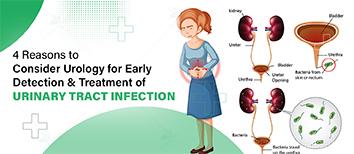
One of the best hospitals for urinary tract treatment in Noida offers comprehensive urology care, featuring expert urologists and advanced diagnostic and treatment facilities.
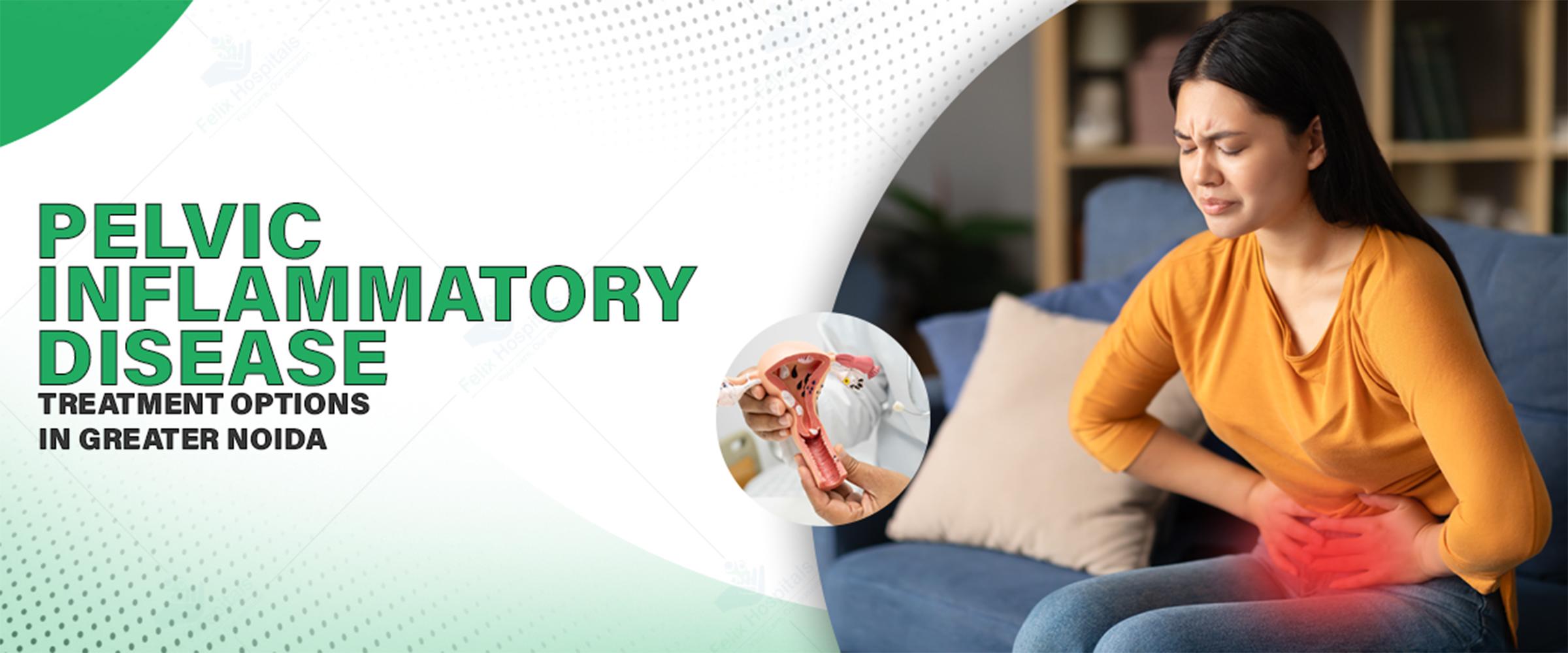
Pelvic Inflammatory Disease (PID) is a serious infection that irritates the ovaries, fallopian tubes, and uterus of females. It usually happens when bacteria from the vagina travel upward into the female reproductive tract and cause inflammation and, in extreme situations, ongoing harm. The most common cause is sexually transmitted diseases (STIs) like chlamydia and gonorrhea, but bacterial imbalance due to childbirth, miscarriage, pelvic surgery, or IUD placement can also cause it.
The condition can lead to infertility, pelvic pain, and ectopic pregnancy if not treated. Therefore, early detection and treatment by an expert pelvic pain specialist are essential. If you are looking for reliable treatment, the best gynecology hospital in Greater Noida will provide state-of-the-art diagnostic tools and medical facilities to aid in rapid recovery.
Call +91 9667064100 to make an appointment for your PID consultation. Early treatment stops problems from happening.
PID may occur in women of any age, but sexually active women aged 15–25 years are most affected by it. PID may arise suddenly with a rough course or may have a gradual course, so a routine gynecological examination is important.
Common symptoms include:
Chronic pelvic or lower abdominal pain
Odorous vaginal discharge that is abnormal
Pain during intercourse
Fever and chills
Irregular spotting during menstruation or menstrual bleeding
Pain or burning while urinating
If not treated, PID can result in permanent damage to reproductive organs, scarring of the fallopian tubes, and a blockade preventing eggs from reaching the uterus.
The majority of PID infections are caused by bacterial infections—specifically, Neisseria gonorrhoeae and Chlamydia trachomatis. PID can be caused by:
Childbirth
Miscarriage or abortion
Pelvic operations
Insertion of intrauterine devices (IUDs) (i.e., in the first few weeks)
Having several sex partners
Engaging in unprotected sex
History of STIs
Diagnosis of PID is not easy since the signs and symptoms may be like other medical conditions like appendicitis, ovarian cyst, or urinary tract infection. Hence, best gynecologists in Greater Noida are dependent on a combination of investigations and clinical assessment.
The Pelvic pain doctor in Greater Noida will also query you on your sexual history, previous STIs, contraception use, and previous pelvic surgery if you ever had any. This aids in determining possible sources of infection.
A pelvic exam enables the best gynecologists in Greater Noida to assess tenderness in the pelvic region and abnormal discharge. During the procedure, cotton swabs may be employed to sample fluid specimens from the cervix or vagina for laboratory analysis.
Blood Tests – Look for evidence of infection such as increased white blood cells or inflammatory proteins.
Urine Tests – Rule out urinary tract infections and test for STIs.
Ultrasound – Gives good images of the ovaries, fallopian tubes, and uterus to check for swelling or abscesses.
Transvaginal Ultrasound – Gives a more detailed picture of pelvic structure.
Laparoscopy – A very minimal surgical procedure in which a small camera is placed inside the abdomen in order to visualize the reproductive organs directly.
Endometrial Biopsy – A tiny sample of uterine tissue is tested for inflammation or infection.
Early diagnosis prevents the spread of infection further, reduces the likelihood of infertility, and facilitates faster and easier recovery.
Management of PID is aimed at eliminating infection, suppressing symptoms, and preventing chronic damage. Treatment is determined by the severity of infection.
The major treatment is broad-spectrum antibiotics that aim at the most prevalent bacteria causing PID. Firstly, best gynecologists in Greater Noida can administer injectable and oral antibiotics together.
After laboratory testing, the particular bacteria are isolated, and the drug can be formulated for specific action. You must complete a whole course of antibiotics, even if you recover early.
Since STIs are a common cause of PID, sexual partners need to be assessed and treated to prevent reinfection.
Pain relievers obtained over-the-counter or by prescription alleviate pelvic pain.Rest and fluids allow the healing process.
They may need to be hospitalized if:
There is an ovarian or fallopian tube abscess
They are expecting.
They have severe symptoms (high fever, vomiting, severe pain)
Oral antibiotics don't work
Rarely required, but can be requested if:
An abscess ruptures or is about to rupture
It is also not responsive to antibiotic therapy
There is uncertainty in diagnosis
Key: PID can recur even after successful treatment if preventive measures are not followed.
PID treatment cost in Greater Noida depends on:
Diagnostic studies required (lab, ultrasound, etc.)
Type and duration of antibiotic treatment
Whether hospitalization or surgery is needed
On average:
Outpatient counseling and medication: ₹2,000–₹6,000
Hospital-based care: ₹15,000–₹40,000
Surgery (if required): ₹50,000 and above
Looking for the best gynecologists in Greater Noida offers accurate diagnosis and affordable treatment.
While you can't avoid all of them, you can get your risk significantly reduced by:
Safe sex (use of condoms prevents STI transmission)
Having regular STI testing
Seeking early medical care for unusual pelvic or vaginal symptoms
Felix Hospital is one of the best gynecology hospitals in Greater Noida for the diagnosis and treatment of PID. Their highly experienced team of gynecologists utilizes the latest diagnostic imaging, laboratory tests, and individualized treatment methods to ensure quick and complete recovery. The hospital is popularly known for:
Patient-centered, compassionate care
Recent technology for precise diagnosis
Expertise in the management of simple and complex cases of PID
Confidential and compassionate counseling
With Felix, you can be certain of professional attention that preserves your confidentiality and is concerned with your long-term reproductive health.
Recovery from PID is not merely a question of finishing your antibiotics—it's also about maintaining reproductive health in the long run. Follow-up visits are necessary to ensure that the infection has resolved. If you have had PID twice or more, discuss fertility planning and possible preventive measures with your gynecologist.
Key takeaways:
Consult a doctor immediately if you have pelvic pain or unusual discharge.
Finish your treatment without a break.
Encourage the partner to undergo treatment and testing to prevent reinfection.
Don't ignore pelvic pain; call at +91 9667064100 for professional Pelvic Inflammatory Disease treatment.
Pelvic Inflammatory Disease can be very serious in its long-term effects if not treated, but with early diagnosis and correct treatment by a skilled Pelvic pain doctor in Greater Noida, the likelihood of recovery is very high. Whether a case is mild or complex enough to require hospitalization, treatment at a trusted healthcare facility at the earliest ensures the best result. Don't ignore recurrent pelvic pain—your reproductive health is too precious to take a risk.
Q1. Does my sexual partner need treatment even if they don't have any symptoms?
Ans: Yes, all sexual partners need to be checked out and treated to avoid getting sick again, since infected partners often don't show any obvious signs.
Q2. Can a pelvic exam tell how bad PID is, or do you always need imaging tests?
Ans: A pelvic exam can find tenderness and discharge, but an ultrasound or transvaginal ultrasound can show more detailed pictures to check for problems like abscesses.
Q3. Does Felix Hospital give PID diagnostic test results on the same day?
Ans: Felix Hospital has state-of-the-art labs and diagnostic imaging that help them get test results quickly so they can start treatment right away.
Q4.What kind of follow-up care does Felix Hospital offer after PID treatment is over?
Ans: Follow-up visits make sure the infection is gone, check for complications, and give advice on reproductive health for long-term health.
Q5. Will having PID once make me more likely to get reproductive infections in the future?
Ans: If you have had PID before and continue to have risk factors like unprotected sex, you may be more likely to get infections again.
Ureteropelvic Junction (UPJ) Obstruction is a medical condition where there is a blockage at the junction where the renal pelvis meets the ureter.
Pelvic Inflammatory Disease (PID) treatment in Greater Noida includes advanced diagnosis, antibiotics, and expert gynecological care to restore women’s reproductive health effectively.
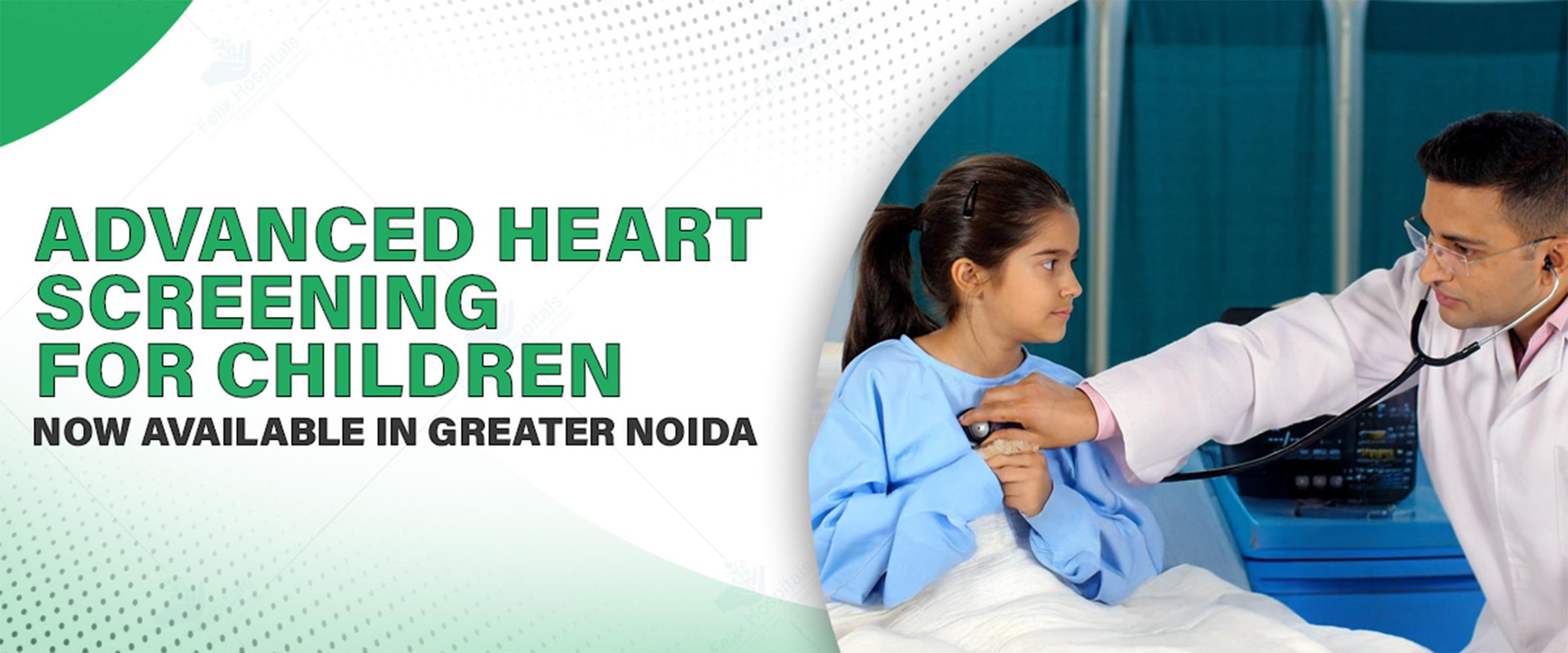
A child's heart is fragile, and even small problems can have long term effects if they aren't found. Routine check ups are important, but they don't always find hidden heart problems, especially in kids who seem healthy. Advanced heart screening for kids fills this gap by finding structural, or functional problems before they get worse using accurate tests that don't hurt. These tests aren't just for kids who have symptoms, they're also important for kids who have a family history of heart disease, congenital conditions, or who play competitive sports. Advanced screening gives parents and doctors the power to act quickly when problems are found early, which leads to healthier futures for young hearts. With Pediatric cardiology hospital in Greater Noida facilities now within reach, families now feel confident enough to visit the top pediatric heart doctors in Noida.
Call +91 9667064100 to make an appointment for advanced screening to make sure your child's heart is healthy.
Advanced child heart screening consists of a set of advanced, often non-invasive tests employed to detect potential heart problems early. Screenings are not reserved for children with symptoms — they can be part of preventive care in children with heart disease in a family member, congenital illness, or who play high-level sports.
The greatest distinction between routine check-ups and advanced screenings is depth and precision. These examinations can detect electrical irregularities, structural cardiac abnormalities, and disease indicators not seen in a normal physical examination.
Below is a description of some of the more common advanced screening tests used in Pediatric cardiology hospital in Noida and what each of them screens for:
An ECG measures the electrical activity of the heart using tiny sensors stuck to the child's chest.
Objectives:
Identifies abnormal heartbeats (arrhythmias)
Diagnoses heart blocks
Evaluates electrical conduction abnormalities
This is a quick painless test, and most often the first cardiac evaluation.
This is an ultrasound of the heart, generating pictures of its structure and function in real time.
Objective:
Assesses the shape and size of the heart
It checks the smoothness with which the valves open and close
Observes patterns of blood flow through the chambers
Echocardiography is vital in diagnosing congenital heart defects and monitoring ongoing heart conditions.
Holter monitoring refers to the employment of a 24–48 hour ambulatory ECG monitor.
Purpose:
Monitors continuously over a longer period of time
Detects infrequent arrhythmias which may not be apparent on a brief ECG
Helps investigate symptoms like unexplained fainting or palpitations
This is a relaxed test and allows children to go about their daily routines while being monitored.
A cardiac CT scan makes use of the application of X-ray technology coupled with sophisticated computer imaging to create excellent images of the heart and its blood vessels.
Purpose:
Diagnoses coronary artery abnormalities
Maps structural defects
Assists in preoperative planning in challenging cases
Cardiac MRI is the gold standard for high-resolution imaging of cardiac structure and function.
Purpose:
Provides 3D views of the heart vessels, valves, and muscle
Identifies inflammation, scarring, or congenital defects
Records progression of disease over time
Although longer than other investigations, MRI provides definition unmatched without the use of radiation.
They can be advised to have ECGs and echocardiograms as a regular checkup if they have a history of heart disease, hypercholesterolemia, or sudden cardiac death in their families.
Symptom Evaluation Advance screening is indicated if a child has symptoms such as:
Chest tightness or pain
Fast pulse or palpitations
Shortness of breath with ordinary activity
Dizziness or syncope
It necessitates serial echocardiograms in infants with congenital heart disease and, in the most severe cases, cardiac CT or MRI to precisely define the anatomy.
Competitive sports put further strain on the heart. Screening safeguards children against being unable to take part in high-intensity sporting activity without any underlying risk.
Early diagnosis helps:
Prevents such complications as heart failure or stroke
Enhances treatment success rates by intervening in time
Promotes healthy growth and development by controlling conditions early
Advanced heart screening is a safety net, catching risk before it develops into a problem.
Factors Affecting Heart screening test cost for children in Noida
The quantity and quality of tests carried out
Whether advanced imaging such as MRI or CT is needed
Hospital facilities and pediatric cardiology expertise
Use of sedation (for younger children during longer tests)
Despite varying costs, early diagnosis investment normally saves families from spending more on treatment in the long term.
If it's your child's heart, you need a facility that integrates medical expertise, cutting-edge facilities, and compassionate care. Felix Hospital in Noida and Greater Noida offers a complete spectrum of pediatric cardiac care — from diagnosis to surgery and follow-up. Their team of expert Child heart specialist doctors in Noida operates in coordination with pediatric cardiologists, anesthetists, and critical care specialists to deliver safe, effective treatment. With the latest diagnostic imaging, state-of-the-art operation theatres, and a separate pediatric ICU, Felix has an ambience where children are given world-class care at home. Families also appreciate open information, emotional support, and attention to lowering child heart surgery costs in Noida without compromising quality.
Parents can help make the screening process easier by:
Describe tests in reassuring simple language
Having the child rested the night before the appointment
Including comfort items such as a special toy for younger children
Following pre-test advice concerning food, drinks, or drugs
Discuss findings in detail
Discuss outcomes with parents
Refer for further investigation if indicated
Create a treatment or monitoring plan
In the majority of cases, screenings provide reassurance when the results are within normal limits. If a condition is found, advance planning leads to a healthier long-term result.
Call +91 9667064100 to get your child a heart check-up before they show any signs of trouble.
Pediatric cardiac screening in advanced form is now available in Greater Noida, allowing parents to safeguard their child's cardiac well-being through early diagnosis. With Pediatric cardiology hospital in Noida facilities now within reach, families now feel confident enough to visit the top pediatric heart doctors in Greater Noida. These screenings are a worthwhile investment in a child's future for ongoing follow-up, sports clearance, or symptom assessment.
Q1. How long will my child have to lie still for a cardiac MRI?
Ans: A cardiac MRI usually takes 30 to 60 minutes, and the child has to stay still. Younger children who can't stay still may be given sedation.
Q2.My child only has chest pain once in a while. Is one screening enough?
Ans: If you have symptoms that come and go, like chest pain that happens now and then, you may need to keep an eye on them or get screened again and again to catch them when they happen.
Q3. Is it normal for kids to have trouble breathing when they are doing normal things, or is it always a sign of something wrong?
Ans: It's not normal for healthy kids to have trouble breathing when they do everyday things. They should be checked out with advanced screening tests
Q4. If screening shows my child has a congenital heart defect, will they definitely need surgery?
Ans: Some congenital defects don't need surgery; they can be watched with regular echocardiograms and treated conservatively.
Q5. If the first screening results are worrying, does Felix Hospital give second opinions?
Ans: Felix Hospital's multidisciplinary team approach lets them get full evaluations and second opinions from other specialists in their network.

As a child care specialist, I have noticed a huge difference in overall growing of a child in the last 14 years.

Every parent wants their child to become a successful, confident, and good human being. A child is like a sponge, which can take any shape and can absorb almost everything they see/learn.

Best heart hospital in Noida for bypass surgery at affordable prices with expert cardiac surgeons, advanced facilities, and quality patient care for better recovery.
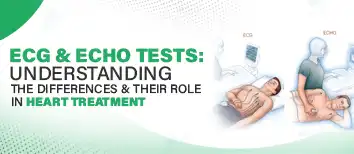
Learn the key differences between ECG and ECHO tests and their role in heart treatment.
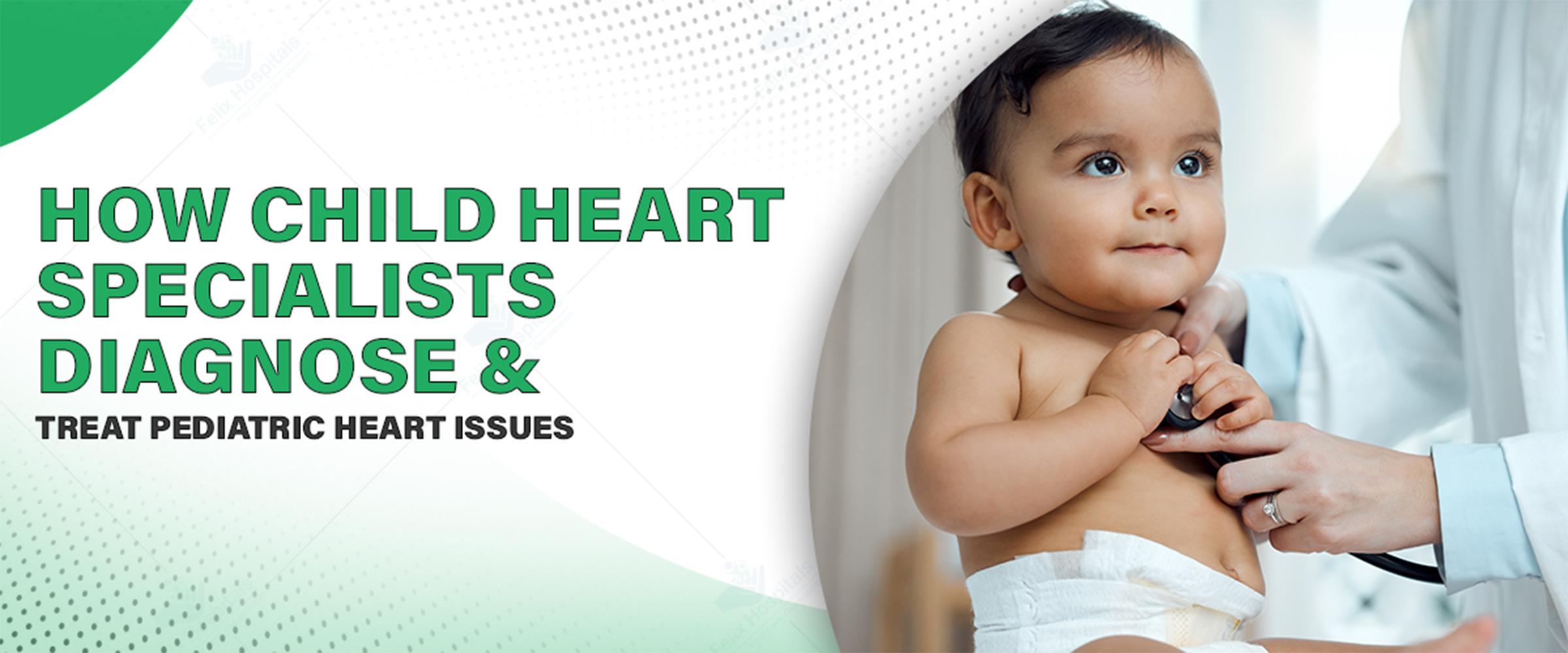
Children's heart conditions require a very different approach than adult heart care. From tiny infant hearts to growing teens, the problems are unique — so is the expertise to heal them. If you're looking for a child heart doctor in Greater Noida or the top child heart specialist in Greater Noida, knowing how these experts diagnose and treat children's heart conditions can help you make the best decisions for your child's health.
In the case of child advanced cardiac care, the best pediatric hospital in Greater Noida will offer state-of-the-art technology combined with a healing touch.
Call +91 9667064100 to set up a heart screening for your child. Early detection saves lives.
Congenital heart defects are usually referred to as being under two main categories — congenital heart anomalies and acquired cardiac diseases.
These are birth defects that involve structural abnormalities. They are caused by the abnormal development of the heart or great blood vessels during pregnancy. Some of these include:
Atrial Septal Defect (ASD) – a hole in the upper chambers of the heart.
Ventricular Septal Defect (VSD) – a defect in the wall between the lower chambers.
Aortic or Pulmonary Stenosis – valve narrowing in the heart, which increases the resistance to blood flow.
Coarctation of the Aorta – narrowing of the aorta of the body.
Patent Ductus Arteriosus (PDA) – abnormal circulation due to an artery that does not close during birth, creating abnormal circulation.
Complex Defects – such as Tetralogy of Fallot, Transposition of the Great Arteries, or Hypoplastic Left Heart Syndrome.
These occur after birth and result from infection, immune disease, or other illness:
Arrhythmias – irregular heart rhythm.
Kawasaki Disease – vasculitis that targets the coronary arteries.
Rheumatic Heart Disease – heart valve damage from rheumatic fever.
Myocarditis or Pericarditis – inflammation of the heart lining or muscle.
Heart Murmurs – sometimes harmless, sometimes a sign of something more.
Cardiomyopathy – disease of the heart muscle, causing enlargement or stiffness.
The majority of these conditions, when diagnosed early, can be treated successfully — and allow children to live healthy, active lives.
Symptoms should be detected early. Consult a doctor if your child has:
Recurrent fatigue or breathlessness
Blue lips or skin (cyanosis)
Leg swelling, belly swelling, or swelling around the eyes
Inadequate weight gain or retarded growth
Fainting episodes or dizziness
Pediatric cardiac diagnoses are thorough, and child-focused. Child heart doctors in Greater Noida use a mix of specialized investigations and clinical evaluation to arrive at the correct diagnosis.
Gathering heart disease family history
Discussing pregnancy, birth history, and past illnesses
Listening for abnormal heart sounds (murmurs) with a stethoscope
Monitoring pulse rhythms and oxygen saturation
Uses ultrasound to visualize heart chambers, valves, and blood.
Electrocardiogram (ECG) – Tracks electrical heart activity to detect rhythm disturbances.
Chest X-ray – Tests heart and lung size.
Pulse Oximetry – Blood oxygen level is monitored.
Cardiac MRI or CT Scan – Provides clear images of the heart structure in complex cases.
Holter Monitoring – 24–48-hour heart rhythm recording for the identification of irregular heartbeat.
Stress Test – Tests heart function with exercise (in older children).
Treatment of a child will depend upon the severity, character, and cause of the heart disease, the child's age, and his or her overall health. Both relief from acute symptoms and preservation of long-term cardiovascular health are of concern to the pediatric cardiologist.
For less serious diseases, physicians might prescribe dietary modifications, gentle physical activity, and medication to control signs. Examples of everyday drugs include diuretics (decrease fluid accumulation), beta-blockers (regulate heart rate), and ACE inhibitors (assist heart function).
Balloon Angioplasty: Dilates narrowed vessels with a tiny balloon via a catheter.
Device Closure: Irregular openings between heart chambers are closed using special plugs or coils without open-heart surgery.
Valve Repair or Replacement: Fixes defective heart valves.
Open-Heart Surgery – for large repairs with a heart-lung bypass machine.
Minimally Invasive Cardiac Surgery (MICS) – less invasive, quicker recovery.
Cardiac Catheterization Procedures – closing holes or dilating narrowed vessels without opening the chest.
Led by pediatric cardiac surgeons with additional specialized experience in children's heart disease.
Children typically need regular check-ups, heart monitoring, and in some cases, physical therapy to improve strength and endurance. Parents are instructed on diet, restriction of activity, and evidence of potential complications. Even after successful treatment, many children require lifelong monitoring to ensure their heart continues to function well. Intermittent ECGs and echocardiograms allow for early detection of any alterations.
Following surgery, children usually spend some time in the ICU before being moved to a recovery ward. Parents in the home will require education on wound care, medication, and activity. Scheduled follow-up visits to the guarantee:
Monitoring of heart function.
Adjustment of medications.
Early recognition of complications.
Back to school and sports guidance.
Watch for early signs – drowsiness, rapid breathing, blue skin color, swelling, or poor weight gain. Use specialists who are pediatric cardiac specialists, not adult cardiology specialists.
Don't wait to diagnose — certain defects are repairable with minimally invasive methods if they are diagnosed early.
Understand the cost — although child heart surgery cost in Noida varies, treatment at an early stage will prevent expensive complications.
Select holistic treatment — nutritional and psychological support are crucial as well in the healing.
If it's your child's heart, you need a facility that integrates medical expertise, cutting-edge facilities, and compassionate care. Felix Hospital in Noida and Greater Noida offers a complete spectrum of pediatric cardiac care — from diagnosis to surgery and follow-up. Their team of expert child heart doctors in Greater Noida operates in coordination with pediatric cardiologists, anesthetists, and critical care specialists to deliver safe, effective treatment. With the latest diagnostic imaging, state-of-the-art operation theatres, and a separate pediatric ICU, Felix has an ambience where children are given world-class care at home. Families also appreciate open information, emotional support, and attention to lowering child heart surgery costs in Noida without compromising quality.
Get expert paediatric heart screening call +91 9667064100 to schedule an appointment.
The heart is one of the first organs to form in a child — and its health can decide their entire life. Child heart specialists in Greater Noida possess the training, technology, and compassion to offer young patients the best chance of a healthy life. If your child requires regular monitoring or a complex surgical procedure, knowing how these experts diagnose and treat heart ailments enables you to make an informed decision.
Q1. How old does a child have to be to get advanced heart screening?
Ans: If there are risk factors or symptoms that point to a heart problem, advanced heart screening can be done on people of any age, even newborns.
Q2. How long does it take to do a heart screening in Felix?
Ans: Basic screenings can take 15 to 30 minutes, but more advanced tests like cardiac MRI can take up to an hour.
Q3. Can advanced heart screening stop heart problems from happening in the future?
Ans: Screening doesn't stop problems from happening, but it does help find them early, which means treatment can start right away and long-term risks are lower.
Q4. How often should my child go back to Felix Hospital for follow-up care?
Ans: It depends on how sick they are. Some may need to see a doctor once a year, while others may need to see one more often to keep an eye on them.
Q5. Are these tests safe for kids?
Ans: Yes, most modern heart screening methods are safe. To limit exposure to radiation, procedures like cardiac CT are only done when they are needed.
As a child care specialist, I have noticed a huge difference in overall growing of a child in the last 14 years.
Every parent wants their child to become a successful, confident, and good human being. A child is like a sponge, which can take any shape and can absorb almost everything they see/learn.
Best heart hospital in Noida for bypass surgery at affordable prices with expert cardiac surgeons, advanced facilities, and quality patient care for better recovery.
Learn the key differences between ECG and ECHO tests and their role in heart treatment.
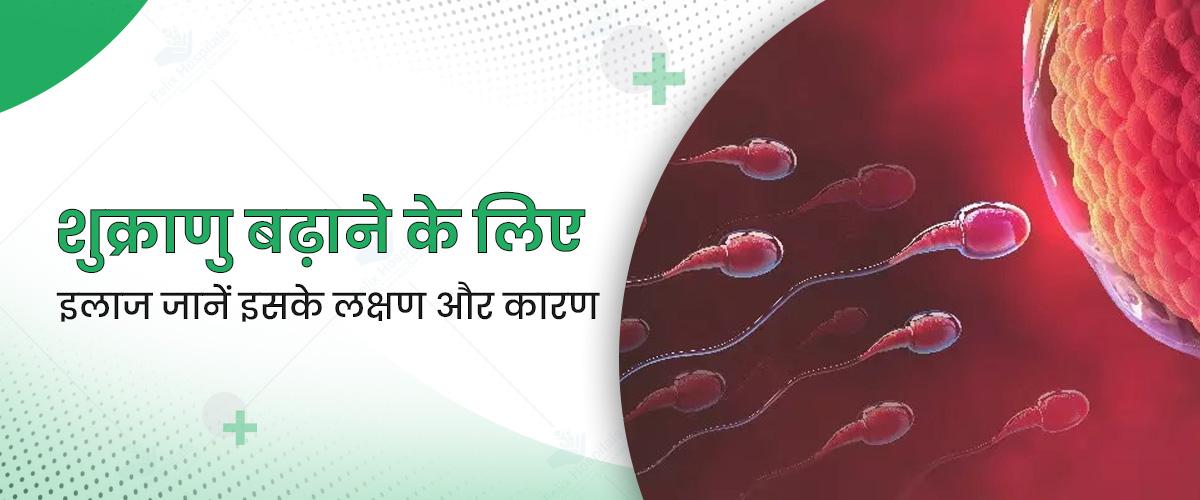
प्रजनन क्षमता (Fertility) केवल महिलाओं से जुड़ा मुद्दा ही नहीं है यह पुरुषों में भी बराबर अहमियत रखता है। एक स्वस्थ पुरुष के वीर्य में प्रति मिलीलीटर 15 मिलियन या उससे अधिक शुक्राणु होने चाहिए। जब शुक्राणु की संख्या इससे कम होती है, तो इसे ओलिगोस्पर्मिया (Oligospermia) कहते हैं। कम शुक्राणु संख्या का मतलब है कि गर्भधारण की संभावना कम होती है।
नोएडा जैसे बड़े शहर में किसी अनुभवी यूरोलॉजिस्ट और उन्नत लैब सुविधा वाले अस्पताल का चयन इस समस्या के निदान और प्रभावी इलाज के लिए बेहद जरूरी है।
अभी अपॉइंटमेंट शेड्यूल करें – कॉल करें और आज ही अपॉइंटमेंट बुक करें +91 9667064100 .
शुक्राणु की कमी कई वजहों से होती है जैसे जीवनशैली, हार्मोनल असंतुलन, संक्रमण, चोट या पर्यावरणीय कारण प्रमुख है। सामान्य स्थिति में अंडकोष (Testicles) में प्रतिदिन लाखों की संख्या में शुक्राणु बनते हैं। अगर इस प्रक्रिया में कोई बाधा आती है, तो वीर्य में शुक्राणु की संख्या घटती है। कुछ मामलों में यह कमी अस्थायी होती है जैसे बुखार, तनाव या अस्थायी हार्मोनल बदलाव के कारण है। मगर यह लगातार है, तो यह बांझपन (Infertility) का कारण बनती है।
कम शुक्राणु संख्या के लक्षण अक्सर प्रत्यक्ष रूप से महसूस नहीं होते लेकिन कुछ संकेत ऐसे मिलते हैं जो समस्या की ओर इशारा करते हैं। ये संकेत लंबे समय तक बने रहें, तो समय पर विशेषज्ञ से जांच जरूरी है।
गर्भधारण में कठिनाई यदि लंबे समय तक प्रयास करने के बावजूद साथी गर्भवती नहीं होती, तो यह प्रजनन क्षमता में कमी का संकेत होता है।
हार्मोनल असंतुलन विशेष रूप से टेस्टोस्टेरोन के स्तर में गिरावट, यौन इच्छा में कमी लाता है। कुछ पुरुषों में स्तंभन दोष भी दिखाता है। जिसमें संभोग के दौरान इरेक्शन प्राप्त करने या बनाए रखने में कठिनाई होती है।
वृषण में दर्द, सूजन या गांठ की उपस्थिति किसी संरचनात्मक या रक्त संचार संबंधी समस्या का संकेत देती है। हार्मोनल असंतुलन के अन्य प्रभावों में चेहरे या शरीर पर बालों की कमी होती है, जो पुरुषत्व से जुड़े शारीरिक परिवर्तनों को प्रभावित करता है।
धूम्रपान और शराब का सेवन पुरुष प्रजनन स्वास्थ्य पर सीधा नकारात्मक प्रभाव डालता है। ये न केवल वीर्य की गुणवत्ता बल्कि शुक्राणुओं की संख्या भी घटाता हैं।
नशीली दवाओं का उपयोग जैसे गांजा, कोकीन और एनाबॉलिक स्टेरॉयड शुक्राणु उत्पादन की प्रक्रिया को बाधित करता है। उनकी गतिशीलता को कम करता है।
मोटापा हार्मोनल असंतुलन पैदा करता है और शरीर के तापमान को बढ़ाता है। जिससे शुक्राणुओं की संख्या घटती है।
अत्यधिक गर्मी का असर भी नुकसानदेह है। टाइट कपड़े पहनना, लंबे समय तक गोद में लैपटॉप रखना या बार-बार सोना और हॉट बाथ लेना शुक्राणु उत्पादन को प्रभावित करता है।
तनाव और नींद की कमी हार्मोनल संतुलन बिगाड़कर प्रजनन क्षमता को कम करती है।
कम शुक्राणु संख्या के पीछे कई चिकित्सीय और पर्यावरणीय कारण होते हैं। चिकित्सीय कारणों में सबसे आम है हार्मोनल असंतुलन। जहां टेस्टोस्टेरोन हार्मोन की कमी के कारण शुक्राणु उत्पादन प्रभावित होता है।
वेरिकॉसील भी एक प्रमुख वजह है। जिसमें अंडकोष की नसें फैल जाती हैं, तापमान बढ़ता है। इससे शुक्राणु बनने की प्रक्रिया धीमी होती है।
संक्रमण जैसे मंप्स, प्रोस्टेटाइटिस या यौन संचारित रोग (STD) भी प्रजनन तंत्र को नुकसान पहुंचाते हैं। कई बार वीर्य नली में जन्मजात रुकावट या चोट के कारण भी शुक्राणु बाहर नहीं निकल पाते।
पर्यावरणीय कारणों में कीटनाशकों, भारी धातुओं या रेडिएशन के संपर्क में आना प्रजनन क्षमता को गंभीर रूप से घटाता है।
वायु प्रदूषण और औद्योगिक रसायनों का लगातार असर भी शुक्राणु की संख्या और गुणवत्ता को कम करता है।
शुक्राणु संख्या और गुणवत्ता बनाए रखने के लिए संतुलित जीवनशैली जरूरी है।
आहार में हरी पत्तेदार सब्जियां, ताजे फल, अखरोट, बादाम, कद्दू के बीज, अंडा और मछली शामिल करने से शरीर को आवश्यक पोषक तत्व मिलते हैं।
एंटीऑक्सीडेंट युक्त भोजन जैसे विटामिन सी, विटामिन ई, जिंक और सेलेनियम से भरपूर चीजें ऑक्सीडेटिव स्ट्रेस को कम कर प्रजनन क्षमता बढ़ाने में मदद करती हैं।
नियमित हल्का-फुल्का व्यायाम रक्त संचार में सुधार लाकर अंडकोष की सेहत को बेहतर बनाता है।
तनाव प्रबंधन के लिए योग, ध्यान और पर्याप्त नींद जरूरी है, क्योंकि मानसिक तनाव हार्मोनल संतुलन बिगाड़ सकता है।
गर्मी से बचाव के लिए टाइट कपड़े पहनने से बचें और लंबे समय तक गर्म माहौल, जैसे सॉना या हॉट बाथ, में रहने से परहेज करें।
धूम्रपान, शराब और नशीली दवाओं का सेवन पूरी तरह छोड़ना चाहिए। यह सीधे तौर पर शुक्राणु की संख्या और गतिशीलता पर नकारात्मक असर डालते हैं। इस तरह के सुधार लंबे समय तक प्रजनन स्वास्थ्य को बनाए रखने में सहायक होते हैं।
अगर कोई दंपत्ति एक साल तक नियमित प्रयास के बावजूद गर्भधारण नहीं कर पाता तो यह पुरुष या महिला में प्रजनन संबंधी समस्या का संकेत है।
पुरुषों में इसका एक प्रमुख कारण कम शुक्राणु संख्या होती है। यौन क्रिया के दौरान कठिनाई जैसे स्तंभन दोष या समय से पहले स्खलन भी प्रजनन क्षमता को प्रभावित करते हैं।
वृषण में असामान्य दर्द, सूजन, गांठ या आकार में बदलाव होने पर तुरंत चिकित्सकीय जांच करानी चाहिए क्योंकि यह संरचनात्मक या रक्त संचार से जुड़ी समस्या का संकेत है।
लगातार थकान, चेहरे या शरीर पर बालों में कमी भी शुक्राणु उत्पादन पर असर डालते हैं। समय रहते विशेषज्ञ से परामर्श और जांच करवाना स्वस्थ प्रजनन क्षमता बनाए रखने के लिए जरूरी है।
शुक्राणु की कमी (Oligospermia) पुरुष बांझपन का एक बड़ा कारण है, और इसके इलाज के लिए अच्छे यूरोलॉजिस्ट के पास अवश्य जाएं। आज ही अपॉइंटमेंट बुक करें।
कम शुक्राणु संख्या का इलाज हमेशा इसके कारण पर आधारित होता है। इसलिए सही निदान जरूरी है। अगर समस्या हार्मोन असंतुलन से जुड़ी है तो दवा और हार्मोन थेरेपी के जरिए टेस्टोस्टेरोन, एफएसएच या एलएच स्तर को संतुलित किया जाता है। वेरिकॉसील की स्थिति में सर्जरी की मदद से रक्त प्रवाह और तापमान नियंत्रण सुधारा जाता है। संक्रमण की वजह से शुक्राणु उत्पादन प्रभावित होने पर एंटीबायोटिक्स से इलाज किया जाता है।
जब प्राकृतिक तरीकों से गर्भधारण संभव नहीं होता तो सहायक प्रजनन तकनीकें जैसे आईवीएफ या आईसीएसआई अपनाई जाती हैं। जिनमें अंडाणु और शुक्राणु को प्रयोगशाला में मिलाया जाता है। जीवनशैली में सुधार भी इलाज का अहम हिस्सा है। संतुलित आहार, नियमित व्यायाम, धूम्रपान-शराब से दूरी और तनाव प्रबंधन से शुक्राणु की संख्या व गुणवत्ता में सुधार हो सकता है।
जांच: वीर्य विश्लेषण, हार्मोन टेस्ट और अल्ट्रासाउंड के जरिए समस्या की पहचान की जाती है।
इलाज: कारण के आधार पर उपयुक्त दवा, सर्जरी या तकनीक का चयन किया जाता है।
फॉलो-अप: हर 2–3 महीने में प्रगति का मूल्यांकन और आवश्यक बदलाव जरूरी होता है।
इलाज के दौरान दवाएं हमेशा समय पर और डॉक्टर की सलाह के अनुसार लें। ताकि उपचार का असर सही तरीके से हो सके। जीवनशैली में किए गए बदलाव जैसे संतुलित आहार, नियमित व्यायाम और हानिकारक आदतों से दूरी को निरंतर जारी रखें। अत्यधिक तनाव से बचना जरूरी है। मानसिक दबाव से हार्मोन संतुलन और प्रजनन क्षमता दोनों पर नकारात्मक असर पड़ता है।
नोएडा में विशेषज्ञ यूरोलॉजिस्ट से अपॉइंटमेंट के लिए कॉल करें: +91 9667064100
शुक्राणु की कमी का समय पर और सही इलाज न केवल प्रजनन क्षमता बढ़ाने में मदद करता है। बल्कि इससे जुड़ा मानसिक तनाव भी काफी हद तक कम होता है। यह कोई लाइलाज समस्या नहीं है। बल्कि नोएडा के अच्छे यूरोलॉजिस्ट से परामर्श, सटीक जांच और उचित उपचार से इसे नियंत्रित हो सकता है। इलाज की प्रक्रिया में सबसे पहले कारण की पहचान की जाती है। जैसे हार्मोनल असंतुलन, वेरिकॉसील, संक्रमण या जीवनशैली से जुड़े कारक का पता लगाते हैं। डॉक्टर स्थिति के अनुसार दवा, हार्मोन थेरेपी, सर्जरी या आधुनिक तकनीक जैसे आईवीएफ की सलाह देते हैं।
जीवनशैली में सुधार संतुलित आहार, व्यायाम, तनाव प्रबंधन और हानिकारक आदतों से दूरी इलाज के असर को और बढ़ाता है। समय पर कदम उठाने से न केवल गर्भधारण की संभावना बढ़ती है। बल्कि दंपति के बीच विश्वास और मानसिक शांति बनती है। जिससे जीवन की गुणवत्ता बेहतर होती है।
Dr. Bhanwar Lal Barkesiya is an MCh Gold Medalist Urologist with 15+ years of experience in laser kidney stone surgery, TURP, PCNL, robotic urology, and complex urological care at Felix Hospitals, Noida.

अंडकोष में सूजन (Inguinal Hernia) पुरुषों में सबसे आम हर्निया प्रकार है। इसमें आंतों का हिस्सा अंडकोष की थैली में आ सकता है, जिससे सूजन और दर्द होता है। सही समय पर जांच और इलाज से जटिलताओं से बचा जा सकता है।

पुरुषों में प्रोस्टेट कैंसर के लक्षणों में बार-बार पेशाब आना, पेशाब में जलन या रुकावट और पीठ दर्द शामिल हो सकते हैं। समय पर जांच और सही इलाज से इस बीमारी का सफल उपचार संभव है।
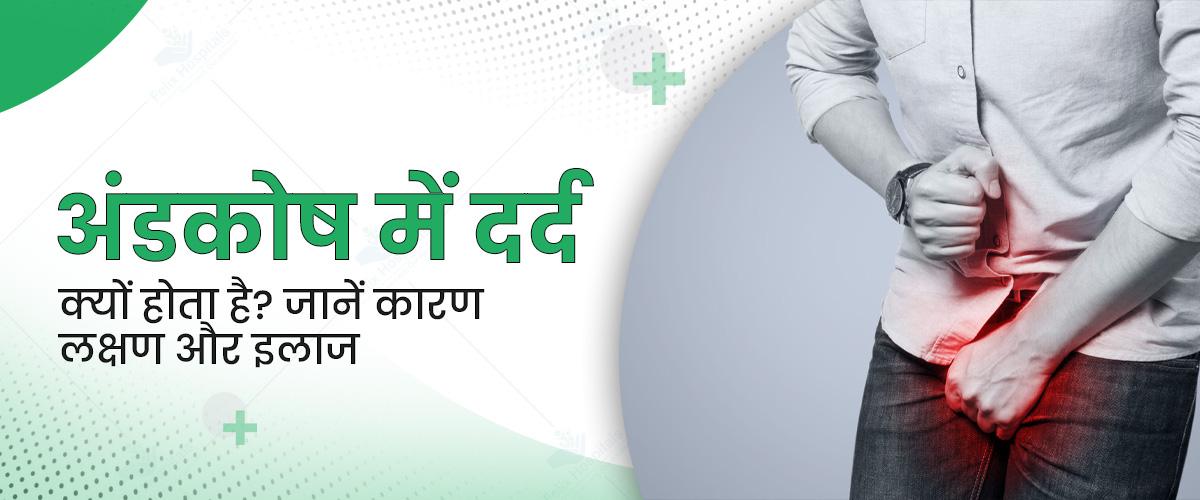
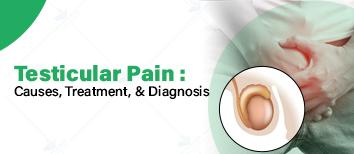
अंडकोष में दर्द (andkosh mein dard in hindi) पुरुषों में होने वाली गंभीर स्वास्थ्य समस्या है। यह दर्द हल्का, तीखा, लगातार या रुक-रुक कर होता है। एक या दोनों अंडकोष में महसूस होता है। कई मामलों में दर्द केवल अंडकोष तक सीमित नहीं रहता। बल्कि जांघ, कमर या पेट के निचले हिस्से तक फैलता है।
सही समय पर कारण की पहचान और उचित इलाज से न केवल दर्द से राहत मिलती है बल्कि भविष्य में होने वाली गंभीर जटिलताओं से भी बचाव होता है। इसलिए समय रहते अच्छे यूरोलॉजी हॉस्पिटल नोएडा (Best Urology Hospital Noida) में जाकर एक बार अवश्य डॉक्टर से मिलें।
अभी अपॉइंटमेंट शेड्यूल करें – कॉल करें: +91 9667064100
अंडकोष का मुख्य काम शुक्राणु (Sperm) और टेस्टोस्टेरोन हार्मोन (Testosterone hormone) का निर्माण करना है। इनकी संरचना में रक्त वाहिकाएं, नसें और नलियां जटिल तरीके से जुड़ी होती हैं। किसी भी कारण से रक्त प्रवाह बाधित होना, नसों पर दबाव आना, संक्रमण या चोट लगना, दर्द का कारण बनता है। कुछ मामलों में यह दर्द अचानक और बहुत तेज होता है। जैसे टेस्टिकुलर टॉर्शन धीरे-धीरे बढ़ता है।
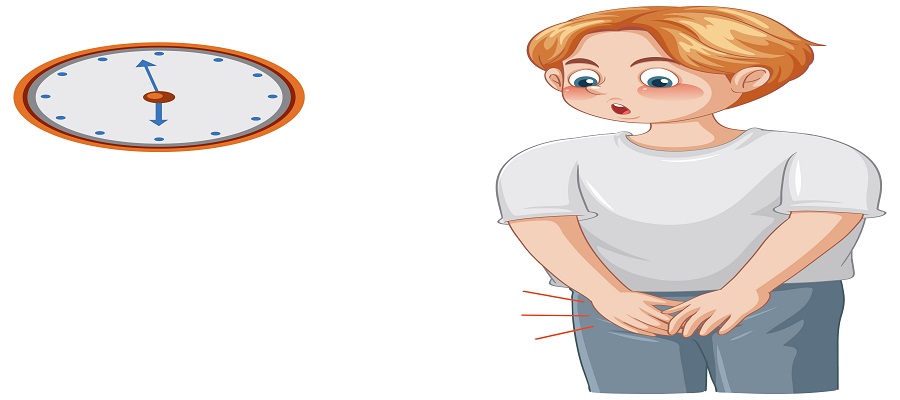
अंडकोष में दर्द कई कारणों से होते है। जिन्हें शारीरिक चोट, संक्रमण और अन्य चिकित्सीय समस्याओं में बांटते हैं। शारीरिक कारणों में चोट या ट्रॉमा, खेल या दुर्घटना से लगी चोट, भारी वस्तु के लगने से दर्द शामिल है। टेस्टिकुलर टॉर्शन (testicular torsion) में स्पर्मैटिक कॉर्ड (Spermatic Cord) मुड़ जाने से रक्त प्रवाह रुकता है। जो आपात स्थिति होती है। इनग्वाइनल हर्निया से खिंचाव, हाइड्रोसील या वैरिकोसील में द्रव जमाव या नसों का फैलना और ट्यूमर या कैंसर में गांठ या आकार में बदलाव के साथ दर्द होता है।
संक्रमण और सूजन में एपिडिडिमाइटिस (शुक्राणु ले जाने वाली नली की सूजन), ऑर्काइटिस (अंडकोष में संक्रमण, मम्प्स वायरस या बैक्टीरिया से) और यौन संचारित संक्रमण जैसे क्लैमाइडिया या गोनोरिया शामिल हैं। अन्य कारणों में किडनी स्टोन (Kidney stones) से दर्द का अंडकोष तक फैलना और कमर या रीढ़ की हड्डी (spinal cord) से जुड़ी नसों का दबना होता है। समय पर चिकित्सा परामर्श लेना जरूरी है, खासकर अचानक और तेज दर्द की स्थिति में।
अंडकोष में हल्का या तेज दर्द, जो लगातार या रुक-रुक कर होता है।
सूजन या लालिमा, जो अक्सर संक्रमण, चोट या टॉर्शन में दिखती है।
स्पर्श करने पर अंडकोष में संवेदनशीलता या दर्द।
अंडकोष का आकार बदलना या उसमें गांठ महसूस होना।
पेट के निचले हिस्से या कमर में दर्द का फैलना।
बुखार, मितली या उल्टी, खासकर संक्रमण या टॉर्शन के मामलों में।
अंडकोष में दर्द या अन्य समस्याओं के निदान के लिए यूरोलॉजिस्ट कई प्रकार की जांच करते हैं। सबसे पहले शारीरिक जांच होती है। जिसमें सूजन, गांठ या आकार में किसी भी बदलाव की पहचान की जाती है। इसके बाद स्क्रोटल अल्ट्रासाउंड (Scrotal Ultrasound) किया जाता है। जिससे अंडकोष की संरचना और रक्त प्रवाह की स्थिति स्पष्ट होती है। संक्रमण, सूजन या हार्मोन स्तर की जांच के लिए ब्लड टेस्ट किया जाता है। जबकि पेशाब में संक्रमण या पथरी के संकेत जानने के लिए यूरिन टेस्ट कराया जाता है। यदि यौन संचारित रोग (Sexually transmitted diseases) (एसटीआई) की आशंका हो तो क्लैमाइडिया, गोनोरिया (Gonorrhea) जैसे संक्रमणों की पुष्टि के लिए विशेष टेस्ट किए जाते हैं। इन सभी जांचों से समस्या का सही कारण पता चलता है।
अंडकोष से जुड़ी समस्याओं के उपचार में स्थिति के अनुसार अलग-अलग तरीके अपनाए जाते हैं। यदि संक्रमण हो तो एंटीबायोटिक और सूजन कम करने वाली दवाएं दी जाती हैं। टेस्टिकुलर टॉर्शन (Testicular torsion) के मामले में तुरंत सर्जरी आवश्यक होती है। जो आमतौर पर 6 घंटे के भीतर करनी पड़ती है। जिससे अंडकोष को बचाया जा सके।
चोट लगने पर बर्फ की सिकाई, दर्द निवारक दवाएं और पर्याप्त आराम की सलाह दी जाती है। हर्निया, हाइड्रोसील या वैरिकोसील जैसी समस्याओं में सर्जरी या मिनिमली इनवेसिव प्रोसीजर का सहारा लेते हैं। वहीं अगर ट्यूमर या कैंसर की पुष्टि हो जाए तो सर्जरी, कीमोथेरेपी और रेडियोथेरेपी जैसे इलाज अपनाए जाते हैं। सही और समय पर उपचार से गंभीर जटिलताओं से बच सकते हैं।
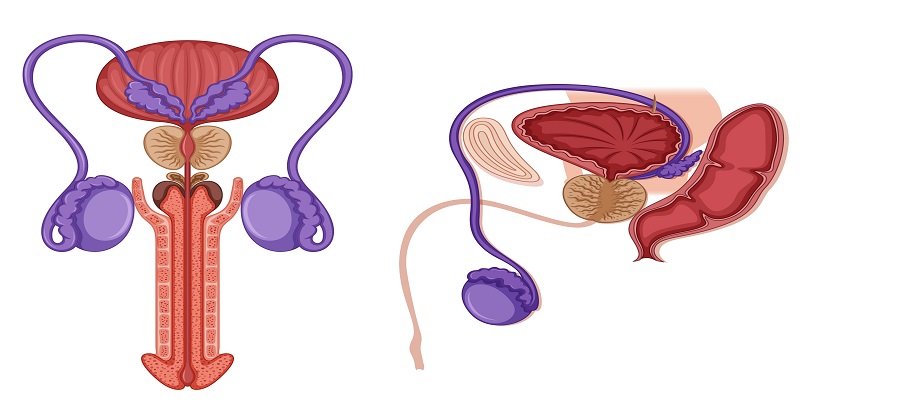
अंडकोष संबंधी समस्याओं से बचाव के लिए सावधानियां अपनाना जरूरी है। खेल या किसी भी शारीरिक गतिविधि के दौरान प्रोटेक्टिव गियर पहनना अंडकोष को चोट से बचाता है। सुरक्षित यौन संबंध बनाने से यौन संचारित रोगों (एसटीआई) का खतरा कम होता है। किसी भी संक्रमण का इलाज समय पर कराना चाहिए। जिससे वह गंभीर स्थिति में नहीं बदले। भारी वजन उठाते समय सावधानी बरतें। क्योंकि अचानक दबाव या खिंचाव से हर्निया या अन्य समस्याएं होती हैं। नियमित रूप से स्व-परिक्षण करना जरूरी है। जिससे अंडकोष में गांठ (Andcosh me ghanth in hindi), आकार में बदलाव या किसी भी असामान्यता को समय रहते पहचान की जा सके। जिससे तुरंत इलाज शुरू किया जा सके।
अंडकोष में दर्द को कभी हल्के में नहीं लेना चाहिए। यह कई बार गंभीर या आपात स्थिति का संकेत होता है। अचानक शुरू हुआ तेज दर्द, सूजन, लालिमा या बुखार के साथ दर्द, संक्रमण, टेस्टिकुलर टॉर्शन या अन्य गंभीर समस्या का लक्षण होता है। ऐसे में देर करना खतरनाक होता है। कुछ स्थितियों में इलाज में थोड़ी सी भी देरी स्थायी नुकसान का कारण बनती है। समय पर यूरोलॉजिस्ट से संपर्क (Best Urologist in Noida) कर उचित जांच और उपचार कराना जरूरी है। समय पर उपचार न केवल दर्द और असुविधा से राहत देता है, बल्कि यौन स्वास्थ्य और प्रजनन क्षमता को सुरक्षित रखता है।
अगर आपको अंडकोष में दर्द या असहजता महसूस हो रही है, तो सही जांच और इलाज के लिए आज ही नोएडा अस्पताल के विशेषज्ञ डॉक्टर से परामर्श लें।
Dr. Bhanwar Lal Barkesiya is an MCh Gold Medalist Urologist with 15+ years of experience in laser kidney stone surgery, TURP, PCNL, robotic urology, and complex urological care at Felix Hospitals, Noida.
अंडकोष में सूजन (Inguinal Hernia) पुरुषों में सबसे आम हर्निया प्रकार है। इसमें आंतों का हिस्सा अंडकोष की थैली में आ सकता है, जिससे सूजन और दर्द होता है। सही समय पर जांच और इलाज से जटिलताओं से बचा जा सकता है।
पुरुषों में प्रोस्टेट कैंसर के लक्षणों में बार-बार पेशाब आना, पेशाब में जलन या रुकावट और पीठ दर्द शामिल हो सकते हैं। समय पर जांच और सही इलाज से इस बीमारी का सफल उपचार संभव है।
 4.5
4.5


Subscribe to our
© Copyright 2026. All Rights Reserved by Felix Healthcare Private Limited
Design and development by :


 +(91)9667064100
 Emergency : +(91)9667064100