 WhatsApp
 Emergency:
  WhatsApp










Subscribe to our
Heart disease does not make its entry with a loud noise. One day you're absolutely fine, and the next not, that's precisely why preventive cardiac screening has become so crucial, particularly among the people of fast-moving cities. Majority of heart attacks and strokes can be prevented if at all we could detect the warning signs in advance. That's why heart screening tests in Noida are important. These are not routine medical tests, these are your first line of defense against cardiovascular emergencies that can alter the course of your life within a matter of seconds.
The lifestyle nowadays, dayslong working hours, traffic, pollution, fast food all these can silently raise your risk for heart issues. But the good part is that with the proper heart health screening tests at the best cardiology hospital in Noida, you can be one step ahead of issues in the future before they get serious.
Don’t wait for warning signs — take charge of your heart health now. Call +91 9667064100 to schedule your tests.
Heart ailment, conversely, sneaks up on you gradually over months or years. By the time you do realize something like chest pain, shortness of breath, unexplained fatigue the damage is already done. That's why preventive cardiac screening has been so revolutionary in contemporary medicine.
A lipid profile is the most prevalent of all heart test screens, and it's for a good reason. It's a simple blood test that informs you of how much of various types of cholesterol and triglycerides circulate in your blood. Modern lipid testing even takes into account particle size and ratios of different types of cholesterol. Too much of the bad LDL cholesterol will lead to plaque formation in your arteries, and too little good HDL cholesterol means your body's not working properly to remove toxins. For people whose food consumption is high and the eating pattern is irregular due to working hours, this heart health screening tests is in greater demand. The test should be conducted every 3-5 years in healthy people, but more frequently if you have risk factors.
High blood pressure earned the nickname "the Silent Threat" since it does not usually create noticeable signs until it is already causing damage. It is not simply a quick test in the physician's office, but it is about understanding trend and pattern over time.
What complicates blood pressure is that it can fluctuate during the day depending on how stressed you are, how active you've been, how much caffeine you've consumed, and even the time of day. For this reason, numerous physicians now suggest 24-hour ambulatory blood pressure monitoring or monitoring at home on a regular basis for a better understanding.
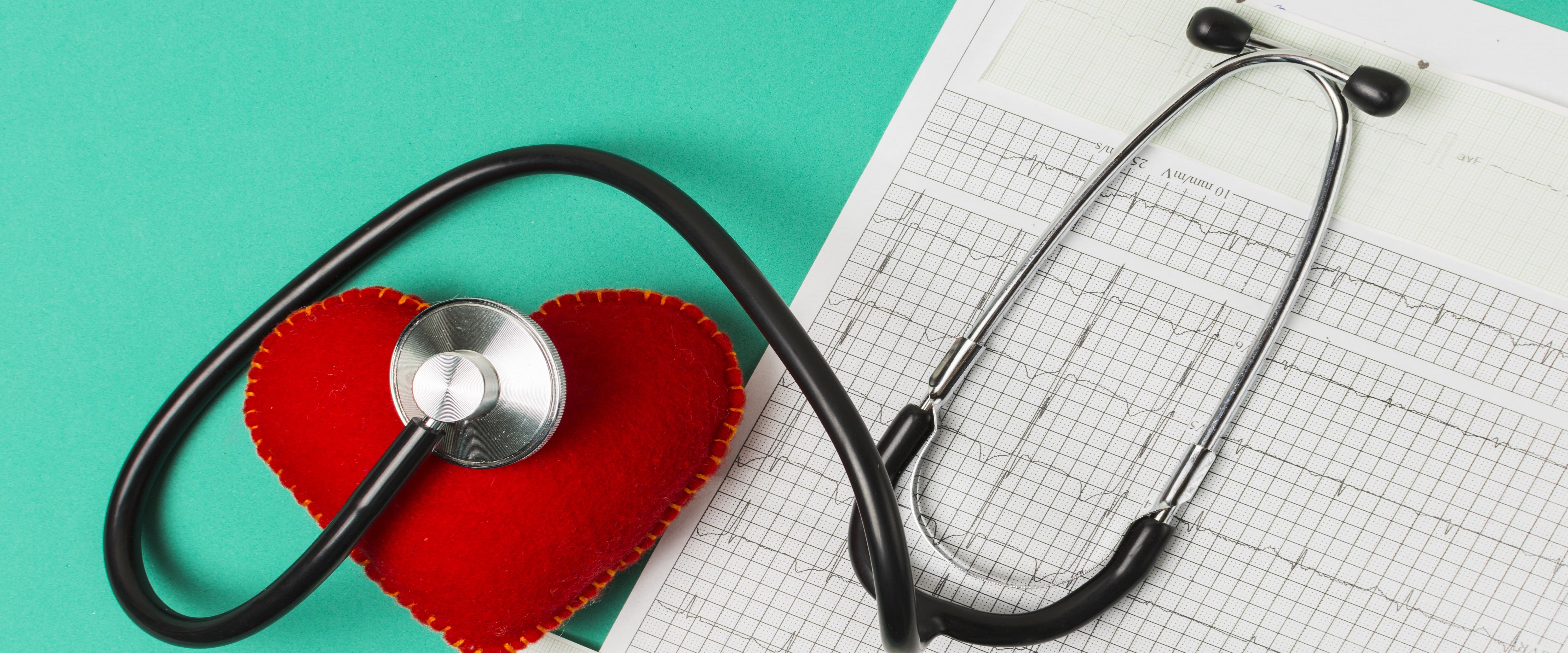
An ECG gives a very accurate description of your heart's electrical activity. Every heartbeat starts with an electrical signal, and an ECG is picking up these signals, giving you information on the rhythm, rate, and even remnants of old heart attacks you might not have known you'd had. Being the most accurate stroke and heart attack prevention tests ECG is still very rapid and non invasive..
This is a test for C-reactive protein, an inflammation marker in your body. Inflammation plays a key role in atherosclerosis i.e. the process in which arteries clog with plaque.
You can pick up on inflammation even if you're perfectly healthy with high-sensitivity CRP tests. It is a preventive cardiac screening test extremely helpful in people with normal cholesterol but perhaps still at risk for heart disease due to inflammatory processes.
Homocysteine is an amino acid whose elevation can potentially weaken blood vessel walls and lead to blood clots. Homocysteine is unique in that its elevation is typically responsive to dietary change and B-vitamin supplementation, so an elevated homocysteine is a very actionable finding.
Diabetes and coronary heart disease are connected. Diabetes is a "coronary heart disease equivalent" in the opinion of most cardiologists. Pre-diabetes or mildly elevated blood glucose levels actually do increase cardiovascular risk quite a bit.
Regular checking of blood glucose, like HbA1c (2-3 months average blood sugar), can identify problems in the early stages when lifestyle modifications are still very effective.
An echocardiogram uses sound waves to create moving images of your heart. It's a live video of how well your heart chambers are pumping, whether your valves are okay, and whether or not there is any structural problem. This test is particularly helpful because it can diagnose problems that other tests do not show, such as heart valve failure or problems with the heart muscle itself.
Not everyone needs all the tests, and how often you are tested depends on individual risk factors. Age over 40, generally more screening is needed. Family history plays a role too; if heart disease is a family history, you might need to start screening earlier and more often. Smokers, those who have stressful jobs, those who have inactive lifestyles, or those with chronic diseases like diabetes tend to need more extensive and more frequent screening.
Felix Hospitals offer customizable heart health checkup packages like, Healthy Heart Care Package including 94 parameter tests that put all these essential tests in one package. They are affordable and convenient, and most of them offer consultation with a cardiologist to interpret the results and develop personalized prevention plans.
The advantage of packages like these is that it avoids any significant test from being forgotten. Instead of keeping track of booking multiple individual tests, you can get the full cardiac check-up done in one session.
Felix Hospital stands out not just for running tests but rather examining each patient's specific risk profile and lifestyle. What sets Felix apart is their integrated cardiac care team formed of experienced cardiologists, state-of-the-art diagnostic equipment, and personalized follow-up care. The hospital offers comprehensive heart health checkup packages specifically designed for the people, taking into consideration the environmental and lifestyle conditions prevalent here. Their preventive cardiology approach makes them not just treat problems—but avoid them entirely.
Keep your heart strong — book your essential cardiac screening now at +91 9667064100.
While testing is crucial for early diagnosis, prevention really does start with the everyday choices. Regular exercise, a diet that is rich in fruits and vegetables, stress reduction, adequate sleep, and not smoking still form the foundations of cardiovascular well-being. The goal is not merely to pass your exams—it's to build a lifestyle that will maintain long-term cardiovascular well-being. Exams tell you; it's what you do with the information that determines your future cardiovascular risk. When you take into account that heart disease is still the leading cause of death in the world, and that so many heart attacks and strokes are preventable, routine heart health checkups are not only a smart concept—they are a necessity.
Q1. How do cardiologists in Felix know which tests I need to check my heart health?
Ans: Before recommending tests, Felix specialists look at your age, lifestyle, family history, and risk factors. For instance, someone who smokes or has diabetes may need more detailed tests like echocardiograms and homocysteine testing, while a younger person may only need a basic lipid profile and ECG.
Q2. Are heart screening tests at Felix Hospital in Noida safe and not invasive?
Ans: Most of the tests, like ECGs, echocardiograms, lipid profiles, and high-sensitivity CRPs, are safe, don't hurt, and don't require any surgery. They are made to give you accurate information about your heart health with as little pain as possible.
Q3. Is it possible to schedule a heart health screening test at Felix Hospital in Noida for the same day?
Ans: Yes, most screening tests can be done on the same day. Patients can also choose to book a package, which lets them take multiple tests in one visit, which saves time and effort.
Q4. How much do heart health checkup packages at Felix Hospital in Noida cost?
Ans: Felix Hospital makes sure that prices are affordable without sacrificing quality. Packages are made to include all the important heart screening tests in one visit, which makes them cheaper and easier than scheduling each test separately.
Dr. Rahul Arora is an experienced Interventional Cardiologist with 21+ years of expertise in advanced cardiac care, specializing in personalized, evidence-based treatment for heart diseases and improved patient outcomes.
Heart disease is a significant health concern for women, often presenting unique challenges. Understanding the causes, symptoms, and treatment options is essential for early detection and effective management.
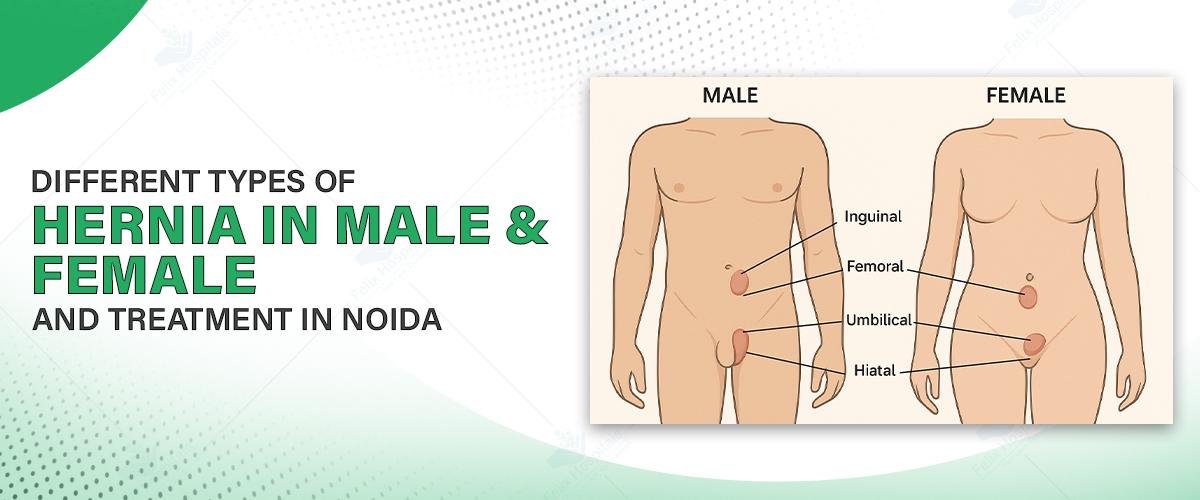
Hernia is a widespread health condition that has afflicted millions of Indians. It happens when an organ or tissue protrudes through a weakened area in the covering muscle or connective tissue. Recent research shows that about 2 million cases of hernias happen every year in India. It is more prevalent in men, especially for inguinal hernias, which represent 75% out of all hernia cases. Women are more prone to having umbilical and femoral hernias. For every patient looking for quality medical treatment, Felix Hospital is the most suitable choice in Noida for hernia treatment in males and females. Known as the best general surgery hospital in Noida, it offers the most modern facilities and state-of-the-art surgical procedures for safe and effective recovery.
Don’t let hernia pain disrupt your life — call +91 9667064100 for expert consultation.
A hernia is when a body organ, most often the intestines, bulges through a weak spot in the abdominal wall. This forms a bulge, which can be seen or felt. Symptoms of hernia, if not treated, may lead to some serious complications like strangulation and bowel obstruction, which may require emergency surgery.
Inguinal Hernia: Less common in men, located at the groin area.
Femoral Hernia: Also more common in women, in the upper thigh or groin.
Umbilical Hernia: Develops in babies and pregnant women, around the belly button.
Hiatal Hernia: When the stomach bulges into the chest through the diaphragm.
Incisional Hernia: It is found at the site of an old surgical incision.
Heavy lifting with poor technique.
Smoking or chronic respiratory condition-related chronic cough.
Obesity puts extra strain on the abdominal muscles.
The genetic background of hernia increases the risk of developing one.
Pregnancy is responsible for increased intra-abdominal pressure, which causes umbilical and femoral hernias.
Previous operations can weaken the abdominal wall and cause an incisional hernia.
Muscle weakening due to natural aging results in increased vulnerability of hernias.
Hernia refers to the protrusion of an organ or tissue inside the body through a weakened spot in the muscle wall that contains it. Symptoms vary with the extent and nature of the hernia, but among the usual symptoms are:
1. Firm mass or swelling in the abdomen or groin: One of the most evident signs is a swelling of the area of the affected part, which can be more pronounced when one is standing, coughing, or straining.
2. Pain or Discomfort, On Coughing, Bending, or Lifting
3. Heaviness or Pressure in the Affected Area: A persistent sensation of weakness or heaviness in the involved area is frequent, even in the absence of bulging.
4. Acid Reflux and Heartburn (In Hiatal Hernias): A hiatal hernia, in which the upper portion of the stomach bulges into the chest cavity via the diaphragm, could lead to acid reflux and heartburn.
5. Nausea and gastrointestinal issues, Implying Complications
These can be signs of a medical emergency that needs urgent attention.
Although both men and women can develop hernias, there are some hernias that are more prevalent in one gender than the other.
Men are also at greater risk for inguinal hernias, the intestine protrudes through the inguinal canal of the groin area.
It is caused by a natural weak zone in the groin area, where the testes descend in fetal life, and leaves an opening in the abdominal wall.
Heavy lifting, chronic cough, and straining while eliminating stools may aggravate it in men.
Women develop umbilical and femoral hernias more commonly, and this is most commonly the result of the physical demands of pregnancy and childbirth.
With increasing pregnancy, the muscles of the belly are stretched, and excess strain on the belly makes the tissues weaker and susceptible to hernias.
Hormonal changes also enter the picture, as they may affect the elasticity and strength of connective tissues.
Men usually have pain and sore bulging, hence diagnosis will be simpler.
Women may have smaller hernia protrusions that are not necessarily palpable.
They experience chronic pelvic pain or discomfort, commonly misinterpreted as gynecologic disease.
Complications like strangulation (when blood supply gets cut off by a hernia) can occur in both males and females and require prompt surgery.
Early diagnosis is crucial to prevent complications and determine the best treatment approach. Both physical examination and imaging tests are used by physicians to determine the presence of a hernia.
The doctor will check by sight and by palpation the affected area to check for any bulging. For inguinal hernias, the physician might examine both sides to determine any weakness or pre-existing bulge.
Ultrasound is typically employed in order to identify soft tissue hernias.
CT scan or MRI provides a clearer image, especially for internal hernias that are difficult to see on the outside.
An endoscopy is done if a hiatal hernia is suspected.
A thin, flexible tube containing a camera is inserted down the throat to examine the esophagus and stomach for herniation and acid reflux damage.
Treatment of hernia varies with its type, severity, and symptoms. Although small and symptomless hernias may not need surgery, most hernias do eventually.
Some changes in lifestyle are helpful in managing slight hernias and avoiding their exacerbation:
Weight Control: Weight loss decreases intra-abdominal pressure, thereby decreasing the likelihood of continued hernia formation.
Avoid Heavy Lifting: Practice good lifting techniques or avoidance of heavy objects.
Dietary changes: Patients with hiatal hernias should not consume fatty or acidic, spicy foods to prevent acid reflux and heartburn.
When a hernia is tender or grows, the only remedy that works is surgery.
One of the oldest techniques wherein a more extensive incision is used to force the hernia back inside.
The area is supported with stitches or mesh to prevent recurrence.
Used for bigger or complex hernias but has a longer recovery time.
There are tiny cuts made and a camera-guided tool is inserted to repair the hernia.
This method gives faster recovery, less scarring, and less pain compared to open surgery.
Recommended in most hernias, especially in young and active patients.
Don’t ignore persistent abdominal pain or bulges. Get checked now call +91 9667064100.
Early detection and immediate medical intervention are needed to obtain effective hernia treatment. Delayed surgery for an extended period can lead to severe complications like bowel obstruction and strangulation. If you are concerned about hernia surgery cost in Noida, Felix Hospital is providing affordable and state-of-the-art surgery for the best treatment. Take a consultation from a specialist at Felix Hospital, one of Gr. Noida’s best hospitals for hernia surgery, where some of the Best General Surgeons in Noida ensure faster, safer, and painless recovery.
Q1. Will a hernia heal by itself, or does it always have to be surgically operated on?
Ans: Hernia does not cure by itself and tends to get progressively worse. While small, asymptomatic hernias can be followed, the only sure remedy to prevent such issues as strangulation is surgery.
Q2. What is the risk of recurrence of hernia following an operation?
Ans: Recurrence is influenced by the type of hernia, the surgery performed, and post-operative management. Recurrence is lower in laparoscopic and robotic-assisted surgeries with mesh reinforcement than in open surgery.
Q3. Are there any dietary restrictions following hernia surgery?
Ans: Yes, hernia patients require a high fiber diet to prevent constipation, prevent heavy and spicy foods that cause bloating, and consume ample fluid to facilitate the healing process. Acidic foods must be prevented in the case of hiatal hernias.
Q4. How soon can you recover from laparoscopic hernia repair?
Ans: The majority of patients can be returned to light activities after a week and to full activities after 4-6 weeks. Heavy lifting and strenuous exercises need to be avoided for 6-8 weeks to prevent recurrence.
Q5. What happens if I delay hernia surgery?
Ans: Delaying surgery increases the chance that complications such as bowel obstruction, strangulation (cutting off of the blood supply to the hernia tissue) and pain (chronic) will occur. Emergency surgery in such cases is more difficult and longer in duration.
A hernia typically occurs due to a combination of muscle weakness and strain. This can happen from factors such as aging, injury, heavy lifting, chronic coughing, or conditions like pregnancy and obesity.
Cardiovascular disease is an overarching term for a broad range of various heart and blood vessel diseases that vary from coronary artery blockage and heart rhythm abnormalities to heart failure and stroke syndromes. For complicated patients needing specialized services, the choice of a Cardiovascular Diseases Hospital in Noida matters since integrated programs integrate emergency response, advanced imaging, cath labs, cardiac surgery, and rehabilitation under one roof to optimize outcomes for routine and complicated patients.
Modern management combines prevention, correct diagnosis, medication, minimally invasive techniques like angioplasty, and surgery when required, all in accordance with international evidence-based guidelines. Early diagnosis, management of risk factors, and proper follow-up are the pillars of long-term cardiac health and complication prevention. Five of the most common cardiovascular conditions, their treatment, and how to choose from the top Noida hospitals without naming them are included in this book.
If experiencing chest pain, breathlessness, sudden weakness in one side, or fast/uneven heart rate, obtain an immediate assessment by calling +91 9667064100.
Cardiovascular disease (CVD) comprises heart and vessel disease like coronary heart disease, stroke/cerebrovascular disease, peripheral arterial disease, heart failure, arrhythmias, valvular disease, and aortic disease.
Most CVDs driven by high blood pressure, cholesterol, smoking, diabetes, obesity, lack of exercise, and poor diet are fueled by atherosclerosis—plaque formation in arteries. Prevention is about controlling risks and adopting healthy habits in combination with appropriate medications and routine screening.
CAD is due to coronary artery narrowing by plaque, leading to angina, heart attacks, and heart failure if left untreated. Frequent symptoms are arm pain radiating to, chest tightness, breathlessness, or nausea, especially on effort.
Early reperfusion by primary PCI (angioplasty) or fibrinolysis in heart attacks is critical, followed by dual antiplatelet therapy and formal rehabilitation. Secondary prevention—statins, control of BP and diabetes, smoking, and cessation—is needed to avert recurrence.
Cerebrovascular disease involves brain blood supply: strokes need immediate identification with FAST (Face droop, Arm weakness, Speech difficulty, Time to call emergency).
Prevention intersects with cardiac management: control hypertension, lipids, atrial fibrillation, diabetes, and smoking to reduce risk. TIAs are prodromal events requiring urgent assessment and intense risk reduction to avoid completed strokes.
PAD refers to limb artery plaque accumulation, often with calf pain on ambulation (claudication), nonhealing ulcers, or cold hands and feet. Supervised exercise, smoking, statins, antiplatelets, and blood pressure/diabetes management are first-line treatments.
Endovascular angioplasty/stenting or bypass surgery in critical limb ischemia or lifestyle-limiting symptoms reestablish flow. PAD therapy also decreases heart attack and stroke risk in that atherosclerosis is not localized.
Heart failure is the failure of the heart to pump adequately, leading to fatigue, swelling, and shortness of breath. Guideline-based medical therapy improves survival and symptoms—usually ACE inhibitors/ARBs/ARNI, beta-blockers, mineralocorticoid receptor antagonists, and SGLT2 inhibitors, with diuretics for congestion.
Device therapy (CRT, ICD) helps select patients with conduction delays or life-threatening arrhythmias, and advanced cases are referred to mechanical support or transplant in referral centers. Cardiac rehabilitation and diet/salt restriction are the cornerstone of long-term control.
Arrhythmias are rhythm disturbances that can cause palpitations, dizziness, or stroke risk in atrial fibrillation.
Pacemakers or defibrillators are utilized in bradyarrhythmias or potentially fatal ventricular rhythms to prevent syncope and sudden death. Specialized EP laboratories in advanced cardiac centers offer mapping and ablation facilities to treat complex arrhythmias.
Coronary Artery Disease: Modification of lifestyle, cardiac medications (statins, antiplatelets, beta-blockers, ACEi/ARBs), angioplasty with stent (PCI) or bypass surgery (CABG) according to requirements.
Stroke/TIA (Cerebrovascular): Emergent imaging; intravenous thrombolysis or thrombectomy for ischemic stroke in time windows; blood pressure control; antiplatelet/anticoagulation and risk factor modification.
Peripheral Arterial Disease: Supervised exercise, smoking control, statins/antiplatelets; endovascular angioplasty/stenting or surgical bypass in severe or limb-threatening disease.
Heart Failure: Guideline-directed medications (ARNI/ACEi/ARB, beta-blocker, MRA, SGLT2i), diuretics, salt/fluid restriction; devices (ICD/CRT) and advanced therapies as necessary.
Arrhythmias: Rate/rhythm-control medications, risk-directed anticoagulation, catheter ablation in certain cases; pacemaker for bradycardia and ICD for malignant ventricular rhythms.
Capabilities and accreditation: Look for 24/7 emergency response, a dedicated coronary care unit/ICU, a cath lab, cardiac anesthesia, and post-acute cardiac rehabilitation to treat the entire continuum of care.
Clinical scope: Deliver access to noninvasive imaging, interventional cardiology, electrophysiology, and cardiothoracic surgery if advanced disease is probable, to tailor cardiovascular disease treatment in Noida without referral or delay.
Evidence-based pathways: Acute coronary syndromes, chronic coronary disease, and hypertension in hospitals following current guidelines have safer and more predictable outcomes.
Team skill: Multidisciplinary teams of highly trained cardiovascular doctors in Noida, intensivists, neurologists (for stroke), vascular surgeons, and rehabilitation specialists enable comprehensive care beyond one intervention.
Time-critical systems: Door-to-needle and door-to-balloon times, and stroke code activation, in instances of suspected stroke or myocardial infarction, are significant markers of high-quality emergency care.
Continuity of care: Effective follow-up programs, patient education, medication optimization, and risk-factor clinics reduce readmission and future recurrences.
Patient feedback and transparency: Review sites and local directories may provide insights about scope of service, patient satisfaction, and real-world information like access and coordination.
Location and access: Stay close to medical facilities can be very important during emergencies, choose facilities that are just minutes away.
For new or unfamiliar symptoms—or for a preventive check-up—make an appointment and ask specifically for cardiovascular disease treatment.
Cardiovascular disease is an umbrella term for a group of diseases—coronary artery disease, stroke, peripheral arterial disease, heart failure, and arrhythmias—with their own symptoms and proven treatments. Care is improved when patients receive rapid assessment, correct diagnosis, and guideline-driven treatment, from medications and cardiac rehabilitation to angioplasty, ablation, or surgery as needed.
Noida is home to some of the world’s best hospitals, cath labs, and full-service cardiology centers, supported by multidisciplinary teams. Consulting the best cardiologist in Noida ensures patients receive comprehensive heart care with timely interventions and advanced treatment options.
Prevention remains the foundation: managing blood pressure, cholesterol, diabetes, weight, and smoking while adopting regular exercise and a heart-healthy diet significantly lowers risk and aids recovery. With informed choices, expert guidance, and timely treatment, most individuals can live well with cardiovascular disease and maintain long-term heart and brain health.
Q1. How can I distinguish between heart and acidity induced chest pain?
Ans: Chest pain is usually pressure/heaviness with breathlessness, sweating, or pain in the jaw/arm—treat as urgent; acidity usually burns after food and is relieved by antacids.
Q2. What should I do first if I believe I am having a heart attack or stroke at home?
Ans: Call emergency services right away; do not drive yourself—only take a doctor-ordered aspirin if not allergic and not bleeding.
Q3: Can cardiovascular diseases be reversed by the lifestyle change alone?
Ans: Risk can be greatly reduced and some plaque stabilized, but many patients continue to be on medications and, in some cases, procedures.
Q4: Do I have to take lifetime medications following a heart attack?
Ans: Most patients need extended therapy (e.g., antiplatelets, statins, BP and diabetes management) tailored by the cardiologist.
Q5. Is cardiac rehabilitation really needed?
Ans: Yes—it improves fitness, reduces complications, and reduces readmissions with exercise supervised and education.
Dr. Rahul Arora is an experienced Interventional Cardiologist with 21+ years of expertise in advanced cardiac care, specializing in personalized, evidence-based treatment for heart diseases and improved patient outcomes.
The primary goal of the Treadmill Stress Test is to evaluate how well the heart responds to increased physical activity
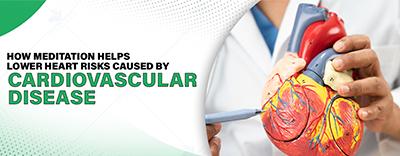
Meditation reduces stress, lowers blood pressure, and improves heart health, helping to prevent cardiovascular disease.
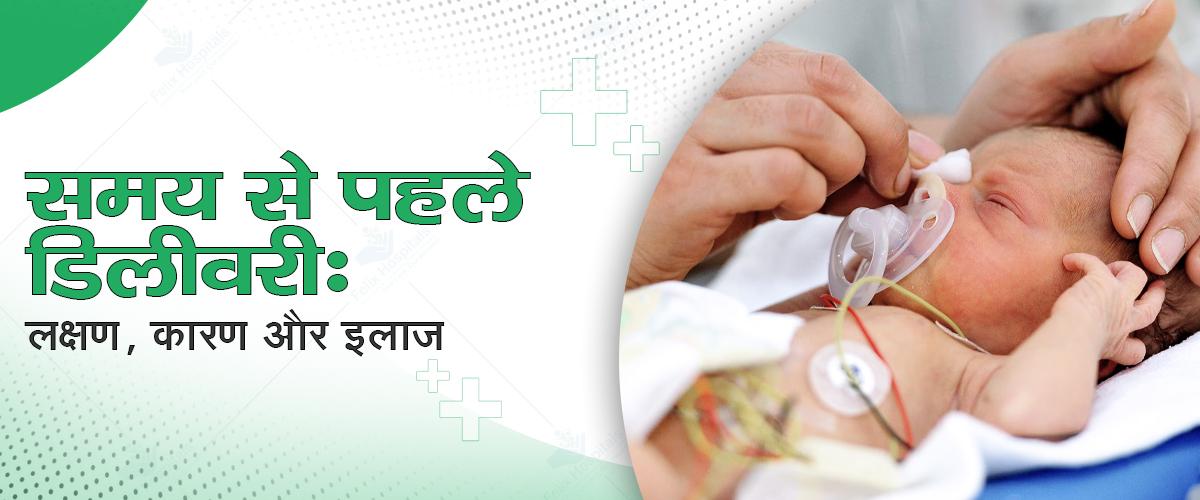
मातृत्व हर महिला के जीवन का एक अनमोल और खास अनुभव होता है। लेकिन जब शिशु गर्भावस्था के 37वें हफ्ते से पहले जन्म लेता है, तो इसे समय से पहले डिलीवरी या प्रीटर्म डिलीवरी कहा जाता है। यह स्थिति मां और नवजात दोनों के लिए गंभीर स्वास्थ्य जोखिम पैदा कर सकती है। हालांकि, समय रहते इसके लक्षणों की पहचान कर ली जाए और उचित उपचार किया जाए, तो इन जटिलताओं को काफी हद तक कम किया जा सकता है। इस ब्लॉग में हम विस्तार से जानेंगे कि समय से पहले डिलीवरी क्या होती है, इसके कारण, लक्षण, बचाव के उपाय और उपलब्ध इलाज के विकल्प। साथ ही, यदि आप नोएडा में स्त्री रोग विशेषज्ञ अस्पताल की तलाश में हैं, तो यह जानकारी आपके लिए विशेष रूप से उपयोगी साबित हो सकती है।
अभी अपॉइंटमेंट शेड्यूल करें – कॉल करें: +91 9667064100.
समय से पहले डिलीवरी क्यों होती है? (Why does preterm delivery occur?)
घरेलू और जीवनशैली से जुड़ी सावधानियां (Precautions & lifestyle tips)
लेप्रोस्कोपिक व मिनिमली इनवेसिव गाइडलाइन (Laparoscopic & minimally invasive guidelines)
सामान्यत: गर्भावस्था 37 से 40 हफ्तों तक चलती है। लेकिन यदि शिशु का जन्म 37वें हफ्ते से पहले होता है तो इसे प्रीटर्म डिलीवरी कहते हैं। विश्व स्वास्थ्य संगठन (डब्ल्यूएचओ) के अनुसार प्रीटर्म जन्म नवजात मृत्यु और जटिलताओं का प्रमुख कारण है। ऐसे शिशुओं का वजन अक्सर सामान्य से कम होता है। उनका शारीरिक विकास पूरी तरह नहीं होता है। नतीजतन उन्हें सांस लेने में कठिनाई, पाचन संबंधी समस्याएं और संक्रमण से लड़ने में कमजोरी का सामना करना पड़ता है। कई बार इन बच्चों को विशेष निगरानी और नवजात गहन चिकित्सा इकाई (एनआईसीयू) में भर्ती करना पड़ता है। प्रीटर्म शिशुओं की प्रतिरोधक क्षमता कमजोर होती है। जिससे उन्हें लंबे समय तक स्वास्थ्य संबंधी देखभाल की जरूरत पड़ती है।
गर्भावस्था के दौरान समय से पहले होने वाले प्रसव को अलग-अलग श्रेणियों में बांटते हैं। सभी स्थितियों में समय पर चिकित्सकीय देखभाल और उचित पोषण बेहद जरूरी है।
यदि शिशु का जन्म 28 हफ्ते से पहले होता है, तो इसे एक्सट्रीमली प्रीटर्म कहते हैं। ऐसे बच्चों को सबसे ज्यादा जटिलताओं का सामना करना पड़ता है।
28 से 32 हफ्ते के बीच जन्म लेने वाले शिशुओं को वेरी प्रीटर्म की श्रेणी में रखते हैं। जिनमें अंगों का विकास अधूरा होता है। उन्हें विशेष देखभाल की आवश्यकता होती है। स्त्री रोग विशेषज्ञ नोएडा
32 से 34 हफ्तों के बीच होने वाला जन्म मॉडरेट प्रीटर्म कहते हैं। जहां बच्चे का विकास अपेक्षाकृत बेहतर होता है लेकिन फिर भी कई बार सांस और पाचन से जुड़ी समस्याएं बनी रहती हैं।
34 से 37 हफ्तों के बीच जन्म लेने वाले शिशुओं को लेट प्रीटर्म कहते हैं। ऐसे शिशु पूर्ण विकसित बच्चों के करीब होते हैं, लेकिन फिर भी वजन सामान्य से कम होने या संक्रमण का खतरा रहता है।
गर्भाशय या गर्भाशय ग्रीवा की कमजोरी।
योनि या गर्भाशय में संक्रमण।
जुड़वा या ट्रिपल प्रेग्नेंसी (मल्टीपल प्रेग्नेंसी)।
गर्भाशय की संरचना में असामान्यता।
प्लेसेंटा से जुड़ी समस्याएं (जैसे प्लेसेंटा प्रिविया या प्लेसेंटा अब्रप्शन)।
हार्मोनल असंतुलन।
जीवनशैली संबंधी कारण यानी धूम्रपान, शराब, तनाव और पोषण की कमी।
पुरानी बीमारियां यानी डायबिटीज, हाई ब्लड प्रेशर, थायरॉयड आदि।
पहले प्रीटर्म डिलीवरी का इतिहास होना।
मां की उम्र बहुत कम (18 वर्ष से कम) या अधिक (35 वर्ष से ऊपर) होना
गर्भावस्था के दौरान यदि कुछ असामान्य लक्षण दिखाई दें तो यह समय से पहले डिलीवरी का संकेत होता है। इन संकेतों को समय पर पहचानना बेहद जरूरी है, ताकि तुरंत स्त्री रोग विशेषज्ञ नोएडा से संपर्क किया जा सके और मां व बच्चे की सुरक्षा सुनिश्चित की जा सके।
गर्भाशय का बार-बार और नियमित अंतराल पर सख्त होना या दर्द महसूस होना।
सामान्य दर्द की तुलना में यह ज्यादा समय तक बना रहता है और आराम करने पर भी कम नहीं होता।
अगर झिल्ली फट जाए तो एम्नियोटिक फ्लूइड बाहर निकलने लगता है, जो समय से पहले प्रसव का संकेत है। स्त्री रोग विशेषज्ञ नोएडा
हल्का-सा खून या असामान्य डिस्चार्ज भी चेतावनी का संकेत होता है।
अचानक और असामान्य रूप से पेशाब की बार-बार आवश्यकता महसूस होना।
गर्भ में बच्चे की हलचल सामान्य से कम होना या बंद हो जाना गंभीर लक्षण होता है।
गर्भावस्था के दौरान मां और शिशु दोनों के स्वास्थ्य की सुरक्षा के लिए संतुलित और पौष्टिक आहार लेना बेहद आवश्यक है।
आहार में हरी सब्जियां, मौसमी फल, दूध, दालें और साबुत अनाज शामिल करने चाहिए। जिससे शरीर को सभी आवश्यक पोषक तत्व मिल सकें।
धूम्रपान, शराब और किसी भी प्रकार के नशीले पदार्थ से पूरी तरह परहेज करना जरूरी है। क्योंकि यह सीधे बच्चे के विकास पर नकारात्मक असर डालते हैं।
गर्भवती महिला को पर्याप्त आराम करना चाहिए और तनाव से बचने का प्रयास करना चाहिए। जिससे मानसिक और शारीरिक स्वास्थ्य बेहतर बना रहे।
नियमित रूप से गर्भावस्था की जांच कराना भी जरूरी है। जिससे मां और बच्चे की स्थिति की निगरानी हो सके और समय रहते किसी भी जटिलता का पता लगाया जा सके।
व्यक्तिगत हाइजीन और स्वच्छता का विशेष ध्यान रखना चाहिए। डॉक्टर की सलाह के बिना कोई भी दवा नहीं लेनी चाहिए, ताकि गर्भावस्था सुरक्षित और स्वस्थ बनी रहे।
टोकॉलिटिक्स दवाएं: गर्भाशय की मांसपेशियों को रिलैक्स कर समय से पहले संकुचन को रोकती हैं। नोएडा में स्त्री रोग विशेषज्ञ अस्पताल
एंटीबायोटिक्स: संक्रमण की स्थिति में दी जाती हैं ताकि जटिलताओं से बचा जा सके।
स्टेरॉइड इंजेक्शन: शिशु के फेफड़ों के विकास को तेज करते हैं और जन्म के बाद सांस लेने की क्षमता बढ़ाते हैं।
सर्वाइकल सर्क्लाज: गर्भाशय ग्रीवा कमजोर होने पर सर्जिकल टांके लगाकर उसे मजबूत किया जाता है।
बेड रेस्ट और निगरानी: हाई-रिस्क प्रेग्नेंसी में आराम और नियमित जांच की सलाह दी जाती है।
निरंतर मॉनिटरिंग: डॉक्टर स्थिति पर समय-समय पर नजर रखते हैं ताकि समस्या बढ़ने से रोकी जा सके।
आधुनिक तकनीक: सुरक्षित, प्रभावी और अपेक्षाकृत कम दर्द देने वाली।
छोटे चीरे: बड़े चीरे की जगह छोटे-छोटे चीरे लगाए जाते हैं।
कम तकलीफ: मरीज को सर्जरी के बाद कम दर्द और परेशानी होती है।
जल्दी रिकवरी: सर्जरी के बाद रोगी जल्दी स्वस्थ होकर सामान्य जीवन में लौट सकती है। नोएडा में स्त्री रोग विशेषज्ञ अस्पताल
कम ब्लड लॉस: रक्त की हानि बहुत कम होती है, जिससे जटिलताओं का खतरा घटता है।
कम अस्पताल में भर्ती: लंबे समय तक अस्पताल में रहने की जरूरत नहीं होती।
37वें हफ्ते से पहले पेट में दर्द या संकुचन प्रीटर्म लेबर का संकेत है।
पानी की थैली फटना यानी संक्रमण का खतरा होता है। इसलिए तुरंत डॉक्टर से संपर्क करें।
योनि से खून आना या अधिक डिस्चार्ज होना जटिलताओं का संकेत।
गर्भावस्था में तेज बुखार, ठंड लगना या संक्रमण के लक्षण तो तुरंत जांच कराएं। नोएडा में स्त्री रोग विशेषज्ञ अस्पताल
शिशु की हलचल सामान्य से कम महसूस होने पर तुरंत डॉक्टर से मिलें।
समय पर चिकित्सकीय देखभाल मां और बच्चे दोनों की सुरक्षा सुनिश्चित करती है
प्रीटर्म बच्चों को जन्म के बाद अक्सर एनआईसीयू (नवजात गहन देखभाल इकाई) में रखा जाता है।
यहां उन्हें सांस लेने, शरीर का तापमान नियंत्रित करने और संक्रमण से बचाने के लिए विशेष चिकित्सा सहायता मिलती है।
ऐसे शिशुओं के लिए मां का ब्रेस्टमिल्क बेहद जरूरी होता है, जो पोषण, एंटीबॉडी और सुरक्षा प्रदान करता है। नोएडा में स्त्री रोग विशेषज्ञ अस्पताल
मां को पर्याप्त पोषण और आराम लेना चाहिए ताकि दूध की गुणवत्ता और मात्रा बनी रहे।
संक्रमण से बचाव के लिए बच्चे और मां दोनों की स्वच्छता पर विशेष ध्यान देना आवश्यक है।
डॉक्टर के निर्देशानुसार नियमित फॉलोअप कराना चाहिए, ताकि बच्चे की वृद्धि, स्वास्थ्य और विकास की निगरानी हो सके।
किसी भी समस्या का समय पर उपचार सुनिश्चित किया जा सके।
नोएडा में विशेषज्ञ से संपर्क करें और अभी अपॉइंटमेंट बुक करें – कॉल करें: +91 9667064100.
समय से पहले डिलीवरी एक गंभीर समस्या है। यह कई बार रोकी जा सकती है। गर्भावस्था के दौरान नियमित जांच, संतुलित आहार, तनावमुक्त जीवनशैली और डॉक्टर की सलाह का पालन जरूरी है। धूम्रपान, शराब और नशीले पदार्थों से बचकर और पर्याप्त आराम लेकर जोखिम को कम करते हैं। अगर समय पर सही उपचार और निगरानी मिल जाए तो मां और शिशु दोनों को जटिलता को बचा सकते हैं। सही सावधानियां और चिकित्सा देखभाल प्रीटर्म डिलीवरी के खतरे को घटाकर एक सुरक्षित और स्वस्थ गर्भावस्था सुनिश्चित करती हैं। नोएडा में स्त्री रोग विशेषज्ञ अस्पताल।
प्रश्न 1: समय से पहले डिलीवरी क्यों होती है?
उत्तर: संक्रमण, गर्भाशय की कमजोरी, बहु-गर्भावस्था, प्लेसेंटा की समस्या या लाइफस्टाइल फैक्टर इसकी वजह बनते हैं।
प्रश्न 2: क्या प्रीटर्म बच्चे स्वस्थ जीवन जी सकते हैं?
उत्तर: हां, सही समय पर इलाज और देखभाल मिलने पर प्रीटर्म बच्चे भी सामान्य जीवन जीना आसाना होता है।
प्रश्न 3: क्या समय से पहले डिलीवरी को रोका जा सकता है?
उत्तर: हां नियमित चेकअप, पोषण, दवाओं और सर्जरी (यदि जरूरत हो) से इसे काफी हद तक रोक सकते हैं।
प्रश्न 4: प्रीटर्म बच्चे को एनआईसीयू में कितने दिन रखना पड़ता है?
उत्तर: यह बच्चे के जन्म के समय की उम्र, वजन और स्वास्थ्य पर निर्भर करता है।

गर्भावस्था के दौरान बाह्य बवासीर एक आम समस्या है, जो महिला के शरीर में हार्मोनल बदलाव और बढ़ते दबाव के कारण होती है। समय पर सावधानी और सही इलाज से इससे राहत मिल सकती है।
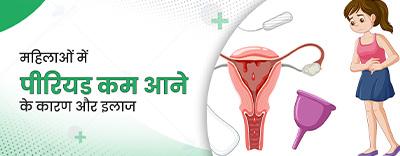
महिलाओं में पीरियड कम आने के कई कारण हो सकते हैं, जैसे हार्मोनल असंतुलन, तनाव, थायरॉइड की समस्या या वजन में बदलाव। सही समय पर जांच और इलाज जरूरी है।
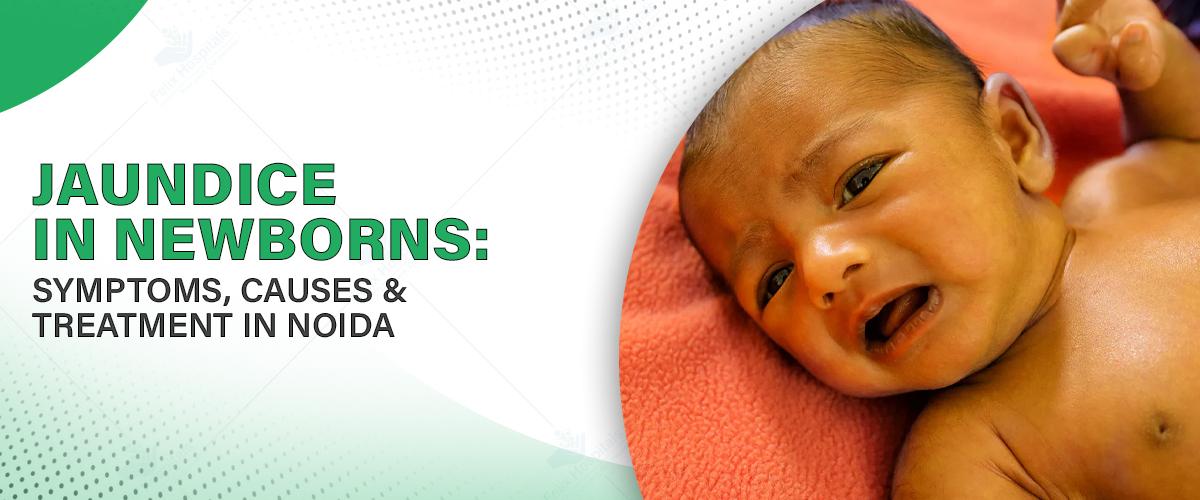
Ever noticed a yellowish color on their newborn's skin and eyes in the first few days of birth. It is called newborn jaundice, and it occurs very commonly. It is due to the buildup of bilirubin in the baby's blood because their liver at this stage will not be capable enough to get rid of it in a proper manner.
Whereas moderate jaundice resolves spontaneously, in a few cases, medical treatment is necessary to prevent complications. If you are looking for the best hospital for neonatal jaundice in Noida, you must be aware of the symptoms, causes, diagnosis, and treatment in noida of your newborn.
Early care is important. Call a child specialist now at +91 9667064100.
Jaundice is the yellow discoloration of the skin and eyes resulting from high bilirubin levels, a byproduct of the breakdown of red blood cells. The liver breaks down and helps eliminate bilirubin in normal circumstances. In infants, the liver is usually immature and not efficient in breaking down excess bilirubin, and it builds up.
This disease, also referred to as medically neonatal hyperbilirubinemia, affects about 60% of normal full-term infants and nearly 80% of premature infants within the first week of life. While usually harmless, if not treated, severe jaundice can result in serious medical complications, including cerebral damage.
It is important to detect jaundice early so parents may receive early medical advice. The signs of normal jaundice in infants include:
Yellowing of the skin, initially noticed on the face and subsequently on the chest, abdomen, arms, and legs.
Yellowing of the whites of the eyes.
Irregular feeding or poor latching.
Drowsiness and lack of energy.
High-pitched crying in severe cases.
Dark yellow-colored urine or pale-colored stools.
If signs do not improve or worsen, parents need to visit a pediatric jaundice specialist noida for further evaluation.
There are several causes of jaundice in newborn babies, ranging from normal liver immaturity to underlying illness.
The most common type, appearing on the second or third day of life.
Since the baby's liver is not yet mature enough to process bilirubin.
Usually resolves on its own within 1–2 weeks.
Happens within the first week because of poor consumption of breast milk, usually because of latching difficulties or poor milk supplies.
Leads to dehydration and reduced elimination of bilirubin.
Incompatibility of mother-fetus blood group (Rh or ABO incompatibility).
Birth trauma with bruising, resulting in excessive red blood cell breakdown.
Infectious diseases like sepsis.
Genetic or metabolic disease of the liver.
Prematurity, as preterm livers are even less mature in metabolizing and clearing bilirubin.
Having an idea of the precise cause is essential to its effective treatment.
Physicians usually screen for jaundice at the time of hospital discharge and again in the first week of life, because bilirubin will peak at day 3–5. Diagnosis may include:
Physical Examination – Where the skin and eyes are examined under natural light.
Transcutaneous Bilirubin Test (TcB) – A painless test on the baby's skin to quantify bilirubin levels.
Blood Test (Serum Bilirubin Test) – Heel-prick blood test is a test that determines the precise amount of bilirubin in the blood.
Additional Tests – For long-standing or severe jaundice, doctors might conduct liver, infection, or blood group incompatibility tests.
Early detection allows treatment in due time and reduces the risk of having complications.
The treatment varies with regard to bilirubin, infant's age, and etiology. Newborn jaundice treatment in noida is managed by the following options:
The most popular treatment in which the baby is put under a unique blue light.
The light is employed to break down bilirubin in the skin for it to be eliminated.
The baby is protected with eye shields throughout the procedure.
Typically done in hospitals but in less severe cases, home phototherapy may be feasible.
Stimulates bowel movements by providing the infant with 8–12 feedings a day to remove bilirubin.
Breast feeding and formula feeding can be recommended based on the situation.
Used in conditions of jaundice due to incompatibility of blood groups.
Helps to reduce the need for a blood transfusion.
If jaundice is caused by infection, liver disease, or other illnesses, then the underlying conditions are addressed along with management of bilirubin.
Parents must always consult a pediatric jaundice expert in Noida to determine the safest and optimal treatment method.
In most babies, jaundice is mild and goes away within 1–2 weeks without causing any damage. If not treated, however, severe jaundice may cause kernicterus, a very rare but severe brain disorder, which can result in permanent nervous system damage.
Early diagnosis and treatment ensure a good prognosis, with most of the babies recovering very well without complications.
While jaundice can never be prevented, its dangers can be minimized by parents:
Providing frequent breastfeeding during the first week of life.
Observation of the baby's urine and stool output.
Establishing regular follow-up visits with the pediatrician.
Having bilirubin levels tested prior to hospital discharge.
Emergency treatment when the symptoms increase.
When it comes to the health of your baby, the selection of the hospital becomes the most important decision to make. Among all the hospitals in Noida, Felix Hospital is renowned for its end-to-end neonatal and pediatric services. Advanced diagnostic equipment, state-of-the-art phototherapy units, and a team of very experienced pediatricians and neonatologists are present at the hospital.
Call +91 9667064100 to make an appointment for safe treatment of jaundice.
Jaundice is not a rare condition, but it should be watched out for carefully and, in some cases, treated with medical help. Recognizing the symptoms of jaundice, understanding why newborn babies get jaundice, and taking timely assistance from a pediatric jaundice specialist in Noida can be a turning point for your baby's health. With the right medical care available at trusted centers parents are able to provide their baby with the right treatment at the right time. If you notice symptoms of jaundice in your baby, don't wait—early consultation and treatment ensure your child's safe and healthy start in life.
Felix Hospital in Noida provides advanced neonatal care and early diagnosis through bilirubin testing.
Treatment depends on the severity:
1. Phototherapy
The most common treatment where the baby is placed under a special blue light that helps break down bilirubin in the skin.
2. Intravenous (IV) Fluids
Used if the baby is dehydrated or unable to feed properly.
3. Exchange Transfusion
For severe jaundice cases, blood exchange is performed to remove excess bilirubin.
4. Breastfeeding Support
Our neonatal staff guide mothers on proper feeding to help bilirubin pass naturally.
Q1. Does Felix Hospital have special care for babies who are born too early and have jaundice?
Ans: Yes. They are more likely to get sick, and Felix Hospital's Neonatal Intensive Care Unit (NICU) offers constant monitoring, advanced treatment, and expert supervision that is specifically designed for preemies.
Q2. How long does it take to find out if someone has jaundice at Felix Hospital?
Ans: In our neonatal department at Felix, we do bilirubin tests and paediatric assessments right away, so we can diagnose and treat the same day.
Q3. What kinds of care does Felix Hospital offer for severe jaundice?
Ans: Depending on the levels of bilirubin, treatments may include intensive phototherapy, IV fluids, and, in rare cases, exchange transfusion. All of these are available at Felix Hospital with the help of specialists.
Q4. Is it okay for me to stay with my baby while they are getting treatment for jaundice at Felix Hospital?
Ans: Yes. Felix Hospital promotes family-centered care, which lets parents be very involved and comfort their babies while they are getting care.
Jaundice Diet: Learn which foods support liver health and which to avoid for faster recovery.
पीलिया एक ऐसी स्थिति है जिसमें शरीर और आंखों का रंग पीला पड़ जाता है। यह मुख्य रूप से लीवर की खराबी या रक्त में बिलीरुबिन के बढ़ने के कारण होता है।
finding the best neonatologist doctor in Noida can be a crucial step. This blog provides an overview of the NICU experience and highlights essential resources for families.
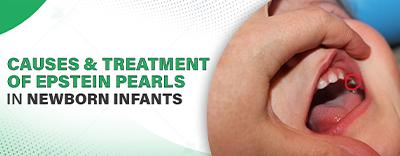
Epstein Pearls are small, white or yellowish cysts found on the gums or roof of the mouth in newborns. These harmless bumps form during fetal development and usually resolve on their own within a few weeks. No treatment is necessary unless symptoms persis
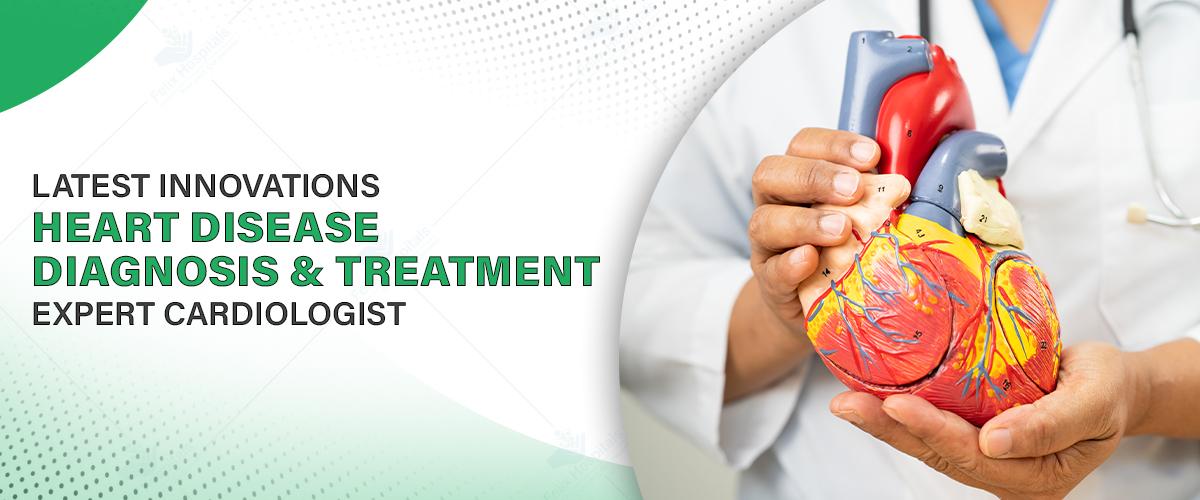
The outlook of cardiovascular medicine is experiencing a remarkable Changes, with game-changing innovations for transform how we diagnose, treat, and prevent heart disease & treatment approaches. As one of the most significant contributors to mortality globally, cardiovascular conditions require the most advanced medical technologies available. Medical innovations today are not only enhancing patient outcomes—they're revolutionizing the very practice of cardiac care.
From artificial intelligence-driven diagnostics to precision medicine that is tailored based on individual genetic profile, cardiology is witnessing unprecedented advancements that hold out new hope to millions of patients. For patients who need the proper cardiac care, consulting a heart specialist at the best Heart Hospital in Noida ensures access to such high level of technologies and treatment protocols that are transforming cardiovascular medicine.
Ready to experience the complete and proper heart care? Schedule your consultation today by calling +91 9667064100.
At the present day the cardiac diagnostics have gone beyond the traditional methods, utilizing advanced technologies that offer data beyond comparison regarding cardiac health. These advanced diagnostic methods are:
Three-dimensional echocardiography- Creates high-definition images of the heart, allowing physicians to examine complex structural flaws with unprecedented accuracy
Cardiac magnetic resonance imaging (MRI)- Provides improved tissue characterization, enabling early detection of potentially occult disease
Computed tomography angiography- Offers high-resolution coronary artery views without the invasive catheterization methods
Molecular imaging- Uses specialized tracers to detect cellular-level alterations that occur before structural damage is detectable
These imaging modalities induce minimal discomfort to the patient and provide better diagnostic information compared to conventional methods. This technique facilitates earliest detection of heart disease & treatment needs, when intervention is most effective.
Heart surgery has changed a lot lately. Honestly, it's pretty amazing what doctors can do now compared to even five years ago. The focus seems to be on being more precise while making things easier on patients.
TAVR (Transcatheter aortic valve replacement) has been huge. Instead of cracking someone's chest open - which sounds as brutal as it is - they can actually replace a heart valve by going through a blood vessel. Recovery time drops from weeks to days. My neighbor had this done last year and was back to gardening within a week.
Stem cell therapy is where things get really interesting, though it's still experimental. The idea is using your own cells to actually repair heart muscle that got damaged. Some early trials show people's hearts working better afterward, which is wild since we used to think damaged heart muscle was just done for good.
Artificial intelligence is transforming all aspects of cardiac medicine, ranging from treatment planning and diagnosis to prediction of outcome. Its most significant applications are:
Pattern recognition in imaging - Computer algorithms read huge databases of cardiac imaging and recognize patterns which maybe slip past human observers.
Risk assessment tools - computer programs examine several patient parameters simultaneously and provide customized risk profiles to guide treatment.
Predictive analytics - Help identify patients at risk of cardiac events before they occur, enabling preventive measures.
They take into account genetic data, lifestyle, medical history, and contemporaneous physiological information to develop combined health evaluations. This preventive approach is an exciting paradigm shift from reactive to preventive management of the cardiovascular system.
Minimally invasive cardiac surgery has transformed patient experience and outcomes for many cardiovascular conditions. Some of the key advancements are:
New stent technologies - Drug-eluting stents release drugs locally to prevent re-blockage, significantly increasing long-term success rates
Catheter-based valve procedures - Provide alternatives to open surgery for those patients who are not ideal candidates for traditional methods
Percutaneous coronary intervention - Use newer techniques with improved vessel support and reduced risk of restenosis
These techniques allow the treatment of severe valve conditions with the use of minimal incisions, greatly reducing procedures' risks and recovery times. Specialist treatment for those in need is available by consulting the best cardiologist in Noida, providing access to these emerging minimally invasive technologies aimed at prioritizing patient comfort and achieving the best outcomes.
Precision medicine is changing how we treat heart conditions by tailoring care to each person's unique profile. This approach covers several key areas:
Pharmacogenomics- Helps figure out which medications and dosages work best based on someone's genetic differences.
Personalized treatment protocols- Look at many patient factors together to create treatment plans that actually make sense for that individual.
Biomarker-guided therapy- Uses specific molecular signals to see how well treatment is working and make changes when needed.
This personalized strategy gets away from the old "same treatment for everyone" approach, giving people better results with fewer unwanted effects based on their particular circumstances.
Consumer wearables have become advanced medical monitoring systems able to identify cardiac abnormalities in real time. They encompass:
Electrocardiogram characteristics - The new smartwatches are able to identify atrial fibrillation and other rhythm disorders with no specific exercise
Continuous monitoring systems - Provide unmatched insight into heart health trends, detecting subtle changes that can signal emerging problems
Remote monitoring features - Enable healthcare professionals to monitor patient progress at any given time, thereby making necessary treatment plan adjustments
These devices enable treatment at an early stage before complications become significant, possibly preventing heart attacks and other cardiac emergencies and providing instant feedback to alarming changes in cardiac function.
Top cardiovascular experts stress that the future care for the heart will involve integration of several novel strategies:
Combination therapies - Utilize both drug- and device-based therapies, exhibiting greater outcomes than unimodality therapies
Telemedicine innovation - Provides access to superior cardiac care regardless of where one is
New drug targets - Science keeps advancing in lowering inflammation, metabolic fine-tuning, and cellular repair mechanisms
This integrated approach proves particularly effective for chronic cardiovascular disease follow-up care and monitoring, management of the etiologic causes of heart disease.
New imaging technologies provide unparalleled information about cardiac structure and function:
Four-dimensional flow MRI - Shows real-time visualization of blood flow patterns and reveals hemodynamic abnormalities that static images miss
AI-enhanced imaging analysis - Cuts down diagnostic errors while speeding up result delivery times
Portable imaging devices - Bring advanced cardiac assessment capabilities to different clinical settings
These systems can identify subtle abnormalities that might get overlooked during standard image review, boosting diagnostic accuracy significantly from emergency departments to remote locations.
Genetic screening is becoming more important in heart disease risk assessment and prevention approaches:
Comprehensive genetic panels - These tests identify inherited conditions that make individuals more likely to develop specific heart problems
Polygenic risk scores - This method combines information from multiple genetic variations to create personalized risk assessments
Family screening programs - These identify family members at risk for inherited heart conditions
These genetic tools help find people who would benefit from intensive preventive measures even when they have normal traditional risk factors, allowing early intervention before symptoms appear.
New drug approaches are targeting previously untreatable aspects of cardiovascular disease:
PCSK9 inhibitors - Offer dramatic reduction in cholesterol in patients not responding to standard statin treatment
SGLT2 inhibitors - Originally developed to treat diabetes, demonstrate strong cardiovascular effects
Anti-inflammatory treatments - Address the inflammatory component of atherosclerosis, potentially delaying disease development
These medications decrease hospitalization due to heart failure and cardiovascular death in a wide population by mechanisms not traditional.
Don't wait until symptoms get the better of you. Book your appointment today and find out how these treatments for manage your cardiovascular health and well-being.
The period of cardiovascular medicine has started, with extraordinary potential for treat diagnosis, treatment, and prevention. These technologies are more than a question of technological advancement—they are genuine hope for millions of cardiovascular patients worldwide. From artificial intelligence-driven diagnostics to precision medicine approaches, today's technologies empower healthcare providers with abilities unimaginable just a few years ago. As these technologies continue to advance and become increasingly affordable, patients can look forward to increasingly better outcomes and quality-of-wellness improvements.
For those in need of cardiovascular treatment, knowledge of heart disease treatment costs within the context of such advanced technology enables informed decision-making in pursuing the most appropriate and effective treatments possible. The investment in advanced cardiac care today can pay priceless dividends in future health and longevity.
Q1: How accurate are AI-based systems for diagnosing heart disease compared to traditional methods?
Ans: Artificial intelligence diagnostic programs typically are 90-95% accurate, and in certain cases, they outperform human interpretation, especially in recognizing subtle pattern changes in cardiac imaging that are not always picked up by regular analysis.
Q2: Are the new heart procedures included in insurance policies?
Ans: Coverage varies with insurance provider and treatment type. Less recently created procedures like TAVR are more likely to be covered, but always call your insurance company before having the procedure.
Q3: How long is the recovery time for minimally invasive heart surgery?
Ans: All minimally invasive procedures require 1-3 days in the hospital and 1-2 weeks to recover from, whereas open-heart surgery requires 6-8 weeks.
Q4: Are there age limits to having these new heart surgeries?
Ans: Age in itself is not typically a limiting factor. Treatment eligibility is more a matter of overall health status, underlying cardiac condition, and expected improvement in quality of life.
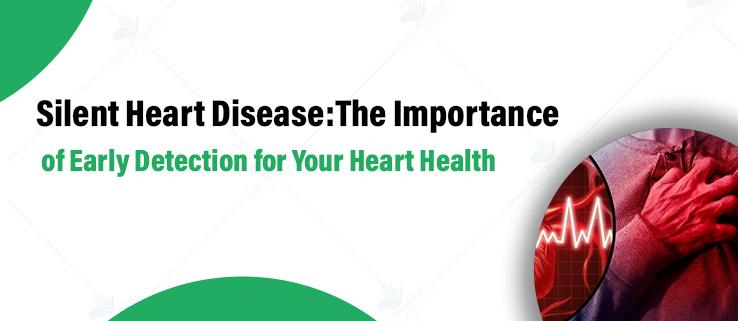
Over time, this restricted blood flow can lead to serious issues like coronary artery disease, heart attack, or heart failure.
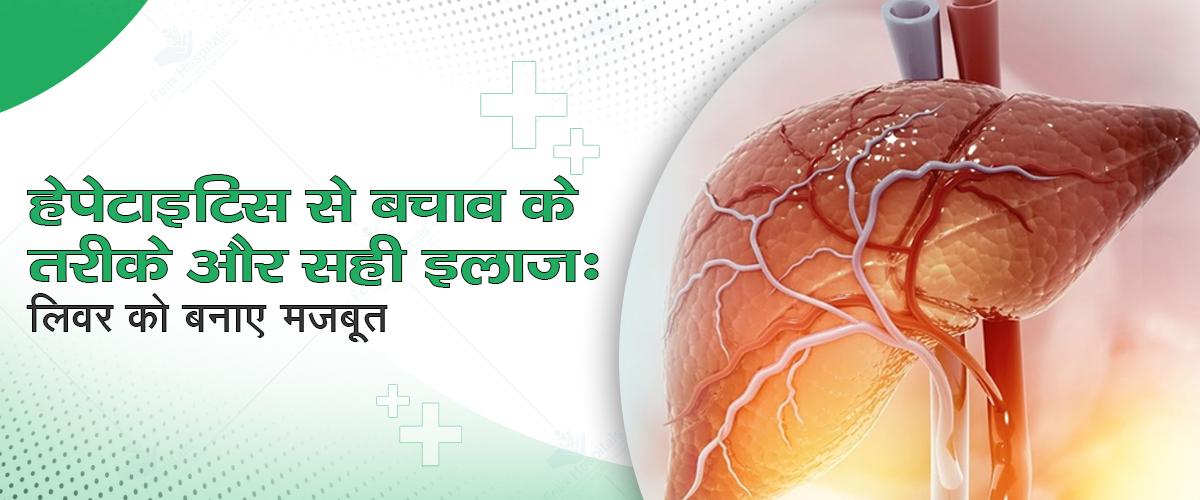
लिवर हमारे शरीर का फिल्टर है। यह खून को साफ करता है, ऊर्जा स्टोर करता है, पाचन में मदद करता है और शरीर से विषैले पदार्थ बाहर निकालता है।लेकिन जब लिवर वायरस, संक्रमण या गलत आदतों से बीमार हो जाता है, तो इसे हेपेटाइटिस कहते हैं।हेपेटाइटिस का समय पर पता लगाना और सही इलाज करना बहुत ज़रूरी है, क्योंकि यह बीमारी चुपचाप गंभीर रूप ले सकती है। आगे चलकर यह लिवर फेल्योर या लिवर कैंसर तक का कारण बन सकती है।अगर आपको लिवर संबंधी लक्षण दिखें, तो देर न करें और तुरंत विशेषज्ञ से सलाह लें। लिवर के इलाज के लिए हॉस्पिटल नोएडा में आधुनिक सुविधाएँ और अनुभवी डॉक्टर उपलब्ध हैं, जो सही निदान और उपचार सुनिश्चित करते हैं।
इस ब्लॉग में हम जानेंगे हेपेटाइटिस से बचाव के तरीके और सही इलाज के बारे में।
अभी अपॉइंटमेंट शेड्यूल करें – कॉल करें: +91 9667064100
हेपेटाइटिस (hepatitis) का मतलब है लिवर की सूजन। यह बीमारी अक्सर चुपचाप शुरू होती है। लंबे समय तक लिवर को नुकसान पहुंचाती है। इसका कारण वायरस संक्रमण (हेपेटाइटिस ए, बी, सी, डी और ई) है। अत्यधिक शराब का सेवन, कुछ दवाओं का लंबे समय तक उपयोग, जहरीले रसायन और इम्यून सिस्टम की गड़बड़ी भी लिवर को बीमार बनाती है।
यह संक्रमित पानी-खाना से फैलता है। अक्सर यह तीव्र होता है और ज्यादातर लोग बिना जटिलता के ठीक होते हैं।
संक्रमित खून, यौन संबंध या मां से बच्चे में फैलता है। यह क्रॉनिक भी होता है।
मुख्य रूप से संक्रमित खून से फैलता है। यह अक्सर लंबे समय तक लिवर को नुकसान पहुंचाता है। सिरोसिस (Cirrhosis) या कैंसर का कारण बनता है।
यह केवल उसी व्यक्ति में होता है जो पहले से हेपेटाइटिस बी से संक्रमित होता है।
दूषित पानी और खराब सफाई से फैलता है। प्रेगनेंसी में यह खतरनाक हो सकता है।
शराब के लंबे सेवन से होता है।
जब शरीर की प्रतिरक्षा प्रणाली ही लिवर पर हमला करती है।
वायरल संक्रमण (एचएवी, एचबीवी, एचसीवी, एचडीवी, एचईवी) हेपेटाइटिस का सबसे आम कारण विभिन्न वायरस होते हैं।
हेपेटाइटिस ए और ई दूषित भोजन और पानी से फैलते हैं।
हेपेटाइटिस बी और सी संक्रमित खून, यौन संबंध या सुई से फैलते हैं। लंबे समय तक शरीर में रहकर लिवर को नुकसान पहुंचाते हैं।
हेपेटाइटिस डी केवल उसी व्यक्ति में होता है। जिसे पहले से हेपेटाइटिस बी हो।
लंबे समय तक शराब पीने से लिवर की कोशिकाएं नष्ट होने लगती हैं। यह स्थिति आगे चलकर अल्कोहॉलिक हेपेटाइटिस और फिर लिवर सिरोसिस में बदलती है।
बिना डॉक्टरी सलाह (लिवर विशेषज्ञ डॉक्टर नोएडा) के दवाओं का अधिक इस्तेमाल लिवर पर असर डालता है। खासकर पेनकिलर, एंटीबायोटिक, स्टेरॉयड और कुछ हर्बल/देसी दवाएं लिवर को नुकसान पहुंचाती हैं।
जहरीले रसायन, कीटनाशक या प्रदूषित भोजन-पानी लिवर को संक्रमित करते हैं। यह टॉक्सिन धीरे-धीरे लिवर की कोशिकाओं को नुकसान पहुंचाते हैं।
हेपेटाइटिस बी और सी अक्सर असुरक्षित यौन संबंधों से फैलते हैं। यह संक्रमण धीरे-धीरे लिवर को कमजोर करता है। क्रॉनिक रोग का कारण बनता है।
बिना जांच किए हुआ खून चढ़ाने या किसी संक्रमित सुई/सिरिंज का प्रयोग करने से हेपेटाइटिस बी और सी का खतरा सबसे ज्यादा रहता है।
कमजोर प्रतिरक्षा प्रणाली वाले लोग (जैसे एचआईवी मरीज, लंबे समय से बीमार लोग) हेपेटाइटिस संक्रमण के प्रति अधिक संवेदनशील होते हैं। कई बार ऑटोइम्यून हेपेटाइटिस में शरीर की इम्यून कोशिकाएं ही लिवर पर हमला करती हैं।
हेपेटाइटिस शुरुआती दौर में अक्सर “साइलेंट” होता है। इसमें लंबे समय तक कोई खास लक्षण दिखाई नहीं देते। यही वजह है कि कई मरीज तब डॉक्टर के पास पहुंचते हैं। (लिवर विशेषज्ञ डॉक्टर नोएडा) जब रोग काफी बढ़ जाता है। इसलिए निम्न लक्षण दिखाई दें तो इन्हें नजरअंदाज नहीं करना चाहिए
लिवर की कार्यक्षमता कम होने पर भोजन पचाने की प्रक्रिया प्रभावित होती है, जिससे भूख कम लगना, जी मिचलाना और बार-बार उल्टी जैसी समस्या होती है।
हेपेटाइटिस के कारण पेट के ऊपरी हिस्से में हल्का या सुस्त दर्द होता है। कुछ मामलों में लिवर बढ़ने से पेट फूलने की समस्या भी होती है।
जब लिवर पित्त) को ठीक से प्रोसेस नहीं कर पाता तो पेशाब का रंग गहरा पीला या भूरा होता है। जबकि मल हल्का, सफेद या मिट्टी जैसा रंग का दिखता है।
हेपेटाइटिस के कारण खून में पित्त साल्ट जमा होते हैं। इससे शरीर में खुजली और कई बार लाल चकत्ते भी दिखते हैं।
भोजन सही तरीके से न पचने और भूख कम लगने से वजन तेजी से घटता है। इसे हल्के में नहीं लेना चाहिए।
खून की उल्टी, काले रंग का मल, भ्रम, चक्कर या बेहोशी, अत्यधिक पेट फूलना और पैरों में सूजन ये सभी लिवर फेल्योर या सिरोसिस की ओर इशारा करते हैं।
खून के जरिए लिवर एंजाइम, प्रोटीन और बिलीरुबिन का स्तर पता किया जाता है। इससे लिवर की कार्यक्षमता और शुरुआती डैमेज का संकेत मिलता है।
हेपेटाइटिस बी और सी वायरस की मौजूदगी की पुष्टि के लिए होती है।
लिवर की बनावट और कठोरता का पता चलता है। फैटी लिवर (Fatty Liver), सूजन, फाइब्रोसिस या सिरोसिस की स्थिति पता चलती है।
वायरस की मात्रा और एक्टिविटी की जानकारी मिलती है, जिससे इलाज की दिशा तय होती है।
गंभीर मामलों में की जाती है। इससे लिवर कैंसर, एडवांस सिरोसिस और अन्य जटिलताओं का सही आकलन होता है।
वैक्सीनः
हेपेटाइटिस ए वैक्सीन दूषित पानी या भोजन से फैलने वाले संक्रमण से बचाती है। खासकर बच्चों और उन क्षेत्रों में रहने वालों के लिए जहां संक्रमण आम है। हेपेटाइटिस बी वैक्सीन जन्म के तुरंत बाद बच्चों को लगाना जरूरी है। यह उन्हें जीवनभर सुरक्षा देती है। वयस्कों, खासकर स्वास्थ्यकर्मियों, डायलिसिस मरीजों और बार-बार ब्लड ट्रांसफ्यूजन करवाने वालों को भी यह वैक्सीन अवश्य लगवानी चाहिए।
स्वच्छता और भोजनः
हमेशा साफ और उबला हुआ पानी पिएं। दूषित पानी या बाहर का खुला खाना नहीं खाएं। कच्चे फल-सब्जी अगर बाहर से खरीदे हों तो अच्छे से धोकर खाएं। खाने से पहले और टॉयलेट के बाद हाथ धोने की आदत डालें। रेस्तरां या स्ट्रीट फूड खाते समय स्वच्छता का विशेष ध्यान रखें।
संक्रमण से बचावः
सुई, ब्लेड, टैटू के लिए कभी भी असुरक्षित उपकरण का उपयोग न करें। ब्लड ट्रांसफ्यूजन से पहले खून की स्क्रीनिंग करवाना जरूरी है। असुरक्षित यौन संबंध से बचें। स्वास्थ्यकर्मी या नशे की लत वाले लोग खासकर सावधानी बरतें। यह समूह संक्रमण के प्रति अधिक संवेदनशील होता है।
शराब और दवाओं से परहेजः
शराब लिवर की सबसे बड़ी दुश्मन है। यह लिवर को धीरे-धीरे नष्ट करती है। हेपेटाइटिस को गंभीर बनाती है। बिना डॉक्टरी सलाह के हर्बल दवाओं, पेनकिलर या सप्लीमेंट्स का सेवन नहीं करें। कई बार इनमें छुपे हुए टॉक्सिन लिवर को नुकसान पहुंचाते हैं।
हेपेटाइटिस ए और ई:
यह ज्यादातर खराब पानी और दूषित भोजन से फैलते हैं। आमतौर पर यह अल्पकालिक होते हैं। खुद ही कुछ हफ्तों में ठीक होते हैं। इलाज में मुख्य रूप से आराम, हल्का और सुपाच्य आहार, पर्याप्त पानी और इलेक्ट्रोलाइट्स लेना जरूरी है। मरीज को ज्यादा तैलीय और मसालेदार भोजन से बचना चाहिए। अचानक पीलिया या डिहाइड्रेशन में अस्पताल में भर्ती होना पड़ता है।
हेपेटाइटिस बीः
यह बीमारी क्रोनिक रूप लेती है। समय पर इलाज न हो तो लिवर सिरोसिस या कैंसर तक का कारण बनती है। मरीज को लंबे समय तक नियमित निगरानी (एलएफटी, वायरल लोड टेस्ट, अल्ट्रासाउंड) करवाते रहना पड़ता है। परिवार के अन्य सदस्यों को भी वैक्सीन लगाना जरूरी है ताकि संक्रमण नहीं फैले।
हेपेटाइटिस सीः
पहले इसका इलाज कठिन था। अब नई प्रत्यक्ष क्रियाशील एंटीवायरल (डीएए) दवाओं से यह 95 % तक ठीक होता है। दवा का कोर्स 8–12 हफ्तों तक चलता है। अधिकांश मरीज पूरी तरह ठीक होते हैं। इलाज के दौरान शराब और बिना पर्ची की दवाओं से बचना जरूरी है।
ऑटोइम्यून हेपेटाइटिसः
शरीर का इम्यून सिस्टम लिवर पर हमला करता है। इलाज में स्टेरॉयड और इम्यूनोसप्रेसिव दवाएं देते हैं। लंबे समय तक इलाज और फॉलो-अप जरूरी होता है।
अल्कोहॉलिक हेपेटाइटिसः
इसका रण अत्यधिक शराब सेवन है। सबसे बड़ा और प्रभावी इलाज है। पूरी तरह शराब छोड़ देना चाहिए। पौष्टिक आहार, विटामिन सप्लीमेंट और डॉक्टर द्वारा सुझाई गई दवाएं मदद करती हैं। अगर समय पर शराब न छोड़ी जाए तो यह लिवर सिरोसिस में बदलकता है।
गंभीर और अंतिम चरणः
अगर लिवर पूरी तरह खराब हो जाए और दवाओं से सुधार न हो तो लिवर ट्रांसप्लांट ही एकमात्र विकल्प बचता है। यह प्रक्रिया जटिल और महंगी है। मगर कई मरीजों की जिंदगी बचा सकती है।
खानपानः
हरी पत्तेदार सब्जियां खासतौर से पालक, मेथी, बथुआ और रंग-बिरंगे फल यानी सेब, पपीता, संतरा, अमरूद डाइट में जरूर शामिल करें। साबुत अनाज (जैसे गेहूं, जौ, ओट्स, ब्राउन राइस) लिवर के लिए बेहतर होते हैं। प्रोटीन के अच्छे स्रोत जैसे दालें, राजमा, मछली, अंडा और सोया उत्पाद आहार में रखें। ओमेगा-3 फैटी एसिड वाले खाद्य पदार्थ (अलसी, अखरोट, मछली) लिवर की सूजन कम करने में मदद करते हैं। तला-भुना, फास्ट फूड और पैकेज्ड फूड कम से कम खाएं, क्योंकि इनमें ट्रांस फैट और केमिकल्स होते हैं। मीठा और शक्करयुक्त पेय पदार्थ (सॉफ्ट ड्रिंक, पैकेज्ड जूस) से परहेज करना चाहिए। दिनभर में पर्याप्त मात्रा में पानी (8–10 गिलास) पिएं, ताकि शरीर से टॉक्सिन बाहर निकल सकें।
आदतेंः
रोजाना कम से कम 30 मिनट व्यायाम या योग करें। वॉकिंग, साइकलिंग या हल्की एक्सरसाइज भी फायदेमंद है। तनाव से दूर रहें ध्यान, प्राणायाम और शौक अपनाने से मानसिक स्वास्थ्य बेहतर होता है। नींद पूरी लेनी चाहिए। 7 से 8 घंटे की गहरी नींद लिवर और इम्यून सिस्टम को मजबूत करती है। शराब और धूम्रपान से पूरी तरह परहेज करें, क्योंकि ये सीधे लिवर को नुकसान पहुंचाते हैं। दवाओं का अनावश्यक सेवन न करें। कोई भी हर्बल सप्लीमेंट डॉक्टर की सलाह के बिना नहीं लें।
नियमित जांचः
जिन लोगों के परिवार में हेपेटाइटिस, फैटी लिवर, सिरोसिस या लिवर कैंसर का इतिहास है। उन्हें ज्यादा सतर्क रहना चाहिए। हर साल कम से कम एक बार एलएफटी, अल्ट्रासाउंड जांच करानी चाहिए। डॉक्टर की सलाह पर वायरल मार्कर (HBsAg, एंटी-HCV) करवाना चाहिए। मोटापा, डायबिटीज या हाई कोलेस्ट्रॉल वाले लोगों को नियमित जांच करानी चाहिए। क्योंकि उनमें फैटी लिवर का खतरा ज्यादा होता है।
हेपेटाइटिस एक साइलेंट किलर है। यह बिना शोर किए लिवर को कमजोर करता है। सही समय पर जांच, बचाव और इलाज से न केवल बीमारी को नियंत्रित कर सकते हैं। लिवर को लंबे समय तक स्वस्थ रखा जा सकता है।हेपेटाइटिस की रोकथाम इलाज से आसान और सस्ती है। इसलिए वैक्सीन लगवाएं, स्वच्छता अपनाएं, शराब से बचें और समय-समय पर लिवर टेस्ट कराएं।अगर आपको लिवर संबंधी कोई भी परेशानी महसूस हो, तो देर न करें और तुरंत लिवर विशेषज्ञ डॉक्टर नोएडा से परामर्श लें।
अगर आप हेपेटाइटिस या लिवर रोग से जुड़ी समस्या का सामना कर रहे हैं तो नोएडा के अनुभवी गैस्ट्रोएंटेरोलॉजिस्ट से संपर्क करें। अभी अपॉइंटमेंट शेड्यूल करें – कॉल करें: +91 9667064100.
प्रश्न 1: क्या हर तरह का हेपेटाइटिस खतरनाक होता है?
उत्तर: हेपेटाइटिस ए और ई अक्सर अपने आप ठीक होते है। मगर बी और सी लंबे समय तक लिवर को नुकसान पहुंचाते हैं। खतरनाक होते हैं।
प्रश्न 2: क्या हेपेटाइटिस का पूरी तरह इलाज संभव है?
उत्तर: हेपेटाइटिस सी अब आधुनिक दवाओं से पूरी तरह ठीक होता है। हेपेटाइटिस बी में वायरस को दबाकर रखा जाता है।
प्रश्न 3: क्या घरेलू नुस्खे हेपेटाइटिस ठीक कर सकते हैं?
उत्तर: नहीं, घरेलू या हर्बल दवाएं कई बार उल्टा लिवर को नुकसान पहुंचाती हैं। केवल विशेषज्ञ डॉक्टर की सलाह लेनी चाहिए।
प्रश्न 4: हेपेटाइटिस से बचने का सबसे सुरक्षित तरीका क्या है?
उत्तर: वैक्सीन, साफ पानी-खाना, सुरक्षित यौन संबंध और बिना जांच के ब्लड ट्रांसफ्यूजन से बचाव संभव है।
प्रश्न 5: क्या हेपेटाइटिस के मरीज को खास डाइट लेनी चाहिए?
उत्तर: हां हल्का, संतुलित और पौष्टिक आहार लेना चाहिए। शराब, जंक फूड और तैलीय भोजन से बचना चाहिए।
शरीर में ये 7 लक्षण नजर आ रहे हैं तो इसे नजरअंदाज न करें। यह लिवर से जुड़ी गंभीर समस्या का संकेत हो सकते हैं। समय पर जांच और इलाज से बड़ी परेशानी से बचा जा सकता है।
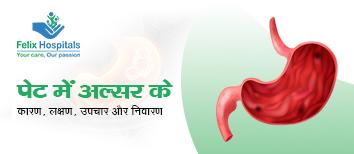
पेट में अल्सर एक आम लेकिन गंभीर समस्या है जो संक्रमण, अधिक एसिड या दवाओं के कारण होती है। इसके लक्षणों में पेट दर्द, जलन और अपच शामिल हैं। फ़ेलिक्स अस्पताल में इसका प्रभावी उपचार और परामर्श उपलब्ध है।
पीलिया एक ऐसी स्थिति है जिसमें शरीर और आंखों का रंग पीला पड़ जाता है। यह मुख्य रूप से लीवर की खराबी या रक्त में बिलीरुबिन के बढ़ने के कारण होता है।
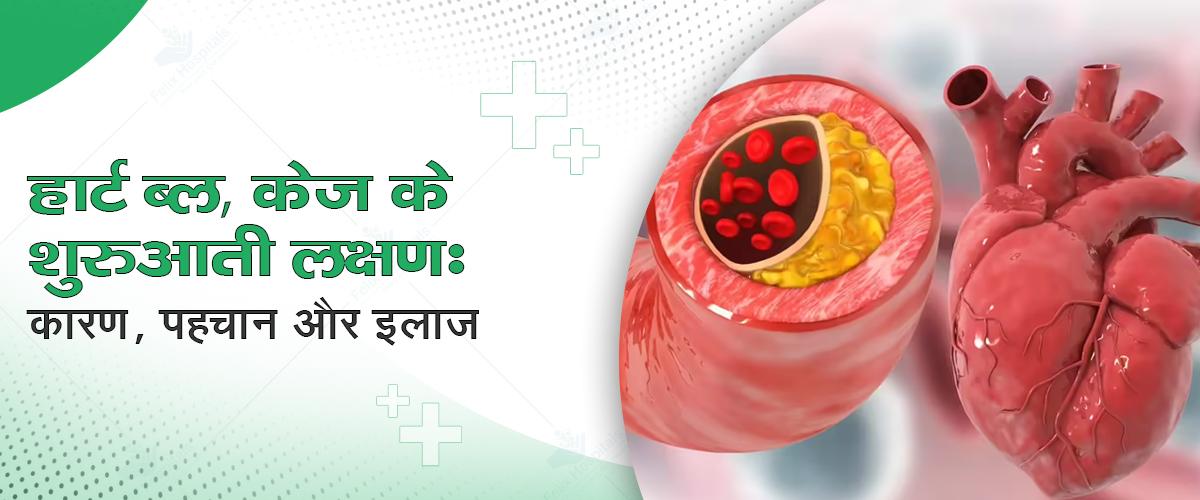
जब हृदय की धमनियों में ब्लॉकेज बनने लगता है, तो रक्त प्रवाह प्रभावित होता है। यह स्थिति यदि समय रहते न पहचानी जाए, तो हार्ट अटैक, स्ट्रोक या हार्ट फेल्योर जैसी गंभीर समस्याओं का कारण बन सकती है। दिल हमारे शरीर का मुख्य अंग है, जो पूरे शरीर में रक्त और ऑक्सीजन पंप करता है। जब धमनियों में कोलेस्ट्रॉल और फैटी पदार्थ जमा होते हैं, तो वे धीरे-धीरे ब्लॉकेज का रूप ले लेते हैं।
शुरुआत में इसके लक्षण बहुत मामूली होते हैं, जिस कारण लोग इन्हें अक्सर नजरअंदाज कर देते हैं। सीने में दर्द, सांस फूलना और थकान इसके सामान्य प्रारंभिक संकेत हैं। हार्ट ब्लॉकेज एक धीमी लेकिन गंभीर प्रक्रिया है, जो बिना लक्षणों के भी बढ़ती रह सकती है। अच्छी बात यह है कि समय पर पहचान और सही इलाज से इसे रोका जा सकता है। ऐसे मामलों में नोएडा में सर्वश्रेष्ठ हृदय रोग विशेषज्ञ से परामर्श लेना बेहद जरूरी है, ताकि सही जांच और उपचार समय पर मिल सके।
अभी अपॉइंटमेंट शेड्यूल करें – कॉल करें: +91 9667064100
हार्ट ब्लॉकेज के शुरुआती लक्षण (Early Symptoms of Heart Blockage)
हार्ट ब्लॉकेज का इलाज –कार्डियोलॉजी गाइडलाइन (Treatment Guidelines)
हृदय की धमनियों में कोलेस्ट्रॉल, फैटी डिपॉजिट (Fatty Deposits) और अन्य पदार्थ जमा होकर प्लाक बनाते हैं। यही प्लाक धीरे-धीरे धमनियों को संकरा करता है। साथ ही रक्त प्रवाह को बाधित करता है। इस स्थिति को ही हार्ट ब्लॉकेज या दिल की धमनी का रोग कहते हैं। शुरुआती अवस्था में ब्लॉकेज के कोई स्पष्ट लक्षण नहीं होते। लेकिन जैसे-जैसे रुकावट बढ़ती है। वैसे-वैसे सीने में दर्द, सांस फूलना, थकान और हार्ट अटैक जैसे लक्षण सामने आते हैं।
हार्ट ब्लॉकेज का मुख्य कारण धमनियों में प्लाक जमाव है। यह एक धीमी और लम्बी प्रक्रिया होती है, जिसमें कोलेस्ट्रॉल, वसा और अन्य अपशिष्ट पदार्थ धमनियों की दीवारों पर धीरे-धीरे जमते रहते हैं। शुरूआती अवस्था में इसका पता लगाना मुश्किल होता है। अधिकतर मामलों में कोई खास लक्षण दिखाई नहीं देते। लेकिन समय के साथ यह जमाव बढ़कर रक्त प्रवाह को बाधित करने लगता है। जब ब्लॉकेज 70 % या उससे अधिक हो जाता है। तब सीने में दर्द आदि लक्षण प्रकट होते हैं। इस स्थिति को नजरअंदाज करने पर हार्ट अटैक या स्ट्रोक जैसी गंभीर समस्याएं होती हैं।

हाई ब्लड प्रेशर: धमनियों की दीवारों पर अतिरिक्त दबाव डालकर उन्हें कमजोर करता है।
हाई कोलेस्ट्रॉल और ट्राइग्लिसराइड: प्लाक जमने की प्रक्रिया को तेज करते हैं।
धूम्रपान और तंबाकू सेवन: रक्त वाहिकाओं को सख्त और संकरी बनाकर रक्त प्रवाह को बाधित करते हैं।
मोटापा और असक्रिय जीवनशैली: ब्लड प्रेशर, कोलेस्ट्रॉल और डायबिटीज का खतरा बढ़ाकर हार्ट ब्लॉकेज की संभावना बढ़ाते हैं।
डायबिटीज: उच्च शुगर लेवल धमनियों की परत को नुकसान पहुंचाता है और जोखिम को बढ़ाता है।
तनाव और नींद की कमी: हार्मोनल असंतुलन पैदा कर हृदय पर अतिरिक्त दबाव डालते हैं।
पारिवारिक इतिहास (जेनेटिक कारण) – आनुवंशिक कारणों से भी ब्लॉकेज का खतरा बढ़ता है।
अस्वस्थ आहार: तैलीय भोजन, जंक फूड और अत्यधिक नमक का सेवन हृदय रोगों के लिए जिम्मेदार हैं।
अक्सर लोग इन संकेतों को गैस, थकान या कमजोरी समझकर नजरअंदाज करते हैं। जबकि इन्हें समय पर पहचानना जरूरी है।
दबाव, कसाव या जलन जैसा अहसास। शारीरिक गतिविधि करने पर बढ़ता है। आराम करने पर कम होता है। दर्द बीच-बीच में आता जाता है।
सीढ़ियां चढ़ने, हल्की एक्सरसाइज या कभी आराम की स्थिति में भी सांस फूलना। ऐसा महसूस होना कि फेफड़ों में पर्याप्त हवा नहीं जा रही।
सामान्य गतिविधि जैसे चलना-फिरना करने पर भी असामान्य थकान महसूस होना। रोजमर्रा के काम बोझ जैसे लगना।
दर्द सीने से शुरू होकर कंधे, बांह, पीठ, गर्दन या जबड़े तक फैलता है। कभी-कभी केवल हाथ या पीठ में दर्द से भी संकेत मिलते हैं।
हृदय को पर्याप्त रक्त न मिलने से दिमाग तक ऑक्सीजन की कमी होती है। बार-बार चक्कर आना या बेहोश होना खतरे का संकेत होता है।
हल्की गतिविधि में भी अत्यधिक पसीना आना। बेचैनी और घबराहट के साथ ठंडा पसीना आना।
सीने में दर्द हमेशा स्पष्ट न होकर थकान, अपच, नींद की समस्या, पीठ या जबड़े में दर्द के रूप में दिखता है। अक्सर लक्षण सामान्य समझकर नजरअंदाज होते हैं।
ईसीजी (Electrocardiogram): हृदय की विद्युत गतिविधि की जाँच, अनियमित धड़कन और असामान्य संकेत पकड़ने में मदद।
ईकोकार्डियोग्राफी (Echocardiography): हृदय की संरचना और पंपिंग क्षमता का आकलन।
ट्रेडमिल टेस्ट (TMT): तनाव की स्थिति में हृदय की क्षमता जांचने के लिए।
कार्डियक एंजियोग्राफी: सबसे सटीक जांच, इसमें धमनियों में ब्लॉकेज का प्रतिशत स्पष्ट रूप से दिखाई देता है।
सीटी एंजियोग्राफी: शुरुआती चरण में बिना सर्जिकल प्रक्रिया के ब्लॉकेज की पहचान के लिए उपयोगी।
ब्लड टेस्ट: कोलेस्ट्रॉल, शुगर और अन्य पैरामीटर की जांच।
संतुलित आहार लें: हरी सब्जियां, मौसमी फल और साबुत अनाज को डाइट में शामिल करें।
नियमित जांच कराएं: ब्लड प्रेशर, शुगर और कोलेस्ट्रॉल की समय-समय पर जांच करवाएँ।
नियमित व्यायाम और योग करें: इससे रक्त प्रवाह बेहतर होता है और तनाव कम होता है।
धूम्रपान और तंबाकू से पूरी तरह बचें: ये हृदय और धमनियों के लिए सबसे बड़े खतरे हैं।
पर्याप्त नींद लें: नींद की कमी और तनाव हृदय पर दबाव डालते हैं।
तनाव पर नियंत्रण रखें: मेडिटेशन, प्राणायाम या पसंदीदा गतिविधियां करें।
सही आदतें अपनाएं – यही लंबे समय तक दिल को सुरक्षित रखने का सबसे अच्छा तरीका है।
तैलीय भोजन, जंक फूड, अधिक नमक और शक्कर से दूरी बनाएं।
परिवार में हृदय रोग का इतिहास हो तो अतिरिक्त सावधानी बरतें।
समय-समय पर कार्डियक चेकअप कराते रहें।
अभी अपॉइंटमेंट शेड्यूल करें – कॉल करें: +91 9667064100.
हार्ट ब्लॉकेज धीरे-धीरे बढ़ने वाली समस्या है, जिसे समय रहते पहचानकर रोका जा सकता है। शुरुआती लक्षण जैसे सीने में भारीपन, सांस फूलना, थकान, और शरीर के ऊपरी हिस्सों में दर्द को नजरअंदाज नहीं करें। सही डायग्नोसिस, दवा, एंजियोप्लास्टी या बायपास सर्जरी से इस समस्या का सफल इलाज संभव होता है। बेहतर उपचार और अनुभवी विशेषज्ञों की सलाह के लिए मरीजों को हमेशा नोएडा में सर्वश्रेष्ठ हृदय रोग हॉस्पिटल से संपर्क करना चाहिए।
स्वस्थ आहार, नियमित व्यायाम, तनाव प्रबंधन और नियमित कार्डियोलॉजी चेकअप अपनाकर दिल को लंबे समय तक स्वस्थ रखा जा सकता है।
प्रश्न 1. क्या हार्ट ब्लॉकेज और हार्ट अटैक एक ही है?
उत्तरः नहीं हार्ट ब्लॉकेज धमनियों के संकरे होने की प्रक्रिया है। जबकि हार्ट अटैक तब होता है जब ब्लॉकेज पूरी तरह से रक्त प्रवाह रोकता है।
प्रश्न 2. क्या हार्ट ब्लॉकेज का इलाज दवा से संभव है?
उत्तरः शुरुआती स्टेज पर दवाओं और लाइफस्टाइल बदलाव से कंट्रोल किया जाता है। लेकिन गंभीर ब्लॉकेज में एंजियोप्लास्टी या बायपास सर्जरी जरूरी होती है।
प्रश्न 3. क्या युवा लोगों में भी हार्ट ब्लॉकेज हो सकता है?
उत्तरः हां, आजकल अस्वस्थ जीवनशैली, धूम्रपान, मोटापा और तनाव की वजह से 30–40 साल की उम्र में भी हार्ट ब्लॉकेज देखा जाता है। इसलिए लाइफ स्टाइल में बदलाव जरूरी है।
प्रश्न 4. हार्ट ब्लॉकेज की रोकथाम कैसे करें?
उत्तरः स्वस्थ आहार, व्यायाम, धूम्रपान से दूरी, नियमित हेल्थ चेकअप और तनाव प्रबंधन से इसे काफी हद तक रोक सकते हैं।
हार्ट अटैक के दौरान समय पर और सही उपचार दिल के दौरे के गंभीर परिणामों को रोक सकता है। सर्दियों में दिल के दौरे के इलाज के लिए समय पर और उचित चिकित्सा सहायता अत्यधिक आवश्यक है।
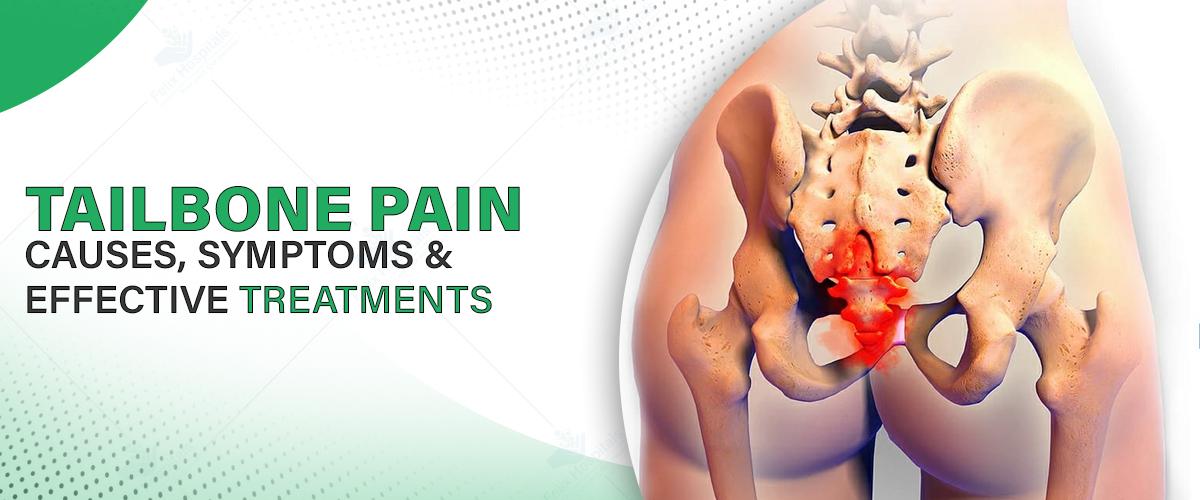
If you're suffering from long-term pain in the base of your back, don't panic, you're not alone. Tailbone pain or coccydynia is an affliction of every age and transforms the simple activities of sitting, driving, or even bending into aching and strenuous challenges. Even though it is an easily overlooked condition, if left untreated, it can significantly interfere with your daily activities and way of life.
Early intervention at the Best Orthopedic Hospital in Greater Noida can be all the difference in how quickly you can recover. Fortunately, knowing about tailbone pain, what causes it, and the best relief techniques can give you the information you need to more effectively deal with symptoms. In this guide, we're going to take you through what you need to know—everything from how to recognize symptoms to talking about immediate and long-term treatment options so that you have the information you need to make educated decisions about your health and well-being.
Don't let your pain in your tailbone dictate your life. Schedule an appointment by calling +91 9667064100 and start down the path of relief that lasts.
Coccydynia, or tailbone pain, is pain that one experiences around the coccyx—the tiny triangular bone at the tip of your spine. Most often, it is a dull, aching, or sharp, stabbing pain that typically worsens with sitting or with movements that put stress on the tailbone. The coccyx is an area of attachment of pelvic floor muscles and ligaments, and therefore normal function is integral to daily function.
Finding the cause for tailbone pain is important for proper management and lasting relief. The condition may arise suddenly following an apparent injury or become apparent with the passage of time without any apparent reason.
Tailbone pain can arise from various factors, including:
Physical Trauma or Injury: Backward falls onto a hard surface are the most common cause of tailbone pain. Coccyx injuries are also caused by pressure on the coccyx during childbirth.
Long periods of sitting: Sitting on hard or narrow surfaces for a long time can hurt the tailbone and the tissues around it. This is particularly common with working people with long periods of sitting at a desk.
Repetitive Strain: Doing things like cycling, rowing, or horseback riding over and over again can hurt the coccyx.
Changes in the joints that get worse over time: The coccyx and the cartilage around it can get worn down with age, which can cause pain. As cartilage wears down, vertebrae may rub against each other, which can be uncomfortable.
Pelvic Floor Dysfunction: If the muscles in the pelvic floor are damaged, it can cause pain in the area around the tailbone.
Infections and Tumours: Spinal infections or bone cancer in the coccyx can cause pain that doesn't go away, but these are less common.
The first step to getting the right diagnosis and treatment for tailbone pain is to know what causes it.
The symptoms of the tailbone pain typically are:
Localized pain or tenderness in the lower back that can radiate to the hips, thighs, or rectum
Increased pain on sitting, especially on hard surfaces
Pain on bowel movements or during sex
Bruising or swelling of the tailbone following trauma
Pain during sitting for extended periods
Abrupt, stabbing pain when transition is made from sitting to standing
Symptoms of tailbone pain may be experienced by some people as dull, throbbing pain similar to muscle cramps, but others have sharper pains. In every instance of severe pain, there are symptoms of nausea, muscle weakness, or gastrointestinal discomfort.
If these pain symptoms in the tailbone persist, early medical consultation is required to prevent complications and ensure proper healing. Call +91 9667064100 for expert assistance.
You ought to seek the advice of a healthcare provider if your tailbone pain:
Lasts longer than four to six weeks after trying conservative care
Gets worse over time or becomes progressively worse
Is also accompanied by fever, numbness, or muscle weakness
Disturbs daily functioning or sleep
Has other concerning signs such as bowel or bladder changes in function
For customized diagnosis and treatment, contact the best Orthopedic doctor in Noida. The early diagnosis enhances the result and avoids the onset of chronic pain conditions. The healthcare professionals can distinguish between mild bruising and serious fractures that might need special treatment.
Most doctors won't jump straight to fancy tests when you show up with tailbone pain. They'll usually:
Feel around the area to see where it's most tender
X-rays if they think something might be broken
MRI when they need to see muscles and inflammation better
CT scans occasionally for really detailed bone pictures
Take a break from whatever caused the problem
Ice packs right away, then heat after a few days
Stop doing things that make it hurt worse
Ibuprofen works great because it fights swelling too
Sometimes doctors give you stronger stuff if regular pills don't help
Acetaminophen if ibuprofen upsets your stomach
Physical therapy - sounds boring but actually helps a lot
Learning exercises that make your core muscles stronger
Kegels aren't just for new moms - guys benefit too
Those weird cushions with holes in them actually work
Donut pillows spread your weight around differently
Might take trying a few before you find your favorite
Steroid shots right into the problem area
Nerve blocks that basically tell pain to shut up
Gentle manipulation by someone who knows what they're doing
Surgery happens maybe 1% of the time when nothing else works
Same game plan as regular tailbone pain
Your body will fix itself in about 2-3 months
Just gotta baby it while it heals
Some ways to stop this from happening are:
Seating that's actually comfortable: Use chairs with some cushioning - nobody should have to suffer through hours on hard plastic or wooden seats.
Good posture (without being obsessive about it): Keep your back fairly straight when sitting and try to have your feet flat on the floor most of the time.
Moving around regularly: Strengthen your core and the muscles around your pelvis through basic exercises - they're what keep everything stable down there.
Making work less painful: Get up from your desk every so often instead of camping out for entire afternoons. Standing desks are great if your boss will spring for one.
Padding when things get rough: During activities like cycling or anything that puts pressure on your tailbone, a little extra cushioning goes a long way.
Staying at a decent weight: Extra pounds mean extra pressure pushing down on your tailbone area.
Honestly, these aren't earth-shattering changes - just common sense stuff that can save you from weeks of misery later. Your lower back will definitely appreciate the effort you put in now.
Daily management strategies include:
Changing how you move around: Don't park yourself in one spot all day - mix things up by sitting for a bit, then standing, then taking a short walk. When you do have to sit, grab a decent cushion and try not to slouch too much.
Getting your body moving gently: Try some easy stretches for those deep hip muscles (piriformis and iliopsoas if you want to get technical). Walking and swimming are fantastic because they help you heal without making things worse.
Dealing with the pain: Figure out what works for your pain - maybe it's ibuprofen, maybe it's a heating pad, maybe it's some deep breathing when things flare up. Keep track of what hurts when, so you can dodge those triggers.
Sleeping without agony: Toss a pillow between your knees if you're a side sleeper, or under your knees if you sleep on your back. Your tailbone will thank you for not putting extra pressure on it all night.
The key thing is staying in touch with your doctor about how you're feeling. If something's getting worse or a new symptom can be detected, don't just tough it out. Have a call with the best orthopedic surgeon in Greater Noida.
Ready to find relief from tailbone pain? Contact our experts today for a comprehensive evaluation and personalized treatment plan.
Dr. Keshav Goel is an experienced Orthopedic and Joint Replacement Surgeon in Noida with over 10 years of clinical expertise. He has performed 2,000+ independent surgeries and specializes in computer assisted joint replacement and arthroscopic surgeries of the knee, shoulder, and hip. Known for his skill in treating sports injuries, trauma, and joint disorders, he provides advanced and patient-focused orthopedic care.
Tailbone pain may disrupt activities of daily living and decrease the quality of your life overall, but awareness of its etiology and treatment may contribute a lot to its healing process. Coccydynia in most cases is responsive to conservative management, and its symptoms will resolve within weeks or months with appropriate treatment.
For individuals seeking surgery options or are concerned about the cost of tailbone pain surgery, visiting specialists at the Best Orthopedic Hospital in Greater Noida or consulting the best orthopedic surgeon in Greater Noida can provide clarity and customized treatment. These institutions offer end-to-end diagnostic facilities, advanced treatment procedures, and experienced orthopedic specialists who have a proper understanding of tailbone disorders.
Treatment varies with the severity of the condition and treatment of choice. Tailbone treatment at an affordable cost in Noida with conservative interventions is usually available, but operations must be carefully considered based on both medical necessity and budget. Most medical insurance will cover medically necessary treatments for coccydynia.
Q1. Does tailbone pain resolve on its own?
Ans: Yes, common tailbone pain tends to get better with rest and lifestyle changes within a few weeks.
Q2. Is it more prevalent in women?
Ans: Yes, they are more likely to suffer from tailbone pain due to childbirth and anatomy.
Q3: Can bad posture cause tailbone pain?
Ans: Yes, it can also add extra pressure on the tailbone and may cause pain.
Q4: Are sit bones connected with tailbone pain?
Ans: Sit bones are special; coccyx is where tailbone pain originates from, but sit bones are part of the pelvis.
Q5: Will weight reduction reduce tailbone pain?
Ans: Weight loss can reduce pressure on your tailbone and is possibly able to relieve pain.

Are you struggling with constant back pain that affects your daily life? Back pain can result from poor posture, long sitting hours, slip disc, muscle strain, or spinal problems.

Learn 10 simple and effective remedies to relieve post-C-section back pain. Improve posture, reduce discomfort, and speed up recovery with safe, doctor-recommended methods.
Endoscopic Spine Surgery in Noida offers a revolutionary, minimally invasive solution for chronic back and spine-related pain
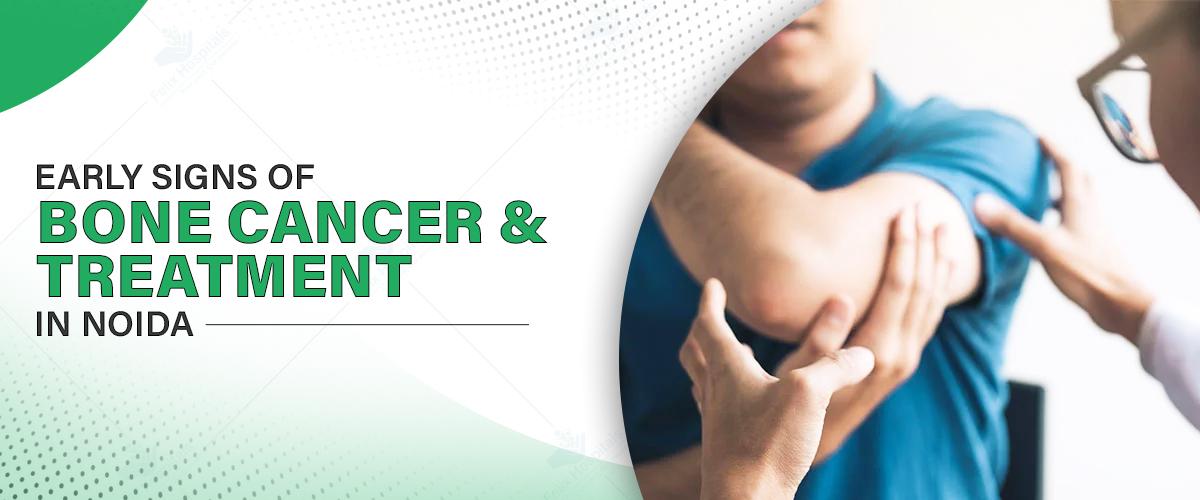
Bone cancer is a serious but rare disease that must be identified early and treated. Most of its patients confuse symptoms of bone cancer with orthopedic or joint disorders, and hence it is diagnosed late. But if it is treated in the proper environment, early intervention can make a big difference in outcomes. With the best bone cancer hospital in Noida, along with highly experienced oncologists, state-of-the-art diagnosis tools, and a wide range of treatment options, early detection of bone cancer and successful treatment are guaranteed.
Worried about joint pain or broken bones that won't go away? Get a professional opinion Call at +91 9667064100.
Bone cancer occurs when the bone cells begin to grow abnormally in an uncontrolled way, developing tumors. The tumors weaken the bone, cause pain, and, if left untreated, metastasize to other parts of the body such as the lungs or liver.
Bone cancer is either primary (within the bone) or secondary (metastatic from another organ). Primary bone cancers are:
Osteosarcoma – the most common one, often arising in young adults and children.
Chondrosarcoma – typically occurs in adults above 40 years of age.
Ewing sarcoma – usually presents in adolescents and young adults.
Secondary tumors occur more often and occur when cancers like breast, lung, or prostate cancer metastasize to the bones.
One of the key features in the management of this condition is early detection of bone cancer. These tend to overlap with everyday orthopedic symptoms and therefore vigil is the watchword. These early signs of bone cancer include:
Chronic pain in the joint or bone – often worse with use or at night.
Tenderness or a soft mass above the affected area.
Restricted movement near the involved bone or joint.
Pathological fractures, where bones break with minimal or no trauma.
Fatigue, weight loss, and fever without apparent cause.
These are not signs to be ignored, particularly if they continue despite standard treatments for injury or orthopedic problems. Early bone cancer diagnosis and treatment depends largely on patients reporting these signs early to their physician.
The precise reason for bone cancer is not yet known, but some factors can make you more likely to develop it, including:
Genetic syndromes like Li-Fraumeni syndrome or inherited retinoblastoma.
Paget's disease of bone predisposing the elderly to cancerous transformation.
Radiation exposure, particularly high-dose therapy used for a different malignancy.
Family history of unusual cancers or bone disease.
In many patients, bone cancer occurs without identifiable risk factors.
Unless they are diagnosed early, bone tumors may result in severe complications, including:
Pathologic fractures due to decreased bone strength.
Nerve compression causing pain, tingling, or numbness.
Metastasis, typically to the lungs or other bones, making it harder to treat.
Early bone cancer diagnosis and treatment contain the keys to reducing these risks.
Accurate diagnosis is essential for effective treatment planning. Diagnosis and treatment of bone cancer in Noida may involve sophisticated imaging and lab support. Tests that are performed, including:
X-rays – to identify suspected lesions or fractures.
MRI and CT scans – to monitor the exact size and area of the tumor.
Bone scans and PET scans – to check whether and how much disease has spread to the other bones or organs.
Biopsy – a mandatory examination where a tiny sample of tissue is analyzed in order to determine cancer type.
It cannot be treated without a biopsy since it will confirm whether a tumor is benign or malignant and identify the exact treatment procedure.
Modern health centers today provide full bone cancer treatment in Noida, so patients can access the newest treatments. The treatment process also differs depending on the type of tumor, site and. Some common modalities include:
Surgical removal of the tumor remains the primary treatment. Limb-sparing surgery is performed whenever feasible instead of amputation.
Particularly helpful in cancers like osteosarcoma and Ewing sarcoma. It shrinks tumors before the surgery and prevents recurrence.
Helpful if surgery is not feasible or in addition to surgery and chemotherapy. It is also used to ease pain from advanced disease.
A newer option that specifically attacks genetic mutations in the tumor, with fewer side effects and more precision.
Felix Hospitals is one of the leading hospitals for cancer treatment because of its patient-centric philosophy and oncology facilities of international standards. The hospital has a multidisciplinary team of best oncologist for bone cancer in noida, orthopedic surgeons, radiologists, and rehabilitation specialists who create customized treatment plans for each patient. With advanced imaging, diagnostic, and surgical equipment, Felix gets cancer detection right and intervention successful. Regular follow-up visits with the oncology team to detect recurrence and treat long-term side effects of treatment are necessary.
Are you worried about signs of bone cancer? Talk to expert oncologists call at +91 9667064100.
Bone cancer is a complex disease that can affect anyone at any age, but early intervention can alter the course of action. Knowing the warning signs of bone cancer, undergoing proper diagnosis, and choosing treatment in a specialized facility are the secrets to the healing process. With experienced specialists, latest therapies, and end-to-end treatment, patients can look forward to successful treatment and improved quality of life.
Q1. What kinds of treatments are there for bone cancer?
Ans: The kind and stage of bone cancer will determine how it is treated. It could involve surgery, chemotherapy, radiation therapy, or therapy that targets specific areas. In more serious cases, doctors often suggest using more than one treatment.
Q2. Is it possible to cure bone cancer?
Ans: If you catch bone cancer early, it can be treated well. The type, stage, and how well the cancer responds to treatment all affect the outcomes. Early diagnosis significantly enhances survival rates.
Q3. Is surgery always needed for bone cancer?
Ans: Not all the time. Surgery is a common way to treat cancer, but some cases can be treated with only chemotherapy or radiation, especially if the cancer can't be removed.
Q4. Can bone cancer spread to other parts of the body?
Ans: Yes, bone cancer can spread, and it usually goes to the lungs and other bones. This is why it's so important to find things early and get them treated right away.
Q5. How does recovery go after treatment for bone cancer?
Ans: The treatment you choose will affect how long it takes to get better. Physiotherapy may be necessary for mobility post-surgery, and chemotherapy or radiation may induce transient side effects. With the right follow-up care, most patients slowly get back to their normal lives.
Q6. Why should you go to Felix Hospital for bone cancer treatment in Noida?
Ans: Felix Hospital is one of the best places in Noida to get cancer care. It has state-of-the-art diagnostic tools, skilled oncologists, and a wide range of treatment options that are tailored to each patient's needs.
Bone fractures are common injuries from accidents or falls. While many heal well, complications can arise, affecting recovery. Learn more about these issues and treatments.

Subscribe to our
© Copyright 2026. All Rights Reserved by Felix Healthcare Private Limited
Design and development by :


 +(91)9667064100
 Emergency : +(91)9667064100