 WhatsApp
 Emergency:
  WhatsApp






Subscribe to our
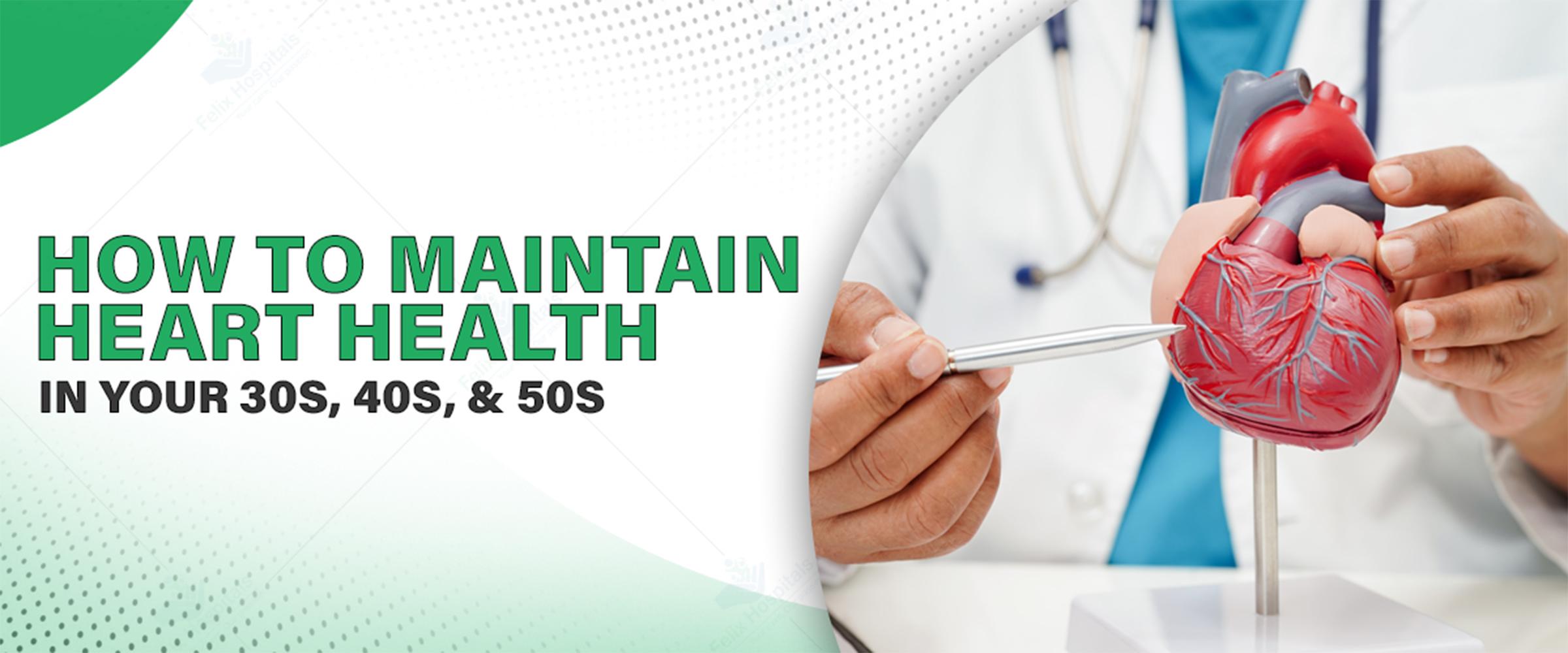
Your heart is an engine, a big muscle that works tirelessly to pump blood to every organ in your body and keep them all going. But with today’s lifestyles of grab-and-go eats, junk and fast foods, desk jobs, smoking, stress and heavy alcohol use, these subtler dangers pose heart threats at every age. Failure to attend to these issues can cause significant problems, including hypertension, stroke, and heart disease.
This is the reason why taking care of your heart’s health is not a choice, it is a necessity. A trained heart specialist doctor in Noida can provide you with necessary information to assess your risk, available screenings to prevent heart disease and personalized advice to keep your heart healthy. For those families looking for heart disease prevention by age that can offer them care and compassion, they can rely on the best Heart Hospital in Noida to enable early detection, treatment and ongoing heart health.
Get preventive screenings to protect your heart. To make an appointment for your consultation, call +91 9667064100.
Your heart is the most important part of your body. It pumps blood, delivers oxygen, and keeps everything working properly all the time. But it is always under stress from things like a bad diet, not getting enough exercise, and rising stress levels. If you don't pay attention to these things, they can cause long-term health problems like heart disease, strokes, and high blood pressure. It's important to put heart health first at every stage of life to avoid these problems and stay healthy overall.
Bad Eating Habits: Eating a lot of processed foods, saturated fats, and sugars raises the risk of heart disease.
Not exercising regularly makes the heart weaker, which can lead to obesity and high cholesterol.
Stress: Long-term stress can raise blood pressure, which can cause heart problems over time.
Using tobacco and drinking too much alcohol: Smoking and drinking too much alcohol greatly increase the risk of heart disease.
Preventive care is the most important thing you can do to keep your heart healthy. Conditions like high blood pressure, diabetes, and high cholesterol are major risk factors for heart disease. Early detection and treatment can help stop or manage these conditions. The main benefits of putting heart health first are finding and treating risk factors early.
Lower risk of heart disease and problems that come with it. Better health and longer life. You're making an investment in a healthier future by paying attention to your heart health early and often.
In your 30s, it's very important to start habits that will help your heart stay healthy and lower your risk of heart disease later in life. You can set the stage for a healthy, active, and happy future by taking the initiative.
A healthy heart starts with a balanced diet. Eat foods that are rich source of nutrients and good for your heart health
What to Include: Fresh fruits and vegetables.
Whole Grains: For lasting energy and fibre, pick oats, brown rice, and whole-grain bread.
Proteins: Fish, chicken, beans, and legumes are all good sources of low-fat protein.
Eat nuts, seeds, avocados, and olive oil in moderation to keep your heart healthy.
Fast food and processed food often have a lot of bad fats and sodium.
Sugary Drinks and Snacks: Too much sugar can make you fat and cause problems with your metabolism.
Too Much Salt: Eating a lot of sodium raises blood pressure, which is a major risk factor for heart disease. Trans fats are in some baked goods and fried foods. They can raise levels of bad cholesterol.
Exercise on a regular basis makes the heart stronger and blood flow better.
Recommendation: Do moderate-intensity exercise for at least 30 minutes five days a week. Mix up your workouts: Walking, jogging, swimming, or biking are all aerobic activities that are good for your heart health.
Ignore your stress and it may hurt your heart.
Yoga, meditation or deep breathing are a few of the practices that can lower your stress.
Fine-tune your down time: Spend time doing the things you enjoy, with friends and family and fun activities.
Prevent burnout: It’s crucial to learn to work and live in proportion to one another and delegate to others when it’s time.
Lifestyle choices can have a significant impact on the health of your heart.
Quit smoking: Cigarette smoke damages blood vessels and increases the risk of heart disease. Drinking can elevate blood pressure and increase the likelihood of heart failure.
There’s a lot to juggle in your 40s, with work, family and personal goals to keep in check. With all of that thrown at you, taking care of your heart is so important. In the face of all the change of the past and coming decade, you should also stick to several healthy habits to keep your heart healthy.
Search for problems early Regular health screening is important. What to Look For:
Blood Pressure: High blood pressure rarely shows indication, but it substantially raises the chances of having a heart disease.
Cholesterol levels High cholesterol can lead to plaque buildup in your arteries.
Blood Sugar Levels: Keeping an eye on your blood sugar can prevent or control diabetes, which is one of the main causes of heart disease.
Finding conditions like high cholesterol or high blood pressure early on lets doctors take action right away.
Regular checkups also give you a starting point for keeping track of your health over time.
As your metabolism naturally begins to slow down in your 40s, it requires more work to maintain a healthy weight.
Important Tips:
Maintain a healthy body mass index: Keep your BMI in a certain range.
Target Visceral Fat: Excess fat around your belly increases your risk for heart disease.
Choose Sustainable Diets: Opt for sensible portions, a balanced diet and foods high in nutrients.
Working too much can lead to chronic stress, which is bad for the health of your heart.
You really need more sleep.
Aim for 7 to 9 hours of uninterrupted sleep. Establish a sleep routine by going to bed and waking up at the same time each day. Big meals, alcohol and screen time before bed can all keep you from sleeping.
Blood Pressure: Try to get a reading below 120/80 mmHg. High blood pressure puts stress on the heart and arteries, which raises the risk of heart attacks and strokes.
Cholesterol Level:
LDL (bad cholesterol): Keep it low so that plaque doesn't build up in your arteries.
HDL (Good Cholesterol): Try to get your levels higher to help get rid of cholesterol.
Levels of Blood Sugar: Stay within the normal range to avoid diabetes, which is a major risk factor for heart disease.
Make sure to see your doctor for checkups on a regular basis.
Consider home monitoring devices for consistent tracking.
Your heart health is important at any age. Call +91 9667064100 to set up your heart check-up now.
Taking care of your heart is an ongoing process that rewards you with better health, more energy and a longer life. With heart-healthy habits — healthy eating, regular physical activity, stress management and seeing your doctor for preventive care — you can help avoid complications ahead of time. And if professional help is necessary, when you have the availability of an expert heart specialist doctor in Noida it can ensure the best treatment journey for you. Felix is among the top Heart Hospital in Noida offering technology and patient-centric approach to help you and your loved ones regain a healthy and strong heart. Remember: What you invest in your heart today, you earn on your tomorrows.
Find the links below:
Check the links below:
Q1. How can I tell if chest pain is serious?
Ans: If you feel tightness, heaviness, or pain that spreads to your arm or jaw, you should go to the emergency room right away. The 24/7 cardiac emergency team at Felix Hospital makes sure that patients get the care they need right away.
Q2. What changes to your lifestyle have the biggest effect on your heart health?
Ans: The best things you can do to improve your health are to exercise regularly, eat a balanced diet, stop smoking, and keep your weight in check.
Q3. Do women and men have different signs of a heart attack?
Ans: Yes. Instead of classic chest pain, women may feel nauseous, tired, have indigestion, or shortness of breath. Felix specialists know how to spot these more subtle signs.
Q4. Is it okay to work out if your blood pressure is high?
Ans: Yes, but only if a doctor is watching. Our cardiologists help you make safe plans for activities that will strengthen your heart without putting you at risk.
Q5. What kinds of heart tests can you get at Felix Hospital?
Ans: We have ECG, echocardiography, TMT, Holter monitoring, CT angiography, and advanced cardiac screening packages for people of all ages.
Q6. How does smoking hurt my heart in a direct way?
Ans: Smoking harms blood vessels, cuts down on the flow of oxygen, and speeds up the buildup of plaque, all of which can lead to heart attacks or strokes.
हार्ट अटैक के मुख्य लक्षण, कारण और तुरंत किए जाने वाले उपचार के बारे में जानें। समय पर पहचान और सही इलाज से जीवन बचाया जा सकता है।
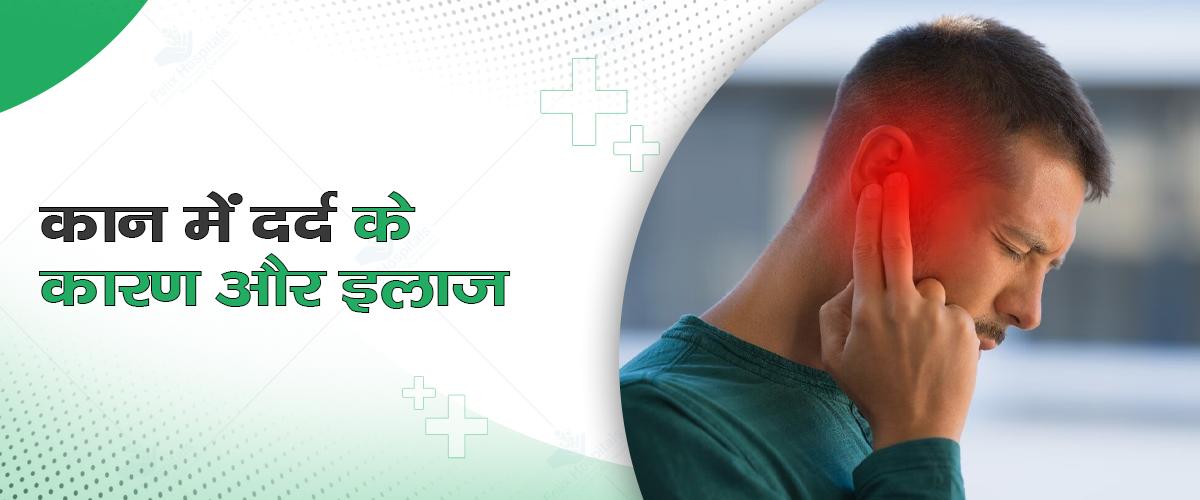
कान शरीर का संवेदनशील अंग है। जब इसमें दर्द होता है तो सहनीय लगता है साथ ही सुनने की क्षमता और दैनिक जीवन को प्रभावित होती है। कान का दर्द (Ear Pain/Otalgia) बच्चों और बड़ों दोनों में होता है। इसके कारण साधारण कान का मैल जमा होना से लेकर कान का संक्रमण, ईयर ड्रम में चोट या गले की समस्या तक होते हैं। समय पर पहचान और इलाज न मिलने पर कान में स्थायी नुकसान होता है।
अगर कान में लगातार दर्द, बहाव या सुनने में कमी हो रही हो तो नोएडा में किसी अनुभवी ईएनटी (कान-नाक-गला) विशेषज्ञ (ENT doctor Noida) से तुरंत परामर्श लेना चाहिए।
अभी अपॉइंटमेंट शेड्यूल करें – कॉल करें: +91 9667064100
कान का दर्द आम समस्या है। लेकिन इसके पीछे कई कारण होते हैं। यह दर्द तब होता है जब कान के अंदर सूजन, संक्रमण, मैल का जमना, प्रेशर में अचानक बदलाव या फिर किसी तरह की चोट लगती है। कई बार कान का दर्द सीधे तौर पर कान से जुड़ा हुआ नहीं होता। बल्कि दांतों की समस्या (Dental problems), गले की सूजन (swelling of the throat), या जबड़े की परेशानी के कारण भी महसूस होता है। अगर कान में लगातार दर्द बना रहे या कान से तरल पदार्थ निकलने लगे तो तुरंत डॉक्टर से संपर्क करना चाहिए।
कान में तेज या हल्का दर्द महसूस होना
कान से पानी, पस या खून निकलना
सुनने की क्षमता कम होना या गूंजना
कान में भारीपन या दबाव महसूस होना
चक्कर आना या सिरदर्द
बच्चों में बार-बार रोना और कान को पकड़ना
मध्य कान का संक्रमण:
यह सबसे आम कारण है। इसमें कान के अंदर तरल पदार्थ जमा होता है। जिससे बुखार (fever), कान में तेज दर्द और सुनने में कमी होती है। अगर समय पर इलाज न हो तो यह पुराना संक्रमण बनता है।
स्विमरस ईयर:
यह कान की बाहरी नली का संक्रमण है। जो अक्सर तैराकी या कान में नमी रहने से होता है। इसमें कान लाल, सूजा हुआ और स्पर्श करने पर दर्दनाक होता है। कभी-कभी कान से पस या पानी भी निकलता है।
कान का मैल जमा होनाः
कान में मैल का अधिक जमाव कान की नली को ब्लॉक करता है। जिससे दबाव और दर्द महसूस होता है।
कभी-कभी सुनने में कमी, कान बंद होने का एहसास और सिर भारी लगने जैसी समस्या होती है।
सर्दी-जुकाम या गले की समस्याः
नाक और कान को जोड़ने वाली यूस्टेशियन ट्यूब बंद होने पर कान में प्रेशर बढ़ता है। यह स्थिति खासकर बच्चों में सामान्य जुकाम (Cold), एलर्जी या गले की सूजन के समय ज्यादा देखने को मिलती है। परिणामस्वरूप कान में दर्द, बंद होने का अहसास होता है।
चोट या ईयर ड्रम फटनाः
कान पर चोट लगने, बहुत तेज आवाज (लाउड म्यूजिक या विस्फोट) सुनने या फ्लाइट/स्कूबा डाइविंग जैसी स्थिति में अचानक दबाव बदलने से ईयर ड्रम (ear drum) फटता है। अचानक तेज दर्द, कान से खून या तरल का निकलना और सुनने की क्षमता में कमी इसके लक्षण है।
दांत या जबड़े की समस्याः
कई बार कान का दर्द सीधे कान से जुड़ा न होकर दांतों की समस्या (कैविटी) या मसूड़ों की सूजन (Swelling of the gums) से होता है। जबड़े के जोड़ में समस्या होने पर कान में दर्द और भारीपन होता है।
टॉन्सिलाइटिस (Tonsillitis): गले के टॉन्सिल्स में सूजन होने पर दर्द कान तक फैलता है।
साइनस इंफेक्शन (Sinus infection): नाक और गाल की हड्डियों में साइनस की सूजन से कान में दबाव और दर्द होता है।
एलर्जी या ठंडी हवा लगना: ठंडी हवा, धूल या एलर्जी के कारण कान की नली में जलन और दर्द होता है।
क्लिनिकल एग्जामिनेशनः
डॉक्टर कान की नली और कान के परदे (ईयर ड्रम) को टॉर्च या ओटोस्कोप से ध्यानपूर्वक देखते हैं। इससे यह पता चलता है कि कान में सूजन है या नहीं, ईयर ड्रम लाल या फूला हुआ है या फिर उसमें छेद है। इससे बाहरी और मध्य कान के संक्रमण को पहचानने में मदद मिलती है।
श्रवण परीक्षणः
इसमें मरीज की सुनने की क्षमता को मापा जाता है। हेडफोन या मशीन के जरिए अलग-अलग ध्वनियों को सुनाकर यह देखते हैं कि कान कितनी अच्छी तरह काम कर रहे हैं। यह जांच खासकर बार-बार कान के संक्रमण या ईयर ड्रम फटने की स्थिति में जरूरी होती है।
ईयर कल्चर टेस्टः
अगर कान से पानी, पस या तरल पदार्थ निकल रहा है तो उसका सैंपल लेकर प्रयोगशाला में जांच होती है। इससे यह पता चलता है कि संक्रमण बैक्टीरिया, वायरस या फंगस की वजह से है। सही कारण पता चलने पर डॉक्टर सही एंटीबायोटिक या एंटी-फंगल दवा दे पाते हैं।
इमेजिंग (सीटी स्कैन / एमआरआई)
यह जांच लंबे समय से चले आ रहे कान के संक्रमण के मामलों में की जाती है। सीटी स्कैन से कान की हड्डियों और मध्य कान की संरचना देखते हैं। एमआरआई से यह पता लगाया जा सकता है कि कहीं संक्रमण मस्तिष्क या आसपास की नसों तक तो नहीं फैला है।
डॉक्टर एंटीबायोटिक टैबलेट या ईयर ड्रॉप देते हैं। यह दवाएं बैक्टीरिया को खत्म करके संक्रमण को नियंत्रित करती हैं।
अगर कारण फंगस है, तो एंटी-फंगल ईयर ड्रॉप का इस्तेमाल होता है। इस दौरान कान को सूखा रखना बेहद जरूरी है।
दर्द कम करने के लिए पेन रिलीवर जैसे पैरासिटामोल, आइबुप्रोफेन और एंटी-इंफ्लेमेटरी दवाएं दी जाती हैं। यह सूजन घटाकर राहत देती हैं।
अगर कान का दर्द मैल जमने की वजह से है तो डॉक्टर सिरिंजिंग या सक्शन से मैल निकालते हैं। ध्यान रहे खुद से कॉटन बड या नुकीली चीज से कान साफ करना खतरनाक होता है। इससे ईयर ड्रम फटने का खतरा होता है। कोई भी खतरनाक कदम उठाते हुए समय रहते अच्छे ईएनटी हॉस्पिटल (Best ENT Hospital in Noida) से आवश्य संपर्क करें।
ईयर ड्रम रिपेयर: (Ear Drum Repair)
अगर ईयर ड्रम फट गया हो और खुद से न जुड़ रहा हो तो इस सर्जरी से उसका रिपेयर किया जाता है।
टॉन्सिल/एडेनॉइड सर्जरी: (Tonsil/Adenoid Surgery:)
जिनको बार-बार गले या कान का संक्रमण होता है। उनमें टॉन्सिल या एडेनॉइड हटाने की सर्जरी की जाती है।
विशेष इलाजः
बार-बार मिडिल ईयर इंफेक्शन में ईएनटी स्पेशलिस्ट की निगरानी में दवा देते है। कई बार बच्चों के कान में छोटी ट्यूब डाली जाती है। जिससे तरल पदार्थ जमा न हो और संक्रमण बार-बार न हो।
कान में नुकीली चीज न डालेंः
कॉटन बड, पिन, माचिस की तीली या किसी भी नुकीली चीज से कान साफ करने की कोशिश नहीं करें। इससे ईयर ड्रम फट सकता है या कान की नली में चोट लगती है। कान का मैल साफ करवाने के लिए हमेशा डॉक्टर की मदद लें।
ठंडी हवा और धूल से बचाएं
कान संवेदनशील होते हैं। इसलिए उन्हें ठंडी हवा, धूल और गंदगी से बचाना जरूरी है। सर्दी या संक्रमण के मौसम में बच्चों को टोपी या कान ढकने वाले कपड़े पहनाएं।
तैराकी के समय सावधानी बरतेंः
स्विमिंग करते समय कान में पानी न जाए, इसके लिए ईयर प्लग का इस्तेमाल करें। कान में पानी जाने से अक्सर स्विमर’स ईयर का खतरा बढ़ता है।
सर्दी-जुकाम का सही इलाज कराएंः
साधारण सर्दी-जुकाम या गले की सूजन को नजरअंदाज न करें। अगर समय पर इलाज न हो तो यह संक्रमण कान तक पहुँच सकता है और कान में दर्द या इंफेक्शन कर सकता है।
बच्चों को दूध पिलाने का सही तरीका अपनाएंः
छोटे बच्चों को बोतल से दूध पिलाते समय लेटाकर न पिलाएं। लेटाकर दूध पिलाने से दूधयूस्टेशियन ट्यूब में जाता है। मिडिल ईयर इंफेक्शन का खतरा बढ़ता है।
भाप लेने से राहतः
अगर कान का दर्द सर्दी-जुकाम की वजह से है तो गरम पानी की भाप लेना फायदेमंद होता है। भाप से नाक और कान के रास्ते खुले रहते हैं। प्रेशर कम होता है।
लंबे समय तक दर्दः
अगर कान से लगातार पस या तरल पदार्थ निकल रहा है। दर्द लंबे समय तक बना है तो इसे हल्के में नहीं लें। तुरंत ईएनटी स्पेशलिस्ट को दिखाएं। जिससे समस्या गंभीर न हो और सुनने की क्षमता प्रभावित न हो।
अभी अपॉइंटमेंट शेड्यूल करें – कॉल करें: +91 9667064100
कान में दर्द एक साधारण समस्या लगती है। लेकिन यह गंभीर बीमारी का संकेत है। समय पर इलाज नहीं मिलने पर सुनने की क्षमता प्रभावित होती है। बच्चों और बड़ों दोनों को कान की सफाई, संक्रमण से बचाव और समय पर इलाज पर ध्यान देना चाहिए। अगर कान से बार-बार पस निकल रहा हो, दर्द बना रहे या सुनने में कमी हो, तो तुरंत जांच करवानी चाहिए। समय रहते पहचान से इलाज संभव होता है। ज्यादा देरी पर नुकसान हो सकता है। सही और सुरक्षित उपचार के लिए नोएडा में सर्वश्रेष्ठ ईएनटी अस्पताल से संपर्क करें।
प्रश्न 1: कान में दर्द का सबसे आम कारण क्या है?
उत्तर: मिडिल ईयर इंफेक्शन और बड़ों में ईयरवैक्स जमा होना सबसे आम कारण हैं। इसलिए कान की सफाई जरूरी होती है।
प्रश्न 2: क्या कान का दर्द अपने आप ठीक होता है?
उत्तर: हल्के मामलों में आराम और घरेलू उपाय से ठीक होता है. लेकिन लगातार दर्द रहने पर डॉक्टर को दिखाना जरूरी है। देरी पर नुकसान होता है।
प्रश्न 3: क्या कान में तेल डालना सही है?
उत्तर: बिना डॉक्टर की सलाह पर कान में तेल डालना खतरनाक होता है। खासकर अगर ईयर ड्रम फटा हो। बिना किसी सलाह के यह नुकसानदेह हो सकता है।
प्रश्न 4: कान के दर्द में कौन सी दवा लें?
उत्तर: केवल डॉक्टर की सलाह पर ही एंटीबायोटिक या पेनकिलर लें। खुद से दवा लेना नुकसानदेह होता है। यह बार यह खतरा बढ़ाती है।
प्रश्न 5: कान का दर्द क्यों ज्यादा होता है?
उत्तर: कान की नली छोटी और संकरी होती है, जिससे संक्रमण जल्दी फैलता है। इस कारण अगर कोई लक्षण दिखे तो तुरंत डॉक्टर से सलाह लेनी चाहिए।

There has been a steep rise in hearing issues in the last 5 years. People who use earphones and headphones continuously for long duration are prone to become deaf.
हार्ट अटैक के दौरान समय पर और सही उपचार दिल के दौरे के गंभीर परिणामों को रोक सकता है। सर्दियों में दिल के दौरे के इलाज के लिए समय पर और उचित चिकित्सा सहायता अत्यधिक आवश्यक है।
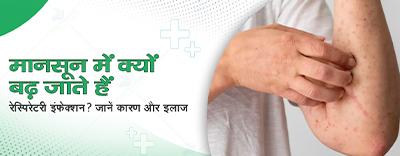
मानसून के मौसम में वायुमार्ग संबंधी संक्रमण तेजी से बढ़ जाते हैं। इस लेख में हम इनके कारण, लक्षण और प्रभावी इलाज के विकल्पों के बारे में जानकारी देंगे।
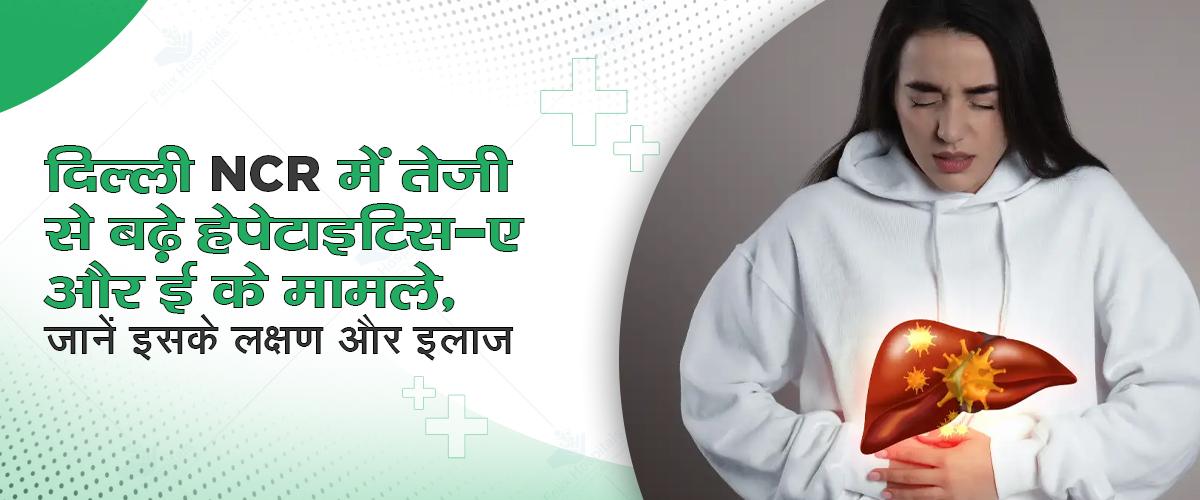
हाल ही में दिल्ली NCR में पानी से फैलने वाली बीमारियों ने चिंता बढ़ा दी है। खासतौर पर हेपेटाइटिस A और E के मामले लगातार सामने आ रहे हैं। यह सिर्फ एक साधारण संक्रमण नहीं है, बल्कि ऐसा रोग है जो सीधे लिवर पर असर डालता है। मानसून के समय गंदे पानी की समस्या, खराब सीवेज व्यवस्था और दूषित खाने-पीने की चीज़ें इस खतरे को और ज्यादा बढ़ा देती हैं।
लोग अक्सर शुरुआत में इसे सामान्य बुखार या पीलिया समझकर नजरअंदाज कर देते हैं, लेकिन असलियत कहीं ज्यादा गंभीर होती है। अगर लक्षणों को जल्दी पहचाना न जाए, तो यह बीमारी तेज़ी से बिगड़ सकती है और मरीज को अस्पताल तक पहुंचा सकती है। इसलिए यह ज़रूरी है कि हम समय रहते इसके बारे में जागरूक हों और सही जानकारी हासिल करें।
अगर आपको थकान, भूख न लगना, आंखों या त्वचा का पीला पड़ना जैसे लक्षण दिखें तो इंतजार न करें। अपॉइंटमेंट के लिए कॉल करें: +91 9667064100.
हेपेटाइटिस का मतलब है—लिवर की सूजन।
हेपेटाइटिस A एक वायरल संक्रमण है, जो दूषित पानी और भोजन से फैलता है। आमतौर पर यह बच्चों और युवाओं में ज्यादा पाया जाता है।
हेपेटाइटिस E भी इसी तरह से फैलने वाला संक्रमण है, लेकिन यह वयस्कों में गंभीर रूप ले सकता है।
दोनों ही संक्रमण का असर सीधा लिवर पर पड़ता है। चूंकि लिवर हमारे शरीर का एक बेहद अहम अंग है—जो पाचन, डिटॉक्सिफिकेशन और ऊर्जा निर्माण में मुख्य भूमिका निभाता है—इसलिए इसका संक्रमण हल्के में लेना खतरनाक हो सकता है।
हेपेटाइटिस A और E के शुरुआती संकेत बहुत साधारण लग सकते हैं। यही वजह है कि लोग इन्हें पहचानने में देर कर देते हैं।
लगातार थकान महसूस होना
भूख न लगना या खाने से जी मिचलाना
हल्का बुखार
बार-बार उल्टी या दस्त
पेट में हल्का दर्द या सूजन
अगर बीमारी थोड़ी आगे बढ़ जाए, तो इसके लक्षण और स्पष्ट हो जाते हैं:
त्वचा और आंखों का पीला पड़ना (जॉन्डिस)
गाढ़ा रंग का पेशाब
शरीर में भारीपन और कमजोरी
अगर इन संकेतों को नजरअंदाज किया जाए, तो संक्रमण गंभीर होकर लिवर फेलियर जैसी जटिलताओं तक पहुंच सकता है।
हेपेटाइटिस A और E का इलाज मुख्य रूप से लक्षणों को नियंत्रित करने और शरीर को आराम देने पर आधारित होता है। कई बार मरीज को सिर्फ़ बेड रेस्ट, हल्का और सुपाच्य भोजन, तथा पर्याप्त तरल पदार्थ की ज़रूरत होती है। लेकिन हर केस इतना आसान नहीं होता।
कुछ मरीजों में यह संक्रमण इतना बढ़ जाता है कि उन्हें अस्पताल में भर्ती करना पड़ सकता है। खासकर गर्भवती महिलाएं, बुजुर्ग या पहले से लिवर से जुड़ी बीमारी वाले लोग ज्यादा जोखिम में रहते हैं।
यही वजह है कि समय रहते नोएडा में एक भरोसेमंद लिवर ट्रीटमेंट (Liver Treatment in Noida) चुनना बेहद ज़रूरी हो जाता है। आजकल लिवर से संबंधित बीमारियों के लिए दिल्ली NCR में कई उन्नत सुविधाएं उपलब्ध हैं। अगर किसी को लगातार लक्षण बने रहें या ब्लड टेस्ट में लिवर एंजाइम्स असामान्य पाए जाएं, तो तुरंत विशेषज्ञ से इलाज लेना चाहिए। सही समय पर चिकित्सा मार्गदर्शन से बीमारी को गंभीर होने से रोका जा सकता है।
इस इलाके में हेपेटाइटिस A और E के केस बढ़ने की कई वजहें हैं।
बारिश और बाढ़ जैसे हालात में पीने का पानी दूषित हो जाता है।
सीवेज और ड्रेनेज सिस्टम कई इलाकों में ठीक से काम नहीं करता।
स्ट्रीट फूड और खुले में बिकने वाली चीज़ें अकसर हाइजीन स्टैंडर्ड पर खरी नहीं उतरतीं।
साफ पानी और बेहतर स्वास्थ्य सुविधाएं हर कॉलोनी तक बराबर नहीं पहुँचतीं।
तेजी से बढ़ती जनसंख्या और माइग्रेशन भी इस खतरे को बढ़ाते हैं। जब एक ही जगह बहुत ज्यादा लोग रहते हैं, तो साफ-सफाई बनाए रखना मुश्किल हो जाता है। यही कारण है कि NCR में बार-बार हेपेटाइटिस A और E जैसी बीमारियाँ सामने आती हैं।
हेपेटाइटिस A और E से बचने का सबसे अच्छा तरीका है—सावधानी।
हमेशा फिल्टर या उबला हुआ पानी पिएं।
कच्ची सब्जियाँ और बाहर का कट-फ्रूट खाने से बचें।
हाथ धोने की आदत बनाएँ, खासकर खाने से पहले।
घर और आसपास की सफाई पर ध्यान दें।
बच्चों के लिए वैक्सीन उपलब्ध है, डॉक्टर की सलाह पर लगवाना फायदेमंद रहता है।
अगर संक्रमण गंभीर रूप ले, तो तुरंत नोएडा के किसी भरोसेमंद लिवर अस्पताल (Liver Hospital in Noida) से संपर्क करना चाहिए। याद रखें, इस बीमारी का कोई विशेष एंटीवायरल उपचार नहीं होता, इसलिए रोकथाम ही सबसे बड़ा उपाय है।
कई बार लोग सोचते हैं कि थोड़ा आराम करने से सब ठीक हो जाएगा। लेकिन अगर नीचे दिए गए लक्षण लगातार बने रहें, तो तुरंत डॉक्टर से सलाह लेना ज़रूरी है:-
लंबे समय तक थकान और कमजोरी
लगातार उल्टी, दस्त या डिहाइड्रेशन
आंखों और त्वचा का पीला पड़ना
पेट में दर्द और सूजन
खून की जांच में लिवर एंजाइम्स का बढ़ा हुआ स्तर
ऐसे मामलों में एक अनुभवी लिवर विशेषज्ञ नोएडा (liver specialist Noida) आपको सही दिशा और इलाज प्रदान कर सकता है। सही समय पर निदान और इलाज से न सिर्फ मरीज की स्थिति संभाली जा सकती है, बल्कि लंबे समय तक होने वाले लिवर डैमेज से भी बचाव किया जा सकता है।
हेपेटाइटिस-ए और ई का समय पर इलाज न हो तो यह गंभीर रूप ले सकता है। संपर्क करें: +91 9667064100.
दिल्ली NCR में हेपेटाइटिस A और E का खतरा लगातार बढ़ रहा है, और इसके पीछे साफ-सफाई की कमी, दूषित पानी और गलत खानपान अहम वजहें हैं। यह बीमारी लिवर को सीधे प्रभावित करती है, इसलिए शुरुआती लक्षणों को हल्के में लेना खतरनाक साबित हो सकता है।
सही समय पर जांच, डॉक्टर की सलाह, और आवश्यक परहेज़ अपनाकर इस संक्रमण को कंट्रोल किया जा सकता है। सबसे अहम बात यह है कि हम सबको जागरूक रहना होगा और खुद के साथ-साथ परिवार की सेहत को भी प्राथमिकता देनी होगी। समय पर सतर्कता ही बड़ा इलाज है, और लापरवाही से बचकर ही हम अपने लिवर की सुरक्षा सुनिश्चित कर सकते हैं। याद रखें, स्वस्थ जीवनशैली और स्वच्छता की आदतें ही इस खतरे से सबसे मजबूत ढाल हैं।
प्रश्न1. क्या हेपेटाइटिस A और E एक-दूसरे को प्रभावित कर सकते हैं?
उत्तर: नहीं, दोनों अलग-अलग वायरस से फैलते हैं। हालांकि लक्षण लगभग समान होते हैं, लेकिन एक से संक्रमित होने का मतलब यह नहीं है कि दूसरा भी जरूर होगा।
प्रश्न2. क्या हेपेटाइटिस A और E क्रॉनिक (लंबे समय तक) हो सकते हैं?
उत्तर: आमतौर पर नहीं। ये दोनों ही संक्रमण acute यानी अचानक होने वाले और सीमित समय तक रहने वाले होते हैं। लेकिन गंभीर केस में यह लिवर को स्थायी नुकसान पहुंचा सकते हैं।
प्रश्न 3. क्या हेपेटाइटिस E गर्भवती महिलाओं के लिए ज्यादा खतरनाक है?
उत्तर: हाँ, गर्भवती महिलाओं में हेपेटाइटिस E जटिलताएँ पैदा कर सकता है और इसकी गंभीरता कई गुना बढ़ सकती है। इसलिए ऐसे मामलों में तुरंत डॉक्टर से संपर्क करना चाहिए।
प्रश्न 4. क्या हेपेटाइटिस A और E के लिए कोई खास दवा मौजूद है?
उत्तर: इन वायरस के लिए कोई स्पेसिफिक एंटीवायरल दवा उपलब्ध नहीं है। इलाज मुख्य रूप से लक्षणों को कम करने और शरीर को आराम देने पर केंद्रित होता है।
प्रश्न5. क्या हेपेटाइटिस A की वैक्सीन है?
उत्तर: हाँ, हेपेटाइटिस A के लिए वैक्सीन उपलब्ध है और यह बच्चों के लिए बहुत फायदेमंद मानी जाती है। जबकि हेपेटाइटिस E के लिए अभी वैक्सीन व्यापक रूप से उपलब्ध नहीं है।
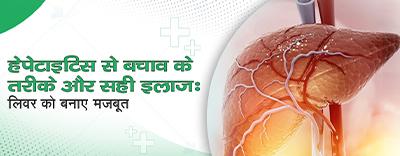
जानें हेपेटाइटिस से बचाव के उपाय और सही इलाज। समय पर पहचान और उपचार से लिवर को मजबूत बनाना संभव है।
पीलिया एक ऐसी स्थिति है जिसमें शरीर और आंखों का रंग पीला पड़ जाता है। यह मुख्य रूप से लीवर की खराबी या रक्त में बिलीरुबिन के बढ़ने के कारण होता है।
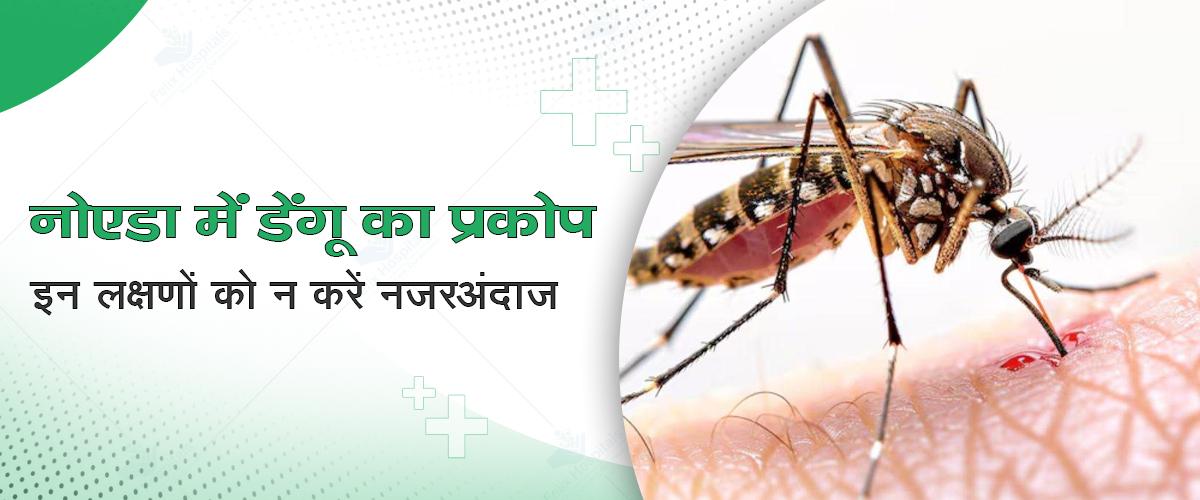
हर साल बरसात के मौसम में डेंगू का खतरा तेजी से बढ़ जाता है, और इस बार नोएडा भी इससे अछूता नहीं है। जगह-जगह पानी भरना, मच्छरों की संख्या बढ़ना और साफ-सफाई की कमी डेंगू फैलने की मुख्य वजहें हैं। स्वास्थ्य विभाग के अनुसार इस मौसम में डेंगू के केस दोगुनी रफ्तार से बढ़ सकते हैं।
अक्सर लोग शुरुआती लक्षणों को हल्के में ले लेते हैं और सोचते हैं कि यह सामान्य वायरल फीवर है। लेकिन सच यह है कि डेंगू का बुखार (Dengue fever) समय रहते पहचान न पाएँ तो प्लेटलेट्स खतरनाक रूप से गिर सकते हैं और मरीज की हालत बिगड़ सकती है। इसलिए जागरूक रहना और लक्षणों को सही समय पर पहचानना बेहद जरूरी है।
अगर आपको लगातार बुखार, तेज सिरदर्द या प्लेटलेट्स गिरने जैसे लक्षण दिख रहे हैं, तो देरी न करें। तुरंत +91 9667064100 पर संपर्क करें और सही इलाज पाएं।
डेंगू की सबसे बड़ी समस्या यह है कि इसके शुरुआती संकेत सामान्य वायरल जैसी ही लगते हैं। यही वजह है कि बहुत से लोग इसे पहचान नहीं पाते।
अचानक तेज़ बुखार (Fever) आना
सिरदर्द और आँखों के पीछे दर्द
पूरे शरीर और खासकर जोड़ो में दर्द (इसे कई बार "ब्रेक बोन फीवर" कहा जाता है)
अत्यधिक थकान और कमजोरी
लाल दाने या रैशेज निकल आना
डेंगू में सिरदर्द और जोड़ दर्द इतना ज्यादा हो सकता है कि मरीज चलने-फिरने से भी कतराने लगे। अगर ये लक्षण 2–3 दिन से ज्यादा बने रहें, तो डॉक्टर को दिखाना जरूरी है।
डेंगू का सबसे गंभीर पहलू है – प्लेटलेट्स का तेजी से गिरना। सामान्य स्थिति में इंसान के खून में प्लेटलेट्स 1.5 लाख से 4.5 लाख प्रति माइक्रोलिटर तक होते हैं। लेकिन डेंगू में ये स्तर बहुत जल्दी कम हो सकते हैं। प्लेटलेट्स कम होने पर शरीर में ये लक्षण दिखाई देते हैं:
मसूड़ों या नाक से खून आना
त्वचा पर लाल-नीले धब्बे (ब्रूज़) पड़ना
लगातार कमजोरी और चक्कर आना
पेशाब या उल्टी में खून आना
अगर प्लेटलेट्स 20,000–30,000 से कम हो जाएं, तो मरीज को तुरंत अस्पताल में भर्ती करना पड़ सकता है। यही वजह है कि डेंगू के मरीज की प्लेटलेट्स की नियमित जांच बेहद जरूरी है। अगर स्थिति बिगड़ती नज़र आए, तो मरीज को बिना देर किए डेंगू इलाज के लिए बेस्ट हॉस्पिटल नोएडा ले जाना चाहिए, जहाँ एडवांस्ड मॉनिटरिंग और इमरजेंसी सुविधा उपलब्ध हो।
आमतौर पर डेंगू का बुखार 2–7 दिन तक रह सकता है।
पहले 2–3 दिन तेज़ बुखार, सिरदर्द और शरीर दर्द ज्यादा होता है।
चौथे-पांचवें दिन बुखार थोड़ा कम हो सकता है, लेकिन यही वो समय होता है जब प्लेटलेट्स तेजी से गिर सकते हैं।
ज्यादातर मरीज एक हफ्ते में ठीक होने लगते हैं, लेकिन कमजोरी लंबे समय तक बनी रहती है।
डेंगू को लेकर सबसे खतरनाक बात यह है कि कई बार मरीज सोचता है कि बुखार कम हो गया तो बीमारी खत्म हो गई। जबकि असल खतरा तो इसी समय होता है। इसलिए बुखार उतरने के बाद भी सतर्क रहना चाहिए और प्लेटलेट्स की निगरानी जारी रखनी चाहिए।
अगर आपको तेज़ बुखार 2 दिन से ज्यादा हो, साथ में सिरदर्द और जोड़ दर्द हो, तो तुरंत डेंगू टेस्ट कराना चाहिए।
NS1 एंटीजन टेस्ट: डेंगू होने के शुरुआती 4–5 दिन में किया जाता है।
IgM/IgG एंटीबॉडी टेस्ट: बुखार के कुछ दिन बाद डेंगू की पुष्टि के लिए।
CBC (कम्प्लीट ब्लड काउंट): प्लेटलेट्स और वाइट ब्लड सेल्स का स्तर चेक करने के लिए।
टेस्ट कराने में देर करना खतरनाक हो सकता है, क्योंकि जितनी जल्दी बीमारी पकड़ में आती है, उतनी जल्दी इलाज शुरू किया जा सकता है।
डेंगू का कोई विशेष इलाज या वैक्सीन नहीं है। बचाव ही सबसे बड़ा हथियार है।
घर के आसपास पानी जमा न होने दें।
पूरी आस्तीन के कपड़े पहनें और मच्छरदानी का इस्तेमाल करें।
बच्चों और बुजुर्गों को मच्छरों से खास तौर पर बचाएं।
मच्छर भगाने वाली क्रीम या स्प्रे का इस्तेमाल करें।
ध्यान रहे, डेंगू फैलाने वाला एडीज इजिप्टी मच्छर दिन के समय काटता है। इसलिए रात ही नहीं, दिन में भी सुरक्षा जरूरी है। अगर किसी को लगातार लक्षण बने रहें, तो तुरंत अनुभवी डेंगू स्पेशलिस्ट डॉक्टर नोएडा से परामर्श लेना चाहिए।
कुछ संकेत ऐसे हैं जिन्हें हल्के में बिल्कुल नहीं लेना चाहिए।:
लगातार उल्टी होना
खून आना (नाक, मसूड़े, या मल में)
सांस लेने में तकलीफ़
तेज़ पेट दर्द या लगातार बेचैनी
प्लेटलेट्स तेजी से गिरना
इन लक्षणों के आने पर मरीज को तुरंत अस्पताल ले जाना चाहिए। सही समय पर इलाज से मरीज की जान बचाई जा सकती है।
डेंगू के किसी भी लक्षण को नज़रअंदाज़ करना खतरनाक हो सकता है। बेहतर जांच और उपचार के लिए अभी अनुभवी डेंगू स्पेशलिस्ट डॉक्टर नोएडा से परामर्श लें और अपनी सेहत को सुरक्षित रखें।
डेंगू एक ऐसी बीमारी है जिसे हल्के में लेना खतरनाक साबित हो सकता है। इसके शुरुआती लक्षणों की पहचान करके समय रहते इलाज लेना ही सबसे सुरक्षित उपाय है। अगर बुखार लगातार कई दिनों तक बना रहे, प्लेटलेट्स (Platelets) तेजी से घटने लगें या शरीर में तेज सिरदर्द और जोड़ दर्द महसूस हो, तो तुरंत डॉक्टर से संपर्क करना चाहिए। साफ पानी का ध्यान रखना, मच्छरों से बचाव करना और सही समय पर टेस्ट कराना डेंगू से बचाव की सबसे बड़ी ढाल है। याद रखें, सावधानी और जागरूकता ही डेंगू पर विजय पाने का पहला कदम है। स्वस्थ रहना आपके ही हाथ में है और थोड़ी-सी सतर्कता बड़े खतरे को आसानी से टाल सकती है।
प्रश्न1. डेंगू में प्लेटलेट्स कितनी तेजी से गिरते हैं?
उत्तर: यह मरीज की स्थिति पर निर्भर करता है। कुछ लोगों में धीरे-धीरे गिरते हैं, तो कुछ में 24–48 घंटों में अचानक कम हो सकते हैं।
प्रश्न2. क्या हर डेंगू मरीज को प्लेटलेट्स चढ़ाने की ज़रूरत होती है?
उत्तर: नहीं, प्लेटलेट्स बहुत कम (20,000 से नीचे) होने पर या गंभीर लक्षणों के साथ ही प्लेटलेट्स ट्रांसफ्यूजन की जरूरत होती है।
प्रश्न3. क्या डेंगू बच्चों और बुजुर्गों में ज्यादा खतरनाक होता है?
उत्तर: हाँ, क्योंकि इनकी इम्यूनिटी कमजोर होती है और जटिलताएँ जल्दी हो सकती हैं।
प्रश्न4. क्या डेंगू बार-बार हो सकता है?
उत्तर: हाँ, डेंगू वायरस के चार अलग-अलग स्ट्रेन हैं। एक स्ट्रेन से संक्रमित होने के बाद भी बाकी तीन से दोबारा संक्रमण हो सकता है।
प्रश्न5. क्या डेंगू मरीज को कोई खास डाइट लेनी चाहिए?
उत्तर: हल्का, सुपाच्य खाना और पर्याप्त तरल पदार्थ (जैसे नारियल पानी, जूस, सूप) लेना चाहिए। तैलीय और भारी भोजन से बचें।
प्रश्न6. क्या पपीते के पत्तों का रस प्लेटलेट्स बढ़ाता है?
उत्तर: वैज्ञानिक प्रमाण सीमित हैं। कुछ रिसर्च में हल्का फायदा बताया गया है, लेकिन इसे मेन ट्रीटमेंट नहीं माना जाता। डॉक्टर की सलाह ही सबसे महत्वपूर्ण है।
आई फ्लू, जिसे हम अक्सर सामान्य बुखार समझते हैं। लेकिन आई फ्लू एक गंभीर समस्या हो सकती है, जो न केवल हमारी आंखों को प्रभावित करती है, बल्कि हमारे समग्र स्वास्थ्य को भी खतरे में डाल सकती है इसके बचाव के लिए आज ही अच्छे आँखों के अस्पताल से संपर्क करें।
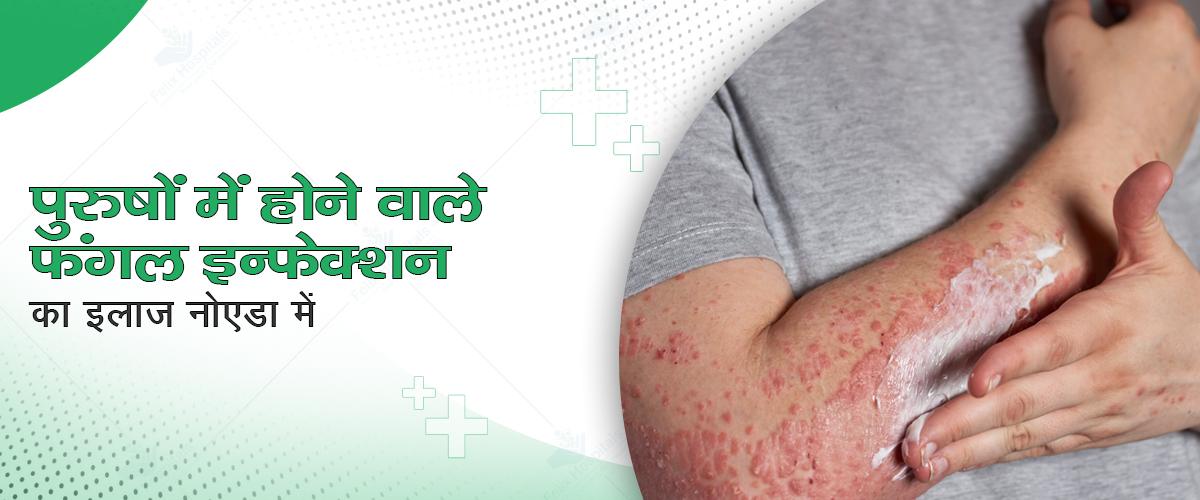
फंगल इन्फेक्शन पुरुषों में एक स्वास्थ्य समस्या है। जिसे मेडिकल भाषा में डर्माटोफाइटोसिस या टिनिया इंफेक्शन (Tinea infection) भी कहते हैं। यह मुख्य रूप से त्वचा, नाखून और जननांग में होता है। गर्मी, पसीना, गंदगी और कमजोर इम्यूनिटी इसकी प्रमुख वजहें हैं। समय पर इलाज न होने पर यह तेजी से फैलता है। यह लगातार खुजली, जलन, बदबू और त्वचा पर दाने जैसी समस्या करता है। फंगल इन्फेक्शन का इलाज नोएडा में उपलब्ध है।
अगर आप फंगल इन्फेक्शन की जांच या इलाज के लिए भरोसेमंद चिकित्सा सुविधा की तलाश कर रहे हैं, तो नोएडा में अनुभवी इंटरनल मेडिसिन स्पेशलिस्ट और अत्याधुनिक तकनीक वाले अस्पताल का चयन करना बेहद जरूरी है।
अभी अपॉइंटमेंट शेड्यूल करें – कॉल करें: +91 9667064100.
पुरुषों में फंगल खासकर जांघों, कमर, पैरों की उंगलियों, बगल और प्राइवेट पार्ट्स के पास देखने को मिलता है। यह संक्रमण आमतौर पर उन्हीं जगहों पर फैलता है, जहां त्वचा पर ज्यादा नमी और गर्माहट रहती है। पसीने से तर रहने, लंबे समय तक गीले कपड़ों को न बदलने, तंग कपड़े पहनने या व्यक्तिगत साफ-सफाई की कमी होने पर यह तेजी से फैल सकता है। अगर समय पर ध्यान न दिया जाए तो यह बड़े हिस्से में फैलता है। फफोले, छाले या त्वचा के छिलने जैसी दिक्कतें भी पैदा कर सकता है। अगर संक्रमण बार-बार होता है, तो इसे नजरअंदाज नहीं करें।
शरीर के हिस्सों जैसे जांघ, बगल, कमर और पैरों की उंगलियों में लंबे समय तक नमी रहने से फंगस पनपता है। पसीना सुखाए बिना कपड़े पहनने से यह तेजी से फैलता है।
देर तक नहीं नहाना, गंदे या गीले कपड़े पहनना और रोजाना अंडरगारमेंट्स न बदलना फंगल इंफेक्शन का कारण बनता है। यह आदत फंगस के लिए अनुकूल वातावरण देती हैं।
बहुत टाइट या नायलॉन जैसे सिंथेटिक कपड़े पहनने से त्वचा तक हवा नहीं पहुंचती। नतीजा यह होता है कि नमी बनी रहती है। फंगस बहुत तेजी से पनपता है।
जिन लोगों को डायबिटीज (Diabetes), एनीमिया (Anemia), एचआईवी या लंबे समय तक अन्य बीमारियां होती हैं। उनमें प्रतिरोधक क्षमता कम होती है। ऐसे लोगों में फंगल इंफेक्शन जल्दी होता है। बार-बार होता है।
तौलिया, रेजर, कपड़े, जूते या बिस्तर किसी संक्रमित व्यक्ति के साथ साझा करने से संक्रमण सीधा फैलता है। यह सबसे आम कारणों में से एक है।
स्टेरॉयड या एंटीबायोटिक दवाओं का ज्यादा प्रयोग शरीर के नेचुरल बैक्टीरिया और फंगस के बैलेंस को बिगाड़ता है। इससे फंगस को बढ़ने का मौका मिलता है।
प्रभावित हिस्से पर लगातार खुजली होती है। कभी-कभी खुजलाने पर लालपन और जलन बढ़ती है। जिससे नींद और रोजमर्रा की गतिविधियों पर असर पड़ता है।
संक्रमण वाले क्षेत्र में गोलाकार या आधे चांद जैसे उभरे हुए लाल चकत्ते बनते हैं। इनके किनारे ज्यादा लाल और बीच का हिस्सा हल्का दिखता है।
जैसे-जैसे संक्रमण बढ़ता है। त्वचा पर सफेद या हल्की भूरी पपड़ी बनती है। प्रभावित जगह से बदबू आती है। त्वचा छिलने लगती है। जिससे जलन और असहजता बढ़ती है।
इस हिस्से में बार-बार खुजली और जलन होती है। जिसे जॉक इच कहते हैं। गर्म और पसीने वाली जगह होने के कारण यह संक्रमण यहां तेजी से फैलता है। लंबे समय तक बना रहता है।
जब फंगस नाखूनों तक पहुंचता है तो वह मोटे, भुरभुरे और कमजोर होते हैं। नाखूनों का रंग सफेद, पीला या भूरा पड़ता है। धीरे-धीरे उनका आकार बिगड़ता है।
रोजाना नहाएंः
खासकर जांघ, बगल और गुप्तांग क्षेत्र को धोकर अच्छे से सुखाएं। नमी फंगस का बड़ा कारण है। इसलिए स्नान के बाद टैल्कम या एंटीफंगल पाउडर का प्रयोग करें।
ढीले कपड़े पहनेंः
कॉटन के कपड़े पसीना सोखते हैं। त्वचा को सांस लेने का मौका देते हैं। बहुत टाइट या सिंथेटिक कपड़ों से बचना चाहिए। इनमें नमी और गर्मी बनी रहती है।
व्यक्तिगत सामान साझा न करेंः
तौलिया, अंडरगार्मेंट्स (Undergarments), रेजर, मोजे या बिस्तर किसी के साथ साझा नहीं करना चाहिए। संक्रमित व्यक्ति से संपर्क फंगल इंफेक्शन तेजी से फैलता है।
खुजली पर नाखून न चलाएंः
खुजलाने से संक्रमण और गहरा होता है। शरीर के दूसरे हिस्सों में भी फैलता है। खुजली होने पर डॉक्टर द्वारा सुझाई गई एंटीफंगल क्रीम या लोशन लगाएं।
दवा पूरी करें, बीच में न छोड़ेंः
अक्सर लोग आराम मिलने पर दवा लेना छोड़ देते हैं। ऐसा करने से फंगस दोबारा सक्रिय होता है। पूरा कोर्स करना जरूरी है। जिससे संक्रमण जड़ से खत्म हो जाएं।
खानपान पर नियंत्रण रखेंः
बहुत मीठा और तैलीय भोजन फंगस की ग्रोथ को तेज करता है। संतुलित आहार लें। हरी सब्जियां और विटामिन-सी युक्त फल शामिल करें। जिससे इम्यूनिटी मजबूत रहे।
अगर खुजली और जलन बहुत ज्यादा हो।
संक्रमण लगातार फैल रहा हो।
बार-बार फंगल इन्फेक्शन हो रहा हो।
नाखून, सिर या जननांग क्षेत्र में संक्रमण गंभीर हो।
दवाओं से राहत न मिल रही हो।
टॉपिकल एंटीफंगल क्रीम/लोशनः
हल्के संक्रमण पर डॉक्टर क्लोट्रिजोलमे, टेरबिनाफाइन, केटोकोनाजोल क्रीम या लोशन लिखते हैं। पुरुषों के लिए बेस्ट डॉक्टर फंगल इन्फेक्शन नोएडा में उपलब्ध है। इन्हें प्रभावित हिस्से पर नियमित रूप से लगाने से इंफेक्शन खत्म होता है।
ओरल एंटीफंगल दवाएंः
गंभीर संक्रमण पर डॉक्टर में इट्राकोनाजोल, फ्लुकोनाजोल जैसी टैबलेट्स देते हैं। ये दवाएं शरीर के अंदर से फंगस को खत्म करती हैं।
एंटीहिस्टामिन दवाएंः
खुजली और एलर्जी कम करने के लिए सेटीरिजिन या लेवोसेटिरिजिन जैसी दवाएं दी जाती हैं। इससे मरीज को राहत मिलती है।
डायबिटीज और इम्यूनिटी की जांचः
जिन मरीजों को बार-बार फंगल इंफेक्शन होता है। उन्हें ब्लड शुगर, हीमोग्लोबिन और इम्यून सिस्टम की जांच करानी चाहिए। कमजोर इम्यूनिटी में समस्या बढ़ाती है।
लंबे कोर्स की गाइडलाइनः
फंगल इंफेक्शन में डॉक्टर अक्सर 2–6 हफ्ते का इलाज देते हैं। दवा अधूरी छोड़ने से संक्रमण वापस लौटता है। इसलिए पूरा कोर्स करें।
सही निदान के लिए ब्लड टेस्ट और स्किन स्क्रैपिंग टेस्ट (त्वचा से सैंपल लेकर जांच) होती है।
हल्के मामलों में केवल क्रीम, एंटीफंगल पाउडर और व्यक्तिगत स्वच्छता से आराम मिलता है।
गंभीर संक्रमण में ओरल मेडिकेशन और लंबे समय तक दवा जरूरी है।
हर मरीज की मेडिकल हिस्ट्री और मौजूदा स्थिति देखकर डॉक्टर उचित दवा देते हैं।
दवा पूरी करेंः
लक्षण कम होने पर भी दवा बीच में नहीं छोड़ें। वरना इंफेक्शन फिर से हो जाता है।
स्वच्छता का ध्यान रखेंः
अंडरगार्मेंट्स रोजाना बदलें। हमेशा धूप में सुखाएं। जिससे बैक्टीरिया व फंगस नष्ट हो जाएं।
त्वचा को सूखा रखेंः
नहाने के बाद नमी न रहने दें। एंटीफंगल पाउडर का प्रयोग करना फायदेमंद है।
नियमित फॉलोअपः
अगर संक्रमण बार-बार है तो इंटरनल मेडिसिन विशेषज्ञ से नियमित जांच कराएं।
पुरुषों में फंगल इंफेक्शन परेशान करने वाली समस्या है। यह संक्रमण जानलेवा तो नहीं होता, लेकिन बार-बार होने पर जीवन की गुणवत्ता को प्रभावित करता है। गर्म और उमस भरे मौसम, लंबे समय तक पसीने में रहने, तंग कपड़े पहनने या व्यक्तिगत साफ-सफाई की कमी से यह समस्या बढ़ती है। इसलिए फंगल इंफेक्शन को गंभीरता से लेना चाहिए। हल्के मामलों में एंटीफंगल क्रीम, पाउडर और व्यक्तिगत स्वच्छता से आराम मिलता है, जबकि गंभीर या बार-बार होने वाले मामलों में इंटरनल मेडिसिन विशेषज्ञ से परामर्श लेकर ओरल एंटीफंगल दवाएं लेनी चाहिए।
नोएडा में फंगल इंफेक्शन के इलाज और इंटरनल मेडिसिन विशेषज्ञ से परामर्श के लिए कॉल करें: +91 9667064100.
प्रश्न 1: क्या फंगल इन्फेक्शन खुद ठीक होता है?
उत्तर: हल्के मामलों में थोड़ी राहत मिलती है। लेकिन दवा के बिना यह पूरी तरह ठीक नहीं होता। इसलिए डॉक्टर की सलाह जरूरी है।
प्रश्न 2: क्या यह यौन संबंध से फैलता है?
उत्तर: हां, अगर जननांग क्षेत्र प्रभावित हो तो यह पार्टनर तक पहुंचता है। इसलिए संक्रमण होने पर यौन संपर्क बनाने के दौरान सावधानी जरूरी है।
प्रश्न 3: क्या घरेलू उपाय कारगर हैं?
उत्तर: स्वच्छता, नीम का पानी, नारियल तेल कुछ हद तक आराम देते हैं। लेकिन यह मेडिकल इलाज का विकल्प नहीं हैं। डॉक्टर की सलाह लेकर ही खानपान के साथ इलाज कराना चाहिए।
प्रश्न 4: कितने समय में ठीक होता है?
उत्तर: हल्के मामलों में 2–4 हफ्ते और गंभीर मामलों में 6–8 हफ्ते या उससे ज्यादा समय लग सकता है। संक्रमम ठीक नहीं होने पर डॉक्टर से सपर्क करें।
प्रश्न 5: क्या यह बार-बार हो सकता है?
उत्तर: हां, अगर दवा अधूरी छोड़ दी जाए या साफ-सफाई न रखी जाए तो दोबारा होने की संभावना रहती है। इसलिए लक्षण दिखने पर सावधान हो जाए।

डॉ. कुसुम गुप्ता और डॉ. सौरभ भाटिया, हमारे विशेषज्ञ त्वचा रोग विशेषज्ञ, फंगल संक्रमण के उपचार में विशेषज्ञता रखते हैं।
यदि आप किसी भी प्रकार के फंगल इन्फेक्शन का अनुभव कर रहे हैं, तो आपके लिए डॉ. कुसुम गुप्ता और डॉ. सौरभ भाटिया जैसे विशेषज्ञ डॉक्टरों से परामर्श लेना अत्यंत महत्वपूर्ण है।
यदि आप किसी भी प्रकार के फंगल इन्फेक्शन का अनुभव कर रहे हैं, तो आपके लिए डॉ. कुसुम गुप्ता और डॉ. सौरभ भाटिया जैसे विशेषज्ञ डॉक्टरों से परामर्श लेना अत्यंत महत्वपूर्ण है।
डॉ. कुसुम गुप्ता और डॉ. सौरभ भाटिया, हमारे विशेषज्ञ त्वचा रोग विशेषज्ञ, फंगल संक्रमण के उपचार में विशेषज्ञता रखते हैं।
पुरुष प्रजनन स्वास्थ्य में वीर्य का नियंत्रित रूप से निकलना स्वाभाविक प्रक्रिया है। मगर कई बार बिना इच्छा और नियंत्रण के वीर्य का रिसाव होता है। इस समस्या को स्पर्म लीकेज (Sperm Leakage) या वीर्य रिसाव कहते हैं। यह समस्या अस्थायी भी होती है। लंबे समय तक बनी रहने पर पुरुष की यौन क्षमता व मानसिक स्वास्थ्य पर असर डालती है। स्पर्म लीकेज ट्रीटमेंट नोएडा (Sperm Leakage Treatment Noida) में उपलब्ध है।
नोएडा जैसे बड़े शहर में, बेस्ट यूरोलॉजी हॉस्पिटल नोएडा और आधुनिक जांच सुविधाओं के कारण इसका सही कारण पता लगाकर प्रभावी इलाज किया जा सकता है।
अभी अपॉइंटमेंट शेड्यूल करें – कॉल करें +91 9667064100.
स्पर्म लीकेज एक ऐसी स्थिति है। जिसमें पुरुष के यूरिन मार्ग से अनचाहे रूप से वीर्य या प्री-इजैक्युलेट (pre-ejaculate fluid) बाहर निकलता है। यह सामान्य तौर पर नींद में, पेशाब करते समय, अत्यधिक यौन उत्तेजना के दौरान या कभी-कभी बिना किसी स्पष्ट कारण के होता है। अधिकतर मामलों में यह कभी-कभार होता है और इसे सामान्य माना जाता है। अगर यह बार-बार होने लगे तो इसे हल्के में नहीं लेना चाहिए। क्योंकि यह किसी छुपी हुई शारीरिक या मानसिक समस्या का संकेत है। अगर समस्या लगातार है तो यूरोलॉजिस्ट से संपर्क करना जरूरी है।
इसे स्वप्नदोष या नाइटफॉल कहा जाता है। नींद में बिना किसी शारीरिक संबंध के वीर्य का स्वतः निकलना इसका लक्षण है। यह कभी-कभार सामान्य है, लेकिन अगर सप्ताह में कई बार हो तो यह कमजोरी, मानसिक अस्थिरता और यौन स्वास्थ्य पर असर डालता है।
यूरिन के साथ सफेद, चिपचिपा या दूधिया पदार्थ का आना स्पर्म लीकेज का संकेत है। यह अक्सर प्रोस्टेट ग्रंथि (prostate gland) की समस्या, संक्रमण और वीर्यवाहिनी नलिकाओं की कमजोरी की वजह से होता है। लगातार ऐसा होना डॉक्टर से परामर्श लेने की जरूरत को दर्शाता है।
कुछ पुरुषों में खांसने, छींकने, दौड़ने, झुकने या किसी शारीरिक मेहनत के दौरान अचानक वीर्य का रिसाव होता है। यह स्थिति पेल्विक मांसपेशियों की कमजोरी, नसों के दबाव या हार्मोनल असंतुलन के कारण होती है। बार-बार ऐसा होना यौन स्वास्थ्य पर नकारात्मक असर डालता है।
बार-बार वीर्य रिसाव होने से शरीर में प्रोटीन और मिनरल्स की कमी होती है। पुरुष अक्सर थकान, आलस्य, ऊर्जा की कमी और मांसपेशियों में कमजोरी महसूस करते हैं। लंबे समय तक समस्या बने रहने पर शारीरिक क्षमता और स्टैमिना पर असर पड़ता है।
लगातार रिसाव से पुरुष मानसिक रूप से असुरक्षित और तनावग्रस्त महसूस कर सकते हैं। आत्मविश्वास में कमी, वैवाहिक जीवन में असंतोष और रिश्तों में तनाव बढ़ सकता है। कई बार यह समस्या अवसाद और चिंता विकार तक पहुंचा देती है।
पुरुषों के यौन स्वास्थ्य में टेस्टोस्टेरोन (Testosterone) और अन्य हार्मोन अहम भूमिका निभाते हैं। जब इनका स्तर असंतुलित होता है। खासकर टेस्टोस्टेरोन का स्तर गिरता है, तो वीर्य पर नियंत्रण कमजोर होता है। यह स्थिति यौन कमजोरी, शीघ्रपतन और स्पर्म लीकेज जैसी समस्याएं उत्पन्न करती है।
बार-बार अश्लील सामग्री देखना, अनुचित मानसिक कल्पनाएं या निरंतर उत्तेजना की स्थिति में वीर्य स्वतः निकलता है। मानसिक और शारीरिक दोनों उत्तेजना का असर नसों और ग्रंथियों पर पड़ता है। जिससे स्पर्म लीकेज की समस्या लगातार बढ़ती है।
प्रोस्टेटाइटिस इंफेक्शन प्रोस्टेट ग्रंथि की सूजन से यूरिन और वीर्य का सामान्य प्रवाह बिगड़ता है। यूटीआई (UTI) ट्रैक्ट इंफेक्शन पेशाब की नली में संक्रमण होने पर वीर्य का रिसाव पेशाब के साथ होता है। यौन संचारित रोग (एसटीडी) जैसे क्लैमाइडिया या गोनोरिया, जो वीर्य की गुणवत्ता और नियंत्रण दोनों को प्रभावित करते हैं।
प्रोस्टेट ग्रंथि या सिमिनल वेसिकल (जहां वीर्य का तरल बनता है) में सूजन, अवरोध या किसी प्रकार की क्षति होने से स्पर्म लीकेज होता है। यह स्थिति अक्सर दर्द, जलन और बार-बार पेशाब आने जैसी समस्या के साथ होती है।
पेल्विक फ्लोर (Pelvic Floor) मांसपेशियां मूत्राशय और जननांग अंगों को नियंत्रित करती हैं। इनके कमजोर होने पर वीर्य को रोकने की क्षमता कम होती है। जिससे हल्की हरकत, खांसने या झुकने पर रिसाव होता है। यह समस्या उम्र बढ़ने, चोट या लंबे समय तक व्यायाम की कमी से होती है।
अत्यधिक तनाव, नींद की कमी, धूम्रपान, शराब और नशीले पदार्थों का सेवन नसों और हार्मोनल संतुलन को प्रभावित करते हैं। इन आदतों के कारण न केवल वीर्य रिसाव होता है। बल्कि पुरुष प्रजनन क्षमता भी कम होती है।
लंबे समय तक यौन संबंध या वीर्य स्खलन न होने पर वीर्य का दबाव बढ़ता है। यह दबाव अनियंत्रित रूप से वीर्य के रिसाव का कारण बनता है। कुछ पुरुषों में यह नींद के दौरान या बिना किसी उत्तेजना के भी होती है।
संतुलित आहार लेंः
पुरुष प्रजनन स्वास्थ्य के लिए पौष्टिक आहार बेहद जरूरी है। दूध, बादाम, अखरोट, काजू, अंजीर, अनार, हरी पत्तेदार सब्जियां और दालें नियमित रूप से खाने से वीर्य की गुणवत्ता से बेहतर बनती है। प्रोटीन युक्त भोजन भोजन जैसे दाल, सोया, अंडा, मछली, चिकन) से शरीर को ताकत देते हैं। हार्मोन संतुलित रहते हैं।
जिंक और विटामिन्स का सेवनः
जिंक और विटामिन सी, ई पुरुष प्रजनन क्षमता के लिए आवश्यक पोषक तत्व हैं। कद्दू के बीज, तिल, मूंगफली, अंडा, आंवला, नींबू, कीवी, संतरा, अमरूद आदि में जिंक और विटामिन्स अधिक मात्रा में पाए जाते हैं। यह तत्व शुक्राणुओं की संख्या बढ़ाने, गतिशीलता सुधारने और संक्रमण से बचाने में मदद करते हैं।
व्यायाम और योगः
नियमित व्यायाम शरीर को स्वस्थ और ऊर्जावान बनाता है। पेल्विक फ्लोर एक्सरसाइज और किगल एक्सरसाइज वीर्य पर नियंत्रण बढ़ाती हैं। पेल्विक मांसपेशियों को मजबूत करती हैं। प्राणायाम और योगासन जैसे भुजंगासन, सर्वांगासन, पश्चिमोत्तानासन मानसिक शांति और हार्मोनल संतुलन बनाए रखते हैं।
धूम्रपान और शराब से दूरीः
धूम्रपान और शराब सीधे तौर पर शुक्राणुओं की संख्या, गुणवत्ता और गतिशीलता को कम करते हैं। यह प्रोस्टेट ग्रंथि और हार्मोनल प्रणाली पर असर डालते हैं। नशे से दूरी बनाकर से यौन स्वास्थ्य बबेहतर होता है।
पर्याप्त नींद लेंः
नींद की कमी से शरीर थका महसूस करता है। हार्मोनल असंतुलन होता है। रोजाना 7–8 घंटे की गहरी नींद लेना शरीर को रिकवर करने, स्पर्म की क्वालिटी सुधारने और तनाव घटाने में मदद करता है। सोने का समय निश्चित रखें। देर रात तक मोबाइल/लैपटॉप का उपयोग नहीं करें।
तनाव नियंत्रण करेंः
मानसिक तनाव स्पर्म लीकेज का बड़ा कारण (Sperm Leakage ka karan in hindi) है। मेडिटेशन, गहरी सांस लेने की तकनीक और योग तनाव कम करने और आत्मविश्वास बढ़ाने में मददगार होते हैं। सकारात्मक सोच और संतुलित जीवनशैली अपनाने से न सिर्फ यौन स्वास्थ्य बल्कि मानसिक स्वास्थ्य मजबूत होता है।
अगर बार-बार नींद में या दिन में वीर्य रिसाव हो तो।
अगर पेशाब के साथ सफेद चिपचिपा पदार्थ निकलता हो तो।
अगर यौन इच्छा (sexual desire) और इरेक्शन में कमी हो तो।
अगर थकान, कमजोरी और आत्मविश्वास की कमी महसूस हो तो।
अगर मूत्र या वीर्य में दर्द या खून दिखाई दे तो।
संक्रमण का इलाजः (Treating Infections)
अगर स्पर्म लीकेज का कारण प्रोस्टेटाइटिस, यूरिनरी ट्रैक्ट इंफेक्शन (Urinary Tract Infection) या यौन संचारित संक्रमण है, तो डॉक्टर एंटीबायोटिक दवाओं और एंटी-इंफ्लेमेटरी मेडिसिन से उपचार करते हैं। स्पर्म लीकेज के लिए डॉक्टर नोएडा में उपलब्ध है। इससे सूजन, दर्द और बार-बार होने वाला रिसाव धीरे-धीरे नियंत्रित हो जाता है।
हार्मोनल थेरैपीः (Hormonal therapy)
कई बार समस्या टेस्टोस्टेरोन और अन्य यौन हार्मोन की कमी से जुड़ी होती है। ऐसे मामलों में हार्मोन रिप्लेसमेंट थेरेपी दी जाती है, जो हार्मोनल संतुलन बहाल कर वीर्य उत्पादन और नियंत्रण सुधारने में मदद करती है।
प्रोस्टेट ट्रीटमेंटः (Prostate Treatment)
अगर स्पर्म लीकेज का कारण प्रोस्टेट या सिमिनल वेसिकल की सूजन, ब्लॉकेज या अन्य संरचनात्मक समस्या है, तो डॉक्टर विभिन्न जांच कराते हैं। स्थिति गंभीर होने पर दवाओं के साथ मिनिमल सर्जरी या अन्य मेडिकल ट्रीटमेंट (medical treatment) से समस्या को दूर करते हैं।
काउंसलिंग और थेरेपीः (Counselling and Therapy)
जिन मरीजों में स्पर्म लीकेज का कारण अत्यधिक यौन उत्तेजना, अश्लील सामग्री का अधिक उपयोग या मानसिक तनाव होता है। उनके लिए काउंसलिंग और सेक्स थेरेपी उपयोगी है। इससे आत्मविश्वास बढ़ता है। मानसिक नियंत्रण बेहतर होता है। रिसाव की समस्या कम होती है।
लाइफस्टाइल मैनेजमेंटः (Lifestyle Management)
रोजमर्रा की जिंदगी में छोटे-छोटे बदलाव जैसे संतुलित आहार, नियमित व्यायाम, धूम्रपान व शराब से दूरी, पर्याप्त नींद। तनाव नियंत्रण असरदार है। हेल्दी लाइफस्टाइल से स्पर्म लीकेज कम होने के साथ प्रजनन स्वास्थ्य बेहतर होता है।
पेल्विक फ्लोर फिजियोथैरेपीः (Pelvic floor physiotherapy)
जिन लोगों को पेशाब और वीर्य पर नियंत्रण रखने में दिक्कत होती है। उनके लिए पेल्विक फ्लोर फिजियोथैरेपी और किगल एक्सरसाइज लाभकारी हैं। यह अभ्यास पेल्विक मांसपेशियों को मजबूत करते हैं। अनचाहे रिसाव पर नियंत्रण बढ़ाते हैं।
नोएडा में अनुभवी यूरोलॉजिस्ट (Best Urology Doctors in Noida) आधुनिक जांच जैसे वीर्य विश्लेषण, हार्मोन टेस्ट, अल्ट्रासाउंड और एमआरआई से सही कारण का पता लगाते हैं और उसके अनुसार ट्रीटमेंट प्लान करते हैं।
अपॉइंटमेंट के लिए कॉल करें: – +91 9667064100
दवाएं समय पर लें।
डॉक्टर द्वारा बताए गए एक्सरसाइज करें।
तनाव और चिंता को कम करें।
स्वस्थ आहार और नींद पर ध्यान दें।
समय-समय पर फॉलोअप जरूर करवाएं।
स्पर्म लीकेज असामान्य और लाइलाज समस्या नहीं है। यह ज्यादातर मामलों में सही जांच और इलाज से पूरी तरह नियंत्रित हो सकती है। स्वस्थ जीवनशैली, संतुलित आहार, नियमित व्यायाम, धूम्रपान-शराब से दूरी और पर्याप्त नींद लेने से इस समस्या पर नियंत्रण पा सकते हैं। डॉक्टर की सलाह के साथ मिलकर जीवनशैली सुधार करना लंबे समय तक फायदे होता है। आधुनिक तकनीक की मदद से हार्मोनल, संक्रमण या संरचनात्मक कारणों का सफलतापूर्वक इलाज उपलब्ध है। समय पर उपचार न सिर्फ प्रजनन क्षमता बल्कि मानसिक स्वास्थ्य और आत्मविश्वास भी बढ़ाता है।
अगर आपको स्पर्म लीकेज (वीर्य रिसाव) से जुड़े लक्षण महसूस हो रहे हैं, तो सही जांच और बेहतर इलाज के लिए नोएडा में सुपर स्पेशलिस्ट अस्पताल के विशेषज्ञ डॉक्टर से आज ही परामर्श लें।
Dr. Bhanwar Lal Barkesiya is an MCh Gold Medalist Urologist with 15+ years of experience in laser kidney stone surgery, TURP, PCNL, robotic urology, and complex urological care at Felix Hospitals, Noida.

वीर्य की कमी के कारण, लक्षण और प्रभाव को जानें और इसे सुधारने के लिए प्रभावी उपचार विकल्प अपनाएँ। अधिक जानकारी के लिए व्हाट्सएप (+91 9667064100) पर संपर्क करें।
वीर्य की कमी के कारण, लक्षण और प्रभाव को जानें और इसे सुधारने के लिए प्रभावी उपचार विकल्प अपनाएँ। अधिक जानकारी के लिए व्हाट्सएप (+91 9667064100) पर संपर्क करें।
अंडकोष में सूजन (Inguinal Hernia) पुरुषों में सबसे आम हर्निया प्रकार है। इसमें आंतों का हिस्सा अंडकोष की थैली में आ सकता है, जिससे सूजन और दर्द होता है। सही समय पर जांच और इलाज से जटिलताओं से बचा जा सकता है।

पुरुषों में टेस्टोस्टेरोन की कमी थकान, मांसपेशियों की कमजोरी और यौन समस्याओं का कारण बन सकती है। समय पर पहचान और उपचार से जीवन की गुणवत्ता बेहतर की जा सकती है।
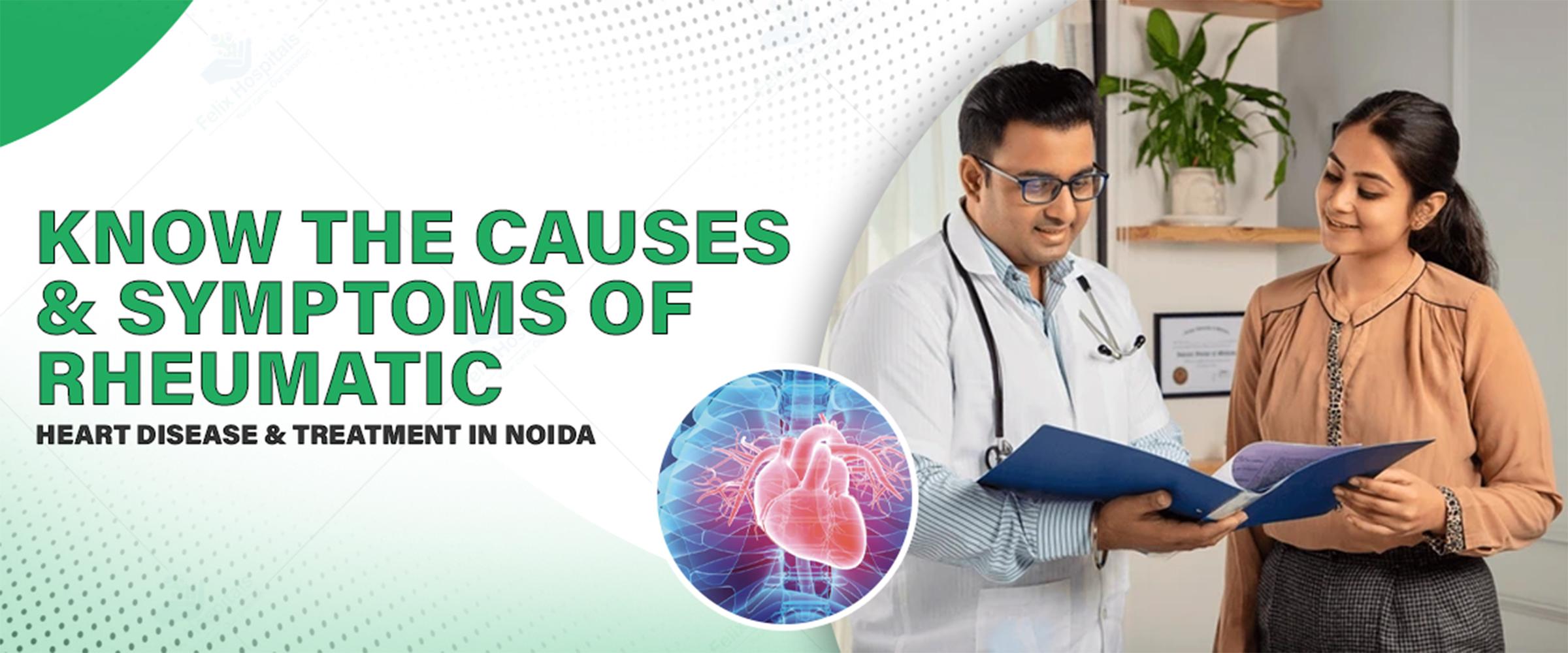
RHD predominantly affects heart valves like the mitral and bicuspid valves. The condition of tricuspid stenosis is less common. Throughout time, affected valves by this condition may be stenotic (narrowed and incapable of yielding normal flow through the heart) or regurgitant (leaky and allowing backward flow in a disordered direction). The effects may come in the guise of shortness of breath, chest pain, fatigue, palpitations, and swelling in the lower extremities. For advanced care, consult a top cardiology hospital in Noida for accurate diagnosis and treatment.
Take charge of your heart health, dial +91 9667064100 for specialist care.
Rheumatic heart disease is an issue caused by rheumatic fever and one that arises after an incompletely or untreated streptococcal throat infection has occurred. Rheumatic fever causes the body's inflammation response system to damage one of the body's heart valves. This damage, as it ages, can develop and cause the heart valves to become scarred, thickened, or distorted and therefore hard for them to work as normal.
Though Rheumatic Heart Disease (RHD) per se is not classified into different classes, valve damage from the disease can be unique. Detailed discussions of the different classes of valve damage from RHD appear below.
Valvular Stenosis: This occurs when a heart valve's opening narrows because of scarring. This makes it difficult for the blood to move from the heart out into the chambers or out into the body. Stenosis may be caused by:
Mitral Valve: The mitral valve that separates the left atrium from the left ventricle is not able to fully open and makes it difficult for the blood to pass from the atrium into the ventricle.
Aortic Stenosis: The aortic valve, through which blood from the left ventricle enters the aorta (the main artery of the body), gets narrower and difficult for the blood to flow out from the heart.
Tricuspid Stenosis: This is less common and it concerns the tricuspid valve between the right atrium and the ventricle, and it is hard for the blood to traverse from the body into the heart.
Pulmonic Stenosis: The pulmonic valve, from which the flow of the blood from the right ventricle enters into the lungs, gets narrower and it becomes hard for the blood to pass into the lungs.
Valvular regurgitation happens when the valve leaflets don't close all the way, which lets blood leak back. This messes up the normal flow of blood through the heart. Regurgitation can affect any valve, just like stenosis:
Mitral Regurgitation: Back flow of the blood from left ventricle into the atrium.
Aortic regurgitation happens when blood leaks back from the aorta to the left ventricle.
Tricuspid Regurgitation: The blood from the right ventricle spills into the atrium.
Pulmonic regurgitation is a back leak of the blood from the lungs into the right ventricle.
Stenosis and regurgitation can occur simultaneously in the same valve and therefore complicate the matter.
The treatment and symptoms that a person experiences depend on the particular type of valve damage that RHD develops. To have RHD not harm your heart health as much as it possibly can, it matters that it is found early and that it is treated.
Rheumatic heart disease (RHD) often goes undetected at first, exhibiting no symptoms. But as the heart valves get worse, you might notice several signs that something is wrong. Here are the most common signs of RHD:
Not getting enough air (dyspnoea)
Fatigue and chest tightness (angina)
Palpitation of heart (irregular heart beat)
Oedema, or swelling of ankles or feet.
Weight gain that can't be explained
Cough that won't go away
Less capacity for managing exercise
The bacterium causes a multifaceted chain reaction that leads to rheumatic heart disease (RHD). This is how it happens:
Group A Streptococcus Infection, Rheumatic Fever, and Heart Valve Disease are secondary to an overactive immune system.
Valve Dysfunction: Valves become less flexible when scarred and fail to open or close efficiently. This issue leads to two major problems:
Stenosis: The valve opening decreases and the blood has difficulty going through the heart in a smooth manner.
Regurgitation follows when the valve is not tightly closed and the blood escapes through.
Rheumatic Heart Disease: This harm will lead to RHD in the long term.
The intensity of RHD relies on how much damage there is and what valve is involved.
Genes: Certain individuals might inherit genes that would cause their bodies to react more vigorously against strep throat.
We can appreciate how much it is crucial that we treat and cure strep throat infections early in order not to allow RHD from occurring by examining this chain reaction. For prompt and comprehensive rheumatic heart disease treatment in Noida, it is essential to seek early medical intervention to protect heart valve function and prevent serious long-term complications.
You will generally be able to prevent developing rheumatic heart disease (RHD). Here is a comprehensive guide on how to reduce your likelihood.
Recognise the symptoms of a sore throat, fever, and swollen glands.
Get medical help now: Do not wait for a sore throat. A doctor will be able to tell by a quick throat swab test whether or not you have strep throat and can prescribe antibiotics.
Complete the antibiotic course: It is extremely necessary that you complete the entire antibiotic course that your doctor instructed you to, even when the symptoms improve.
Good hygiene for the lungs: If one has a cough or a sneeze, one should use a tissue over the nose and mouth and discard the tissue afterwards.
Avoid sick individuals as much as you can: If there is someone next to you that has strep throat, avoid them and remind them to wash their hands more frequently.
Strengthen your immune system: Have a balanced diet that has a lot of fruit, lots of vegetables, and lots of whole grains.
Regularly scheduled checkups: If there has been a history of sore throats or any other issues, be sure and visit regularly scheduled doctor's offices.
It is more often a case of assembling fragments of information from multiple sources into multiple patterns. Now let us look at the main instruments involved more closely.
Your doctor will ask for a family medical history, including:
History of Previous Strep Throat Infections: If one has a history of strep throat, particularly one that was not treated, an individual is more at risk for developing rheumatic fever and thus RHD.
Present Symptoms: Shortness of breath, fatigue, chest discomfort, and palpitations of the heart.
Family History: RHD may be inherited, although this is a rare occurrence, and other testing is required.
The physical examination will tell you a lot:
Heart Sounds: The doctor will listen through a stethoscope for a strange heart sound, like a murmur, that may signal that a valve isn't working normally.
Symptoms that suggest heart failure: Oedema or swelling in the ankles or lassitude symptoms can suggest disturbed cardiac function by RHD.
An echocardiogram (Echo) is a harmless ultrasound that is the ultimate way to know for certain whether or not you have RHD. It creates clear images of your heart that doctors can use to examine the structure and working of heart valves. They can spot stenosis, regurgitation, or other valve issues by examining the movement of the blood and the movement of the valves opening and closing.
Chest X-ray: A chest X-ray is not a sure indication for RHD, but it might provide more clues. It can reveal an enlarged heart, a symptom of heart failure that can occur in RHD.
Antistreptolysin O (ASO) Test: This is an antibody test that builds up in the system when one has had a strep infection, i.e., has become infected by it once before. A positive ASO test, however, is by itself not a definitive proof that one has RHD.
C-Reactive Protein (CRP): This test for inflammation in the body. Elevated levels of CRP can help support a diagnosis of active rheumatic fever, possibly increasing one's chances of developing RHD.
There are no clear stages of Rheumatic Heart Disease (RHD) like there are for some other diseases, but it is helpful to know how the severity of damage to the valves has an effect on disease treatment. For specialized care and management, consulting with rheumatic heart disease specialists Noida ensures that patients receive tailored treatment plans that suit the individual severity and progression of the valve damage.
RHD occurs when rheumatic fever causes the heart valves to become swollen. This makes the valves thicken and scar, and this makes them less effective. The extent of damage helps decide how it should be treated. This is a list of how valve damage may become more serious:
Mild Damage: The valve may be slightly smaller or leak open, but the flow of the blood is generally normal. By this stage, there often aren't any symptoms. Repeat echocardiograms may be a sufficient.
Moderate Damage: The valve is not working very well, and it is hard for the blood to flow or escape. You might feel out of breath or sluggish. You might be given medications that help make it easier for your heart to work and prevent problems from developing.
Severe Damage: The valve is quite small or leaks severely, so it is difficult for the blood to pass. The symptoms intensify, and heart failure may occur. This phase commonly needs surgery to repair or replace a valve.
Rheumatic Heart Disease (RHD) requires both medical and surgical treatments to ease symptoms, stop problems from getting worse, and fix broken heart valves.
Pain and inflammation go away when you take anti-inflammatory drugs.
Antibiotics can help keep strep infections and rheumatic fever from coming back.
Diuretics help with heart failure symptoms and stop fluid from building up.
Beta-blockers and ACE inhibitors lower blood pressure and make the heart work better.
Anticoagulants stop blood clots from forming in people who have atrial fibrillation or valve replacements.
Valve Repair: Fixes broken valves without having to replace them.
Replacement of Valves: Valves that are badly damaged are replaced with mechanical or biological ones.
Robotic surgery is a less invasive way to heal faster.
Balloon valvuloplasty is a non-surgical method for making valves that are too narrow wider.
Getting a diagnosis and treatment early can make a big difference in the outcome. You need to see a cardiologist on a regular basis.
Rheumatic Heart Disease might sound scary — and it can be serious — but the good news is it's mostly preventable. This condition usually pops up when a strep throat infection doesn't get the attention it needs. Left untreated or half-treated, it can sneak up and cause long-lasting damage to your heart valves.
The most important thing is to catch it early. The outlook gets a lot better if you pay attention to your body, notice symptoms early, and get medical help right away. Whether it's quick diagnosis, proper medication, or surgery if needed, acting sooner rather than later can transform the course of the disease.
Lots of people with RHD live full, active lives — especially with expert care from top cardiac centres, including those right here in Noida. Your heart health is in your hands. Don't brush off a sore throat thinking it's just a minor nuisance. Taking action early is your best defense.
Consult leading cardiologists in Noida for RHD – call +91 9667064100.
Find the links below:
Check the links below:
Q1. Can kids get better from rheumatic heart disease?
Ans: No, RHD will not disappear by itself. If you don't treat it, it could get worse over time and need to be managed for the rest of your life.
Q2. Is it possible to get rheumatic heart disease?
Ans: No, but the strep infection that causes rheumatic fever can spread.
Q3. Is it okay for me to exercise with RHD?
Ans: Light to moderate exercise may be safe, but you should always talk to your cardiologist before starting any new routine.

Cold weather affects the body in several ways that can increase cardiovascular risks.

Heart disease is a significant health concern for women, often presenting unique challenges. Understanding the causes, symptoms, and treatment options is essential for early detection and effective management.
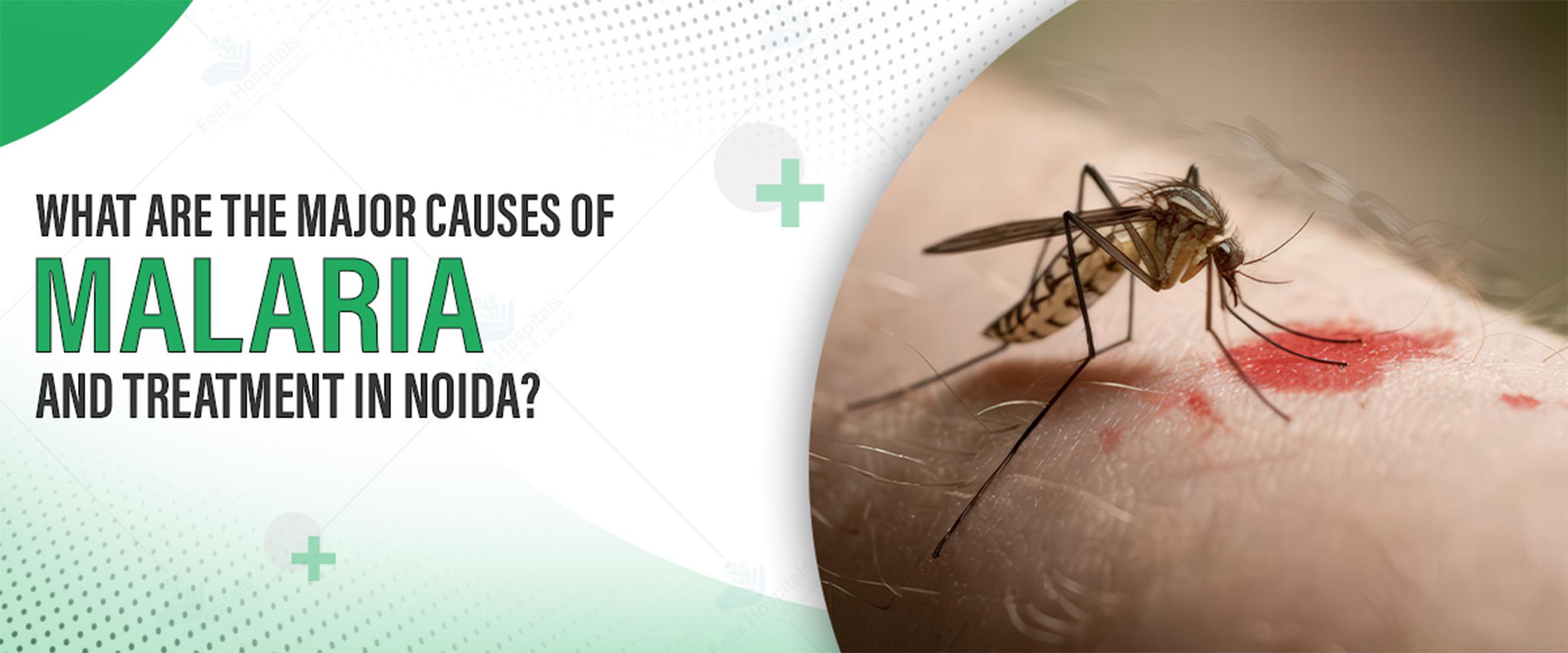
Malaria is still one of the most common and lethal infectious diseases worldwide, especially for the tropical and subtropical parts of the world. It is transmitted by mosquito bites and represents an important public health problem. Early detection and treatment can be life saving, but awareness of causes, symptoms and stages of the disease is critical in order to fight this disease. This blog is designed to discuss the big picture of malaria and considerations that must be made to understand and fight this important health concern. If you need help now, a nearby malaria test can help you receive a prompt diagnosis and care.
Learn more about preventing malaria and get expert advice . Schedule a consultation at +91 9667064100.
Malaria is a life-threatening disease caused by Plasmodium parasites that infect the victim via the bite of infected female Anopheles mosquitoes. In the bloodstream, the parasite multiplies rapidly and spreads to liver cells, causing mild to severe symptoms depending on the species of Plasmodium.
The most serious form of malaria is caused by Plasmodium falciparum. In the case of severe disease, the victim may die from severe malaria. Transmission and cause of malaria Transmission is through one individual to the mosquito to another individual. Human malaria is caused by five species, of which Plasmodium falciparum is the most severe. Major causes of malaria in adults:
Bites from infected mosquitoes
Blood transfusions from infected donors
Using needles of an infected person
Infrequently from mother to baby during pregnancy
Major causes of malaria in children is also by mosquito-borne Plasmodium infections, with P. falciparum being dominant and responsible for the most severe and fatal cases
The symptoms of malaria typically develop 10 days to 4 weeks following the infection, in few cases symptoms may develop as early as 7 days, or as late as several months, after the infection. Common signs of malaria infection include:
High fever and chills
Sweating
Muscle pain and fatigue
Nausea and vomiting
Diarrhea
Anemia
Yellow eyes and yellow skin (jaundice)
In more extreme cases, malaria can lead to:
Confusion or seizures
Breathing problems
Organ failure
Presence of stagnant water pools and ineffective drainage systems that act as mosquito breeding sites.
Tropical and wet weather conditions are conducive to the survival of Anopheles mosquitoes.
A lack of proper mosquito control and education at a community level.
Poor use of preventives: Bednets, repellants.
Late diagnosis and treatment resulting in dissemination of infection.
All these factors combine to cause cyclic malaria outbreaks in Noida and the need to focus on vector control and public health measures to prevent such outbreaks.
Diagnosis of malaria is based on the detection of parasite in blood. The following tests are used:
Blood Smear Microscopy: Laboratory investigation in which blood infected with Plasmodium parasites is checked under a microscope.
Rapid Diagnostic Tests (RDTs): These tests diagnose specific antigens that malaria parasites produce and are less time consuming.
Molecular Tests (PCR): PCR (Polymerase Chain Reaction) is more sensitive than microscopy and detects the DNA of the parasite (suitable for low-level parasite and mixed infections).
Doctors also may suggest other blood tests to check for organ damage or other problems due to malaria.
The type of parasite and severity of this condition determine the treatment. The typical treatment is with antimalarial drugs. Some of the primary treatment approaches are:
Artemisinin-based combination therapy (ACT): This is the most effective therapy for P. falciparum malaria.
Chloroquine: It treats malaria from non-resistant strains.
Quinine and Doxycycline: Sometimes, quinine is used in conjunction with antibiotics, such as doxycycline, to treat severe malaria.
Hospital stay: Serious cases of this illness may require hospital stay, during which intravenous fluids, medication, and supportive care are given to treat complications.
To prevent malaria, you must avoid being bitten by an infected mosquito and take drugs to prevent infection, if living in or traveling to an area where malaria is a risk. Key prevention methods include:
Insecticide-treated bed nets (ITNs): It can be used to sleep under an insecticide treated mosquito net to avoid mosquito bites.
Insect Repells: Repellents containing DEET will deter mosquitoes.
Prophylactic Drugs: Depending on where you go to, your doctor may put you on a dose of antimalarial drugs, such as malaria, doxycycline, and mefloquine.
Environmental Interventions: The number of mosquitoes can be decreased by shrinking mosquito breeding sites through drainage of standing water and implementation of insecticides in areas with a high risk.
We have a team of expert doctors at Felix Hospital that deal in infectious diseases which also includes this ailment. They are trained doctors who specialise in diagnosing and treating cases of malaria. With the presence of state of the art diagnostic services and well trained staff, the department ensures that mild to severe cases are quickly attended to, ensuring the best possible care.
Get the best malaria treatment in Noida. Call +91 9667064100 right away.
This is no mere illness, this is a life-threatening disease, however one that can be prevented and can be treated. Early diagnosis and right treatment can prevent complications and death. Learning more about the causes, symptoms, and prevention may prevent infection. People looking for the best treatment option or want to find the best Malaria treatment hospital in Noida with an experienced team of health care specialists can contact Felix hospitals where the goal is to provide the best of malaria and infectious disease medical care so that the patients are cured quickly and safely.
Q1. Can malaria recur after treatment?
Ans: Yes, some strains of Plasmodium parasites stay in a hibernation phase within the liver and cause a relapse weeks or months after the first infection.
Q2. Is there a malaria vaccine?
Ans: Presently, the vaccine RTS, S/AS01 (Mosquirix) has received a license for use in some parts of regions where malaria is endemic and shows some level of protection against P. falciparum.
Q3. What is the best way to avoid getting malaria when traveling?
Ans: Sleeping under an insecticide-treated bed net, wearing protective clothing and taking medication to prevent malaria are all recommended when visiting areas where malaria is transmitted.
Q4. Is malaria contagious from person to person?
Ans: No, you can't contract malaria from a person, like a bad cold. It spreads when an infected mosquito bites a person, or more rarely, through blood transfusions or sharing needles.
Q5. I think I have malaria, what should I do?
Ans: If you get symptoms of malaria and if you have been in an area where malaria occurs you must get medical help straightaway. Early detection and intervention are important.
Q6. How long does malaria last for?
Ans: The recovery period from malaria depends on the severity of the disease and the type of treatment. Most cases are mild and clear up several weeks following treatment, but the severe ones can take longer to recover,

Malaria is primarily caused by the Plasmodium parasite, which is transmitted to humans through the bite of an infected Anopheles mosquito.

Learn about communicable diseases in Noida, including their causes, symptoms, prevention, and treatment options.
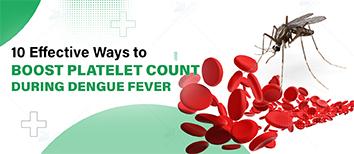
At Felix Hospital, we have a team of highly skilled internal medicine specialists, including Dr. Anshumala Sinha, Dr. Sonakshi Saxena, and Dr. Priyanka Singh, who are experienced in managing dengue fever and its complications.
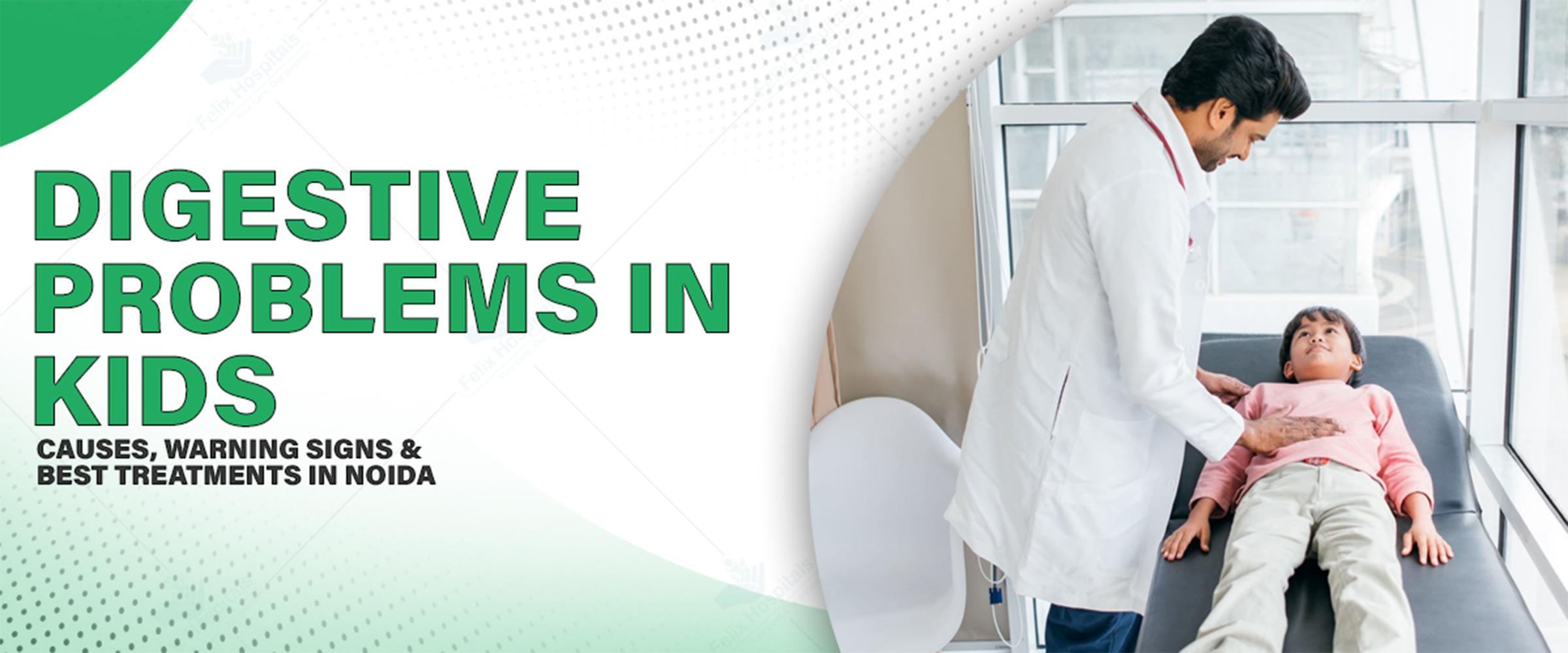
Children's digestive systems are still growing and are more likely to have stomach problems. Food intolerance, constipation, and reflux are all common, but they could also be signs of bigger problems inside. If they aren't treated, they can slow down a child's growth, development, and health. Picking the best Pediatric hospital in Noida makes sure that treatment is quick and correct. Parents need to know about the possible kids digestive treatment in Noida in order to treat them correctly. This blog will talk about some of the most common stomach problems in kids, what they look like, and the best ways to treat them.
If you live in Noida and need to talk to a paediatric gastroenterologist, call +91 9667064100.
Gastro-oesophageal Reflux Disease (GERD): When stomach acid flows back into the oesophagus, it hurts the tissue and can cause permanent damage. If you don't treat constipation early, it can cause abdominal pain and long-term damage.
Acute diarrhoea, which is often caused by diseases or a bad diet, can make you dehydrated.
Irritable Bowel Syndrome (IBS) is a long-term illness that causes stomach pain, bloating, and changes in how often you go to the toilet.
Coeliac disease is an autoimmune disease in which gluten makes it hard for the small intestine to absorb nutrients.
Recognising symptoms early can help doctors diagnose and treat digestive diseases in children more quickly.
Severe or long-lasting pain in the stomach.
Abdominal distension, which is a swollen stomach
Changes in how often you go to the toilet, like diarrhoea or constipation.
Long-lasting nausea and vomiting.
Unintentional weight loss or loss of appetite
Some risk factors make it more likely that kids will have digestive problems.
Dietary patterns: Eating too much junk food or not enough fibre
Genetics: A family history of medical conditions such as coeliac disease or inflammatory bowel disease (IBD).
Infections: gastroenteritis caused by bacteria or viruses and other infections.
Psychological stress is often the underlying cause of IBS.
For the best care of children's digestive health, it is important to get a diagnosis early.
1. Medical History: Find out about the child's diet, how quickly they grow, and any infections or allergies they have had in the past.
2. Physical Examination: Shows clear signs of stomach pain, bloating, or swelling.
3. Tests:
Blood tests: To find out if there is inflammation or a lack of vitamins.
Stool tests can tell if you have an infection or malabsorption.
Imaging diagnostics: X-rays or ultrasounds to find any structural issues.
Keeping a list of your symptoms can help with diagnosis by showing how exercise, eating habits, and the start of symptoms are all connected. The price of treating kids with gastrointestinal diseases in Noida depends on the disease, the tests needed to diagnose it, and the treatment. Consultant outpatient visits will cost between INR 1000 and INR 2000, while diagnostic and hospitalisation costs will be between INR 10,000 and INR 50,000.
The type and severity of the illness determine how to treat a child's GI.
Diets high in fibre, like those that include fruits and vegetables, have made constipation more likely.
Avoiding foods that can cause problems, like gluten for people with coeliac disease and milk for people who can't digest lactose
Stay hydrated, especially when you have diarrhoea.
If you have acid reflux, take antacids or PPIs.
Laxatives that help with symptoms (use with caution)
Antibiotics kill bacteria that make you sick.
Ways to Handle Stress for IBS
Cognitive Behavioural Therapy (CBT) is used to help with digestive problems that are caused by stress.
For serious GERD or structural issues like blockages in the intestines.
Encouraging good habits is the best way to keep kids from getting digestive problems.
Eat a balanced diet that includes a lot of fibre, lean protein, and foods that have been processed as little as possible.
Exercise helps keep your bowels healthy and lowers stress.
Hydration: Helps with digestion.
Regular checkups: finding symptoms early and treating them before they get worse.
Felix Hospital is the best place to consult a Stomach specialist doctor in Noida because it has a complete system for treating all types of gastrointestinal (GI) issues. The hospital offers advanced diagnostic and treatment facilities along with highly experienced gastro specialists. The team at Felix provides compassionate and personalized care, ensuring every patient receives the best treatment from diagnosis to recovery. People trust Felix Hospital for its expertise in managing complex stomach and digestive health problems with care and precision.
Paediatric GI disorders need intervention due to their long-term consequences over time. The first step to better digestion is to know what the symptoms are, make a correct diagnosis, and pick the right treatment. The best paediatric gastroenterologist in Noida will make sure your child gets the best care possible, whether they have mild constipation or a more serious condition like coeliac disease. A top paediatric GI hospital in Noida, like Felix Hospital, can make a big difference in your child's life. Be careful, make sure your child gets regular checkups, and keep an eye on their gastrointestinal care to make sure they have a healthy, happy future.
Don't let your child's stomach problems affect their health in general. Call +91 9667064100.
Find the links below:
Check the links below:
Q1. My child often says their stomach hurts. Should I go to the hospital right away?
Ans: If your child's stomach problems are frequent, severe, or disruptive, a paediatric gastro examination at Felix Hospital can help rule out other possible causes.
Q2. Is it okay if my toddler doesn't have a bowel movement for two or three days?
Ans: Not all the time. If you don't go to the toilet often and have pain or trouble doing so, you might be constipated.
Q3. Do babies and toddlers have a lot of stomach problems?
Ans: Yes, the answer is. Reflux, colic, and lactose intolerance are common problems for babies. Felix gives tests that are right for each age.
Q 4: Can problems with the digestive system slow down my child's growth?
Ans: Yes, of course. If you often have stomach problems, your growth and nutrition may suffer. It's very important to find out what's wrong early.
Q5. Is it possible for kids with gastrointestinal problems to get treatment on weekends or in an emergency?
Ans: Yes, the answer is yes. To make things easier for you, Felix Hospital has child emergency care and weekend OPDs.

Building healthy habits in the formative years of a child lays the foundation for the healthy living. By teaching them to enjoy healthy eating at a tender age helps for the overall development and growth for life.

Urinary tract infections (UTIs) in children are common but treatable. This guide for Greater Noida parents covers early signs, effective treatments, and easy preventive tips to protect your child’s health.
Urinary tract infections (UTIs) in children are common but treatable. This guide for Greater Noida parents covers early signs, effective treatments, and easy preventive tips to protect your child’s health.
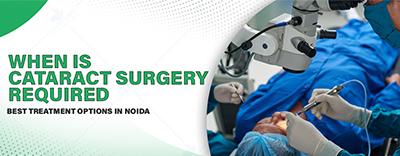
Hearing that you might need to undergo cataract surgery is certainly not a pleasant experience, is it? But actually knowing when it is time to take that step does change your life in a big way. Cataracts, obscuring the eye's lens, blur the eyesight increasingly until day-to-day functioning becomes troublesome. Fortunately, Cataract surgery in Noida is safer and more accessible now than it has ever been.
If it is difficulty in reading the newspaper or difficulty in driving at nights that has been bothering you, knowing the appropriate time for surgery is of assistance in making an informed decision. The guide takes you through the things to look for, the considerations to make prior to surgery, the mechanisms of the treatments you get and the advice on getting the best hospital in Noida.
book an appointment with Best Eye Doctor In Noida. Call now at +91-9667064100.
A cataract is a clouding of the normally clear intraocular lens in the eye. Imagine seeing through a foggy or frosty window – that's approximately what occurs when you develop cataracts.
The protein that comprises the natural eye lens is typically designed in a form that helps keep the lens clear and transparent and allows light to pass through it. With the passing of time and with advancing age, the protein may break down and clump together and form cloudy areas – a cataract.
Cataract patients often present with:
Blurred or misty vision refers to seeing through a cloudy pane of glass.
Difficulty with vision at night or in low light
Sensitivity to glare and light
Noticing "halos" around lights (most noticeable when you're driving at night)
Colors appearing pale or yellowed
Requirement of increased light intensity while reading
Frequent changes in eye glasses prescription
Double vision in a single eye
While cataracts are most common in people over 60, they can affect anyone. Most cataracts are age-related, but they can also result from:
Certain drugs (prolonged steroid therapy especially)
Illnesses such as diabetes
Prolonged UV exposure
Smoking
A few people are actually born with cataracts
The choice of undergoing cataract eye surgery is not something you hasten into but you do not necessarily dread either. Eye experts advise undergoing the operation when cataracts begin affecting how you lead your daily life and the quality of your life in general.
The strongest indicator that you need surgery is when vision issues become hazardous or challenging in performing normal tasks. This could involve being unable to read, struggling with face recognition, or not feeling secure driving – particularly at night when glare and halos from lights are issues.
First of all, more powerful eye glasses, increased light, or magnification devices might ease a cataract symptom. But a developing cataract responds less well to these techniques. After you've tried everything and the eye is getting progressively worse, the most logical option is surgery.
Cataracts put you at risk of falls and injury. If you're walking into things, judging distances wrongly, or giving up on activities you loved because of vision issues, then it is clear that surgery would absolutely do a world of good for safety and morale.
It often comes down to a choice of independence for many individuals. Whether staying active at work effectively, enjoying a hobby of writing or crafts, or just being able to safely prepare a meal at home, surgery is often able to restore the visual acuity necessary for an active, productive life.
Making the decision for cataract surgery involves weighing several important factors beyond just the severity of your vision problems.
Your overall health is very relevant to surgical planning. Some diseases such as diabetes, high blood pressure, or heart disease do not necessarily rule out surgery but demand careful pre- and postoperative care. Let the doctor know about all medications and health issues.
Consider your schedule and responsibilities. While recovery is frequently immediate, you will be limited in doing certain things for a period of a few weeks. Plan the operation when you can take time away from work in case you require it and support with daily activity in the early postoperative period.
Contemporary cataract operation is very successful but you must know what to anticipate. The majority of the patients see well but you will perhaps require glasses for specific activities. Talk freely with your surgeon so that expectations you hold will be in accord with probable results.
Standard cataract surgery is normally a coverage in the majority of insurance policies, but the upgraded lenses incur more out-of-pocket costs. Being specific on coverage and options in lenses will facilitate making a shrewd financial decision and a medical decision.
Cataracts typically form in both eyes, but often at different rates. Your surgeon will advise you on whether you require both eyes to be treated and the best time to do each operation if bilateral surgery is advised.
Modern cataract treatment has evolved dramatically, offering patients safer procedures and better outcomes than ever before.
The conventional method is to prepare a small cut in the cornea, take out the cloudy natural lens through phacoemulsification (ultrasound technology), and implant an artificial intraocular lens (IOL). The procedure is done on an outpatient basis and takes about 15-30 minutes per eye.
Lasers cataract surgery Noida is the newest development in treatment technology. Femtosecond lasers make precise cuts and soften the cataract before it is removed. This may speed up healing and make it easier to place the lens correctly. Even though this technology costs more than regular surgery, many patients appreciate how much more accurate it is.
Your choice of replacement lens significantly impacts your post-surgery vision:
Monofocal lenses function best at a set of distances (most commonly far), with near glasses frequently necessary for near activities
Multifocal lenses provide vision at more than one distance, possibly decreasing reliance on glasses
The toric lenses treat astigmatism and also cataracts
Corrective lenses try to replicate natural focusing power of the lens
The procedure is performed under local anesthesia with mild sedation, so you are calm but conscious. Most do not feel anything and get back home the same day. Improvement of vision typically begins in a few of days and complete recovery is typically achieved in 4-6 weeks.
Call us at +91 9667064100 to schedule a complete cataract evaluation and find the right treatment option for you.
Cataract surgery is now one of the most successful and commonly performed operations in medicine today and the vast majority of patients experience dramatic improvement in vision and quality of life. The key is in recognizing when you do require surgery and in selecting the right system for your individual needs.
The best eye treatment hospital in Noida with experienced doctors and the latest technology, whether you have early signs of cataracts or have already lost a lot of vision. There are more treatment options than ever before, from traditional surgery to cutting-edge laser techniques.
If you don't treat your cataracts, they will keep getting worse. It's usually better to treat them early rather than late, and you'll recover faster. With appropriate preparation and the appropriate medical personnel, you can get back the clear and convenient vision you require for the independence you enjoy and the things that are most important in life.
Don’t let cataracts come between you and a life well-lived – do something about it now and opt for the great options in the treatment of cataract in Noida. Call us today at +(91) 9667064100.
Find the links below:
Check the links below:
Q1. Will the procedure for the cataract be painful?
Ans: No, the operation is nearly harmless by virtue of sedation and the injection of regional anesthesia. The patients experience only gentle pressure and feel well during the entire procedure.
Q2. How long will I be forbidden from driving after cataract eye surgery?
Ans: Virtually all the patients are capable of driving in 24-48 hours post-operatively after getting cleared from the physician at the postoperative check-up visit. Driving at night may take a little while before comfort is regained.
Q3. Will you do the other eye at the same time?
Ans: Generally, surgeons like to do one eye at a time with a few weeks in between in order to allow the eye to fully heal and permit you to live with one good eye while you're healing.
Q4. Will I still require glasses after cataract surgery?
Ans: That depends on the type of implantable lens you select. With basic monofocal lenses, you will probably require glasses for reading purposes only but with multifocal implants you may decrease the usage of glasses entirely.
Q5. What will happen when I blink or turn my head?
Ans: A tiny device holds the eyelids back lightly and eye drops anaesthetise the eye to reduce the urge to blink. If you do shift a little bit, it does not matter - the surgeon is proficient in accommodating that.
Cataract surgery is essential to restore clear vision and prevent permanent blindness. It removes the cloudy lens and replaces it with an artificial one, helping patients regain normal sight and quality of life.
Cataract surgery can be a life-changing procedure, restoring clarity and enhancing the quality of life for those affected by cataracts.

Discover 10 lesser-known facts about cataract surgery, including treatment options, recovery tips, and costs. Learn what you need to know before undergoing surgery.


Subscribe to our
© Copyright 2026. All Rights Reserved by Felix Healthcare Private Limited
Design and development by :


 +(91)9667064100
 Emergency : +(91)9667064100