 WhatsApp
 Emergency:
  WhatsApp




Subscribe to our
When children's health is concerned, parents need highly specialized care designed specifically for young patients. While a pediatrician in Noida is responsible for the overall growth and development of the kid, for problems relating to the ears, nose, and throat, specialized pediatric ENT care becomes the need. From repeat ear infections to blocked noses to delayed speech, a pediatric ENT hospital in Noida provides specialized treatment with the best technology and gentle hands. Getting the appropriate expert ensures that the kid has safe, precise, and kid-friendly treatment that facilitates their healthy growth.
As a parent, there's nothing more important than the health and comfort of your child. When problems with the ears, nose, or throat are involved, specialized care isn't recommended— it's required. That's where Pediatric in Noida comes in. From recurrent ear infection to tonsil problems, obtaining an empathetic and qualified ENT specialist for kids is what will make all the difference. You gain exposure to the latest pediatric ENT services designed specifically to address the distinctive needs of little patients.
Concerned about your child’s ENT health? Book expert pediatric ENT treatment in Noida at +91 9667064100.
Children are not just small adults. Their anatomy, immune system, and communication abilities require a unique medical approach. That’s why Pediatric ENT in Noida focuses specifically on treating infants, toddlers, and adolescents with gentle, accurate, and age-appropriate care.
Whether it is the treatment for an existing sore throat, compensation for hearing impairments, or evaluation for speech delay due to ear problems, an expert child ENT doctor in Noida recognizes and treats conditions with ease. Early diagnosis and treatment prevent complications and ensure healthy development.
Understanding the common conditions treated by a child ENT doctor in Noida can help you act quickly when your child needs help. Here are a few problems I see a lot:
Ear Infections: A nap can lead to impaired hearing and delayed speech, especially in children under five.
Tonsilitis and Adenoid Problems: Breathing or swallowing problems can also occur after repeated infections of the throat.
Nasal Allergies or Congestion: Many people have trouble sleeping due to frequent nose problems.
Speech or language delay, Hearing loss: Often with hidden fluid in the middle ear or wax in the ear canal.
Snoring and Sleep Apnea: Occasionally caused by enlarged tonsils or adenoids, requires early treatment.
One of the best pediatrician for ear in Noida, uses modern clinical diagnostic equipment to identify such conditions at an early stage and provides child-friendly treatment procedures.
When it comes to selecting a pediatric ENT specialist in noida for your child, also take in consideration that you not only want someone with expertise in this field but also a doctor who relates well to children.
Minimally invasive diagnostic procedures and treatment procedures
In-depth consultations with parents
A friendly environment for kids that minimizes anxiety
Emphasize long-term wellness rather than short-term symptom relief
Whether you are looking for a regular check-up or advanced pediatric ENT care in Noida, Felix hoaspita; ensures that your child receives safe, effective, and compassionate care every step of the way.
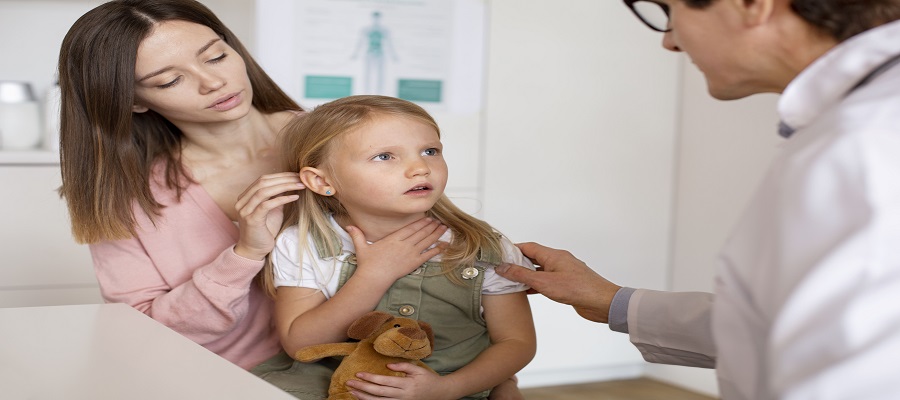
Be on the lookout for the following indicators:
Their child often pulls on their ears or has earaches
There’s noticeable hearing loss or delayed speech development
Persistent snoring or breathing through the mouth
Repeated throat infections or hoarseness
Difficulty with swallowing or chronic stuffed noses
Prompt medical care will avoid these conditions harming the growth and quality of life of the child.
Thanks to the advancement in technology, the pediatric ENT services in Noida also involve an array of advanced kid-friendly procedures. Offers:
Audiometry and Tympanometry: Tests for children's hearing
Endoscopy: Minimally Invasive Evaluation for Precise Diagnosis
Allergy Tests: To identify triggers for chronic throat or nose problems
Surgeries: If required, for example, tonsillectomy or adenoidectomy, with all safety protocols
Not all children need to be given antibiotics when they have an infection of the ears, nose and throat, for example if it is a common cold or a sore throat caused by a virus, antibiotics are not necessary to treat it. Use them when:
Ear infection (AOM): less than 6 months of age; between 6 and 23 months if bilateral or ear discharge; any age and severe pain or high fever or not improved after 48-72 hours.
Strep throat: only with positive strep test or recognizable signs of strep infection
Sinusitis - symptoms last >10 days, very high fever with thick mucous purulent nasal discharge for >=3 days, or " gets better, then gets worse"
Swimmer's ear: typically topical antibiotic eardrops, not oral medicines
Emergences: mastoiditis, peritonsillar/retropharyngeal abscess, epiglottitis - require emergency medical treatment and IV antibiotics.
With some good daily habits and correct prevention, almost all common ENT infections in kids can be prevented.
Maintain up to date vaccinations (flu, pneumococcal)
Hand washing for 20 seconds; wipe common toys and surfaces clean.
Sneeze/cough into elbow; do not share bottles, cups or utensils
Keep your home smoke-free; minimize indoor contaminants and pollutants, including dust
Breast feed for 6 months where possible; bottle feed upright, never in bed
Prevent colds/allergies: salt water drops in the nose, well structured humidifier/air filters..
Limit close contact with sick friends; promote good health through sleep and sound nutrition.
Don’t let symptoms worsen — take action today for your child’s healthier tomorrow.
Your kid's health and comfort deserves nothing but the best. Whether it's recurrent throat infections, Sleep Apnea, or hearing problems, early intervention by an expert makes all the difference. With trained Pediatric ENT in Noida and state of the art pediatric ENT hospital in Noida, parents are guaranteed of complete diagnosis and treatment with a long-term well being of the child. With the combination of medical expertise and kid-friendly approach, high-end pediatric ENT care cures illnesses as well as ensures safe growth and development of your kid.
Q1: When do you recommend my child seeing am ENT?
A: When you have ENT symptoms that are persistent. Specialized assessments can be helpful for infants and up into the teen years.
Q2: Are ENT operations safe for my child?
A: Yes. When treating with professionals like Dr. Arvinder Pal Singh you are guaranteed the safest form of surgeries and technology.
Q3: Could untreated ENT problems affect schooling?
A: Yes. Hearing, sleep and frequent illness issues can interfere with learning and focus.
Q4: How often should a child have her ears and throat looked at?
A: At least annually or sooner if your ENT suggests it; especially regarding family or ear/nose/throat issues.
Pediatric rheumatology focuses on diagnosing and treating autoimmune and inflammatory disorders affecting children’s joints, muscles, and connective tissues.
During sleep, the body releases growth hormones, which are essential for a child's growth and development. Adequate sleep is vital for muscle development, tissue growth, and the overall physical health of a child.

Search the best hospital for your child in Noida the team of experienced pediatricians is dedicated to supporting parents and guiding children on their journey to a healthy life.
Pediatric Intensive Care Unit (PICU): Expert care for critically ill or injured children requiring constant monitoring and advanced life support. Our specialized team ensures round-the-clock treatment in a safe, child-friendly environment.
Autism spectrum disorder starts in early childhood and may last a lifetime. Over time, it can lead to difficulty functioning in society. For instance, individuals with autism spectrum disorder may experience difficulties in being social or in school or at work. Many children with autism develop symptoms somewhere in the first year of life. A few of those affected in that manner present as normal children during the first year.
Then around 18 months to 24 months of age, they may begin to lose some skills and show symptoms of autism. Autism spectrum disorder (ASD) treatments in Greater Noida are unique to the individual and frequently include a combination of treatments to improve social, communication, and behavior skills and try to help in daily life and sensory issues. To get the best treatment you should choose the Best Paediatric Hospital in Greater Noida that give customized treatment according to needs of the patient.
Get your child the right support for Autism - speak to Felix Hospital's experts today. Call +91 9667064100.
Autism spectrum disorder is a condition related to brain development that affects how people see others and socialize with them. This causes problems in communication and getting along with others socially. The condition also includes limited and repeated patterns of behavior. The term "spectrum" in autism spectrum disorder refers to the wide range of symptoms and the severity of these symptoms.
Autism spectrum disorder includes conditions that were once thought to be separate — autism, Asperger's syndrome, childhood disintegrative disorder and a form of widespread developmental disorder that isn't specified. There is no cure for autism spectrum disorder. But getting treatment early from the Best Autism Doctor in Greater Noida, during the preschool years, can make a big difference in the lives of many children with the condition.

Some children show signs of autism spectrum disorder in early infancy, such as less eye contact, not responding to their names or not being interested in caregivers. Other children may not develop as expected for the first few months or years of life. Then they suddenly become withdrawn or aggressive or lose the language skills they had before. Signs usually are seen by ages 2 to 3 years old.
Some people in the mild range on the autism spectrum may have more symptoms that aren't noticed early on. They may not be diagnosed until middle to late childhood, when there is a greater need to communicate and be social. Sometimes a diagnosis is made for the first time in adulthood, though symptoms were likely present during childhood.
Each child with autism spectrum disorder is likely to have a unique pattern of behavior that depends on whether symptoms are mild, moderate or severe.
Some children with autism spectrum disorder have trouble learning, and some have signs of lower intelligence. Other children with the condition usually have high intelligence. These children learn quickly but have trouble communicating, applying what they know in everyday life and adjusting to social situations.
Because each child can have a unique mix of symptoms, sometimes it can be hard to tell how severe the condition is. It's generally based on how severe the symptoms are and how much those symptoms affect a child being able to function.
Below are some common signs shown by people who have autism spectrum disorder.
Don't respond to their name, or they don't seem to hear at times.
Don't want to be cuddled or held and prefer to play alone, retreating into their own worlds.
Have poor eye contact and have no expression on their faces.
Don't speak or have delayed speech or lose the ability to say words or sentences as they could before.
Can't start a conversation or keep one going, or only start one to make requests or label items.
Speak with an unusual tone or rhythm and may use a singsong voice or robotlike speech.
Repeat words or phrases word for word but don't know how to use them.
Don't seem to understand simple questions or directions.
Don't show emotions or feelings and don't seem to be aware of how others feel.
Don't point at or bring objects to share interest.
Are passive, aggressive or disruptive when interacting with others.
Have a hard time figuring out what it means when people have different looks on their faces, position their bodies differently or speak in different tones of voice.
People with autism spectrum disorder may have limited, repetitive patterns of behavior, interests or activities, including a mix of these and other signs:
Make the same movement over and over again, such as rocking, spinning or hand-flapping.
Do activities where they could hurt themselves, such as biting or head-banging.
Create specific routines or rituals and become upset at even small changes.
Aren't coordinated and may be clumsy, or they move in patterns that aren't usual.
Have unusual, stiff or exaggerated body language.
Are fascinated by details of an object, such as the spinning wheels of a toy car, but they don't know what the object is for or how it works.
Are sensitive to light, sound or touch but may not be affected by pain or temperature.
Fixate on an object or activity with unusual intensity or focus.
Prefer specific foods, such as eating only a few foods or not wanting to eat foods with certain textures.
As they get older, some children with autism spectrum disorder interact more with others and show fewer disturbances in behavior. Some, usually those with the least severe problems, eventually may lead typical or nearly typical lives. But others continue to have trouble with language or social skills. And the teenage years can bring more behavioral and emotional challenges.

Babies develop at their own pace, and many don't follow exact timelines found in some parenting books. But children with autism spectrum disorder usually show some signs of delayed development before they're 3 years old. Signs of autism spectrum disorder often appear early in development when there are obvious delays in language skills and social interactions.
If you're concerned about your child's development or think that your child may have autism spectrum disorder, visit the best Autism Specialist Hospital in Greater Noida and talk with a healthcare professional about your concerns. Your healthcare professional may recommend developmental tests to figure out if your child has delays in learning, thinking, language or social skills that point to autism spectrum disorder or another type of developmental condition.
Your child's healthcare professional looks for signs of developmental delays at regular child checkups. If your child shows any symptoms of autism, you'll likely be referred to a specialist who treats children with autism spectrum disorder for an evaluation. This specialist could be a child psychiatrist or psychologist, a pediatric neurologist, or a developmental pediatrician.
Because autism spectrum disorder symptoms and how severe they are can vary widely, it may be hard to make a diagnosis. There is no specific medical test to diagnose autism spectrum disorder. Instead, a specialist may:
Observe your child and ask how your child has developed or changed over time in terms of interacting socially, communicating and behaving.
Give your child tests covering hearing, speech, language, level of development, and social and behavioral issues.
Present structured social and communication interactions to your child and score the performance.
Include other specialists in coming up with a diagnosis.
Recommend genetic testing to figure out whether your child has a genetic condition such as Rett syndrome or fragile X syndrome.
There is no cure for autism spectrum disorder, and there is no one-size-fits-all treatment. Treatment seeks to support your child's learning, development and behavior. Getting treated early, during the preschool years, can help your child learn critical social, communication, functional and behavioral skills. The range of home-based and school-based treatments for autism spectrum disorder can be overwhelming, and your child's needs may change over time. Your healthcare professional can recommend options and help find resources in your area.
If your child is diagnosed with autism spectrum disorder, talk with experts about creating a treatment strategy and build a team of health professionals to meet your child's needs.
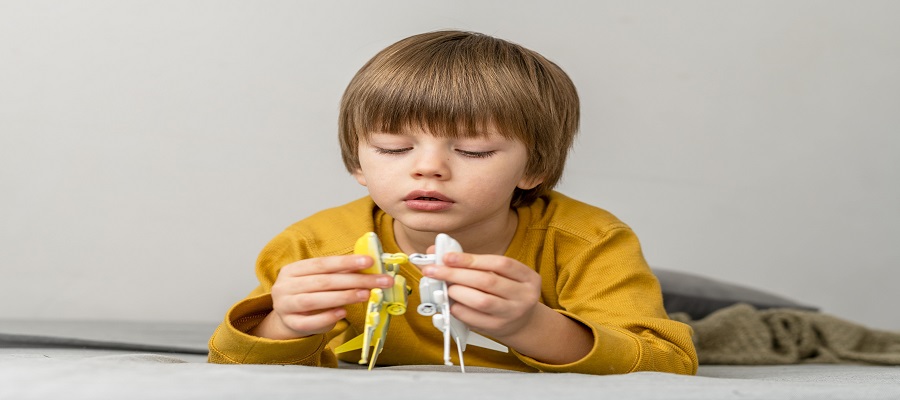
Behavior and communication therapies. Many programs address the range of social, language and behavioral difficulties linked with autism spectrum disorder. Some programs focus on reducing challenging behaviors and teaching new skills. Other programs focus on teaching children how to act in social situations or communicate better with others. Applied behavior analysis can help children learn new skills and adapt these skills to many situations by motivating them with rewards.
Educational therapies: Children with autism spectrum disorder often respond well to highly structured educational programs. Successful programs usually include a team of specialists and various activities to improve social skills, communication and behavior. Preschool children who get intensive, individualized behavioral treatments often show good progress.
Family therapies: Parents and other family members can learn how to play and interact with children who have autism in ways that support social interaction skills, manage challenging behaviors, and teach daily living skills and communication.
Other therapies: Depending on your child's needs, speech therapy to make communication skills better, occupational therapy to teach activities of daily living, and physical therapy to make movement and balance better may help. A psychologist can recommend ways to manage problem behavior.
Medicines: Medicine can't make the core signs of autism spectrum disorder better, but specific medicines can help control symptoms. For example, certain medicines may be prescribed if your child is hyperactive. Sometimes healthcare professionals prescribe antipsychotic medicines to treat severe behavioral symptoms. Or they may prescribe antidepressants for anxiety. Keep all healthcare professionals updated on any medicines or supplements your child takes. Some medicines and supplements can affect how one medicine acts with another, causing dangerous side effects.
In addition to autism spectrum disorder, children, teenagers and adults also can have:
Medical health issues. Children with autism spectrum disorder also may have medical issues such as epilepsy, sleep disorders, limited food preferences or stomach problems. Ask your child's healthcare professional how to best manage these conditions together.
Problems with transition to adulthood. Teens and young adults with autism spectrum disorder may have a hard time understanding body changes. Also, social situations become more complex during the teen years, and there may be less tolerance for individual differences. Behavior also may be challenging at this time.
Other mental health conditions. Teens and adults with autism spectrum disorder often have other mental health conditions, such as anxiety disorders; depression; attention-deficit-hyperactivity disorder, also known as ADHD; and substance misuse. Your healthcare professional, mental health professional, and community advocacy and service organizations can help.
Behavioral health concerns. In addition to autism spectrum disorder, your child could be irritable or aggressive and may not pay attention. Your child also could be hyperactive, have sudden outbursts or try self-harm. Work with your healthcare professional, mental health professional and other team members to look for a cause, such as pain, distress or frustration, and to manage these challenges if they occur.
Children with autism spectrum disorder usually continue to learn and come up with ways to handle challenges throughout life. But many continue to need some level of support. Planning for your child's future opportunities can make this process smoother. This includes where to work, go to school and live, and the services required for support, as well as how to be independent and social.
Early intervention changes lives! Book an autism evaluation call at +91 9667064100.
Q1: Can Felix Hospital assist in autism for sleep and digestive problems?
Ans: Absolutely. Our doctors treat co-existing conditions such as sleeping, epilepsy, gastrointestinal problems along with autism treatment.
Q2: How often will my child need to have therapy sessions at Felix Hospital?
Ans: It depends on the severity of the symptoms but most kids benefit from multiple sessions of speech, occupational, and behavioral therapy a week.
Q3: Does Felix Hospital offer parental training in the care of Autism?
Ans: Yes, we have structured programs in family therapy where parents become educated on how to manage difficult behaviors and how to bring about social interaction in the home.
Q4: At what age should I take my child for an evaluation at Felix Hospital to check if the child has autism?
Ans: If your child has speech delays, is experiencing poor eye contact, or is exhibiting unusual behaviors before the age of 3, it's best to seek an evaluation at Felix Hospital immediately.
Recognizing the early warning signs of autism in children can help parents seek timely support and interventions for better development.

Speech therapy apps and software offer interactive exercises and real-time feedback, making practice more engaging and effective.

Speech therapy offers a path to overcoming these obstacles, empowering individuals to express themselves more clearly and confidently.
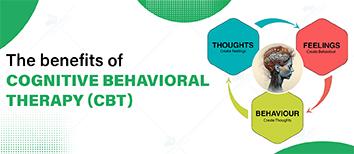
Cognitive Behavioral Therapy (CBT) is a widely recognized and effective form of psychotherapy that focuses on changing negative thought patterns and behaviors that contribute to emotional distress.
आज के समय में कैंसर एक गंभीर स्वास्थ्य समस्या बन चुका है, और इनमें कोलन कैंसर (Colon cancer) यानी बड़ी आंत का कैंसर तेजी से बढ़ रहा है। पहले यह बीमारी ज्यादातर 50 साल से ऊपर की उम्र में देखी जाती थी, लेकिन हाल के वर्षों में एक चिंताजनक बदलाव सामने आया है—युवा वर्ग में कोलन कैंसर के मामलों में तेजी से बढ़ोतरी।
अस्वास्थ्यकर जीवनशैली, अनियमित खानपान, तनाव, और शारीरिक गतिविधियों की कमी जैसे कारण इस बीमारी को युवाओं में तेजी से फैला रहे हैं। अगर समय रहते इसके शुरुआती संकेतों को पहचान लिया जाए और सही इलाज शुरू कर दिया जाए, तो इसे नियंत्रित किया जा सकता है।
क्या आपको लगातार पेट दर्द, मल त्याग में बदलाव या मल में खून जैसी समस्या हो रही है? तो आज ही अच्छे डॉक्टर से संपर्क करें और कॉल करें +91 9667064100.
कोलन कैंसर बड़ी आंत (Large Intestine) या कोलन की भीतरी परत में शुरू होता है। जब कोशिकाएँ अनियंत्रित रूप से बढ़ने लगती हैं, तो वहां कैंसर ट्यूमर बनने लगता है। धीरे-धीरे यह कैंसर लिम्फ नोड्स, लीवर और शरीर के अन्य हिस्सों में भी फैल सकता है। युवाओं में यह तेजी से इसलिए खतरनाक है क्योंकि उनकी जीवनशैली में तेजी, फास्ट फूड का सेवन, और स्क्रीन-आधारित निष्क्रिय जीवन (Sedentary Lifestyle) प्रमुख भूमिका निभा रहे हैं।
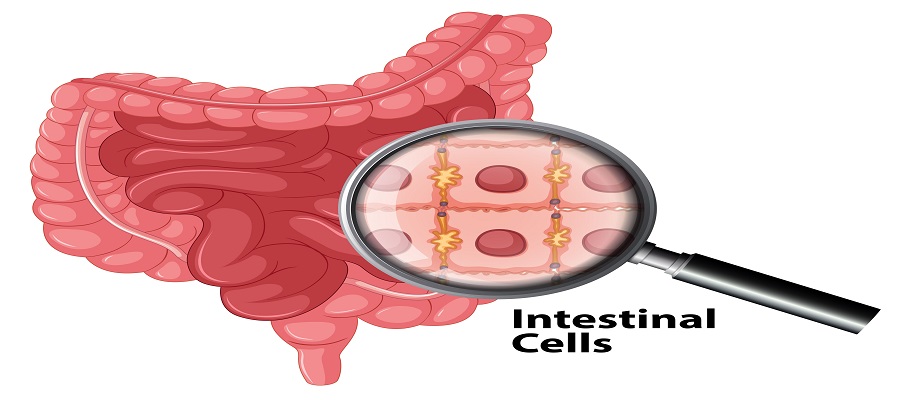
युवाओं में कोलन कैंसर के मामलों के बढ़ने की वजह केवल एक नहीं है। कई छोटे-बड़े कारण मिलकर इस बीमारी को जन्म देते हैं। आइए विस्तार से जानते हैं:—
जंक फूड, प्रोसेस्ड फूड, ज्यादा रेड मीट और तैलीय चीजों का सेवन कोलन कैंसर के खतरे को बढ़ाता है।
फाइबर और हरी सब्जियों की कमी आंतों की सेहत को कमजोर करती है।
लंबे समय तक बैठकर काम करना और शारीरिक गतिविधि न करना पाचन तंत्र पर असर डालता है।
मोटापा और इंसुलिन रेसिस्टेंस कोलन कैंसर के लिए जोखिम कारक हैं।
अगर परिवार में पहले किसी को कोलन कैंसर रहा है, तो युवाओं में इसके विकसित होने की संभावना ज्यादा होती है।
निकोटिन और अल्कोहल बड़ी आंत की कोशिकाओं को नुकसान पहुंचाकर कैंसर की संभावना बढ़ाते हैं।
युवाओं में काम, पढ़ाई और करियर का तनाव पाचन तंत्र को प्रभावित करता है, जिससे कैंसर का खतरा बढ़ जाता है।
कोलन कैंसर का सबसे खतरनाक पहलू यह है कि इसके शुरुआती चरण में लक्षण अक्सर मामूली लगते हैं। लेकिन इन्हें समय रहते पहचानना बहुत जरूरी है।
मल त्याग में बदलाव (कब्ज या दस्त का बार-बार होना)
मल में खून आना
पेट में लगातार दर्द, गैस या ऐंठन
अचानक और बिना वजह वजन कम होना
थकान और कमजोरी
भूख कम लगना
मल त्याग के बाद भी पेट पूरी तरह खाली न लगना
अगर ये कोलन कैंसर शुरुआती संकेत नजर आते हैं, तो तुरंत जांच करवानी चाहिए। सही इलाज के लिए आपको अनुभवी डॉक्टर और आधुनिक सुविधाओं वाले सेंटर की जरूरत होती है। ऐसे में कोलन कैंसर इलाज के लिए बेस्ट डॉक्टर नोएडा (Best doctor for colon cancer treatment in Noida) से परामर्श लेना सबसे सुरक्षित विकल्प है।
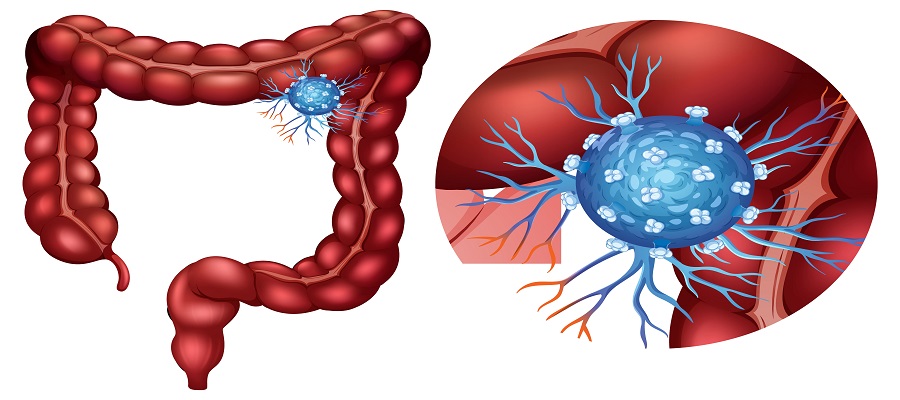
जैसे-जैसे यह कैंसर बढ़ता है, लक्षण और भी स्पष्ट होने लगते हैं:
मल में गाढ़ा खून या काला रंग
लगातार पेट फूला हुआ रहना
उल्टी या मतली
आयरन की कमी से एनीमिया (Anemia)
बार-बार थकावट
इन लक्षणों को अक्सर लोग गैस्ट्रिक प्रॉब्लम या पाइल्स समझकर नजरअंदाज कर देते हैं, लेकिन असल में यह युवाओं में कोलन कैंसर के लक्षण हो सकते हैं।
सही समय पर जांच इस बीमारी को पहचानने का सबसे प्रभावी तरीका है। युवाओं को अगर लक्षण लंबे समय तक बने रहें, तो डॉक्टर निम्नलिखित टेस्ट करवाने की सलाह देते हैं:
कोलोनोस्कोपी – आंतों के अंदर कैमरे से जांच
बायोप्सी – टिश्यू का सैंपल लेकर जांच
सीटी स्कैन / एमआरआई– कैंसर कितना फैल चुका है, इसकी जानकारी
रक्त परीक्षण – एनीमिया और अन्य बदलाव जानने के लिए
आज मेडिकल साइंस इतनी एडवांस हो चुकी है कि कोलन कैंसर का इलाज सफलतापूर्वक किया जा सकता है, खासकर अगर इसे शुरुआती स्टेज पर पकड़ लिया जाए।
शुरुआती स्टेज में कैंसरस ट्यूमर को सर्जरी से हटाया जा सकता है।
अगर कैंसर ज्यादा फैल गया है तो बड़ी आंत का कुछ हिस्सा निकालना पड़ता है।
कैंसर की कोशिकाओं को नष्ट करने के लिए दवाओं का उपयोग किया जाता है।
उच्च-ऊर्जा किरणों से कैंसर कोशिकाओं को नष्ट किया जाता है।
नई तकनीकें जो खास तौर पर कैंसर कोशिकाओं को निशाना बनाती हैं और शरीर की रोग प्रतिरोधक क्षमता को मजबूत करती हैं।
युवाओं में कोलन कैंसर का खतरा कम करने के लिए कुछ जीवनशैली बदलाव अपनाना जरूरी है:
फाइबर युक्त आहार लें – फल, हरी सब्जियाँ, साबुत अनाज
जंक फूड, प्रोसेस्ड मीट और तैलीय भोजन कम करें
रोजाना कम से कम 30 मिनट व्यायाम करें
धूम्रपान और शराब से दूरी बनाएँ
तनाव कम करने के लिए योग और मेडिटेशन अपनाएँ
नियमित हेल्थ चेकअप और कोलोनोस्कोपी करवाएँ
आपका स्वास्थ्य आपके भविष्य की नींव है। कोलन कैंसर जैसी गंभीर बीमारियों से बचने के लिए सतर्क रहना और शुरुआती लक्षणों को नजरअंदाज न करना बेहद जरूरी है।
युवाओं में तेजी से बढ़ रहा कोलन कैंसर एक गंभीर स्वास्थ्य चुनौती है। लेकिन अच्छी बात यह है कि समय रहते इसके शुरुआती संकेत और लक्षण पहचानकर और सही इलाज करवाकर इसे नियंत्रित किया जा सकता है। स्वस्थ खानपान, नियमित व्यायाम और जागरूकता इस बीमारी को रोकने में महत्वपूर्ण भूमिका निभाते हैं।
अगर आपको या आपके परिवार के किसी सदस्य को इसके लक्षण दिखाई दें, तो तुरंत विशेषज्ञ से संपर्क करें। बेहतर इलाज और सही मार्गदर्शन के लिए कोलन कैंसर स्पेशलिस्ट हॉस्पिटल नोएडा (Colon Cancer Specialist Hospital Noida) से जुड़ना आपके स्वास्थ्य के लिए सबसे सही कदम हो सकता है।
प्रश्न:1 क्या कोलन कैंसर केवल बुजुर्गों में होता है?
उत्तर: नहीं, अब यह युवाओं में भी तेजी से देखा जा रहा है।
प्रश्न:2 युवाओं में कोलन कैंसर के शुरुआती संकेत कौन से हैं?
उत्तर: मल में खून, कब्ज या दस्त, पेट दर्द और अचानक वजन कम होना इसके शुरुआती संकेत हैं।
प्रश्न:3 क्या कोलन कैंसर का इलाज संभव है?
उत्तर: हाँ, शुरुआती चरण में पकड़ा जाए तो सर्जरी, कीमोथेरेपी और रेडिएशन से इलाज संभव है।
प्रश्न: 4 कोलन कैंसर से बचाव कैसे करें?
उत्तर: संतुलित आहार, व्यायाम, धूम्रपान-शराब से दूरी और नियमित हेल्थ चेकअप से इसे रोका जा सकता है।
कोरोनरी आर्टरी बाईपास सर्जरी एक प्रमुख हृदय सर्जरी है, जो ब्लॉक हुई धमनियों को बायपास कर रक्त प्रवाह बहाल करती है। इसकी लागत अस्पताल और मरीज की स्थिति पर निर्भर करती है। रिकवरी में आमतौर पर 6 से 8 सप्ताह लगते हैं।

Colon cancer often develops silently, but certain symptoms can serve as early warning signs.
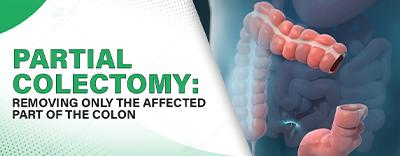
Partial Colectomy is a surgery to remove only the affected part of the colon, preserving the healthy sections.
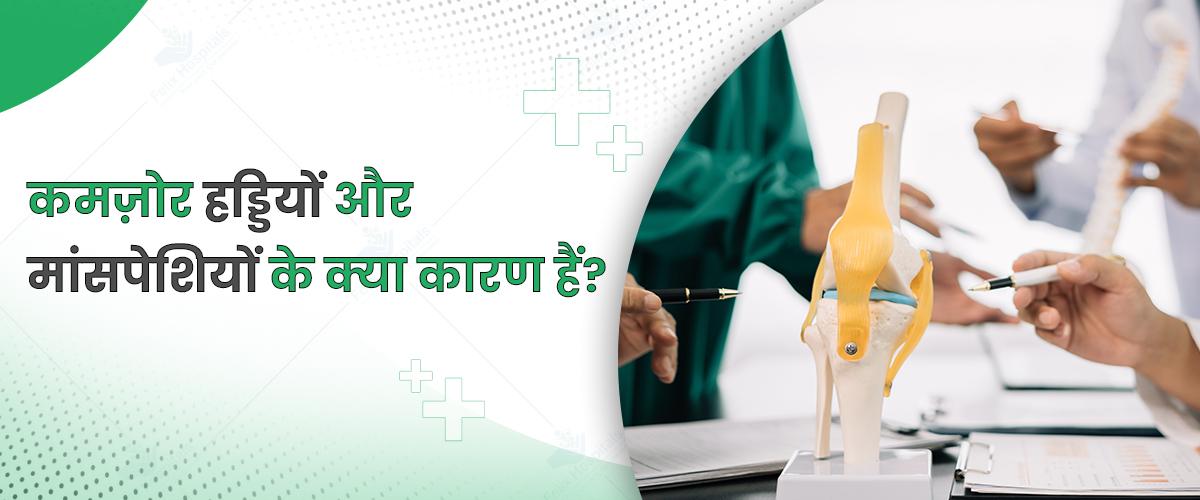
हमारे शरीर की असली ताकत हड्डियों और मांसपेशियों में छिपी होती है। ये ही हमें चलने-फिरने, काम करने और हर गतिविधि में सहारा देती हैं। लेकिन आजकल बदलती जीवनशैली, खानपान की ग़लत आदतें और बढ़ती उम्र के कारण हड्डियाँ और मांसपेशियाँ (muscles) समय से पहले ही कमजोर होने लगी हैं। अक्सर लोग छोटी-मोटी थकान, जोड़ों में हल्का दर्द या मांसपेशियों में खिंचाव को नज़रअंदाज़ कर देते हैं, लेकिन यही संकेत आगे चलकर गंभीर बीमारियों का कारण बन सकते हैं।
हड्डियों और मांसपेशियों की कमजोरी सिर्फ बुज़ुर्गों में ही नहीं, बल्कि युवा और बच्चों में भी देखने को मिल रही है। लंबे समय तक बैठकर काम करना, जंक फूड का सेवन और धूप की कमी से भी यह समस्या तेजी से बढ़ रही है।
क्या आपको भी लगातार हड्डियों में दर्द, थकान या चलने-फिरने में दिक्कत हो रही है? आज ही कॉल करें + 91 9667064100.
हड्डियों की मजबूती कई फैक्टर्स पर निर्भर करती है। जब शरीर को पर्याप्त पोषण या सही जीवनशैली नहीं मिलती, तो हड्डियाँ धीरे-धीरे कमजोर होने लगती हैं।
कैल्शियम और विटामिन D की कमी
लंबे समय तक फिजिकल एक्टिविटी का न होना
धूम्रपान और शराब का सेवन
हार्मोनल बदलाव (खासकर महिलाओं में रजोनिवृत्ति के बाद)
उम्र बढ़ना
कुछ बीमारियाँ जैसे ऑस्टियोपोरोसिस और थायरॉइड डिसऑर्डर
हड्डियों की कमजोरी का सबसे बड़ा कारण कैल्शियम और विटामिन D की कमी है। कैल्शियम हड्डियों का मुख्य घटक है और विटामिन D इसके अवशोषण में मदद करता है। जब शरीर को यह दोनों पोषक तत्व पर्याप्त मात्रा में नहीं मिलते, तो हड्डियाँ पतली, कमजोर और आसानी से टूटने वाली हो जाती हैं। यही वजह है कि बच्चों और महिलाओं में हड्डियों से जुड़ी समस्याएँ अधिक देखने को मिलती हैं।
विशेषज्ञों के अनुसार, समय पर जांच और उचित इलाज के लिए नोएडा में सर्वश्रेष्ठ ओर्थोपेडिक हॉस्पिटल (Best Orthopedic Hospital in Noida) से परामर्श करना सबसे बेहतर कदम हो सकता है।
हड्डियों की कमजोरी अचानक से नहीं दिखती। यह धीरे-धीरे बढ़ती है और कुछ संकेतों के रूप में सामने आती है।
हल्की चोट लगने पर हड्डी टूट जाना
बार-बार पीठ या कमर दर्द होना
लंबे समय तक खड़े होने या चलने में दिक्कत
ऊँचाई का कम होना या झुककर चलना
जोड़ों में जकड़न
अगर इन लक्षणों को समय रहते नज़रअंदाज़ किया जाए, तो स्थिति गंभीर हो सकती है।
मांसपेशियों की कमजोरी भी उतनी ही आम समस्या है, खासकर उन लोगों में जो शारीरिक गतिविधि कम करते हैं।
थकान जल्दी होना
सीढ़ियाँ चढ़ने या वजन उठाने में कठिनाई
हाथ-पैरों में कंपकंपी
लंबे समय तक बैठने के बाद मांसपेशियों में अकड़न
बार-बार खिंचाव होना
ये लक्षण बताते हैं कि शरीर को पर्याप्त पोषण और व्यायाम की ज़रूरत है। गंभीर मामलों में सही सलाह और इलाज के लिए नोएडा में सर्वश्रेष्ठ ओर्थोपेडिक डॉक्टर (Best Orthopedic Doctors in Noida) से परामर्श करना ज़रूरी है।

कैल्शियम हड्डियों का सबसे अहम खनिज है। जब शरीर में इसकी कमी हो जाती है, तो हड्डियों का घनत्व कम होने लगता है। इसके कारण हड्डियाँ:
भुरभुरी हो जाती हैं
फ्रैक्चर का खतरा बढ़ जाता है
समय के साथ ऑस्टियोपोरोसिस (osteoporosis) जैसी बीमारियाँ हो सकती हैं।
इसलिए डॉक्टर हमेशा सलाह देते हैं कि दूध, दही, पनीर, हरी सब्जियाँ और धूप को जीवनशैली का हिस्सा बनाना चाहिए।
रोज़ाना धूप में 15–20 मिनट जरूर बैठें।
संतुलित आहार लें जिसमें कैल्शियम, प्रोटीन और विटामिन भरपूर हो।
नियमित व्यायाम करें – योग और वेट ट्रेनिंग बेहद फायदेमंद है।
धूम्रपान और शराब से दूरी बनाएं।
समय-समय पर हड्डियों की डेंसिटी टेस्ट कराएं।
अगर आपको लगातार हड्डियों में दर्द, थकान या चलने-फिरने में दिक्कत हो रही है, तो तुरंत विशेषज्ञ से जांच करवाना ज़रूरी है, आज ही अपॉइंटमेंट बुक करें।
कमज़ोर हड्डियाँ और मांसपेशियाँ आपकी जीवनशैली को प्रभावित कर सकती हैं और धीरे-धीरे बड़ी समस्याओं का रूप ले सकती हैं। कैल्शियम और विटामिन D की कमी, गलत खानपान और व्यायाम की कमी इसके प्रमुख कारण हैं।
अगर शुरुआती लक्षणों को समय रहते पहचान लिया जाए और डॉक्टर की सलाह ली जाए, तो इस समस्या को रोका और कंट्रोल किया जा सकता है।
याद रखें – आपकी सेहत आपके हाथ में है। संतुलित आहार, नियमित व्यायाम और समय पर मेडिकल चेकअप आपकी हड्डियों और मांसपेशियों को जीवनभर मजबूत बनाए रख सकते हैं।
प्रश्न:1 कमज़ोर हड्डियों के मुख्य कारण क्या हैं?
उत्तर: कमज़ोर हड्डियों के कारणों में कैल्शियम और विटामिन D की कमी, बढ़ती उम्र, हार्मोनल बदलाव, धूम्रपान-शराब का सेवन, और शारीरिक गतिविधि की कमी प्रमुख हैं।
प्रश्न:2 हड्डियाँ कमजोर क्यों होती हैं, खासकर महिलाओं में?
उत्तर: महिलाओं में रजोनिवृत्ति (Menopause) के बाद एस्ट्रोजन हार्मोन का स्तर कम हो जाता है। यह हड्डियों के घनत्व को घटाता है, जिससे हड्डियाँ कमजोर हो जाती हैं।
प्रश्न:3 हड्डियों की कमजोरी के लक्षण कैसे पहचानें?
उत्तर: बार-बार पीठ या जोड़ों में दर्द, हल्की चोट पर हड्डी का टूट जाना, ऊँचाई कम होना और झुककर चलना हड्डियों की कमजोरी के लक्षण हैं।
प्रश्न:4 मांसपेशियों की कमजोरी के लक्षण क्या हैं?
उत्तर: मांसपेशियों की कमजोरी के लक्षणों में जल्दी थकान, वजन उठाने में कठिनाई, हाथ-पैरों में कंपकंपी, बैठने के बाद अकड़न और बार-बार खिंचाव शामिल हैं।
प्रश्न:5 कैल्शियम की कमी से हड्डियाँ कमजोर क्यों होती हैं?
उत्तर: कैल्शियम हड्डियों का सबसे अहम खनिज है। इसकी कमी से हड्डियाँ भुरभुरी हो जाती हैं, फ्रैक्चर का खतरा बढ़ जाता है और ऑस्टियोपोरोसिस जैसी बीमारी हो सकती है।
प्रश्न:6 हड्डियों और मांसपेशियों की कमजोरी को कैसे रोका जा सकता है?
उत्तर: संतुलित आहार, पर्याप्त धूप, नियमित व्यायाम, धूम्रपान-शराब से दूरी और समय-समय पर बोन डेंसिटी टेस्ट करवाकर इस समस्या को रोका जा सकता है।
बच्चों में इम्यूनिटी कमजोर होने पर बार-बार बीमारियां, थकान और विकास में रुकावट जैसे लक्षण दिख सकते हैं। सही कारण पहचानकर समय पर इलाज से बच्चे को स्वस्थ रखा जा सकता है।
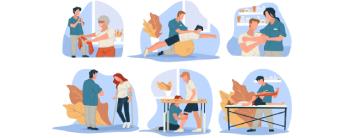
If you are having any physical pain in your body due to factors like illness, injury, sudden stroke or aging, a physiotherapist can help you to overcome the pain through various therapies like electrotherapy, heat and cold packs, exercise etc.
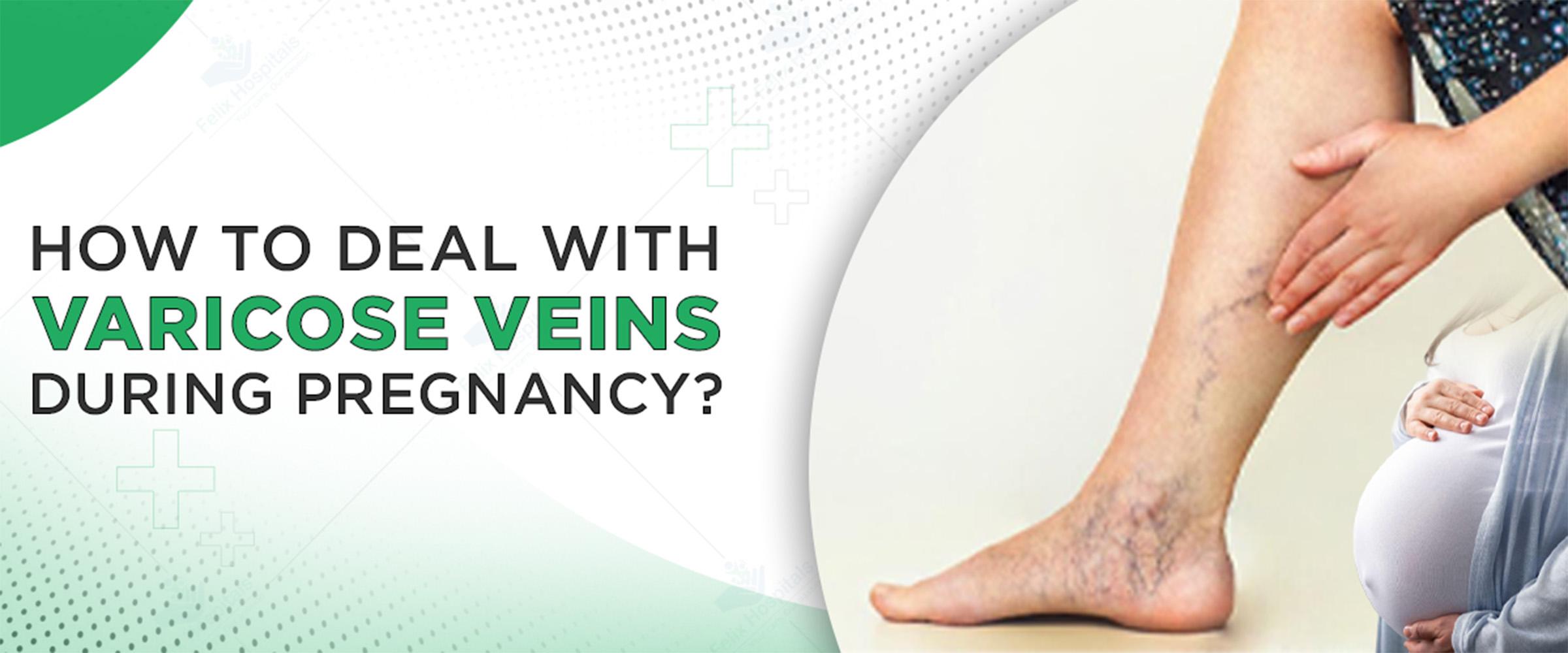
Pregnancy is a wonderful experience, but it does come with some health challenges one of them is varicose veins. A lot of pregnant women struggle with swollen, twisted veins in the legs and ankles, or even in the pelvis, due to hormonal changes and the weight of a developing baby pressing on those veins. If left untreated they can be painful and uncomfortable during pregnancy. The good news is that there is neck and maternity Hospital in Noida for varicose veins treatment making it safe for both mother and the child. Specialized care paired with prompt advice from an experienced doctor in Greater Noida for varicose veins in pregnancy can work wonders in ensuring faster recovery and well-being.
If you need help with varicose veins during pregnancy, call +91 9667064100 to reach an expert doctor in Greater Noida.
Varicose veins look like winding, lumpy ropes under your skin. They are relatively common during pregnancy, especially in the third trimester. The most common locations for varicose veins during pregnancy are the legs, ankles and external genital area (vulva). Hemorrhoids, which are varicose veins that occur in your rectum or around your anus, are also common during pregnancy. Spider veins can occur along with varicose veins. These are fine blue or red lines that you can see through your skin but are not lumpy.
Veins are part of your circulatory system and carry blood from your body to your heart. Valves inside your veins help keep blood flowing in the right direction. If the walls and valves of your veins become weak, blood can back up and form pools in your veins. These areas can swell and raise up from the surface of your skin.
You may not experience any symptoms. If you do, you may find that they are worse when you sit or stand for a long time.
Varicose veins symptoms during pregnancy:
Heavy feeling in your legs.
Itching around the veins.
Leg cramps.
Pain, aching, throbbing or tenderness in your lower legs.
Swelling (edema) in the legs and ankles.
Hemorrhoids can also cause pain and itching.
Straining during a bowel movement and wiping can cause them to bleed.
Causes of varicose veins in pregnancy can be hormone changes and the weight of your growing baby making you more susceptible to varicose veins.
Higher levels of the hormone, progesterone, which relaxes blood vessel walls and decreases valve function.
Increased volume of blood in your body.
Pressure from your baby on the blood vessels in your pelvis which can change blood flow in your pelvic region and legs.
All of these forces make it more difficult for blood to travel against gravity from your legs to your heart. Constipation is also common in pregnancy and can cause hemorrhoids.
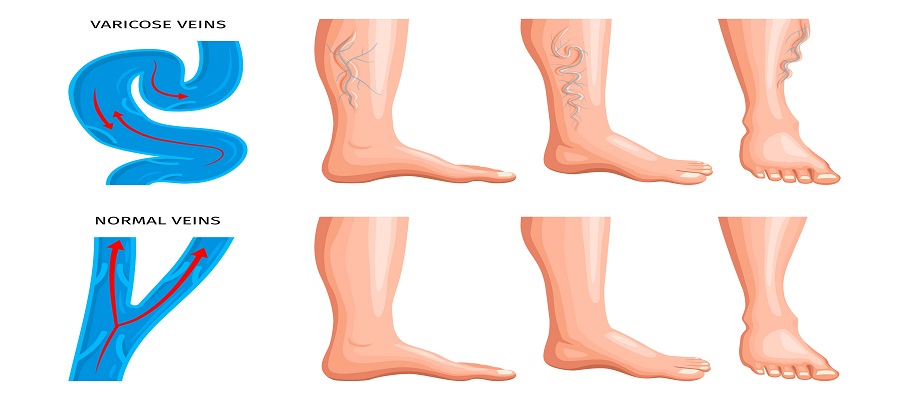
Other factors may increase your risk of developing varicose veins during pregnancy. These include:
Diet: Too much sodium or not enough fiber or water can make you retain water and increase your risk of varicose veins and hemorrhoids.
Genetics: You may be more likely to develop varicose veins during pregnancy if your mother or grandmother also had them.
Weight: Varicose veins are more common if you are carrying excess weight.
Your healthcare provider will examine your legs, genitals and rectal area, depending on your symptoms. If your symptoms are severe, your provider may recommend a Doppler ultrasound to measure blood flow in your surface and deep veins. Varicose veins can be associated with an increased risk of a blood clot in a deep vein (deep vein thrombosis). This condition can lead to serious complications, including a pulmonary embolism.
Since varicose veins are usually harmless and get better after you have your baby, healthcare providers usually don’t treat them. Still, you can take steps that can help relieve your symptoms.
Avoid standing or sitting in one place for a long period of time to help keep blood moving.
Exercise regularly (make sure to check with your provider first to make sure exercise is safe for you during pregnancy).
Limit the amount of sodium in your diet, which can cause swelling.
Raise your feet from time to time to help blood flow back to your heart.
Sleep on your left side to keep pressure off your inferior vena cava. This is the large vein that carries blood from your legs to your heart.
Wear supportive tights or socks to prevent blood from pooling in your legs. These are also called compression stockings.
If your varicose veins don’t go away on their own after childbirth, you can talk to your doctor about the options for Varicose veins treatment in pregnancy. These can include sclerotherapy, laser therapy and surgery.
Yes, they are usually temporary and shrink after your baby is born. However, if you have multiple children, they may get worse with each pregnancy or be less likely to go away.
You can prevent varicose veins while pregnant by improving blood circulation. For example:
Change your position to avoid long periods of sitting or standing.
Don’t sit with your legs crossed.
Put your feet up several times a day.
Sleep on your left side.
Wear maternity pantyhose or compression socks.
Most of the time, varicose veins are not serious. Signs that you should call your provider include:
Bleeding from the vein.
Open sore (ulcer) on the skin near the varicose vein.
Pain, swelling and redness in your leg, which could be signs of a blood clot.
Are you looking for the best maternity support in Noida for treating varicose veins? Call +91 9667064100 to make an appointment.
Varicose veins in pregnancy Varicose veins are very common during pregnancy and can be effectively treated with proper care and lifestyle changes. If you are searching for the best maternity hospital in Noida for varicose veins treatment or experienced doctor for varicose veins in pregnancy in Greater Noida, Felix Hospital facilitates you with safe and specialized care as per your requirement. Early care and precautions can make your pregnancy blissful and comfortable.
Q1. Can having varicose veins hurt my baby while I'm pregnant?
Ans: No, varicose veins don't hurt the baby; they hurt the mother. But it's important to manage things in a timely manner to avoid problems.
Q2. Will varicose veins stay after pregnancy?
Ans: Most of the time, they get better after the baby is born, but some may stay the same and need treatment.
Q3. When should I go to the doctor for varicose veins while I'm pregnant?
Ans: Go to Felix Hospital right away if you notice sudden swelling, redness, bleeding, or severe pain.
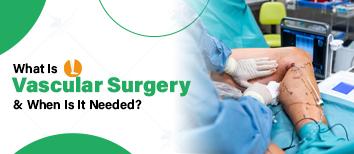
A complete guide to understanding varicose vein surgery expenses in Noida, including treatment types, hospital charges, and recovery costs.
Meet Dr. Ritesh Agarwal, a leading specialist in varicose vein care. With extensive experience and a commitment to personalized treatment.
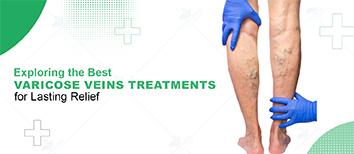
Symptoms can include pain, itching, or a burning sensation, though the condition is generally not dangerous.

Varicose veins can be treated effectively in Noida. Explore modern solutions for pain-free, healthy legs
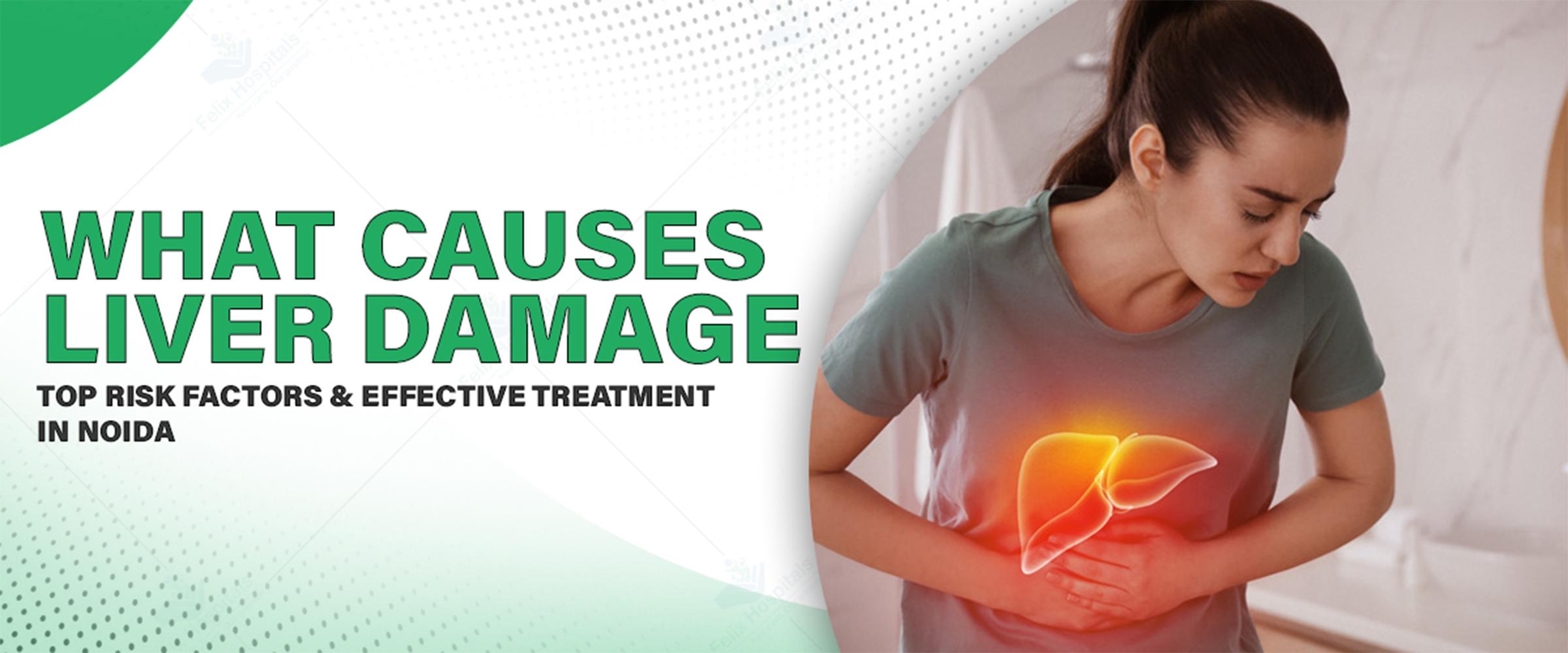
Liver is one of the most important organs of our body as it breaks down nutrients, removes toxins, and provides the necessary proteins. However, this hard working organ is susceptible to damage due to other factors which influence liver performance as time goes by. It is important that families and individuals in Noida and surrounding localities understand the causes of liver damage, the early signs of liver damage and early treatment to avoid serious complications.
This blog also covers the causes, risk factors, symptoms, and stages of liver damage, along with the effective treatments available in Noida. Moreover, it highlights how choosing the right liver disease hospital in Noida and consulting experienced liver specialists can make a significant difference in recovery and long-term liver health.
You can also book an appointment with the best liver specialists in Noida now by calling +91 9667064100.
The liver can be damaged in a sudden or gradual manner by a number of factors. Common causes include:
Alcohol Abuse: Intensive and prolonged consumption of alcohol is a major cause of liver damage. Alcohol also disrupts liver metabolism, which causes inflammation and scarring.
Fatty Liver Disease: Fat in liver cells that may be as a result of obesity, diabetes, eating bad food and so on may interfere with liver functioning; hence leading to damage of the liver.
Viral Hepatitis: Hepatitis viruses (A, B, C, D and E) infect liver cells that inflame and may lead to permanent damage.
Drugs and Toxins: Excessive use of certain drugs like acetaminophen or toxins found in industries and harmful supplements may lead to harm to the liver tissue.
Autoimmune Liver Diseases: The immune system occasionally misdirects its attack on the liver leading to inflammation and damage.
Genetic Disorders: There are some inherited diseases, such as Wilson disease, which have an impact on liver health.
There are lifestyle and health-related risk factors that predispose a person to liver issues:
Heavy Intake of Alcohol: Intake of alcohol beyond the recommended limits puts people at high risk.
Obesity and Poor Diet: Fatty liver tissue deposits are caused by excess weight (non-alcoholic fatty liver disease).
Diabetes and High Cholesterol: These are metabolic disorders, which affect liver fat and inflammation.
Risk of Exposure to Infectious Agents: Unprotected intercourse, needle sharing, or unsafe blood transfusion puts the individual at risk of hepatitis.
Consumption of Toxic Supplements or Drugs: There are some prescription drugs and herbal treatments that may be harmful to the liver.
Environmental Chemicals: Liver injury may result with continual exposure to pesticides, solvents, and industrial chemicals.
Family History: Some people are predisposed to some genetic conditions.
Damage to the liver tends to progress without symptoms, but may include the following early and late symptoms:
Initial Symptoms: Tiredness, weakness, nausea, appetite decreases, abdominal cramps occasionally and skin itching
Jaundice (turning yellow of skin and eyes)
Dark urine and pale stools
Abdominal swelling (ascites)
Easy bruising or bleeding
Perplexity or intellectual impairment (hepatic encephalopathy)
Swelling in legs and ankles
Blood vessels on the skin that are spider like.
Early diagnosis is essential because most of the symptoms are combined with other medical conditions. When you see these, seek the services of a liver expert immediately.
With time, alcohol use impairs the liver cells by facilitating the accumulation of fat (steatosis), inflammation (alcoholic hepatitis), and the ultimate scarring (cirrhosis). The toxic products of alcohol metabolism initiate oxidative stresses and immune response as well as increase the rate of liver damage. However, once the scarring has become severe, the alcoholic liver disease damage may be permanent. Nevertheless, liver functioning could be stopped or partially recovered with early intervention and total abstinence.
Non-alcoholic fatty liver disease (NAFLD) is emerging as the most prevalent liver disease globally, particularly as obesity and diabetes levels are on the increase. Fat accumulates in liver cells when one consumes too many calories or has metabolic problems. Most early-stage fatty liver may be asymptomatic, but with progression to inflammation (non-alcoholic steatohepatitis, NASH), scarring, cirrhosis and liver failure may become severe. Treatment primarily depends on lifestyle modification, including weight reduction, better diet and physical exercise.
Viral hepatitis is one of the major causes of liver damage all over the world. Hepatitis B and C notoriously cause chronic liver inflammation, fibrosis, cirrhosis and liver cancer. Hepatitis A and E are likely to cause acute hepatitis, but may also result in liver failure in rare cases. Antiviral treatment, early diagnosis, and vaccination are important to treat viral hepatitis and prevent progression.
Damage to the liver has multiple states, with each being more devastating to liver functionality:
Inflammation: There is a swelling of the liver cells as a result of injury; usually without symptoms.
Fibrosis: The fibrosis starts substituting normal liver tissue, impairing the functioning.
Cirrhosis: Massive scarring alters liver architecture and hepatic blood flow.
End-Stage Liver Disease: The liver function is so impaired, and the liver fails.
Early diagnosis and clinical management can control the disease or prevent irreversible damage when monitored regularly at an early stage.
Fortunately, Noida has highly developed treatment facilities in liver disease as follows:
Medical Management: Drugs to decrease inflammation, symptoms, and complications treatment.
Lifestyle Modification: Diet, alcohol cessation programs and underlying conditions such as diabetes.
Antiviral Therapy: Directional treatment of the hepatitis infection.
Minimal Invasive P.s.: To be used in complications like variceal bleeding control.
Liver Transplantation: This is considered to be used in end-stage liver disease when the other therapy fails.
Noida hospitals unite modern diagnostics with multidisciplinary care to provide individual treatment strategies.
Receive the best-quality liver disease care in the neighborhood. Your liver health comes first – the first step towards being healthy! Call us now at +91 9667064100.
Liver damage is a health problem that is very severe and can proceed without any signs until it has developed some disturbing symptoms. Knowing the reasons, beginning with alcohol abuse and fatty liver disease, and the first signs, could make an amazing difference in the results. Luckily most forms of liver damage can be controlled and reversible at an early stage with timely intervention and appropriate lifestyle modifications.
In the case of Noida and East Delhi residents, it is easy to access qualified liver specialists and the best hospitals and therefore treatment is accessible. It can be medical treatment, lifestyle change, or such complex treatment as liver transplantation, but customized treatment will stop the disease and increase the quality of life.
When you or someone you care about suspect liver problems, or are at risk, there is no reason to wait before getting professional assistance. Consulting the finest liver specialist in Noida very early on can protect your health and give you hope to recover.
Q1: How am I supposed to know whether liver is damaged at an early age?
A1: Early liver damage usually has mild symptoms that may include experiences of fatigue, nausea, loss of appetite, or itching. But liver problems are silent at first, and it is important to carry out regular health examination and liver examination to test your liver functions in case you are at risk.
Q2: Does alcohol always cause liver damage?
A2: No. Alcohol abuse is a significant factor but liver damage can also be caused by fatty liver disease, viral hepatitis, drugs, autoimmune diseases, and hereditary diseases.
Q3 Do fatty liver disease and medications have a reversible form?
A3: Yes. Lifestyle interventions such as weight loss, healthy nutrition, exercise and management of diabetes or cholesterol levels can help reverse and treat the fatty liver disease.
Q4: Do we have vaccines against liver damage caused by viral hepatitis?
A4: The answer is yes, there are vaccines against hepatitis A and B that can help prevent infection and consequent liver damage. There are no hepatitis C vaccines available: however, antiviral therapy is effective in the treatment of the condition.
Q5: At what time is a liver specialist in Noida something that a person should visit?
A5: When you have signs of jaundice, constant abdominal pain, swelling, or other risk factors such as excessive alcohol consumption or hepatitis, you should see a liver expert as soon as possible.
Understand how fatty liver develops, its key stages, and the steps needed for recovery. Early diagnosis and expert treatment can help reverse damage and restore liver function.
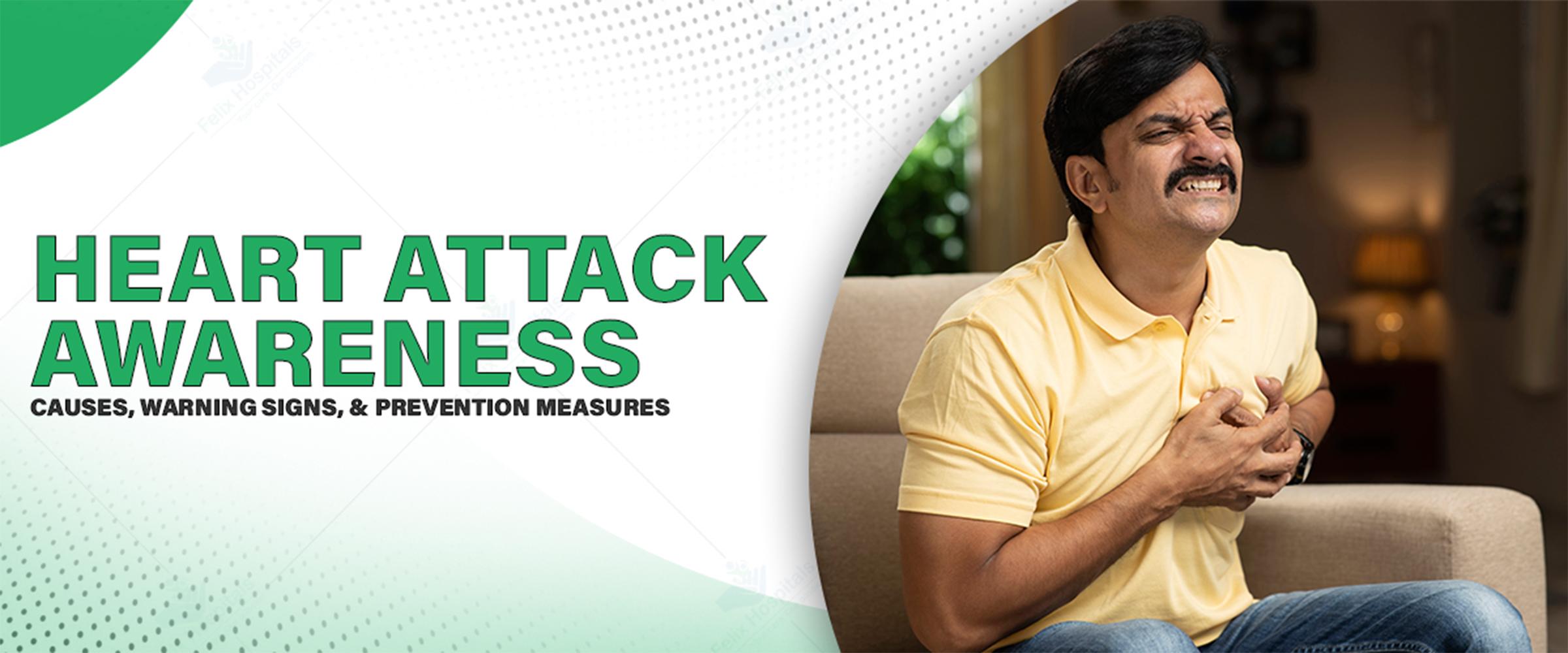
A heart attack represents one of the most important cardiac emergencies and requires immediate treatment. It happens when blood flow to the heart is blocked, preventing the heart muscle from getting enough oxygen and causing damage that can be deadly if left untreated. Antenatal screening and advanced care saves lives and cuts long-term complications. Best Heart Specialist in Noida For people who are looking for the, it is crucial to have immediate access to advanced cardiac treatment with clear treatment options. The Heart Attack treatment cost in Noida is another challenge as the treatment requires spending a good amount of money, so you should be careful in choosing a hospital.
Take the first step towards a healthier heart. Contact us at +91 9667064100 for expert guidance.
The heart is one of the most important muscle groups in the body. That's because the heart circulates blood through the circulatory system, distributing the oxygen that living beings need. To function correctly, the heart requires a constant flow of oxygen-rich blood. When the heart is deprived of oxygen because of the blockage in one of the blood vessels that provide blood to the heart, a heart attack occurs. Myocardial infarction is another name for a heart attack (MI). When a coronary artery is blocked during a heart attack, blood flow to the heart is cut off, limiting the quantity of oxygen delivered to the heart. The longer the blockage goes untreated, the more harm it does to the heart. The heart muscle is eventually damaged and if it isn't treated to restore blood flow, the heart can be permanently injured.
Coronary heart disease, also known as coronary artery disease, occurs when the blood arteries that feed blood to the heart become blocked. Atherosclerosis, a condition in which fat, cholesterol, and other chemicals pile up and form plaque in the arteries, can cause blockage. This plaque can get larger over time, narrowing the artery and causing it to harden. This lowers blood flow to the heart, depriving the heart of the oxygen it requires to operate correctly. The other heart attack causes include:
Small blocks in your arteries: They may not block your blood vessels, but can cause blood clots to form on these plaques which may obstruct blood flow
Embolism: A coronary artery embolism occurs when a blood clot travels through your bloodstream and gets stuck in your coronary artery. This can block blood flow through your artery.
Spontaneous tear in your blood vessel: There is then a possibility of blood clots or a blockage of your artery if the torn tissue blocks your blood vessel.
Spasm in coronary artery
The main risk factors that increase the chances of a heart attack are:
Diabetes mellitus
High blood pressure
Cigarette smoking
High blood cholesterol
Overweight
Physical inactivity
Age increases the risk of heart attack
History of Heart attack or coronary artery opening procedure in the past
Family history of early heart disease
Consuming unhealthy, high fat and sodium-containing food
It's important to be aware of the most common heart attack symptoms and to get medical care as soon as possible if you or someone you know is experiencing them. The importance of early treatment cannot be underestimated; it might be the difference between life and death. People may suffer a single symptom or a mix of several. Typical heart attack symptoms are as follows:
Heart attacks are characterized by pain in the center of the chest that lasts for several minutes or returns after a short period of time.
A radiating pain that starts from the arms or chest can spread to the jaw, neck, or back of the body
Breathing difficulties
Nausea or vomiting
Heartburn and stomach discomfort
Light-headedness or sudden dizziness
Faintness or anxiety
Chilly sweats
Fatigue
The most important aspect of avoiding a heart attack involves a series of lifestyle changes that might help your heart, blood vessels, and body to remain healthy and efficient. The keys to successfully preventing a heart attack include consuming a heart-healthy diet, avoiding any form of tobacco, and maintaining blood pressure. Below we have shared some of the important tips to prevent heart attack and keep your heart healthy.
Get a daily dose of physical exercises, such as a brisk 30-minute walk
Prepare low-sodium and low-fat meals.
Take your meds as directed and attend all of your doctor's visits.
Get 7-8 hours of sleep each night.
Relax and de-stress by doing things like meditation, yoga, taking a warm bath, or spending time alone with a good book or a hilarious movie.
Increase your physical activity and keep nutritious foods on your hands, such as fruits and vegetables, to help you attain or maintain a healthy weight.
If you suddenly feel breathless, experience persistent chest discomfort, or feel lightheaded and anxious, don’t ignore these signs. They may point to a cardiac issue. Seek medical attention immediately.
Many heart attacks occur without dramatic symptoms. These so-called “silent” heart attacks account for about 45% of all heart attacks. Early warning signs of heart weakness include:
Unexplained tiredness
Swelling in the ankles or feet
Shortness of breath while lying down
Irregular heartbeat
Don’t ignore these signs.
Felix Hospital is Delhi NCR's most trusted centre for advanced heart care. We work to make sure that everyone gets the best care for heart attacks, which include heart and vascular disease.
Cardiologists Specialists: Meet Top Heart Doctors in Noida experienced to treat complex cardiac cases.
24x7 Emergency & ICU Back-Up: Round-the-clock attention and monitoring for emergency patients suffering from chest pain and heart attack.
State of Art Diagnostic & Treatment Facilities: From ECG, ECHO and Cardiac cath to A angioplasty and bypass all under one roof.
Transparent & Affordable Cost: We provide you with transparency of our Heart attack treatment cost in Noida.
Total Recovery: Cardiac rehab after treatment to help you improve your fitness and resume an unhindered way of life.
Don’t wait for symptoms to get worse — call Felix Hospital at +91 9667064100 for quick heart care.
A heart attack is a medical emergency that can be life threatening, but a prompt response can improve your chances of survival, and your long-term prospects for heart health. Avoidance of exposure, early recognition of symptoms, and early and rapid access to care can minimize risk of infection. And that's why choosing a reliable healthcare provider is significant – the one that not only offers the best Heart Attack treatment in Noida but also proves to be transparent with Heart Attack treatment cost in Noida.
Q1: Can a heart attack happen without chest pain?
Ans: Yes, it’s called a "silent heart attack," and may show up as fatigue, dizziness, or shortness of breath instead of chest pain.
Q2: What is the difference between a heart attack and cardiac arrest?
Ans: In a heart attack, blood flow is blocked, while in cardiac arrest, the heart suddenly stops beating. Both are emergencies.
Q3: How long does it take to recover from a heart attack?
Ans: Recovery depends on the severity of the tumor, but most individuals are able to return to normal activities in 4 to 8 weeks—providing they receive good follow-up care in an endocrine polyclinic.
Q4: Can stress really trigger a heart attack?
Ans: Yes, chronic stress raises blood pressure and hormone levels, which can strain the heart and increase the risk of an attack.
Q5: Can women have different symptoms of a heart attack?
Ans: Yes, those can be fatigue, nausea and jaw or back pain instead of the classic chest pain. Knowledge of these features is crucial for early recognition.
Best heart hospital in Noida for bypass surgery at affordable prices with expert cardiac surgeons, advanced facilities, and quality patient care for better recovery.
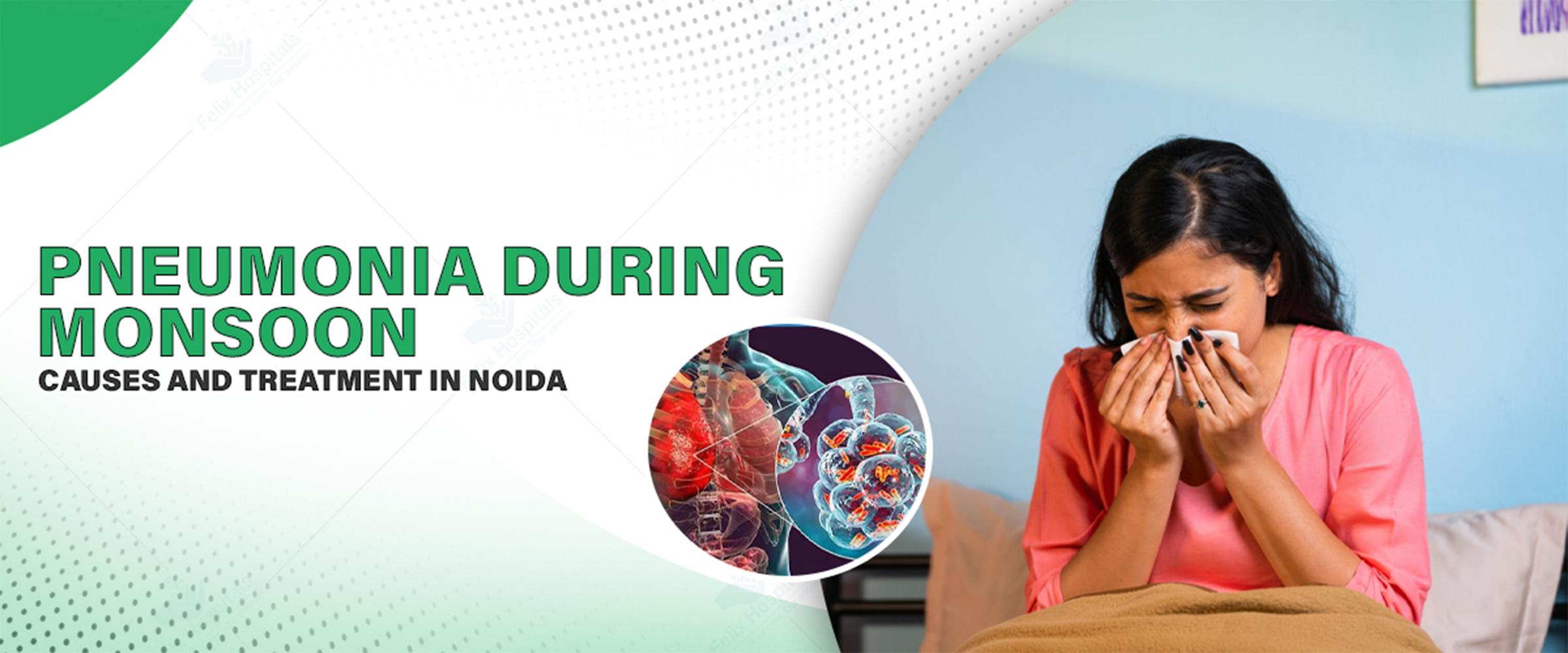
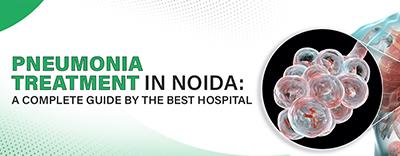
Pneumonia is a serious lung infection that sickens millions of people worldwide every year. Pneumonia can affect one or both lungs and is caused by bacteria, viruses, fungi and occasionally chemical irritants that are inhaled into the lungs. Pneumonia can range from mild to deadly, but an early diagnosis and the right treatment can greatly increase the likelihood of survival.
The Best Hospital for pneumonia treatment in Noida offers expert pneumonia doctor Noida for patients individualistic lines based on evidence. Here, we take a look at everything you need to know about the symptoms of pneumonia, what causes it, how to treat it — and how we can help you recover.
Feel free to call @ +91 9667064100 for a compassionate, skilled treatment of Pneumonia focused on your healthy recovery now.
In the monsoon, the bacteria, viruses and fungi thrive in the moist atmosphere and these are likely to infect the lungs. A common result of these infections is pneumonia, an illness in which the air sacs in the lungs fill with fluid or pus, making it hard to breathe and limiting the amount of oxygen that the lungs are able to pass into the bloodstream. There's a seasonal weakening of the immune system that actually leaves people, especially the very young, very old, smokers and the like, more vulnerable to development of pneumonia at this time.
If you have any of the following, consult the best pulmonologist in Noida right away:
Cough (with or without sputum) that won't go away
Fever and chills
Trouble breathing or breathing very fast
Pain in the chest with breathing or coughing
Feeling weak or tired
Nausea and vomiting
Loss of appetite
Confusion in older patients
Pneumonia should be diagnosed early. Do not delay – make an appointment for a quick assessment in the best hospital in Noida if you experience these symptoms.
Pneumonia can be readily cured, when the causes of it are known. The primary causes are:
Bacterial The most common pathogen is Streptococcus pneumoniae.
Viral infections—In children and adults, influenza and respiratory syncytial virus (RSV) are frequent.
Fungal infection – It tends to be more frequent in immunocompromised individuals.
Aspiration – Food, saliva or vomit is inhaled into the lungs.
Toxins—Breathing fumes or chemicals from the environment.
High risk groups include those with chronic disease, compromised immune system, or with smoke and air pollution exposure.
Symptoms Complications of untreated or poorly treated pneumonia include:
Difficulty breathing or shortness of breath or low oxygen level
Hospital stay or intensive care
Abscess of the lung or chronic lung injury
Sepsis (life-threatening, extreme response to an infection) 3.
Dissemination to other parts of the body
Increased risk in elderly, kids, or those with vulnerable immune system
We can handle both simple and difficult cases of pneumonia at top hospitals in Noida and offer quality treatment to eliminate such complications and achieve full recovery.
The decision of how pneumonia will be treated in Noida depends on what is causing the pneumonia, as well as how severe it is, the age and general health of the patient. Here's what to expect:
Antibiotic treatment: For the primary cause of pneumonia to be bacterial
Antiviral or Antifungal Medications: Drugged if cause is viral or fungal.
Fever and Pain Relief: These can be treated with drugs such as paracetamol or ibuprofen.
Oxygen Therapy: Employed for very low oxygen level.
Hospitalisation: Severe pneumonia, complicated or comorbid cases.
Ventilatory Support: Indicated in severe cases where the patient may need support in the intensive care unit on a mechanical ventilator.
With the best diagnostic modalities and an expert panel with personalized treatment plans, the best Noida hospital brings customized and patient specific care for all pneumonia cases.
The monsoon season raises possibility of getting respiratory infections but prevention against pneumonia is not difficult:
Keep Clean: Wash hands often to keep germs away.
Elevate immune support: Maintain a healthy diet abundant with fruits, vegetables and liquids to give the body a fighting chance.
Keep the environment clean and dry to prevent bacterial and fungal growth.
Protect yourself from Rain: Carry umbrellas, raincoats and don’t get drenched to the minimum.
Get Vaccinated: Pneumococcal and flu vaccines reduce risk of pneumonia in children and adults 65 and older.
Do not Smoke & Alcohol: They weaken the lungs and lower the immunity making infections more severe.
The healthcare facility at Felix hospitals make a difference to your recovery. Here is why patients trust us:
Experienced group of pulmonologist and. critical care specialists
24/7 emergency and ICU services
State-of-the-art diagnostics – X-rays, CT scans, lab tests – at a reasonable price.
Helpful care staff and rehabilitate therapy
We don’t stop at treatment, we provide emotional and educational support for patients and families recovering at home.
Timely care is the first step to a quick recovery. For appointments and emergency help, call +91 9667064100.
And pneumonia is a serious infection, but full recovery is definitely possible with early treatment. We are job is to cure your infection and help you get back to healthy life at the best hospital in Noida. We provide you from timely diagnosis, effective treatment and continuous monitoring even with the eligibility to the best clinical facilities, with all the latest technology and skilled medical experts and compassionate care. If you or someone you care about is experiencing symptoms that indicate pneumonia, do not hesitate – contact our specialists today and move that much farther along the road to safe and speedy healing.
Q1. How fast does treatment for pneumonia start to work?
Ans: Most patients start to feel better within 48 to 72 hours of treatment, but it may take weeks for them to fully recover, depending on how bad their condition is.
Q2. Can getting a shot stop pneumonia?
Ans: Yes, the pneumococcal and flu vaccines lower the risk a lot, especially for older people and those who are at higher risk.
Q3. Who is more likely to get severe pneumonia?
Ans: Babies, older people, smokers, people with diabetes, and people with weak immune systems are more likely to get sick.
Q4. Do kids get better from pneumonia faster than adults?
Ans: Children often get better faster if they are diagnosed early, but they may need to be watched closely to avoid problems.
Q5. What changes to your daily life can help you get better from pneumonia?
Ans: Getting enough sleep, drinking enough water, eating a balanced diet, and quitting smoking all help you heal faster.
Pneumonia is a severe respiratory infection that affects millions of people worldwide each year.
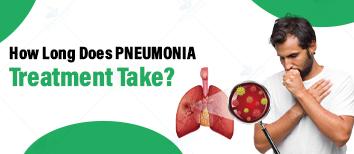
Understanding the timeline for pneumonia recovery, the symptoms to watch for, and the treatment options available can help patients and caregivers manage the illness effectively.
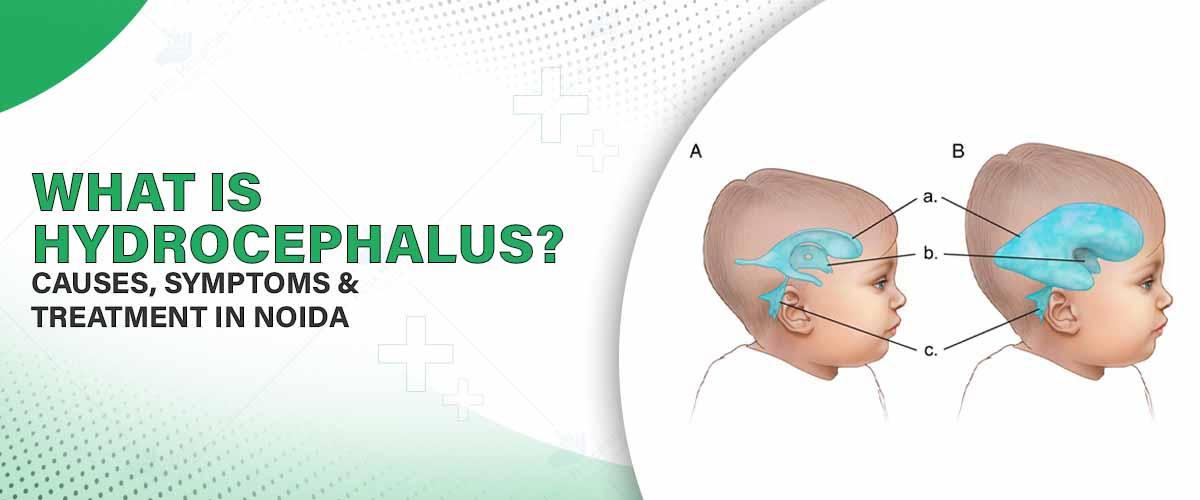
Hydrocephalus, which many people often refer to as "water on the brain," is a severe neurological condition which results from an excess accumulation of CSF (cerebrospinal fluid) within the brain. For families in search of the best care, Hydrocephalus treatment in Noida calls for skilled neurologists, state-of-the-art diagnostics and reliable surgical intervention. It is important to choose a hospital that offers hydrocephalus treatment in Noida to enable early detection of Hydrocephalus causes and symptoms and precise diagnosis with comprehensive treatment designed for the specific need of each patient.
Concerned about hydrocephalus symptoms? Call +91 9667064100 today and consult with trusted specialists in Noida.
Hydrocephalus is a neurological disorder characterized by excessive buildup of cerebrospinal fluid in the ventricles or cavities deep inside the brain. The extra fluid causes these ventricles to expand, which puts extreme pressure on the tissues of the brain.
It is also known as water on the brain and develops gradually as a result of damage or injury, or it may already present at birth or shortly after. The clear, colourless fluid called cerebrospinal fluid (CSF) surrounds and supports the brain and spine. The body normally generates and absorbs the same quantity of CSF daily. Excessive amount of CSF accumulation can impair brain function, result in brain damage, or could be fatal.
Hydrocephalus disease in adults and children is characterized by the build-up of cerebrospinal fluid (CSF) in the brain’s ventricles. It can be classified into many types based on its cause and characteristics. These include:
It is also referred to as non-obstructive hydrocephalus; this type arises when there is reduced cerebrospinal fluid flow but not a completely blocked flow within the brain’s ventricles.
The condition known as obstructive hydrocephalus and non-communicating hydrocephalus is caused by blockages in the flow of cerebrospinal fluid (CSF) within the ventricles of the brain.
An abnormal accumulation of cerebrospinal fluid (CSF) in the brain's ventricles (cavities) is known as normal pressure hydrocephalus (NPH). It happens when there's a blockage in the normal flow of CSF throughout the brain and spinal cord.
Hydrocephalus ex-vacuo occurs when brain damage caused by a stroke or injury leads to the shrinking of brain tissues surrounding the ventricles. As these tissues shrink, the ventricles become larger, creating a "hydrocephalus look-alike" condition. It is important to note that this is not a true form of hydrocephalus.
A rare disorder known as hypersecretory hydrocephalus occurs due to the brain producing too much cerebrospinal fluid (CSF). The most common cause is a tumour called plexus papilloma, which is more common in children. Sometimes, in rare cases, it leads to cancer.
The water on the brain symptoms or hydrocephalus symptoms can vary widely from person to person and are primarily influenced by age. Below are some of the clinical features of hydrocephalus:
A rapid increase in head size
Vomiting
Seizures
Sleepiness
A bulge on the soft spot (fontanel) on the top of the head
Feeding difficulties
Irritability
Unique eye movements (eyes that cannot turn outward or fixated downward ("sunsetting").
Vision issues
Nausea
Balance problems
Developmental regression
Cognitive changes or personality changes, including memory loss.
Hydrocephalus results from impaired cerebrospinal fluid (CSF) flow or absorption. It can develop for a number of reasons include:
Congenital hydrocephalus causes:
Spina bifida and neural tube defects
Aqueduct stenosis
Premature birth complications
Infections during pregnancy
Genetic factors
Traumatic brain injury (TBI)
Intracranial haemorrhage
Infections
Intracranial haemorrhage
Based on age, symptoms, and known or suspected abnormalities in the brain or spinal cord, hydrocephalus is diagnosed by a clinical neurological examination, brain imaging, and other procedures. Below are the steps involved in diagnosing hydrocephalus:
The neurological exam may include tests to assess:
Strength and reflexes of muscles
Balance and coordination
Vision, moving the eyes, and hearing
Mood and mental health
Ultrasound: Ultrasound is a useful tool for routine prenatal checkups because it can identify hydrocephalus in fetuses or unborn babies.
Magnetic resonance imaging (MRI): By using magnetic resonance imaging (MRI), one can evaluate the CSF flow, identify whether the ventricles are enlarged, and learn more about the brain tissue that surrounds the ventricles. The first test performed to diagnose adults is usually an MRI.
Computed tomography (CT): Shows ventricle enlargement and potential obstructions.
Spinal tap (lumbar puncture): A spinal tap, also known as a lumbar puncture, involves putting a needle into the lower back, extracting and analysing a portion of the fluid to allow clinicians to assess CSF pressure and analyse the fluid.
Intracranial pressure monitoring: A tiny pressure monitor is put into the ventricles or brain to measure the pressure and determine whether or not there has been any brain swelling.
The cause of hydrocephaly determines the treatment. The standard treatment for hydrocephaly is cerebrospinal fluid shunting, although additional medical therapies might be used either in addition to or instead of shunting. The following are the treatment methods:
Congenital hydrocephalus, which affects babies, and acquired hydrocephalus, which affects children or adults, usually require immediate medical attention to relieve pressure on the brain. The rise in pressure will harm the brain if hydrocephalus is not corrected. Shunt surgery or neuro endoscopy is used to treat both acquired and congenital hydrocephalus.
Shunt surgery: A tiny tube known as a shunt is inserted into the brain during shunt surgery. Through the shunt, extra cerebrospinal fluid (CSF) from the brain is sent to another area of the body, typically the stomach. It then gets absorbed into the blood. A valve within the shunt regulates the flow of CSF, preventing it from draining too rapidly. The valve feels like a bump under the scalp's skin.
Endoscopic Third Ventriculostomy (ETV): An endoscopic third ventriculostomy (ETV) is an alternative for shunt surgery. Instead of placing a shunt, the brain surgeon creates a hole in the brain's floor to release the trapped cerebrospinal fluid (CSF) and allow it to reach the surface of the brain, where it can be absorbed.
In cases of hydrocephalus, medical treatment is used to postpone the need for surgery. However, these treatments may not be effective for the long-term treatment of chronic hydrocephaly, but they can help to balance CSF dynamics with some of the hydrocephalus medications commonly used, such as:
Carbonic anhydrase inhibitors
Osmotic diuretics
Glucocorticoids
Untreated hydrocephalus leads to severe complications which affect individuals physical and cognitive development. Some of the complications are listed below:
Strabismus (where the eyes aren’t straight)
Gaze palsies (disorders of the brain systems that control eye movement)
Nystagmus (involuntary, rapid and repetitive movement of the eyes)
Learning disabilities
Speech problems
Memory problems
Short attention span
Problems with organizational skills
Difficulties with physical coordination
Epilepsy (long-term brain condition with repeated seizures)
There's no definitive way to prevent hydrocephalus from getting worse, but there are treatments that can help. If there is concern about the possibility of hydrocephalus and the plan to have further children, the paediatrician treating the baby might advise genetic counselling.
At Felix Hospital, we know how severe a condition like hydrocephalus and how essential is to deliver quick relief. Known for the best hospital for hydrocephalus in Noida, we provide state-of-the-art diagnostic services such as MRI, CT Scan and neurological tests to diagnose accurately. Our team of high volume neurosurgeons and neurologists specialize in both operative and nonoperative treatments. You will receive 24-hour monitoring, personalised care plans, support management and rehabilitation.
Looking for advanced and safe hydrocephalus treatment? Speak to our team at +91 9667064100.
Hydrocephalus is a complicated disease that requires prompt diagnosis and specialized treatment to prevent long-term complications. From speech and cognitive problems to physical limitations, untreated hydrocephalus can affect every aspect of life. However, with modern treatments, surgeries, and ongoing aftercare at the Best Super Speciality Hospitals Near Noida, patients can regain a healthier, more active life. If you or a loved one are experiencing symptoms of hydrocephalus, consult a healthcare provider as soon as possible to ensure timely intervention and expert care.
A concise guide explaining brain tumor surgery cost in Noida, including key factors, treatment options, and expert care.
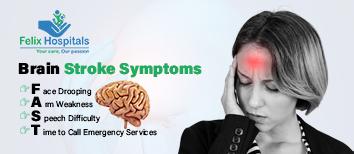
Recognizing the symptoms of a brain stroke is critical for getting prompt medical attention. The acronym F.A.S.T. is often used to remember the most common Brain stroke symptoms.
Advanced neurosurgery improves treatment for brain and spine disorders with better outcomes.
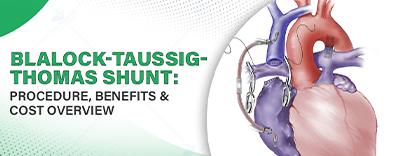
The Blalock-Taussig-Thomas Shunt is a surgical procedure used to improve blood flow in children with certain congenital heart defects. Learn about the procedure, its advantages, and the associated costs.
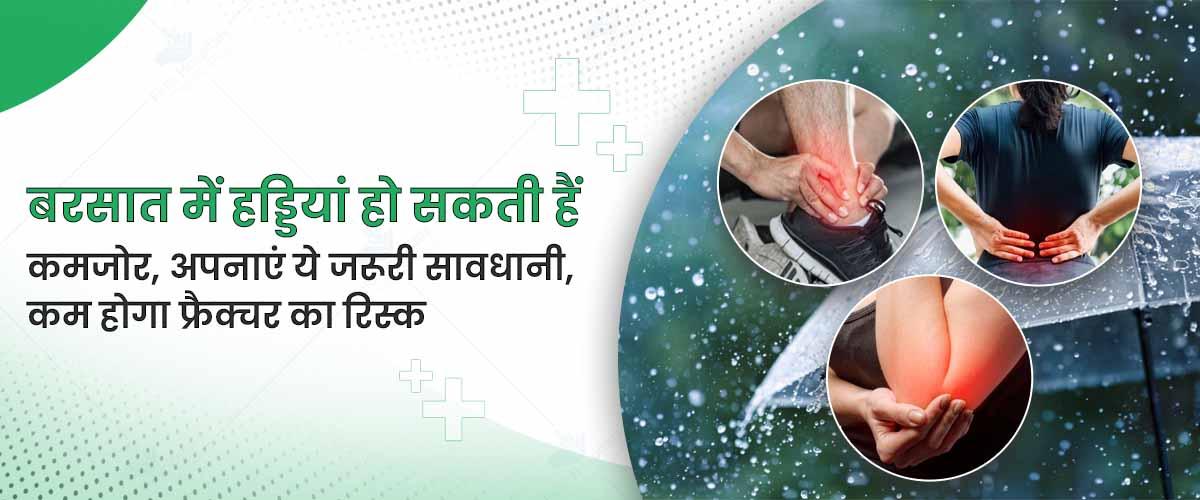
बरसात का मौसम जहां ठंडक और राहत लाता है। लेकिन यह जोड़ों और हड्डियों के लिए चुनौतीपूर्ण होता है। इस मौसम में नमी और ठंडक के कारण हड्डियां और जोड़ कमजोर होते हैं। जिससे फ्रैक्चर और अन्य ऑर्थोपेडिक समस्याओं का खतरा बढ़ता है। बरसात में फ्रैक्चर इलाज के लिए बेस्ट ऑर्थोपेडिक डॉक्टर ग्रेटर नोएडा (Best Orthopedic Doctor Greater Noida) में उपलब्ध है। खासकर बुजुर्गों, महिलाओं और जिन लोगों को पहले से हड्डी या जोड़ की समस्या होती है। उनके लिए यह मौसम और भी मुश्किल होता है।
हड्डियों की जांच और इलाज के लिए अभी अपॉइंटमेंट लें – कॉल करें: +91 9667064100.
बरसात में वातावरण में नमी और धूप की कमी होती है। इससे शरीर में विटामिन डी का स्तर घटता है, जो हड्डियों में कैल्शियम को अवशोषित करने के लिए जरूरी है। ठंडी और सीलन भरी हवा जोड़ों और हड्डियों को अकड़ा देती है। इससे हड्डियां कमजोर होती हैं। फ्रैक्चर का खतरा (Risk of fractures) बढ़ता है। जिससे उनमें जकड़न, दर्द और सूजन जैसी समस्याएं उत्पन्न होती हैं। खासकर बुजुर्गों, महिलाओं और पहले से ही गठिया या हड्डी संबंधी रोगों से पीड़ित लोगों पर इसका असर ज्यादा देखने को मिलता है। इस मौसम में हड्डियां नाजुक होती हैं। हल्के आघात में भी फ्रैक्चर का खतरा बढ़ता है। बारिश के मौसम में अपनी जीवनशैली में छोटे-छोटे बदलाव लाकर हड्डियों को लंबे समय तक स्वस्थ रखा जा सकता है।
अगर हड्डियां कमजोर होने लगें तो सबसे पहले इसका असर लगातार होने वाले दर्द से दिखता है। शुरुआत में यह हल्का होता है। मगर धीरे-धीरे यह रोजमर्रा की गतिविधियों को प्रभावित करता है।
कमजोर हड्डियों और जोड़ों में कैल्शियम की कमी से सुबह उठते समय हाथ-पैरों और पीठ में अकड़न होती है। मौसम ठंडा या बरसाती हो तो यह समस्याएं बढ़ती है।
हड्डियों की मजबूती घटने पर शरीर का संपूर्ण ढांचा प्रभावित होता है। चलते-फिरते या हल्के काम करने पर जल्दी थकान महसूस होती है। ज्यादा देर तक समय तक खड़े रहने में परेशानी होती है।
जब हड्डियां कमजोर होती हैं तो उन पर हल्का सा दबाव डालने से भी दर्द या सूजन होती है। कई बार जोड़ों के आसपास लालिमा और जलन महसूस होती है।
हड्डियां कमजोर होने पर मामूली ठोकर या गिरने पर भी फ्रैक्चर का खतरा बढ़ता है। बुजुर्गों और महिलाओं में यह समस्या ज्यादा देखने को मिलती है।
बरसात के दिनों में धूप कम निकलने से शरीर में विटामिन डी का स्तर घटता है। यह विटामिन कैल्शियम को हड्डियों में अवशोषित करने के लिए जरूरी होता है। इसकी कमी से हड्डियां धीरे-धीरे कमजोर पड़ती हैं। उनमें दर्द या सूजन की समस्या शुरू होती है।
इस मौसम में वातावरण में नमी और ठंडक बढ़ती है। ठंडी और सीलन भरी हवा हड्डियों और जोड़ों को अकड़ा देती है। खासकर बुजुर्गों और गठिया से पीड़ित लोगों में यह परेशानी बढ़ती है।
बरसात में गीली जमीन, सीढ़ियां और सड़कें अक्सर फिसलन भरी होती हैं। ऐसे में हल्की सी चूक भी स्लिप और गिरने का कारण बनती है। कमजोर हड्डियों वाले लोगों में यह गिरना गंभीर फ्रैक्चर का रूप लेता है।
इस मौसम में खानपान बिगड़ने और पाचन तंत्र कमजोर होने से शरीर को पर्याप्त पोषण नहीं मिलता। खासकर कैल्शियम और प्रोटीन की कमी से हड्डियां खोखली होती हैं। बार-बार दर्द व थकान की समस्या बढ़ती है।
बरसात में इम्यून सिस्टम कमजोर होता है। इसकी वजह से शरीर में संक्रमण का खतरा बढ़ता है। हड्डियों और जोड़ों में सूजन, दर्द और कठोरता आम लक्षण बनते हैं। यह स्थिति गठिया और ऑस्टियोपोरोसिस (osteoporosis) को बढ़ाती है।
आयुः
उम्र बढ़ने के साथ हड्डियों की घनत्व कम होती है। बुजुर्गों में कैल्शियम और विटामिन डी (vitamin D) का स्तर घटने के कारण हड्डियां नाजुक होती हैं। बरसात में ठंड और नमी से यह कमजोरी और बढ़ती है। जिससे हल्की चोट पर भी फ्रैक्चर का खतरा बढ़ता है।
रजोनिवृत्ति के बादः
महिलाओं में हार्मोनल बदलाव के कारण रजोनिवृत्ति के बाद हड्डियों की मजबूती तेजी से घटती है। इस दौरान हड्डियों का घनत्व कम होने से वहआसानी से टूटती हैं। बरसात में धूप की कमी और सीलन महिलाओं की हड्डियों को प्रभावित करती है।
कैल्शियम और विटामिन डी की कमीः
बच्चों के विकास के लिए मजबूत हड्डियां बेहद जरूरी हैं। अगर आहार में कैल्शियम और विटामिन डी की कमी हो तो उनकी हड्डियां कमजोर (weak bones) होती हैं। बरसात में कम धूप मिलने और बाहर खेलने का समय घटने से बच्चों को यह कमी प्रभावित करती है।
ऑस्टियोपोरोसिस, डायबिटीज़, आर्थराइटिसः
जिन लोगों को पहले से हड्डियों और जोड़ों से संबंधित बीमारियां हैं, जैसे ऑस्टियोपोरोसि, डायबिटीज या आर्थराइटिस, उन्हें बरसात का मौसम अधिक परेशान करता है। इस दौरान जोड़ों में सूजन, दर्द और अकड़न की शिकायत और बढ़ती है।
धूम्रपान, शराब और व्यायाम की कमीः
खराब जीवनशैली हड्डियों को कमजोर करने का कारण है। धूम्रपान और शराब हड्डियों की मजबूती को कम करते हैं। वहीं व्यायाम की कमी से हड्डियों की लचक और सहनशक्ति घटाती है। बरसात में लोग शारीरिक गतिविधियों को और कम करते हैं। जिससे समस्या दोगुनी होती है।
फिसलन भरी सीढ़ियां, पानी से भरी सड़केंः
बारिश में घर की सीढ़ियां, गैलरी और सड़कें अक्सर गीली और फिसलन भरी होती हैं। इस वजह से गिरने और चोट लगने का खतरा बढ़ता है। कमजोर हड्डियों वाले लोगों के लिए यह गिरना गंभीर फ्रैक्चर (fracture) का कारण बनता है।
संतुलित आहारः
हड्डियों की मजबूती के लिए कैल्शियम और प्रोटीन बेहद जरूरी हैं। इसके लिए आहार में दूध, दही, पनीर जैसे डेयरी उत्पाद शामिल करना चाहिए। पालक, मेथी, ब्रोकोली जैसी हरी सब्जियां और बादाम, अखरोट, तिल व अलसी के बीज हड्डियों को मजबूत बनाने में मदद करते हैं।
विटामिन डी-
विटामिन डी कैल्शियम के अवशोषण में मदद करता है। बरसात में धूप कम निकलती है। इसलिए जब भी हल्की धूप मिले तो सुबह 15–20 मिनट जरूर बैठना चाहिए। अगर कमी ज्यादा हो तो डॉक्टर की सलाह से सप्लीमेंट लेना भी जरूरी होता है।
नियमित व्यायामः
शारीरिक गतिविधियां हड्डियों को मजबूत और लचीला बनाती हैं। योग, स्ट्रेचिंग, प्राणायाम और हल्की वेट-बेयरिंग एक्सरसाइज जैसे टहलना या हल्के डंबल उठाना हड्डियों की मजबूती के साथ संतुलन और लचक को बेहतर बनाती हैं।
सावधानी बरतेंः
बरसात में घर और बाहर दोनों जगह फर्श गीले रहते हैं। फिसलन से बचने के लिए घर में सूखी चटाई या एंटी-स्लिप मैट का इस्तेमाल करना चाहिए। हड्डी फ्रैक्चर इमरजेंसी हॉस्पिटल नोएडा में उपलब्ध है। सीढ़ियों और गैलरी में चलते समय हमेशा रेलिंग का सहारा लेना चाहिए।
धूम्रपान और शराब से बचेंः
धूम्रपान और शराब दोनों ही हड्डियों के घनत्व को कम करते हैं। कैल्शियम अवशोषण में बाधा डालते हैं। इनसे दूर रहना हड्डियों के स्वास्थ्य के लिए बेहद जरूरी होता है।
आरामदायक जूते पहनेंः
बरसात में बाहर निकलते समय हमेशा आरामदायक और रबर सोल वाले जूते पहनना चाहिए। यह फिसलन रोकने में मदद करता है। यह गिरने से बचाता है। बुजुर्ग और कमजोर हड्डियों वाले लोगों के लिए यह विशेष रूप से आवश्यक होता है।
प्राथमिक उपचारः
अगर बरसात में फिसलकर या गिरकर फ्रैक्चर हो जाए तो सबसे पहले घबराएं नहीं। चोटिल हिस्से को हिलाने की कोशिश नहीं करें। प्रभावित अंग को कपड़े या स्प्लिंट (से स्थिर रखें। तुरंत नजदीकी अस्पताल पहुंचें। समय पर प्राथमिक उपचार से दर्द और नुकसान कम होता है।
सरल फ्रैक्चरः
यदि हड्डी ज्यादा खिसकी नहीं है और फ्रैक्चर सीधा है, तो डॉक्टर प्लास्टर या कास्ट लगाकर हड्डी को स्थिर करते हैं। इससे हड्डी धीरे-धीरे जुड़ती है। 4–8 हफ्तों में सामान्य रूप से ठीक होती है।
जटिल फ्रैक्चरः
यदि हड्डी कई टुकड़ों में टूट जाए या अपनी जगह से खिसक जाए तो सर्जरी करनी पड़ती है। इस प्रक्रिया में धातु की प्लेट, स्क्रू या रॉड लगाकर हड्डी को जोड़ता है। यह इलाज आधुनिक ऑर्थोपेडिक तकनीक से नोएडा जैसे शहरों के बड़े अस्पतालों में आसानी से उपलब्ध है।
इंफेक्शन से बचावः
बरसात में वातावरण में नमी और गंदगी अधिक होने से संक्रमण का खतरा बढ़ता है। ऐसे में फ्रैक्चर के इलाज के दौरान घाव को साफ रखना और डॉक्टर की सलाह के अनुसार एंटीबायोटिक्स लेना बेहद जरूरी है। इससे हड्डी जल्दी और सही तरीके से जुड़ती है।
फिजियोथेरेपीः (Physiotherapy:)
फ्रैक्चर के बाद जब हड्डी जुड़ती है, तो प्रभावित हिस्से में जकड़न और कमजोरी आती है। ऐसे में फिजियोथेरेपी (Physiotherapy) बेहद जरूरी है। यह मांसपेशियों की ताकत वापस लाने, रक्त संचार बढ़ाने और जोड़ों की मूवमेंट सुधारने में मदद करती है। बरसात में ठंड और नमी से जोड़ों में अकड़न अधिक होती है।
हाइड्रोथेरेपीः (Hydrotherapy)
बरसात के मौसम में पानी से जुड़ी थेरेपी बेहद उपयोगी है। गुनगुने पानी में हल्की एक्सरसाइज हाइड्रोथेरेपी से मांसपेशियों का तनाव कम होता है। जोड़ों पर दबाव नहीं पड़ता और दर्द में भी आराम मिलता है। यह कमजोर हड्डियों और गठिया के मरीजों के लिए फायदेमंद है।
योग और स्ट्रेचिंगः
योगासन और स्ट्रेचिंग से जोड़ों की लचक बनी रहती है। रक्त संचार बेहतर होता है। ताड़ासन (Tadasana), भुजंगासन (Bhujangasana) और शवासन जैसे हल्के योगासन तथा स्ट्रेचिंग एक्सरसाइज दर्द और अकड़न को कम करते हैं। योग और स्ट्रेचिंग शरीर को सक्रिय रखने का अच्छा विकल्प है।
बोन स्टिमुलेशन थेरेपी-
कुछ मामलों में हड्डियां बहुत धीरे जुड़ती हैं। बार-बार फ्रैक्चर होता है। ऐसे में बोन स्टिमुलेशन थेरेपी उपयोगी है। इसमें हल्की इलेक्ट्रिक या अल्ट्रासोनिक तरंगों के जरिए हड्डी के जुड़ने की प्रक्रिया तेज होती है। कमजोर रोग-प्रतिरोधक क्षमता के कारण ऐसे इलाज की आवश्यकता होती है।
बरसात का मौसम हड्डियों के लिए चुनौतीपूर्ण साबित होता है। इस दौरान नमी और धूप की कमी के कारण शरीर में विटामिन डी का स्तर घटता है, जिससे कैल्शियम का अवशोषण प्रभावित होता है। हड्डियां धीरे-धीरे कमजोर पड़ती हैं। अगर चोट लग जाए, जोड़ों में लगातार दर्द, सूजन या अकड़न बनी रहे, तो इसे नजरअंदाज नहीं करें। समय पर इलाज न होने पर समस्या बढ़ती है और हड्डियों में स्थायी कमजोरी या फ्रैक्चर (fracture) का खतरा बढ़ जाता है। ऐसे में ग्रेटर नोएडा में सर्वश्रेष्ठ ऑर्थोपेडिक अस्पताल (Best Orthopedic Hospitals in Greater Noida) से तुरंत संपर्क करना और उनकी सलाह के अनुसार दवाएं या थेरेपी लेना जरूरी है।
हड्डियों की जांच और इलाज के लिए कॉल करें: +91 9667064100.
प्रश्न 1: बरसात में हड्डियां क्यों कमजोर होती हैं?
उत्तर: धूप की कमी से विटामिन डी घट जाता है। नमी से जोड़ अकड़ जाते हैं। जिससे हड्डियां कमजोर होती हैं। इसलिए समय रहते सावधानी जरूरी है।
प्रश्न 2: क्या बरसात में फ्रैक्चर का खतरा ज्यादा होता है?
उत्तर: हां, बारिश में फिसलन और हड्डियों की कमजोरी के कारण फ्रैक्चर का खतरा बढ़ जाता है। लक्षण दिखने पर इलाज कराएं।
प्रश्न 3: बरसात में हड्डियों को मजबूत रखने के लिए क्या खाएं?
उत्तर: दूध, पनीर, दही, हरी पत्तेदार सब्जियां, बादाम, तिल और सूरजमुखी के बीज खाना चाहिए। डॉक्टर की सलाह पर दवा का सेवन करना चाहिए।
प्रश्न 4: बुजुर्गों को बरसात में क्या सावधानी रखनी चाहिए?
उत्तर: फिसलन से बचने के लिए आरामदायक जूते पहनें, रेलिंग का सहारा लें और घर की फर्श सूखी रखें। सावधानी बरतना जरूरी है।
प्रश्न 5: क्या फिजियोथेरेपी बरसात में फायदेमंद है?
उत्तर: हां, यह जोड़ों की अकड़न कम करती है और हड्डियों को मजबूत बनाती है। इसलिए डॉक्टर की सलाह पर फिजियोथेरी करानी चाहिए।
बच्चों में इम्यूनिटी कमजोर होने पर बार-बार बीमारियां, थकान और विकास में रुकावट जैसे लक्षण दिख सकते हैं। सही कारण पहचानकर समय पर इलाज से बच्चे को स्वस्थ रखा जा सकता है।
If you are having any physical pain in your body due to factors like illness, injury, sudden stroke or aging, a physiotherapist can help you to overcome the pain through various therapies like electrotherapy, heat and cold packs, exercise etc.

Subscribe to our
© Copyright 2026. All Rights Reserved by Felix Healthcare Private Limited
Design and development by :


 +(91)9667064100
 Emergency : +(91)9667064100