 WhatsApp
 Emergency:
  WhatsApp






Subscribe to our
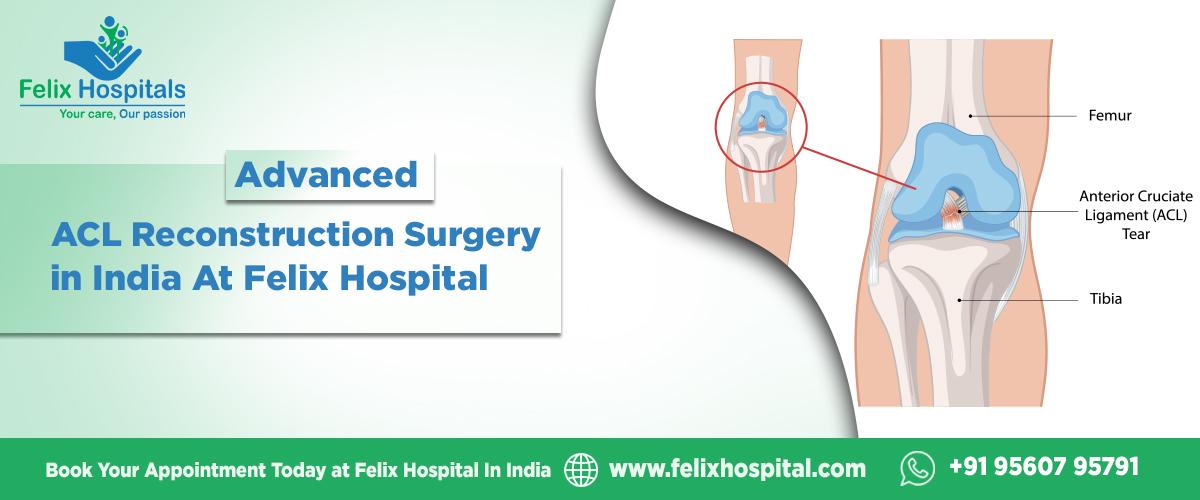
Felix Hospital, Noida, India, is one of the best ACL reconstruction surgery hospitals in India. We provide unmatched patient care and hospital experience for ACL reconstruction surgery in India. We have top specialists and cutting-edge technology available under one roof, ensuring quality treatment for patients.
Experienced Team - We have highly skilled Felix Hospital, Noida, India specialists with over 20 years of experience.
Clinical Excellence - We have proven experience in handling even the most complex cases with precision and accuracy.
Cutting-Edge Technology - We have the latest technologies to diagnose and treat cases using unconventional methods.
Personalized Care - At Felix Hospital, Noida, India, we provide quality treatment tailored to each patient's individual needs to ensure personalized care.
Strict Infection Control - We follow strict infection control protocols to prevent complications.
Schedule ACL Surgery at Felix Hospital, Noida India Call Us: +919560795791 And WhatsApp +919560795791 us now. Our team will help you book the best treatment and arrange your medical visa hassle-free.
If you're looking for the best hospital for ACL surgery in India, your search for the best ACL reconstruction surgery hospital in India ends here.
Felix Hospital is one of the best ACL surgery hospitals in India, offering all orthopedic, joint replacement, and sports surgeries performed by India's most experienced and best orthopedic surgeons. We are a rapidly growing, 500+ bed dedicated orthopedic surgery hospital in india equipped with all the modern and latest orthopedic facilities and state-of-the-art infrastructure for performing orthopedic surgeries in India.
Felix Hospital is a one-stop solution for all your orthopedic problems. We are a rapidly growing independent best orthopedic hospital in India, serving a large population across the country and working with highly experienced orthopedic surgeons. The following features make Felix Hospital a reliable and trusted orthopedic facility in India:
Choosing Felix Hospital for your ACL surgery means entrusting your care to experienced surgeons who truly understand your needs. We use the latest technologies to ensure your surgery is safe and your recovery is speedy. From personalized treatment plans to guided rehabilitation, our team is here to help you get back on your feet and enjoy life without limitations.
Injuries are a common aspect of life, and the knee joint plays a vital role in balance, movement, and stability. A sudden sprain or fall while playing sports, running, or slipping can tear the ACL, a major ligament in the knee joint. Whether it's a sudden fall or sprain, it not only causes discomfort but also impacts your self-confidence and overall health, making even simple activities challenging. However, when the knee loses its stability, that's not the end. ACL repair at Felix Hospital is a way to regain strength and walking ability.
At Felix Hospital, we understand your difficulty walking or getting up from a chair due to an ACL injury. That's why our expert team of orthopedic surgeons is dedicated to restoring your ability to walk with confidence through advanced anterior cruciate ligament (ACL) reconstruction surgery.
ACL surgery involves replacing the torn ligament with a new tendon, called a graft. This helps stabilize the knee and restore full range of motion. The type of graft used depends on the patient's age, activity level, and personal preferences. There are three main types of grafts used in ACL surgery:
Autograft surgery uses a tendon from another part of the body, such as the hamstring tendon, peroneal tendon, or patellar tendon.
This is your own tissue; it is less likely to be rejected and usually heals well.
This option is often recommended for young, energetic people or athletes.
This type of graft is obtained from a donor, usually a deceased person, and is properly sterilized to ensure its safety.
Allografts are an excellent option for those who do not want to use their own tissue or who are undergoing a revision procedure.
No tissue is removed from your body; recovery may be slightly faster. However, allografts are not readily available in India.
Artificial materials such as carbon fiber or Teflon are used to replace the damaged ACL.
Synthetic grafts are less common; however, they may be possible in some situations where biological grafts are not suitable.
Although progress is being made, experts are still searching for the most durable material for long-term success.
People with knee instability (whose knee often gives out during everyday activities)
High-performance athletes who need stability and want to return to their sport
People with related knee injuries, such as a torn meniscus, may benefit from ACL repair.
If symptoms persist despite therapy and physical therapy, surgery may be the next step.
ACL reconstruction surgery repairs a torn ACL, allowing you to regain knee stability and mobility. Although not everyone with a torn ACL needs surgery, it is often recommended for those who are particularly active or who are experiencing persistent difficulties.
ACL surgery may be necessary for:
Active people who want to resume sports or physical activities.
Young people who need a stronger knee for their lifestyle.
People who suffer from discomfort and instability that does not respond to rest or therapy.
This procedure stabilizes your knee, relieves discomfort, and allows you to move around and enjoy everyday activities without the fear of the knee failing.
The procedure begins by preparing the patient under general or local anesthesia (depending on your surgeon's decision) and lasts approximately 2 hours or less. The procedure involves three steps.
An incision is made to remove the tendon and prepare it for an autograft. If it is an allograft, the procedure may take less time.
Several small holes are made for the arthroscope and surgical instruments.
The graft is passed through bone tunnels and implanted into the femur and tibia.
After the incisions are closed with stitches, a sterile dressing is applied and the patient is kept under observation in the recovery room for at least two hours.
After surgery, care must be taken to prevent blood clots from forming in the legs, especially at the surgical site. Severe pain in the back of your shin is a sign of a clot. To prevent such clots and facilitate flexibility and recovery, please follow these steps.
Move your ankle up and down an average of 10 times every 10 minutes to improve blood circulation. Continue this exercise for at least 2-3 days after surgery.
For the first 3-5 days, keep your leg elevated at at least a 45-degree angle on a cushion or pillow that is at least 12 inches above your heart level.
Avoid placing pillows behind the knee; instead, place them under your heel and shin.
Take medications to relieve pain and fever during the first week after surgery.
Gradually begin bending your knee with the goal of achieving full 90-degree range of motion within a week.
Sponge baths are recommended until the stitches are removed.
The doctor will learn the patient's personal and family medical history.
To ensure they are fit for the procedure, the patient will need to undergo lab, diagnostic, and imaging tests.
The doctor may start or stop certain medications before the procedure; they will also ask what the patient is currently taking.
It is recommended that the person quit smoking a few weeks before the procedure as it can interfere with healing.
Exercising regularly before the procedure can help with post-operative healing.
Prolonged, persistent pain.
Graft failure.
Graft failure.
Blood clots.
Complications related to anesthesia.
Damage to blood vessels.
Restores knee stability and function.
Reduces knee pain and swelling.
Improves range of motion and flexibility.
Facilitates return to sports and other physical activities.
Prevents further knee injuries and degeneration.
Improves overall quality of life.
Felix Hospital provides comprehensive support to international patients seeking orthopedic care, ensuring a seamless and stress-free experience from treatment planning to recovery. We assist you by:
Medical Document Review: Our team reviews your medical records to understand your needs and create a treatment plan.
Treatment Planning: We create a personalized care plan tailored to your specific gastroenterological condition.
Cost Estimates: We provide transparent cost estimates to help you plan financially.
Visa Assistance: We assist with medical visa for india requirements and provide documents to support your medical travel, including a medical visa invitation letter.
Yes - you'll need to walk with crutches for a few weeks. Your doctor will tell you when it's okay to walk independently without support.
If people complete their physiotherapy correctly, most people return to sports within 6 to 9 months.
You can stand on your feet and walk with crutches the next day.
This varies depending on individual circumstances. It can take anywhere from weeks to months. Progressive rehabilitation is essential for consistent recovery.
Although prevention is not guaranteed, you can take some steps to reduce the risk. Certain muscle-strengthening exercises and training programs can help.
ACL surgery is a minimally invasive surgery performed using an arthroscope. The pain after surgery is minimal and can be easily managed with simple painkillers, ice packs, and limb elevation. As the rehabilitation process progresses, the need for painkillers decreases.
The cost of ACL surgery can vary widely depending on factors such as geographic location, surgeon's fees, anesthesia fees, hospital fees, and rehabilitation costs.
ACL surgery typically lasts between 30 and 45 minutes. It's important to note that the duration of surgery is not necessarily an indication of its success or effectiveness.
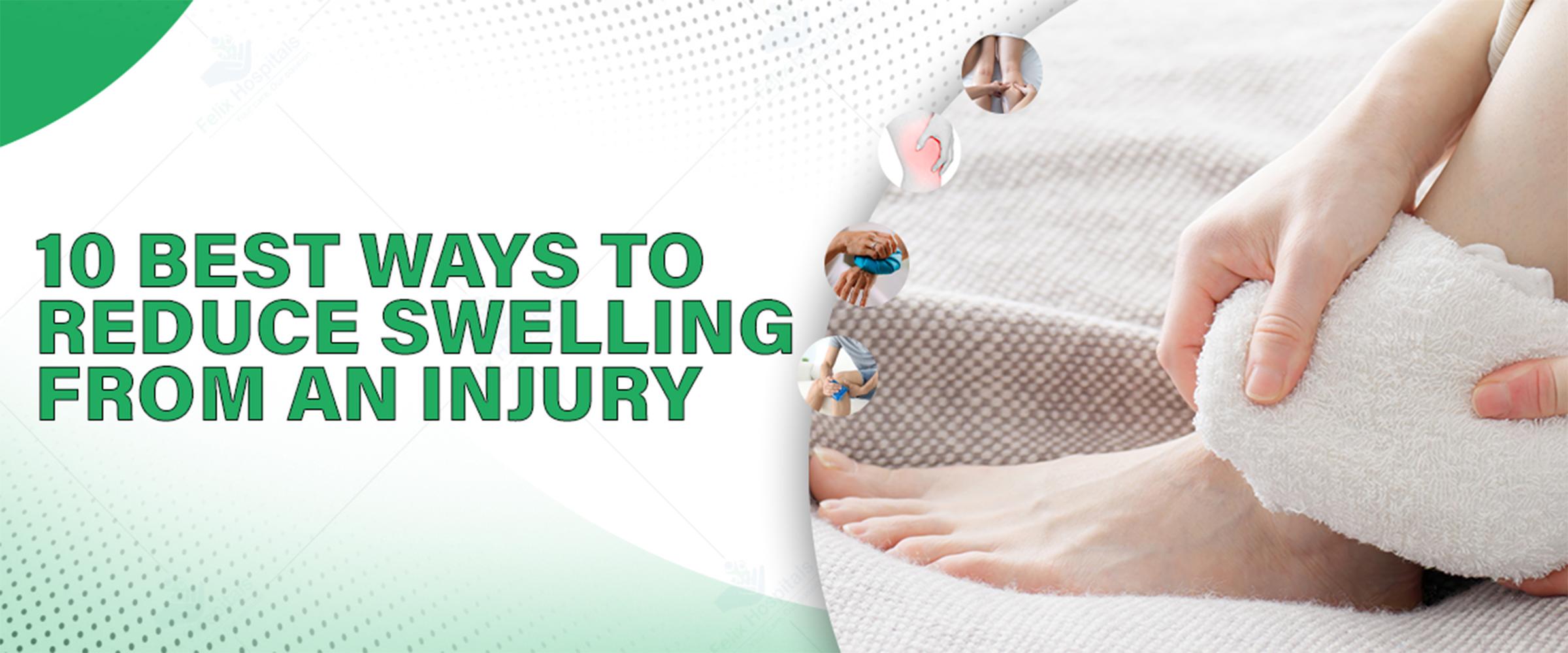
Swelling is a usual reaction the body presents after an injury, no matter if it is from sports accidents or everyday accidents. It may appear like it is trivial but is painful, limits mobility, and prolongs healing if left unchecked. Many people are looking for quick and effective ways to reduce swelling from injury. The great thing is that swelling can be treated at home if done appropriately; however, in certain instances, professional assistance may be necessary. If swelling is too much or is not alleviating itself, visiting a doctor for swelling after injury in Noida guarantees timely, appropriate guidance and treatment.
If you or a family member is experiencing swollen pain due to an injury, don't hesitate. Feel free to contact us at +91 9667064100.
Swelling is the body's protective reaction to injury. Leaking of white blood cells and blood vessels into the site of injury is how damaged tissues are responded to in order to heal. This leads to puffiness and warmth and often redness of the site. Moderate swelling is usually fleeting but neglect may lead to stiffness, limited movement, or internal fractures. The ability to properly treat swelling after injury is essential in allowing fast healing and avoiding long-lasting damage.
One of the easiest treatments to reduce swelling from injury is to rest. Not using the injured part allows it to avoid overstraining and to heal on itself. Overstraining will make the swelling worse and hinder healing, so give the injured part enough rest.
Cold therapy is one of the fastest methods to rapidly reduce swelling. Apply an ice pack 15-20 minutes several times within a few hours in the first 48 hours to slow down blood flow, relieve pain, and lower swelling. Never apply ice to the skin directly to avoid causing burns.
Raising the injured site above the individual's heart will allow fluid to be flushed off the site. The pressure and pain are reduced and swelling is automatically lessened. For instance, if an ankle is injured, elevating the leg on pillows upon resting will make a huge difference.
The compression bandages or wraps support the injured site and do not allow excess fluid to accumulate. Compression is equally beneficial in rapid recovery. The bandage must never be too tight so as to restrict blood supply.
Too few recognize the importance of hydration in recovery. Perhaps the easiest natural tip to deswelling is to drink ample amounts of water to purge the body of toxins and ensure healthy blood flow. The very condition of dehydration will in itself escalate inflammation, so be liberal in drinking at frequent intervals.
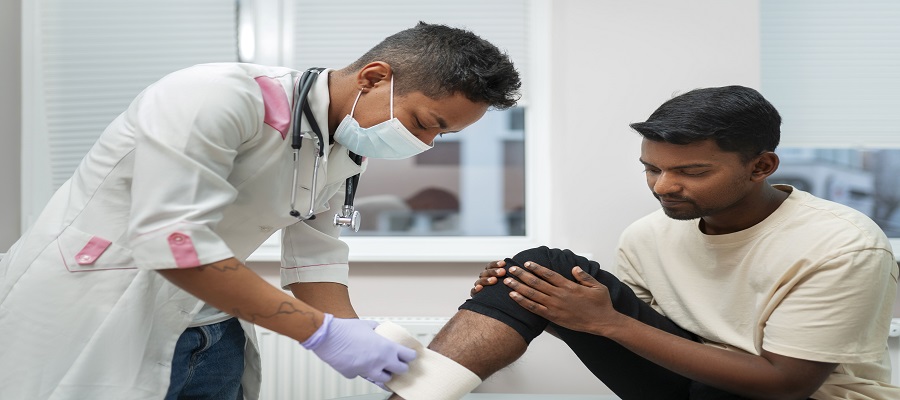
Once initial swelling subsides, massage in the immediate area in gentle strokes might enhance blood circulation and minimize fluid accumulation. Gentle stroking upwards might stimulate drainage but never exert pressure upon the swollen spot. Massage is always to be light and ideally guided.
Your diet is crucial in recovery. Omega-3 rich foods, turmeric, ginger, and green vegetables are natural cures for inflammation due to injury. Omega-3 and turmeric and ginger and green vegetables lessen inflammation while boosting the immune system and accelerating healing.
Occasionally, swelling might bring extreme pain and may need further alleviation. Medicinal over-the-counter anti-inflammatory drugs may come in handy but are to be administered at the doctor's discretion. For long-standing swelling, attending a swelling treatment hospital in Noida is the safest bet.
While ice is ideal on the initial few days, a warm pack is best once the initial swelling has been alleviated. Heat therapy elevates blood flow, reduces stiffness, and accelerates tissue repair. This is very effective in muscle-based injuries.
If swelling is not alleviated by home therapy, professional assessment is required. The unknown fractures, ligamentous injuries, or infections are the possible causes. Prompt treatment and diagnosis avoid complications and healing.
With these best ways to reduce swelling fast, inflammation is decreased in addition to improving comfort and mobility. Use of proper techniques decreases healing time, reduces the risk of complications, and regenerates strength naturally. Households in Noida are guaranteed advanced medical facilities when home treatments are inadequate to provide safe and efficient recovery in all age categories of patients.
Swelling in an injury is to be expected, but it should never be ignored. It is the healing process of the body itself, yet lingering or excessive swelling at times is an underlying issue such as a pulled ligament, bone break, or an infection. That is why it is essential to recognize how to reduce swelling in an injury—not only to have less pain but to prevent long-term damage.
By following set procedures like rest, application of ice packs, compression, proper hydration, and a balanced diet, swelling is best managed at home in most cases. At the same time, incorporation of natural remedies and close observation facilitates fastest recovery. However, if swelling refuses to reduce or keeps on worsening, it is a sign where professional evaluation is necessitated. Seeking treatment at a Multispeciality Super Speciality Hospital in Noida ensures underlying issues are detected in time and properly managed, providing expert care for safe and effective recovery.
Don’t be hindered by an untreated injury. Schedule your appointment by clicking here or call us at +91 9667064100.
Q1: Until when will the swelling typical after an injury?
Ans: Mild swelling might clear up in a couple of days, but in certain instances of very severe injury, it might take weeks.
Q2: What is the quickest way to get swelling down?
Ans: The fastest and best treatment is the RICE approach—Rest, Ice, Compression, Elevation.
Q3: Can I apply heat therapy on the same day of injury?
Ans: No, if used in the first 48 hours. Afterwards, however, warming to stimulate healing may be employed.
Q4: Are home treatments always effective on swelling?
Ans: Home treatment is helpful in mild cases. For recurrent swelling, professional treatment is necessary.
Q5: What are the natural anti-inflammatory diet?
Ans: Turmeric, ginger, green leafy greens, and omega-3 rich fish are a great anti-inflammatory diet.
Acute Kidney Injury: Causes, Symptoms, and Treatment explores the sudden deterioration of kidney function, which disrupts the body’s ability to filter waste and regulate fluids.
A spinal cord injury occurs when there is damage to the spinal cord, often resulting from trauma, disease, or degenerative conditions.
Explore advanced spinal cord injury treatments in Noida. Discover expert care, modern rehabilitation, and hope for recovery with top neurologists and orthopedists.
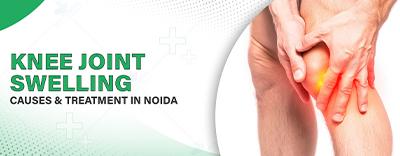
Knee swelling treatment in noida is readily available in special orthopedic centers where they can be treated , which provide a comprehensive cure to all knee issues. In case you are seeking the services of a doctor for knee swelling in noida
The human brain and nervous system are in charge of all movement, thinking, and feelings in our body. When anything goes awry in this intricate system, it may affect daily life in ways large and small. From memory slips to total mobility problems, neurological problems are often challenging to grasp and to treat.
People always ask about "What are neurological disorders?" and how to recognize their initial onset symptoms. The diagnosis and treatment at an early stage are highly necessary to improve recovery and standard of life. Obtaining consultations from specialists at the Best Brain & Neurology Hospital in Noida enables patients to receive the right treatment at the right time.
If you or your family member suffers from recurring headaches, memory loss, or involuntary muscle weakness, call us now at +91 9667064100.
Neurological disorders are problems within the brain, spinal cord, and nerves that involve problems in how the internal organs of the body communicate. Neurological disorders are either sudden (acute) or long-standing (chronic), ranging from headache to life-threatening stroke.
Some of these are as follows:
Alzheimer's disease and dementia
Parkinson's illness
Seizures and epilepsy
Migr
Stroke
Multiple Sclerosis
Neu
Knowing what are neurological disorders is the first step toward accessing timely care by the patient and their family.
None of the neurological issues has one cause. Rather, each is the outcome of several causes:
Genetic predisposition – Others such as muscular dystrophy or Huntington's disease are inherited.
Infections – The nervous system may be injured by meningitis, encephalitis, and HIV.
Traumatic injuries – The head or spinal injuries could bring about long-term neurological symptoms.
Lifestyle elements – Poor nutrition, stress, cigarettes, and alcohol misuse increase the risk.
Vascular issues – Reduced blood to the brain could result in strokes and other problems.
Degeneration with age – Aging may naturally occur in cells of the nerves and cause Parkinson's or dementia.
Knowing what triggers neurological disorder helps patients to prevent it and minimize the risk wherever possible.
Some symptoms are:
Symptoms will be specific to the condition but might be:
Severe or frequent headaches
Sudden vision disturbances
Memory loss or confusion
Seizures or fainting fits
Loss of balance or co-ordination
Tingling, numbness, or muscle weakness in limbs
Difficulty speaking or communicating articulate speech
If left untreated, these symptoms can worsen. Patients often wonder, “How is neurological disorder diagnosed?” Early testing, including brain scans, blood work, and neurological exams, can detect issues before they progress.
The condition has a number of steps to diagnose the cause of the condition and its severity:
Neurological test- Reflex, muscle strength, balance, and memory are all checked by doctors.
Imaging examinations MRI or CT scan may reveal abnormalities of the brain and the spinal cord.
Abnormalities are detected by electrodiagnostic tests EEG (brain activity) or EMG (muscle activity).
Blood tests -These provide details of infections and metabolic issues.
Lumbar puncture (LP) – Sometimes to investigate cerebrospinal fluid.
Etiological diagnosis is the cornerstone to appropriate personalized and effective treatment.
Not all symptoms are an emergency but certain conditions are an immediate necessity. The patient must seek immediate assistance if he or she feels:
Abrupt paralysis or weakness (probable stroke)
Severe, unexplained headaches
Seizures longer than 5 minutes in duration
Serious loss of speech or vision
Loss of consciousness
Recognizing when an emergency is a neurological disorder is important and in some cases life-saving. Prompt treatment often reduces long-term damage and increases recovery chances.
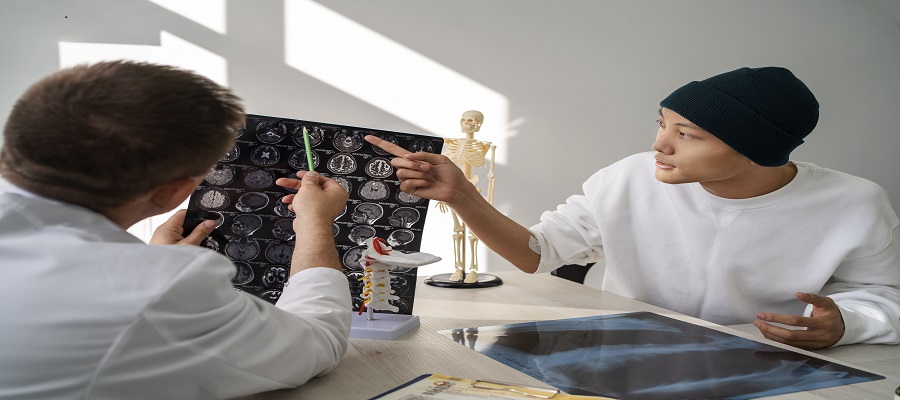
Treatment depends on the disorder and its severity. Typical treatment includes:
Prescription medication – To address symptoms such as seizures, pain or tremors.
Operation – For tumors, aneurysms or other potentially fatal forms of epilepsy.
Cognitive therapy – very useful in cases of memory disorder or dementia.
Lifestyle modifications – Diet and exercise of a healthy nature slow progression.
Expertise at the best neurosurgeons in Noida guarantees patients are given individualized treatment featuring a balance of medical and surgical and supportive treatment.
One of the neurologic issues to be faced is dementia. Families will be at a loss as to how to support their family member. Helpful caring tips are:
Having a safe space – Clear out anything in the path.
Creating routine – Structured timetables alleviate anxiety and confusion.
Promoting communication – Communicate using simple words and talking slowly and patiently.
Stimulation of mental processes – Activities such as puzzles or music may improve mental processes.
Procuring professional help – Regular checkups and counseling lower caregiver stress.
Knowing how to deliver caring service to a patient with dementia ensures a better quality of life in patients and carers.
Don't overlook residual neurological symptoms. Prioritize brain health today and talk to an expert to be in charge of your well-being.
Neurological conditions are intricate but recognition at an early stage and prompt treatment are all it takes. From what leads to neurological conditions to how a neurological disorder is treated, prevention and Neurological treatment in noida all begin at awareness. For comprehensive care, consulting the best hospital in Noida ensures expert guidance, advanced diagnostics, and effective treatment for better recovery and long-term neurological health.
Q1. Which are the world's most frequent neurological conditions?
Ans: Stroke and Alzheimer's are the most common. Others are migraine and epilepsy.
Q2. Do lifestyle changes treat neurological diseases?
Ans: Yes, exercise and a balanced diet, non-use of tobacco products, and blood pressure control lower risk.
Q3. How long will diagnosis of neurological disorder take?
Ans: It depends on the condition. Some may be diagnosed in one visit, while others require multiple tests and monitoring.
Q4. Do neurological disorders exist in young ones?
Ans: Yes, these types of diseases like epilepsy, multiple sclerosis, and migraine may appear even in children or teenagers.
Q5. Is each neurological disorder always irreversible?
Ans: No. Some issues such as some infections or traumatic problems will get better with treatment.
Recognizing neurological warning signs early can be life-saving. Learn when symptoms like frequent headaches, dizziness, memory loss, or numbness mean it’s time to consult a neurologist.
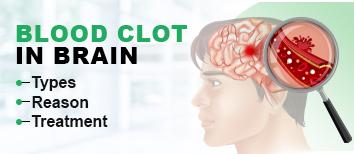
Blood clot in the brain is a serious condition causing sudden neurological symptoms and requires immediate medical treatment.

Sciatica Nerve Pain can cause sharp, shooting pain that radiates from the lower back to the legs. It often results from a herniated disc or spinal issues pressing on the sciatic nerve.
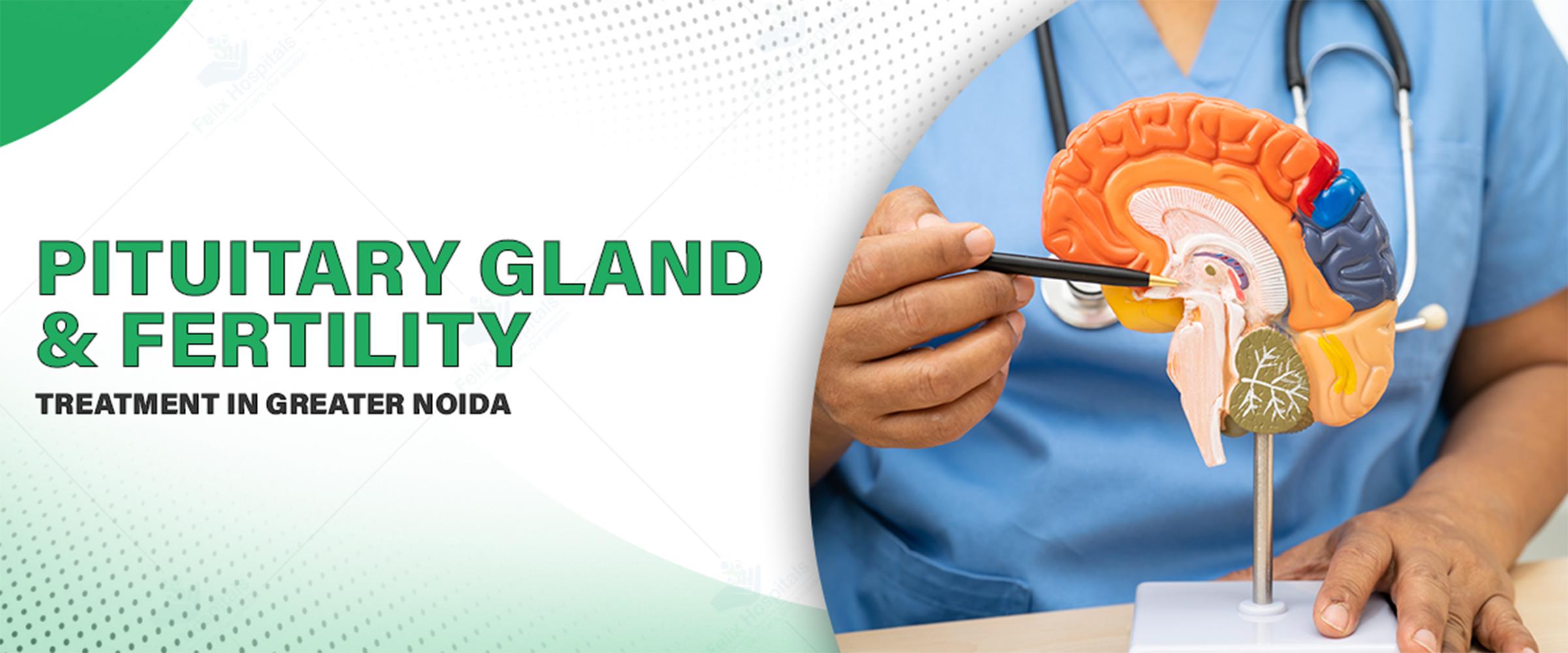
The pituitary gland is the master gland which is very important in the regulation of reproductive health and fertility. It is a gland that is found in the bottom of the brain and it generates some of the hormones that regulate reproductive capabilities of both the males and the females. For those seeking specialized care You can find pituitary gland doctors near me and get a professional diagnosis and treatment.
Selecting the best pituitary diseases hospital in Noida provides you with a wide range of modern medical services and qualified experts that specialize in hormonal balance restoration and enhancing fertility rates. This blog discusses the effects of disorders of the pituitary gland on fertility, its symptoms, when it should be medically consulted, and the treatment that can be used to improve the reproduction process.
Early diagnosis increases fertility success- make your pituitary function tests at the numbers +91 9667064100.
The pituitary gland regulates the fertility by producing follicle-stimulating hormone (FSH), luteinizing hormone (LH) and prolactin. These hormones control the ovaries and testes by the complex feedback system known as hypothalamic pituitary gonadal axis which connects the brain with the organs involved in producing children.
FSH stimulates the development of ovarian follicles each holding an egg in women. The follicles become mature and they emit estrogen which gets ready the uterine lining with an embryo. Ovulation, or release of a mature egg for fertilization is initiated by a surge of LH in the middle of the cycle. Prolactin primarily helps on milk production, which occurs post-partum, however, excessive levels of prolactin (hyperprolactinemia) may suppress FSH and LH leading to ovulation dysfunction and irregular or not ovulating periods.
In male, FSH gives rise to the production of sperm by stimulating the cells in the testes with LH giving rise to production of testosterone, which is crucial in male sperm, sexual performance and libido. Surplus prolactin in men may reduce testosterone and libido and this makes it more challenging to conceive.
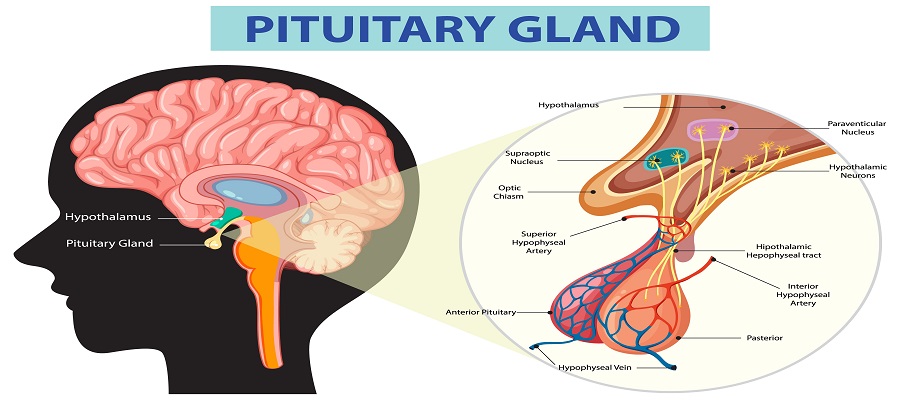
A number of disorders affecting the hormone production in both genders can be brought about by several pituitary gland disorders. Common conditions include:
Pituitary tumors (adenomas) - the majority of them are benign yet may produce excessive amounts of hormones. Functional tumors, such as prolactinomas, grow too much prolactin, and this can lead to a lack of fertility.
Hypopituitarism: The pituitary gland produces an insufficient amount of hormone due to tumors, surgery, radiation, trauma, or autoimmune disease. This causes reduced FSH and LH which reduce sex hormone production.
Kallmann syndrome- is a genetic disorder which decreases gnRh production in the hypothalamus, which decreases pituitary FSH and LH, leading to infertility.
Endocrine disruptors - chemical substances in the environment including bisphenol-A (BPA) have the ability to disrupt the functioning of pituitary hormone.
You should know what are the symptoms of infertility of the pituitary gland some of the most common signs include:
Irregular or extremely heavy periods in the women.
Amenorrhea (No menstruation) or infertility.
Erectile dysfunction or low libido in males.
Galactorrhea- breast milk that does not occur because of childbirth or the act of breastfeeding.
Headaches, weight changes in an unexplainable manner and fatigue.
Sometimes pituitary tumors cause inconvenient visual impairments or headaches.
In case you show any of these symptoms, it is worth consulting specialist pituitary gland doctors near me for proper evaluation.
The evaluation normally includes:
Hormone level tests – blood analysis that checks the levels of FSH, LH, prolactin, thyroid hormones and other evidence of the hormonal balance.
Imaging- MRI or CT scans are done to expose the pituitary gland and identify tumors or structural defects.
Additional Tests - again, depending on the symptoms, a doctor can test other pituitary hormones, check or test the reproductive functionality with ultrasound or semen analysis.
The management and treatment can be achieved through early diagnosis.
Can pituitary disorders be treated to improve fertility? Treatment is based on diagnosis:
Treatment - prolactinomas are reduced by dopamine agonists such as cabergoline or bromocryptine, which help in restoring ovulation and sperm production.
Hormone replacement therapy- In the case of hypopituitarism or lack of hormones (deficiencies), fertility could be restored by replacing the missing hormones (Ex: FSH, LH, or testosterone).
Surgery – in case a large tumor invades normal tissues or is not responding to medication, then the normal tissues may be removed by means of surgery in order to allow the organ to function again.
Individualized treatment occurs depending on severity, hormone levels, and fertility administration.
Can pituitary gland problems cause male infertility? Yes, the pituitary gland has a direct impact on the production of testosterone and the formation of sperm. Testosterone, low sperm quality, and reduced libido result due to low LH and FSH caused by pituitary disorders. Functional tumors (excess hormone secretion) as well as hypopituitarism may both have an adverse effect on male fertility.
Men with erectile dysfunction, low libido, or infertility should undergo testing of pituitary functions as a dismissal technique.
At what time do you visit a doctor because of pituitary and fertility problems? Seek medical advice if:
Menstrual cycles are abnormal or missing.
You have more than one year of attempted conception to your name with no avail.
You have odd lactation, headache or blurred vision.
Fertility is being impacted by poor libido or erectile dysfunction.
Hormonal distortion or abnormalities in the pituitary are suspected or known.
Early referral to the correct doctors at the pituitary gland and prompt treatment in a reputable hospital specializing in pituitary diseases stand a better chance of curing any disease and regaining fertility.
Suffering infertility? Get care of the best hospital of pituitary diseases in Noida. Book now at +91 9667064100.
Fertility is regulated by the pituitary gland, which balances and produces hormones. When this gland is dysfunctional, it can prevent fertility in both males and females by disrupting hormone signaling. Early detection of symptoms and proper care is essential.
Consulting pituitary specialists near you allows for personalized assessment and treatment. The top hospital in Noida for pituitary disorders offers advanced diagnostics, comprehensive treatment, and integrative care designed to restore hormonal functions and fertility. With timely diagnosis, correct treatment, and healthy lifestyle support, many patients can overcome pituitary-related infertility and achieve their parenthood goals.
Get the best male infertility treatment in Noida with expert specialists and advanced techniques for successful conception.
Q1: Other than tumors, what is the cause of the infertility of the pituitary gland?
Ans: Hormone imbalances, hypopituitarism, genetics (Kallmann syndrome) and disorders like exposure to endocrine-disrupting chemicals are also possible causes of pituitary infertility.
Q2: What are the ways in which pituitary issues impair menstruation and ovulation?
Ans: Pituitary diseases disrupt the FSH and LH production which may result in irregular or absence of periods and ovulation impairment.
Q3: Are pituitary disorders hereditary?
Ans: Some pituitary disorders such as the Kallmann syndrome are hereditary, although the majority result as a result of tumors and injury or autoimmune diseases.
Q4: Can the infertility of the gland of the pituitary be reversed?
Ans: Yes, the majority of infertility cases associated with the pituitary may be corrected either through medication, surgery, or even hormone replacement therapy to bring about fertility.
Q5: What are the non-surgical treatment options of pituitary tumors?
Ans: Drugs like dolamine agonists are able to reduce prolactinomas and restore hormone levels without surgery.
Turner Syndrome can impact fertility and reproductive health, causing challenges with ovarian function, hormone production, and pregnancy for affected women.
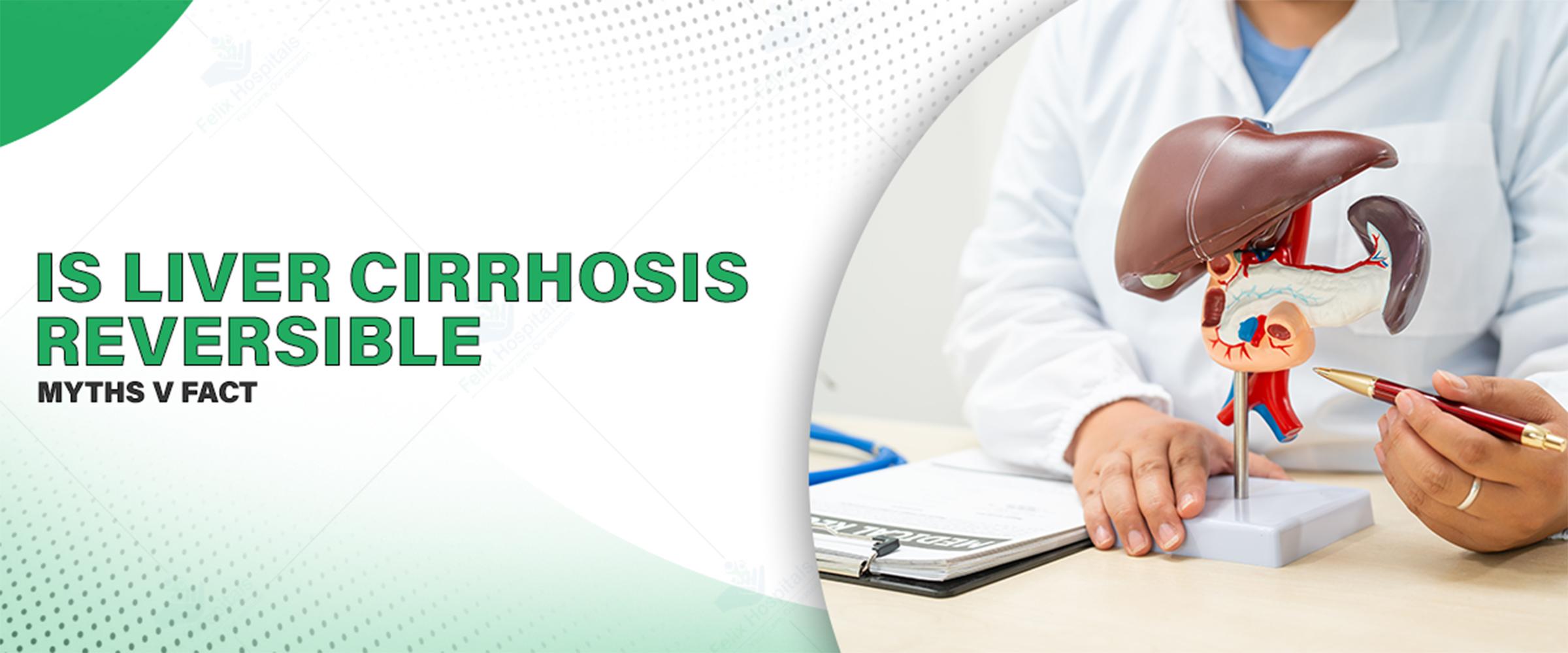
Few liver illnesses are as alarming as cirrhosis. Cirrhosis is often enveloped in mystery, fear, and misconceptions. Everybody is always wondering: "Is liver cirrhosis reversible?" or "Can liver cirrhosis be cured?" The replies are never absolute but educating oneself is the best first step towards proper management.
Cirrhosis is a slow-progressing illness, or it develops over time as a result of long-standing damage to the liver. But prompt detection, appropriate treatment at the right time, and adoption of a healthy lifestyle may slow down the progress and enhance the quality of life. If liver issues are faced by someone or their family member, taking the consultation of a reliable liver specialist in Noida will make diagnosis correct and treatment planning efficient.
Treatments are not the only ways to manage cirrhosis; it is adjusting our lifestyle with professional support. Call today at +91 9667064100 for your treatment.
Late scarring of liver tissue caused by ongoing damage is liver cirrhosis. When scar tissue takes the place of normal liver cells, the liver is no longer able to perform important liver functions—like detoxification, metabolism, and bile secretion—properly.
Some common causes include:
Chronic alcohol consumption
Viral hepatits (Hepatitis B, C, or D)
Non-alcoholic fatty liver disease (NAFLD)
Autoimmune hepatitis
Long-standing bile duct obstruction
This is significant to understand because cirrhosis does not occur overnight—it is the terminal state of chronically damaged livers.
Cirrhosis develops in stages, and awareness of them allows the patient to know what to anticipate.
Compensated Stage – The liver is damaged but functioning. The symptoms will be faint or will be non-existent.
Decompensated Stage – Advanced scarring disables liver function and results in problems such as fluid accumulation, jaundice, or confusion.
End-Stage Liver Disease (ESLD) – The liver is no longer able to function and may require transplantation.
Everyone wants to know – "Is liver cirrhosis reversible in the first stage?" The answer is that although scar tissue is irreversible in absolute terms, liver cirrhosis in the first stage is reversible with adequate medication and lifestyle change in order to avoid secondary scarring.
Myth 1: Cirrhosis is always irreversible.
Fact: Advanced cirrhosis is irreversible but may be slowed down or even stopped if it is discovered in an earlier stage. Certain liver function may even be restored.
Myth 2: Only alcoholics are connected to cirrhosis.
Fact: Alcohol abuse is a common cause but hardly a sole culprit. Non-alcoholic fatty liver disease is another offender as are viral infections with hepatitis and autoimmune diseases.
Myth 3: Home remedies will cure cirrhosis.
Fact: Herbal teas, detoxification drinks, or alternative medicine may relieve symptoms but will never replace treatment. Specialist treatment is essential.
Myth 4: After diagnosis, life is extremely short.
Fact: With proper treatment, cirrhosis patients—especially at the early stage—can lead long and pleasant life.
This clarification of liver cirrhosis misconceptions and facts allows patients to concentrate on evidence-based treatment and not myths.
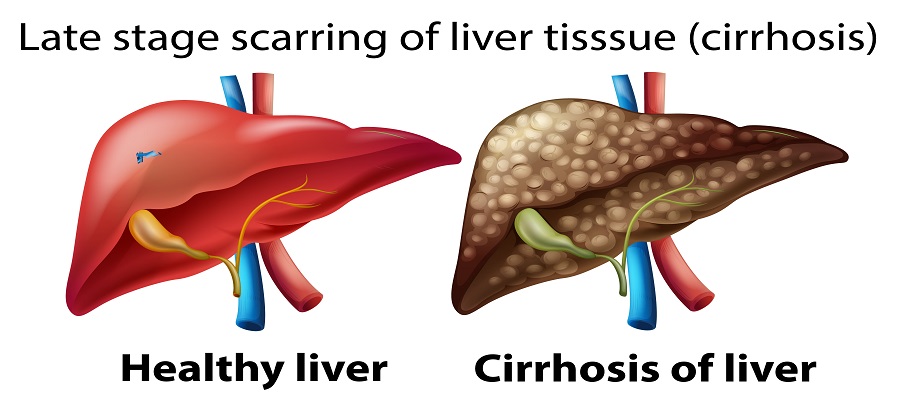
They usually ask: "Can liver cirrhosis be cured if it is discovered early?" Even though a perfect cure may be unlikely to happen, an early diagnosis provides the greatest possibility of healing.
Recovery actions to facilitate involve:
Leaving aside alcohol
Treatment of viral hepatitis by antiviral therapy
Being at an ideal weight to avoid accumulation of fat in the liver
They must have a liver-friendly diet rich in lean protein, whole grain cereals and fruits.
By following these steps, patients can prevent progression and manage symptoms effectively.
Management of cirrhosis is long term and requires vigilance. Some management pointers are listed below:
Medication adherence: Doctors may prescribe diuretics for fluid buildup or antivirals for hepatitis.
Avoiding harmful substances: Alcohol, certain painkillers, and supplements can worsen damage.
Dietary change: Lower sodium to balance fluid retention; consume smaller nutrition-dense meals.
Lifestyle changes: Regular exercise, stress management, and rest are essential.
Regular review: Blood and other investigations and occasional liver biopsy establish that progression is being tracked.
If complications do arise then on-time treatment at a well-established liver hospital in Noida will make a big difference in outcomes.
The honest reply is: not entirely, but it is controllable. The scar tissue is eliminated but still the remaining healthy cells in the liver are able to carry out the liver's function if the damage is prevented from progressing.
Late in the course of the disease, liver transplantation is the only therapy. Nevertheless, no patient will ever reach that point if and when doctor's instructions are followed.
Everyone is interested in the correct treatment course. The correct answer is: individualized and professional treatment. The selection of specialist physicians ensures:
Precise diagnosis through advanced blood and imaging tests
Individualized treatment protocols depending on the aetiology (alcoholic, viral, or metabolic)
Fewer problems and risk with prompt interventions
Holistic support including dietary, psychological, and family counseling
This active management allows for safe procedures, efficient management of symptoms and maximized recovery results.
If liver problems are what you suspect, do not wait. Act now on the health front and consult an expert. Prioritize long-term healing for a brighter tomorrow. Call +91 96670 64100.
Then is liver cirrhosis reversible? The short reply is no—but the longer and more encouraging reply is yes, in controlling progression and in management of symptoms and in enhancing quality of life. Scar tissue is permanent but cirrhosis in the very early stage may be held in check through lifestyle changes and medication and frequent check-up.
If ever in life you've posed to yourself the question "How to know if my liver is healthy?" or "Can liver cirrhosis be treated and cured?", remember at all costs prompt treatment is key.
Q1. What are the initial symptoms of liver cirrhosis?
Ans: Fatigue, easy bruising, loss of appetite, and mild swelling of the abdomen are typically the first symptoms.
Q2. Is liver cirrhosis at an early stage curable?
Ans: Yes, it can be slowed down or even prevented if the reason (like alcohol or hepatitis) is treated in time.
Q3. How to treat liver cirrhosis symptoms effectively at home?
Ans: Be cautious about a low-sodium diet, adequate fluid intake, avoiding alcohol, and treatment compliance by your doctor.
Q4. How is cirrhosis treated naturally?
Ans: While some natural foods like turmeric or green tea support liver health, they cannot replace medical treatment.
Q5. How long is liver cirrhosis patient life expectancy?
Ans: This depends on the stage at diagnosis and general health. Quality life for many years is usually attained by early diagnosis.
Q6. Do cirrhotic patients exercise?
Ans: Yes, light to moderate exercise may improve stamina and muscle preservation. Consult with your doctor always.

Discover 11 expert tips to prepare for labour and delivery.
Understand how fatty liver develops, its key stages, and the steps needed for recovery. Early diagnosis and expert treatment can help reverse damage and restore liver function.
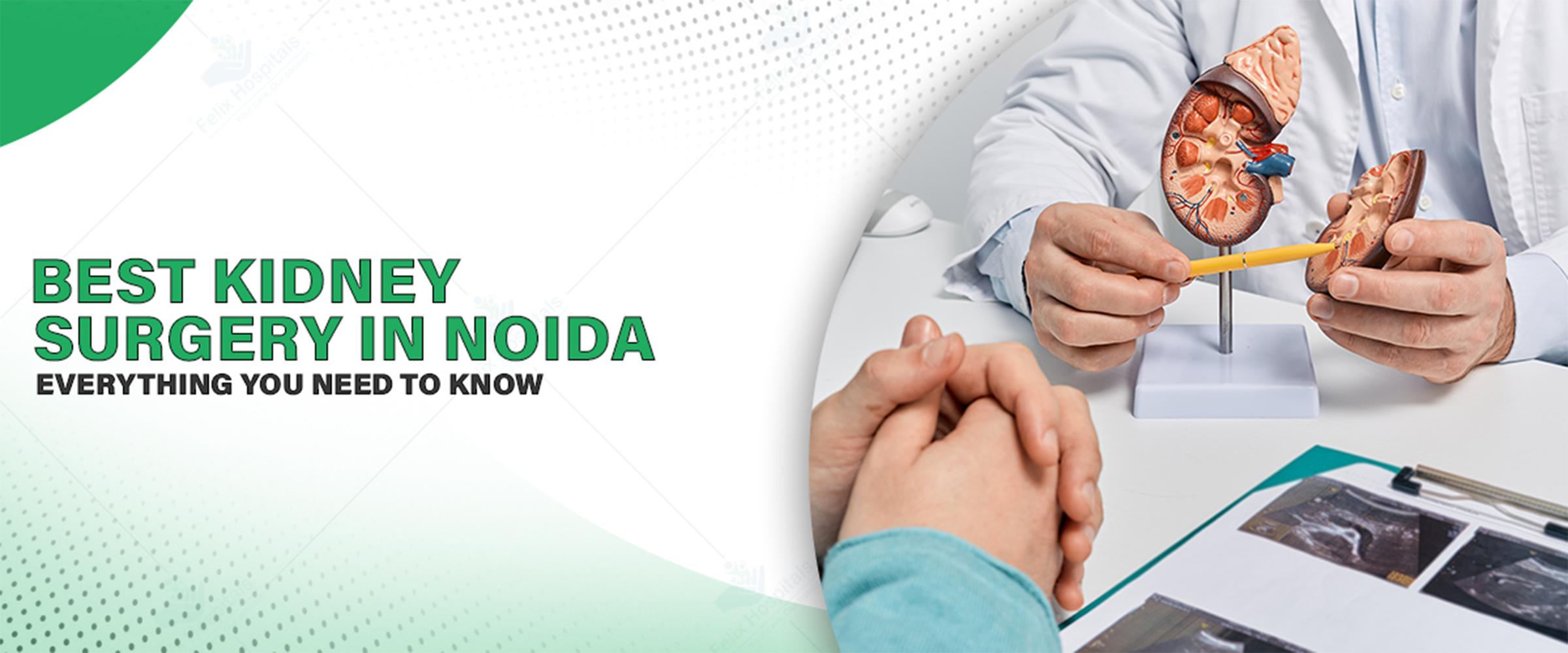
Kidney issues are on the increase with the changing lifestyle, eating habits, and growing prevalence of chronic diseases like diabetes and high blood pressure. Surgery is required in most patients for functional recovery of the kidney and to prevent life-threatening complications.
People in Noida are in search of reliable and high-quality treatment centers that stand for timely medical attention. In case you ever thought about the best kidney surgery cost in Noida. A wise investment in rightful treatment today ensures a lifetime of well-being, comfort, and inner peace tomorrow.
If you and also your family are coping with kidney well-being issues, fast surgery can alter the direction you live. Contact us now at +91 9667064100.
Kidney surgery is a group of operations done to correct medical conditions involving the kidneys. It can range from extracting stones, fixing damaged tissue, to even removing part or all of a kidney in extreme cases.
Types of Kidney Surgeries Include:
Nephrectomy – Partial or total removal of a kidney owing to cancer, tumors, or extensive damage.
Kidney Stone Surgery – Procedures such as ureteroscopy or percutaneous nephrolithotomy to eliminate big or complex stones.
Laparoscopic Surgery – Less invasive solution for the treatment of various kidney problems with smaller incisions and quicker recovery.
Surgery is not always the initial course of action, yet it becomes essential when other means fail or when a patient has a severe condition.
Some common reasons include:
Big or frequent kidney stones that cause pain and infections.
Kidney cancers or tumors.
Severe damage to the kidney due to trauma or disease.
Blocked passage of urine and resulting kidney swelling (hydronephrosis).
Pain in the back or sides that persists, blood in the urine, recurrent urinary infections, or unexpected swelling are early warning signs that should never be taken for granted. Being aware of how to detect such symptoms early can be the difference between life and death.
Access to Advanced Treatment – Noida has the latest technology for accurate surgeries.
Skilled Professionals – Experienced surgeons provide safer procedures and improved recovery.
Post-Surgery Support – Rehabilitation, diet counseling, and follow-up are easily accessible.
Emotional Comfort – Patients heal better when families are around during treatment.
Easy Accessibility – Families do not have to travel far because of the best medical services in Noida.
Open Surgery – Old school, usually done in complicated cases.
Laparoscopic/Minimally Invasive Surgery – Small cuts, less time in the hospital, and quicker recovery.
Robotic-Assisted Surgery – Sophisticated option providing accuracy and lesser scarring.
Paediatric Kidney Surgeries- Procedures specific to children having kidneys which is a birth defect in children.
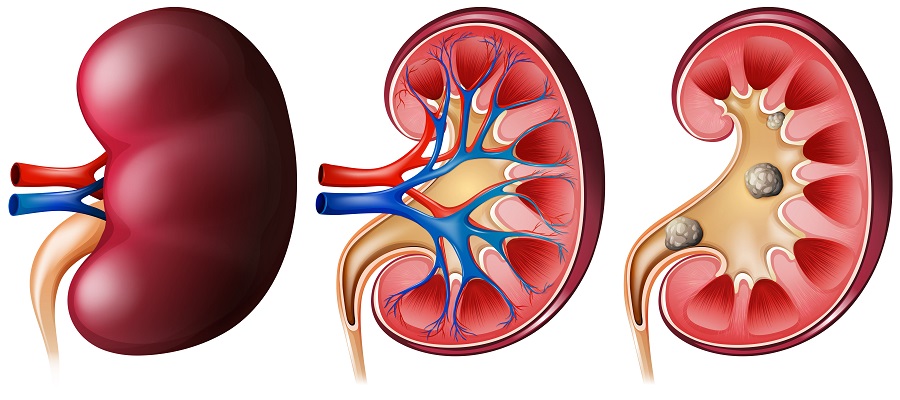
Before surgery, there are many processes patients must complete to ensure that all is safe and just right:
Medical Assessments – Bloodwork, medicals and imaging.
Modification of lifestyle – quitting smoking, control of diabetes and withholding dietary restrictions.
Pre-Operative Counselling – Surgeons discuss with patients and their families the risk, recovery time, and postoperative care plans well in advance.
Recovery is not over when you are out of surgery — it begins then.
Hospital stay – The duration of hospital convalescence depends on the type of surgery.
Home care—Rest, appropriate wound management and close follow-up.
Diet and Lifestyle Changes – A kidney-friendly diet and maintaining proper hydration can speed recovery.
Emotional and Physical Recovery—Family encouragement, counseling, and inspiration keep our mental strength while recuperating.
Patients usually ask, "Where can I get kidney surgery done?" The answer is to locate a center where the most up-to-date teaching and technology, skilled doctors, and all-encompassing aftercare are done. It’s not just where, but customized care and less risks as well as expert monitoring in recovery are key. The best kidney surgeon in Noida When you are seeking out the best kidney surgeon for your needs, and can expect that the experts would be providing clinical excellence with sound surgical acumen and great patient-centric care.
The cost of kidney surgery in Noida depends on the type of surgery, condition of the patient and the services required. But when faced with extended hospital stays due to untreated problems, surgery can end up costing less. The availability of modern equipment and specialist post-operative care in Noida also enables families to treat their children at a cost without compromising on the quality.
Love your kidneys – choose early surgery and compassionate care for a better tomorrow with a single click. Call us at +(91)96670 64100.
Kidney health is an indicator of general well-being, and surgery early in life can make everything seem normal. If you are searching for "Who is the best kidney surgeon near me?" The answer is simple—find the best hospitals in Noida and visit Felix Hospital for advanced treatment and guidance. With the right treatment, sufferers get well and receive confidence to live a life full of health.
Felix Hospital stands as the best kidney hospital in Noida, offering advanced nephrology care with expert kidney doctors in Noida and state-of-the-art facilities for comprehensive kidney treatment.
Felix Hospital is the best kidney stone hospital in Noida, offering advanced, painless, and effective treatment with expert urologists and modern technology.
Q1. How soon can I recover from kidney surgery?
Ans: Recovery varies with the type of surgery. Minimally invasive surgical procedures can take 2–4 weeks, while open surgeries can take 6–8 weeks.
Q2. Is it possible to have a normal life with just one kidney?
Ans: Yes. Numerous individuals live normal lives with a single kidney as long as they adhere to a healthy diet, drink plenty of water, and visit the doctor regularly.
Q3. Does kidney surgery always involve the removal of the kidney?
Ans: Not always. In most instances, only the affected portion is excised (partial nephrectomy), with the remainder of the kidney still functioning.
Q4. What are the risks of kidney surgery?
Ans: Risks can be infection, bleeding, or reaction to anesthesia, but these are kept to a minimum under professional care.
Q5. How do I prepare myself mentally for kidney surgery?
Ans: Preoperative counselling, support of family members, and education about the procedure decrease anxiety and prepare patients psychologically for surgery.
Obesity and excessive sugar consumption are widely recognized as major contributors to diabetes, heart disease, and high blood pressure.
Managing kidney stones effectively is crucial to prevent recurrence and avoid further health complications. Fortunately, with the right precautions and lifestyle modifications, it is possible to reduce the risk of developing kidney stones or manage existi
Acute Kidney Injury: Causes, Symptoms, and Treatment explores the sudden deterioration of kidney function, which disrupts the body’s ability to filter waste and regulate fluids.
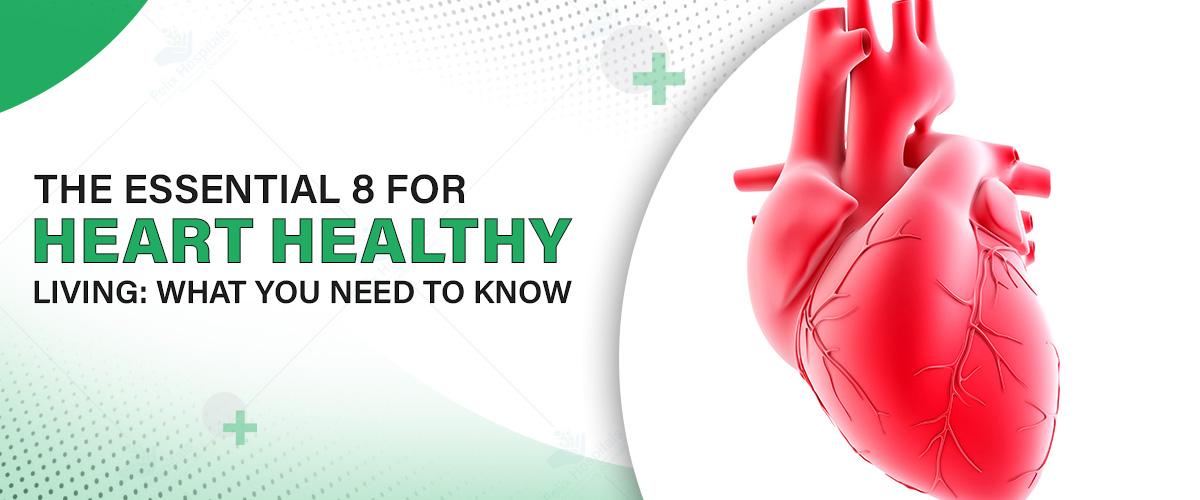
One of the leading causes of death throughout the world is heart disease. Research indicates that 80 percent of heart attack and stroke cases can be prevented in case individuals reform their habits and seek periodic health care. Heart health is a set of eight simple rules that can ensure that you reduce the risk of heart issues and live a better life. If you want expert help, seeing the best cardiologist in Noida can give you a plan that fits your health. Either to be cured of heart disease or manage an existing one, best cardiac hospital in Noida for Cardio Vascular Diseases comes with care delivered through new technology and time-tested treatment. The eight principles are the essence of having a healthy heart in the long run.
Book an entire heart check-up with our Cardiologists. Don't wait for symptoms – prevention is key to maintaining optimal heart health. Call +91 9667064100 to book your consultation today.
The most essential aspect of a healthy heart is a good diet. Consume whole foods like fruit, vegetables, whole grains, lean meat, nuts, and seeds as well as good fats such as olive oil. Reduce processed foods, excess salt, added sugar and saturated fats.
Exercise is good to make the heart strong, blood circulate and also to help maintain weight, blood pressure and cholesterol. The mainstream activity in terms of time required by adults is a weekly intake of at least 150 mins of moderate exercise or 75 minutes of vigorous exercise along with two days of strength training. Something as simple as walking briskly, swimming or biking can do wonders on the heart.
Smoking contributes a lot to heart disease and has been identified as the cause of death of one third of all deaths related to the heart. It damages blood vessels, decreases blood oxygen and increases the risk of blood clots. No matter how long you have been smoking, when you quit it only takes a year to reduce your risk of heart disease by half.
In order to have a healthy heart, sleep is important. Adults require 7 to 9 hours of sleep per night. Poor sleep or insufficient sleep has been associated with high blood pressure, obesity, diabetes and heart disease. Regular sleep schedule, sleep environment, and screen time before sleep are the best strategies to use to have a good sleep.
Excessive weight puts pressure on the heart and increases the chances of diabetes, hypertension, fatty cholesterol. Having a good body weight by eating well and engaging in exercise lessens the heart workload. Even a loss of 5-10 percent of your weight can be of significant health benefit.
Understanding How often should cholesterol be checked? is essential for cardiovascular health management. Adults above 20 years and your levels have been normal, then test after every 4 to 6 years. Check more frequently in case you have risk factors, in turn, family, or past heart disease. Plaque along the arteries is because of high LDL also known as the bad cholesterol. High HDL or good cholesterol gets rid of bad cholesterol in the blood.
Heart disease is a complication that is predisposed by diabetes and prediabetes. Excess sugar destroys vessels and nerves in the long-run and damages the heart. Long control is demonstrated by regular blood-sugar monitoring, including hemoglobin A1c test. Regulate the sugar levels through diet, exercise, and medication when necessary to save the heart.
It is best that the blood pressure stays below 120 over 80. High blood pressure, which is normally termed as the silent killer, does not show any symptoms, though it predisposes people to the danger of heart attack, stroke, and other heart related complications. To maintain a healthy pressure, make sure to monitor it often, modify your lifestyle and medications as prescribed by your physician.
The individuals engaging in these eight rules are considerably less affected by heart diseases, strokes and premature mortality. The protection of doing many healthy habits together is even better than doing one habit. Studies indicate that individuals who demonstrate adherence to the majority of the eight rules are at lower risk of 76% chances of death due to heart related diseases compared to the poorly scoring individuals.
Many people wonder, Can you reverse heart disease? While established heart disease cannot be completely "reversed," major changes can be made with serious lifestyle modifications and effective medication. Studies indicate that comprehensive lifestyle modifications can slow progression, reduce symptoms, and even promote regression of certain types of plaque buildup in arteries.Understanding How To Prevent Heart Disease involves implementing these eight essential practices consistently over time. Prevention is never expensive as compared to treatment after the disease has developed. The onset of cardiovascular disease can be prevented or slowed down by early intervention and lifestyle change in the majority of the persons.
Implementing Best Heart Healthy Tips requires a comprehensive approach addressing diet, exercise, stress management, and regular medical monitoring. Incremental changes in the manner of small sustainable ones are usually more effective than radical changes in both short and long-term. Collaboration with healthcare providers will provide customized approaches that would align with personal life and medical policies.
Start by analyzing where you are doing poorly in each of the eight areas and identify the areas requiring the greatest issue. Specify measurable objectives: walk 30 minutes daily, consume fruit and vegetables, or attain a particular blood pressure. Gradual gradual transitions are more effective in the long term than attempting to make many changes simultaneously.Stabilize a support circle of family, friends, and physicians who make you motivated. Track your progress and be motivated with the help of such tools as fitness trackers, phone apps, or online websites.Frequent examinations allow the detection of risk factors in time. Collaborate with your health team to create a prevention plan that suits your risk, family history and health.
Sustainable heart health implies that it is about developing habits rather than short-term remedies. Find fun activities to be involved in consistent with being active such as dancing, hiking or making healthy dishes together with family. Minimize the substitution of processed foods: switch refined whole grains with whole grains and processed meats with lean proteins.
Stress management is important to the heart though most people ignore it. The prolonged stress may increase the blood pressure, inflammation and initiate unhealthy habits. Incorporate stress minimizing practices that include meditation, deep breathing, yoga or exercise in your routine.
What is around you affects the heart. Provide a supportive environment in the homestead where good health habits can be adopted by making healthy food accessible, discarding tobacco products and establishing space to exercise and rest.
Get assistance immediately in case of chest pains, difficulty in breathing and other symptoms involving the heart. Our 24/7 emergency services are prepared to provide life saving services. Call +91 9667064100 now.
The eight main things you should be doing will provide you with a good roadmap of both preventing heart disease and generally feeling healthier. Official evidence has proven that maintaining a healthy lifestyle reduces chances of heart attack, stroke as well as premature death and it enhances the quality of life of all people. To be successful, one should be committed, patient, and even professional to remain motivated. To individuals within the Delhi-NCR region, visiting the best cardiologist in Noida provides you with advice and individual care plans. The best cardiac hospital in noida cardio Vascular Diseases that has the availability of modern facilities and skilled staff. It is important to remember that priority in heart health is a lifelong process and all the positive changes become significant to the overall wellness of the heart and healthier and brighter future.
Q1: What are the red flags of heart disease?
A1: Signs like chest pain, difficulty breathing, fatigue, feeling lightheaded, arrhythmia, swollen legs or feet, pain in arms, neck, jaw, or back. Other individuals might not exhibit any symptoms thus frequent examinations are of importance.
Q2: Are heart diseases common among young adults?
A2: Yes. A heart disease may occur in people regardless of their age. The risk is increased by family history, diabetes, high cholesterol, smoking, obesity and having a sedentary lifestyle. At any age, its prevention is important.
Q3: What is the influence of stress on the health of the heart?
A3: Chronic stress can increase blood pressure and result in inflammation, as well as tend to promote poor coping skills such as eating, smoking, or drinking in excess. Healthier decisions, meditation, and exercise can help keep your heart safe.
Q4: Do lifestyle options hold less vitality than genetic factors as far as heart health is concerned?
A4: Genetics is important, however, lifestyle is more significant. It is possible to reduce the risk even in individuals who have a good family background through proper health habits and medical attention.

However, stress, sedentary lifestyle, chronic diseases such as diabetes and hypertension, and genetic factors place young individuals at risk of heart attack.

Best heart hospital in Noida for bypass surgery at affordable prices with expert cardiac surgeons, advanced facilities, and quality patient care for better recovery.

Heart attack signs early is crucial because timely intervention can significantly reduce the risk of severe complications and improve outcomes.
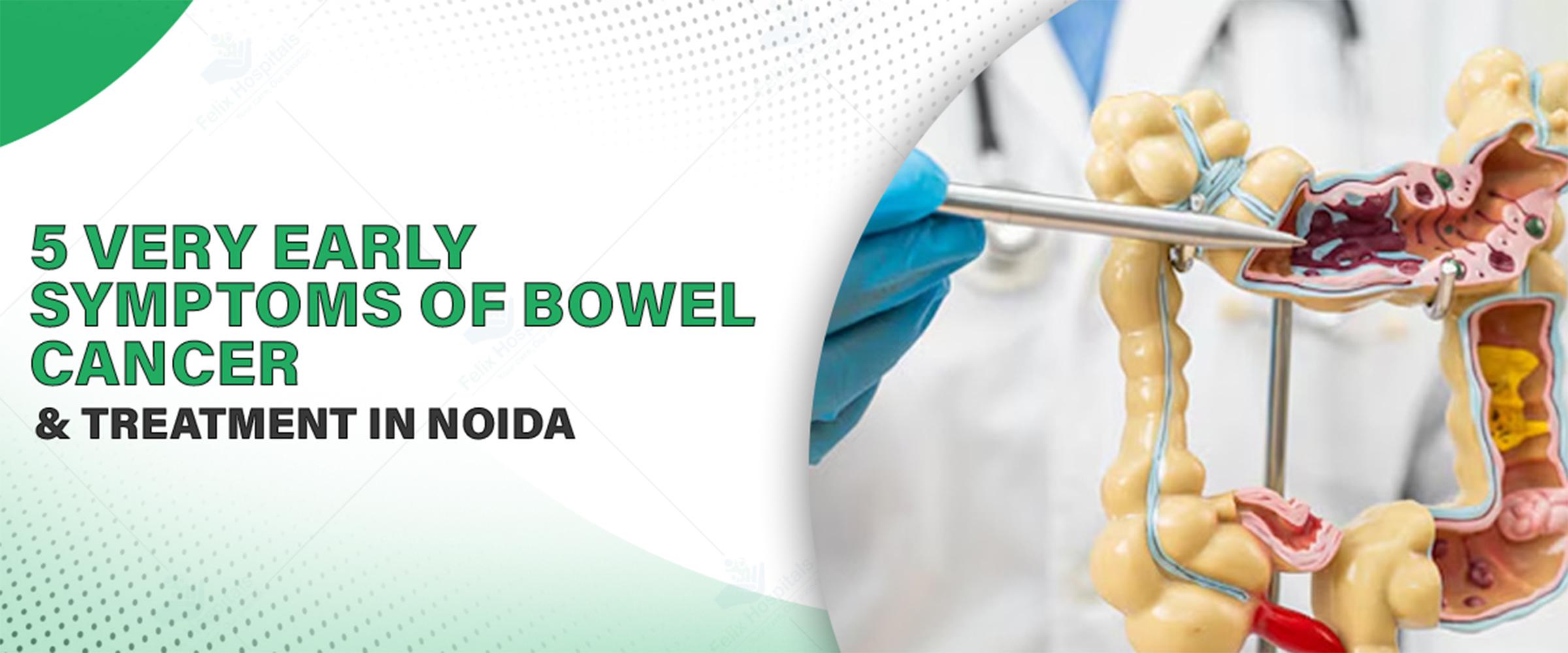
5 very early symptoms of bowel cancer are changes in bowel habits, blood in the stool, persistent abdominal discomfort, fatigue, and unexplained weight loss. If you notice any of these symptoms, timely diagnosis is crucial. Treatment options in Noida, including surgery, chemotherapy, radiation therapy, and targeted therapy, are available at the best hospital in Noida, ensuring comprehensive care and expert management for patients.
Finding things early saves lives— Call +91 9667064100 now to set up your colonoscopy.
The symptoms of bowel cancer and how to detect bowel cancer early can vary depending on the tumor's size and location, and some people may not experience any noticeable signs at first. If early-stage symptoms do appear, they may include:
Persistent change in bowel habits: This can include more frequent diarrhea or constipation, or a change in the consistency or shape of your stool that lasts for more than a few days.
Blood in the stool: The blood may appear bright red, dark red, or black. While other conditions like hemorrhoids can also cause this, any rectal bleeding should be evaluated by a doctor.
Ongoing abdominal discomfort: This includes persistent cramps, gas, pain, or a feeling of bloating.
Unexplained fatigue or weakness: This symptom can result from internal blood loss causing anemia (low red blood cell count), which makes you feel tired even after resting.
A feeling of incomplete emptying: You may feel the need to have a bowel movement even after you have just gone to the toilet.
Detecting bowel cancer early mainly depends on the signs of bowel cancer in early stages typically involves a combination of regular screening tests and recognizing potential symptoms. Many medical societies recommend that people with average risk begin screening at age 45.
These at-home tests are non-invasive and easy to use. They look for signs of blood or altered DNA from cancer or polyp cells in a stool sample.
Fecal Immunochemical Test (FIT): Uses antibodies to detect tiny amounts of hidden blood in the stool. This test is usually done once a year and is more accurate than older versions of the test because it is not affected by food.
Stool DNA Test: Combines the FIT with a test that looks for altered DNA in the stool. This test is typically done once every three years.
These tests allow a doctor to look directly at the inside of the colon and rectum.
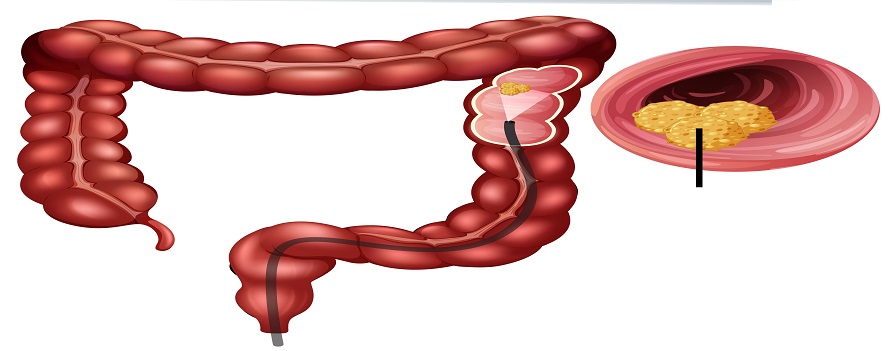
Colonoscopy: Considered the "gold standard" for bowel cancer screening. It uses a long, flexible, lighted tube with a camera to examine the entire colon. During the procedure, doctors can remove any precancerous polyps they find. For those at average risk, it is recommended every 10 years.
Flexible Sigmoidoscopy: Similar to a colonoscopy but examines only the rectum and the lower part of the colon. If a polyp is found, a full colonoscopy is still required.
These are newer tests that analyze a blood sample for signs of colorectal cancer. While available, they are typically not yet the first-line screening option recommended by most clinical guidelines.
Your doctor will help you choose the best screening test based on your personal preferences, colon cancer early warning signs, and what you are most likely to follow through with. For individuals at average risk, regular screening is key, even without symptoms. The risk increases with age, so screening typically begins at age 45.
For individuals at higher risk, more frequent screening or starting at an earlier age may be recommended. You are considered higher-risk if you have:
A family history of bowel cancer.
A personal history of inflammatory bowel disease (Crohn's disease or ulcerative colitis).
Certain inherited genetic conditions like Lynch syndrome.
This is one of the most common signs and can involve several changes:
Frequency: You may experience diarrhea or constipation that is not typical for you and lasts for more than a few days.
Consistency: The texture of your stool may change, becoming looser or more narrow than usual.
Urgency: A persistent feeling that you need to empty your bowels, even after you have already gone.
Blood in the stool also known as rectal bleeding
Bleeding should never be ignored, even if it is intermittent
Dark or black stool: Blood from higher up in the bowel can make your stool appear very dark or tarry.
This refers to ongoing or recurring pain or unease in the stomach area and is different from temporary digestive issues.
Cramps, gas, or bloating: These feelings may not go away with home remedies and can be persistent.
Unexplained fatigue and weakness
Due to internal bleeding leading to anemia (a low red blood cell count), which often causes you to feel very tired and short of breath and constant fatigue
Losing a noticeable amount of weight without trying can be an early sign.
This is often accompanied by a loss of appetite.
While these are common early signs, some people may not experience any symptoms in the very early stages. Regular screening, especially if you are over 45 or have a higher risk, is the most effective way to detect bowel cancer early. If you experience any of these symptoms for more than two weeks, consult a doctor.
These procedures provide a direct look at your colon and collect tissue samples for laboratory testing.
Colonoscopy: This is the most definitive test for diagnosing bowel cancer. A doctor inserts a long, flexible tube with a camera (a colonoscope) into the rectum to view the entire colon.
Biopsy: If any polyps or other abnormal areas are found, the doctor can remove a tissue sample (biopsy) through the colonoscope for testing in a lab.
Flexible sigmoidoscopy: This is just like a colonoscopy only that it does not look beyond the rectum and the lower portion of the colon. In case abnormalities are observed, complete colonoscopy is necessary.
In case there are any suspected or confirmed cases of cancer, the imaging is performed to detect whether it has transferred to other body parts, a procedure known as staging.
CT (Computed Tomography): A CT scan uses specialized x-rays to capture detailed cross-sectional coverage of both the chest, abdomen and the pelvis to determine whether the cancer has spread to the other organs such as the liver or lungs.
MRI (Magnetic Resonance Imaging): MRI scan is a more specific image of the soft tissue achieved through the use of the magnets and radio waves. It is also commonly applied in rectal cancer to determine the extent to which the tumor has penetrated the rectal lining as well as to examine neighboring structures.
PET-CT scan: PET-CT scan may also be used in an advanced case but they are used to determine whether the cancer has spread and they may be used in planning treatment.
Once a biopsy or an operation has been performed, a pathologist will carry out an examination of the tissue to determine the presence of cancer cells. The tissue sample can be tested further in order to determine the particular properties of the cancer.
Molecular and genetic testing: These tests are able to recognize particular gene mutations and other characteristics of the cancerous cells and this will assist your doctor to select the most effective treatment method which may be a targeted therapy or immunotherapy.
The correct diagnosis and the treatment plan should be appropriate, obtained after consulting a qualified healthcare professional.
In Noida, there are several modern hospitals that provide full treatment to bowel (colorectal) cancer. The exact treatment plan that you will be provided will be based on the cancer stage, cancer location and overall health and may include any of the follow-up treatments:
Surgery: Surgery is the most prevalent form of treatment, particularly in case of very early cancer. A surgeon may carry out a local excision (removing the cancer), a colectomy (removing part or the entire colon) or a colostomy (making a hole to pass waste) depending on the tumor. Modern and least invasive methods such as robotic surgery are applied in hospitals. Toxicities of bowel cancer vary with the stages of the sickness, its position, and the health of the patient. Surgical, chemotherapy, radiation, targeted therapy and immunotherapy are all possible options and are commonly used together. These are cutting-edge treatments accessed in Noida in respected hospitals that have a dedicated oncology section.
Bowel cancer is mostly treated through surgery especially during its initial stages. The procedure is different in cases related to the size and location of the tumor:
Polypectomy: When the cancer is limited to a polyp it may be easily excised during a colonoscopy.
Local Excision: Here, a small abdomen can be used to remove the cancer without an extensive abdominal incision to remove small tumors that are in the inner bowel layer (local excision).
Partial Colectomy: This is the removal of the cancerous part of the colon, where a healthy margin and some lymph nodes are amputated. The other parts of the colon are later anastomosed back together (anastomosis).
Colostomy: In some cases, a surgeon may need to create a stoma, an opening in the abdomen, for waste to pass into a bag. This can be temporary, to allow the bowel to heal, or permanent, if the rectum is removed entirely.
Chemotherapy uses drugs to kill cancer cells and may be used at different points in treatment
Adjuvant chemotherapy: Given after surgery to destroy any remaining cancer cells and reduce the risk of the cancer returning.
Neoadjuvant chemotherapy: Given before surgery to shrink a large tumor and make it easier to remove.
Palliative chemotherapy: Used for advanced or metastatic cancer to relieve symptoms and improve quality of life.
Radiation therapy uses high-energy beams to destroy cancer cells. It is more commonly used for rectal cancer than colon cancer and can be given before or after surgery to kill cancer cells.
Targeted therapy uses drugs to attack specific vulnerabilities in cancer cells. It is typically used for advanced bowel cancer and can be given alongside chemotherapy. A molecular test of the tumor cells is often performed to determine if a patient would benefit from these treatments.
Immunotherapy works by harnessing the body's own immune system to fight cancer. It is reserved for advanced bowel cancer and only works for a subset of patients, depending on specific genetic changes in the tumor.
Call +91 9667064100 to make an appointment at one of Noida's best bowel cancer treatment hospitals.
Today, patients have access to advanced bowel cancer treatment in Noida, including minimally invasive surgeries, chemotherapy, radiation therapy, targeted drugs, and immunotherapy. The treatment plan is always personalized, depending on the cancer stage, tumor location, and overall health of the patient. Modern facilities, along with highly trained oncologists, ensure that patients receive world-class care closer to home.
Choosing the right bowel cancer treatment hospital in Noida is crucial, as it provides not only clinical expertise but also comprehensive support through nutrition, counseling, and rehabilitation. With timely diagnosis and the right treatment, many patients are able to overcome bowel cancer and regain a healthy, fulfilling life.
Q1: Can bowel cancer be cured if it is found early?
Ans: Yes, most cases can be cured with surgery and targeted treatment if they are found early.
Q2: What kinds of treatments are available for bowel cancer in Noida?
Ans: Depending on the stage of the cancer, surgery, chemotherapy, radiation therapy, targeted therapy, and immunotherapy are all options.
Q3: Do hospitals in Noida do minimally invasive surgery for bowel cancer?
Ans: Yes, a lot of hospitals do laparoscopic and robotic-assisted surgery to help people heal faster.
Q4: How long does it take to get better after bowel cancer surgery?
Ans: The time it takes to heal varies, but most patients can go back to their normal lives 4–6 weeks after surgery.
Q5: In Noida, are there genetic tests for bowel cancer?
Ans: Yes, molecular and genetic tests can help with targeted therapy and immunotherapy.
Irritable Bowel Syndrome (IBS) is a common digestive disorder that affects many individuals, causing discomfort and impacting daily life. Managing IBS involves understanding the condition, making lifestyle changes, and exploring treatment options.
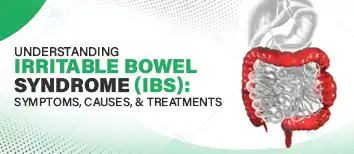
Learn about IBS symptoms, causes, and treatments to manage this common digestive disorder.
Expert gastroenterology care for better digestive health, offering advanced diagnosis and treatment for GERD, IBS, ulcers, and liver disorders.
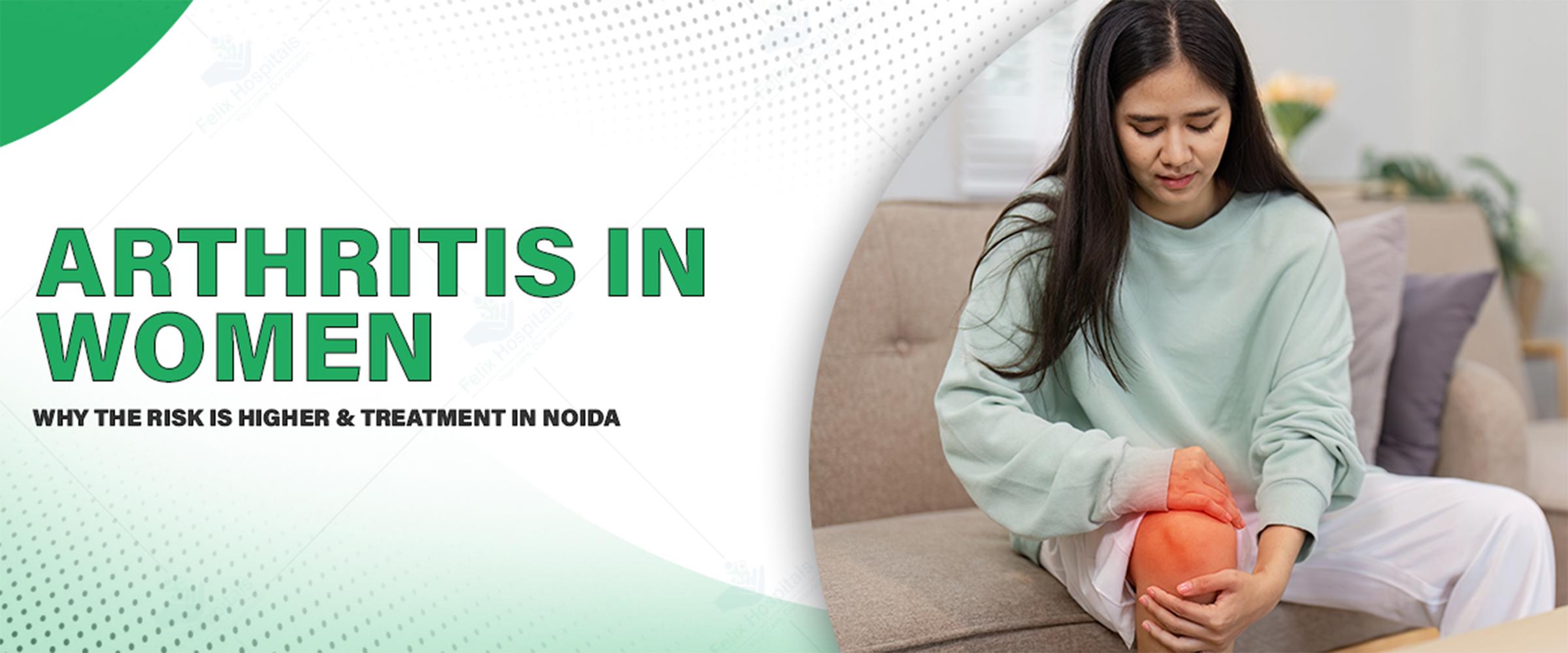
Women are also at greater risk of arthritis because of hormonal changes particularly at menopause, when estrogen levels decline, anatomy (wider hips) and the presence of autoimmune diseases. Arthritis treatment in Noida involves pain treatment, physical therapy, medications, and surgeries, and the particular approaches depend on the arthritis specialists in Noida.
To manage the symptoms of arthritis and get back on your feet, book an appointment at +91 9667064100.
Why are women more at risk of arthritis are because of:
Estrogen decreases inflammation and preserves joint tissues, thus its loss post-menopause promotes the possibility of arthritis.
Women may possess broader hips that may cause more pressure on knee joints and lead to erosion of cartilage.
Why arthritis is common in females is because autoimmune disorders affect women more than men; some, including rheumatoid arthritis and lupus, are forms of arthritis to which women are especially susceptible.
Having a genetic cause arthritis women some types may predispose a woman.
The joints are strained and put at a higher risk of developing arthritis because of excess weight.
Smoking increases the chances of having a rheumatoid disease and may result in the disease being severe.
They may be mild in nature, or severe, and intermittent or chronic, given the symptoms of arthritis are determined by the type of arthritis and autoimmune arthritis gender differences can be seen in women. Signs and symptoms of arthritis are most frequently:
Pain: The pain can be felt at first and it is the most common symptom.
Joint Swelling: Joints that are swollen can be painful.
Stiffness: It is characterized by stiffness which is usually on the mornings or after inactive periods.
Poor Motion Range: 1 able to move the affected joints.
Redness: The overlying skin on the affected joint can turn red.
Warmth and Tenderness: Touch can contribute to the pain or even after any movement.
Fatigue: feeling of all-over fatigue and decreased energy.
The arthritis causes vary according to the type of arthritis, however, the most prevalent ones are:
Autoimmune Response: The autoimmune system attacks the tissues within the body causing diseases such as rheumatoid arthritis.
Genetics: The person has a genetic history of arthritis which increases the risk of developing the disease.
Infections or Metabolic Problems: Certain ones are produced due to metabolic imbalances which cause higher levels of uric acid, such as gout.
Trauma or Excesses: Repetitive activities may cause arthritis risk especially when injuries occur in a joint or a trauma.
Obesity: Obesity places undue burden on weight-bearing joints which leads to the onset of osteoarthritis.
Types of Arthritis
Osteoarthritis (OA): It is the most common of all, and is caused due to wear and tear of the cartilages found within the joints.
Rheumatoid Arthritis (RA): This is an autoimmune disease in which the immune system of a body conducts attacks on the cell that surrounds the joints, causing inflammation.
Juvenile Idiopathic Arthritis (JIA): This is a type of arthritis that affects children and this may lead to permanent joint destruction.
Gout: This is a result of the build-up of the uric acid crystals in the joints, which causes a great deal of pain and swelling.
Psoriatic Arthritis: It is a vehicular disorder that develops in certain individuals with psoriasis and thus causes pain and stiffness of the joints.
Fibromyalgia: A disorder, which presents with extensive musculoskeletal pain, which is commonly associated with arthritis.
Lupus: Autoimmune disease that is long term and may be demonstrated in joints, skin and internal organs.
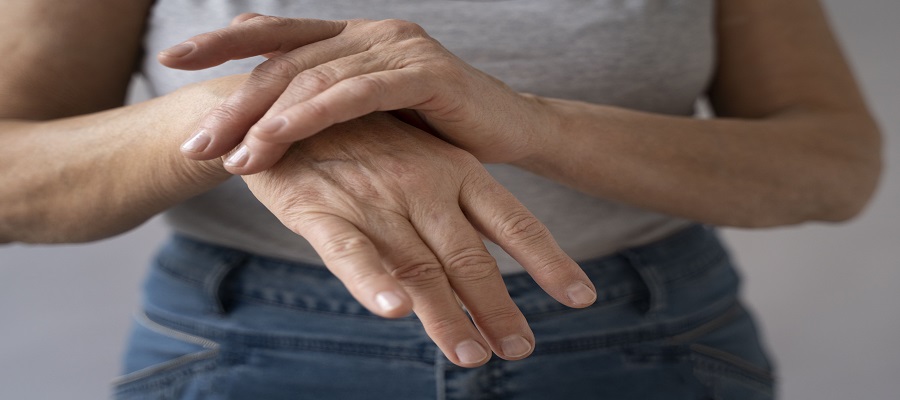
Arthritis requires proper diagnosis in order to be treated. The doctors combine physical examination, lab tests and imaging:
Physical Examination: Evaluations of joint swelling, redness and warmth.
Blood Tests: Can involve C-reactive protein, Uric acid and rheumatoid factor.
Imaging Tests: The damage of joints, inflammation, and deformities may be evaluated using X-rays or MRI scans as well as ultrasound.
Arthroscopy: A procedure that requires an operating small camera to inspect the interior of a joint.
Arthritis treatment is aimed at managing symptoms, enhancing joint function and stopping joint damage. They include drug and lifestyle alternatives as well as surgery in the extreme cases.
NSAIDs: Non-steroidal anti-inflammatory drugs are able to ease pain and decrease inflammation.
Corticosteroids: They can be introduced into a joint to decrease inflammation.
DMARDs: Disease-modifying antirheumatic drugs are used to reduce the course of the autoimmune types such as rheumatoid arthritis.
Topical Creams: Capsaicin or menthol containing cream to reduce pain in the joints.
Physical therapy has a key role to play in the treatment of arthritis through:
Enhancing Flexibility: Range - of -motion exercises.
Strengthening Muscles: The muscles around the affected joints.
Ultrasound & TENS: Methods that help to relieve pain and to enhance movement.
Surgical operation can be the alternative when the conservative modes of treatment do not provide satisfactory relief.
Osteotomy: Removal of the bones that have been damaged and realigned the joint.
Joint Replacement: This involves ensuring that a broken joint is fixed with an artificial prosthesis to allow a normal functioning of the joint and alleviate pain.
Joint Fusion: Fusion of bones to stabilize them or decrease pain, and is typically performed on smaller joints such as ankle or wrist.
There are some lifestyle modifications that can enhance the quality of life of an arthritic patient:
Eating Healthy: Helps relieve weight on weight-bearing joints.
Frequent Exercise: Assists in keeping the joints and body flexible.
Good Posture: Will help to make sure that joints are in the proper position.
Stop Smoking: Smoking may aggravate arthritis and diminish the protection in treatment.
Arthritis is a problematic disorder, but having a proper treatment regimen, patients will be able to cope with the symptoms. When you or a loved one has arthritis treatment in Noida, a specialist should be consulted to consider individual treatment options that have the potential to relieve pain and enhance quality of life.
You don’t want arthritis to slow you down, make a booking of your arthritis treatment in Noida at +91 9667064100.
Find the links below:
Check the links below:
Q1: Is menopause a risk factor of arthritis?
Ans: It is true that a decrease in estrogen levels after menopause increases the susceptibility of joints. Felix Hospital provides women with individualized services in this phase.
Q2: Does Felix Hospital have minimally invasive arthritic treatments?
Ans: Yes, there are other possible alternatives such as joint injection and arthroscopy to be used on selected patients.
Q3: At what time do I think about a joint replacement surgery?
Ans: In case daily activities are restricted deeply by pain and tightness even with medication and therapy, Felix orthopedic surgeons can suggest joint replacement.
Q4: Does arthritis relate to other health issues among women?
Ans: Yes, this can put up the risks of heart disease, osteoporosis as well as depression. Felix experts offer holistic care about general wellness.
Q5: Is managing arthritis solely by modifying the lifestyle?
Ans: Diet exercise and weight loss is a help but at Felix professional medical assistance is the guarantee of long-term relief and joint safety.

Eating a balanced, nutrient-rich Arthritis diet plan can help manage inflammation and reduce symptoms of rheumatoid arthritis.

Learn the causes, symptoms, and treatments of hip osteoarthritis for better joint health.


Subscribe to our
© Copyright 2026. All Rights Reserved by Felix Healthcare Private Limited
Design and development by :


 +(91)9667064100
 Emergency : +(91)9667064100