Your Health, Our Priority

Request Call Back

Request an Appointment

CAPTCHA
Solve this simple math problem and enter the result. E.g. for 1+3, enter 4.
* By clicking on the above button you agree to receive updates on WhatsApp

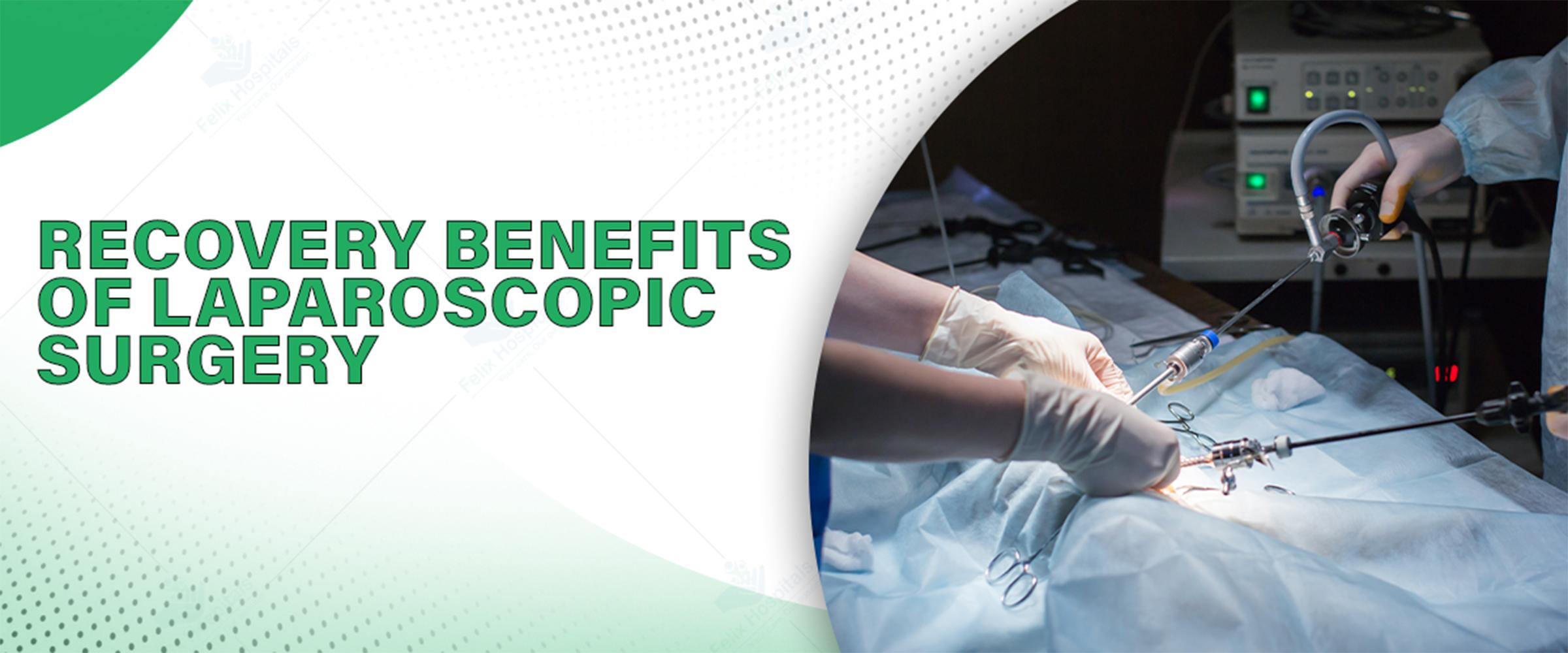
Recovery Benefits of Laparoscopic Surgery

Advancements in minimally invasive techniques have made laparoscopic surgery in Greater Noida a preferred choice for many patients. Laparoscopy unlike the old open surgery comes with small incisions, faster recovery, and limited complications. With the expertise of a skilled laparoscopic surgeon in Greater Noida, patients benefit from reduced pain, shorter hospital stays, and minimal scarring, making this approach safer and more effective for a wide range of surgical conditions. Laparoscopic surgery has a number of advantages which are detailed below and they are as follows: 


It takes shorter time in a hospital since its causes of tissue trauma are less and the incision is minimal. Patients are able to resume normal functions and work considerably faster than through open surgery because their recovery does not entail much disturbance to the surrounding tissues. This is a less invasive method which also reduces incidence of post-operative complications which include infection and internal adhesion.

  
Faster recovery, smaller scars, advanced care—choose laparoscopy. Call +91 9667064100 for appointments.


Key Recovery Benefits

To know What are the recovery benefits of laparoscopic surgery follow the points below:


Less Pain and Discomfort 


  • Smaller Incisions Laparoscopy involves multiple incisions known as keyholes rather than the large cut needed to perform open surgery; the laparoscopy keyholes measure 0.5 to 1.5 cm.

  • Less Tissue Trauma: These smaller cuts do not inflict great damage to muscle and nerve tissue, making their postoperative pain less severe.

  • Reduced Trauma: Because the trauma is less severe, the patient will normally need fewer and weaker painkillers when recovering, which will decrease the chances of experiencing side effects related to a strong medication. 


Shorter Hospital Stay 

The main question arises: Is hospital stay shorter after laparoscopic surgery?


  • Day Surgery: Laparoscopic surgeries are done on an outpatient basis in many cases and patients can even go home same day.

  • Faster Mobilization: The more rapid recovery implies that patients can do that sooner and they do not need to spend a lot of time in the hospital.

  • Cost Savings: When there is a reduction in the time of hospitalization besides the reduction in the patient experience, there is a reduction in total healthcare costs. 


Reduced Recovery time to normal activities

To know when you can return to work after laparoscopic surgery you should know that the body takes shorter to recuperate through lesser surgical trauma. The majority of patients are able to resume a light activity within days and resume the work in one to two weeks instead of several weeks it takes during open surgery. It minimizes the interference that surgery causes, with this quicker recovery time translating to less time off life and work. 


Smaller and Less Visible Scars

To know how does laparoscopic surgery speed up healing you should know:
 

  • Minimal Scarring: These small keyhole incisions result in small scars that are by far less visible in comparison to traditional open surgery large scars.

  • Enhancement of Cosmetic appearance: This is a significant gain to patients who are concerned with appearance as the scars usually fade away with time and become hardly noticeable. 


Lower Risk of Infection 


  • Minimized Exposure: The least invasive method implies that the internal organs seem to spend less time in the external environment posing less risk of contamination.

  • Sterile Environment: Surgeons operate with sterile drapes, gowns and tools and the surgery is often done with carbon dioxide that forms a separate and protected operating environment. 


Less Blood Loss 


  • Accurate Procedures: laparoscopy procedures are executed with highly accurate tools, providing the surgeon a clear up-close view of the pelvic and female reproductive organs in order to perform a more precise and controlled operation.

  • Cauteriasis: Laparoscopic equipment tends to miniaturize bleeding by being powered to open and close vascular structures in the process of cutting.

  • Less Transfusion: The less blood loss seriously minimizes the necessity of a blood transfusion and makes the related risks lesser. 


Fewer Complications 


  • Improved Visualization: The high definition camera delivers an enlarged, clear image of the area of surgery and more accurate and precise maneuvers are available.

  • Less Internal Tissue Handling: Laparoscopy surgery also requires less manipulation of inner tissues and, therefore, has a lower likelihood of adhesions (or scarring between organs) which cause pain. 


Less Trauma to Perioperative tissue. 


  • Delicate Instrumentation: Gentle Instrumentation The small, specialized instruments are crafted to be delicate and lead to very little disruption or injury to the internal structures that are required during open surgery (handling and withdrawal).

  • Quick Internal healing: The decreased total tissue destruction will result in the body directing its resources toward healing the surgical site, which results in a more rapid and complete healing process.


Laparoscopy Recovery

There might be some discomfort in the laparoscopic surgery and it is not out of the ordinary. Here is what you should know about  how long does it take to recover from laparoscopic surgery:


  • Nausea: Until the nauseous feeling subsides, your doctor may prescribe clear liquids. Do not take carbonated drinks for a few days. Then you could switch to soft foods, and can also start your normal diet upon the consent of your doctor.

  • Shoulder pain: When you are healed you may find your shoulders sore. It is due to the carbon dioxide which was injected into your stomach during the surgery. The leftover gas can press on a nerve, which directs pain to your shoulder area. The discomfort should stop in 1-2 days.

  • Incision pain: You’ll receive instructions on how to care for your incisions before you leave the hospital. However, if your wounds become red, swollen, or painful, or if you have discharge or bleeding, call your doctor right away. If you still have a drain in place, you will need to keep the tubing clear and might need to empty the collected fluids a few times a day.

  • Abdominal or pelvic pain: You should start to feel better after a few days, but if it starts to get worse, call your doctor.

To know why is hospital stay shorter after laparoscopic surgery  you should know that recovery time depends on the type of surgery. You should be completely recovered from a minor surgery in 3 weeks. Recovery from a major surgery can take up to 12 weeks.


Laparoscopic Surgery Complications


Even though laparoscopic surgery is less invasive, it still can cause complications:

  • Injuries can happen when the sharp-pointed instrument used to puncture the skin during a laparoscopy causes damage. They are rare but can cause blood vessel injury, bowel injury, nerve injury, and port-side hernia.

  • Insufflation complications are caused by reactions to the carbon dioxide used during the surgery. Insufflation is the act of blowing something, like carbon dioxide, into a body cavity. Complications can include carbon dioxide retention, a collapsed lung, air trapped under your skin or in your chest cavity, or hypothermia if the carbon dioxide isn’t warmed up.

  • General surgical risks, which are possible with any surgery, include an allergic reaction to anesthesia, adhesions that happen when scar tissue sticks two or more organs together or an organ and the abdominal wall together, excessive bleeding, and infected wounds.


Looking for expert laparoscopic surgery in Greater Noida? Call +91 9667064100 and book your consultation today.


Conclusion

Minimal invasive procedures have changed the mode of doing surgeries providing patients with a safer and quicker way of recovery. Choosing laparoscopic surgery in Greater Noida ensures minimal pain, quicker discharge, and fewer complications. With the support of an experienced laparoscopic surgeon in Greater Noida, patients can benefit from advanced technology, precision-driven procedures, and long-term health outcomes.


FAQs


Q.1. Which are the surgical procedures that could be performed on laparoscopy in Felix Hospital?

Ans. Widespread laparoscopic surgery in Felix involves removal of a gallbladder, appendicectomy, hernoplasty, gynecologic and bariatric surgery.


Q.2. Is laparoscopic surgery painful?

Ans. Majority of patients do not have unnecessary pain as it happens in an open surgery. In Felix, pain management is of high personnel and the recovery process does not take a long time with a lot of pain.


Q.3. How can I determine whether I am qualified to get laparoscopic surgery done?

Ans. Your medical condition, medical history and general conditions determine your eligibility. They will examine you by passing through tests and imaging before prescribing the procedure by Felix specialists.


Q.4. How do I long remain in the hospital once laparoscopy is done?

Ans. A lot of patients may go home the same day or 1-2 days depending on the nature of the operation done.


Q.5. What is the cost of laparoscopic surgery in Greater Noida at Felix Hospital?

Ans. The prices vary based on the mode of operation, hospitalization, and health status of a patient. Felix Hospital offers simple packages that are easy to understand.

Your Health, Our Priority

Request Call Back

Request an Appointment

CAPTCHA
Solve this simple math problem and enter the result. E.g. for 1+3, enter 4.
* By clicking on the above button you agree to receive updates on WhatsApp

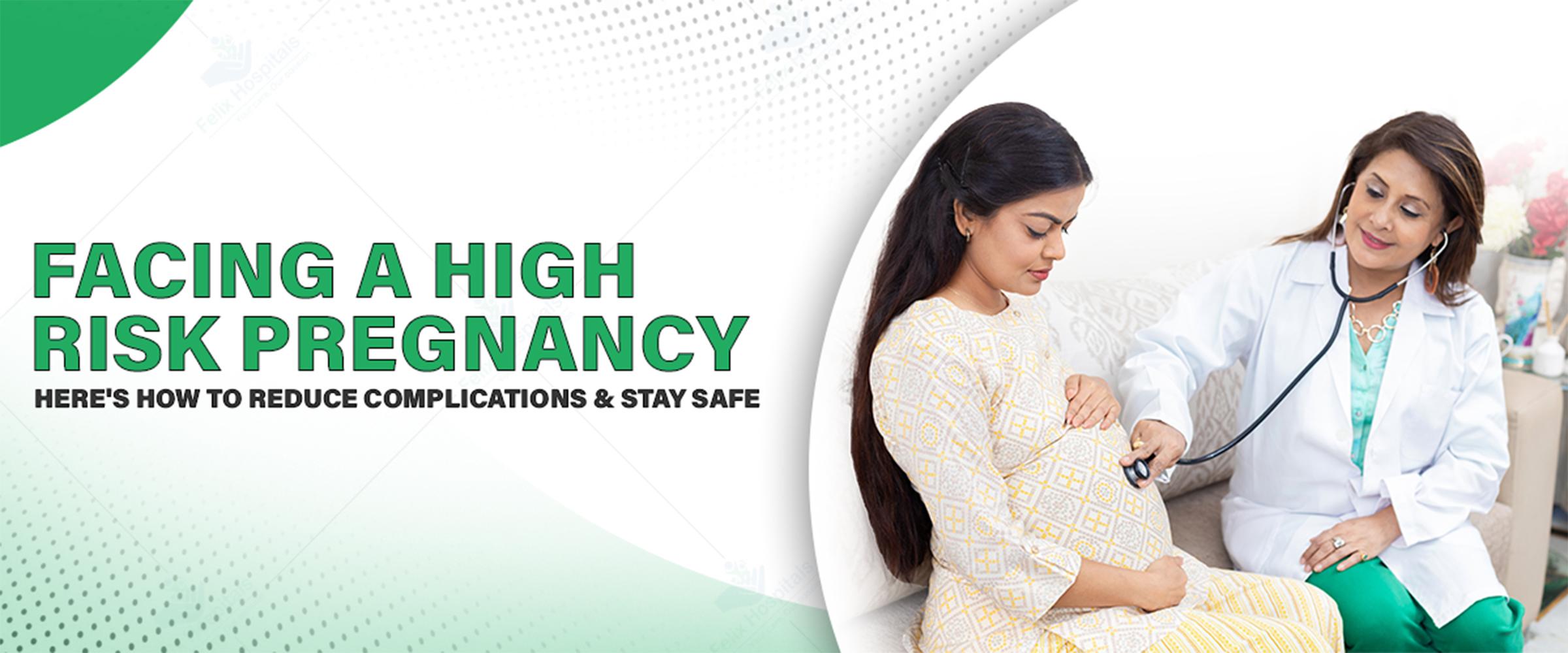
Facing a High-risk Pregnancy? Here's How to Reduce Complications & Stay Safe

The health issues of pregnancy require special care to ensure the safety of a mother and a child. Women in Noida experiencing challenging pregnancies should seek pregnancy complications treatment in Noida and consider care at a trusted high-risk pregnancy hospital in Noida. Effective surveillance, lifestyle changes, and medical assistance may go a long way in minimizing threats and enhancing results.


Experiencing pregnancy difficulties? Receive the best obstetrician advice on time call +(91)9667064100.


What is a High-Risk Pregnancy

What is considered a high-risk pregnancy? High-risk pregnancy refers to the pregnancy that carries more health risks to the mother, the fetus, or both. These may be pre-existing medical conditions, like diabetes or hypertension, maternal age (below 17 years or above 35 years), obesity, multiple pregnancies (twins, triplets), or pregnancy complications in the past (miscarriage, preterm labor). The pregnancy-related complications such as placenta previa or gestational diabetes can also be considered risk factors.


How to Reduce Complications in High-Risk Pregnancy

A high-risk pregnancy is something that should be managed carefully. The first step is how to reduce complications in high-risk pregnancy by establishing open communication with your health care providers and adhering closely to a customized care plan. This could include increased prenatal visits, lifestyle training, and disease management. Complications are also avoided by lifestyle changes including proper nutrition, proper hydration and sleep.


The use of physical activity with the consent of a healthcare provider can be used to sustain cardiovascular health and decrease stress. Keep away of substances that are harmful such as tobacco, alcohol and illicit drugs. Stress management by relaxation methods helps to facilitate the wellbeing of pregnancy.


Tips for Staying Safe During High-Risk Pregnancy

Successful pregnancy hinges on daily care and precautionary steps. Tips for staying safe during high-risk pregnancy include:


  • Do not miss any prenatal check-ups as regular check-ups provide early warning.

  • Inform about such signs as excessive bleeding, terrible headaches, or eye changes right away.

  • Take long term medications prescribed because of chronic conditions or pregnancy complications.

  • Eat healthy foods with high content of fruits and vegetables, low fat proteins and vitamins.

  • Keep yourself hydrated and do not go on any long outings or over exert yourself.

  • Do not smoke, drink, and use unapproved drugs.

  • Establish emotional support systems with partners, family and support groups.

  • Relaxation techniques such as deep breathing, meditation or prenatal yoga.


Warning Signs of Complications in High-Risk Pregnancy

Identifying warning signs of complications in high-risk pregnancy early is crucial to prevent maternal or fetal harm. Urgent symptoms to watch for include:


  • Vaginal discharge or leakage of fluid.

  • Extreme, chronic headaches or blurred vision.

  • Swollen face, hands or legs all at once.

  • The pain that is experienced in the abdomen or uterine contractions are frequent.

  • Slow movement or no movement of the fetus.

  • Fever, chills or unexplainable dizziness.

  • Imprecision in the chest or shortness of breath.

The most important thing is medical attention when such symptoms occur.


High-Risk Pregnancy Monitoring and Tests

Close surveillance through high-risk pregnancy monitoring and tests helps clinicians detect subtle complications. Common tests include:


  • Blood and urine tests to test general health and rule out infections or other conditions such as gestational diabetes.

  • Frequent ultrasound (rather than regular pregnancies) to check the development of the fetus, the volume of amniotic fluid, and the location of the placenta.

  • To note fetal heart rate responses to movement, non-stress tests (NST) are performed.

  • Ultrasound plus NST: A biophysical profiling of fetal wellbeing.

  • Genetic screening in the form of specialized tests such as amniocentesis or chorionic villus sampling when necessary.

  • Pregnant women at risk of preeclampsia may be advised to do home blood pressure monitoring.

The tools help to intervene early and tailor care plans to maximize safety.


Safe Delivery Methods of High-Risk Pregnancy

Planning safe delivery options for high-risk pregnancy involves assessing risks to both mother and fetus. Facilities like a high-risk pregnancy hospital in Noida offer options including:


  • Delivery in a hospital by a trained multidisciplinary team that is on call to deal with complications.

  • Planned cesarean section in cases of vaginal birth which is dangerous (placenta previa, fetal distress).

  • Pregnancy continuation which risks health: Labor induction to deliver on time.

  • Availability of neonatal intensive care unit (NICU) to infants in need of special postnatal care.

  • Good communication and preparation will help mothers to know the birth plan and will be confident during labor.


Significance of Preconception and Early Prenatal Care

Proper management should begin before pregnancy or during the first trimester. Healthy practices like addressing chronic illness, being up to date on vaccinations and healthy habits help decrease risks. Women who carry multiples or had had a previous pregnancy loss are in need of specialized counseling. Prenatal care that starts at early stages provides the foundation of the evaluation and caters to the trust with the caregivers.


Book your appointment with our high-risk pregnancy specialists at  +(91)9667064100.


Conclusion

In order to deal with a high-risk pregnancy, one needs to be vigilant, seek expert guidance, and practice healthy daily habits to minimize possible complications. Families in Noida can access better care through specialized pregnancy complication treatments and high-risk pregnancy hospitals offering advanced monitoring and timely interventions.


Consulting the Best Gynecologists in Noida ensures expert assessment and personalized care throughout the pregnancy journey. Recognizing what is considered a high-risk pregnancy, understanding how to reduce complications, and following safety tips for high-risk pregnancy form the foundation for positive outcomes. Awareness of warning signs, regular monitoring, and discussing safe delivery options with experienced gynecologists help ensure the safety of both mother and baby. A healthy pregnancy and childbirth become achievable through preparation, awareness, and collaboration with trusted medical experts.


FAQs


Q1: Is it possible to deliver normally and have high-risk pregnancy?
Ans: Yes, however it will depend on your unique circumstances that your care team will decide on the safest method of delivery.


Q2: In what ways should I be worried about bleeding in pregnancy?
Ans: When having vaginal bleeding during pregnancy, you need to notify your healthcare provider as soon as possible.


Q3: What can I do to eliminate stress with a high-risk pregnancy?
Ans: Practice relaxation methods such as meditation, deep breathing, and have a high level of social support.

Your Health, Our Priority

Request Call Back

Request an Appointment

CAPTCHA
Solve this simple math problem and enter the result. E.g. for 1+3, enter 4.
* By clicking on the above button you agree to receive updates on WhatsApp

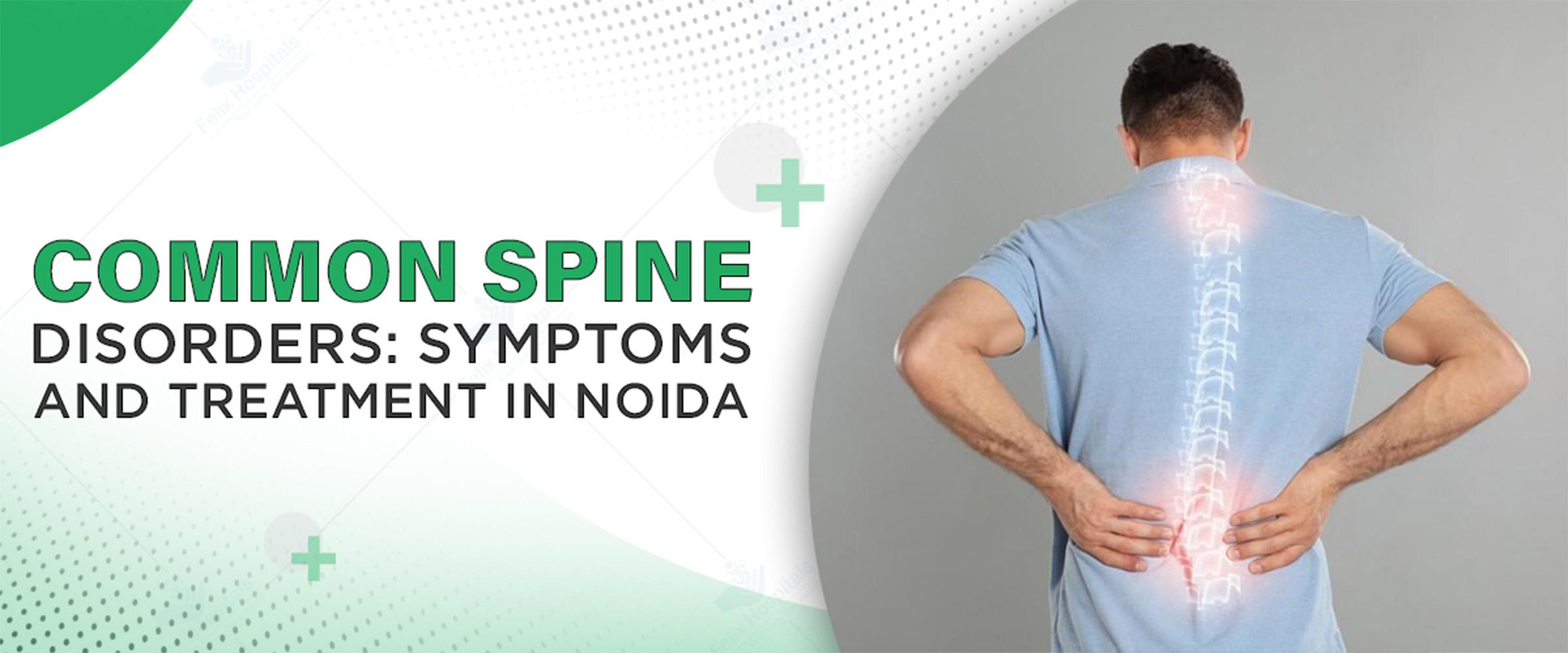
Common Spine Disorders: Symptoms and Treatment in Noida

The most common type of health complaints nowadays includes back and neck problems, which are commonly associated with lifestyle, aging, or injuries. The symptoms of the problems with the spine are often overlooked by many until the moment when pain and stiffness begin to disrupt the routine of a person. Spinal disorders may restrict mobility, general health, and decrease the quality of life in case of their non-treatment.


When you are having recurring pain on your back or neck, it will be a good idea to visit a spine specialist in Noida so that they could be able to diagnose the cause of the pain and prescribe you appropriate treatment. Early intervention helps avoid problems and get back to being flexible.


Make a booking in Greater Noida with a qualified spine specialist and have the correct diagnosis by calling +91 9667064100.


What Are common Spinal Disorders?

A spine is a complicated body that consists of bones, joints, discs, nerves and muscles. Any disruption in these parts may result in pain, weakness or difficulty during movement. The knowledge of what are common spine disorders will make people identify the early warning signs and consult a doctor in time.


The conditions that are most prevalent in the spine are:


  • Herniated Disc - In this situation, the inner part of the spinal disc is forced out causing a compression of the surrounding nerves.

  • Degenerative Disc Disease - This is wear and tear of discs due to aging and causes pain and loss of elasticity.
    Scoliosis - abnormal, sideways, spine curvature, which is common among children or teens.

  • Spinal Stenosis - Reduction in the size of the spinal canal forcing nerves against each other resulting in pain, numbness, or weakness.

  • Osteoarthritis of the Spine - This is the destruction of cartilage in joints of the spine which causes stiffness and pain.

Spondylolisthesis A slippage of a vertebra that takes place and in most cases results in extreme lower back pain.


What Are the Most Common Spine Disorders?

It is important to recognize the symptoms of common spine disorders as early as possible in order to avoid long term damages. The signs and symptoms can differ based on the type of disorder, but the general signs are:


  • Persistent back or neck pain

  • Radiating pain in shoulders, arms or legs.

  • Weakness, numbness and tingling of the limbs.

  • Inability to stand or walk long distances.

  • Inability to move or difficulty with movement.

  • Spasms of the muscle at the back or neck.

  • Obvious defects, including a crooked shoulder or a defective curve of the spine.

When you observe any of these warning signs, you should go and see a doctor as soon as possible to have him assessed and treated.


What Are the Main Causes of Spinal Disorders?

Spinal conditions may develop due to several factors. Understanding the causes can help in prevention and better management. Common causes include:


  • Age-related degeneration - Degenerative processes that occur to the discs and joints due to old age.

  • Poor posture - Sitting and standing at the wrong position long hours causes strain to the spine.

  • Injuries and accidents - Sudden traumas, falls, or sport injuries.

  • Genetic factors - Certain diseases such as scoliosis can be familial.

  • Lifestyle factors - The risk can be predisposed by lack of exercise, obesity or smoking.

  • Medical conditions - Arthritis, osteoporosis or infections that deteriorate the spinal structure.

Understanding and mitigating these causes allow the patients to decrease the chances of getting serious complications related to the spine.


Spine Conditions Explained Simply

We should take a closer look at some of the spine conditions described in a simple language:


  • Herniated Disc: It is commonly referred to as a slipped disc and it is the cause of sharp back pain, which can extend to the leg (sciatica).

  • Spinal Stenosis: It causes numbness, heaviness or pain of the legs, particularly when walking or standing.

  • Scoliosis: It may cause imbalanced hips, overt curvature, and difficulties in breathing in the severe form.

  • Spondylolisthesis: Patients will complain of lower back pain, which is aggravated by standing and bending.

These disorders can range from mild to severe. Some improve with rest and physical therapy, while others may require advanced treatment or even surgery at a spine surgery hospital in Noida.


How Are Spine Disorders Diagnosed?

Physical examination and imaging test are combined to diagnose spine problems by doctors. Diagnostic methods include:


  • X-rays - To determine alignment and fractures.

  • MRI interventions- To see discs, nerves, and soft tissues.

  • CT scans- To identify the changes of the bone or narrowing of the spinal canal.

  • Nerve tests -To assess nerve function and identify injury.

Proper diagnosis facilitates development of a unique treatment strategy.


What Are the Most Effective Treatments for Spinal Disorders

The spinal disorder should be treated depending on the nature and severity of the disorder. Majority of cases respond to non-surgical interventions, however, surgery may be necessary.


Non-Surgical Treatments


  • Medication/ Drugs- Analgesics, muscle relaxants or anti-inflammatory medications.

  • Physiotherapy -Physical activities to enhance posture, flexibility, and strength.

  • Behavior modifications -Weight control, smoking cessation and ergonomics.

  • Injections Corticosteroid- Injections to relieve inflammation.


Surgical Treatments

Surgery can be recommended in case non-surgical treatment does not work. Common procedures include:


  • Discectomy- Removal of the destroyed section of a herniated disc.

  • Spinal fusion- Fusing or combining two or more vertebrae to stabilize the spine.

  • Laminectomy- Laminectomy involves the removal of a portion of the vertebra to alleviate the pressure on the nerves.

  • Artificial disc replacement- The replacement of a damaged disc with an artificial disc.

Surgery is an option that is only used as the final option, which may be life-altering in terms of patients whose pains or movements are so serious.


How can I prevent spinal disorders and maintain a healthy spine?

Although there are no prevention strategies against all spine diseases, healthy lifestyle habits can do wonders in the lifelong risks:


  • Maintain good posture.

  • Do physical activity to train back and core muscle.

  • Avoid lifting heavy weights incorrectly.

  • Keep the body weight healthy.

  • Make sure that you take enough calcium and vitamin D.

  • When smoking, it should be avoided, and the same applies to alcohol.

Such precautionary steps maintain the spine in good health and minimize the risks of the prolonged complications.


Don’t ignore recurring back or neck pain. Make an appointment in Greater Noida with a qualified spine specialist and have the correct diagnosis.


Meet Our Expert Orthopedics

Dr. Keshav Goel


Dr. Keshav Goel is an experienced Orthopedic and Joint Replacement Surgeon in Noida with over 10 years of clinical expertise. He has performed 2,000+ independent surgeries and specializes in computer assisted joint replacement and arthroscopic surgeries of the knee, shoulder, and hip. Known for his skill in treating sports injuries, trauma, and joint disorders, he provides advanced and patient-focused orthopedic care.


Conclusion

The spine is the core of mobility, posture, and overall well-being. Being aware of what are common spine disorders, symptoms of spine and causes of spine disorders enables people to take early action. The Ignoring persistent back or neck pain and lead to numerous procedures in the future.


Most spinal issues could be countered with an effective diagnosis and proper treatment at a reputed Hospital in Noida. Taking care of your spine is important for your health. It will help you move better, stand up straighter, and live a better life.


FAQs About Spine Disorders


Q1. When is a medical consultation warranted in case of back or neck pain?
Ans: If the pain persists beyond a few weeks, progressively worsens, or you develop numbness, weakness or difficulty with mobility, see a doctor promptly.


Q2. Does bad posture contribute to spinal disorders? 
Ans: Yes. Poor posture for extended periods exerts pressure on the spine, resulting in problems such as herniated discs and spinal misalignment.


Q3. Is spinal disorder a permanent condition? 
Ans: Symptoms of spinal stenosis cannot be completely reversed, but treated can relieve or manage them with physical therapy, medications, or surgery if needed.


Q4. Can children and teens get spine disorders? 
Ans: Yes. Conditions such as scoliosis frequently develop in teenagers, and sports injuries are also a common cause in younger patients.

Your Health, Our Priority

Request Call Back

Request an Appointment

CAPTCHA
Solve this simple math problem and enter the result. E.g. for 1+3, enter 4.
* By clicking on the above button you agree to receive updates on WhatsApp

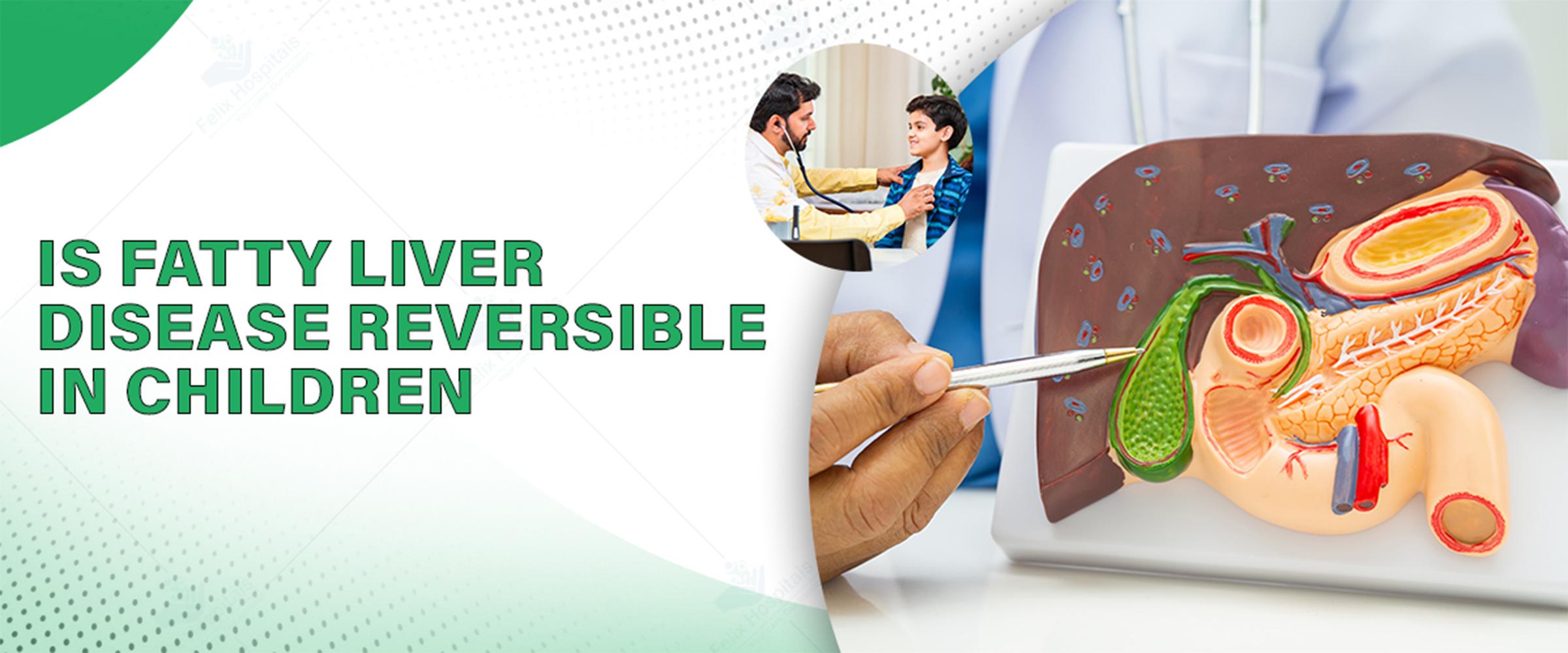
Is fatty liver disease reversible in children?

The problem of fatty liver disease in children, especially non-alcoholic fatty liver disease (NAFLD) has emerged as a major health problem, particularly in urban areas where sedentary behavior and poor diets are increasingly becoming common. Families seeking specialized care are increasingly turning to child liver disease treatment in Noida and pediatric liver care in Noida to ensure their children receive the best diagnostic services and compassionate management for this reversible condition.


Don’t wait for symptoms—ensure preventive care with leading liver specialists at +91 9667064100.


Fatty Liver Disease among Children

Fatty liver disease is a condition whereby there is too much fat build up in the liver cells. NAFLD in children is strongly associated with obesity and insulin resistance, although genetics and some medications are also possible causes of NAFLD. Many parents wonder, is fatty liver reversible in children? The good news is that the majority of NAFLD cases among children could be reversed by means of a sustainable change in their lifestyle, early intervention, and appropriate medical treatment. The intervention should happen at an early age when major damage or scarring is not experienced.


Causes of Fatty Liver Disease in Kids

The causes of fatty liver disease in kids are multifactorial:


  • Obesity: The first risk factor because excess build of fat in the liver makes a person feel pain in the abdomen.

  • Unhealthy Diet: Fast food, sugary drinks, refined carbs, and junk foods put one at risk.

  • Sedentary Lifestyle: Due to lack of physical activity that is related to insulin resistance and weight gain.

  • Genetics: Children may have family history of diabetes or liver disease.

  • Underlying disorder: Such as celiac or inflammatory bowel disease and also corticosteroid use or other chronic medications may contribute to this.


Symptoms of Fatty Liver in Children

Recognizing symptoms of fatty liver in children can be challenging, as many children remain asymptomatic in the early stages. Nevertheless, with the development of the disease, children may acquire:


  • Constant fatigue/tiredness.

  • Pain in abdomen

  • Weight gain or the inability to lose weight

  • Poor appetite or nausea

  • Liver test levels are high.

A parent is advised to be aware in case he has a metabolic or liver disease family history with his or her child who is overweight.


Early Detection of Fatty Liver in Children

Early detection of fatty liver in children can be life-changing. Regular check-ups must be done to the children particularly in case a child is at high risk. Tests normally involve:


  • Documented medical history and risk examination.

  • Liver size and shape (physical examination).

  • Liver enzyme level blood tests.

  • Ultrasound of the abdomen in order to identify the presence of fat.

Where available, specialized centers like those providing child liver disease treatment in Noida perform advanced imaging and sometimes a liver biopsy to confirm the diagnosis. The early detection provides the possibility to be fully reversed before moving on to inflammation, fibrosis, or cirrhosis.


Pediatric Fatty Liver Prevention Tips

Experts recommend several pediatric fatty liver prevention tips to protect children's liver health:


  • Balanced Diet: The focus is on whole grains, lean proteins, fruits, vegetables, reducing sugary and fatty foods.

  • Physical Activity: 60 minutes moderate exercise at least a day, depending on the interests of the child.

  • Consistent Checking: Children and monitoring of patients who are at risk.

  • Screen Non-vigorous Play: Promote play and minimum duration on electronic devices.

  • Family Involvement: Provide a conducive living environment at home where the whole family makes healthy life decisions.

The best form of prevention is on-the-whole household participation- resulting in healthy life habits.


Role of Medical Management


When lifestyle changes aren't enough, doctors in specialized pediatric liver care in Noida may recommend medication for insulin sensitivity, vitamin E supplements in certain cases, or follow-up with nutritionists for tailored meal plans. More rigorous interventions, such as liver fibrosis monitoring, might be necessary in this eventuality, in extraordinary severe instances.


Pediatricians in Noida, dietitians, hematologists, and families must work closely in order to succeed. The plan of each child must be individual and regular follow-ups taken to check the progress and adjust the therapy.


Concerned about your child’s liver health? Schedule a consultation for child liver disease treatment in Noida at +91 9667064100.


Conclusion

Fatty liver disease in children is very serious but can be reversed if seriousness is implemented early on and done professionally. Centers specializing in child liver disease treatment in Noida and pediatric liver care in Noida play critical roles in guiding families through evaluation, prevention, and recovery. Eating healthy and exercising, visiting a hospitals in Noida frequently, and adhering to an individual medical plan may aid children to heal, develop, and prosper over several years to come. Today, liver health needs to be prioritized because it guarantees a brighter future of our next generation.


FAQs


Q.1. Will the fatty liver disease in children disappear?

Ans. Many children can be fully cured of fatty liver disease especially with lifestyle intervention, at a tender age.


Q.2. What foods are the best ones to use with fatty liver disease kids?

Ans. Fruits, vegetables, lean proteins, and whole grains as well as little to no added sugar are encouraged.


Q.3.What is the diagnosis of the fatty liver disease in children?

Ans. Typically by blood test, physical examination and imaging (ultrasound).


Q.4.What will occur when the fatty liver is not treated during childhood?

Ans. It may develop to steatohepatitis, fibrosis, cirrhosis or permanent liver complications in adulthood.


Q.5.What is the person in charge of the management of fatty liver in children?

Ans. A medical team that consists of a pediatrician, a dietician and a liver specialist to provide extensive and continuous assistance.
 

Your Health, Our Priority

Request Call Back

Request an Appointment

CAPTCHA
Solve this simple math problem and enter the result. E.g. for 1+3, enter 4.
* By clicking on the above button you agree to receive updates on WhatsApp

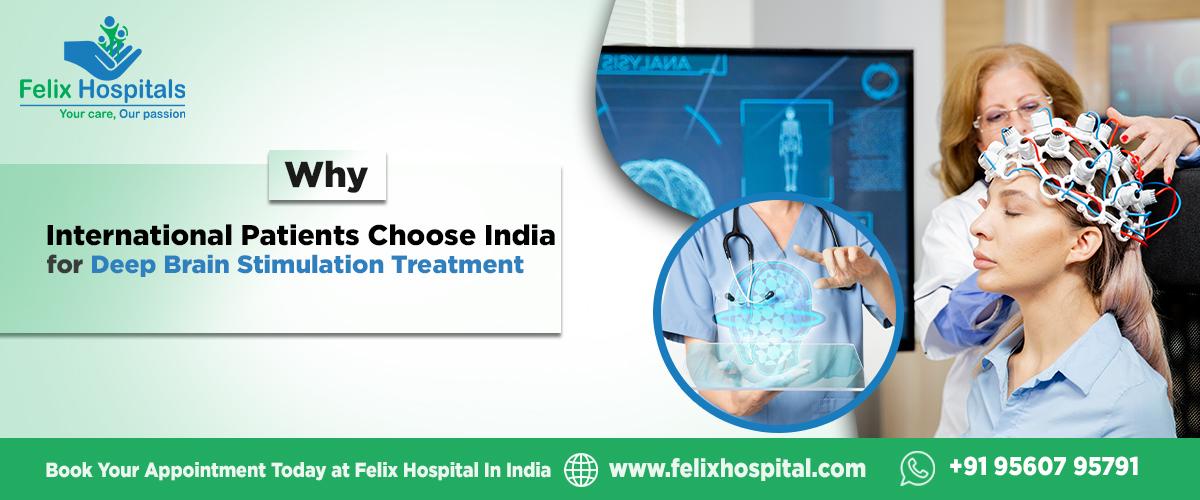
Why International Patients Choose India for Deep Brain Stimulation Treatment

Your Health, Our Priority

Request Call Back

Request an Appointment

CAPTCHA
Solve this simple math problem and enter the result. E.g. for 1+3, enter 4.
* By clicking on the above button you agree to receive updates on WhatsApp

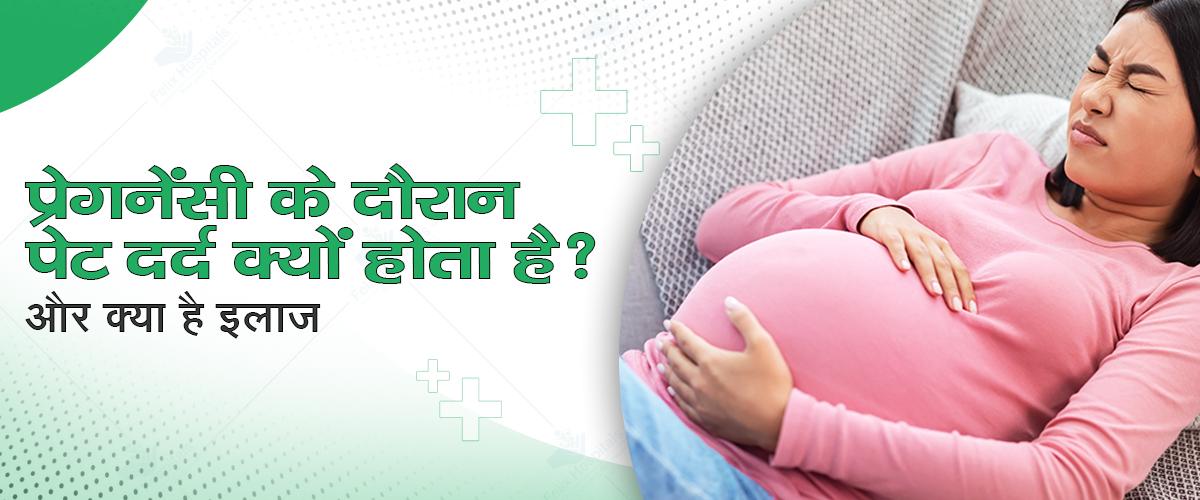
प्रेगनेंसी में पेट दर्द क्यों होता है ? कारण, लक्षण और इलाज

गर्भावस्था महिलाओं के लिए एक बेहद महत्वपूर्ण समय होता है। इस दौरान शरीर में कई शारीरिक, हार्मोनल और संरचनात्मक बदलाव होते हैं। इनमें से एक आम समस्या है पेट दर्द (Abdominal Pain)। कभी यह दर्द सामान्य होता है, तो कभी गंभीर स्थिति का संकेत होता है।  इसलिए गर्भवती महिला को यह समझना जरूरी है कि किस प्रकार का पेट दर्द सामान्य है।  गर्भावस्था पेट दर्द डॉक्टर ग्रेटर नोएडा में उपलब्ध है। इसलिए मालूम होना चाहिए कि कब डॉक्टर से तुरंत संपर्क करना चाहिए।


इस ब्लॉग में हम विस्तार से जानेंगे कि प्रेगनेंसी में पेट दर्द क्यों होता है। इसके मुख्य कारण, लक्षण, कब खतरे का संकेत है और गाइनोकॉलॉजी गाइडलाइन के अनुसार इसका इलाज।


अभी अपॉइंटमेंट शेड्यूल करें – कॉल करें: +91 9667064100.


प्रेगनेंसी में पेट दर्द क्यों होता है ? (Why Does Abdominal Pain Occur in Pregnancy)

गर्भावस्था के दौरान (During Pregnancy) महिला के शरीर में सबसे बड़ा शारीरिक परिवर्तन गर्भाशय (Uterus) का लगातार बढ़ना होता है। जैसे-जैसे गर्भ में शिशु विकसित होता है। गर्भाशय का आकार बढ़ता है। यह बढ़ा हुआ गर्भाशय आसपास की मांसपेशियों, स्नायु और लिगामेंट्स पर खिंचाव और दबाव डालता है। इसी वजह से अक्सर गर्भवती महिलाओं को हल्का या मध्यम पेट दर्द महसूस होता है। यह दर्द कभी सामान्य होता है और शरीर के नेचुरल बदलाव का हिस्सा माना जाता है, लेकिन कई बार यही दर्द गंभीर जटिलताओं का संकेत होता है। अगर लक्षण गंभीर हो तो इसे हल्के में नहीं लेना चाहिए।


प्रेगनेंसी में पेट दर्द के कारण (Causes of Abdominal Pain in Pregnancy)


गर्भाशय का फैलना:

जैसे-जैसे गर्भ में शिशु का विकास होता है। गर्भाशय का आकार बढ़ता है। यह बढ़ा हुआ गर्भाशय आस-पास की मांसपेशियों, स्नायु और लिगामेंट्स पर दबाव डालता है। इस कारण गर्भवती महिला को पेट के निचले हिस्से में हल्का खिंचाव या दबाव जैसा दर्द महसूस होता है। यह दर्द सामान्य होता है। गर्भावस्था की स्वाभाविक प्रक्रिया का हिस्सा है।


लिगामेंट पेनः

यह समस्या आमतौर पर दूसरे ट्राइमेस्टर में अधिक देखने को मिलती है। गर्भाशय को सहारा देने वाले लिगामेंट्स जैसे-जैसे खिंचते हैं। उनमें तनाव और दबाव आता है। अचानक उठने-बैठने, करवट बदलने या चलने पर दाएं या बाएं तरफ तेज चुभन जैसा दर्द महसूस होता है। यह दर्द थोड़ी देर में अपने आप कम होता है। ज्यादा खतरनाक नहीं होता है।


हार्मोनल बदलावः

प्रेगनेंसी के दौरान शरीर में प्रोजेस्टेरोन हार्मोन का स्तर काफी बढ़ता है। यह हार्मोन आंतों की गति को धीमा कर देता है। परिणामस्वरूप गर्भवती महिला को गैस, पेट फूलना (Abdominal distension), अपच और ऐंठन जैसी समस्याएं होती हैं। यह भी पेट दर्द का एक आम कारण है।


कब्ज और गैसः

कब्ज प्रेगनेंसी में सबसे आम शिकायतों में से एक है। मल कठोर होने और बार-बार गैस बनने की वजह से पेट में भारीपन और दर्द होता है। कई बार कब्ज से पेट में तेज ऐंठन या मरोड़ महसूस होता है। पर्याप्त फाइबर और पानी न लेने से यह समस्या और बढ़ती है।


एसिडिटी और अपचः

गर्भाशय का बढ़ा हुआ आकार पेट पर दबाव डालता है। हार्मोनल बदलाव के कारण पेट का पाचन तंत्र भी धीमा होता है। इसके कारण एसिडिटी, जलन, डकार और अपच जैसी समस्याएं होती हैं। कई बार यह भी पेट दर्द का कारण बनता है, खासकर खाने के बाद।


यूरिनरी ट्रैक्ट इंफेक्शनः

गर्भवती महिलाओं में यूटीआई होना काफी आम है। इस दौरान पेट के निचले हिस्से में दर्द, जलन और बार-बार पेशाब आने की इच्छा होती है। पेशाब करते समय जलन या खून आना भी यूटीआई का संकेत होता है। अगर यूटीआई का इलाज (UTI treatment) न किया जाए तो यह किडनी तक फैलता है। गंभीर स्थिति पैदा करता है।


जटिल कारणः

सभी पेट दर्द सामान्य नहीं होते। कुछ दर्द गंभीर गर्भावस्था संबंधी जटिलताओं की ओर भी संकेत करते हैं। जैसे:


एक्टोपिक प्रेगनेंसी:

जब भ्रूण गर्भाशय के बजाय किसी और जगह (जैसे फैलोपियन ट्यूब) में विकसित होता है। इसमें शुरुआती हफ्तों में तेज दर्द और ब्लीडिंग होती है।


प्लेसेंटा एब्रप्शन:

इसमें नाल गर्भाशय की दीवार से समय से पहले अलग होती है। यह स्थिति मां और बच्चे दोनों के लिए जानलेवा होती है। इसमें अचानक तेज दर्द व खून निकलता है।


प्री-टर्म लेबर:

यानी 37 हफ्ते से पहले प्रसव पीड़ा शुरू होना। इसमें बार-बार ऐंठन, कमर और पेट में दर्द महसूस होता है।


मिसकैरेज:

अगर दर्द के साथ ब्लीडिंग हो तो यह गर्भपात का संकेत होता है।


प्रेगनेंसी में पेट दर्द के लक्षण (Symptoms of Abdominal Pain in Pregnancy)


हल्का खिंचाव या दबाव महसूस होनाः

गर्भाशय का आकार बढ़ने के कारण आसपास की मांसपेशियों और लिगामेंट्स पर खिंचाव आता है। इससे पेट के निचले हिस्से में हल्का खिंचाव, दबाव या भारीपन महसूस हो सकता है। यह सामान्य लक्षण है। गर्भावस्था के शुरुआती महीनों में अधिक दिखता है।


गैस, पेट फूलना या कब्ज के साथ दर्दः

हार्मोनल बदलाव और पाचन की धीमी गति के कारण गैस और कब्ज आम है। कब्ज या गैस बनने से पेट में भारीपन, मरोड़ और ऐंठन जैसी समस्या होती है। पर्याप्त फाइबर और पानी न लेने से यह दर्द बढ़ता है।


पेट के एक तरफ चुभन जैसा तेज दर्दः

गर्भाशय को सहारा देने वाले लिगामेंट्स जब खिंचते हैं तो यह दर्द होता है। अचानक करवट बदलने, खांसने, छींकने या तेजी से उठने-बैठने पर तेज चुभन जैसा दर्द महसूस होता है। यह अधिकतर दूसरे ट्राइमेस्टर में होता है और थोड़े समय बाद अपने आप कम हो जाता है।


लगातार और बढ़ता हुआ दर्दः

अगर पेट दर्द लगातार बना रहे और धीरे-धीरे बढ़ता जाए तो यह सामान्य नहीं माना जाता। यह किसी गंभीर समस्या जैसे प्री-टर्म लेबर, प्लेसेंटा की समस्या या संक्रमण का संकेत होता है। ऐसी स्थिति में तुरंत डॉक्टर से जांच कराना जरूरी है।


दर्द के साथ खून आना या पानी जैसा फ्लूइड आनाः

पेट दर्द के साथ अगर योनि से खून आ रहा है तो यह मिसकैरेज या प्लेसेंटा एब्रप्शन का संकेत होता है। वहीं अगर पानी जैसा फ्लूइड निकल रहा है तो यह एम्नियोटिक फ्लूइड के फटने का लक्षण है। यह दोनों स्थितियां गर्भवती और शिशु दोनों के लिए जोखिम भरी होती हैं।


बुखार, उल्टी या चक्कर आना के साथ दर्दः

पेट दर्द के साथ अगर बुखार, तेज उल्टी, मतली, ठंड लगना या चक्कर आना हो तो यह इंफेक्शन या डिहाइड्रेशन का संकेत होता है। कभी-कभी यह लक्षण यूरिनरी ट्रैक्ट इंफेक्शन (यूटीआई) या गैस्ट्रोएंटेराइटिस से भी जुड़े होते हैं।


कब पेट दर्द खतरे का संकेत है? (When Is Abdominal Pain Dangerous in Pregnancy?)


अगर निम्नलिखित लक्षण पेट दर्द के साथ हों, तो तुरंत डॉक्टर से संपर्क करें:


  • योनि से खून आना

  • तेज और लगातार पेट दर्द

  • बच्चे की हलचल अचानक कम हो जाना

  • पानी की थैली का फटना

  • तेज बुखार, ठंड लगना या उल्टी के साथ दर्द


प्रेगनेंसी में पेट दर्द का इलाज (Treatment of Abdominal Pain in Pregnancy – Gynecology Guidelines)


हाई फाइबर डाइट लेंः

फल, सब्जियां, दालें, साबुत अनाज और सलाद खाने से कब्ज की समस्या कम होती है। फाइबर पाचन को बेहतर बनाता है और गैस बनने की संभावना घटाता है। रोजाना के भोजन में ब्राउन राइस, ओट्स, अंकुरित अनाज और हरी पत्तेदार सब्जियां शामिल करें।


पानी ज्यादा पिएंः

गर्भावस्था के दौरान शरीर को हाइड्रेट रखना बहुत जरूरी है। दिनभर में कम से कम 8–10 गिलास पानी पीना चाहिए। पानी के अलावा नारियल पानी, सूप और हर्बल टी भी फायदेमंद होते हैं।


हल्की वॉक करेंः

रोजाना हल्की वॉक करने से पाचन क्रिया सक्रिय रहती है। गैस और कब्ज दोनों से राहत मिलती है। वॉक करने से ब्लड सर्कुलेशन भी बेहतर होता है, जिससे गर्भाशय और शिशु को ऑक्सीजन सही मात्रा में मिलती है।


आरामदायक पोजीशन अपनाएंः

करवट लेकर (विशेषकर बाईं तरफ लेटना) आराम करना बेहतर माना जाता है। इससे पेट और पीठ पर दबाव कम होता है और ब्लड फ्लो सही रहता है। अचानक झुकने, उठने या भारी वजन उठाने से बचें।


गुनगुना पानी पिएंः

गुनगुना पानी पीने से पेट की ऐंठन और दर्द में राहत मिलती है। यह पाचन को बेहतर करता है और गैस की समस्या को भी कम करता है। चाहें तो गुनगुने पानी में नींबू की कुछ बूंदें डालकर ले सकती हैं।


दवाइयां (केवल डॉक्टर की सलाह पर)


एंटासिड:
पेट की जलन और एसिडिटी कम करने में मदद करता है। Gynecologist In Greater Noida उपलब्ध है। इसलिए केवल वही एंटासिड लें जो डॉक्टर ने प्रिस्क्राइब किया हो।


मल सॉफ्टनर:

कब्ज से राहत पाने के लिए सुरक्षित मल सॉफ्टनर दिया जा सकता है। यह मल को नरम बनाकर बाहर निकलने में आसान बनाता है।


दर्द की दवाइयांः

हल्के से मध्यम दर्द में डॉक्टर पैरासिटोमॉल लेने की सलाह देते हैं। बिना डॉक्टर की सलाह के किसी भी पेनकिलर का सेवन नहीं करें।


गंभीर मामलों में मेडिकल इंटरवेंशन


यूटीआई के लिए एंटीबायोटिकः

अगर पेट दर्द के साथ पेशाब में जलन या बार-बार पेशाब की समस्या हो तो यह यूटीआई (यूरिन संक्रमण) होता है। ऐसी स्थिति में डॉक्टर द्वारा दिए गए सुरक्षित एंटीबायोटिक का कोर्स पूरा करना जरूरी है।


प्री-टर्म लेबर में टोकोलिटिक दवाएंः
अगर समय से पहले प्रसव पीड़ा शुरू हो जाए, तो डॉक्टर टोकोलिटिक दवाइयां देकर डिलीवरी को रोकने की कोशिश करते हैं। इसके साथ ही मां और शिशु दोनों की स्थिति की लगातार मॉनिटरिंग की जाती है।


एक्टोपिक प्रेगनेंसी या प्लेसेंटा एब्रप्शनः

अगर दर्द का कारण एक्टोपिक प्रेगनेंसी (गर्भाशय के बाहर गर्भ ठहरना) या प्लेसेंटा एब्रप्शन (नाल का समय से पहले अलग होना) है। तो तुरंत हॉस्पिटलाइजेशन और सर्जरी की आवश्यकता होती है। यह स्थिति मां और शिशु दोनों के लिए जानलेवा हो सकती है।


नोएडा में विशेषज्ञ से अभी संपर्क करें – कॉल करें: +91 9667064100.


निष्कर्ष (Conclusion)

गर्भावस्था में पेट दर्द अधिकतर सामान्य कारणों से होता है। कभी-कभी यह गंभीर जटिलताओं का संकेत भी होता है। सही खानपान, जीवनशैली और डॉक्टर की समय पर सलाह से पेट दर्द (stomach pain) को नियंत्रित कर सकते हैं। किसी भी तरह के लगातार या असामान्य दर्द को नजरअंदाज नहीं करें। तुरंत गाइनोकॉलॉजिस्ट से संपर्क करें। कई बार इलाज में देरी नुकसानदायक साबित होती है। इसलिए लक्षणों दिखने के साथ ही डॉक्टर के पास पहुंचे।

Written and verified by:
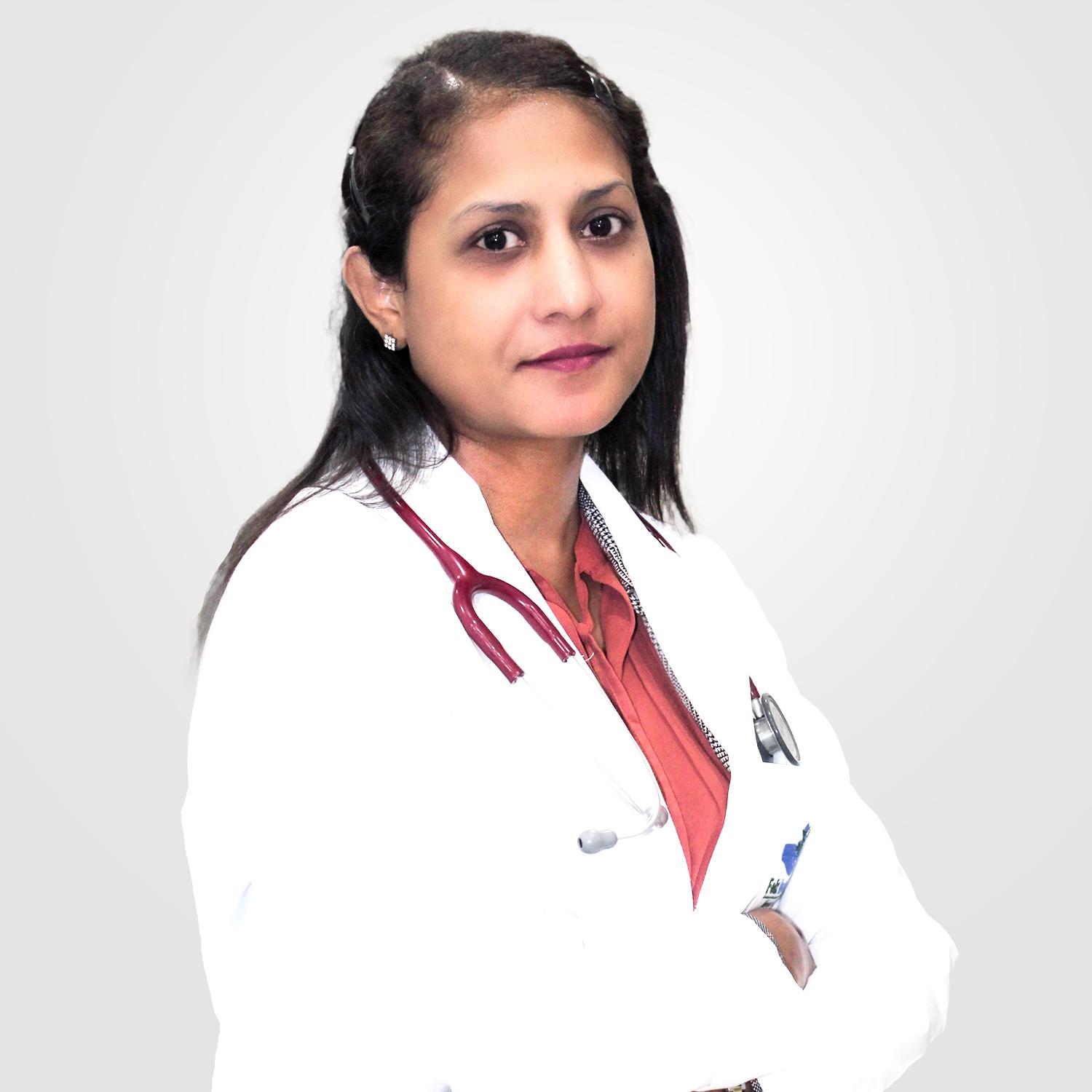
Dr. Sonia Kuruvilla

Dr. Sonia Kuruvilla

MBBS, MS OBG | Exp: 17 Yr
Obstetrics & Gynecology

Dr. Sonia Kuruvilla is an experienced Obstetrician and Gynecologist with 17+ years of expertise in women’s healthcare. She provides compassionate and personalized care for pregnancy, gynecological disorders, and reproductive health. Recognized among the Best Gynecologists in Noida, she is known for delivering safe and high-quality women’s care.

Your Health, Our Priority

Request Call Back

Request an Appointment

CAPTCHA
Solve this simple math problem and enter the result. E.g. for 1+3, enter 4.
* By clicking on the above button you agree to receive updates on WhatsApp

Top Birth Control Options Women Should Know About

In terms of reproductive health, being well-informed is paramount to any woman. Family planning not only enables a woman to control her health but to live life on her own terms. Now that we have various birth control options available to women, selecting that one that works best can sometimes be overwhelming. The appropriate guidance by a reliable gynecologist in Noida can make this experience simpler with increased safety, effectiveness, and long-term satisfaction.


This comprehensive review reveals the best kind of birth control measures, their advantages and shortcomings, and how to choose the best among them based on your style of life, health status, and future aspirations.


Ready to learn about effective, reliable, and safe methods of birth control? Speak to a gynecologist today. Call us today on +91 9667064100.


Why Birth Control is Important?

Birth control isn't just about not getting pregnant—it's about giving women the power of choice. Making the best choice of birth control allows women to:


  • Begin or defer conceptions based on individual objectives.

  • Emphasize career, learning, and financial freedom.

  • Enjoy better relations with less unwarranted stress.


Treat medical conditions including abnormal cycling, endometriosis, or polycystic ovary syndrome (POS).


Types of Methods of Birth Control

There exist various forms of contraception that each works best with various requirements. Let us now discuss the common types of birth control presently implemented:


1. Barrier Methods

The barrier methods actually prevent sperm penetration into the uterus.

Examples:


  • Condoms (male and female): The only way that prevents sexually transmitted infections (STIs).

  • Diaphragms & Cervical Caps: Flexible devices that are worn before having sex, sometimes with sperm-killing gels.

  • Contraceptive Sponge: A spermicide-containing foam device to be inserted before coitus.


Pros:


  • Readily accessible and affordable.

  • No hormonal side effects.

  • Condoms provide dual protection (STI protection and contraception).


Cons:


  • Weak compared to long term contraception techniques.

  • Should be appropriately and consistently used.


2. Hormonal Methods

The advantage is that hormonal contraceptives are the most convenient type of female birth control which offers additional health safety.

These are:


  • Birth Control Pills: Taken daily contain estrogen and progestin to prevent ovulation.

  • Patches and Rings: Release hormones gradually replaced weekly or monthly.

  • Injections ( Depo-Provera): every two and half years to attain effective pregnancy prevention.


Pros:


  • Highly effective with proper use.

  • Regulate menstrual periods and ease cramps during menstruation.

  • Less chance of ovarian and endometrial cancers.


Cons:


  • Require prescriptions and regular follow-up.

  • Possible side effects including mood swings, dizziness, or fluctuations in weight.

  • Omitted doses decrease effectiveness.


3. Long-Term Birth Control Choices

For women seeking years of protection without daily reminders, long-term birth control options are ideal.

Examples:


  • Intrauterine Devices (IUDs): These are very tiny T-shaped devices placed into the womb last between 3 and 10 years depending on the manufacturer.

  • Implants: These are small flexible rods that are inserted under arm skin and can deliver hormones up to almost 5 years.


Pros:


  • Over 99% effective.

  • Durable and maintenance friendly.

  • Reversible once removed.


Cons:


  • Must be inserted by a healthcare professional.

  • May cause unpredictable bleeding initially.


These are the absolutely ideal forms of contraceptive methods among female individuals seeking effective, long-lasting, and hassle-proof protection.


4. Permanent Methods

Permanent contraception is reserved for those female individuals who have made up their minds not to have any offspring.

Examples:


  • Tubal Ligation: A procedure to close or tie off fallopian tubes.

  • Salpingectomy: Removal of fallopian tubes, which also lowers the risk of ovarian cancer.


Pros:


  • Long-lasting and very efficient.

  • No additional contraception is needed.


Cons:


  • Irreversible in most cases.

  • Has need of surgery and of down-time.


5. Natural Techniques

Natural family planning implies learning about your own menstrual cycle and not having any intercourse during fertility days.

Examples:


  • Fertility Awareness Methods (FAMs); Monitoring basal body temperature, cervical mucus and ovulation interval.

  • Withdrawal Method: The partner withdraws before climax.


Pros:


  • No medical treatment or hormones.

  • Free or very low cost.


Cons:


  • least reliable procedure.

  • Needs strict discipline and frequent observations.

  • No STI protection.


How to Select the Best Birth Control Type?

Selecting contraception depends on multiple factors:


  • Lifestyle: Do you prefer to take pills regularly or to have a long-term device?

  • Health Conditions: Clotting or high blood pressure history might restrict the choice of hormones.

  • Future Plans: Are you looking for temporary contraception or permanent protection?

  • Side Effects: Each body responds differently; some women can cope with hormones, and others are not fond of using non-hormonal ones.

  • Being convenient: Implants or IUDs are a better option to morning pills, of which busy women dislike.
     

By consulting some good birth control hospital in Noida, you are sure that the decision is safe and fits your personal situation.


Advantages of Long-Term Contraceptive Devices

More and more modern females opt to choose long-term types of contraceptive devices or implants because of the following:


  • Offer years of worry-free protection.

  • Avoid missed pill chances or wrong condom usage.

  • Provide lighter periods or even suppression of menstruation and enhances life.

  • Long term cost-saving over repeated purchase of contraceptives.


Relevance of Doctor's Advice

Although information in the internet is informative, every woman is unique in her body. A gynecologist in Noida can:


  • Evaluate health/medical history.

  • Recommend the more efficient and suitable way. 

  • Add rules of usage and possible side effects. 

  • Watch progress or make amendments where necessary. 

It may be dangerous to prescribe oneself and rely only on the recommendations of fellow colleagues. Efficacy and reassurance are assured by safe care. 


Get individualized attention and professional treatments by visiting a trusted hospital in Noida and become the master of your fertility with Complete Surety.


Conclusion 

Birth control is not just preventing pregnancy—it’s freedom, planning, and health. There are many types of birth control to choose from, and selecting the right one demands careful reflection and expert guidance. Whether it’s barrier devices, hormonal pills, or long-term options, consulting specialists at the best gynecology hospital in Noida ensures you make a safe and informed decision for your reproductive health.


FAQs about Options for Birth Control 


Q1. What is the single best contraceptive method among women? 

Ans. Long-lasting devices such as implants and IUDs are over 99% effective and therefore among the safest. 


Q2. Are the birth control pills safe to take long-term? 

Ans. Indeed, many women can safely take pills for years with doctor's supervision, but periodic examinations are sometimes needed to track the side effects. 


Q3. Will all forms of birth control have to be prescribed? 

Ans. Condoms and some of the barrier methods can be had over the counter. Hormonal and long-acting devices need a prescription and professional insertion. 


Q4. Do methods of contraceptive control induce future infertility? 

Ans. Most methods are reversible, and normal fertility resumes after discontinuation, except for permanent procedures like tubal ligation. 

Your Health, Our Priority

Request Call Back

Request an Appointment

CAPTCHA
Solve this simple math problem and enter the result. E.g. for 1+3, enter 4.
* By clicking on the above button you agree to receive updates on WhatsApp

Recognising Stroke Signs in Men & Women

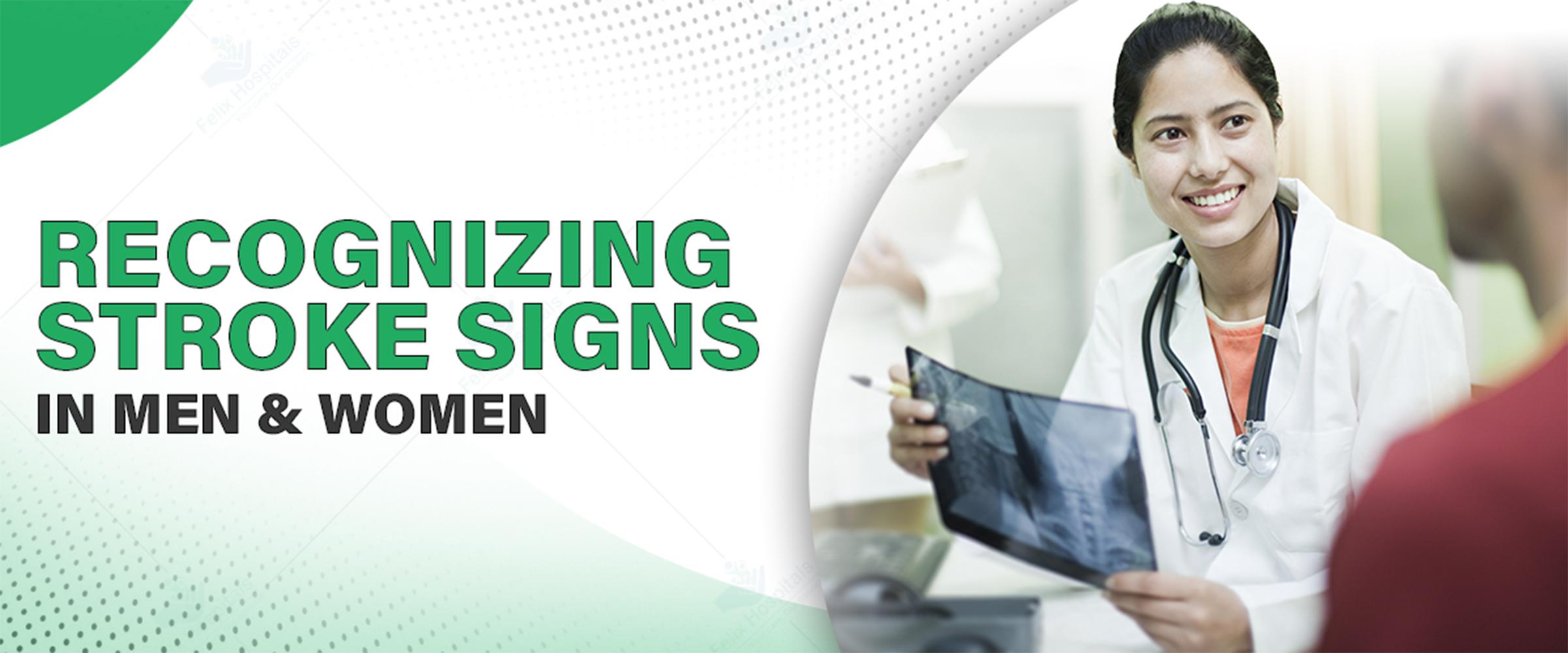
A stroke occurs when the supply of blood to the brain is interrupted by a blockage of a clot (ischemic stroke) or by bleeding (hemorrhagic stroke). Stroke can be diagnosed on the spot as immediate hospital care avoids prolonged disability as well as improves prospects for a speedy recovery. Stroke symptoms do not necessarily manifest in women as they do in men, so increasing awareness becomes doubly imperative.


In a situation when safe, warm, and personalized rest in a familiar place becomes a necessity, Best Hospital for Stroke can provide the best combination of skilled attention and comfort. Identification of the main stroke warning signs forms the initial step towards taking immediate action that will be effective.


Live professional homecare in Noida and receive safe, customized attention on each level of recovery. Call now on +91 9667064100.


Why Stroke Recognition in Early Stages Matters


Each second matters when a stroke happens. Brain cells will die after a few minutes without oxygen, and the later the treatment begins, the more the chance that the brain will suffer irreversible damage. Early recognition of stroke enables you to rush, summon help, and initiate prompt treatment.


Apart from this, after bringing the primary crisis under control, numerous patients need permanent rehabilitation as well as observation. That's where professional neurologist in Noida becomes an irreplaceable element of recuperation after a stroke so that attention doesn't stop when hospital doors close.


Recognizable Stroke Warnings You Should Be Aware Of

The simplest approach towards recognizing stroke is by remembering the word: 


FAST:

F – Face drooping: Sudden weakness or numbness, often noticeable when one side of the face droops while smiling.

A – Weakness in the arm: Incapacity to raise an arm or both arms due to weakness or numbing.

S – Speech impairment: Slurred or indistinct speech, or inability to comprehend others.

T – It is time to do something: Seek help if you experience these symptoms.


Other common symptoms of a stroke are:


  • Sudden confusion or inability to comprehend simple directions.

  • Inability to walk or lack of balance.

  • Vision difficulties in an eye or two eyes.

  • Sudden severe headache without an evident cause.


Men's Stroke versus Women's Stroke Symptoms


Even if the primary symptoms of stroke do not change, some differences do arise as regards men and women showing the condition.

Stroke Quiz for Men:


  • Numbness or weakness on one side of the body.

  • Speech slurring or inability to converse.

  • Abrupt loss of coordination.

  • Drooping of the face.


Stroke Indicators in Females:


  • Women can feel other less common symptoms as follows:

  • Sudden nausea or vomiting.

  • General tiredness or fatigue.

  • Shortness of breath.

  • Sudden agitation or confusion or disorientation.


Since these symptoms can mimic other disease states, women's stroke becomes more challenging to diagnose with a subsequent late presentation for care.


Stroke Risk Factors in Men & Women

Some risk factors apply equally across both sexes:


  • High blood pressure

  • Diabetes

  • High cholesterol

  • Obesity

  • Heavy alcohol use and tobacco smoking

  • Inactivity in physical activity


But women can also place themselves more vulnerable by:


  • Pregnancy complications

  • Combined hormonal contraception, smoking

  • Menopause-related changes

  • Elevated rates of autoimmune disorders prevalence


Knowing these risk factors keeps you more alert in recognizing stroke in an early stage.


Diagnosis and Quick Response

If a stroke is suspected, immediate medical attention must be sought. Diagnostic tests can be:


  • CT or MRI scans to diagnose brain injury.

  • Blood tests to check for clotting or underlying issues.

  • Clinical and neurologic tests for muscle strength and reflexes.

Early medical attention—like clot-dissolving medication for ischemic strokes or surgery in a few cases—will frequently reduce late damage.


Rehabilitation and Recovery in the Home-Based setting.

The recovery of stroke does not end when the care provided at the hospital ends. Most patients remain in the healing process over a period of months or years and rehabilitation is part of the process of gaining self-sufficiency. Noida personalized homecare focuses on providing the following services:


  • Home based physiotherapy to regain strength and coordination

  • The speech therapy of individuals with the communication disorder.

  • Nursing services in drug administration, wound treatment, and vital monitoring.

  • Occupational therapy to get the patients used to everyday activities and become more independent.

  • Care of patient, and caregiver, emotional and mental health.


The integrative approach permits the healing process to occur in a comfortable but secure environment that restricts the tensions by focusing on the central aspects of health.


Preventing Future Strokes

Making sure that there is a stroke to prevent is as important as post-stroke rehabilitation. Your risk can be decreased by behavioral changes and medical treatment:


  • Look after your blood pressure.

  • Examine blood glucose and lipid profiles.

  • Cessation of smoking and alcohol intake.

  • Eat a healthy diet that is full of vegetables, fruits, and whole grains.

  • Exercise frequently, if by gentle means such as walking or yoga.

  • Adherence to medication prescribed.


Patients and their kin can avail professional direction with homecare services in Noida, where skilled attendants can help monitor habits of lifestyle as well as provide for prolonged recovery.


Don't wait for the recovery—find gentle and skilled homecare services now and get hospital-standard care closer to you in the comfort of your own home. Call now +91 9667064100.


Conclusion

Identification of men's and women's stroke warning signs is crucial because minutes make a difference in the preservation of brain function and quality of life. Although more typical warning signs such as drooping face, weakness in the arm, and slurred speech are commonalities, women can often encounter more unusual warning signs that cannot be dismissed.


Once crisis care has been provided, the recovery process begins—and here's where Noida specializes in homecare. By bringing medical knowledge, rehabilitative therapies, and psychological support to the safety and comfort of your own home, stroke victims can recover more safely and securely.


If you or a family member has had a stroke, call now, get help fast, and explore full hospital near me options that make rehabilitation more than just a possibility but a positive empowerment.


FAQs on Stoke


Q1. How can I determine if a person back home has had a stroke?

Ans. Look for abrupt onset symptoms such as drooping face, weakness in the arm, slurred speech. Obtain immediate emergency attention if you notice any such symptom. Remember the FAST approach.


Q2. What do I need to do first if a family member has stroke symptoms?

Ans. Call emergency medical services immediately. Do not wait for symptoms to resolve on their own. Quick action can help preserve brain function and even save your life.


Q3. Is post-stroke recovery a candidate for homecare?

Ans. In fact, under professional monitoring, a homecare can offer speech therapy, physiotherapy, nursing care, as well as psychosocial support—in the patient's own home.


Q4. How long will recovery after a stroke normally require?

Ans. Recovery differs for each patient. Some recover in weeks, some require months or years of rehabilitation. Regular therapy and care help improve outcomes.


Q5. Is a subsequent stroke avoidable in the home milieu?

Ans. Indeed. With adequate observation of cholesterol, diabetes, and blood pressure, as well as healthy lifestyle modifications, a subsequent stroke can be prevented. Homecare-trained caregivers can accompany these precautionary measures.


Q6. How can they facilitate stroke recovery back home?

Ans. Even close family members can do their part by encouraging physical activity, maintaining a stress-free environment, regular scheduling of medicine, and professional homecare in Noida for supervised physical rehabilitation.


Your Health, Our Priority

Request Call Back

Request an Appointment

CAPTCHA
Solve this simple math problem and enter the result. E.g. for 1+3, enter 4.
* By clicking on the above button you agree to receive updates on WhatsApp

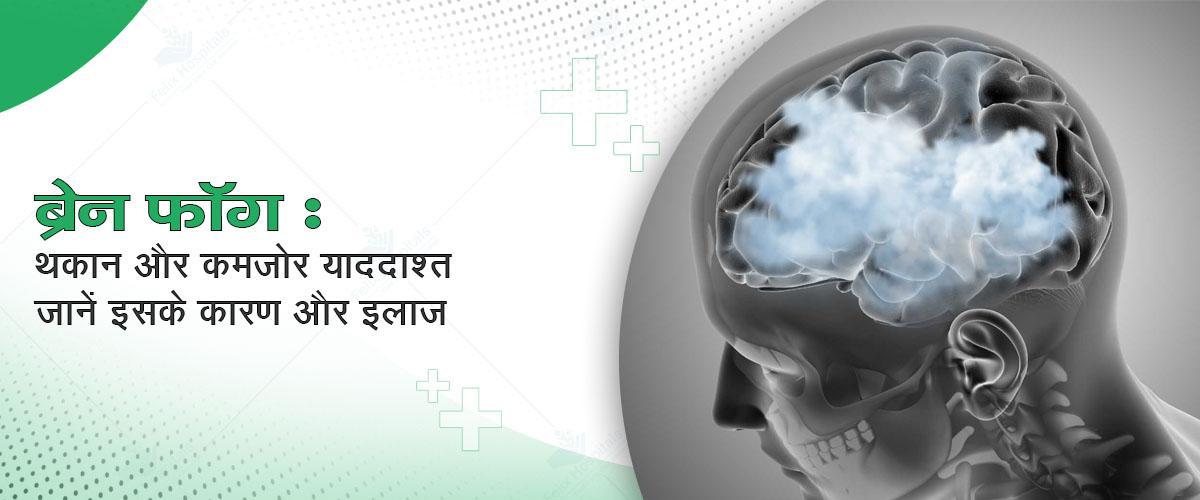
ब्रेन फॉग (Brain fog): थकान और कमजोर याददाश्त – जानें इसके कारण और इलाज

आज की तेज रफ्तार जिंदगी में अक्सर लोग शिकायत करते हैं कि उनका दिमाग सुस्त पड़ गया है। ध्यान नहीं लग रहा या छोटी-छोटी बातें भी याद नहीं रहतीं है। इस स्थिति को ब्रेन फॉग (Brain Fog) कहते हैं। यह मानसिक और शारीरिक थकान, नींद की कमी, तनाव या अन्य न्यूरोलॉजिकल कारणों से जुड़ी एक  स्थिति है। इस ब्लॉग में हम ब्रेन फॉग के कारण, लक्षण, जांच, इलाज और बचाव के उपायों को न्यूरोलॉजी गाइडलाइन के अनुसार विस्तार से समझेंगे। अगर आप लगातार थकान, कमजोर याददाश्त और मानसिक धुंधलापन महसूस कर रहे हैं, तो देर न करें। brain fog treatment in noida में उपलब्ध है।


अभी अपॉइंटमेंट शेड्यूल करें – कॉल करें: +91 9667064100.


ब्रेन फॉग क्या है? (Brain fog kya hota hai in hindi)

ब्रेन फॉग वह स्थिति है। जिसमें व्यक्ति को मानसिक रूप से धुंधलापन, थकान और ध्यान केंद्रित करने में कठिनाई होती है। इसे आमतौर पर मानसिक थकावट (Mental Fatigue) या कॉग्निटिव इम्पेयरमेंट कहते है। यह समस्या नींद की कमी, तनाव, हार्मोनल (Hormonal) असंतुलन या न्यूरोलॉजिकल कारणों से होती है। लंबे समय तक यह स्थिति बनी रहने पर पढ़ाई, नौकरी और रोजमर्रा के कामकाज प्रभावित होते हैं। ब्रेन फॉग कोई मेडिकल बीमारी नहीं है, बल्कि यह मानसिक धुंधलापन या भ्रम जैसा अनुभव है। इसमें दिमाग स्पष्ट रूप से काम नहीं करता, ध्यान केंद्रित करने और चीजों को याद रखने में दिक्कत आती है। इसे लोग अक्सर दिमाग सुस्त होना या सोच में धुंध छाना कहते हैं।


ब्रेन फॉग के कारण (Brain Fog ke karan in hindi)


नींद की कमीः (lack of sleep)

पर्याप्त और गहरी नींद न लेना ब्रेन फॉग का सबसे बड़ा कारण है। नींद के दौरान मस्तिष्क की कोशिकाएं रिपेयर और रिफ्रेश होती हैं। लगातार नींद की कमी से सोचने-समझने की क्षमता कमजोर होती है। देर रात तक जागना, बार-बार मोबाइल इस्तेमाल करना या अनियमित सोने का समय ब्रेन फॉग को और बढ़ाता है।


मानसिक तनाव और थकानः (Mental stress and fatigue)

लंबे समय तक मानसिक दबाव और तनाव रहने से न्यूरल नेटवर्क प्रभावित होता है। लगातार काम का बोझ, पढ़ाई या जिम्मेदारियों का दबाव दिमाग को थका देता है। इससे एकाग्रता और निर्णय लेने की क्षमता कमजोर होती है।
तनाव हार्मोन कॉर्टिसोल का स्तर बढ़ने से दिमाग धुंधला महसूस करता है।


खराब जीवनशैलीः

असंतुलित आहार और फास्ट फूड का अधिक सेवन ब्रेन को जरूरी पोषण नहीं देता है। लंबे समय तक शारीरिक निष्क्रियता मस्तिष्क तक ऑक्सीजन की सप्लाई कम करती है। ज्यादा स्क्रीन टाइम (मोबाइल, लैपटॉप, टीवी) ब्रेन पर अतिरिक्त दबाव डालता है। लगातार बैठे रहना और एक्सरसाइज की कमी दिमाग की एक्टिविटी को धीमा करती है।


पोषण की कमीः (Nutritional deficiencies)


  1. विटामिन बी 12 की कमी: यह नर्वस सिस्टम और मस्तिष्क की कार्यक्षमता के लिए जरूरी है।
     

  2. आयरन की कमी: खून में ऑक्सीजन सप्लाई कम होती है, जिससे दिमाग सुस्त पड़ता है।
     

  3. ओमेगा-3 फैटी एसिड की कमी: यह ब्रेन की कोशिकाओं को मजबूत और एक्टिव रखते हैं।
     

  4. मैग्नीशियम की कमी: यह न्यूरोट्रांसमीटर के संतुलन के लिए जरूरी है, कमी होने पर दिमाग में थकान और सुस्ती महसूस होती है।


हार्मोनल असंतुलन (hormonal imbalance)

थायरॉइड हार्मोन का असंतुलन दिमाग की गति को प्रभावित करता है। ब्लड शुगर लेवल का असामान्य होना (हाइपो या हाइपरग्लाइसेमिया) ब्रेन फंक्शन पर असर डालता है। महिलाओं में मेनोपॉज़ और पुरुषों में टेस्टोस्टेरोन लेवल में गिरावट भी ब्रेन फॉग की स्थिति पैदा करती है।


दवाओं के साइड इफेक्ट्स

नींद की गोलियां दिमाग की नैचुरल एक्टिविटी को धीमा करती हैं। एंटीडिप्रेसेंट्स या एंटी-एंग्जायटी दवाएं लंबे समय तक लेने पर मानसिक स्पष्टता कम करती हैं। दर्द निवारक या एलर्जी की कुछ दवाएं भी थकान और ब्रेन फॉग को ट्रिगर करती हैं।


मेडिकल कंडीशन्स:


  • डायबिटीज (Diabetes): ब्लड शुगर का असंतुलन दिमाग पर असर डालता है।

  • हृदय रोग (Heart disease): खून की सप्लाई कम होने से दिमाग को पर्याप्त ऑक्सीजन नहीं मिलती।

  • पोस्ट-कोविड इफेक्ट्स (Post-Covid Effects): कई मरीजों में कोविड संक्रमण के बाद लंबे समय तक ब्रेन फॉग बना रहता है।

  • न्यूरोलॉजिकल रोग (neurological diseases): जैसे अल्ज़ाइमर, डिमेंशिया या मल्टीपल स्क्लेरोसिस दिमाग की कार्यक्षमता घटा देते हैं।


ब्रेन फॉग के प्रमुख लक्षण (Symptoms of Brain Fog)


ध्यान और एकाग्रता में कमी:
छोटी-छोटी चीज़ों पर भी ध्यान केंद्रित करना मुश्किल होता है। पढ़ाई, ऑफिस वर्क या किसी मीटिंग के दौरान मन भटकता रहता है। बातचीत सुनते हुए भी कई बार बीच की बातें समझ नहीं आतीं।


हाल की बातें या काम भूल जाना:
अभी किया हुआ काम या कही गई बात तुरंत भूल जाना। बार-बार चीजें मिसप्लेस करना (चाबियां, मोबाइल, चश्मा)। अपॉइंटमेंट्स या डेडलाइन याद न रहना है।


मानसिक थकान और सुस्तीः
दिनभर दिमाग भारी और थका-थका महसूस करना, भले ही शारीरिक काम कम किया हो। थोड़ी देर काम करने के बाद ही ऊर्जा खत्म होना है। काम में रुचि न लगना और बार-बार ब्रेक लेने की इच्छा होना है।


निर्णय लेने में कठिनाईः
छोटे-छोटे फैसले लेने में भी उलझन और असमंजस महसूस होना है। सोचने की क्षमता धीमी पड़ जाना है। कई बार निर्णय लेने के बाद भी आत्मविश्वास न होना।


मूड स्विंग और चिड़चिड़ापनः

मामूली बातों पर गुस्सा या झुंझलाहट होना। मूड जल्दी-जल्दी बदलना। तनाव और बेचैनी की वजह से रिश्तों और काम पर असर पड़ना।


नींद न आना या बार-बार जागनाः

रात में सोने में कठिनाई होना। बार-बार नींद टूटना और सुबह थकान के साथ उठना। गहरी और सुकूनभरी नींद न आने से दिमाग और ज्यादा सुस्त होना।


सिर भारी या दबाव महसूस होनाः

सिर में लगातार भारीपन या दबाव महसूस करना। कभी-कभी सिरदर्द (Headache) या माथे पर कसाव जैसा एहसास होना। लंबे समय तक यह लक्षण रहने पर दिमाग स्पष्ट रूप से काम नहीं कर पाता।


ब्रेन फॉग की जांच कैसे होती है? (Diagnosis of Brain Fog)


क्लिनिकल हिस्ट्रीः

डॉक्टर सबसे पहले मरीज से उसकी जीवनशैली, आदतों और लक्षणों की विस्तृत जानकारी लेते हैं। नींद का पैटर्न (कम सोना, बार-बार जागना या नींद की कमी) के बारे में पूछते है। तनाव का स्तर और मानसिक स्वास्थ्य की स्थिति को समझने का प्रयास करते हैं। खान-पान से जुड़ी जानकारी ली जाती है। जैसे पौष्टिक आहार मिल रहा है या नहीं। मरीज कौन-कौन सी दवाएं ले रहा है। जैसे एलर्जी, थायरॉइड (thyroid), ब्लड प्रेशर या डिप्रेशन की दवाएं। इन सबका असर भी चेक किया जाता है।


न्यूरोलॉजिकल टेस्टः
डॉक्टर दिमाग के कॉग्निटिव फंक्शन यानी सोचने, समझने और याद रखने की क्षमता की जांच करते हैं। मेमोरी टेस्ट करवाया जाता है, जिसमें हाल की और पुरानी बातें याद रखने को कहा जाता है। रिएक्शन टाइम (Reaction Time) चेक किया जाता है, यानी दिमाग कितनी जल्दी प्रतिक्रिया करता है। ध्यान और एकाग्रता की क्षमता को भी परखा जाता है।


ब्लड टेस्टः
खून की जांच करके यह पता लगाया जाता है कि कहीं किसी पोषण की कमी तो नहीं है। थायरॉइड फंक्शन टेस्ट किया जाता है क्योंकि असंतुलित थायरॉइड हार्मोन मानसिक सुस्ती का कारण बनते हैं। विटामिन बी 12 की कमी दिमाग और नसों पर गहरा असर डालती है, इसकी जांच की जाती है। ब्लड शुगर लेवल को देखा जाता है। डायबिटीज भी ब्रेन फॉग जैसी स्थिति उत्पन्न कर सकता है। एनीमिया की जांच भी की जाती है क्योंकि ऑक्सीजन की कमी से दिमाग सही तरह से काम नहीं कर पाता।


ब्रेन स्कैनः
अगर लंबे समय तक लक्षण बने रहें और ब्लड टेस्ट या क्लिनिकल हिस्ट्री से कारण स्पष्ट न हो, तो डॉक्टर ब्रेन स्कैन करवाने की सलाह देते हैं। एमआरआई (मैग्नेटिक रेजोनेंस इमेजिंग) या सीटी (कंप्यूटेड टोमोग्राफी) स्कैन से दिमाग की संरचना और कार्यप्रणाली का पता लगाते हैं। इससे देखा जा सकता है कि कहीं कोई न्यूरोलॉजिकल डिसऑर्डर जैसे डिमेंशिया (dementia), स्ट्रोक, ट्यूमर या अन्य मस्तिष्क संबंधी समस्या तो मौजूद नहीं है।


ब्रेन फॉग का इलाज (Treatment of Brain Fog – Neurology Guidelines)


लाइफस्टाइल मैनेजमेंटः
रोजाना 7–8 घंटे की गहरी और आरामदायक नींद लें। जिससे मस्तिष्क की कोशिकाएं पूरी तरह से रिचार्ज हो सकें। देर रात तक मोबाइल, लैपटॉप या टीवी देखने से बचें। स्क्रीन टाइम को सीमित करें। नियमित व्यायाम, योग और सुबह की सैर करें। इससे दिमाग में ब्लड सर्कुलेशन और ऑक्सीजन सप्लाई बेहतर होती है। काम के दौरान छोटे-छोटे ब्रेक लें ताकि मानसिक थकान कम हो। Best Neurologists in Noida में उपलब्ध है। पर्याप्त मात्रा में पानी पिएं, क्योंकि डिहाइड्रेशन भी ब्रेन फॉग का कारण बनता है।


आहार सुधारः
ओमेगा-3 फैटी एसिड से भरपूर आहार (जैसे अखरोट, अलसी के बीज, मछली) लें, जो दिमाग के लिए फायदेमंद है। विटामिन बी 12 और आयरन युक्त भोजन (जैसे दूध, अंडे, हरी पत्तेदार सब्जियां, दालें) शामिल करें। ताजी हरी सब्जियां और मौसमी फल खाएं, जिनमें एंटीऑक्सीडेंट और फाइबर होते हैं। जंक फूड, प्रोसेस्ड फूड, ज्यादा शुगर और कैफीन से बचें। क्योंकि यह दिमाग को थकाता है। संतुलित आहार लें और भोजन के समय में नियमितता बनाए रखें।


दवाएं (अगर आवश्यक हों):
अगर थायरॉइड, शुगर या विटामिन की कमी पाई जाती है, तो डॉक्टर की सलाह से दवाएं या सप्लीमेंट्स लें। एंग्जायटी या डिप्रेशन के मामलों में चिकित्सक द्वारा निर्धारित दवाओं और थेरेपी का पालन करें। बिना डॉक्टर की सलाह के कोई दवा न लें, क्योंकि गलत दवाएं समस्या को और बढ़ा सकती हैं।


मानसिक स्वास्थ्य देखभाल:
मेडिटेशन, प्राणायाम और गहरी सांस लेने की तकनीकें अपनाएं। इससे दिमाग शांत और रिलैक्स रहता है। तनाव कम करने के लिए माइंडफुलनेस और पॉजिटिव थिंकिंग का अभ्यास करें। जरूरत पड़ने पर काउंसलिंग या मनोवैज्ञानिक की मदद लेना चाहिए। सोने से पहले रिलैक्सेशन एक्सरसाइज करें ताकि नींद की गुणवत्ता बेहतर हो।


ब्रेन फॉग से बचाव के उपाय (Prevention Tips)


समय पर और पूरी नींद लेंः
प्रतिदिन 7–8 घंटे की नींद लेने का प्रयास करें। सोने और जागने का नियमित समय निर्धारित करें, ताकि शरीर की जैविक घड़ी संतुलित रहे। नींद की गुणवत्ता सुधारने के लिए सोने से पहले स्क्रीन टाइम कम करें और शांत वातावरण बनाएं।


रोजाना हल्का-फुल्का व्यायाम करेंः
सुबह या शाम 20–30 मिनट की सैर, योग या स्ट्रेचिंग करें। व्यायाम से मांसपेशियों की मजबूती, हृदय स्वास्थ्य (cardiovascular health) और मानसिक ताजगी बढ़ती है। लंबे समय तक बैठने से बचें; हर 1–2 घंटे में थोड़ा चलें।


हाइड्रेटेड रहेंः

दिनभर में 2–3 लीटर पानी पीने का लक्ष्य रखें। पानी के अलावा नारियल पानी, जूस या हर्बल टी से भी तरल पदार्थ मिलते हैं। निर्जलीकरण से सिरदर्द, थकान और ध्यान में कमी होती है।


मानसिक व्यायाम करेंः
रोजाना किताबें पढ़ें, पजल हल करें, शतरंज खेलें या नई भाषाए सीखें। यह मस्तिष्क को सक्रिय और याददाश्त को तेज रखने में मदद करता है। सोशल मीडिया या टीवी की बजाय मस्तिष्क को चुनौती देने वाली गतिविधियां चुनें।


संतुलित और पोषणयुक्त भोजन लेंः
हर भोजन में प्रोटीन, फाइबर, विटामिन और मिनरल शामिल करें। ताजे फल, हरी सब्जियाँ, साबुत अनाज और हल्का तेल उपयोग करें। जंक फूड, ज्यादा चीनी और तेल वाले व्यंजन सीमित करें।


तनाव को मैनेज करें और सकारात्मक सोच बनाए रखेंः
ध्यान, प्राणायाम और गहरी सांस लेने के व्यायाम अपनाएं। अपने दिन की योजना बनाएं और छोटे-छोटे लक्ष्य तय करें। सकारात्मक सोच और आभार की आदत से मानसिक स्वास्थ्य मजबूत होता है।


अभी अपॉइंटमेंट शेड्यूल करें – कॉल करें: +91 9667064100.


निष्कर्ष (Conclusion)

ब्रेन फॉग या मानसिक धुंध को हल्के में लेना बिल्कुल सही नहीं है। यह केवल थकान या नींद की कमी का संकेत नहीं होता, बल्कि यह आपके मानसिक और शारीरिक स्वास्थ्य का एक महत्वपूर्ण संकेत भी होता है। जब मस्तिष्क लगातार थका हुआ या अत्यधिक तनाव में होता है, तो इसकी कार्यक्षमता कम हो जाती है और ध्यान, स्मृति, निर्णय क्षमता तथा सोचने की क्षमता प्रभावित होती है। ब्रेन फॉग महसूस होने पर सबसे पहले शरीर और मस्तिष्क को पर्याप्त आराम देने की जरूरत होती है। अच्छी नींद, नियमित हल्का-फुल्का व्यायाम, संतुलित आहार और हाइड्रेटेड रहना फायदेमंद होता है। यदि लक्षण लंबे समय तक बने रहें, तो नोएडा में सर्वश्रेष्ठ न्यूरोलॉजी अस्पताल (Best Neurology Hospitals in Noida) में विशेषज्ञ डॉक्टर से सलाह लेना आवश्यक है।


अक्सर पूछे जाने वाले प्रश्न (FAQs)


प्रश्न 1: क्या ब्रेन फॉग कोई बीमारी है?
उत्तर: नहीं, यह एक लक्षण है जो नींद की कमी, तनाव या पोषण की कमी के कारण होता है। इसलिए लक्षण दिखने पर इलाज जरूरी है।


प्रश्न 2: क्या ब्रेन फॉग स्थायी होता है?
उत्तर: नहीं, सही जीवनशैली, नींद और इलाज से यह पूरी तरह नियंत्रित किया जाता है। मगर बीमारी का समय पर इलाज जरूरी है।


प्रश्न 3: क्या कोविड-19 के बाद ब्रेन फॉग होना सामान्य है?
उत्तर: हां, कई लोग पोस्ट-कोविड ब्रेन फॉग का अनुभव करते हैं। यह कुछ हफ्तों में ठीक हो जाता है। मगर ज्यादा लंबे समय तक बीमारी रहने से डॉक्टर से संपर्क करें।


प्रश्न 4: ब्रेन फॉग से जल्दी राहत पाने के लिए क्या करें?
उत्तर: पर्याप्त नींद लें, पौष्टिक आहार लें, पानी पिएं और तनाव कम करें। सबसे जरूरी है कि जीवनशैली में बदलाव जरूरी है।


प्रश्न 5: कब डॉक्टर से संपर्क करना चाहिए?
उत्तर: यदि लंबे समय तक थकान, कमजोर याददाश्त और मानसिक धुंधलापन बना रहे, तो न्यूरोलॉजिस्ट से संपर्क करना चाहिए।

Your Health, Our Priority

Request Call Back

Request an Appointment

CAPTCHA
Solve this simple math problem and enter the result. E.g. for 1+3, enter 4.
* By clicking on the above button you agree to receive updates on WhatsApp

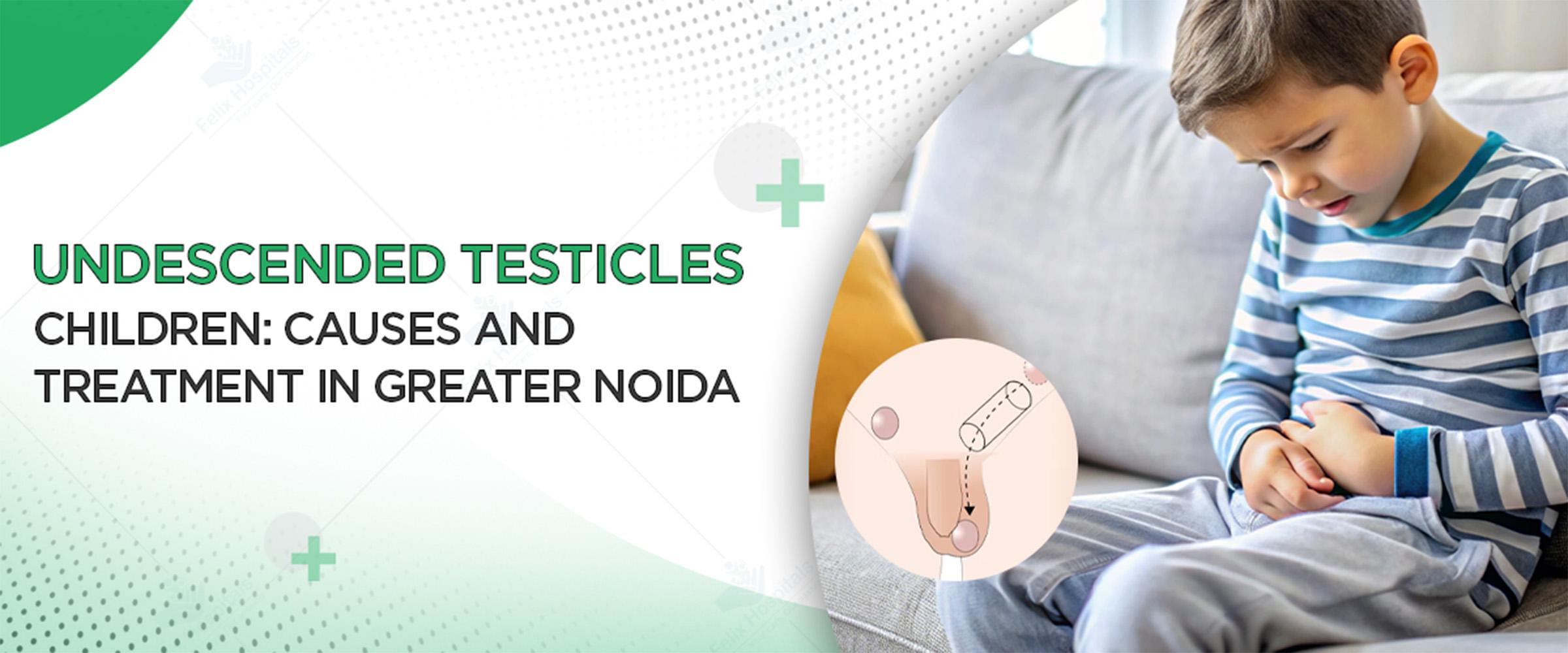
Undescended Testicles in Children: Causes and Treatment In Greater Noida

Cryptorchidism (undescended testicle) is a disorder affecting boys and it requires early management in order to achieve normal growth. Early detection and treatment is the key to long-term health. In case of concern about the reproductive well-being of the child, you would want to have the undescended testicles treatment in Greater Noida then a child urology specialist Greater Noida would then be required accordingly.


Get optimal outcome of cryptorchidism- with a leading child urology expert at +91 9667064100.


Learning about Undescended Testicles

A testicle is considered undescended when it fails to move into the scrotum— the sac of skin just below the penis—before birth. Testicles are normally developed in the abdomen, and once the fetus is almost developed, the testicles lie down in the scrotum. By birth or within several months, they should have reached their final position. Cryptorchidism occurs more among preterm infants, although full-term infants may develop it. In most cases, there is only one testicle that is not descended in some rare cases both may be undescended.
 

Incidents and Risk Factors

The causes undescended testicles in babies have not been pointed out, yet there are multiple factors associated with them:


  • Developmental problems or hormone imbalances during pregnancy

  • Premature birth which may interfere with normal growth.

  • Family history of genital development issues.

  • Some genetic syndromes e.g. Down syndrome.

  • Environmental toxins—parents were smoking / alcohol / pesticides in pregnancy.

As a result of these factors, they may disrupt the signaling process that travels testicle between the abdomen and the scrotum.


Identification of Symptoms in Children

Diagnosis of undescended testicles starts at birth in the form of newborn examination. Look for signs such as:


  • Missing or non-palpable testicles in the scrotum.

  • A lump in the groin, a testicle trapped in the inguinal canal.

  • Smaller/less developed testicle.

  • Infrequently, discomfort, pains or heaviness of older children.

In the case that you observe any of these symptoms, please talk to a child urology specialist or a pediatrician at Greater Noida so that the symptoms can be examined.


When to Seek Treatment

The majority of doctors wait until the baby is in the age of six months since some of the testicles naturally drop. When to treat cryptorchidism in children depends on age and overall health. If the testicle hasn’t reached the scrotum by 6 to 12 months, active treatment is recommended to avoid long-term complications. In these circumstances, an appointment with the specialist should be followed up.


Diagnosis: How It’s Done


  • Physical Examination - The physician examines the scrotum and palpates the groin in case one of the testicles is not palpable.

  • Ultrasound- High-frequency imaging demonstrates the location and size of the testicle.

  • Hormone Tests- Blood tests in relation to hormones that affect descent.

  • Laparoscopy, in case of failure of imaging, the direct visualization is performed by means of a thin tube with a camera.

Timely and correct diagnosis prevents future issues, including infertility or cancer of the testicles.


Dangers and Potential Complications

Cryptorchidism when untreated may result in:


  • Infertility -The higher temperature inside the abdomen impairs testicular development and sperm formation.

  • Testicular cancer -The risk increases particularly especially if left uncorrected after puberty.

  • Testicular torsion Twisting of the spermatic cord blocks blood flow; a medical emergency.

  • Trauma or hernia- Undescended testicles along the groin are prone to damage and can lead to inguinal hernia.

These risks are minimized by early intervention by a child urologist in Greater Noida.


Treatment Options in Greater Noida

When the testicle has not shown signs of descent after 6-12 months, then there is most likely a need to perform surgery.


  • Orchiopexy - The surgical procedure involves the testicle being pulled into the scrotum and attached. The best age for undescended testicle surgery is between 6 and 18 months; it maintains fertility and reduces the risk of cancer.

  • Two-stage operation - This operation is practiced when the testicles are higher in the abdomen.

  • Hormonal therapy (HCG injections) - Sometimes attempted, but surgery is generally better.

Consult a child urology specialist at Greater Noida and discuss all options, so as to choose the most appropriate course regarding your child.


Orchiopexy: Safety and Outcomes

One of the questions that parents usually tend to ask is whether orchiopexy is a safe surgery in children. The answer is yes. Orchiopexy is extremely safe when it is carried out by pediatric urologists and is typically a day-care procedure. It is excessively uncommon and can be dealt with by complicated issues in the form of infection, bleeding, or anesthesia reaction.


The long term outcomes of early orchiopexy are:


  • Better fruitfulness possibilities though not maturity equal to normal descent.

  • A notable decrease in testicular cancer.

  • Postsurgical normal testicular size and functionality.


Recovery and Aftercare

Orchiopexy in children takes a very short time to heal with children resuming normal activities in one or two weeks. Physicians can prescribe the absence of heavy loads and painkillers in case of necessity. The testicle is maintained within the powers of the follow-up visits, which make certain that they develop well.


Prevention and Parental Guidance

There is no known preventative tool, but prenatal and perinatal assistance to maternal health, such as avoiding aversions and maintaining frequent professional check-ups, can help decrease the risk.


The most optimal approaches towards positive outcomes include parental awareness, early detection and referral to a child urologist in Greater Noida.


Call to make an appointment with the child on an undescended testicle at +91 9667064100.


Conclusion

Timely and quality treatment is crucial for children with cryptorchidism. Undescended testicles in Greater Noida can be effectively treated with the help of specialists at the top pediatric hospital in Greater Noida, ensuring accurate diagnosis and safe surgical intervention with long-term reproductive effectiveness. The pediatric urology department supports families through every stage — from diagnosis to surgery and post-care — providing each child the best chance for normal development. Early intervention helps prevent complications and gives parents peace of mind regarding their child’s overall wellbeing.


FAQs


Q1: Is it possible to have an undescended testicle falling down by itself?
Ans: Yes, the majority of testes are descended before the age of six months; otherwise, it should be medically checked.


Q2: Are both testicles involved in cryptorchidism?
Ans: Only one testicle is normally affected in most cases although in 10 percent of the cases both are affected.


Q3: Does a non-infected undescended testicle lead to infertility?
Ans: Yes, the chances of infertility are elevated in case the testicle is not cured in early childhood.


Q:4 Indications of when undescended testicles require operation?
Ans: Surgery is usually recommended in cases where testicle has failed to descend after 6- 12 months of age.

Subscribe to