 WhatsApp
 Emergency:
  WhatsApp














Subscribe to our
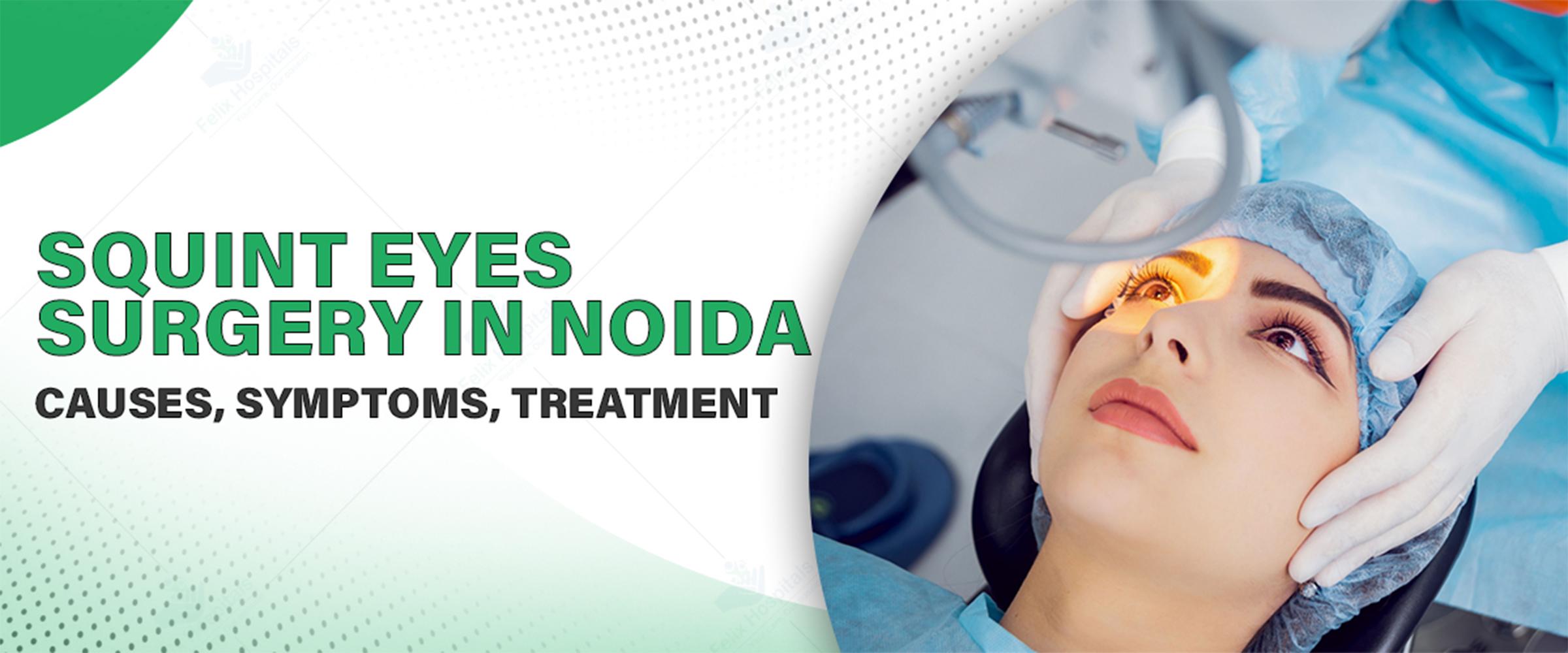
Squinting, or strabismus, can make it harder to see clearly, which is important for a good quality of life at any age. It can also affect your confidence and even your long-term eye health. Finding expert care is important for families and people who are dealing with this issue. Choosing the right center for squint eye surgery in Noida and seeing a well-known squint specialist in Noida will not only improve your health, but it will also give you peace of mind throughout the process. Squint happens when the eyes are not lined up correctly. If not treated, this can lead to vision problems, lazy eye, or even social problems. Fortunately, new developments in eye care and specialized surgery make it possible to fix squint with great accuracy and very high success rates in Noida.
book an appointment with Best Eye Doctor In Noida. Call now at +91-9667064100.
Squint, also known as strabismus, is a condition in which both the eyes are unable to focus in the same direction at the same time. In such instances, while one eye may be able to focus on an object being observed, the second eye may turn inwards, outwards, upwards, or downwards at the same time.
This misalignment may be permanent or may appear on occasion. Squint is most typically seen in children; however, it can also manifest in adults. Most strabismus are the results of an abnormality of the neuromuscular control of eye movement. However, if left untreated it can lead to amblyopia, wherein the brain starts ignoring signals from the afflicted eye. Adult squints are often caused by secondary factors such as trauma, brain lesions, looking at a computer screen for long periods of time, etc., and their treatment differs from that of children.
Here is a quick checklist of how squints are classified:
Esotropia: in this case, one eye deviates inwards, towards the nose.
Exotropia: in this condition, the eye tends to deviate outwards.
Hypertropia: this condition leads to the eye deviating upwards.
Hypotropia: in this case the eye deviates downwards.
Constant squint – The squint is always present
Intermittent squint – The squint occurs occasionally
Manifest squint – The squint occurs when the eyes are open.
Latent squint – The squint occurs when the eyes are closed.
Concomitant squint – The angle of the squint remains same when seen from any direction.
Non-comitant squint – The angle of the squint varies according to the direction in which the eyes are turned.
Most squints appear during the first three years of life. However, some of them may also appear in older children and adults. The squints in older children and adults are usually caused by secondary reasons such trauma, injury, brain lesions, tumors, and more.
Here is an easy guide of symptoms of squints eye that can help you identify whether you or somebody you know is suffering from squint eye:
Eyes move independently of each other.
Crossed eyes
Double vision
Peripheral vision impairment or loss of vision in one eye
Depth perception issues
All cases where there are Signs of eye strabismus need a visit to the doctor, since they might signal a deeper underlying problem, such as a tumor in rare cases. However, if the squint progresses to amblyopia or lazy eye, it is essential to visit a doctor immediately.
Problems in the eye muscles or nerve damage are the most common causes of squint eye. When the muscles around the eye are weaker than other muscles, they are unable to coordinate and work together efficiently. As a result, when one eye is looking at an object, the other eye seems to be looking elsewhere.
In this scenario, the brain receives two different signals from each eye. The brain ignores the message from the weak eye. A squint eye is present at birth but may develop later due to eye injuries and general health conditions.
The major risk factors for squint eye include:
People who have experienced stroke or are affected with Down syndrome or cerebral palsy are more prone to developing a squint eye
People with hyperopia or far-sightedness are at a higher risk of developing a squint because of the extra strain they tend to put on their eyes to see clearly
People who have a family history of squint eye are more susceptible to getting afflicted
Poor vision in one eye
Hydrocephalus (a congenital disease that results in a buildup of fluid in the brain)
Head injuries, which can damage the area of the brain responsible for control of eye movement, the nerves that control eye movement, and the eye muscles
Neurological (nervous system) problems
Graves’ disease (overproduction of thyroid hormone)
Squint eye does not get cured on its own with the passage of time and requires medical intervention.
The prescription of glasses is the initial stage in squint correction. The doctor evaluates the squint after the spectacles have been worn. Based on age, the doctor may recommend patching the healthy eye if the patient has an amblyopia lazy eye. In the case of children, this strategy may result in the improvement of vision in the weaker eye by forcing the brain to receive signals only from the weaker eye. This treatment has been found to be successful for children under the age of 8.
Surgery in one eye may be required in other cases, and in case of major abnormalities, surgery may be required on both eyes. Most squint procedures produce a perfect cosmetic result.
Although amblyopia treatment outcomes in adults are not as promising as in children, most patients gain considerably from prescription glasses. If the squint does not get cured even after a long period of time despite treatment, the doctor may suggest a surgery to correct the resultant double vision(diplopia) and deviation.
Squint treatments are done based on four strategies:
Glasses and myopia therapy for restoration and correction of vision
Correction of deviation for cosmetic purposes
Correction of deviation for preservation and restoration of binocular vision
Prevention of diplopia
Concerned about vision or appearance due to squint? Schedule a detailed evaluation at +91 9667064100 for expert advice.
Not only does effective squint treatment improve vision, it also boosts confidence and makes people feel more at ease in social situations. The first step toward getting your eyes in the best position and keeping them healthy is to find a qualified Squint specialist in Noida and get Squint eyes surgery hospital there. Patients of all ages in Noida can look forward to a better appearance, sharper vision, and a brighter, more focused future thanks to modern diagnostic tools and advanced surgical skills. Don't wait to get help—just call and get long-term solutions from experts.
Q.1. How soon should I consult a squint specialist in Noida for my child?
Ans. If you notice persistent eye misalignment or crossed eyes anytime, early consultation is recommended to prevent vision problems.
Q.2. Can squint eyes lead to vision loss if untreated?
Ans. Yes, untreated squint can cause amblyopia (lazy eye), leading to permanent vision loss in the affected eye.
Q.3. Is squint surgery painful and how long is the recovery?
Ans. Squint surgery is generally painless under anesthesia, with recovery usually taking a few weeks depending on individual cases.
Q.4.Can adults with squint still benefit from correction?
Ans. Yes, adults can improve eye alignment and reduce double vision, although vision improvement varies by individual.
Eye flu, also known as conjunctivitis, is a common eye infection causing redness, irritation, and watering. Learn its causes, symptoms, and effective treatments.
The right ophthalmologist is a crucial step in your eye surgery journey
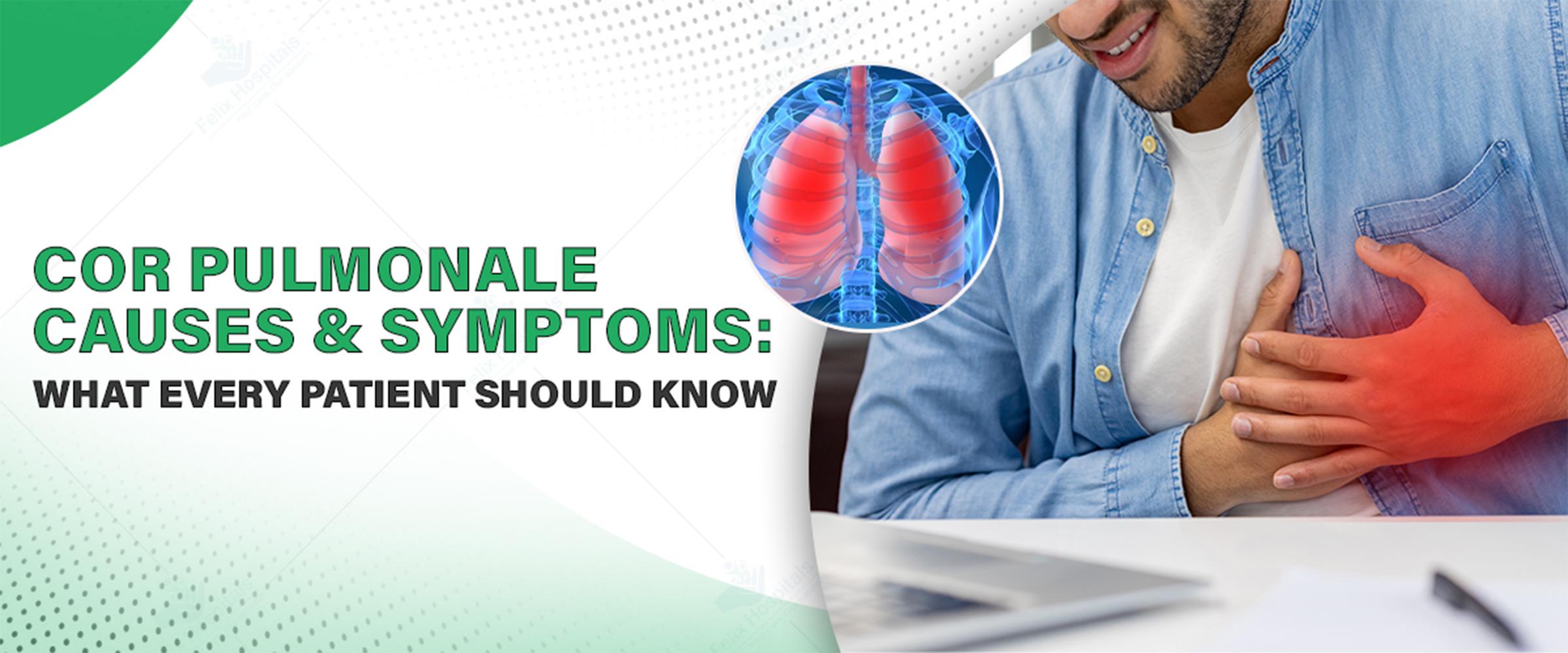
Cor Pulmonale is a serious disease of the heart that occurs when the heart has to work harder than usual as a result of higher-than-normal pressure in the lungs. With time, the heart gets damaged and the flow of the blood restricted, and a person may become tired, out of breath, and has swelling in the abdomen or lower extremities.
Even though normally it is ascribed to chronic lung conditions such as COPD (Chronic Obstructive Pulmonary Disease), asthma, or pulmonary hypertension, Cor Pulmonale may also arise as a sequel to prolonged oxygen deprivation. Knowing its symptoms, causes, and treatment can prevent patients from gaining timely treatment and succumbing to potentially life-terminating complications.
If you or your loved one has been diagnosed with heart problems related to lungs, seeking advice from experts who provide cor pulmonale treatment in Noida can help significantly in gaining long-term relief and a healthy life.
To consult expert pulmonology and cardiology consultants in Noida for complete Cor Pulmonale treatment and care, call +91 9667064100.
The Latin phrase Cor Pulmonale, or "heart of the lungs," indicates right-sided heart failure that develops as a complication of lung disease or disease which raises pulmonary arterial pressure.
Generally, the right ventricle of the heart pumps the blood to the lungs to get oxygenated. If lungs become stiff or if the pulmonary vessels become tight, the heart must exert a higher force to pump. This accelerates thickening and enlargement of the right ventricle — a typical presentation of Cor Pulmonale.
If left unchecked, it advances to chronic right heart failure, which may not only affect the lungs and heart but other organs too, including the liver and the kidneys.
Cor Pulmonale does not occur overnight. It usually sets in as a complication of chronic lung or respiratory disease that involves oxygen exchange. Listed below are some key causes:
Most frequent cause of Cor Pulmonale, COPD decreases oxygen levels and leads to airway obstruction, which makes the right heart to work harder.
Elevated arterial pressure in the lungs creates resistance to the flow that acts to stimulate the right ventricle.
Illnesses that increase the stiffness of lung tissue, as in sarcoidosis or pulmonary fibrosis, cause it to become hard for the blood to flow normally.
Sleep apnea refers to recurrent breathing pauses that lead to episodic oxygen deprivation, which over time destroys the heart and lungs.
Bleeding that clots and embolizes a large pulmonary artery can significantly increase the pressure in the right side of the heart.
Even extended residence in high altitudes, in which the oxygen content is less, may cause chronic pulmonary hypertension and thus Cor Pulmonale.
Structural issues like extreme kyphosis or scoliosis may compact the lungs and make breathing difficult, which places a strain on the heart.
All are susceptible who have a chronic respiratory disease, but susceptibility rises if:
Tobacco use or passive smoke exposure individuals
Individuals that have Untreated sleep apnea
Individuals who reside in regions of heavy air pollution
Chronically bronchitic or asthmatic patients
Those working in dusty or chemical-heavy environments
Participants with congenital heart disease or pulmonary disease
If you fall into these groups of risk, regular visits to cor pulmonale doctors in Noida may provide a heads-up earlier when the disease may become serious.
There are usually slow-onset symptoms of Cor Pulmonale which are confused as ordinary tiredness or breathing issues. It is, therefore, important to identify them early.
Common symptoms are:
Extended shortness of breath, despite sitting motionless
Weakness or lassitude following minimal activity
Swelling in the legs, ankles, or abdomen
Chest tightness or pain
Bluish-tinged lips or fingers
Abnormal heartbeats
Fainting or lightheadedness
In more serious cases, other signs are rapid weight gain due to water retention and decreased urine production.
Diagnosis requires clinical assessment, imaging, and functional testing. Doctors normally carry out the following:
The physician can check for fluid accumulation, swelling, and heart sound variation.
They are effective to measure oxygen and carbon dioxide, and to exclude other cardiovascular diseases.
The device detects abnormal heart rhythms and signs of right ventricular strain.
Based on sound waves, assesses heart structure, and function, confirming right ventricular enlargement or thickening.
Indicates disease of lungs or enlargement of heart.
Test how well the lungs inhale and exhale air, which can indicate problems in the lungs.
A special test to gauge the pulmonary arteries' internal pressure — the most conclusive method to diagnose Cor Pulmonale and pulmonary hypertension.
Although Cor Pulmonale can never be reversed, it may be controlled and retarded in its progress if it has been correctly diagnosed and treated.
The first step, therefore, is to treat the root — if COPD, sleep apnea, or pulmonary hypertension.
Supplementary oxygen decreases pulmonary artery pressure and decreases the workload for the heart.
Doctors can prescribe:
Diuretics to treat fluid accumulation
Vasodilator to Reduce Pulmonary Pressure
Anticoagulants to avoid clotting of Blood
Bronchodilators to improve airflow
Patients are recommended to:
Quit smoking
Avoid air pollutants and high altitudes
Follow a balanced, low-sodium diet
Have some light exercise as advised by a doctor
In extremely rare, late-stage situations when other treatment fails, surgery or transplant of the lungs may be a possibility.
For highly specialized assessment and follow-up care, patients may consult specialist advice from the Pulmonary Heart Disease Hospital in Noida that has sophisticated diagnostic and rehabilitative facilities.
Prevention requires the retention of healthy lungs and avoidance of disease conditions which induce pulmonary hypertension:
Treat asthmatic, COPD, or other respiratory disease with regular follow-up visits
Beware of prolonged exposure to fumes, dust, and allergens
Treat sleep apnea now
Get a vaccine against lung diseases such as pneumonia and flu
Exercise deep breathing or yoga to build lung strength
The earlier you diagnose lung diseases, the higher the chances of avoiding heart issues in the future.
Cor Pulmonale treatment consists of patient care and medical care. Following are a few of the things that can be of assistance:
Take daily weigh to measure fluid accumulation
Manage a low-sodium consumption to prevent bloating
Administer oxygen therapy as prescribed
Be energetic but don't overwork yourself
Follow up every day or two to have heart and lung function checked.
If you are experiencing recurring shortness of breath, lethargy, or lower extremity swelling, it is time to have yourself checked out by professionals.
Cor Pulmonale is a serious yet controllable disease when diagnosed in time and treated properly. Here lies the key: knowing the cause, the symptoms, and treating possible pulmonary issues. Patients can live comfortable and productive lives despite the diagnosis with prompt medical attention, modification of lifestyles, and constant adherence to treatment.
In case you feel short of breath, or swelling on the legs, or chest pain; do not ignore these, especially when it comes to you or your acquaintances. Treatment started earlier can prevent further lung and heart damage and make a real difference in the long term.
Q.1. Can cor pulmonale be cured completely?
Ans. Although Cor Pulmonale is generally a chronic condition, treatment of the root cause can manage symptoms and avoid progression. Early diagnosis provides the best results.
Q.2. What are the first signs of Cor Pulmonale?
Ans. Early symptoms are the ongoing breathlessness, lethargy, and swelling of ankles, and these may slowly increase throughout life.
Q.3. Do you treat Cor Pulmonale with lifestyle changes?
Ans. Yes. Stopping smoking, a healthy balanced diet, a healthy weight, and daily exercise under the guidance of a doctor can reduce demands on the heart.
Q. 4. When to Screen for Cor Pulmonale?
Ans. All individuals with chronic lung disease, COPD, sleep apnea, or pulmonary hypertension have to undergo regular cardiac evaluation.

A pulmonologist plays a crucial role in helping patients dealing with serious or chronic breathing difficulties.

Abnormal cycles are a recognized issue to most women as this can usually be an indicator of hormonal imbalances or reproductive health problems. It is necessary to timely receive medical treatment and avoid complications and re-establish menstrual health. Patients in Noida are able to receive specialized treatment by the expert providers who are able to offer comprehensive solutions to the needs of patients. The gynecologist for irregular periods Treatment in Noida at premier healthcare centers uses advanced diagnostics and evidence-based treatment approaches to help patients regain cycle regularity and overall well-being.
Choosing a reputed best hospital for menstrual health in Noida ensures access to multidisciplinary support, including hormonal therapy, lifestyle counseling, and where needed, surgical interventions. Individualized treatment in these centers does not only solve the symptoms, but also equips the patients with knowledge and resources to manage menstrual diseases in the long term. In the case of women with irregular or heavy periods, early consultation would make a significant difference in the outcomes and fertility planning.
Worried about how stress is impacting your menstrual cycle? Speak with a specialist today. Call +91 9667064100 to book your consultation now.
Stress is a psychological and physiological response to changes in your environment, which could be emotional, physical, social, or cultural
Not all stress is negative. Activities of daily life that intentionally cause short-term stress, such as exercise, can actually have positive health effects .
When most people talk about stress, however, they are usually referring to chronic and/or negative forms of stress, such as having too many demands at school or work, or the death of a loved one .
Stress from extreme or traumatic situations has been linked to changes in the menstrual cycle. Stress and menstrual cycle are related to disorders including painful periods, heavy periods, and amenorrhea (no periods) . Some research has found that early life exposure to famine may be related to premature ovarian failure and earlier age of menopause.
Recent research has investigated How stress affects your period leading to Infrequent periods, irregular periods, and heavy or prolonged periods have all been explored in relation to the pandemic. However, more in-depth high-quality research is needed to determine the extent of these impacts.
Stress activates a hormonal pathway in the body called the hypothalamic-pituitary-adrenal (HPA) axis. This activation can increase levels of cortisol and corticotropin-releasing hormone (CRH). The HPA axis, cortisol, and CRH help control stress response in the body. CRH and cortisol release can decrease the production of reproductive hormones, potentially leading to abnormal ovulation, anovulation (i.e. no ovulation), or amenorrhea.
A recent systematic review found that higher levels of psychological stress were associated with irregular periods. However, there was not a consistent relationship between stress and cycle length. Higher levels of stress were linked to both shorter and longer menstrual cycles.
The studies may be conflicting because the stress of study participants may not have been equal. Furthermore, definitions of abnormal cycle lengths differ between the studies and rely heavily on self-reported data from participants, which can be more subjective. It’s also possible that different people respond to stress exposure in different ways.
High levels of stress may be linked to atypical period flow for some people . However, it may be that only certain types of stress affect menstrual flow. For example, stress associated with the COVID-19 pandemic has been linked to heavier period flows . One study of female athletes found that those with higher levels of perceived stress experienced more frequent heavy menstrual bleeding . However, academic stress does not seem to make periods heavier.
Once again, this conflicting data may reflect that there are many different types of stress, that each person’s body may respond differently, and that more research is needed in this area. Tracking your own experiences in the Clue app can help you identify your own unique trends.
High levels of stress might increase the perception of pain in general. Dysmenorrhea (painful periods) is more commonly reported among people with higher levels of self-reported stress . However, the intensity of period cramps may change depending on which type of stressor you experience. For example, exercise has a protective effect against dysmenorrhea . Some female athletes report less intense period cramps despite higher levels of stress .
The different effects of stress may be, in part, due to timing. Higher reported stress during the follicular phase (from the first day of menstruation until ovulation) has been associated with changes in typical reproductive function. In one recent study, those reporting pre-ovulatory stress (during the follicular phase) were less likely to become pregnant as compared to those not reporting stress during the same time. This also gives the answer to Can stress delay periods .
You should see a doctor if :
You have not had a period in more than three months
You feel that your stress is impacting your physical or emotional health
You experience menstrual changes including irregular cycles, changes in menstrual flow, or increased pain with periods
You feel that you are unable to eat or sleep because of changes in your mood
Stress that causes long-term changes in your mood or sleep or that causes chronic physical pain may be serious. If you are experiencing high levels of chronic stress, you may want to consider speaking to your healthcare provider.
The effect of stress on menstruation is big although Stress may be a part of life, but there are things that you can do to help manage your symptoms during times of hormonal changes.
Exercise: Regular physical activity may have a protective effect against the negative impacts of stress and improve resilience against future stressors .
Sleep: Sleep deprivation is linked to changes in reproductive function . Adults need around seven hours of sleep per night for optimal health . Getting enough sleep can help reduce stress and improve physical and mental health.
Social engagement: People who report more social connectedness may have lower levels of chronic stress and experience fewer health consequences .
Mindfulness: Regular mindfulness practice may help to reduce a person’s reactivity to stressful situations .
Magnesium: People who are prone to anxiety may experience a reduction in stress by taking a magnesium supplement . However, more research is needed.
Relaxation exercises: Progressive muscle relaxation and deep breathing may promote relaxation and stress reduction. Note that more research is needed.
For some people, stress that fluctuates throughout the cycle may be a sign of something else going on. Premenstrual syndrome (PMS) is a pattern of physical and emotional changes in the days leading up to your period. Some symptoms include irritability, headaches, trouble sleeping, and digestive issues .
Learn effective stress management strategies that can improve your periods. Schedule your appointment at +91 9667064100 today.
Treatment of irregular menstrual cycles involves specialized assessment, proper diagnosis, and treatment depending on the patient and these are all available through the best centers in Noida. The gynecologist for irregular periods in Noida collaborates with a wider health team to tailor treatments based on each woman's unique condition. Irregular periods can be improved significantly in most cases with the help of proper medical interventions whether due to hormonal changes, PCOS, thyroid disorders or lifestyle.
As a leading provider in the region, the best hospital for menstrual health in Noida offers the latest therapies, advanced diagnostics, and holistic care to restore menstrual balance effectively. Women should be advised to control their reproductive health by asking the specialists at an early age, conforming to prescribed lifestyle changes, and taking prescribed treatment options. Through a committed effort, irregularity no longer has to be a cause of reduced quality of life or a lower fertility desire.
Q.1. What is the reason behind uneven menstrual cycles in women?
Ans. The irregular periods can be because of hormonal disruptions, PCOS, thyroid, stress, or lifestyle.
Q.2. What about irregular periods diagnosis?
Ans. Diagnosis consists of medical history, physical examination, blood, and imaging, such as pelvic ultrasound.
Q.3. Is it possible to use lifestyle modifications to increase irregular periods?
Ans. Yes, it is possible to control weight, stress, diet, and exercise to control menstrual cycles.
Q.4. Can hormonal treatments be used in planning pregnancy?
Ans. Hormone treatment is safe, and it is customized to the needs of an individual, under specialist treatment.
Q.5. At what time should I visit a doctor because of irregular periods?
Ans. When the cycles are irregular in more than three months or are characterized by excessive bleeding or pain

Understanding the symptoms, and knowing the different types of heart diseases are crucial for effective prevention and management.

Exploring the Best IVF hospital in Noida for expert fertility treatments. Felix Hospital IVF is dedicated to helping couples achieve their dream of parenthood with advanced fertility treatments, latest technology, and compassionate care
Heart arrhythmia is this disorder in which the heart beats abnormally; it may be fast, slow, or irregular. This occurs due to the inability of the electrical signals that regulate the heartbeat. The consequences of these disruptions may be harmless flutters to life-threatening events. Recognizing arrhythmia symptoms and management strategies early can have a significant impact on your health and well-being.
If you've been living with arrhythmia for a while or you were just recently diagnosed, applying what you know about how to keep your heart healthy with arrhythmia, and following best practices for managing arrhythmia, help you enjoy a better quality of life and are less likely to have serious complications. For accurate diagnosis and effective treatment, it is best to consult the best cardiologist in Noida or a heart rhythm specialist in Noida at a leading heart arrhythmia hospital in Noida. If you need care that you can trust close to home, find a heart doctor near me Noida to help you on your path toward steady heart health.
Experiencing irregular heartbeats? Get expert arrhythmia care advice—call +91 9667064100 now.
Arrhythmias can be classified into two on the basis of heart rate:
Vital signs: The patient has tachycardia (rapid heartbeat exceeding 100 bpm).
Bradycardia (heartbeat is slow, less than 60 beats per minute)
Tachycardia involves such conditions as atrial fibrillation (AFib), atrial flutter, supraventricular tachycardia, ventricular fibrillation, and ventricular tachycardia.
The most prevalent serious arrhythmia is Afib which is associated with a higher risk of stroke. Conversely, bradycardia is considered to be normal in highly fit persons but may be requiring treatment when it results in symptoms or poor blood circulation. Some of the causes include sick sinus syndrome and conduction blocks. Other premature heartbeats can be premature ventricular contractions (PVCs) or premature atrial contractions (PACs) that can be felt as missed beats and also tends to be harmless.
Common arrhythmia symptoms and management rely on identifying these warning signs:
Fast or slow pulse
Chest pain or discomfort
Breathlessness or fatigue
Lightheadedness, dizziness, or fainting.
Perspiring or anxiousness.
When you have one or more of these and are accompanied with chest pain or fainting, then attempt to get emergency care.

Arrhythmias are diagnosed with the help of some general eye examinations and heart tests, such as:
Electrocardiogram (ECG or EKG): This is a very fast and painless procedure that involves recording the heart electrical activity to identify irregular rhythms.
Holter Monitor: This is a small ECG device that is worn over 24-48 hours to record the occasional symptoms.
Echocardiogram: Ultrasound to view chambers of the heart and heart functionality.
Electrophysiology Study (EPS): Invasive mapping in order to identify areas of problem which are a cause of arrhythmia.
Stress Test: This is a test of heart performance during exercise to induce arrhythmias.
It is also useful to know what type of vision tests you need to have to be informed and therefore empowered to make a timely diagnosis.
Following arrhythmia care tips can greatly reduce episodes and complications. Key actions include:
Living a heart-healthy lifestyle: healthy eating, physical activities, obesity control, and quitting smoking.
Treating comorbid conditions such as hypertension and diabetes closely.
Staying away from stimulants like caffeine in large doses, nicotine or certain drugs.
De-stressing with mindfulness, yoga or therapy.
Taking the prescribed medications strictly such as beta-blockers, anti-arrhythmics, or anticoagulants.
Follow- up and monitoring can be used regularly to detect any change so that early preemptive action can be taken.
Treatment is based on the type and severity of arrhythmia.
Drugs - regulate the heart rate and rhythm, prevent blood clots, and minimize the symptoms
Cardioversion- the application of electrical shock to correct the heart rhythm in selected arrhythmias.
Catheter ablation, a least invasive procedure to ablate abnormal electrical pathways.
Pacemaker implantation to control bradycardia (to keep the heart rate normal).
Life-threatening ventricular arrhythmias to receive emergency shocks the implantable cardioverter-defibrillator (ICD).
Adhering to best practices for arrhythmia care maximizes efficacy and minimizes complications.
Some symptoms of arrhythmia are considered medical emergencies and they include:
Severe chest pain
Difficulty breathing
Consciousness loss or collapse.
Irregular and fast heartbeat that is weak and disoriented.
When this happens, call an emergency service. Early intervention is a life savior in such disorders as ventricular fibrillation.
With appropriate management aligning with heart health tips for arrhythmia, most patients live full, active lives. Maintaining lifestyle, seeing your check-up, and other procedures with your care team will decrease the risks of stroke, heart failure, or other complications.
Adopting a proactive approach and staying educated about arrhythmia symptoms and management empower you to recognize changes and seek timely care.
Follow the best practices for arrhythmia care with trusted cardiologists—schedule your visit at +91 9667064100.
Understanding the problems of heart arrhythmia symptoms and management allows patients to take control of their heart health. Through attentive adherence to arrhythmia care tips and best practices for arrhythmia, along with medication and lifestyle adjustments, irregular heartbeats can be managed effectively. Prevention strategies focused on heart health tips for arrhythmia and knowing how to prevent irregular heartbeat significantly reduce risk of severe cardiac events. With the best Cardiologist doctor in Noida, at the beginning of the diagnosis and full treatment, the quality of life improves, and we can now afford to live actively and healthily despite the difficulties of arrhythmia. Should you notice the abnormal beating of your heart, seek the advice of your medical professional as soon as possible to see, diagnose and receive a custom-made care.
Q1: What are the most effective lifestyle modifications to prevent arrhythmia?
Ans: A heart-friendly environment is provided by a balanced diet, reduced stress levels, no stimulants, and physical workouts.
Q2: Do arrhythmias have a permanent course, or is it possible to cure them?
Ans: There are chronic arrhythmias, and numerous ones can either be treated or greatly improved.
Q3: Are all arrhythmias treatable by medication?
Ans: There are numerous types which are treated with medications but some have to have further treatments such as ablation or implants.
Q4: How frequently should follow-ups after the diagnosis of the arrhythmia be?
Ans: It is necessary to monitor it regularly every few months or at the recommendation of your cardiologist.

Arrhythmia is a condition where the heart beats irregularly—too fast, too slow, or with an uneven rhythm. It can feel like a fluttering, racing, or skipped heartbeat.

Heart failure in women often manifests with subtle symptoms, making it easy to overlook critical warning signs.
Cataracts are among the most prevalent eye diseases in the world, affecting millions of people as they age. Many are surprised to learn that cataracts are not strictly age-related — they can also be hereditary. If you or your grandparents have undergone cataract surgery, you might wonder: Is cataract a hereditary disease?
It is crucial to understand the connection between cataracts and genetics, as early awareness can help individuals take preventive measures. Consulting an eye specialist in Noida or an expert ophthalmologist can help maintain vision health and detect potential issues early. While age and environmental factors are major causes, medical studies show that a family history of cataracts can increase the risk.
Let’s explore how heredity, lifestyle choices, and other factors contribute to cataracts — and what steps you can take to protect your eyes effectively.
Call +91 9667064100 and consult an expert ophthalmologist and acquire expert guidance on how to prevent, diagnose, and treat cataracts.
A cataract is a condition that comes when the natural lens in the eye becomes cloudy, resulting in blurred eyesight, glare, fading colors, and difficulty seeing in the dark. It will otherwise focus the light to the retina to form clear, sharp vision. When proteins found in the lens of the eye begin to clump together due to various causes, the lens becomes opaque — and a cataract sets in.
Cataracts are progressive, meaning they worsen over time. Initially, they might not interfere much with vision, but as they grow, they can significantly impact daily activities such as reading, driving, or recognizing faces.
Although everybody tends to relate cataracts and old age, they can be a secondary outcome due to gene mutation, injury, disease, or prolonged intake of medicines.
The association between genes and cataracts is tighter than many know. Various studies discovered that some types of cataracts are likely to run in the family. I mean, if your immediate relatives — parents or siblings — have cataracts when they are young, chances are you have it too.
Genes can impact lens composition, lens protein stability, and how the eye reacts to age-related oxidative stress. Certain gene mutations, such as CRYAA, CRYBB2, and GJA8, have been found to be a cause of inherited forms of cataracts. These genes are crucial to lens clarity and function.
Few are actually caused by inherited gene defects. Either or both eyes may be affected and may occur as an isolated finding or as a feature of larger inherited syndromes.
But it's worth mentioning that not every cataract is inherited. Vast majority are a blend of age, environment (such as UV exposure), and genes — so that you can end up inheriting a susceptibility but unlikely to end up developing it unless other influences come into play.
The answer to the question "Are cataracts inherited?" must be a strict yes or no — it depends upon the type of cataract and the causation.
They are inherited at birth or in childhood and are, as a rule, due to a family history. If the parent carries specific gene mutations, there are probabilities that they are transmitted to the child.
Some individuals develop cataracts very young — in their 30s or their 40s — and have no other health issues. For those individuals, hereditary issues among family members may become a contributing factor.
Even though these cataracts are age-related, studies have shown that having a parental history of cataracts increases the likelihood that you'll come down with them earlier or to a more serious extent.
The bottom line: Heredity may play a role in the development of cataracts, but there are other things that make a difference, including protecting eyes against UV rays and controlling blood sugar.
Not having a family history of cataracts doesn't mean you'll never develop cataracts, but it does reduce your chances. It's similar to heart disease or diabetes — it can be inherited, genes can make you more prone, but it's environment and lifestyle that causes it.
Schedule regular eye checks: Eye checks can detect lens changes before symptoms become apparent.
Consume a healthy diet: Vitamin E and C containing foods, zeaxanthin, and lutein are good for the lens.
Wear eyewear when you are out: UV radiation is an important external cause of cataract.
Control medical conditions: Diabetic and hypertensive patients may accelerate cataract progression.
Do not smoke: Smoking amplifies lens injury and oxidative stress.
Prompt diagnosis and treatment can postpone the progression and preserve clear vision for years.
Whereas genes are involved, cataracts can be triggered as well by other non-hereditary factors. By recognizing these, you are able to reduce your overall risk.
Most common cause, as proteins in the eye lens slowly break down as we age.
Exposure to acute and chronic ultraviolet radiation could induce lens protein damage and cataract genesis.
Diseases like diabetes and thyroid disorders increase the risk of developing cataracts.
Extended administration of corticosteroids or some anti depressive medications can induce cataracts as a side effect.
History of previous surgery or eye injury can cause secondary cataract.
They both enhance the rate of oxidative stress, which gradually kills lens cells.
Early diagnosis of cataracts ensures successful control and timely treatment. Symptoms are slow in their course and may be:
Fuzzy or blurred sight
Greater susceptibility to glare or spotlights
Difficulty seeing in darkness
Fading of colors
Regular changes in eyeglass prescriptions
If you experience any of these changes, you may want to have a complete eye test which involves:
Visual acuity test – to evaluate sharpness of vision.
Slit-lamp examination – to examine intraocular structures under magnification.
Retinal testing – to observe the route which the light travels from the lens to the retina.
The ophthalmologist can determine the extent of cataracts and recommend whether surgery or nutritional changes are appropriate.
Once cataracts are affecting daily activity, surgery provides the best treatment. It consists of replacement of the cloudy lens with a man-made intraocular lens (IOL).
This surgery involves minimal incisions and ultrasound power (phacoemulsification) to take out the lens.
More sophisticated technique that provides higher accuracy and quick return. Cataract surgery is one of the safest and most successful procedures in medicine, returning clear vision to millions annually.
Even if you have a family history of cataracts, you'll have preventative measures to slow or stop their development:
Consume foods high in antioxidants (spinach, carrots, oranges).
Avoid smoking and excessive alcohol.
Wear eye protection when it is sunny.
Manage chronic ailments such as diabetes.
Get annual eye examinations once you have passed age 40.
Those little daily routines really do add up to healthy eyes for a lifetime.
You need to consult a specialist ophthalmologist if you have:
Repeated blurring or haziness of vision
Difficulty performing everyday tasks due to vision changes
Glare around lights or trouble driving at night
Vision that does not focus with glasses
Early referral can determine whether your cataract is progressing and whether treatment is required.
Clear vision begins with awareness—a step you can take today. Book your appointment now by clicking here or call us at +(91)96670 64100 to consult with our expert eye specialists.
Cataracts are not something that comes with age alone — most times, heredity and family history are to blame. It's true that cataracts are heritable, but how the disease progresses and matures has a lot to do with your lifestyle, environment, and overall health. By understanding the connection between cataracts and genetics, you gain an advantage toward early screening and preventive care.
If you have a family history of cataracts, it’s essential to stay vigilant. Regular eye checkups at the Best Eye Hospital in Noida, along with a healthy diet and protection from UV rays, can greatly reduce your risk. With prompt diagnosis and advanced surgical techniques, your vision can be effectively restored and preserved for the long term.
Q.1. Can cataracts be inherited from the family?
Ans. Yes, you can get cataracts if you are predisposed to certain gene mutations. But age and other lifestyles still have much to do with if and when they actually develop.
Q. 2. Will I definitely get cataracts when both my parents had the cataracts?
Ans. Not particularly. Heredity increases the risks, but not the certainty. Eye tests and precautionary measures by pre-emptive people reduce the chances.
Q. 3. When do I need to have my eyes screened for cataracts?
Ans. Regular eye tests are recommended to begin after age 40, or earlier if there has been a history of family or prior symptoms.
Q. 4. Can children have cataracts at birth?
Ans. Yes, congenital cataracts can occur due to genetic mutations or infections during pregnancy. They often require early surgery to prevent vision loss.
Q. 5. How are age-related cataracts and hereditary cataracts treated?
Ans. It is age-related and has a familial component, and age-related cataracts are a natural consequence of aging of the eye.
Q. 6. Will the dietary and lifestyle changes prevent cataracts if there is a family history?
Ans. Absolutely. Antioxidant-rich foods, UV protection, and avoiding smoking are proven ways to delay cataract development, even with a genetic predisposition.
Q. 7. How effective is cataract surgery for hereditary cases?
Ans. The surgery for cataract has a very successful outcome, both if the cataract is inherited or age-related. It restores clear vision in more than 95% of patients.
Eye flu, also known as conjunctivitis, is a common eye infection causing redness, irritation, and watering. Learn its causes, symptoms, and effective treatments.

Hearing is one of our primary senses—it links us to people, nature, and the world at large. Yet, numerous people in Noida suffer from gradually or suddenly developed hearing impairment due to lifestyle, infections, aging, or exposure to prolonged loud noises. Neglecting such symptoms often results in deteriorating conditions that might have effects on communication, relationships, and quality of life.
If you have been facing difficulty hearing, ringing continuously in the ears, or repeated ear infections, then it is time for you to visit a Best ENT doctor for hearing loss in Noida. Experts for ears, nose, and throat (ENT specialits) have training that is necessary for treating and diagnosing all sorts of problems with the ear — from temporary blockages to permanent losses of hearing.
Avail experienced consultancy for ENT problems and evaluation for hearing. Call +91 9667064100 immediately for scheduling your appointment.
Some individuals mix up mild deafness with "normal aging" or temporary blockage of the ear. These, nonetheless, might be symptoms of a concealed issue, which could require medical attention. Here are some warning signs that you should get an ENT consult:
People constantly asking you to repeat, or difficulty tracking what people are saying when you are somewhere loud, might be a first sign of a loss of hearing.
Continuous experience of fullness, pressure, or pain on either or both ears might be a symptom of ear infection, fluid buildup, or obstruction which a suitable diagnostician for such is an ENT specialist.
Nerve related problems or exposure to high levels of noise may give you constant ringing or humming in your ears. ENTs assess the etiology and prescribe correct treatment.
When the hearing suddenly reduces, even in one ear, it is a medical emergency. Consultation with an ENT is immediately possible to avoid irreversible harm.
Repeated infections may result in fluid accumulation or even deafness when the infection is not addressed at an early stage. ENT is able to determine whether it has allergies, bacteria, or structural problems.
The ear is also critical in balance. Such problems as vertigo or unsteadiness might involve special ear and vestibular system assessment by an ENT.
The issues with hearing can be caused by different factors and finding out the main cause is the initial step towards their effective treatment. Common causes include:
The excessive earwax might be hardened and block the ear canal causing a temporary hearing loss. ENTs remove the wax using special tools without any sharp objects or earbuds.
Hearing can be swollen or the fluid accumulated due to infection particularly in children. Normal hearing can be restored soon by proper antibiotic or ear drop treatment.
The inner ear has its nerves progressively degenerating with age, and this may cause a loss in the sensitivity of hearing. ENTs examine the extent of hearing loss and prescribe hearing aids or treatment accordingly.
Excessive exposure to high-level sounds in the long run (traffic, headphones, industrial noise, etc.) is harmful to the cells of the inner ear. ENTs tend to prescribe precautionary measures or hearing aids.
An injury, infection or loud noise might cause a perforated ear drum resulting in hearing loss and infection. ENT surgeons can repair the ear with surgical repair (tympanoplasty), to restore hearing.
Otherwise, the small bones in the ear are hardened (otosclerosis) or the auditory nerve is weak. ENTs can prescribe hearing aids, medication or surgery depending on the diagnosis.
An ENT hospital in Noida for hearing check is a complete set of diagnostic services to define the exact effect of hearing problems and their extent. Here are the things to look forward to:
ENT also employed an otoscope where he examined your ear canal and ear drum to identify the existence of a wax, infection or inflammation.
It assesses the degree to which you hear at various pitches and loudness levels. This helps diagnose the nature and extent of the deafness.
This evaluates the movement of the eardrum and the activity of the middle ear. This is particularly good for determining fluid or pressure differences.
ENT doctors may also assess how clearly you perceive speech both in quiet and noise cases for specific treatment.
In complex cases, special imaging tests such as a CT or MRI scan might be recommended to look for a structural or nerve-related cause for the loss of hearing.
The therapy relies on the cause of hearing hardship. Common approaches include:
Medication or Ear Drops: To correct infection, inflammation or allergies.
Wax Removal Procedures: Non-invasive and fast in-clinic methods of wax removal.
Hearing Aids: A specially designed appliance designed to enhance the sound quality and comfort.
Surgery: To repair eardrum, fix bones or treat chronic infections.
Sound Therapy/Sound Therapy: In the treatment of tinnitus or noise-induced hearing loss.
The idea is to always aim at regaining hearing functions and avoid further worsening by the means of timely and specific intervention.
Do not put earbuds, sticks of cotton, or sharp things into the ear canal.
Keep your ears dry when avoiding infections, particularly when bathing or swimming.
Use earplugs or noise-reducing headphones when you're somewhere loud.
Take frequent breaks from loud noises, particularly when you're wearing headphones.
Good hygiene and management of allergies reduce the risk for infection.
Plan for periodic hearing check-ups at 6–12-month intervals, especially if there are changes in the hearing.
Call +91 9667064100 immediately to make your appointment and get control of your ear health. Your ears matter—act now for a clearer, healthier future.
The hearing is something that is not paid much attention to until the situation worsens. Nevertheless, prompt diagnosis and a timely visit to the ENT Treatment specialist can be a significant change in the treatment process. It can be a mild infection, or a prolonged nerve-related problem, but ENT doctors have the latest technology and treatment using advanced equipment to aid the restoration of good, clear hearing.
The preventive measures, avoiding loud noise and keeping your ears safe and healthy, along with check-ups can make you keep your hearing intact long after the situation changes. When it comes to ear-related discomfort, do not overlook it and seek professional help because, with professional help, you can expect to resolve it and live better.
Q.1. When should I have my hearing tested?
Ans. Adults should have a hearing assessment at least once in 1–2 years, particularly if they are regularly exposed to Noida work or traffic noise. Early screening saves permanent damage on the ears.
Q. 2. Is hearing loss permanent?
Ans. Yes, if because of infection or earwax buildup, it very often can be restored. But nerve or age-related loss of hearing may need medical help or a hearing aid.
Q. 3. Are sinus or throat infections contagious?
Ans. Yes, ear passages may be blocked by sinus or throat infection, leading to temporary hearing loss. Simply treating the infection restores normal hearing.
Q. 4. What is the difference between an audiologist and an ENT specialist?
Ans. The audiologist is involved with testing for hearing and for hearing aids, but a specialist in ENT deals with medical deafness causes like infection or nerve issues.
Q. 5. Do hearing tests hurt?
Ans. No, the hearing exams are fast, gentle, and simple. You'll just react to some sound for a measure of your hearing.
Q. 6. Can I prevent hearing loss naturally?
Ans. Yes, through avoiding loud sound, ear cleansing, and ear protection when on traffic or when attending a concert, early hearing loss is preventable.
Q. 7. Does stress or anxiety affect hearing?
Ans. Indeed, high stress could potentially exacerbate tinnitus or sound intolerance. Stress-related auditory issues could potentially be relieved using relaxation and sufficient rest.
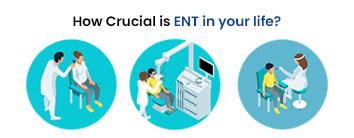
ENT health is essential for proper breathing, hearing, speech, and balance. Early detection and expert care ensure a better quality of life and prevent chronic complications.

There has been a steep rise in hearing issues in the last 5 years. People who use earphones and headphones continuously for long duration are prone to become deaf.
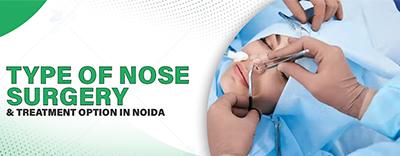
Learn about different types of nose surgery and advanced treatment options available in Noida for cosmetic and medical needs.
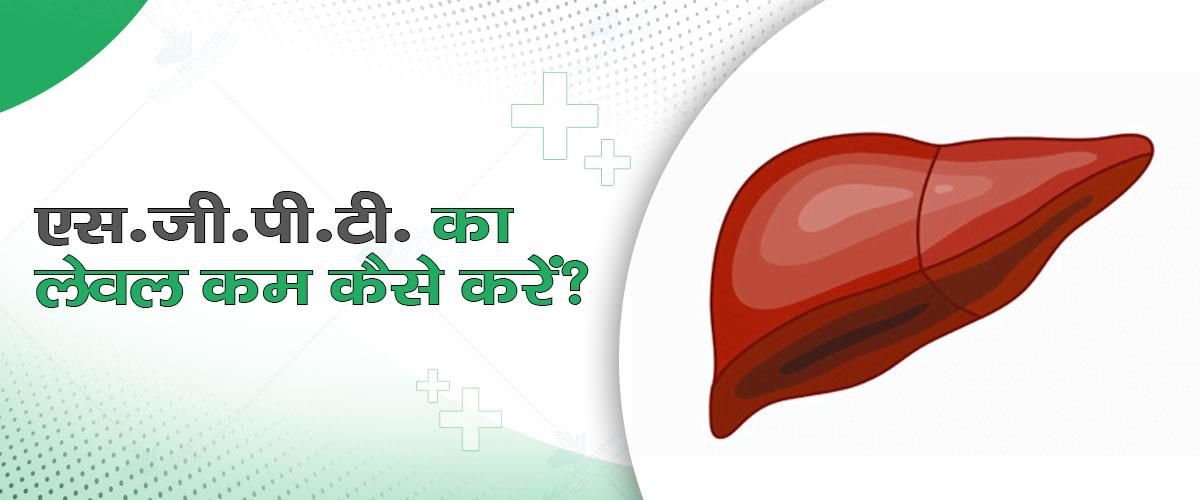
एसजीपीटी का लेवल लीवर डैमेज का संकेत होता है। जो लोग अस्वस्थ जीवनशैली अपनाते हैं। अधिक शराब का सेवन करते हैं। उनमें लीवर संबंधी समस्याएं अधिक होती हैं। ऐसे मामलों में सही टेस्ट और इलाज कराना बेहद जरूरी होता है। Fatty liver SGPT treatment in Noida में उपलब्ध है। अगर आपको अपने लीवर हेल्थ को लेकर कोई चिंता है। तो अभी फेलिक्स हॉस्पिटल से संपर्क करें और हमारे गैस्ट्रोएंटरोलॉजी एवं नेफ्रोलॉजी विशेषज्ञों से परामर्श लें।
अभी कॉल करें: +919667064100
एसजीपीटी (सीरम ग्लूटामेट पाइरूवेट ट्रांसएमिनेस) जिसे एएलटी (एलानिन एमिनोट्रांस्फरेज) भी कहते हैं। एक महत्वपूर्ण एंजाइम है जो मुख्य रूप से लीवर में पाया जाता है। शरीर के ऊर्जा उत्पादन और मेटाबोलिज्म की प्रक्रियाओं में सहायक भूमिका निभाता है। यह एंजाइम प्रोटीन को ऊर्जा में बदलने की प्रक्रिया में हिस्सा लेता है। सामान्य परिस्थितियों में खून में इसकी मात्रा बहुत कम होती है। जब लीवर को किसी प्रकार का नुकसान होता है। जैसे हेपेटाइटिस, फैटी लिवर, शराब का अधिक सेवन, दवाओं के दुष्प्रभाव या किसी अन्य कारण से लीवर की कोशिकाएं क्षतिग्रस्त होती हैं। तो यह एंजाइम खून में रिसता है। इसकी मात्रा बढ़ती है।
एसजीपीटी की जांच लीवर की कार्यक्षमता और स्वास्थ्य की स्थिति समझने के लिए कराई जाती है। चिकित्सक रोगी की जांच रिपोर्ट में एसजीपीटी का स्तर देखकर लीवर से संबंधित संभावित समस्या का अनुमान लगाते हैं। सामान्यतः एसजीपीटी का स्तर 7 से 56 यूनिट प्रति लीटर खून के बीच होना चाहिए। अगर इसका स्तर इस सीमा से अधिक है, तो यह लीवर में किसी तरह की गड़बड़ी का संकेत है ।
यह एक वायरल संक्रमण है जो लीवर में सूजन पैदा करता है। हेपेटाइटिस ए, बी, सी जैसे वायरस लीवर की कोशिकाओं को नुकसान पहुंचाकर एसजीपीटी का स्तर बढ़ाते हैं। समय रहते इलाज न करने पर यह संक्रमण गंभीर रूप ले सकता है।
लंबे समय तक शराब पीने से लीवर पर ज्यादा दबाव पड़ता है। इससे लीवर की कोशिकाएं क्षतिग्रस्त होती हैं। धीरे-धीरे सिरोसिस या लिवर फेलियर तक की स्थिति आती है।
अधिक वजन या असंतुलित आहार लेने से लीवर में वसा जमा होता है। इसे नॉन-अल्कोहॉलिक फैटी लिवर डिज़ीज़ कहते है। जो एसजीपीटी स्तर को बढ़ाने का कारण है।
कुछ दवाएं जैसे पेन किलर्स, एंटीबायोटिक्स , स्टैटिन औरर एंटी-टीबी ड्रग्स लीवर पर असर डालती है। लंबे समय तक इनका सेवन लीवर एंजाइम्स को बढ़ाता है।
डायबिटीज रोगियों में मेटाबॉलिज्म गड़बड़ाने से लीवर पर दबाव बढ़ता है। हाई कोलेस्ट्रॉल होने पर भी लीवर में फैट जमा होता है, जिससे एसजीपीटी बढ़ता है।
केवल लीवर ही नहीं, बल्कि हार्ट या मांसपेशियों में चोट या क्षति होने पर भी एसजीपीटी स्तर में वृद्धि देखती है। यह स्थिति डॉक्टर को रोगी की समग्र जांच करने का संकेत देती है।
लीवर के सही से काम न करने पर शरीर को पर्याप्त ऊर्जा नहीं मिलती है। इससे व्यक्ति को सामान्य काम करने में भी थकान महसूस होती है और मांसपेशियां कमजोर लगती हैं।
एसजीपीटी लेवल बढ़ने पर पाचन तंत्र प्रभावित होता है। अक्सर मरीज को बार-बार उल्टी आने, पेट भारी लगने और भूख कम होने की समस्या होती है।
लीवर की कार्यक्षमता बिगड़ने पर बिलीरुबिन शरीर में जमा होता है। इससे त्वचा और आंखों की सफेदी पीली हो जाती है, जो लीवर रोग का संकेत है।
लीवर की बीमारी बढ़ने पर शरीर में तरल (Fluid) जमा होता है। सबसे पहले पैरों और टखनों में सूजन आती है। धीरे-धीरे पेट फूलता है।
पेट में पानी भरने या लीवर की कमजोरी की वजह से फेफड़ों पर दबाव पड़ता है। इससे रोगी को ठीक से सांस लेने में परेशानी होती है।
लीवर खून जमाने वाले प्रोटीन बनाता है। लीवर खराब होने पर यह प्रक्रिया प्रभावित होती है, जिससे हल्की चोट पर भी ज्यादा खून बहने लगता है।
लगातार भूख न लगना, उल्टी-मतली और पाचन खराब होने से शरीर कमजोर होता है। धीरे-धीरे वजन तेजी से कम होने लगता है, जो गंभीर लीवर रोग का संकेत होता है।
लंबे समय तक शराब पीने से लीवर की कोशिकाएं नष्ट होती हैं। सिरोसिस जैसी गंभीर बीमारी होती है। धूम्रपान से शरीर में हानिकारक टॉक्सिन्स बढ़ते हैं। जिससे लीवर पर अतिरिक्त दबाव पड़ता है। पूरी तरह नशा छोड़ना लीवर को स्वस्थ रखने की सबसे पहली और जरूरी शर्त है।
ज्यादा तले-भुने, ऑयली और मसालेदार भोजन से बचना चाहिए। प्रोसेस्ड फूड, जंक फूड, पैकेज्ड स्नैक्स और सोडा ड्रिंक्स लीवर में वसा जमाने का काम करते हैं। इसके स्थान पर हल्का, संतुलित और पौष्टिक आहार लें।
अपनी डाइट में हरी पत्तेदार सब्जियां, ताजे फल (जैसे सेब, संतरा, पपीता), होल ग्रेन्स, दालें और ओट्स शामिल करना चाहिए। विटामिन डी से भरपूर चीजें (जैसे दूध, अंडा, मशरूम) खाएं और सुबह की धूप लेना चाहिए। एंटीऑक्सीडेंट युक्त भोजन लीवर को डिटॉक्स करने में मदद करता है।
शरीर से टॉक्सिन्स बाहर निकालने के लिए पर्याप्त मात्रा में पानी पीना जरूरी है। दिनभर कम से कम 8–10 गिलास पानी पिएं। नारियल पानी, नींबू पानी और हर्बल टी भी लीवर को हेल्दी बनाए रखते हैं।
रोजाना कम से कम 30 मिनट वॉक, योग या हल्की कसरत करें। एक्सरसाइज से शरीर का ब्लड सर्कुलेशन सही रहता है। फैटी लिवर की समस्या कम होती है। नियमित व्यायाम से शरीर से विषैले तत्व बाहर निकलते हैं और इम्युनिटी भी मजबूत होती है।
मोटापा लीवर में वसा जमाने का सबसे बड़ा कारण है, जिससे एसजीपीटी लेवल तेजी से बढ़ता है। संतुलित डाइट, इंटरमिटेंट फास्टिंग और नियमित व्यायाम से वजन घटाकर लिवर की सेहत सुधारी जाती है। स्वस्थ वजन बनाए रखना लिवर को लंबे समय तक सुरक्षित रखता है।
बिना डॉक्टर की सलाह के लंबे समय तक पेन किलर्स, एंटीबायोटिक्स या स्टैटिन जैसी दवाओं का सेवन न करें। जरूरत पड़ने पर डॉक्टर द्वारा बताए गए एंटीवायरल दवाएं, हेपेटाइटिस ट्रीटमेंट या अन्य थेरेपी लें। कभी भी सेल्फ-मेडिकेशन न करें, क्योंकि यह लीवर को और ज्यादा नुकसान पहुंचाता है।
लिवर की स्थिति को समझने और एसजीपीटी सहित अन्य एंजाइम्स की मात्रा को मॉनिटर करने के लिए नियमित ब्लड टेस्ट जरूरी है। एलएफटी से लीवर की कार्यक्षमता, सूजन, बिलीरुबिन स्तर और प्रोटीन निर्माण की क्षमता का पता चलता है। Gastroenterologist in Noida में उपलब्ध है। डॉक्टर के निर्देशानुसार समय-समय पर टेस्ट कराते रहने से बीमारी का जल्दी पता चलता है और सही इलाज शुरू किया जा सकता है।
जब ब्लड टेस्ट और अन्य जांचों से पर्याप्त जानकारी न मिले, तो लिवर बायोप्सी होती है। इसमें लीवर की छोटी सी टिश्यू सैंपल लेकर माइक्रोस्कोप से जांच होती है। यह फैटी लिवर, सिरोसिस, हेपेटाइटिस या किसी ट्यूमर जैसी गंभीर स्थितियों का सही निदान करने में मदद करता है।
अगर लीवर की कार्यक्षमता गंभीर रूप से प्रभावित हो चुकी है। अन्य इलाज असर नहीं कर रहे, तो लिवर ट्रांसप्लांट ही अंतिम उपाय होता है। इसमें रोगी का खराब लीवर निकालकर स्वस्थ डोनर का लीवर प्रत्यारोपित किया जाता है। यह एक जटिल प्रक्रिया है, लेकिन समय पर की जाने वाली ट्रांसप्लांट से मरीज की जान बचाई जा सकती है और जीवन की गुणवत्ता बढ़ती है।
अभी फेलिक्स हॉस्पिटल से संपर्क करें और हमारे विशेषज्ञ डॉक्टरों से परामर्श लें।कॉल करें: +91 9667064100
एसजीपीटी का बढ़ा हुआ स्तर सिर्फ लीवर की बीमारियों का संकेत नहीं है। बल्कि यह कई अन्य जटिलताओं की ओर भी इशारा करता है। सही समय पर टेस्ट, स्वस्थ जीवनशैली, सही डाइट और मेडिकल ट्रीटमेंट से इसे कंट्रोल किया जा सकता है। अगर आपका एसजीपीटी लेवल बढ़ा हुआ है, तो लापरवाही न करें। इलाज में देरी नुकसानदेह होती है। इसलिए लक्षण दिखने पर तुरंत ही डॉक्टर की सलाह पर उपचार शुरू कर देना चाहिए।
प्रश्न 1- क्या सिर्फ लीवर डैमेज से ही एसजीपीटी बढ़ता है ?
उत्तरः नहीं, मांसपेशियों की चोट, हार्ट अटैक और कुछ दवाइयों से भी एसजीपीटी बढ़ता है। इसलिए लक्षण दिखने पर तुरंत ही डॉक्टर की सलाह पर उपचार शुरू कर देना चाहिए।
प्रश्न 2- एसजीपीटी का नॉर्मल स्तर कितना होता है ?
उत्तरः 7 से 56 यूनिट/लीटर ब्लड के बीच। अगर लेवल आसामान्य है तो तुरंत ही डॉक्टर की सलाह पर उपचार शुरू कर देना चाहिए।
प्रश्न 3- क्या फैटी लिवर में एसजीपीटी बढ़ सकता है ?
उत्तरः हां, फैटी लिवर एसजीपीटी लेवल बढ़ाने का प्रमुख कारण है। इसलिए लक्षण दिखने पर तुरंत ही डॉक्टर की सलाह लें।
प्रश्न 4- क्या डाइट से एसजीपीटी लेवल कम हो सकता है ?
उत्तरः हां, हेल्दी डाइट, पानी, विटामिन डी और फैटी फूड्स से परहेज करके इसे कंट्रोल किया जा सकता है। शराब और धूम्रपान के सेवन से दूर रहना चाहिए।
प्रश्न 5- एसजीपीटी टेस्ट कब कराना चाहिए ?
उत्तरः अगर आपको थकान, पीलिया, पेट दर्द, या अल्कोहल का सेवन करने की आदत है तो डॉक्टर टेस्ट कराने की सलाह दे सकते हैं। इलाज में देरी नुकसानदायक होती है।

Expert gastroenterology care for better digestive health, offering advanced diagnosis and treatment for GERD, IBS, ulcers, and liver disorders.
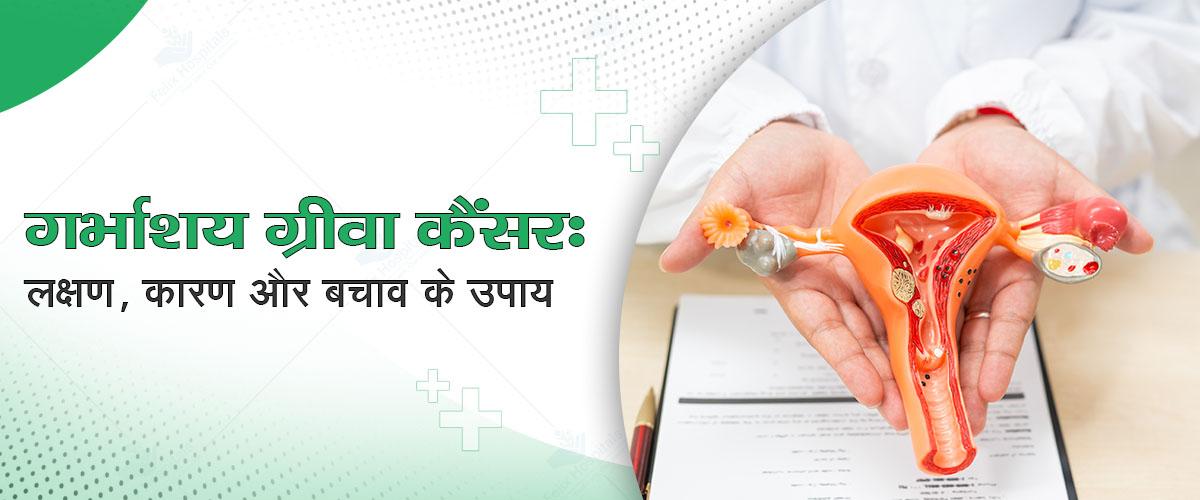
गर्भाशय ग्रीवा कैंसर (Cervical Cancer) महिलाओं में होने वाला गंभीर कैंसर है। यह मुख्य रूप से एचपीवी (मानव पेपिलोमावायरस) संक्रमण की वजह से होता है। भारत में यह महिलाओं में कैंसर से मौत का दूसरा सबसे बड़ा कारण है। शुरुआती चरण में इसके लक्षण मामूली होते हैं। इसलिए समय पर जांच और एचपीवी वैक्सीन बहुत जरूरी है। नोएडा में गर्भाशय ग्रीवा के कैंसर विशेषज्ञ (Best Oncologist in Noida) उपलब्ध है। अगर शुरूआती चरण में इस कैंसर का पता चल जाए तो इलाज संभव होता है।
अच्छी बात यह है कि अगर समय पर पता चल जाए तो इसका इलाज संभव है।
अभी अपॉइंटमेंट शेड्यूल करें – कॉल करें: +91 9667064100
गर्भाशय ग्रीवा गर्भाशय का निचला हिस्सा होता है। जो सीधे योनि से जुड़ा रहता है। यह महिला प्रजनन प्रणाली का बेहद महत्वपूर्ण अंग है। जब इस हिस्से की कोशिकाएं असामान्य तरीके से बढ़ती हैं और नियंत्रण से बाहर होती हैं, तो यह स्थिति धीरे-धीरे कैंसर का रूप लेती है। जिसे गर्भाशय ग्रीवा कैंसर कहते हैं। यह कैंसर महिलाओं में पाए जाने वाले सबसे सामान्य कैंसरों में से एक है और खासतौर पर विकासशील देशों में इसकी संख्या अधिक देखी जाती है। कैंसर का सबसे बड़ा कारण ह्यूमन पैपिलोमा वायरस (एचपीवी) संक्रमण है। यह वायरस यौन संपर्क के माध्यम से फैलता है। तथा अधिक समय तक शरीर में रहने पर कोशिकाओं में बदलाव लाकर कैंसर को जन्म देता है। शुरुआत में इस बीमारी के लक्षण स्पष्ट रूप से सामने नहीं आते। इसलिए अधिकतर मामलों में महिलाएं देर से इसकी पहचान कर पाती हैं। समय पर जांच और रोकथाम से इस कैंसर से बचाव पूरी तरह संभव है।
गर्भाशय ग्रीवा कैंसर का सबसे बड़ा कारण एचपीवी वायरस है। यह वायरस यौन संपर्क के माध्यम से फैलता है। खासतौर पर हाई-रिस्क टाइप्स (एचपीवी-16 और एचपीवी-18) लंबे समय तक गर्भाशय ग्रीवा की कोशिकाओं को प्रभावित कर कैंसर की आशंका को बढ़ाता है।
धूम्रपान और अत्यधिक शराब सेवन से शरीर की कोशिकाओं की कार्यक्षमता प्रभावित होती है। इसमें मौजूद हानिकारक रसायन गर्भाशय ग्रीवा की कोशिकाओं को नुकसान पहुंचाते हैं। कैंसर का खतरा बढ़ाते हैं।
असुरक्षित यौन संबंध न सिर्फ एचपीवी बल्कि अन्य यौन संचारित संक्रमणों (एसटीआई) का खतरा बढ़ाते हैं। कई पार्टनर्स के साथ असुरक्षित संबंध बनाने से एचपीवी संक्रमण की संभावना अधिक होती है।
जिन महिलाओं की रोग प्रतिरोधक क्षमता (इम्युनिटी) कमजोर होती है। जैसे एचआईवी संक्रमित मरीज या जिनका इलाज इम्यूनोसप्रेसिव दवाओं से हो रहा है। उनमें कैंसर का खतरा ज्यादा होता है।
अगर महिला लंबे समय तक (पांच वर्ष या उससे अधिक) लगातार ओरल कॉन्ट्रासेप्टिव पिल्स का सेवन करती हैं तो उनके गर्भाशय ग्रीवा कैंसर का खतरा बढ़ता है। हालांकि डॉक्टर की सलाह से इनका सेवन सुरक्षित है।
संतुलित आहार की कमी, विशेषकर विटामिन ए, सी और फोलेट जैसे पोषक तत्वों की कमी शरीर की रोग प्रतिरोधक क्षमता को कमजोर करती है। यह स्थिति गर्भाशय ग्रीवा की कोशिकाओं को संक्रमण और कैंसर के प्रति अधिक संवेदनशील बनाती है।
गर्भाशय ग्रीवा कैंसर के लगभग 90 प्रतिशत मामलों में मुख्य कारण ह्यूमन पैपिलोमा वायरस (एचपीवी) होता है। यह वायरस सीधे कोशिकाओं के डीएनए को प्रभावित कर उन्हें असामान्य रूप से बढ़ने के लिए प्रेरित करता है।
एचपीवी मुख्यतः यौन संपर्क के माध्यम से फैलता है। इससे संक्रमित व्यक्ति सीधे या अप्रत्यक्ष रूप से अन्य व्यक्तियों में वायरस का संक्रमण फैलाता है। यह पुरुष और महिला दोनों में मौजूद होता है। हालांकि महिलाओं में यह गर्भाशय ग्रीवा कोशिकाओं को विशेष रूप से प्रभावित करता है।
सभी एचपीवी संक्रमण कैंसर का कारण नहीं बनते है। अधिकांश संक्रमण शरीर की प्रतिरोधक क्षमता के कारण अपने आप समाप्त होते हैं। लेकिन यदि संक्रमण लंबे समय तक बना रहे खासकर (एचपीवी-16 और एचपीवी-18) स्ट्रेन की वजह से तो यह कोशिकाओं में गंभीर बदलाव लाता है। कैंसर का जोखिम बढ़ाता है।
यह दोनों हाई-रिस्क स्ट्रेन हैं जो सीधे गर्भाशय ग्रीवा की कोशिकाओं में असामान्य वृद्धि और प्री-कैंसरल बदलाव करते हैं। शोधों में पाया गया है कि गर्भाशय ग्रीवा कैंसर के अधिकांश गंभीर मामलों में यही स्ट्रेन मौजूद होते हैं।
आज उपलब्ध HPV वैक्सीन गर्भाशय ग्रीवा कैंसर के खतरे को काफी हद तक कम कर देती है। यह टीका विशेष रूप से किशोरियों और युवतियों को प्राथमिक रूप से दिया जाता है, लेकिन अब कुछ देशों में इसे 45 साल तक की महिलाओं को भी दिया जाता है। वैक्सीन से न सिर्फ (एचपीवी-16 और एचपीवी-18) स्ट्रेन से बचाव होता है, बल्कि अन्य हाई-रिस्क स्ट्रेन से भी सुरक्षा मिलती है।
गर्भाशय ग्रीवा कैंसर के शुरूआती लक्षण आम है। जो निम्न है
योनि से असामान्य रक्तस्राव यह गर्भाशय कैंसर का सबसे आम लक्षण है।
रजोनिवृत्ति से पहले मासिक धर्म के बीच में रक्तस्राव या स्पॉटिंग।
रजोनिवृत्ति के बाद किसी भी तरह का रक्तस्राव या स्पॉटिंग असामान्य है।
पेट के निचले हिस्से में दर्द या ऐंठन होती है। पेट के ठीक नीचे दर्द होना भी एक लक्षण हो सकता है।
असामान्य योनि स्राव होना। यानी पानी जैसा या बदबूदार योनि स्राव होता है।
संभोग के दौरान दर्द होता है। यानी सेक्स करते समय दर्द का अनुभव होता है.
जब कैंसर बढ़कर आसपास की मांसपेशियों, नसों या रीढ़ की हड्डी तक फैलता है, तो महिलाओं को कमर और पैरों में लगातार या तीव्र दर्द महसूस होता है। यह दर्द शुरुआत में हल्का होता है, लेकिन समय के साथ बढ़तता है।
एडवांस स्टेज में शरीर को कैंसर से लड़ने में अधिक ऊर्जा लगती है। इस वजह से थकान, कमजोरी और अचानक वजन घटता है। अक्सर महिलाएं बिना किसी स्पष्ट कारण के भूख में कमी और कमजोरी महसूस करती हैं।
कैंसर जब मूत्राशय या आंत के पास तक फैलता है, तो पेशाब या मल त्याग में कठिनाई, जलन या दर्द होता है। कभी-कभी यूरिन या मल में रक्त भी दिखाई देता है।
एडवांस स्टेज में कैंसर रक्त और लिम्फेटिक सिस्टम को प्रभावित करता है। इससे पैरों, टखनों या शरीर के अन्य हिस्सों में सूजन देखने को मिलती है। यह सूजन धीरे-धीरे बढ़ती है। रोजमर्रा की गतिविधियों में परेशानी पैदा करती है।
कम उम्र में यौन गतिविधि शुरू होना और जल्दी गर्भधारण करने से गर्भाशय ग्रीवा की कोशिकाएं अधिक संवेदनशील होती हैं। इससे एचपीवी जैसे वायरस के संक्रमण और भविष्य में कैंसर का खतरा बढ़ जाता है।
लगातार गर्भधारण और जन्म देने वाली महिलाओं में गर्भाशय की कोशिकाओं पर अधिक दबाव पड़ता है। यह कोशिकाओं को कमजोर करता है। असामान्य बदलाव होने की संभावना बढ़ाता है।
बिना सुरक्षा उपाय के यौन संबंध से एचपीवी सहित अन्य यौन संचारित संक्रमण (एसटीआई) का खतरा बढ़ता है। कई पार्टनर्स होने पर संक्रमण की संभावना अधिक होती है। जिससे कैंसर का जोखिम बढता है।
स्मोकिंग से शरीर में हानिकारक रसायन प्रवेश करते हैं, जो गर्भाशय ग्रीवा की कोशिकाओं को नुकसान पहुंचाते हैं। इससे कैंसर के खतरे में वृद्धि होती है। खासकर यदि महिला में एचपीवी संक्रमण मौजूद हो।
एचआईवी/एड्स जैसी बीमारियों में रोग प्रतिरोधक क्षमता कमजोर होती है। कमजोर इम्यून सिस्टम के कारण शरीर एचपीवी या अन्य संक्रमणों से लड़ने में सक्षम नहीं होता है। कैंसर का खतरा बढ़ता है।
एचपीवी वैक्सीन गर्भाशय ग्रीवा कैंसर से बचाव का सबसे प्रभावी तरीका है। इसे 9–14 वर्ष की लड़कियों को प्राथमिक रूप से लगाते हैं। क्योंकि इस उम्र में शरीर की प्रतिरोधक क्षमता सबसे मजबूत होती है।यौन सक्रियता से पहले सुरक्षा मिलती है। 26 साल तक की महिलाओं को भी वैक्सीन दी जा सकती है। जिससे एचपीवी के हाई-रिस्क स्ट्रेन से बचाव संभव होता है।
गर्भाशय ग्रीवा की असामान्य कोशिकाओं का पता लगाने के लिए नियमित पैप स्मियर टेस्ट बहुत जरूरी है। 21 साल की उम्र से हर 3 साल में यह टेस्ट करवाना चाहिए। समय पर जांच से कैंसर का प्रारंभिक चरण पकड़ सकते हैं। प्रभावी इलाज संभव होता है।
एचपीवी और अन्य यौन संचारित संक्रमणों से बचने के लिए कंडोम का उपयोग करना अत्यंत जरूरी है। सुरक्षित यौन व्यवहार न केवल गर्भाशय ग्रीवा कैंसर से सुरक्षा प्रदान करता है।
धूम्रपान और अत्यधिक शराब सेवन से गर्भाशय ग्रीवा की कोशिकाओं पर हानिकारक प्रभाव पड़ता है। इनसे बचाव करके आप कैंसर के जोखिम को काफी हद तक कम करती हैं।
संतुलित आहार, जिसमें पर्याप्त विटामिन और मिनरल हों, शरीर की रोग प्रतिरोधक क्षमता को मजबूत बनाता है। हेल्दी डाइट, नियमित व्यायाम और पर्याप्त नींद से इम्यून सिस्टम मजबूत रहता है। एचपीवी जैसे संक्रमणों से लड़ने में मदद मिलती है।
गर्भाशय ग्रीवा कैंसर के शुरुआती चरण में पहचानने के लिए 21–65 वर्ष की महिलाओं को नियमित जांच कराना बहुत जरूरी है। इसके लिए पैप स्मीयर टेस्ट औरएचपीवी डीएनए टेस्ट सबसे प्रभावी हैं। समय परस्क्रीनिंग से प्री-कैंसरल बदलाव पकड़े आते हैं। गंभीर स्थिति बनने से पहले इलाज संभव होता है।
एचपीवी वैक्सीन जितनी जल्दी दी जाए। उतना अधिक प्रभावी होती है। यह न केवल हाई-रिस्क एचपीवी स्ट्रेन (HPV 16 और 18) से बचाती है। बल्कि अन्य प्रकार के स्ट्रेन से भी सुरक्षा प्रदान करती है। किशोरावस्था या यौन सक्रियता से पहले वैक्सीन लगवाना सबसे बेहतर है।
गर्भाशय ग्रीवा कैंसर के शुरुआती लक्षण अक्सर हल्के होते हैं। अनियमित रक्तस्राव, संभोग के बाद खून आना या असामान्य डिस्चार्ज को नजरअंदाज नहीं करना चाहिए। जल्दी पहचान से इलाज का स्तर सरल और सफल हो सकता है।
एडवांस स्टेज के मरीजों के लिए इलाज में स्त्री रोग विशेषज्ञ, ऑन्कोलॉजिस्ट और विकिरण विशेषज्ञ की संयुक्त टीम बेहद महत्वपूर्ण होती है। ग्रेटर नोएडा में सर्वश्रेष्ठ गर्भाशय कैंसर अस्पताल उपलब्ध है। यह सुनिश्चित करता है कि सर्जरी, कीमोथेरपी और रेडिएशन थेरेपी का सही संतुलन बना रहे। रोगी को सबसे बेहतर परिणाम मिले।
नियमित जांच और वैक्सीन के अलावा सुरक्षित यौन व्यवहार, धूम्रपान और शराब से दूरी, हेल्दी डाइट और इम्यूनिटी मजबूत रखना गर्भाशय ग्रीवा कैंसर से बचाव के लिए जरूरी है। जीवनशैली में बदलाव लंबी अवधि में सुरक्षा प्रदान करते हैं।
दिल्ली-एनसीआर में कई सुपर स्पेशलिटी हॉस्पिटल और कैंसर सेंटर हैं जहाँ अत्याधुनिक इलाज उपलब्ध है।
फेलिक्स हॉस्पिटल ग्रेटर नोएडा
एम्स दिल्ली
राजीव गांधी कैंसर संस्थान, दिल्ली
मेदांता हॉस्पिटल गुरुग्राम
मैक्स सुपर स्पेशलिटी हॉस्पिटल, साकेत
फोर्टिस मेमोरियल रिसर्च इंस्टीट्यूट गुरुग्राम
गर्भाशय ग्रीवा कैंसर आज की महिलाओं में तेजी से बढ़ रही एक गंभीर स्वास्थ्य समस्या बन रहा है। यह कैंसर मुख्यतः एचपीवी संक्रमण के कारण होता है, जो यौन संपर्क के माध्यम से फैलता है। हर एचपीवी संक्रमण कैंसर में बदलता नहीं है। लेकिन लंबे समय तक शरीर में रहने वाले हाई-रिस्क स्ट्रेन जैसे एचपीवी 16 और एचपीवी 18 विशेष रूप से खतरनाक माने जाते हैं। शुरुआती चरण में गर्भाशय ग्रीवा कैंसर के लक्षण अक्सर हल्के और अस्पष्ट होते हैं। कई महिलाएं इन संकेतों को नजरअंदाज करती हैं। जिससे बीमारी एडवांस स्टेज तक पहुंचती है। एडवांस स्टेज में लक्षण और गंभीर होते हैं। सभी उपाय अपनाकर और नियमित स्क्रीनिंग करवाकर गर्भाशय ग्रीवा कैंसर के खतरे को काफी हद तक रोका जा सकता है।
प्रश्न 1: गर्भाशय ग्रीवा कैंसर के शुरुआती लक्षण क्या हैं ?
उत्तरः अनियमित पीरियड्स, संभोग के बाद खून आना और दुर्गंधयुक्त सफेद पानी आता है। ऐसे लक्षण दिखने पर सावधान हो जाए।
प्रश्न 2: एचपीवी और गर्भाशय ग्रीवा कैंसर का क्या संबंध है ?
उत्तरः लगभग 90% मामलों में एचपीवी संक्रमण ही कारण होता है, खासकर एचपीवी 16 और 18। इसलिए समय रहते जांच कराएं।
प्रश्न 3: गर्भाशय ग्रीवा कैंसर का इलाज कैसे होता है ?
उत्तरः शुरुआती स्टेज पर सर्जरी और एडवांस स्टेज पर रेडियोथेरेपी व कीमोथेरेपी दी जाती है। इलाज हमेसा डॉक्टर की सलाह पर ही करवाना चाहिए।
प्रश्न 4: क्या एचपीवी वैक्सीन लेना जरूरी है ?
उत्तरः हां, यह गर्भाशय ग्रीवा कैंसर से बचाव का सबसे असरदार तरीका है। डॉक्टर की सलाह पर समय-समय वैक्सीन लगवानी चाहिए
प्रश्न 5: दिल्ली एनसीआर में बेस्ट हॉस्पिटल कौन सा है ?
उत्तरः फेलिक्स, मेदांता, मैक्स, फोर्टिस और एम्स जैसे बड़े हॉस्पिटल्स बेहतरीन इलाज उपलब्ध कराते हैं। यहां अच्छे डॉक्टर मरीजों का इलाज करते हैं

Cervical cancer is most common in women after breast cancer. Cervical cancer starts from the cervix, i.e., the cervix. The cervix is the lower part of the uterus that connects the vagina to the uterus.
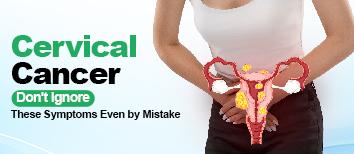
Recognize the early warning signs of cervical cancer. Learn about its symptoms, causes, and when to consult a gynecologist for timely diagnosis and treatment.

Explore the cervical cancer vaccine cost in Noida, compare prices across hospitals, and understand how vaccination helps prevent HPV infection and cervical cancer.

पेचिश (Dysentery) पाचन तंत्र का एक आम लेकिन गंभीर रोग है। इसमें बार-बार दस्त, मल में खून व म्यूकस आना, पेट दर्द और बुखार जैसे लक्षण दिखते हैं। यह मुख्य रूप से दूषित भोजन और पानी, संक्रमण या परजीवी (जैसे एंटअमीबा हिस्टोलिटिका) और बैक्टीरिया (शिगेला, ई.कोली) के कारण होता है। Piles surgery in Noida में उपलब्ध है। अगर समय पर इलाज न किया जाए तो शरीर में पानी और खून की कमी (डिहाइड्रेशन और एनीमिया) होती है। इसलिए सावधानी और सही इलाज बेहद जरूरी है।
अभी अपॉइंटमेंट शेड्यूल करें – कॉल करें: +91 9667064100
पेचिश एक आंतों की बीमारी है। जिसमें बार-बार पतले दस्त होते हैं। उनमें खून या बलगम भी आता है। यह मुख्य रूप से बैक्टीरिया (जैसे शिगेला) या अमीबा के संक्रमण से होता है। लक्षण दिखने पर इलाज में देरी नहीं करनी चाहिए। शरीर में पानी और नमक की कमी को पूरा करने के लिए ओआरएस(ओरल रिहाइड्रेशन सॉल्यूशन) लेना चाहिए। डॉक्टर की सलाह पर एंटीबायोटिक या एंटी-अमीबिक दवा लेनी चाहिए।
शिगेला, ई.कोली, साल्मोनेला जैसे बैक्टीरिया पेचिश का मुख्य कारण हैं। यह बैक्टीरिया आंतों में सूजन पैदा करके बार-बार दस्त और खून/बलगम वाला मल करवाते हैं।
एंटअमीबा हिस्टोलिटिका नामक अमीबा के कारण होता है। यह धीरे-धीरे आंत की परत को नुकसान पहुंचाता है। लंबे समय तक बीमारी बनी रहती है।
गंदे या संक्रमित पानी से रोगाणु शरीर में प्रवेश कर जाते हैं। सही से नहीं धुला या अधपका खाना संक्रमण फैलाता है। खुले में रखा खाना और सड़क किनारे फूड। धूल-मिट्टी, मक्खियों और बैक्टीरिया से दूषित खाना संक्रमण का स्रोत बनता है। गर्मियों और बरसात में सड़क किनारे का खाना जल्दी खराब हो जाता है।
कच्चा पानी पीने से परजीवी और बैक्टीरिया आसानी से आंतों में चले जाते हैं। खासकर हैंडपंप, ट्यूबवेल और खुले स्रोत का पानी अधिक जोखिम भरा होता है।
गंदगी वाले माहौल में बैक्टीरिया और परजीवी तेजी से फैलते हैं। शौचालय की साफ-सफाई न होना संक्रमण का कारण बनता है।
बिना हाथ धोए भोजन करने से जीवाणु सीधे शरीर में जाते हैं। यह बच्चों में पेचिश का सबसे सामान्य कारण है।
मल में मौजूद रोगाणु हाथों से भोजन और पानी तक पहुँचकर पेचिश फैलाते हैं।
जिन लोगों की रोग प्रतिरोधक क्षमता कम होती है। उनमें संक्रमण जल्दी फैलता है। लंबे समय से बीमार लोग, कुपोषित बच्चे, बुजुर्ग और गर्भवती महिलाएं ज्यादा प्रभावित होती हैं।
बच्चे बार-बार गंदगी से खेलने और हाथ मुंह में डालने की आदत से जल्दी संक्रमित हो जाते हैं। गर्भवती महिलाएं भी होती है। शरीर में प्रतिरोधक क्षमता कम होने के कारण अधिक संवेदनशील होती हैं। बुजुर्ग की कमजोर शरीर और कमजोर आंतों की वजह से संक्रमण जल्दी पकड़ता है।
उबला चावल-दही: पेट को ठंडक देता है, पचने में आसान और आंत की सूजन को कम करता है।
दलिया (गेहूं/चावल का) : हल्का, पौष्टिक और ऊर्जा देने वाला होता है।
सूजी का हलवा (कम घी व हल्की शक्कर के साथ) : जल्दी पचता है और कमजोरी दूर करता है।
पेट पर अतिरिक्त दबाव डालता है। आंतों की सूजन और जलन को बढ़ाता है।
दूध पचने में भारी होता है। जिससे गैस और दस्त बढ़ते हैं। मक्खन, चीज़ और मलाईदार चीचें भी नुकसान करती हैं।
इनमें बैक्टीरिया और परजीवी होने की संभावना रहती है। पचने में कठिनाई होती है और पेट दर्द/दस्त को बढ़ा सकती हैं।
इनमें तेल ज्यादा और स्वच्छता कम होती है। संक्रमण की संभावना बढ़ती है।
कॉफी, चाय, शराब और कार्बोनेटेड ड्रिंक्स शरीर को डिहाइड्रेट करते हैं। दस्त और कमजोरी को और ज्यादा बढ़ाते हैं।
अधिक शक्कर से आंतों में पानी खिंचता है। दस्त और पेट फूलने की समस्या बढ़ सकती है।
शौचालय जाने के बाद, खाना खाने से पहले और बच्चों को छूने से पहले। साबुन और साफ पानी से कम से कम 20 सेकंड तक हाथ धोना चाहिए। यदि पानी उपलब्ध न हो तो हैंड सैनिटाइज़र का इस्तेमाल करें।
उबला हुआ, फिल्टर किया हुआ या पैक्ड पानी ही इस्तेमाल करें। खुले में रखे पानी को न पिएं, क्योंकि उसमें बैक्टीरिया या परजीवी हो सकते हैं। पानी की बोतलें और गिलास हमेशा ढककर रखें।
तैलीय और मसालेदार भोजन से बचें। ज्यादा देर तक रखा हुआ खाना न खाएं। खाने को ढककर रखें ताकि मक्खियाँ और धूल उस पर न बैठें। बाहर का और अस्वच्छ खाना न खाएं सड़क का खाना, कटे हुए फल, और अस्वच्छ जगह का बना भोजन पेचिश फैला सकता है। जंक फूड, तली-भुनी और मसालेदार चीजें पचने में भारी होती हैं, इन्हें अवॉइड करें।
बच्चों को खुले में रखा हुआ खाना या पानी बिल्कुल न दें। उनके खाने-पीने के बर्तन अलग और साफ रखें। बच्चों को बाहर का चाट-पकौड़ी, आइसक्रीम, गोलगप्पे जैसी चीजें न खाने दें। व्यक्तिगत और घरेलू स्वच्छता का ध्यान रखें शौचालय को नियमित रूप से साफ करें। कचरा समय पर फेंकें और घर के आस-पास गंदगी जमा न होने दें। बर्तनों और खाने के बर्तनों को गर्म पानी से धोएं।
यदि मल में बार-बार खून और म्यूकस (बलगम) दिख रहा होता है। यह आंतों में गंभीर संक्रमण या अल्सर का संकेत हो सकता है।
सामान्य हल्के उपाय (ओआरएस, हल्का खाना) लेने के बाद भी राहत न मिले। पेट दर्द और दस्त लगातार बने रहें। स्थिति बिगड़ने पर अस्पताल में भर्ती की आवश्यकता हो सकती है।
मल में खून, म्यूकस और परजीवी (जैसे एंटअमीबा हिस्टोलिटिका) की पहचान के लिए। यह बैक्टीरियल या अमीबिक पेचिश की पुष्टि करता है।
शरीर में डिहाइड्रेशन की स्थिति, संक्रमण या एनीमिया (खून की कमी) की जांच। इलेक्ट्रोलाइट्स का असंतुलन पता लगाने में मदद करता है।
यदि आंतों में सूजन या लिवर एब्सेस (अम्बिक लिवर फोड़ा) का संदेह हो। अन्य जटिलताओं को समझने के लिए।
डॉक्टर की सलाह से एंटीबायोटिक दवाएं ले। अमीबिक पेचिश में मेट्रोनिडाजोल जैसी दवाएं। बैक्टीरियल पेचिश में उचित एंटीबायोटिक ले। Best Piles Surgery Doctors In Noida में उपलब्ध है। बिना डॉक्टर की सलाह के एंटीबायोटिक लेना खतरनाक होता है।
अच्छे बैक्टीरिया वाली दवाएं/कैप्सूल ले। आंत की सेहत सुधारने और दस्त की अवधि कम करने में मदद करते हैं। शरीर में अच्छे बैक्टीरिया का संतुलन बनाए रखते हैं।
पेट दर्द कम करने की दवाएं ले। पेट की ऐंठन और दर्द कम करने के लिए ले। केवल डॉक्टर की सलाह से ही लें।
पेचिश एक सामान्य लेकिन गंभीर बीमारी है। जो दूषित पानी, खाना और संक्रमण से फैलती है। सही खानपान, पर्याप्त तरल और स्वच्छता अपनाने से इसे रोका जा सकता है। हल्के मामलों में घरेलू उपाय और ओआरएस से राहत मिलती है। लेकिन खून वाले दस्त या गंभीर डिहाइड्रेशन होने पर तुरंत डॉक्टर की सलाह लें। बिना डॉक्टर की सलाह के किसी भी प्रकार के कोई दवा लेना नुकसानदेह हो सकता है। इसलिए लक्षण दिखने पर तुरंत दवाएं लेनी चाहिए।
प्रश्न 1: क्या पेचिश और दस्त एक ही चीज है ?
उत्तर: नहीं, दस्त में पानी जैसी मल आता है। जबकि पेचिश में मल के साथ खून और म्यूकस भी आता है। इसलिए सावधानी बरतें।
प्रश्न 2: क्या पेचिश में केला खा सकते हैं ?
उत्तर: हां, पका हुआ केला आसानी से पचता है और दस्त रोकने में मदद करता है। इसलिए डॉक्टर की सलाह पर केले का सेवन करना चाहिए।
प्रश्न 3: क्या दही पेचिश में फायदेमंद है ?
उत्तर: हां, दही में प्रोबायोटिक बैक्टीरिया होते हैं जो आंतों को स्वस्थ रखते हैं। लेकिन अन्य डेयरी प्रोडक्ट का सेवन करने के दौरान सावधानी बरतनी चाहिए।
प्रश्न 4: पेचिश का इलाज कितने दिन में होता है ?
उत्तर: हल्के मामलों में 3–5 दिन में आराम मिलता है, लेकिन बैक्टीरियल/अमीबिक पेचिश में एंटीबायोटिक से 7–10 दिन लगते हैं। अगर इससे ज्यादा समय लगे तो डॉक्टर से पुनः मिले।
प्रश्न 5: पेचिश से बचाव कैसे करें ?
उत्तर: साफ पानी पिएं, बाहर का खाना न खाएं, हाथों की स्वच्छता रखें और घर का हल्का, ताजा भोजन करें। खराब और बांसी भोजन सेहत के लिए नुकसानदेह होता है।

General anesthesia is a crucial medical procedure that allows patients to undergo complex surgeries and other medical treatments without feeling pain or being aware of their surroundings.
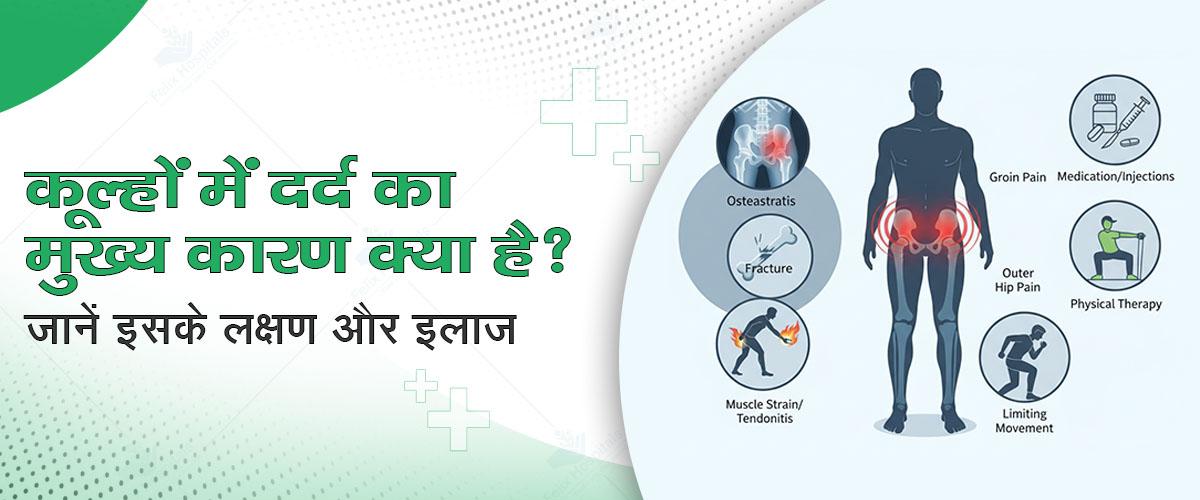
कूल्हों में दर्द (Hip Pain) एक सामान्य लेकिन स्वास्थ्य समस्या है। यह दर्द कभी-कभी हल्का और अस्थायी होता है। कभी लगातार बढ़ता है। दर्द से चलने-फिरने, सीढ़ियां चढ़ने, बैठने या उठने तक परेशानी होती है। कई बार यह दर्द जांघ, नितंब, कमर और घुटनों तक फैलता है। अगर समय पर सही कारण और इलाज न किया जाए तो यह समस्या आर्थराइटिस या हड्डी के डैमेज जैसी जटिलताओं में बदलती है। इसलिए यदि कूल्हों में लगातार दर्द हो तो Best orthopedic doctor for hip pain in Noida से परामर्श लेना जरूरी है।
अभी अपॉइंटमेंट शेड्यूल करें – कॉल करें: +91 9667064100
कूल्हों का दर्द केवल उम्र बढ़ने की वजह से नहीं होता। बल्कि इसके पीछे कई और कारण छिपे होते हैं। अक्सर लोग इसे बढ़ती उम्र की सामान्य समस्या मानकर नजरअंदाज करते हैं। जबकि समय पर ध्यान न देने से यह गंभीर रूप भी लेता है। कूल्हों के दर्द के मुख्य कारणों में हड्डी या मांसपेशियों की चोट शामिल है। जो अचानक गिरने, गलत तरीके से बैठने या भारी वजन उठाने से होती है। इसके अलावा कार्टिलेज के घिसने को आर्थराइटिस कहते हैं। जो खासकर बुजुर्गों में कूल्हों में जकड़न और दर्द का बड़ा कारण बनता है। हड्डियों का कमजोर होना यानी ऑस्टियोपोरोसिस (Osteoporosis) भी कूल्हों की समस्या को बढ़ाता है। यह कमजोर हड्डियां आसानी से टूटती हैं। कुछ मामलों में ऑटोइम्यून रोग भी दर्द का कारण बनते हैं। जहां शरीर की प्रतिरक्षा प्रणाली ही अपने ही ऊतकों पर हमला करती है। मोटापा और गलत जीवनशैली जैसे शारीरिक गतिविधियों की कमी, लगातार देर तक बैठना और असंतुलित आहार भी कूल्हों पर दबाव बढ़ाते हैं। इसलिए कूल्हों के दर्द को हल्के में न लें और कारण जानकर समय पर इलाज करवाएं।
गिरने, खेल-कूद या सड़क दुर्घटना के दौरान हड्डियों में टूट-फूट होना आम है। भारी वजन उठाने या अचानक झटका लगने से लिगामेंट और मांसपेशियों में चोट लगती है। चोट के बाद कूल्हे में अचानक तेज और असहनीय दर्द महसूस होता है। दर्द के साथ चलने-फिरने में कठिनाई और सुन्नपन जैसी समस्या भी होती है।
यूरिक एसिड क्रिस्टल जमा होने से जोड़ में अचानक दर्द, लालिमा और सूजन होती है। जोड़ के प्रभावित हिस्से में गर्मी, कमजोरी और सुबह के समय अकड़न आम है।
हड्डियां भुरभुरी और कमजोर होती हैं। मामूली चोट या झटके से भी फ्रैक्चर का खतरा रहता है। खासकर महिलाओं में मेनोपॉज के बाद हड्डियों का कमजोर होना आम है।
जोड़ के आसपास बर्सा में सूजन होती है। मांसपेशियों और टेंडन पर लगातार दबाव पड़ने से दर्द और चलने-फिरने में कठिनाई होती है। लंबे समय तक चलने, दौड़ने या भारी काम करने से समस्या बढ़ती है।
बैक्टीरिया या वायरस के कारण कूल्हे के जोड़ में सूजन और तीव्र दर्द होता है। बुखार, लालिमा और जोड़ों की गर्मी भी संक्रमण का संकेत होते हैं।
कूल्हे में हल्का या तेज दर्द समय-समय पर महसूस होता है। शुरुआती चरण में दर्द केवल लंबे चलने या भारी काम करने पर हो सकता है, लेकिन समय के साथ लगातार बना रहता है। रात में सोते समय या आराम करते समय भी दर्द होता है।
सामान्य गतिविधियों जैसे चलना, झुकना, बैठना या सीढ़ी चढ़ना कठिन होता है। दर्द की वजह से कदम धीरे-धीरे रखने पड़ते हैं या सहारा लेना पड़ता है। कुछ मामलों में कूल्हे की लचीलापन कम होने से दैनिक काम प्रभावित होते हैं।
जोड़ में सूजन और लालिमा आम है, जो अक्सर सूजन या संक्रमण का संकेतहै। गर्माहट महसूस होना सूजन या आर्थराइटिस (Arthritis) की सक्रियता का संकेत होता है। स्पर्श करने पर हल्की संवेदनशीलता या दर्द महसूस होता है।
सुबह या लंबे समय तक बैठे रहने के बाद कूल्हों में अकड़न होना आम है। जकड़न धीरे-धीरे चलने पर कम होती है, लेकिन कुछ मामलों में यह दिनभर बनी रहती है। यह विशेष रूप से आर्थराइटिस या जोड़ की सूजन वाले रोगियों में दिखाई देता है।
दर्द केवल कूल्हे तक सीमित नहीं रहता; यह जांघ, नितंब या घुटनों तक फैलता है। चलने-फिरने में दर्द बढ़ सकता है और नींद में खलल डाल सकता है। कभी-कभी पीठ के निचले हिस्से तक दर्द महसूस होता है। गंभीर स्थिति में कूल्हे का आकार बदलना या विकृति आना लंबे समय तक इलाज न कराने पर कूल्हे का आकार बदलता है। जोड़ की अस्थिरता या हड्डी में बदलाव के कारण विकृति आती है। चलने-फिरने में कठिनाई, झुकने में दर्द और नितंब या जांघ की असमानता दिखाई देती है।
डॉक्टर कूल्हे की मूवमेंट रेंज और दर्द की तीव्रता को मापते हैं। जोड़ को दबाकर, मोड़कर और चलाकर दर्द का स्रोत और स्थान पहचानता है। इससे शुरुआती आर्थराइटिस, चोट या सूजन के संकेत मिलते हैं।
हड्डियों की स्थिति, घिसाव, फ्रैक्चर या असामान्यता का पता लगाने के लिए उपयोग किया जाता है। ऑस्टियोआर्थराइटिस या ऑस्टियोपोरोसिस जैसी हड्डी की समस्याओं का निर्धारण आसान होता है। साधारण और जल्दी उपलब्ध जांच होने के कारण शुरुआती निदान में मदद मिलती है।
कार्टिलेज, मांसपेशी, लिगामेंट और जोड़ के आसपास के ऊतकों की विस्तृत तस्वीर दिखाते हैं। चोट, टेंडन या बर्सा की सूजन, मांसपेशियों में फट या गंभीर घाव का पता लगाते हैं। एक्स-रे में दिखने वाली समस्याओं के मुकाबले अधिक सटीक जानकारी देते हैं।
आर्थराइटिस, रूमेटॉइड आर्थराइटिस, गाउट या संक्रमण की पहचान में मदद करता है। यूरिक एसिड, सूजन संबंधी मार्कर और संक्रमण संकेतकों की जांच की जाती है यह डॉक्टर को सही उपचार योजना बनाने में मार्गदर्शन करता है।
जोड़ से फ्लूड निकालकर संक्रमण या यूरिक एसिड क्रिस्टल की जांच की जाती है। सूजन और दर्द के असली कारण का पता चलता है। गाउट, बर्साइटिस या संक्रमण जैसी स्थिति में सटीक निदान में मदद करता है।
जब दवाओं और फिजियोथेरेपी से आराम न मिले तब करते हैं।
हिप रिप्लेसमेंट: गंभीर घिसाव या फ्रैक्चर में जोड़ बदलनने पर करते हैं। Hip pain treatment hospital in Noida में उपलब्ध है। अगर बीमारी गंभीर है तो इलाज में देरी नहीं करें।
हिप आर्थोस्कोपी: जोड़ की अंदरूनी समस्या जैसे कार्टिलेज की चोट ठीक करना है।
लिगामेंट रिपेयर: चोट या टूटे लिगामेंट को सही करना है। सर्जरी के बाद फिजियोथेरेपी और रिकवरी महत्वपूर्ण होती है।
वजन नियंत्रित रखना: अतिरिक्त वजन जोड़ पर दबाव कम करता है।
संतुलित आहार: कैल्शियम और विटामिन डी से हड्डियां मजबूत रहती हैं।
रोजाना हल्का व्यायाम और योग: मांसपेशियों की लचीलापन और जोड़ की ताकत बढ़ाता है।
सही बैठने और उठने की आदतें: लंबे समय तक बैठने या गलत पोजीशन में रहने से कूल्हे की समस्या बढ़ती है।
धूम्रपान और शराब से बचाव: हड्डियों और जोड़ की सेहत के लिए फायदेमंद होता है।
रोजाना हल्का व्यायाम और स्ट्रेचिंग जोड़ की लचीलापन बढ़ाते हैं। मांसपेशियों को मजबूत करने से कूल्हे और घुटनों पर दबाव कम होता है। योग और विशेष फिजियोथेरेपी व्यायाम दर्द कम करने और गतिशीलता बढ़ाने में मदद करते हैं।
लंबे समय तक झुकी या गलत पोजीशन में बैठने से जोड़ पर अतिरिक्त दबाव पड़ता है। उठते और बैठते समय सही तकनीक अपनाना कूल्हे की चोट और दर्द को रोकता है। कंप्यूटर या मोबाइल का सही उपयोग भी जोड़ को बचाने में मदद करता है।
अतिरिक्त वजन जोड़ पर दबाव बढ़ाता है और घिसाव की संभावना बढ़ाता है। संतुलित वजन से हड्डियों और मांसपेशियों पर तनाव कम रहता है। नियमित व्यायाम और सही आहार के जरिए वजन को नियंत्रित रखा जा सकता है।
कैल्शियम और विटामिन डी युक्त भोजन हड्डियों को मजबूत बनाता है। प्रोटीन और अन्य पोषक तत्व मांसपेशियों और जोड़ की ताकत बढ़ाते हैं। हड्डियों और जोड़ की समस्याओं को रोकने में संतुलित आहार अहम भूमिका निभाता है।
हेलमेट, घुटने और कोहनी की गार्ड जैसी सुरक्षा उपकरण चोट से बचाते हैं। खेल-कूद या भारी व्यायाम के दौरान सही तकनीक अपनाना आवश्यक है। चोट लगने की संभावना कम होती है और कूल्हे की सुरक्षा बनी रहती है।
हल्का दर्द या सूजन को नजरअंदाज करने से समस्या बढ़ती है। तुरंत आर्थोपेडिक्स विशेषज्ञ से सलाह लेने से सही निदान और उपचार संभव होता है। समय पर इलाज से गंभीर स्थिति जैसे फ्रैक्चर, आर्थराइटिस या जोड़ की विकृति को रोकते हैं।
अभी अपॉइंटमेंट शेड्यूल करें – कॉल करें: +91 9667064100
कूल्हों का दर्द सिर्फ बढ़ती उम्र का परिणाम नहीं है। बल्कि यह कई गंभीर बीमारियों का संकेत भी होता है। शुरुआती लक्षण हल्के होते हैं। लेकिन इलाज न कराने पर यह दर्द बढ़कर विकलांगता या स्थायी नुकसान का कारण बनता है। इसलिए कूल्हों में दर्द, सूजन या जकड़न को नजरअंदाज न करें और समय पर हड्डी रोग विशेषज्ञ से सलाह लें। इलाज में देरी कई बार नुकसानदेह होती है।
प्रश्न 1: क्या कूल्हों का दर्द हमेशा आर्थराइटिस के कारण होता है ?
उत्तर: नहीं, यह चोट, संक्रमण, ऑस्टियोपोरोसिस या मोटापे से भी होता है। इसलिए बीच-बीच में जांच कराते रहें।
प्रश्न 2: क्या कूल्हों का दर्द पूरी तरह ठीक हो सकता है ?
उत्तर: शुरुआती अवस्था में सही इलाज और व्यायाम से आराम मिलता है। गंभीर मामलों में सर्जरी की जरूरत पड़ती है।
प्रश्न 3: क्या मोटापा कूल्हों के दर्द को बढ़ाता है ?
उत्तर: हां, ज्यादा वजन कूल्हों के जोड़ पर अतिरिक्त दबाव डालता है जिससे दर्द बढ़ता है। इसलिए जीवनशैली को नियंत्रित रखें।
प्रश्न 4: क्या घरेलू उपाय फायदेमंद हैं ?
उत्तर: हल्की चोट या सूजन में आराम, गर्म/ठंडी सिकाई मददगार होती है। लेकिन लगातार दर्द होने पर डॉक्टर से परामर्श लेना चाहिए।
प्रश्न 5: क्या कूल्हों के दर्द का इलाज बिना सर्जरी के संभव है ?
उत्तर: हां, ज्यादातर मामलों में दवा, फिजियोथेरेपी और लाइफस्टाइल बदलाव से इलाज होता है। सर्जरी केवल गंभीर स्थिति में होती है।

घुटनों का दर्द उम्र, चोट, या गठिया जैसी समस्याओं के कारण आम हो सकता है। जब दवाएं और फिजियोथेरेपी असर नहीं करतीं, तब घुटने की सर्जरी (जैसे कि घुटने का प्रतिस्थापन) जरूरी हो सकती है।

Orthopedics is a specialized branch that takes care of your musculoskeletal problems related to joints, bones, muscles, spine, ligaments, and tissues.


Subscribe to our
© Copyright 2026. All Rights Reserved by Felix Healthcare Private Limited
Design and development by :


 +(91)9667064100
 Emergency : +(91)9667064100