 WhatsApp
 Emergency:
  WhatsApp










Subscribe to our
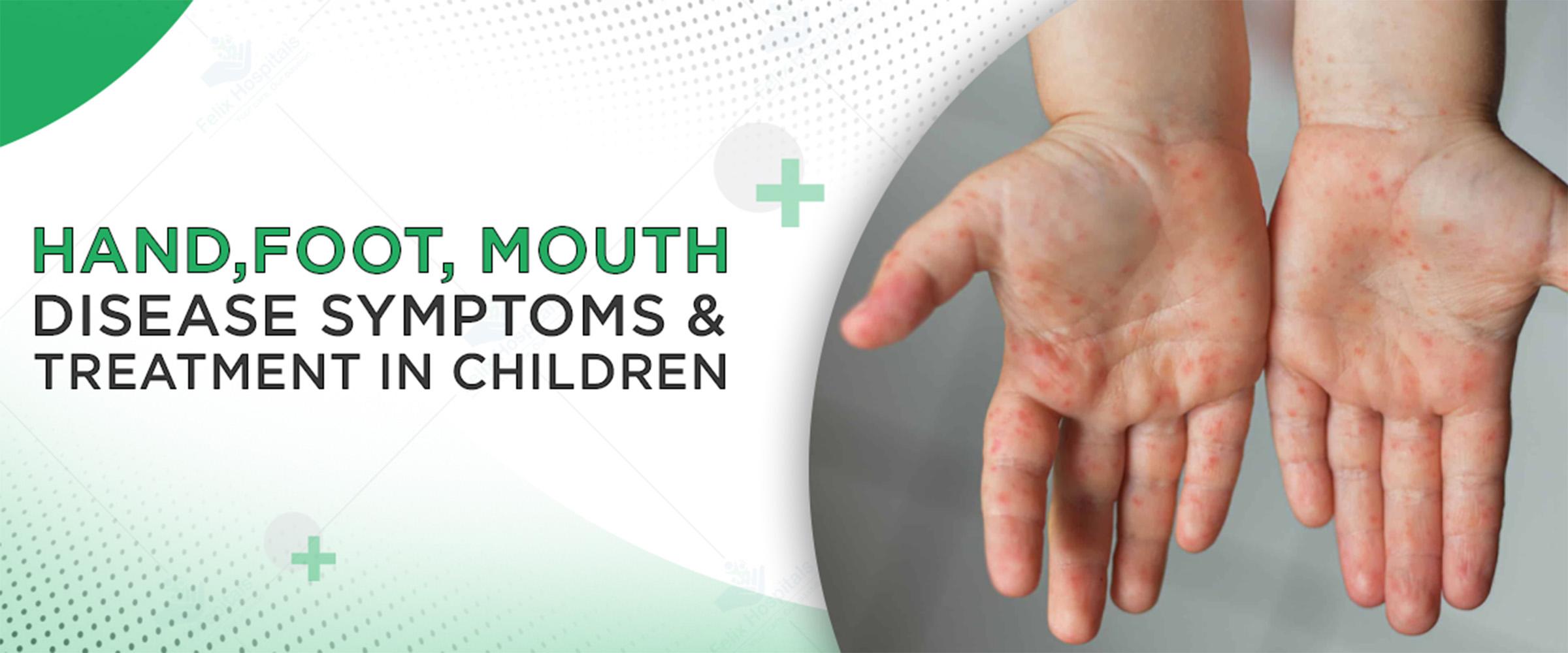
Hand, Foot, and Mouth Disease(HFMD) is a widespread viral infection, especially among young children. Parents in Noida seeking expert care can consult a Pediatric HFMD specialist in Noida for prompt diagnosis and treatment. Symptoms should be attended to early in order to achieve comfort and avoid transmission. Effective HFMD treatment in Noida helps children recover swiftly while minimizing discomfort and complications.
Worried about the symptoms of your child? Call our pediatric department at +91 9667064100
Hand Foot and Mouth Disease in children, also known as HFMD or foot-mouth disease, is termed a highly contagious disease and the infection spreads rapidly when the healthy person comes in contact with the infected one. This contagious viral infection is noticed more commonly in children and causes small, painful red blisters in the mouth, throat, feet, hands, and the diaper area. The virus causing most hand, foot, and mouth infections is coxsackievirus.
The carriers of hand, foot, and mouth disease are unwashed hands, faces, saliva, mucus, and leaking fluid from the blisters. Children under the age of 7 years are more prone to contracting hand, foot, and mouth disease as they attend schools, preschools, day care centers, and summer camps where the kids are closely placed together.
HFMD symptoms in kids usually start showing up usually 3 to 6 days after the infection. Such a period is also called the virus incubation period. Hand, foot, and mouth disease can cause all or some of the following symptoms:
Loss of appetite
Sore throat
Headache
Mood irritability
Malaise or the generalised feeling of not being well
Small red blisters that develop in the mouth, throat, foot, and diaper area and are painful to touch
Drooling in infants & toddlers
Red rashes on the hands and soles of the feet
In the early stages of hand, foot, and mouth disease, the first apparent symptoms are fever and sore throat. The symbolic rashes and blisters start showing up after 1 or 2 days of fever. In dark-skinned kids and adults, the red spots may be harder to notice. It is advised to check the palms and feet where the symptoms may be visibly noticeable.
The most common cause of hand, foot, and mouth disease is coxsackievirus, which is a group of nonpolio enteroviruses. HFMD spreads commonly through the mouth and spreads when a healthy person comes in contact with the infected one and the following bodily fluids and mediums are shared:
Throat discharge or secretions through the nose
Saliva
Leaking fluid from the blisters
Stool
Water droplets released into the air when an infected person coughs or sneezes
It’s important to note that Is HFMD contagious in kids? Yes, it spreads very easily, especially in communal settings. But humans cannot catch or spread the disease to animals.
It is young children that are at the highest risk of developing hand, foot, and mouth disease as they attend schools, preschools, and daycare centres where children are kept together inside a closed setting. This acts as a perfect breeding ground for viruses. Children below 7-10 years usually develop immunity themselves after contracting the infection. However, it is possible for children and adults with weaker immune systems to contract HFMD.
Hand, foot, and mouth diseases can be easily diagnosed by doctors through a physical examination. The doctor will also check your mouth, feet, and hands for any apparent rashes and blisters and ask for more symptoms to reach a confirmed diagnosis. To support the same with conclusive diagnostic evidence, your doctor may also advise going for a throat swab or stool sample to check for the virus.
Since it is a mild infection with a high transmission rate, the symptoms are usually mild and go away within 7 to 10 days without any treatment. In cases where the symptoms get uncomfortable and painful, the doctor may advise certain treatments till the disease runs its complete course. Here are some options for HFMD treatment for children your doctor will advise you:
Topical ointments available over-the-counter or with prescriptions. Such ointments work well in soothing blisters and rashes.
Certain pain-relieving medications like acetaminophen and ibuprofen for relief from throbbing headache
Cough-relieving syrups or throat lozenges to soothe a sore throat
If the HFMD symptoms aren’t that severe and seeing a doctor isn’t required, you can also resort to certain home remedies for hand, foot, and mouth disease to relieve of the symptoms. You can try the following easy home remedies to ease the painful blisters:
Keeping ice lollies and popsicles in the mouth
Eating cold ice cream and sherbets
Drinking cold beverages
Cutting down on soda, citrus fruits, and fruit drinks
Avoiding spicy, salty, and fried foods
Swishing your mouth with warm salt water multiple times a day helps immensely in getting relief from the pain caused by blisters.
Practising optimal hand and overall hygiene is the best way to avoid contracting hand, foot, and mouth diseases. Kids and adults who practice regular handwashing several times a day are at minimal risk of getting the virus.
Educate your children on the importance and the correct way of washing hands frequently, specifically after using the restrooms, and public toilets, before and after eating, and after being out in public.
Parents should regularly engage in disinfecting toys, pacifiers, kids shared objects and other things that are at risk of being susceptible to the virus. If you or your child is believed to be suffering from HFMD symptoms, it is best not to send them to a school or daycare center. Keep the infected person in isolation to avoid contact with others. All these measures help in preventing hand, foot, and mouth disease and spreading the risk of infection among others.
Consult a physician in case the child:
Has fever above three days long.
Has dehydration (dry mouth, no tears, decreased wet diapers)
Has deteriorated mouth pain, or cannot eat or drink.
Acquires a serious rash or behavior and consciousness disturbance.
Early consultation with a Pediatric HFMD specialist in Noida can reduce discomfort and complications.
For expert diagnosis and care, consult a Pediatric HFMD specialist in Noida today at +91 9667064100
HFMD is a widespread disease in young children, yet it is possible that with the discovery of HFMD symptoms in children at an early age and appropriate treatment, the vast majority of children are healed without complications. Parents in Noida can access advanced HFMD treatment in Noida through specialists who provide safe, effective care. Hygiene and contact reduction are the most effective in preventing spread in the case of illness.
Q.1. What is the average length of HFMD in children?
Ans. With the right treatment, most children are cured in 7 to 10 days.
Q.2. Should my child go back to school after contracting HFMD?
Ans. Children are required to remain at home until the recovery of the fever and blisters to prevent infection.
Q.3. What can I do to help my kid with the pains in his/her mouth after having HFMD?
Ans. Give cold tender foods and take proper pain relievers as prescribed by the doctor.
Pediatric rheumatology focuses on diagnosing and treating autoimmune and inflammatory disorders affecting children’s joints, muscles, and connective tissues.
Our team of pediatric professionals is committed to offering expert care and guidance on sleep-related issues. If you’re looking for a pediatric doctor near me, our experienced specialists are ready to assist.
During sleep, the body releases growth hormones, which are essential for a child's growth and development. Adequate sleep is vital for muscle development, tissue growth, and the overall physical health of a child.
It’s essential to note that the cost of skin pigmentation disorder treatment in Noida can differ based on the type of treatment required and the healthcare facility's resources.
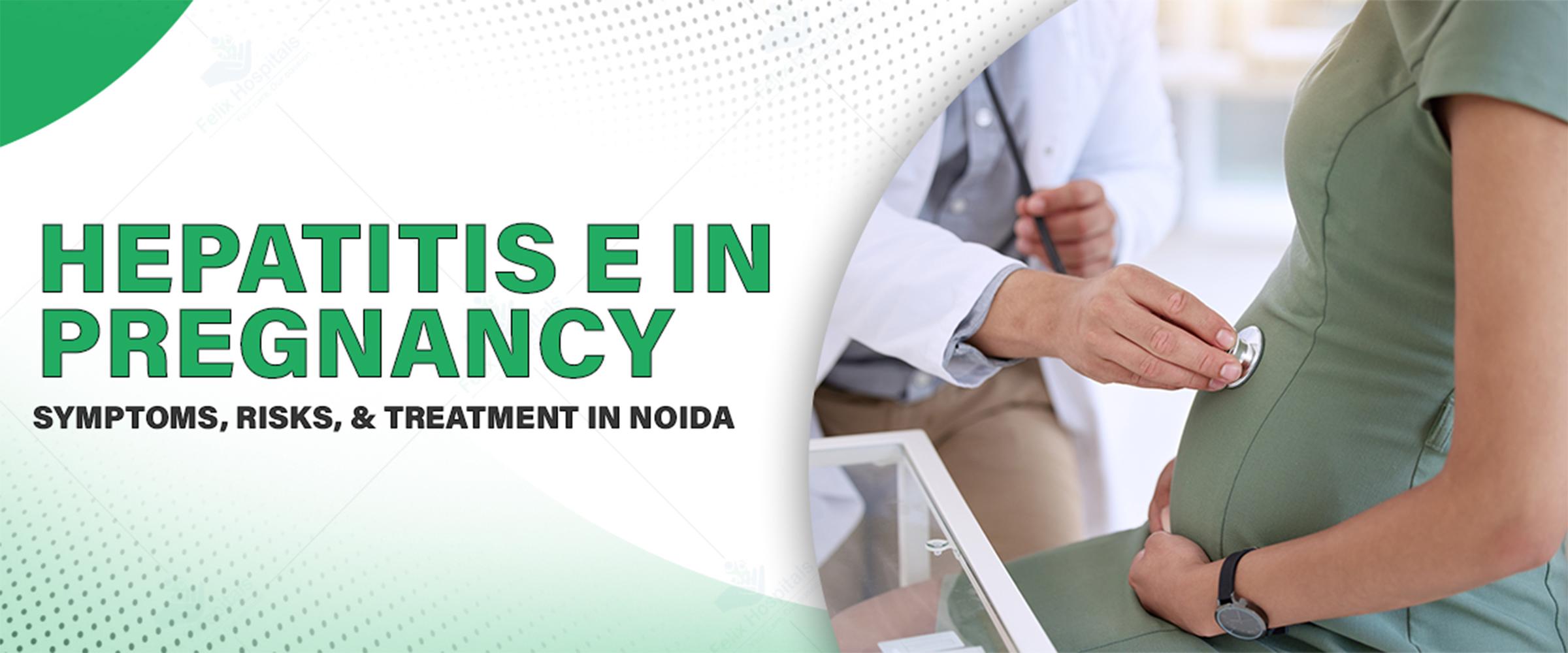
Pregnancy is a vulnerable and transformative period in the life of a woman — when her own body is exposed to drastic changes for nourishing the growth of the baby. But this is also the period when it becomes more prone to infection, and in particular, liver-related infections. Hepatitis E is one such preventable and serious condition that is a viral infection and may result in serious health implications for the mother and the unborn baby.
In regions such as India, in which Hepatitis E is highly prevalent and water and sanitation is compromised, awareness and preventive medical care in early pregnancy is essential for pregnant women. Receipt of timely care in the Best hospital for Hepatitis E in pregnancy in Noida greatly improves the chances of safe recovery and safe mother and fetal outcomes.
In the unlikely event that you start experiencing symptoms of liver discomfort or weakness when you're pregnant. Contact us now on +91 9667064100.
Hepatitis E is an infection of the liver caused by Hepatitis E virus (HEV). Hepatitis E mainly propagates through fecal-oral transmission, that is, it is transferred through ingestion of virus contaminated feces in water and in food.
Though Hepatitis E in otherwise healthy individuals normally clears up in its own right, infection in pregnancy could be quite more severe. Pregnant women, and in particular, third and second trimester pregnant women, have more likelihood of developing serious liver inflammation, jaundice, and even acute liver failure.
Also, the disease is prevalent in developing countries, such as parts of India, with high prevalence levels of waterborne infection. Information on Hepatitis E treatment for pregnant mothers and symptoms in its early phase will prevent life-threatening complications.
The symptoms of Hepatitis E are similar to other viral hepatitis, but their appearance usually occurs 2 to 6 weeks following exposure. They may in pregnant individuals, however, be more severe and fast-progressing.
Common symptoms are:
Fatigueneuss and weakness
Nausea and vomiting
Loss of appetite
Low-grade fever
Pain in the right side, or near the liver, in the belly
Dark yellow urine
Pale or clay-colored stools
Discoloration of skin and eyes (jaundice)
Itchy skin and scattered rashes
Foot and abdominal swelling in extreme conditions
Because these symptoms could mimic typical pregnancy-related weakness or morning sickness, they could be disregarded by numerous ladies. Any non-resolving jaundice or abnormal lethargy, however, requires immediate consultation with Hepatitis E in pregnancy Treatment specialist in Noida.
The primary cause of Hepatitis E is the consumption of contaminated water or food. Poor hygiene, leakage of sewages, and improper disposal of human faces are common culprits.
Other possible transmission techniques are:
Consuming undercooked meat (particularly pork or game)
Blood transfusion (rare but may occur)
Vertical transmission — from mother who is infected to newborn during birth
Because casual contact does not transmit the virus, Hepatitis E is not transferred by coughing, sneezing, or from sharing eating utensils. But in pregnant women, infection effects may prove more dangerous due to differences in hormone and immune levels.
Liver acts to filter harmful toxins and manufacture necessary nutrients. During pregnancy, the liver is working more actively in order to process the extra hormones and nourish the growing fetus. When Hepatitis E virus infects the liver, it could disrupt its functioning and cause acute liver failure.
Principal reasons for higher risk are:
Reduced immunity: Pregnancy naturally suppresses the immune system to protect the fetus, making viral infections more aggressive.
Hormonal alterations: Rise in estrogen and progesterone may shift liver metabolism and exacerbate inflammation.
Malnutrition: Pregnant mothers from the developing nations could end up with low antioxidants and levels of vitamins that safeguard the liver.
From various Indian clinical case studies, it has been observed that Hepatitis E in expectant mothers has added risk of death (up to 20–25%), more specifically in the third trimester.
Complications from Hepatitis E infection in pregnancy may prove deadly for both the mother and child.
Possible complications include:
Acute liver failure (fulminant hepatitis)
Severe coagulopathy and jaundice (t
Preterm birth or stillbirth
Fetal distress or low weight at birth
Vertical transmission leading to neonatal hepatitis E infection
Maternal mortality (in extreme, untreatable states)
Your admission immediately to the designated Hepatitis E treatment center in Noida is critical if you begin experiencing symptoms like jaundice, confusion, or debilitating abdominal pain.
Timely treatment and less risk result from correct diagnosis. Your doctor may refer you for the following tests:
Liver function tests (LFTs): For measuring enzyme levels that suggest liver injury.
Serology test (IgM anti-HEV): Positive for confirming recent Hepatitis E virus exposure.
Ultrasound: To assess liver size, hardness, and complications such as fluid accumulation.
Complete blood count (CBC): To estimate infection severity and level of immunity.
Early detection is essential since the symptoms may rapidly worsen in expectant women.
No antiviral agent exists for treatment of Hepatitis E. Treatment is primarily symptomatic, with augmentation of liver function, and prevention and treatment of complications.
Rest appropriately and liquids
Well-proportionate nutrition with low-residue foods
Giving up fried, oily, and packaged foods
Monitoring liver function regularly
Pregnant hepatitis E patients should be monitored closely in the hospital to prevent sudden liver failure or untimely labor.
Doctors will write:
Vitamin pills (particularly B-group and folic acid)
Intravenous fluids to avoid dehydration
Pain and nausea control medicine.
Steroid or anti-inflammatory treatment (in certain, closely monitored extreme cases)
Consultation with a liver specialist or obstetrician experienced in managing high-risk pregnancies ensures safe outcomes.
Various pregnant mothers look for natural ways of supporting recovery alongside medical treatment. While natural treatment is never replacing professional treatment, certain daily regimen and dietary practices do support building up the liver.
Secure home practices include:
Having boiled or filtered water only
Eating fresh fruit such as papaya, apples, and pomegranate for antioxidant.
Adding turmeric (haldi) and amola for herbal support for the liver
Having sufficient sleep and avoiding stress
Self-medication or use of herbal remedy except on medical advice
In case you notice an infection, do not wait and avoid seeking professional care — consult a Hepatitis E in pregnancy Treatment specialist in Noida for the correct counsel.
Since there is no widely available Hepatitis E vaccine in India, prevention is the best form of defense through cleanliness and sanitation.
Chief preventive recommendations:
Use only boiled, RO, or packaged water
Avoid raw or uncooked foods
Rinse fruit and vegetables before consuming them
Practice personal cleanliness (bath/shower daily, wash hands before eating and after going to the bathroom)
Do not dine at roadside stalls when pregnant
Ensure safe waste disposal and clean environment
Adhering to these routines is extremely efficient in minimizing infection risks in pregnancy.
Prompt care is not only good for your health, it ensures your baby's safe arrival too. Book your visit today by clicking here.
Hepatitis E is both preventable and potentially life-threatening in pregnancy. With adequate treatment, water intake, medical care, and preventive therapy, the majority of mothers make full recovery and safely give birth to their babies.
In case you start experiencing symptoms like jaundice, lethargy, or vomiting, do not neglect them — treatment in its preliminary phases is able to preserve life. Visit the Best Hepatitis E hospital in pregnancy in Noida for state-of-the-art diagnostic support and experienced care from highly qualified hematologists and pregnancy specialists.
For subsequent management, consultation, or follow-up following recovery, contact Hepatitis E in pregnancy Treatment specialist in Noida who will safely and effectively navigate you through each recovery process.
Q.1. Can Hepatitis E infect my baby during pregnancy?
Ans. Yes. Hepatitis E can be transmitted from the mother to the neonate during parturition and may cause neonatal infection or premature birth. Therapy during its early stage and hospital follow-up reduce such a possibility.
Q. 2. How long does Hepatitis E recovery take when you're pregnant?
Ans. The majority of the women will heal in 4–6 weeks with adequate fluid, nutrition, and bed rest. Severer symptoms may merit hospital admission for several weeks in close observation.
Q. 3. Are There Specific Indian Diets for Recovery from the Liver?
Ans. Yes. Easily digested foods like moong dal khichdi, vegetable soup, papaya, apple, and coconut water could revive vitality and liver recovery. Fatty or pungent foods should be avoided.
Q. 4. Can Hepatitis E in pregnancy be prevented with vaccination?
Ans. Currently, in India, none of the popular vaccines is available for Hepatitis E. Prevention relies on cleanliness and drinking safe water.
Q. 5. Is yoga or gentle exercise helpful in recovery?
Ans. Gentle stretches during pregnancy or yoga (with doctor approval) may increase circulation and ease strain, but at this acute phase, rest is necessary.
Q. 6. Is Hepatitis E infectious to near relatives?
Ans. No, it won't. It is transferred through contaminated water or food, and not through touching or in the air. Still, have all members in the house exercise strict cleanliness and avoid ordinary water sources.
Q. 7. When should warning signs receive immediate medical attention?
Ans. Jaundice, vomiting, abdominal pain, oedema, confusion, or low urine output are red flags. Rush to the Best hospital for Hepatitis E in pregnancy in Noida now.
Learn essential newborn care tips to ensure your baby’s health and comfort. A complete guide for parents in Noida.

Discover 11 expert tips to prepare for labour and delivery.
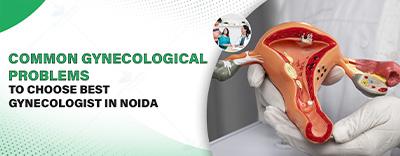
Know the common gynecological problems and the best tips to choose a trusted gynecologist in Noida

Women should see a gynecologist yearly after puberty for health check-ups.

Tailbone pain, or medicated term coccydynia, is an ailment that involves the small triangle bone at the base of the spine. While the coccyx itself is not large in stature, the pain located there can affect life significantly. Even everyday activities such as sitting, bending, or even driving may become painful or intolerable.
Knowing why tailbone pain develops, why it happens more in females, as well as the available treatment alternatives, enables an individual to take the appropriate measures toward their cure. Visiting an established Coccydynia facility in Greater Noida for consultation early on can eliminate long-term pains as well as help elevate the quality of life.
Schedule an appointment at a reliable Coccydynia hospital for the right diagnosis and the finest treatment protocol. Call us now at +91 9667064100.
Coccydynia consists of persistent pain around the coccyx or tailbone at the spinal base. Pain can range between dull ache or throbbing sensation and stabbing pains and could occur when sitting or when making sudden movements. Because the coccyx serves as an anchor for the ligaments and pelvic floor muscles, normal functioning of the region plays an important part in providing stability as well as mobility.
In some cases, the patient develops the pain suddenly following an accident but in others it may change insidiously without any apparent stimulus.
The following factors might cause coccydynia:
Injury or Trauma – Falls on the lower back, sport injuries, or birth pressure might directly harm the coccyx.
Chronic Sitting – Sitting on firm or thin seats for an extension of time may put stress on the tailbone. Because of this, sitting irritates the tailbone in most people.
Repetitive Strain – Cycling, perhaps in conjunction with rowing or horseback riding, over and over might stress the coccyx.
Age-Related Degeneration – Wear and tear of joints plus cartilage surrounding the coccyx could cause continuous pains
Infections or Tumors – Though infrequent, spine infections or tumors may lead to tailbone pain
Establishing the precise cause assists in the management of the best treatment regimen.
Studies discover coccydynia more common in women due to anatomical as well as biological reasons:
Women also tend to have broader pelvises, so their sitting places more force on their coccyx.
It may occur as a result of the compression during delivery.
The hormone changes may loosen surrounding ligaments and muscles.
These factors increase the risk of women developing coccydynia five times higher when compared to men.
The symptoms of the tailbone pain range but tend to include:
Localized pain at the lower back area
Joint pains worsened when sitting on hard surfaces
Sharp ache on standing after sitting position
Pain during bowel movements or sexual activity
Discomfort also occurred in the hips, thigh, or rectal area
The intensity of the pain may range in an individual but any symptom persisting should never go unnoticed. A consultation at Coccydynia doctor in Greater Noida will help in the proper evaluation as well as treatment at the appropriate time.
Tailbone pain may resolve itself for others, but one has to get medical help when:
It lasts 4–6 weeks beyond an attempt at home therapies
Symptoms continue to deteriorate
It has symptoms of associated pain, numbness or weakness.
Sleep and daily activities are interfered with
You have issues holding your bladder or bowels
Seeking medical attention for coccydynia at the right time helps in early diagnosis and prevents complications.
Doctors typically start with a physical exam to assess tenderness and mobility. Depending on the condition, tests may include:
X-rays – To exclude fractures or misalignment
MRI scans – In the diagnosis of inflammation, infection, or tumor
CT Scans – To Get Perfect Bone Images
These tests exclude the other causes and establish coccydynia.
Conservative Care
Rest and activity modification
Relieving pressure employing cushions upon sitting
Applying ice or heat for relief
Over-the-counter pain medications like NSAIDs
Strengthening the pelvic floor muscles
Relaxed stretching and standing posture training
Steroid injections for inflammation reduction
Nerve blocks for severe cases
Manual treatment using professional experts
Surgical removal of the coccyx (coccygectomy) is considered a last resort when all other treatments fail.
In order to get advanced treatment and care, consultation with the Best orthopedic specialist in Greater Noida provides individualized attention.
Lifestyle Modifications to Prevent Tailbone Pain
Use ergonomic seats featuring cushioning
Get up regularly when sitting for long times
Assume standing posture
Strengthen the muscular core through regular exercise
Weight management for relief of coccygeal pressure
Wear padding when doing activities like cycling or rowing
Modern treatment uses cutting-edge technology to ensure precision and faster recovery:
These technologies reduce tissue damage, improve accuracy, and shorten recovery time.
While tailbone pain might be problematic, small adjustments could make daily life run more smoothly:
Intermittent sitting, standing, and walking
Rest on pillow between or below the knees for support
Keep track of activities inducing ache and properly modify
Discover gentle exercises such as swim and walk
Be consistent in treatment and post-care treatment
Discuss with a Coccydynia doctor today and explore both conservative and cutting-edge treatment options exclusively designed just for you.

Dr. Keshav Goel is an experienced Orthopedic and Joint Replacement Surgeon in Noida with over 10 years of clinical expertise. He has performed 2,000+ independent surgeries and specializes in computer-assisted joint replacement and arthroscopic surgeries of the knee, shoulder, and hip. Known for his skill in treating sports injuries, trauma, and joint disorders, he provides advanced and patient-focused orthopedic care.
Coccydynia or tail bone pain has the potential to greatly impact comfort as well as daily functioning but can be handled properly. Diagnosis of the cause, lifestyle modifications as well as seeking professional care help in providing long term relief. The majority of the cases respond well to conservative management but newer options are there for resistant cases.
In the event of long-term distress, visiting a Coccydynia hospital in Greater Noida or a reliable Coccydynia doctor enables you to get the best treatment regimen. With professional advice from the best orthopedic doctor in Noida, it's possible for you to heal and live without the pains.
Q1. How do I know if it's just a bruise or coccydynia on my tailbone?
Ans. If the pain vanishes in a few days after an injury, it's most likely a bruise. But when sitting down, standing up, or stooping lasts for weeks as an ache, it may well be coccydynia and deserves an examination.
Q2. Can coccydynia cure itself without treatment?
Ans. In mild situations, signs might improve with rest, cushioning, as well as posture alignment. However, continuing or worsening agony is best handled by the Coccydynia doctor in Greater Noida.
Q3. Why am I feeling so much pain when sitting for long periods?
Ans. The sitting causes direct pressure on the coccyx especially on firm or narrow seats. It is for this reason that sitting aggravates the pain in people suffering from coccydynia.
Q4. Is tailbone pain usual at pregnancy?
Ans. Yes, many women experience tailbone pain due to hormonal changes and pelvic pressure. Still, if pain is severe, consult a specialist to rule out serious causes.
Q5. Should I think about surgery for tailbone pain?
Ans. Surgery (coccygectomy) is not very common. It is generally only an option when all the treatments don't work and the pain significantly affects everyday life. Always consult the best orthopedic expert in Greater Noida before making this choice.

Orthopedics is a specialized branch that takes care of your musculoskeletal problems related to joints, bones, muscles, spine, ligaments, and tissues.
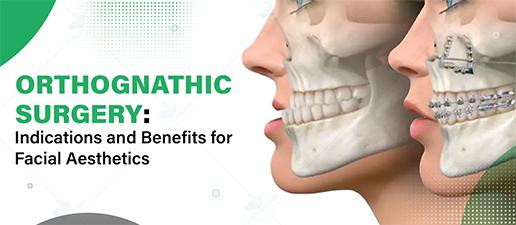
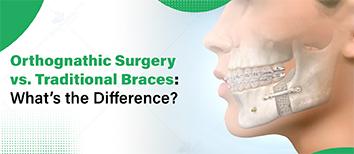
Orthognathic surgery corrects jaw alignment, improving both facial appearance and oral function.

Obstructed arteries may be very dangerous to the heart which results to heart attack, stroke, and cardiovascular complication among others. For those residing in Noida, seeking guidance from a trusted cardiologist in Noida can provide access to reliable advice and treatment tailored to individual needs. When it comes to heart attacks treatment in Noida, understanding how to clear blocked arteries without surgery becomes an essential part of preventive and curative strategies. This blog will inform you on lifestyle changes, drugs, and least invasive treatments that can be used to manage and even clear arterial blockages without the requirement to engage in surgical operations.
Learn how to clear blocked arteries without surgery with expert guidance-schedule your appointment now.
Blocked arteries develop when the stalking of cholesterol and fat among other materials thicken or block the blood erosion through the vessels of the heart and other vital organs. This disorder is medically known as scaled back and is a major cause of coronary artery diseases.
Recognizing signs of clogged arteries early is crucial for maintaining health. The symptoms could comprise chest pain (angina), dyspnea, fatigue, or even no symptoms, and in certain instances, no symptoms up to the development of immense blockage.
Understanding the early warning signs of blocked arteries helps individuals seek heart health without surgery options before the disease escalates.
One of the most effective methods for how to clear blocked arteries without surgery is making sustained changes in diet and daily routines:
Exercise: belong to a regular exercise routine where one has at least 150 minutes of moderate exercise that increases healthy blood flow, managing weight and reducing plaque.
Stop smoking: Smoking hastens acceleration of arteries damage, hence, giving up the habit enhances health of arteries and it inhibits blockages too.
Adopt a heart-healthy diet: Focusing on whole grains, fruits, vegetables, lean proteins, and the best foods to clear blocked arteries like avocados, olive oil, nuts, and fatty fish has proven benefits.
Dealing with stress: Cardiac risks are involved with chronic stress. Implementing stress management techniques supports long-term heart health without surgery.
This combination of habits leads to decreased deposition of plaque in the arteries and an enhanced operation of the heart.
In cases of blockages diagnosed in patients, medications supplement lifestyle changes to avoid further degradation:
Statins: lower the cholesterol content of the blood, and prevent or slows down the buildup of plaque.
Blood pressure regulation: By keeping healthy blood pressure with medication, additional damage to the arterial walls does not take place.
Blood thinners: Anticoagulant and antiplatelet medications help to stop the formation of clots that may worsen blockages or lead to heart attacks.
Thrombolytic therapy: With acute attacks, e.g. heart attack they put the medication to dissolve the clots, which restore blood flow.
Taking medications as prescribed by your cardiologist in Noida significantly reduces risks and aids in heart health.
Minimally invasive procedures are performed in surgery to tread cancerous tumors. Minimally invasive Procedures This uses minimal impassivity to treat cancerous tumors in surgery.
In the cases when the blockages are severe, yet surgery is not inevitable, such types of procedures as angioplasty and stenting can be applied:
Angioplasty: This involves inserting a catheter that has a balloon tip into the obstructed artery and inflating it to expand.
Stenting: A mesh tube (stent) can be put in an artery during angioplasty to maintain the consistency open in the long run.
These procedures fall under how to clear blocked arteries without surgery because they don't require major incisions and have quicker recovery times than traditional surgery. Nevertheless, it is essential to evaluate patients to establish the appropriateness.
Pay attention to signs of clogged arteries to seek early care:
Chest discomfort or angina.
Aspiratory insufficiency on exertion.
Dizziness or fatigue.
Weakness or numbness (symptoms of stroke).
The early detection is one that can be interceded through lifestyle interventions or procedures instead of more violent surgery.
The question "Can blocked arteries clear without surgery?" can be told by the degree of accumulation of the plaque. Lifestyle and medical management may stop the progression or slow it down in the case of mild to moderate blockages. These interventions can normalize blood flow and avoid complications and thus eliminate the need of open-heart surgery, although the overhaul may not be possible at all times.
Minor interventions, like angioplasty or stenting are the therapeutic methods used in a more progressive case that include a transition between medicinal use and a complete operation.
The healing of minimal invasive surgeries is quicker as compared to conventional operations. Normally, patients are able to resume a normal life after a few days to a few weeks.
Continued commitment to:
Heart-healthy nutrition
Regular exercise
Smoking cessation
Medication adherence
Stress management
is the foundation of the prevention of re-blockage and cardiovascular well-being without the dangers of the surgery.
If you are concerned about blocked arteries and wish to explore heart attacks treatment in Noida or options for heart health without surgery, consult reputable clinics and cardiologists. The heart valve replacement hospital or cardiovascular centers in Noida are in place with the modern diagnostic and therapeutic solutions based on the needs of the individuals.
Frightened over blocked arteries? Make an appointment in the cardiac-check today -call +91 9667064100.
While blocked arteries pose serious health risks, many can be managed or improved through how to clear blocked arteries without surgery approaches. Adopting heart health without surgery strategies-emphasizing lifestyle change, medications, and minimally invasive procedures--reduces complications and promotes longevity.
Identifying early warning signs of blocked arteries and maintaining regular check-ups with a cardiologist in Noida improves outcome drastically. By visiting the best cardiology hospital in Noida, one can have access to professional care and specific treatment regimen of safe and efficient heart maintenance.
Take care of the heart today and manage to lower the chances of experiencing heart attacks through proper care and through a professional approach.
Q.1. What are the typical initial symptoms of clogged arteries?
Ans. Some of the important symptoms are chest pain, shortness of breath, fatigue, and dizziness.
Q.2. Are minor blockages of arteries treatable without surgery?
Ans. Yes, with lifestyle modification, medications, and least invasive operations.
Q.3. What are the foods that have been known to clear blocked arteries?
Ans. Foods that contain omega-3 fatty acids, antioxidants and fibers like fish, nuts and fruits.
Q.4. At what frequency should I measure my artery health?
Ans. Cardiac check-ups can be conducted on a regular basis particularly when one is at risk.
Q.5. Minimally invasive treatments are safe for everyone?
Ans. Appropriacy varies according to circumstances; one should consult with his/her cardiologist.
Hernias are more frequently than not described as a condition that exists mainly in men. However, women do get them too—particularly groin hernias. Although they do occur less frequently in women, they can occasionally be more difficult to diagnose and could potentially be misdiagnosed as other medical ailments.
Identifying what a groin hernia actually is, why it occurs, as well as how it can be treated will be useful knowledge for women. So if you've ever asked yourself what is a groin hernia in women, this guide will steer you on the causes, the signs, treatments, as well as why locating the correct specialist doctor is so crucial.
Visit a renowned women's hernia surgeon in Greater Noida now and initiate the process for safe and permanent relief. Call us today at +91 9667064100.
Groin hernia happens when tissue like a part of the intestine bulges through a weak area on the belly wall in the groin region. In females, the condition may be diverse as that in men by reason of some anatomic disparity.
Women normally experience inguinal hernias or femoral hernias in the groin region. Femoral hernias being rarer actually more frequently arise in women than men. In a small number of cases, they can be mistaken for gynecologic problems, thereby leading to delays in treatments as well as diagnosis.
In the event that you encounter unexplained discomfort or swelling along the groin area, you might wish to consult a women's hernia specialist in Greater Noida who can carefully analyze your symptoms.
The knowledge concerning the cause holds paramount significance in prevention as well as cure. No specific cause exists for groin hernias, yet various factors can prove responsible:
Weakened belly wall: Certain women will be born with inherently weak tissue that predisposes women to hernias.
Pregnancy: Repeated pregnancies can stretch and weaken abdominal muscles.
Chronic coughing or sneezing: Lung diseases like asthma or allergies that result in repeated sneezing could place additional pressure on the belly.
Heavy lifting or heavy exercising: Occupations or exercising that involve use of weights place an additional tension on the abdominal wall.
Obesity: Overweight puts tension on muscles in the abdominal area.
Prior surgery: Surgeries close to the groin can provide weak areas where hernias may develop more easily.
By identifying what causes groin hernia in women, doctors can advise on lifestyle changes and precautions to lower risks in the future.
The symptoms can vary between men and women, so this can complicate diagnosis. Some common women's symptoms that they need to be on the lookout for are:
Palpable swelling or bulge on the upper thigh or groin that may become more prominent upon standing up or when coughing.
Groin discomfort or pain when lifting something, bending for a stretch, or exercising.
Bloating or fullness in the lower belly.
Nausea and vomiting if the hernia becomes trapped or strangulated.
Menstrual groin pain that can be confusing with gynecologic complaints.
If the pain is intense, with fever, vomiting, or sudden swelling, it might be an indicator that a strangulated hernia has occurred, a condition that constitutes a medical emergency. In such an event, immediate consultation with a groin hernia specialist in Greater Noida becomes imperative.
As women's hernias can be mistaken for other diseases like ovarian cysts or endometriosis, physicians employ a battery:
Physical exam – if bulges enlarge when you cough or strain.
Ultrasound or CT scan – imaging procedures that will provide an indication if the hernia is not palpable.
Medical history – knowing risk factors such as previous pregnancy, surgery, or a family history of hernias.
Accurate diagnosis will lead to proper management as well as prevention of complications.
Once a groin hernia has been diagnosed, the surest method for its cure is surgery. Unlike other diseases, a hernia will not improve on its own if left untreated, and delaying might complicate further issues. These therapies are:
In instances where the hernia is very small size, painless, and not causing discomfort, a doctor may prescribe observation over it. That however is uncommon in females since femoral hernias pose a higher risk of complications.
Surgical treatments can be broadly divided as follows:
Open Hernia Repair: The surgeon makes an incision in the groin and pushes the herniated tissue back into place, reinforcing the abdominal wall with stitches or mesh.
Laparoscopic Surgery (Minimally Invasive): Small incisions are used, and a scope guides the surgeon. Recovery will typically be faster with this procedure as will post-surgery pain.
Recovery time varies, but most women return to daily activities within 1–2 weeks after laparoscopic surgery and a little longer after open surgery.
If you’re wondering how is groin hernia treated most effectively, laparoscopic methods are increasingly preferred due to their quicker recovery and smaller scars.
Following doctor's orders after surgery is vital for a long recovery:
Steer clear of heavy lifting for some weeks.
Keep a healthy weight to put less pressure on the abdominal wall.
Take care of chronic cough or constipation to avoid buildup pressure.
Keep gentle physical activity such as walking so that you can recover.
Most women make a complete recovery with proper care and resume normal activities without any complications.
If you need medical help, you should look for a groin hernia doctor in Greater Noida who knows how to treat female hernias differently. Unlike other cases, female hernias need a diligent assessment since they tend to conceal or be mistaken for something else. Getting consulted at a top-tier groin hernia hospital in Greater Noida means access to updated diagnostic equipment, skilled surgeons, as well as customized protocols for therapy.
Women looking for sensitive as well as professional attention can rely on visiting a women's hernia expert in Greater Noida where meticulous diagnosis as well as tailored methods of treatments are provided maximum importance.
Book an appointment with the finest groin hernia hospital in Greater Noida to get exact diagnoses and latest treatments.
Women's groin hernia might not be as prevalent as that of men's but when it happens, it poses specific challenges. Whether knowing what a groin hernia in women is or what causes a groin hernia in women or how a groin hernia in women is treated, knowledge is the beginning towards healing. Without being treated, a hernia can cause severe complications but adequate medical attention on a timely basis yields effective and durable solution outcomes.
In case a hernia is suspected or if constant pain is felt in the groin area, don't ignore the sign. Get yourself assessed and treated by a credited groin hernia surgeon in Noida. With timely care, women recover soon, avoid subsequent complications, and can live a healthy, productive lifestyle once more.
Q1. Must female groin hernias cause a palpable bulge?
Ans. Not necessarily. Unlike men, women can get occult or hidden hernias that do not present a palpable mass; imaging studies such as ultrasound become vital in diagnosis.
Q2. May pregnancy make a groin hernia worse?
Ans. In fact, pregnancy increases tension on the abdominal wall and may cause a pre-existing hernia to further collapse. Females preparing for pregnancy need to consult a hernia specialist early on.
Q3. Green-light laser photodynamic therapy safe in women of reproductive age?
Ans. Laparoscopic repair in a hernia is safe as well as minimally invasive. It will not usually affect the future pregnancy or infertility if a skilled surgeon operates on the patient.
Q4. Lifestyle modifications by themselves can they prevent groin hernia surgery in women?
Ans. Lifestyle modifications such as reducing one's weight, not carrying heavy objects, and managing chronic cough will reduce symptoms but will never cure an existing hernia. Though surgery is the only permanent solution. .
Q5. How do I know if I have a groina hernia or something else?
Ans. Groin pain due to a hernia usually exacerbates upon standing, lifting, or coughing, although gynecologic pain might accompany your cycle. It can only be verified by a specialist with rightful tests.
Q6. Is the risk of complications in untreated groin hernias in women higher than that in men?
Ans. In fact, femoral hernias (common in women) tend more frequently toward strangulation than inguinal hernias in men. That's why an early procedure on the patient is strongly recommended.
Selecting the best gynecologist hospital in Noida is crucial for your health. Learn what to look for in top facilities offering specialized care in maternity, infertility, menstrual health, and gynecological surgeries.
Exploring the Best IVF hospital in Noida for expert fertility treatments. Felix Hospital IVF is dedicated to helping couples achieve their dream of parenthood with advanced fertility treatments, latest technology, and compassionate care

Pregnancy is a life transforming process which makes you excited, emotional and ask yourself questions regarding the health and development of the baby. Among the many prenatal tests available, the Double Marker Test in Noida has become a key part of modern pregnancy care. This screening test is performed during the first trimester, which helps to assess the possible risk of your baby having some chromosomal disorders.
To pregnant women, it is always tranquil to know what the test is all about as well as its contribution in providing tranquility and assurance with regard to making good decisions on behalf of the mother and the baby. Although this is not a decisive test, it offers significant information to help doctors as well as parents in embarking on future actions to have a healthy pregnancy.
Assure healthy pregnancy with an effective Double Marker Test direction- check +91 9667064100 with a specialist.
You should understand What is the Double Marker Test in pregnancy? It is a blood test that is used to measure the concentration of two significant substances in the blood of the mother including free beta-human chorionic gonadotropin (b-hCG) and Pregnancy-associated plasma protein-A (PAPP-A). These are examined alongside other parameters like the age of mother and findings of the nuchal translucency (NT) scan which is an ultrasound test that examines the clear tissue at the back of the babies neck.
The outcomes of this test assist physicians in determining the probability of having chromosomal defects and in particular Down syndrome (Trisomy 21), Edwards syndrome (Trisomy 18), and Patau syndrome (Trisomy 13). These are hereditary diseases brought about by the excess copies of chromosomes that may lead to the development of a baby.
The test is a screening test since it merely projects probabilities and not certain diagnoses. Doctors can also recommend additional procedures such as NIPT (non-invasive prenatal testing) or amniocentesis to establish a high-risk diagnosis in case of a high-risk outcome.
To understand How does the Double Marker Test help in early pregnancy screening you should know early diagnosis is vital as it will provide the parents, as well as the doctors with sufficient time to strategize and make informed decisions. The test is done during the first trimester; therefore, it identifies important signs of chromosomal or developmental risks before they develop.
The accuracy of the possible chromosomal conditions detection in combination with the NT scan and biochemical markers (b-hCG and PAPP-A) is higher. In case anomalies are found during this phase, investigations can be conducted early enough and proper diagnosis achieved early so as to provide proper care.
The test is especially suggested when used with:
Women over 35 years of age
Individuals who have a family history of genetic illnesses.
Irregular development in early ultrasound scanning of the pregnancy.
Anticipating pregnant women in need of reassurance and extensive health check-ups.
In low-risk pregnancy, doctors in Noida are likely to incorporate the test in their typical tests in the first trimester to provide the best prenatal nurse care.
You should know What does the Double Marker Test screen for - it is done to know the Probability of chromosomal abnormalities in the growing fetus is screened using the Double Marker Test whereby specific hormones are monitored.
The significant conditions it screen checks are as follows:
Down Syndrome (Trisomy 21): The abnormality is caused by an extra chromosome X 21, resulting in development and intellectual difficulties.
Edwards Syndrome (Trisomy 18): This condition is marked by massive developmental retards when it is observed in children.
Patau Syndrome (Trisomy 13): A disorder, which impacts brain development and physical development.
A measurement out of the norm does not substantiate these diseases but generates an increased possibility, directing the physician to carry out additional assessment.
It is very easy and totally non-invasive. It entails the extraction of a small blood sample on your arm, and this is released to the laboratory to be examined.
The following is what normally occurs:
Step 1: No fasting is required. You will be able to eat or drink normally prior to the test.
Step 2: A skilled technician collects a minuscule portion of your blood on your arm.
Step 3: A laboratory analyses the concentration of free b-hCG and PAPP-A in your blood.
Step 4: The risk ratio is obtained by entering your age, weight, gestational week and NT scan results into a computer program.
Step 5: This is the report that you are given to determine the risk level of your pregnancy with a low risk or a high risk.
Step 6: Talk with your doctor about the meaning of the result and the need of further testing.
The entire procedure normally requires between 15 and 30 minutes and the outcomes are obtained within several days. No discomfort or post recovery is necessary.
In addition to several advantages, the Double Marker Test has several benefits that make this procedure a significant step in the modern prenatal care:
The non-invasive one: It is a basic blood analysis that does not present any threats to the mother or the baby.
Early diagnosis: Assists in diagnosing the presence of abnormalities in the chromosome early in pregnancy.
Aids in informed decision-making: Will help to follow up tests on time or assure in case of normal results.
Peace of mind: When most parents are given a low-risk outcome, they usually feel reassured.
Medical planning assistance: In case they identify any danger, doctors will have an opportunity to prescribe additional measures or support earlier.
Cost-efficient: Inexpensive compared to invasive procedures of genetic diagnostic.
The double marker test prevents stressful management of pregnancy by providing timely and practical results.
The outcome of the double marker test will either make you have a low or high risk pregnancy.
Minimal risk outcome implies that your baby has minimum chances of having chromosomal abnormalities.
High-risk outcome implies more likely genetic impairments, which need additional research such as NIPT or amniocentesis.
One should not forget that this is a screening test, but not a diagnosis. Being labeled a high-risk does not always mean that your baby has a genetic condition and most of such outcomes prove normal during the verified tests.
Age, weight, smoking behaviors, underlying health conditions, and gestational timing may also affect the accuracy of the results. You should always examine your outcome with a qualified gynecologist who would be in a position to interpret it relative to your excellent health and pregnancy history.
The accuracy of the test may be influenced by several factors, and they include:
Multiple pregnancies: The exam can be inaccurate in the event of a twin pregnancy or above.
Mother age: The risk is directly proportional to age and may distort end result descriptions.
Weight and health status: Obesity or some disorders may influence hormones.
Medication or lifestyle: There could be effects of medication and habits such as smoking.
Incidents of errors in NT scan measurements: Inaccurate readings on ultrasound may bias total analysis.
You make sure that your doctor makes the best judgment possible by keeping faulty scan data to a minimum and having accurate scan data of the same.
The preparation of the double marker test is not a stressful task. Here's how you can get ready:
Perform the test in week 10 to 13 of pregnancy.
You are not required to go without; take your food and drink.
Carry any past ultrasound or NT scan reports.
Medications or supplements that you take should be disclosed to your physician.
Wear clothes, which are comfortable and can comfortably roll up.
You need not have any worries--around in a minute and you are out of pain.
The Double Marker Test Cost in Noida varies by location and healthcare facility, but generally ranges between 1,500 and 3,500. The price will vary based on the inclusion of the NT scan into the package. There are hospitals that provide packages, which combine the two tests, thus convenient and better priced.
Although the costs may fluctuate, a majority of diagnostic centers within Noida are well prepared to handle this test in a well manner and at the right time so that the expecting mothers are at ease knowing that the test is reliable, giving them a sense of calmness.
Through a double marker test you are opting to exercise proactive care. It shows knowledge, readiness and dedication in making sure your baby is healthy. This screening does not only identify any dangers--it will make you feel confident in your pregnancy process both with the help of a specialist and at the initial stage.
Despite whether it is the first time or you have gone through pregnancy complications before, the enlightenments that such a test provides can prove invaluable when making medical choices.
Need to know the health of your baby? Call +91 9667064100 to learn about the Double Marker Test cost in Noida and available packages.
The Double Marker Test in Noida plays a vital role in early prenatal screening and offers expecting parents a chance to identify potential chromosomal abnormalities as early as possible. The test can then be used to estimate the correct risk estimates that the doctor can make in relation to the genetic health of your baby in combination with the NT scan and the individual factors such as age and health.
With an affordable Double Marker Test Cost in Noida and a safe, simple procedure, this test is an essential part of every expecting parent's prenatal plan. Nor is it too soon to begin to act, and in the case of pregnancy, speed may prove everything. It is the next step towards achieving a healthier, happier life by choosing this test.
Q.1. What are the reasons why a Double Marker Test is absolutely recommended in pregnancy?
Ans. The test should be strongly considered in expecting mothers above 35 years, in mothers who have a family history of genetic disorders, or whose early scanning proves concerning.
Q.2. Considering the high-risk form of my Double Marker Test, does my baby necessarily have a genetic disorder?
Ans. No, high risk is only greater likelihood- not a diagnosis and additional diagnostic measures may be prescribed, to be applied, such as NIPT or amniocentesis.
Q.3. Can I undergo the Double Marker Test as I am collecting my routine prenatal care in Noida?
Ans. Yes, this is a screen that is combined in most of the major screening labs and hospitals in Noida with routine first-trimester checkups so that they can be convenient and provide comfort.
Women should see a gynecologist yearly after puberty for health check-ups.
Know the common gynecological problems and the best tips to choose a trusted gynecologist in Noida
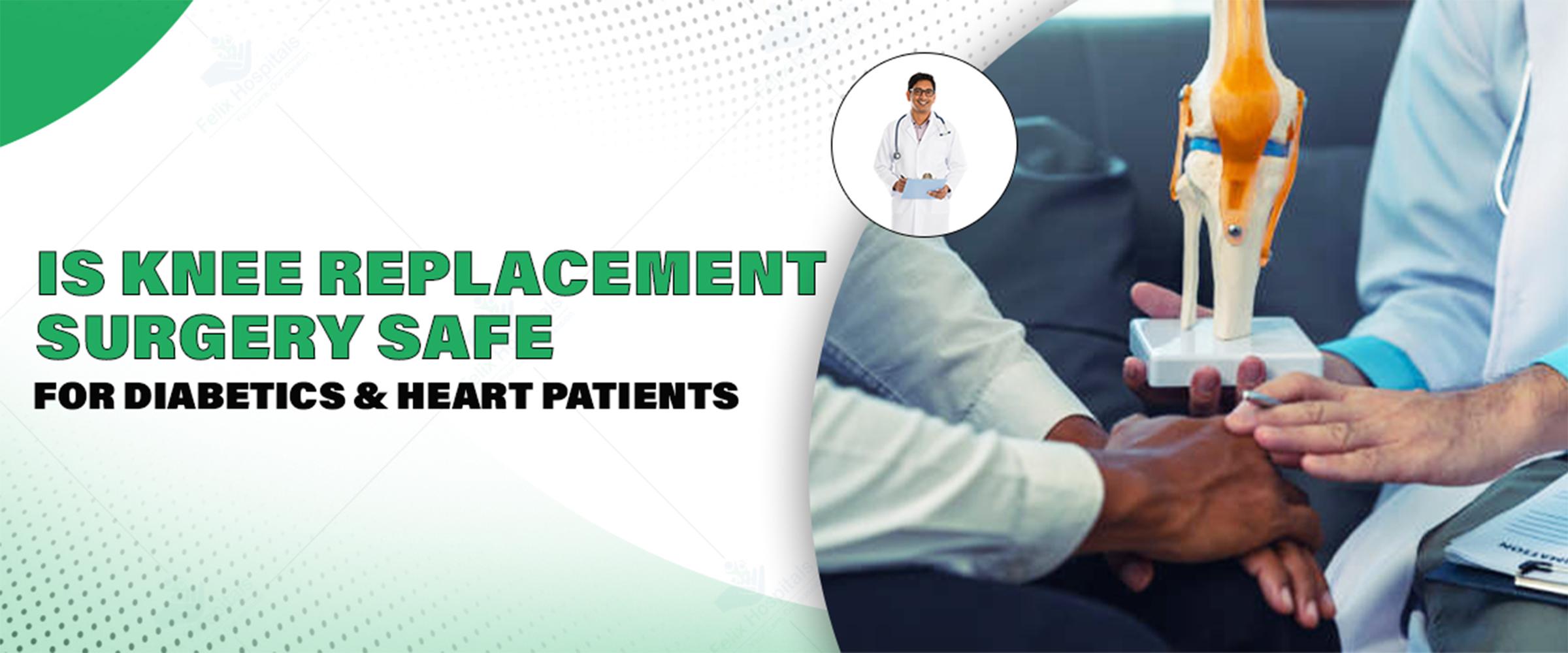
Selecting the appropriate care is a vital consideration in regard to orthopedic surgery i.e. in the case of chronic conditions such as diabetes or heart disease. The question that comes to the mind of people who seek the best hospital to carry out knee replacement in diabetics or those who require knowledge in knee replacement surgery in Noida is whether surgery is safe and effective according to their special health profile. It only takes choosing a team that is well experienced in a well known knee replacement surgery hospital in Noida that has specialized in handling difficult cases.
This blog discusses the facts of knee replacement surgery in diabetics and heart patients, dispelled the myths and the precautions, treatment advances and recovery schemes that would see to it that you are safe and that you can move about again.
Make sure there is good recovery with specialized treatment of diabetic and heart patients-reserve your plan at +91 9667064100.
Is knee replacement surgery safe for diabetics? This is an understandable issue because of the complicated interaction of diabetes and the results of surgery. Diabetes compromises immunity and wound healing and increases the chances of postoperative infection and stunted recovery. Uncontrolled high blood sugar levels may result in the complication rates elevation after surgery.
Knee replacement complications in diabetics often include:
Surgical site infections
Poor wound healing
Greater danger of deep vein thrombosis.
Reduced rate of rehabilitation.
Nevertheless, when glycemic control is strict and preoperative planning is carefully performed, lots of diabetics are successfully able to have knee replacement surgery and have a great time.
For patients with cardiac conditions, knee replacement surgery for heart patients requires a multi-disciplinary approach to reduce potential risks. Surgery also imposes further load on the heart, and anesthesia may affect blood pressure and the heart rate.
The primary knee surgery risks for diabetic patients with concomitant heart disease include:
Cardiac arrhythmias
Myocardial infarction intraoperative or postoperative.
Fluid disequilibrium that influences cardiac tension.
Risks greater mortality in severe cardiac disease.
It is vital that orthopedic surgeons, cardiologists, and anesthesiologists work closely to observe and maximize heart health before, during, and after surgery.
Preparation is key to a safe knee replacement for diabetics and heart patients. A number of crucial measures guarantee surgery preparation with minimum risk of complications:
Full medical clearance with cardiac testing (ECG, echocardiography or stress) test.
Blood sugar control can be measured by having tests such as HbA1c; the result should not exceed 7.5% of the level and this improves prognosis.
Medication check up and modification especially the blood thinners and diabetes medication to avoid bleeding and hypoglycemia.
Life changes such as quitting smoking, mild physical exercise, and dietary change to enhance recovery ability.
Optimizing these factors reduces knee replacement complications in diabetics and addresses cardiovascular stability.
During the perioperative period, managing diabetes during knee replacement involves:
Regular blood glucose level control to avoid dangerous peaks and downturns.
Insulin or oral hypoglycemics as suggested by the endocrinologist.
In severe cases, intravenous glucose or insulin to keep in tight control.
Normally regulated blood sugar is essential to wound healing and reduces infections and inflammation.
Heart patient knee replacement precautions focus on minimizing cardiac workload through:
Stabilization of blood pressure and cholesterol level before operative procedures.
Adoption of modified methods of anesthesia such as regional blocks as opposed to general anesthesia.
Constant cardiac supervision in surgery.
Close attention to fluid management to prevent fluid overload and heart overload.
Individualized rehabilitation that does not exceed cardiovascular restrictions but encourages movement.
These interventions improve the safety and post-surgical outcomes.
Modern knee replacement techniques promote safe knee replacement for diabetics and heart patients:
MIS is less harmful to the tissues and less prone to infection.
Enhanced recovery after surgery (ERAS) protocols hasten the mobilization and decrease hospitalization.
The more developed implant materials and designs enhance durability and functioning.
Strict measures of infection control reduce postoperative infections in more high-risk patients.
Hospitals that do well in knee replacement surgeon in Noida have interdisciplinary teams that have the experience to handle complex cases that involve diabetes and cardiac cases.
In the postoperative treatment, attention is paid to:
Close monitoring of cardiac parameters and blood sugar.
Prompt mobilization under the supervision of the physical therapists with knowledge on cardiac safety.
Wound examination to identify infection or delayed wound healing.
Lifestyle education and medication adherence education of patients and symptoms that require emergency care.
Experience shows that with proper care, recovery after knee replacement for heart patients and diabetics is favorable, leading to significant pain relief and improved function.
More than 90 percent of diabetics and heart patients who are undertaking knee replacement recover and experience pain relief.
The occurrence of surgical site infections is greater in the non-diabetics group compared to individuals with Diabetes but when protocols are adhered to the rates are very low
Through extensive pre-surgical evaluation, cardiac events in hospitalization are uncommon. Patient satisfaction regarding pain relief, quality of life and the capacity to resume their activities are very high. These results support the critical role of preparation, multidisciplinary care, and a close follow-up.
Do you have diabetes and want to have knee replacement? To ensure safe surgery, contact Noida through its professional surgeons at +91 9667064100.
Modern knee replacement surgery has become much safer for high-risk patients, thanks to advanced technologies that minimize complications, reduce recovery time, and improve surgical precision.
1. Robotic-Assisted Knee Replacement
2. Computer-Navigated Surgery
3. Minimally Invasive Surgery (MIS)
4. Advanced Pain and Blood Management Technologies
5. Laparoscopy-Inspired Precision Techniques
Dr. Keshav Goel is an experienced Orthopedic and Joint Replacement Surgeon in Noida with over 10 years of clinical expertise. He has performed 2,000+ independent surgeries and specializes in computer-assisted joint replacement and arthroscopic surgeries of the knee, shoulder, and hip. Known for his skill in treating sports injuries, trauma, and joint disorders, he provides advanced and patient-focused orthopedic care.
Undergoing knee replacement surgery requires special precautions, especially for patients with diabetes or heart disease. With personalized care at the best hospital for knee replacement in Noida, guided by the best orthopedic doctor in Noida, even high-risk cases can be managed safely using advanced surgical techniques. Proper planning and expert supervision help ensure a smooth recovery, pain-free mobility, and a better quality of life.
Q.1. What can I do to ensure that the process of knee replacement surgery is safer when I have diabetes?
Ans. Control blood sugar several weeks prior to surgery and follow all care instructions with your doctor.
Q.2. What are the risk factors that predispose knee replacement surgery to heart conditions?
Ans. Surgical risks are increased by heart failure, arrhythmias and coronary artery disease, which they need to watch.
Q.3. What is the duration of rehabilitation following knee surgery among the diabetic people?
Ans. The process of recovery may be slow because of difficulties in healing and may last several months of physical therapy.
Q.4. Do heart patients have any special anesthetic methods when having joint operations?
Ans. Yes, in many cases, regional anesthesia minimizes cardiac stress in relation to general one.
Q.5. What to keep in mind while choosing a hospital for knee replacement
Ans. When choosing a hospital for knee replacement, consider the surgeon's experience and qualifications, the hospital's volume of successful joint replacement surgeries, advanced technology like robotic assistance, strong post-operative care and rehabilitation programs, and hospital accreditations and patient reviews.
Orthopedics is a specialized branch that takes care of your musculoskeletal problems related to joints, bones, muscles, spine, ligaments, and tissues.

Sciatica Nerve Pain can cause sharp, shooting pain that radiates from the lower back to the legs. It often results from a herniated disc or spinal issues pressing on the sciatic nerve.

How much should you weigh for your height? is one of the most frequent health queries that everyone a, whether they are of age or sex. If you aim to reduce your weight, build muscles, or remain fit, it is the most important step that you take for a healthy life.
Your weight in isolation is not your health, but it is important when combined with your height, body composition, and lifestyle. Clinics and dieticians typically use a combination of tools such as BMI, hip-to-waist ratio, and percentage of body fat in order to determine if or not your weight is in a healthy range.
It is best to consult with a pediatric doctor in Noida or a pediatric allergy treatment in Noida expert (to factor in child-specific development profile) or an adult doctor to get an idea of where you stand and where you would benefit most.
Call on +91 9667064100 to seek sound health experts in Noida and gain personalized guidance on how you can safely and effectively achieve your desired weight.
Your height is also an indicator of how much body weight your build can handle while not being stressful for your heart, your joints, and your metabolic system. A taller individual inherently has more muscle and bone mass compared to a shorter individual, so their range of "healthy" weights is larger.
When you weight more than is suitable for your height, you would also be more likely to suffer from conditions including:
On the other hand, being too thin may cause sluggishness, low immunity, and inadequate nutrient uptake. Ensuring proper balance is thus essential for long-term health.
The Body Mass Index, or BMI, is the simplest and most frequent formula used to estimate whether or not your weight is healthy for your height. It is calculated by the following formula:
BMI = Weight (kg) / [Height (m)]²
After calculating, you can take the value as:
For instance, if you weigh 65 kg and you measure 1.70 m in height,
BMI = 65 / (1.7 × 1.7) = 22.5, in the normal range.
But BMI isn't discriminatory about fat versus muscle mass — so sports stars or individuals with high muscle density may register as "overweight" but still be in great shape.
Following is a regular height-to-weight table based on BMI criteria for adults.
| Height (cm) | Ideal Weight Range (kg) |
| 150 | 41 – 56 |
| 155 | 44 – 59 |
| 160 | 47 – 63 |
| 165 | 50 – 68 |
| 170 | 54 – 72 |
| 175 | 57 – 76 |
| 180 | 60 – 81 |
| 185 | 63 – 85 |
| 190 | 67 – 90 |
These ranges aren't fixed — differences in skeletal structure, gender, and age contribute large amounts. It is better to regard this chart as a guideline rather than as a rulebook.
This measures the ratio of your hip to your waist as another form of measuring fat deposition.
One of the best and simplest methods — your natural waist size shouldn't be more than half of your height in centimeters. If you find you're 170 cm, for example, your natural waist shouldn't be more than 85 cm.
Exercise authorities typically suggest body fat percentage as a more accurate assessment of fitness. Healthy limits are:
Your "ideal" weight is yours alone and is different from another person's. Several factors decide it:
As an individual ages, their metabolic rate slows and their muscle mass shrinks, and weight gain becomes simpler but weight loss more complicated.
They also generally contain more muscle and more tightly-packed fat stores than females, so their ideal weight range is higher.
Stronger muscles and heavier bones increase the body weight of course without showing any excess fat.
More active people are more likely to gain more weight with less fat content since they develop more muscles.
The shape of the body and the patterns of fat distribution are usually hereditary which determines the way and location of fat storage in your body.
It is typical for body weight to vary slightly — but chronic excess or deficit can contribute to problems with health. You would want to see a doctor if you:
If your BMI falls in the overweight or obese range, consider consulting a pediatric Hospital in Noida (for children) or a general physician for adults to rule out underlying causes and get personalized advice.
The perfect weight is not the end of it, but the result of a good diet, physical activity, and lifestyle.
Consume nutritious amounts of long-chain carbohydrates, lean protein, healthy fats, and fiber. Avoid the fad diets, they ruin your metabolic system.
Secret: 50 percent of your plate must consist of fruits and vegetables, 25 percent lean protein, and 25 percent whole grains.
It maintains the metabolic processes, alleviates digestion and regulates hunger. Consume at least 2-3 liters of water as a day.
Stress in the long term causes release of cortisol, a hormone which promotes the storage of fat, especially around the mid section. Give time to stress-reducing acts, such as yoga, meditation, or hobbies as a way of achieving emotional equilibrium.
Poor sleeping patterns disturb the appetite hormones causing you to desire junk food. Get between 7-8hours nighttime sleep.
Annual health screens are necessary even in the prime shape. These help in maintaining your BMI, blood sugar, cholesterol and thyroid all of which are significant in maintaining weight balance.
They pose the question, what is the right weight of my child considering his height and age?
Children unlike adults do not rely on the BMI alone in determining their ideal weight but with the assistance of growth charts. Growth charts compare the age, height and weight percentile of kids with the healthy norm.
The child doctor in Noida is able to interpret these charts and determine whether or not your youngster's weight is consistent with typical development. Counseling in early life can prevent childhood obesity or undernutrition — both of which can affect long-term health.
Myth 1: BMI reveals all about health.
Facts: BMI is no more than one factor — muscle mass, bone density, and fat location all count too.
Myth 2: Thin Is Healthy
Fact: Weighing too little can also lead to hormonal and nutrient problems.
Myth 3: Weight loss diets always work.
Fact: Radical diets can cause imbalance of nutrients and rebound weight gain.
Myth 4: Physical exercise by itself controls weight.
Facts: Nutrition trumps all — you can't out-work a poor diet.
Healthy weight is important for long-term health. If you're concerned about your BMI or you find that you're going through unwarranted weight gain or loss, consult with experienced medical staff today.
There is no such question as "How much should you weigh for your height?" — but paying attention to your body type, tendencies, and health messages can lead you to your own healthy range. Healthy weight is not a particular shape — it is being alive, strong, and healthy. If you want to shed a few pounds or put on some muscle, gradual steady moves in diet, exercise, and stress management can bring about victory with low risk.
If you notice unexplained weight changes or struggle to maintain your ideal range despite a healthy lifestyle, consult a qualified doctor. The early intervention will help to make sure that the backgrounds of metabolic or hormonal problems are taken care of.
Q.1. Where do you see your optimal weight?
Ans. You may also use the BMI formula or the height/weight charts. It is, however, advisable to talk to a doctor because the percentage of muscle and fat in one person differs from another.
Q.2. What is a healthy BMI?
Ans. The normal BMI for most adults is between 18.5 and 24.9.
Q.3. How often should you weigh yourself?
Ans. Weekly weigh-in: Weigh you once a week in consistent circumstances — same time of day, same scales, similar attire.
Q.4. Am I Overweight but Still Healthy?
Ans. Yes, as long as your body fat percentage is low and you train on a regular basis. However, belly fat still poses risk regardless.
Q.5. Is the range for the normal male and female the same?
Ans. Not quite — females tend to have higher percentage of fats, males higher percentage of muscles, so scales vary slightly.

Mothers think a lot, when it comes to giving right nutrition to her baby. And she also has many questions like

Protein powder supplements are a rage now. They sure have benefits – they help the body to meet its daily protein needs. And that too, in a convenient way.

Balanced diet is key to good health. Learn its definition, importance, and how it helps in maintaining energy, immunity, and overall well-being.

Explore 25 fruits and vegetables that are excellent sources of Vitamin D. Including these nutrient-rich foods in your diet can support strong bones, boost immunity, and enhance overall well-being naturally.
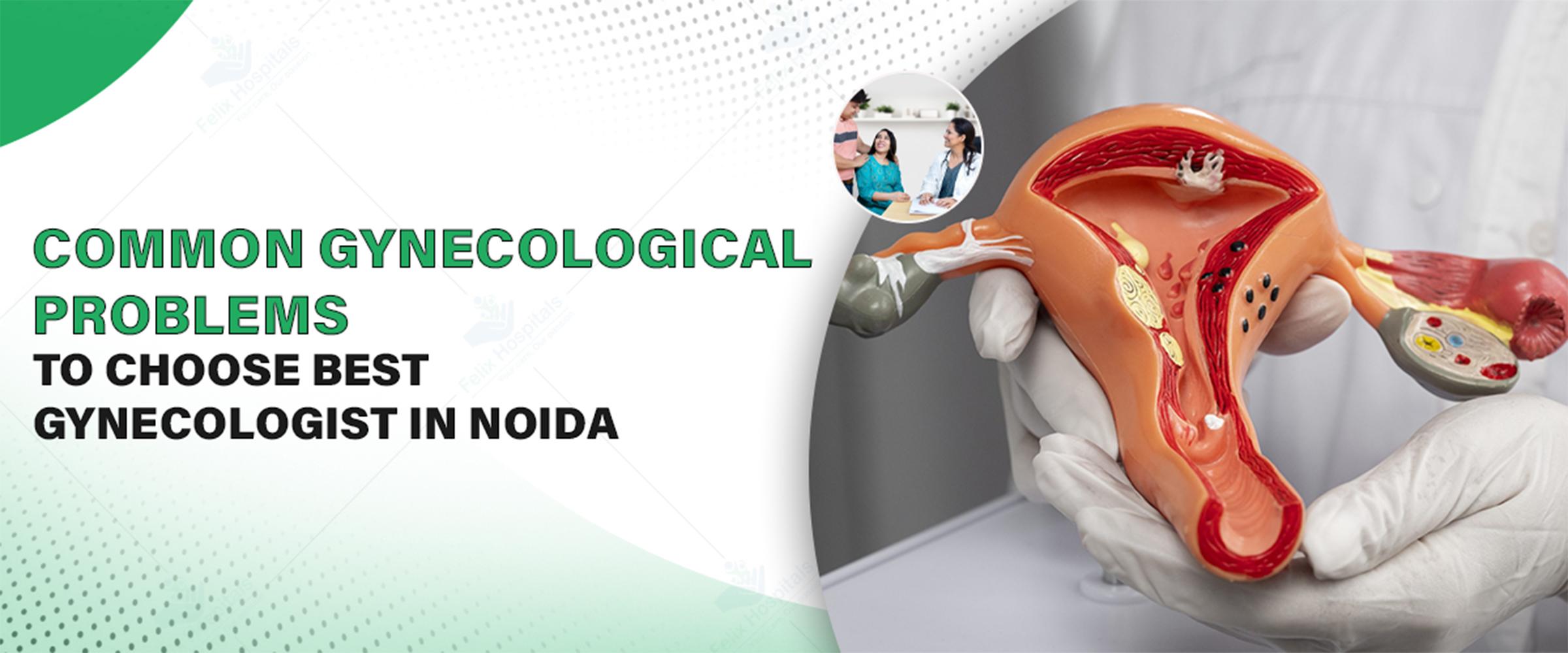
Women's health is among the most important but least discussed aspects of total wellness. From the first menstruation cycle to gestation, post-gestational convalescence, and menopause, the body of a woman undergoes countless changes throughout her life. While natural, these changes sometimes come along with problems that call for medical attention.
Sadly, numerous women are reluctant to talk about their reproductive health freely. Owing to social stigma, fear, or ignorance, issues that begin small tend to become bigger conditions. Knowing about the prevalent issues in women's gynecologic enables you to identify issues earlier and seek appropriate medical advice prior to the issues turning complicated.
If you are suffering from symptoms such as untimely periods, pelvic ache, unusual discharge, or hormonal disorder, you must visit a gynecologist in Noida for professional assessment and individual attention. With the help of advanced diagnostic facilities and caring medical assistance, the majority of Gynecological issues can be treated as well as averted.
In this blog, we will discuss regular reproductive health issues, their causes, symptoms, the best ways to prevent, and how to select the right gynecologist for long-term health.
Get counseling from a professional Gynecology expert now at +91 9667064100 and take the first step towards healthy women's health balance
Women's health entails something more than cycles — it entails the right functioning of the whole reproductive system. Following are a few of the most prevalent women's health issues and how they'll have an impact upon daily life:
One of the most common complaints among women, including you, are irregular periods, which may be the consequence of stress, inadequate nutrition, thyroid disease, or an underlying hormonal disease like PCOS. Skipped cycles, heavy flow, or drastically late or early timing may indicate something is awry.
PCOS is a hormonal disorder that impacts millions of women. It leads to a lot of acne, excess weight, and infertility as a result of hormonal imbalances. Symptoms and treatment of PCOS differ between individuals, but cycle regulation and complication minimization are achieved through diets and medicines when diagnosed early.
This disease implies that endometrial lining grows in areas other than the uterus, causing pelvic pain, lethargy, and infertility. It's a condition that may need prolonged care, either medical or surgical, which may be minimally invasive.
PID is a sexually transmitted condition that infects the fallopian tubes, uterus, or the ovaries. If left unchecked, it may cause scarring, perpetual pain, or infertility. Protection along with good hygienic practices will definitely cut the rate of occurrence.
Fibroids are harmless growths in the uterus that cause heavy bleeding, heavy or extended menstruation, and swelling of the abdomen. Though a few fibroids regress spontaneously, a few will have to be managed with drugs or surgery, depending on size and condition.
Bacterial and yeast infections are among the most frequent gynecologic issues in females, which may lead to itching, discharge, or burning. Good vaginal cleanliness and the use of no harsh soap or douche prevent recurrence.
Problems like dysmenorrhea (crampy pain), menorrhagia (heavy menstruation), or amenorrhea (loss of menstruation) are signals of a deeper hormonal disorder or reproductive illness. Never overlook these.
Early diagnosis of symptoms of Gynecological disease will avoid further distress. Some among the general symptoms are:
Abnormal, painful, or heavy mensus
Pelvic pressure or pain
Abnormal vaginal smell or discharge
Burning or stinging sensations
Painful intercourse or painful urination
Unexplained weight gain or acne pimples
Over-growth of hairs (Symptom of PCOS)
Mood fluctuations and lethargy
If any of these symptoms continue, a specialist appointment can begin treatment to treat the cause in the first place.
Gynecological issues can arise from a mix of biological, environmental, and lifestyle factors. The causes of gynecological disorders often include:
Hormonal upset as a consequence of stress, thyroid disease, or PCOS
Poor nutrition, obesity, or lack of exercise
Poor menastrual hygiene
Bacterial or fungal infection
Genetics and family history
Tobacco use, alcohol use, and excess caffeine
Prolonged medication use or birth control misuse
Whereas there are some causes that cannot be avoided, healthy living and regular consultations can help prevent chronic diseases.
Menstruation in the female tells something about her hormonal status. Heavy bleeding, missed period, or crampy pain could indicate medical issues that need to be addressed.
Prevalent Menstrual Disorders Are:
Menorrhagia: Long or heavy bleeding.
Oligomenorrhea: Infrequent or irregular cycles.
Dysmenorrhea: Menstrual Cycle pain resulting from out.
Amenorrhea: Failure to menstruate for more than three months.
Treatment Technique: Advanced and patient-focused techniques are used to diagnose and treat common gynecological problems effectively.
Changes in lifestyle: Balanced consumption of foods that have iron and vitamins, and regular exercises.
Hormonal therapy: To regulate irregular cycles.
Medicine: Over-the-counter analgesics and anti-inflammatory.
Surgical procedures: For severe cases such as fibroids or endometriosis.
Proper diagnosis and appropriate treatment of these common Gynecological problems among women are offered by a professional evaluation.
PCOS impacts hormonal balance and can disrupt ovulation, metabolism, and fertility.
Irregular or absent menstruation
Weight gain, especially around the waistline
Acnes and oily skin.
Excessive or thinning loss/baldness of
Difficulty getting pregnant
Dietary Changes: Reducing processed foods and white sugars.
Exercise: Moderate activity to control insulin resistance.
Medications: To control cycle lengths and to control hormone levels.
Reduction of stress: Mindfulness, yoga, and sleep hygiene.
PCOS may be managed based on frequent medical care and behavioral improvements coupled with the guidance of a dependable Fertility specialist Noida.
Choosing a proper doctor determines long-term reproductive health. A good gynecologist not just diagnoses and treats but makes you comfortable when you talk to him or her about sensitive issues.
Choose a doctor of medicine who is fully licensed, experienced, and skilled in treating both common and complex women's health issues.
Your gynecologist needs to listen carefully, make sure they understand, and give you a space where you don't feel judged.
Some doctors are experts in hormone disorders, pregnancy, or fertility. Choose someone who takes a whole-body approach to women's health.
Ultrasound, hormone tests, and minimally invasive surgery are some of the modern diagnostic tests that speed up and improve the process.
Preventing women's health issues has a big effect, in addition to treatment. Here are some tips to keep your hormones in balance and stop more problems from happening:
Eat a balanced meal that includes foods that are green, whole grains, and protein.
To stay at a healthy weight, you should exercise every day.
Do yoga or meditation to help you relax and lower your stress levels.
Sleep long enough to regulate hormone levels.
Don't smoke, drink, or eat processed foods.
Schedule annual checkups.
Keep sexual and menstrual cleanliness.
Small modifications in daily habits can drastically help avoid general Gynecological issues.
If you are having symptoms of pelvic pain, or you have irregular periods, or you have trouble conceiving, consult a professional at +91 9667064100 today.
Women's reproductive health has a strong correlation to emotional, hormonal, and physical health. Failing to heed initial cues can have serious consequences such as infertility, anemia, or recurring pain. Learning about the most prevalent conditions in women — PCOS, abnormal menses, fibroids, or endometriosis — gives you the strength to make proactive choices for good health.
Selecting a good gynecologist will provide you with proper diagnosis, respectful treatment, and benevolent care. Keep in mind, it's not a luxury to care for yourself — it's a must. With periodic visits to the doctor, a healthy style of life, and prompt treatment, you'll be able to have a healthier, happier life.
Your body deserves care and attention and compassion. Listen to its signals, anticipate, and take the step to a lifetime of good health.
Q.1. What are the most common gynecological problems women face?
Ans. Problems such as PCOS, out-of-regular periods, endometriosis, and vaginal infections are among the most prevalent concerns which women of every age are prone to.
Q.2. How do I know if I have a hormonal imbalance?
Ans. If you experience irregular periods, weight changes, acne, or hair loss, it might indicate a hormonal imbalance. Consulting a doctor is the best way to confirm.
Q.3. When to consult a gynecologist for problems of menstruation?
Ans. If your period is always irregular, uncomfortable, or heavy bleeding, you must visit a physician right away for assessment.
Q.4. Does PCOS affect fertility?
Ans. In fact, PCOS can interfere with ovulation, thereby complicating conception. But if treatment and behavior change are attained earlier, the fertility can normally resume.
Q.5. How frequently should women have a Gynecological check-up?
Ans. Physicians suggest a minimum of a once a year check-up or as often as you have lingering symptoms.

Understanding the symptoms, and knowing the different types of heart diseases are crucial for effective prevention and management.
Selecting the best gynecologist hospital in Noida is crucial for your health. Learn what to look for in top facilities offering specialized care in maternity, infertility, menstrual health, and gynecological surgeries.
Exploring the Best IVF hospital in Noida for expert fertility treatments. Felix Hospital IVF is dedicated to helping couples achieve their dream of parenthood with advanced fertility treatments, latest technology, and compassionate care
Selecting an appropriate healthcare routine is a critical concern to the health of any woman particularly when one is beyond puberty. Regarding female reproductive health, one should see a doctor regularly to be in good health and avoid complications. Gynecology Hospital in Noida offers specialized services which are best fitted to women across all ages and the services are offered by experienced specialists dealing with the well being of women. In their opinion, the Best Gynecologists in Noida see the need to visit the gynecologist regularly since the time of puberty in order to have regular health checks and be able to intervene in time. This blog will explore how often should women see a gynecologist, guidelines on female health check after puberty, and provide insights into adolescent and adult gynecologist guidance to help women navigate their reproductive health confidently.
Don’t delay your yearly exam; book with a leading Gynecology Hospital in Noida at +91 9667064100.
The issue of the frequency at which women should visit a gynecologist always comes up during adolescence and youthful adulthood. With no symptoms, even the healthy teenage girls are usually advised by health specialists to begin going to a gynecologist at the age of 13 to 15 years. Such visits enable young women to have a trusting relationship with their health care provider and set a standard of their reproductive health that is needed in their later years.
In the case of adult women, annual examinations are recommended when the woman starts having sex or reaches the age of 21, whichever comes earlier. Through such regular visits, screening tests like the Pap smear can pick out the evidence of early cervical abnormalities and other reproductive health issues. The gynecological needs of women mature with age, and the role of adult gynecologists regarding this issue is more concerned with the treatment of hormonal changes, fertility, and symptoms of menopause.
A female health check after puberty is more than a physical assessment; it is a chance to discuss menstruation patterns, sexual health, contraception, and lifestyle factors affecting reproductive health. Visiting a gynecologist early helps to reveal such problems as irregular periods, infections, or congenital anomalies that can affect long-term health and fertility.
In such examinations, experts check on physical development and sexual maturity and discuss issues that would have been ignored by the society because of stigma or misinformation. Schools and parents make a facilitating role in motivating the adolescent girls to take care of their reproductive health by arranging these checks.
Gynecologists offer specific care based on the age of the patient, i.e. an adolescent or an adult. Education on puberty, menstrual hygiene and sexually transmitted infections (STIs) prevention are components of adolescent gynecologist education that are important. In the adult population, the recommendations include regular cancer screening, contraception services, pregnancy planning, and treatment of gynecological conditions like fibroids, polycystic ovarian syndrome (PCOS), and endometriosis.
Frequent visits allow the women to learn more about their bodies and make knowledgeable decisions on sexuality, family planning, and wellness in general. The consumerism philosophy of the Best Gynecologists in Noida is combined with competence and consideration.
Gynecology visits will generally involve:
History taking of medication history to learn about menstrual cycles, sexual activity and family health patterns.
Physical therapy such as breast and pelvic examinations to identify any lump, cysts, or infections.
Pap smear tests to screen cervical changes, which usually starts at the age of 21.
Risk-based tests of STIs and other sexually transmitted diseases.
Contraception, lifestyle and preventive counseling.
These comprehensive evaluations are vital components of female health check after puberty.
The most frequent reasons that make women visit gynecologists are:
Unregular or painful menstruation.
Abnormal vaginal discharge and vaginal infections.
Contraceptive methods or contraceptive breakdown.
Reproduction or pregnancy planning.
Menopausal symptoms and hormone replacement therapy.
These can be dealt with by way of routine check-ups that ensure good reproductive and sexual health.
The routine visits are essential, but there are also some symptoms that require previous gynecological examination including:
Extreme menstrual cramping or excessive bleeding.
Premature vaginal bleeding during the inter-cycle or post-intercourse.
Continuous vaginal itch or pain.
Symptoms of STDs or pelvic inflammation.
Problems with the urinary issues connected with the reproductive organs.
Early identification with best gynecologists in Noida aids in the reduction of complications and better results.
Fear or misinformation by many young women is the reason why many women do not visit a gynecologist. One should dispel myths like:
You just visit a gynecologist in case you are sexually active.
The gynecological exams are not only painful but also humiliating.
Pap smears should be taken annually at a tender age.
Girls and women should be educated with proper information provided by Best Gynecology Hospital in Noida which would allow them to be confident and willing to pursue early care.
It is also possible to establish a healthy relationship with your gynecologist to be able to communicate with them on a personal level regarding sensitive matters. Whether it's understanding adolescent and adult gynecologist guidance or managing chronic gynecological conditions, this bond improves care quality.
These frequent visits make patients prepared to monitor any changes, address emerging symptoms and revise preventive measures that are critical in the reproductive health as people continue with their lives.
The number of visits to the gynecologist depends on age and health:
Adolescents (1318): Every year, education and first screenings.
Age: 19-40 years: Annual or biannual screening with Pap smears, STI, and contraception education.
Middle-aged women (40-55): The screenings such as mamma grams and menopausal transition management the annual screenings.
Elderly women (55+): Ongoing routine appointments on the theme of postmenopausal well-being and cancer prevention.
These visit rates are in tandem with national and international gynecological guidelines.
Schedule your female health check after puberty with Noida’s best gynecologists today at +91 9667064100.
Having a regular routine of gynecological checkups is a health pillar of women. The decision to select the Best Gynecologists in Noida and avail services in a renowned Gynecology Treatment in Noida is a guarantee that quality medical services are affordable. Whether you are a teenager, Young adults, or mature women, understand how often should women see a gynecologist and the importance of a thorough female health check after puberty supports a lifetime of reproductive health. The natural changes that happen in your body should not be deprived of the right medical attention, and the professionals of Noida are eager to support you at each of the stages of your life professionally and attentively.
Q.1. At what age should my daughter have her first gynecological visit?
Ans. Between ages 13 to 15 or earlier if she has menstrual or health issues.
Q.2. How often should I visit a gynecologist after puberty?
Ans. At least once a year for routine checkups unless advised otherwise.
Q.3. Do I need a Pap smear every year after 21?
Ans. Typically every 3 to 5 years, based on your doctor’s recommendations.
Q.4. Can I visit a gynecologist if I’m not sexually active?
Ans. Yes, gynecologists also provide guidance on puberty, menstruation, and general health.
Q.5. What should I bring to my gynecological appointment?
Ans. Your medical history, list of medications, and any symptom questions.
Dr. Charu Yadav is an obstetrician and gynecologist with 12+ years of experience, specializing in high-risk and twin pregnancies, ectopic pregnancy, and menstrual disorders. Trained in laparoscopic surgery, she provides care for pregnancy, infertility, menopause, and gynae procedures. She is also recognized among the Best Gynecologists in Noida for her patient-focused treatment.
Understanding the symptoms, and knowing the different types of heart diseases are crucial for effective prevention and management.
Selecting the best gynecologist hospital in Noida is crucial for your health. Learn what to look for in top facilities offering specialized care in maternity, infertility, menstrual health, and gynecological surgeries.
Exploring the Best IVF hospital in Noida for expert fertility treatments. Felix Hospital IVF is dedicated to helping couples achieve their dream of parenthood with advanced fertility treatments, latest technology, and compassionate care


Subscribe to our
© Copyright 2026. All Rights Reserved by Felix Healthcare Private Limited
Design and development by :


 +(91)9667064100
 Emergency : +(91)9667064100