 WhatsApp
 Emergency:
  WhatsApp





Subscribe to our
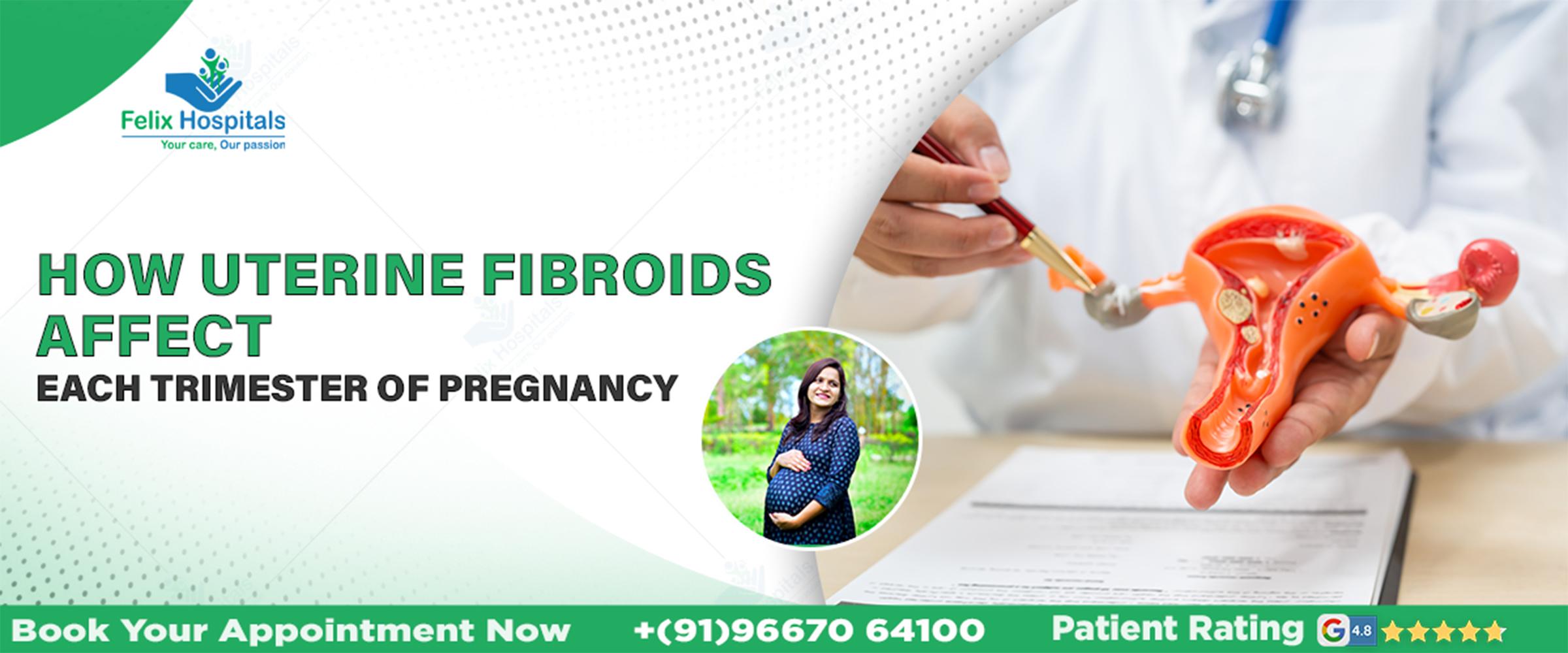
The development of fibroids that are up to date harmless tumors in the uterus may pose special problems during pregnancy. The risks and treatment options should be understood by pregnant women with the condition. For families in Noida, having access to a trusted gynecologist for fibroid care in pregnancy in Noida is crucial for comprehensive management. The expertise of a fibroid pregnancy specialist Hospital in Noida ensures personalized care that balances the well-being of both mother and baby. The best treatment plans where any complication associated with fibroids in pregnancy can be kept to a minimum can be achieved through early detection and close observation. Medical and sometimes surgical interventions available to women with fibroids are open to them after delivery, albeit in the case of pregnancy, priority should be given to conservative care (safety, management of symptoms).
Consulting experts based in the best hospitals dealing specifically with fibroid pregnancy makes this process very helpful to pregnant women.
Ensure the health of you and your baby with specialized fibroid care by contacting +91 9667064100 now.
The growth of excessive muscle cells than the required amount in the uterus is fibroids. These are noncancerous tumors developing in women while they are not pregnant. Research studies tell that tumors like fibroids develop from an abnormal muscle cell and multiply rapidly. Age, getting periods at a young age, birth control use, vitamin D deficiency, consumption of more proteins, and excessive alcohol are some of the root causes of fibroids. Although fibroids do not affect women much, severe symptoms like back pain, headaches, and heavy mensuration bleeding are the indications to consult a doctor.
It is a rare situation for uterine fibroids in pregnancy. However, if it does it can cause substantial difficulties. Fibroids are more likely to develop in the first three months of pregnancy (1st trimester). It is because of the hormones a pregnant body releases. During pregnancy, the body generates two hormones excessively, oestrogen and progesterone. Oestrogen behaves favorably toward fibroids. Some of the effect of fibroids on pregnancy are:
The first three months of the pregnancy period are the first trimester. The first three months are when a person has to be more cautious since there are chances of developing Fibroids trimester pregnancy. The problems pregnant women face initially in the first trimester are:
These are the first symptoms of fibroids in pregnant women. People who encountered fibroids during pregnancy have complained that they had heavy bleeding and suffered fatal pain.
Excessive bleeding in the first stage of pregnancy can lead to preterm labor. And it will affect the baby as an infant. Even mothers will face health issues like dizziness and others that decrease their productivity from heavy bleeds.
Sometimes, fibroids can lead to miscarriage. Excessive bleeds can lead to improper growth of the fetus, and if fibroids are more, it could take to the extent of miscarriage. 10-15% of pregnancies out of 100 end up in miscarriage. And most of them are more likely to happen before the 12th week of pregnancy.
The second six months of the pregnancy period are the second and the third Trimesters. For those who have developed fibroids in the first trimester, the women can face severe challenges. Fibroids during pregnancy symptoms are:
Having more fibroids can cause placental abruption. As the baby grows, the fibroids suppress and eventually tear the walls of the uterus before the baby comes out. It will lead to heavy bleeding, and the baby does not get enough oxygen, which can take a toll on the baby’s life.
Women with fibroids have more chances of delivering the baby preterm. It means the baby comes out before the 37 weeks of pregnancy. 1 in 10 infants suffers due to preterm delivery.
Knowing the position and size of your fibroids can help you and your care team prepare Uterine fibroids and pregnancy complications, such as:
Incomplete cervical dilation: Bulky fibroids that crowd the lower uterine area can block the opening of the birth canal, increasing the risk of needing a C-section.
Poor contracting: Disruption of normal uterine tissue from fibroids may result in weak contractions. This makes it difficult to reach complete cervical dilation when in labor and may necessitate C-section delivery.
Postpartum hemorrhage: Poor contracting can lead to bleeding after delivery. If the uterus can't contract, uterine blood vessels that fed the placenta might continue to bleed. Postpartum hemorrhage is a medical emergency and usually occurs within 24 to 48 hours after delivery. If you experience heavy vaginal bleeding, call your doctor right away.
Vaginal delivery often is possible for most women with fibroids and is generally preferred over C-section. Talk with your doctor about your personal risk factors, if any, throughout the pregnancy.
It is also not generally recommended to remove fibroids at the time of cesarean section due to increased bleeding from the extra blood supply of the pregnant uterus; however, sometimes this is necessary to close the incision made to deliver the baby. We recommend that patients wait at least six months after delivery to consider a fibroid treatment procedure. That’s because the uterus will shrink to a more normal size during the postpartum period, so you can assess how much the fibroids affect your daily life.
Your Ob/Gyn can help you choose the best fibroid treatment after pregnancy. We offer options that range from noninvasive to removal of the uterus, based on your goals and symptoms.
Talk with your doctor about the severity of your symptoms and whether you might want to become pregnant again before choosing a treatment. Our patients typically choose one of these five treatments:
Medication: Your doctor may recommend NSAIDs such as ibuprofen for discomfort or hormonal birth control to help relieve heavy periods. Taking iron supplements can help with iron-deficiency anemia, which can be associated with heavy periods.
Myomectomy: Myomectomy is the standard of care for surgical treatment of impactful fibroids in women who desire pregnancy in the future. In this procedure, the fibroids are removed and the uterus is reconstructed. Plan for approximately four to six weeks of recovery before returning to normal activities and a delay before pursuing pregnancy to allow for optimal uterine healing time. C-section is frequently recommended in pregnancies that occur after myomectomy due to the weakening of the muscle and risk for uterine rupture with contractions.
Uterine fibroid embolization: This procedure is performed by interventional radiologists. It starves the fibroids of blood, causing them to shrink by 40% to 60% over time. Pregnancy is possible after this treatment. However, there may be an increased risk of abnormal adherence of the placenta to the uterus (placenta accreta).
Radiofrequency ablation: This therapy spares the uterus and requires less recovery time than myomectomy. In a minimally invasive procedure, the doctor heats each fibroid, causing it to shrink up to 50% over time. Healthy pregnancies have been reported after this therapy.
Hysterectomy: If you do not want to become pregnant and if fibroids are affecting your daily life, removing the uterus is an effective treatment. Plan for six weeks of recovery before returning to most normal activities.
If you are having symptoms that may be consistent with having fibroids and are considering pregnancy, talk to your doctor so you can have an ultrasound before you conceive. If you are experiencing gynecologic issues prior to or during pregnancy, talk with your doctor.
Book an appointment with a leading fibroid pregnancy specialist in Noida for expert management-call +91 9667064100 today.
Uterine fibroid management needs specialized attention to the needs of the mother and the unborn baby during pregnancy. With knowledge about potential risks like bleeding, preterm delivery, and labor complications, proactive treatment planning with a skilled gynecologist for fibroid care in pregnancy in Noida is vital. Felix hospital provides specialist services and experienced fibroid pregnancy specialists in Noida who practice their services with highly-developed diagnostic tools, as well as, personalized treatment approaches to protect the pregnancies that suffer fibroid diseases. There are postpartum choices of dealing with fibroids that do not disappear or result in symptoms following the delivery. By selecting a reputable ibuprofen center to treat fibroid pregnancies in Noida, mothers will be well taken care of during pregnancy and after child-birth towards positive results of both the mother and the child.
Q.1. Is it possible that I cannot get pregnant because of fibroids?
Ans. The position and size of fibroids may at times disrupt conception.
Q.2. Are fibroids going to grow during pregnancy?
Ans. Fibroids also can enlarge during the first trimester but eventually flatten off.
Q.3. Should cesarean sections be applied to women with fibroids?
Ans. Fibroids close to the birth canal can enhance the chances of C-section not always though.
Q.4. Is it safe to carry out fibroid removal surgery?
Ans. Fibroid surgery is normally suggested after the child is born and not during pregnancy.
कमर और जोड़ दर्द (Back & Joint Pain) आम स्वास्थ्य समस्या हैं। यह दर्द हल्का, तेज, लगातार या रुक-रुक कर महसूस होता है। कमर, घुटने, कंधे, कोहनी, टखने या कलाई के जोड़ प्रभावित होते हैं। कई बार यह दर्द सिर्फ जोड़ तक सीमित नहीं रहता। बल्कि आसपास की मांसपेशियों और हड्डियों में भी महसूस होता है। सही समय पर कारण की पहचान और उपचार से न केवल दर्द से राहत मिलती है। आर्थोपेडिक्स हॉस्पिटल नोएडा में (Orthopedics Hospital in Noida) उपलब्ध है। बल्कि भविष्य में चलने-फिरने में कठिनाई या विकलांगता जैसी जटिलताओं से बचा जाता है। इसलिए समय रहते अच्छे में डॉक्टर से परामर्श लेना आवश्यक है।
अपॉइंटमेंट शेड्यूल करें – कॉल करें: +91 9667064100.
अचानक मोच, गिरना, वाहन दुर्घटना या किसी खेल के दौरान लगी चोट से कमर या जोड़ों में तेज दर्द होता है। लिगामेंट फटने, फ्रैक्चर या मांसपेशियों में खिंचाव दर्द को लंबे समय तक बढ़ाता है। शुरुआती अवस्था में आराम, बर्फ की सिकाई और चिकित्सक की सलाह से सही इलाज जरूरी है, वरना यह क्रॉनिक दर्द (Chronic Pain) में बदल सकता है।
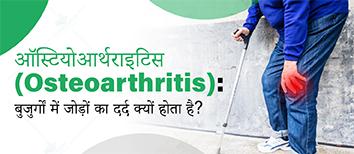
यह जोड़ों की सूजन से संबंधित एक सामान्य बीमारी है। ऑस्टियोआर्थराइटिस में जोड़ों की हड्डियों के बीच का कुशन यानी कार्टिलेज धीरे-धीरे घिस जाता है, जिससे रगड़ और दर्द होता है। रुमेटाइड आर्थराइटिस में शरीर की प्रतिरक्षा प्रणाली गलती से जोड़ों पर हमला करती है। इसके लक्षणों में सूजन, जकड़न, सुबह उठते समय अकड़न और हल्की बुखार जैसी स्थिति शामिल होती है।
यह हड्डियों के कमजोर और भुरभुरी होने की स्थिति है। इसमें हड्डियों की घनत्व कम होती है, जिससे हल्की चोट पर भी फ्रैक्चर का खतरा रहता है। विशेष रूप से महिलाओं में रजोनिवृत्ति के बाद यह समस्या तेजी से बढ़ती है। कैल्शियम, विटामिन डी और नियमित व्यायाम इसकी रोकथाम में मददगार हैं।
जोड़ों या हड्डियों में बैक्टीरिया या वायरस के संक्रमण से सूजन और दर्द होता है। इसे सेप्टिक आर्थराइटिस कहा जाता है, जिसमें जोड़ गर्म, लाल और सूजा हुआ महसूस होता है। समय पर इलाज न मिलने पर संक्रमण हड्डी तक फैल सकता है, इसलिए तुरंत चिकित्सक से परामर्श आवश्यक है।
शरीर की प्रतिरक्षा प्रणाली जब गलती से अपने ही ऊतकों पर हमला करने लगती है, तो इसे ऑटोइम्यून रोग कहा जाता है। रुमेटाइड आर्थराइटिस, लुपस और एंकाइलोज़िंग स्पॉन्डिलाइटिस (ankylosing spondylitis) जैसी बीमारियां जोड़ दर्द का कारण बनती हैं। इन बीमारियों में जोड़ों की सूजन लंबे समय तक रहती है और धीरे-धीरे विकृति का रूप लेती है। इनका उपचार दवाओं, फिजियोथेरेपी और जीवनशैली सुधार से संभव है।
उम्र बढ़ने के साथ शरीर की लचक और जोड़ों की सुरक्षा करने वाला कार्टिलेज धीरे-धीरे घिसताता है। इससे अकड़न, आवाज (क्रैकिंग साउंड) और चलने-फिरने में कठिनाई महसूस होती है। नियमित व्यायाम, संतुलित आहार और सही बैठने की मुद्रा से इस समस्या को काफी हद तक नियंत्रित किया जा सकता है।
अधिक वजन या मोटापा घुटनों, कूल्हों और रीढ़ की हड्डी पर अतिरिक्त दबाव डालता है। इससे कार्टिलेज तेजी से घिसता है और ऑस्टियोआर्थराइटिस का खतरा बढ़ता है। वजन कम करने से जोड़ दर्द और सूजन में उल्लेखनीय कमी आती है।
लंबे समय तक एक ही स्थिति में बैठना, ऑफिस में लगातार कंप्यूटर पर काम करना और शारीरिक गतिविधि की कमी जोड़ दर्द के प्रमुख कारण हैं। कैल्शियम और विटामिन डी की कमी, धूम्रपान और जंक फूड जैसी आदतें हड्डियों को कमजोर करती हैं। हर 30–45 मिनट में शरीर को खींचना, योग और संतुलित डाइट से दर्द की संभावना घटती है।
खेल-कूद, व्यायाम, अचानक गिरना या सड़क दुर्घटना के दौरान शरीर के किसी हिस्से पर दबाव या चोट लगना। भारी वजन उठाना या गलत तरीके से झुकना भी कमर और जोड़ों पर तनाव डालता है। परिणामस्वरूप हड्डी टूटना, लिगामेंट फटना, मोच आना आना है। ऐसे मामलों में दर्द अचानक और तेज होता है, चलने-फिरने या उठने-बैठने में कठिनाई होती है। समय पर उपचार न मिलने पर यह क्रॉनिक दर्द या स्थायी अकड़न में बदलता है।
जब जोड़ों के ऊतकों में सूजन आती है, तो दर्द, लालिमा और अकड़न शुरू हो जाती है। इसके प्रमुख कारण हैं आर्थराइटिस है। इसमें रूमेटाइड आर्थराइटिस प्रतिरक्षा प्रणाली खुद जोड़ों पर हमला करती है। ऑस्टियोआर्थराइटिस से जोड़ों की कार्टिलेज धीरे-धीरे घिस जाती है। गाउट से शरीर में यूरिक एसिड के बढ़ने से क्रिस्टल बनते हैं जो जोड़ों में दर्द और जलन पैदा करते हैं। बर्साइटिस से जोड़ों के पास स्थित तरल भरी थैली में सूजन आती है। टेंडिनाइटिस से टेंडन (मांसपेशियों को हड्डी से जोड़ने वाली डोरी) में सूजन आती है। दर्द धीरे-धीरे बढ़ता है और सुबह के समय अकड़न ज्यादा महसूस होती है।
संक्रमण:
बैक्टीरिया या वायरस के कारण जोड़ों में सूजन और दर्द हो सकता है (सेप्टिक आर्थराइटिस होता है)।
ऑटोइम्यून रोग:
जैसे लुपस या एंकायलोज़िंग स्पॉन्डिलाइटिस (Ankylosing Spondylitis), जिनमें शरीर की प्रतिरक्षा प्रणाली खुद को नुकसान पहुंचाती है।
मोटापा:
अधिक वजन से घुटनों, कूल्हों और रीढ़ पर अतिरिक्त दबाव पड़ता है।
हड्डियों का कमजोर होना:
हड्डियां भुरभुरी होकर आसानी से टूटने लगती हैं, जिससे दर्द और विकृति होती है।
उम्र बढ़ना:
जैसे-जैसे उम्र बढ़ती है, कार्टिलेज घिसता है और जोड़ की लचक कम होती जाती है, जिससे अकड़न और दर्द होता है।
दर्द कभी लगातार बना रहता है, तो कभी बीच-बीच में बढ़ता-घटता है। गतिविधि करने पर दर्द बढ़ जाता है और आराम करने पर थोड़ा कम होता है।
जोड़ के आसपास की त्वचा गर्म और लाल दिखाई देती है। सूजन बढ़ने से जोड़ फूल सकते हैं और दबाने पर दर्द महसूस होता है।
जोड़ों में अकड़न या जकड़न होने से उन्हें मोड़ना या सीधा करना मुश्किल होता है। यह समस्या सुबह के समय या लंबे समय तक एक ही स्थिति में बैठे रहने के बाद अधिक महसूस होती है।
चलना, झुकना, सीढ़ियां चढ़ना या भारी सामान उठाना कठिन होता है। लंबे समय तक बैठने या खड़े रहने पर दर्द बढ़ सकता है।
नींद से उठने के बाद शरीर और जोड़ कुछ समय तक जकड़े रहते हैं। हल्की गतिविधि के बाद धीरे-धीरे लचीलापन वापस आता है।
गंभीर या लंबे समय तक चले दर्द में जोड़ का आकार बिगड़ता है। यह आमतौर पर रूमेटाइड आर्थराइटिस या ऑस्टियोआर्थराइटिस के उन्नत चरण में दिखता है।
शारीरिक जांच:
डॉक्टर सबसे पहले प्रभावित जोड़ या कमर के हिस्से की मूवमेंट, सूजन, अकड़न और दर्द की तीव्रता का निरीक्षण करते हैं। मरीज से चलने, झुकने, हाथ-पैर मोड़ने जैसी गतिविधियां करवाकर जोड़ों की कार्यक्षमता और लचीलापन का मूल्यांकन किया जाता है। इससे प्रारंभिक स्तर पर यह पता चलता है कि दर्द मांसपेशियों, हड्डियों या लिगामेंट्स से जुड़ा है या नहीं।
एक्स-रे:
यह जांच हड्डियों की संरचना, जोड़ के गैप, फ्रैक्चर या हड्डी घिसाव जैसी समस्याओं की पहचान के लिए की जाती है। पुराने दर्द के मामलों में एक्स-रे से यह पता लगाया जाता है कि क्या कार्टिलेज पतला हो गया है या कोई डीजनरेटिव बदलाव हो रहे हैं।
एमआरआई/सीटी स्कैन:
जब केवल एक्स-रे से कारण स्पष्ट नहीं होता, तो यह जांच की जाती है। इसमें लिगामेंट, मांसपेशी, कार्टिलेज, नसों और डिस्क की विस्तृत इमेज मिलती है। स्पोर्ट्स इंजरी, स्लिप डिस्क या रूमेटाइड आर्थराइटिस जैसी स्थितियों में यह जांच अत्यंत उपयोगी है।
ब्लड टेस्ट:
यह जांच शरीर में सूजन, संक्रमण या ऑटोइम्यून बीमारियों का पता लगाने के लिए की जाती है। रूमेटाइड फैक्टर (आरएफ), यूरिक एसिड, सी-रिएक्टिव प्रोटीन (सीआरपी) और ईएसआर जैसी जांचें गाउट या रूमेटाइड आर्थराइटिस की पुष्टि में मदद करती हैं। कभी-कभी विटामिन डी और कैल्शियम लेवल भी जाँचे जाते हैं ताकि हड्डियों की कमजोरी का आकलन हो सके।
जॉइंट फ्लूड एनालिसिस:
इस जांच में डॉक्टर प्रभावित जोड़ से थोड़ी मात्रा में सायनोवियल फ्लूड निकालकर उसकी लैब में जांच करवाते हैं। इससे यह पता चलता है कि सूजन संक्रमण, यूरिक एसिड क्रिस्टल (गाउट) या किसी अन्य कारण से है। यह परीक्षण विशेष रूप से तब किया जाता है जब जोड़ में अचानक सूजन, तेज दर्द या बुखार जैसे लक्षण हों।
दवाओं से उपचार:
शुरुआती अवस्था में डॉक्टर दर्द निवारक और सूजन कम करने वाली दवाएं देते हैं। जैसे इबुप्रोफेन, पैरासिटामोल, नैप्रोक्सन आदि, जो दर्द और सूजन को कम करते हैं। नोएडा में आर्थोपेडिक विशेषज्ञ डॉक्टर (Orthopedic Specialist Doctors in Noida) उपलब्ध है। यदि दर्द आर्थराइटिस या ऑटोइम्यून रोगों से जुड़ा हो तो DMARDs (रोग-संशोधित दवाएं) या इम्यूनोथैरेपी दवाएं दी जा सकती हैं। गंभीर सूजन या दर्द की स्थिति में, डॉक्टर प्रभावित जोड़ में स्टेरॉयड इंजेक्शन देते हैं, जो जल्दी राहत दिलाते हैं। कुछ मामलों में टॉपिकल जेल या मलहम भी दर्द वाले हिस्से पर लगाने से राहत देते हैं।
फिजियोथेरेपी:
यह उपचार जोड़ और मांसपेशियों की मूवमेंट, लचीलापन और ताकत बढ़ाने के लिए सबसे प्रभावी तरीका है। प्रशिक्षित फिजियोथेरेपिस्ट द्वारा बताए गए व्यायाम, अल्ट्रासाउंड थेरेपी, हॉट/कोल्ड पैक थेरेपी से सूजन घटती है और दर्द कम होता है। लंबे समय तक बैठने या खड़े रहने वाले लोगों के लिए यह रीढ़ और कमर दर्द में बहुत लाभकारी है। नियमित फिजियोथेरेपी से मरीज की दैनिक गतिविधियों की क्षमता (Mobility) में उल्लेखनीय सुधार होता है।
सर्जरी:
जब दवाओं और थेरेपी से राहत नहीं मिलती या जोड़ पूरी तरह क्षतिग्रस्त हो जाता है, तो सर्जरी की सलाह दी जाती है। सामान्य सर्जरी में शामिल हैं। लिगामेंट रिपेयर में फटे या कमजोर लिगामेंट को दोबारा जोड़ना। आर्थोस्कोपी से कैमरे की मदद से जोड़ के अंदर सूक्ष्म सर्जरी होती है। जॉइंट रिप्लेसमेंट (joint replacement in noida) में पूरी तरह खराब हुए जोड़ को कृत्रिम जोड़ से बदलना होता है। जैसे घुटना या कूल्हा प्रत्यारोपण होता है। सर्जरी के बाद फिजियोथेरेपी और नियमित मॉनिटरिंग से लंबे समय तक दर्द मुक्त जीवन संभव है।
वजन नियंत्रण: अधिक वजन से जोड़ों पर दबाव बढ़ता है, इसलिए संतुलित डाइट और नियमित व्यायाम जरूरी है।
संतुलित आहार: हरी सब्जियाँ, फल, ओमेगा-3 फैटी एसिड, प्रोटीन और फाइबरयुक्त आहार लेना चाहिए।
कैल्शियम और विटामिन D का सेवन: दूध, दही, पनीर, सूरज की रोशनी और सप्लीमेंट से हड्डियाँ मजबूत बनती हैं।
नियमित व्यायाम: योग, स्ट्रेचिंग, तैराकी और तेज चलना जोड़ों की गतिशीलता बनाए रखते हैं।
सही पोस्चर अपनाएं: बैठते, उठते या भारी सामान उठाते समय शरीर की सही मुद्रा रखना चाहिए।
शराब और धूम्रपान से परहेज करें: ये हड्डियों और मांसपेशियों की रिकवरी को धीमा करते हैं।
नियमित व्यायाम और स्ट्रेचिंग:
रोजाना हल्के व्यायाम और स्ट्रेचिंग से जोड़ मजबूत और लचीले बने रहते हैं। योग, तैराकी, साइक्लिंग और तेज़ चलना जोड़ के मूवमेंट को बेहतर बनाते हैं और मांसपेशियों में जकड़न नहीं आने देते। स्ट्रेचिंग एक्सरसाइज़ शरीर में रक्त संचार बढ़ाती है और चोट लगने का खतरा कम करती है। लंबे समय तक बैठकर काम करने वालों को हर 30–40 मिनट में थोड़ा चलना या हल्की स्ट्रेचिंग करनी चाहिए।
सही पोस्टर अपनाना:
बैठने, उठने, झुकने और वजन उठाने के सही तरीकों को अपनाना जरूरी है। ऑफिस में काम करते समय कुर्सी और टेबल की ऊंचाई शरीर के अनुरूप होनी चाहिए। झुकते समय घुटनों को मोड़ें, कमर से नहीं। इससे रीढ़ की हड्डी पर दबाव कम पड़ता है। मोबाइल या लैपटॉप पर काम करते समय गर्दन सीधी रखें, ताकि स्पाइन (Spine) और कमर दर्द न बढ़े।
सुरक्षा उपाय:
खेल-कूद, जिम या किसी भारी शारीरिक कार्य के दौरान सुरक्षा उपकरण जैसे नी-कैप, बैक बेल्ट, एल्बो गार्ड आदि पहनें। किसी भी नई शारीरिक गतिविधि की शुरुआत से पहले वार्म-अप और कूल-डाउन जरूर करें। अत्यधिक वजन या गलत तकनीक से एक्सरसाइज करने से बचें। यह मांसपेशी खिंचाव या लिगामेंट फटने का कारण बन सकता है।
वजन नियंत्रण:
बढ़ा हुआ वजन जोड़ों पर लगातार दबाव डालता है, जिससे घुटनों और कमर के दर्द का खतरा बढ़ता है। संतुलित आहार और नियमित शारीरिक गतिविधियों से वजन नियंत्रित रखें। थोड़े-थोड़े अंतराल पर भोजन करें और अधिक तली-भुनी व मीठी चीज़ों से परहेज करें।
पौष्टिक आहार:
हड्डियों और जोड़ों को मजबूत बनाए रखने के लिए कैल्शियम, विटामिन डी, प्रोटीन और ओमेगा-3 फैटी एसिड आवश्यक हैं। दूध, दही, पनीर, मछली, अंडे, हरी सब्जियां और बादाम को आहार में शामिल करें। सूरज की हल्की धूप में रोज़ाना 15–20 मिनट बैठना विटामिन डी का प्राकृतिक स्रोत है। जंक फूड, सॉफ्ट ड्रिंक और अधिक नमक वाली चीज़ों से बचें क्योंकि ये हड्डियों की घनत्व को प्रभावित करते हैं।
समय पर इलाज:
यदि जोड़ या कमर में लगातार दर्द, सूजन, जकड़न या लालिमा महसूस हो, तो देर न करें। शुरुआती अवस्था में डॉक्टर से परामर्श लेकर इलाज करवाने से बड़ी जटिलताओं, सर्जरी या स्थायी दर्द से बचा जा सकता है। स्व-दवा से परहेज करें। क्योंकि गलत दवाइयाँ लिवर या किडनी पर असर डालती हैं।
अभी अपॉइंटमेंट शेड्यूल करें – कॉल करें: +91 9667064100.
जल्दी पहचान और सही उपचार जोड़ों और कमर की लंबी उम्र की कुंजी है। दर्द को नजरअंदाज करना गंभीर बीमारी का संकेत होता है। शुरुआती अवस्था में हल्का लक्षण दिखता है। लेकिन समय पर ध्यान न देने पर जोड़ की कार्यक्षमता प्रभावित होती है। इसलिए दर्द, सूजन या अकड़न महसूस होने पर डॉक्टर से तुरंत सलाह लें। इलाज में देरी नुकसानदेह हो सकती है।
प्रश्न 1: क्या जोड़ दर्द हमेशा आर्थराइटिस का संकेत है?
उत्तर : नहीं, चोट, संक्रमण या अन्य कारण भी होते हैं।
प्रश्न 2: क्या जोड़ दर्द पूरी तरह ठीक हो सकता है?
उत्तर: शुरुआती अवस्था में दवा और लाइफस्टाइल बदलाव से राहत संभव है।
प्रश्न 3: क्या वजन बढ़ने से जोड़ दर्द बढ़ता है?
उत्तर: हां, घुटनों और कमर पर दबाव बढ़ता है।
प्रश्न 4: क्या घरेलू उपाय असरदार हैं?
उत्तर: हल्की चोट या सूजन में आराम और गर्म/ठंडी सिकाई मदद करती है। लगातार दर्द में डॉक्टर की सलाह जरूरी होती है।
प्रश्न 5: क्या जोड़ दर्द का इलाज बिना सर्जरी के संभव है?
उत्तर: हां, अधिकांश मामलों में दवा, फिजियोथेरेपी और लाइफस्टाइल बदलाव से इलाज संभव है। सर्जरी केवल गंभीर स्थिति में होनी चाहिए।
घुटनों का दर्द उम्र, चोट, या गठिया जैसी समस्याओं के कारण आम हो सकता है। जब दवाएं और फिजियोथेरेपी असर नहीं करतीं, तब घुटने की सर्जरी (जैसे कि घुटने का प्रतिस्थापन) जरूरी हो सकती है।

Orthopedics is a specialized branch that takes care of your musculoskeletal problems related to joints, bones, muscles, spine, ligaments, and tissues.

Peptic Ulcers are a frequent, though dangerous, medical illness that afflicts millions of humans around the globe. Ulcers take place when the lining of the upper small intestine, the lining of the stomach, or the lining of the esophagus develop sores or lesions. Although most people believe that ulcers result purely from stress or spicy food, the reality is much deeper. If not treated, ulcers can result in severe consequences that can threaten your health, as well as your quality of existence.
If you or anyone you know is suffering from recurring abdominal pain, indigestion, or burning while having food, then seek consultation by the Best gastroenterologist for ulcers in Noida. The sooner the diagnosis, the sooner the treatment, and severe outcomes can surely be averted and the gut can regain its health.
Don't let the discomfort in your abdomen ruin your life. Consult us today: +91 9667064100.
A peptic ulcer is an open sore that arises once the mucus lining in the intestine or the stomach gets damaged, and the acid in the food starts digging into the surrounding tissues.
Gastric Ulcers – Grow in the stomach.
Duodenal Ulcers – Develop in the upper part of the small intestine (duodenum).
Ulcers can differ in severity and size. Certain ones stay small and can be treated with medication, while they can result in internal bleeding or severe infection if left unattended. Figuring out their cause is the initial step toward right management as well as avoidance.
It is distinct from the previous notions that ulcers are triggered by stress, or by spicy food. The chief causes are:
It causes the lining in the stomach to weaken, so the acid can produce ulcers.
Excessive use of analgesics such as ibuprofen, aspirin, or naproxen can cause irritation of the stomach lining and the formation of ulcers.
Both can delay ulcer healing and enhance acid production, making the situation worse.
Stress doesn't give ulcers, although it can worsen symptoms and result in slower healing.
Skipping meals, eating quickly, or eating acid or oily meals can add to the discomfort of ulcers.
When these elements come together, the acid/mucosal protection ratio of the abdomen is broken — and that's when peptic ulcer disease arises.
Recognizing early peptic ulcer symptoms is crucial for timely diagnosis and treatment. Some common signs include:
Gnawing or burning discomfort in the abdomen (especially at night or at intervals)
Bloating, nausea, or frequent belching
Indigestion and loss of appetite
Unintentional loss of
Black or tarry-colored stools (indicative of bleeding in the intestines)
While superficial ulcers typically result in minimal discomfort, deep or uncomplicated ulcers can result in life-threatening peptic ulcer complications.
Yes — they can be dangerous if left untreated. The severity depends upon where, how deep, and why the ulcer is situated. Some potential peptic ulcer complications are:
One of the most severe consequences of untreated ulcers is bleeding, which can lead to anemia, vomiting up blood, or black, tarry stools.
If the ulcer ruptures the lining of the tummy or intestine, it causes severe infection of the tummy (peritonitis) that needs an urgent operation.
The recurrent inflammation and scarring that result from ulcers can cause the pyloric canal, which the food passes through, to close, resulting in bloating and vomiting.
Long-term ulcers caused by H. pylori infection can add to the risk of gastric cancer in the future if left unattended.
Therefore, while all ulcers are not invariably deadly in the beginning, neglect of their symptoms can result in severe health consequences. Consultation at a Peptic ulcer treatment hospital in Noida includes detailed evaluation and relatively safe treatment.
Gastroenterologists can easily establish the diagnosis by recommending any of the following tests:
A thin, flexible tube containing a camera (endoscope) is inserted into the stomach to observe ulcers directly and take tissue samples as needed.
It can be performed by a breath, stool, or biopsy test for the presence of bacterial infection.
It was used to visualize ulcers and their site in the digestive tract.
Proper diagnosis can ascertain the very cause and the best treatment protocol.
It is a good news that the peptic ulcers are very amenable to medical treatment. The goal of treatment is to ease the symptoms, heal the ulcer and avoidance. Common options include:
Antibiotics: To eliminate the H. pylori infection.
Proton Pump Inhibitors (PPIs): Reduce the stomach acid and increase.
H2 blockers: Inhibit acid synthesis.
Antacids and cytoprotectively medications: Coat the intestine and aid in the reduction of pain.
Do not take alcohol, caffeine, and smoking.
Feeding smaller, more frequent meals.
Remove your stress with yoga, meditation, or therapy.
Stay hydrated and well rested.
In very rare instances that lead to bleeding, perforation, or obstruction, surgery can be performed to take out the compromised tissue or mend the lining of the stomach.
The Best gastroenterologist in Noida offers customized care based on the severity and the cause of the illness — merging the latest treatment in medicine with long-term gut health.
You can greatly minimize your risk by taking very few easy habits:
Take painkillers only under medical supervision.
Do not starve and eat balanced, fiber-enriched meals.
Reduce tobacco and liquor use.
Exercise regularly to stimulate the digestive process.
Get regular checkups in case you had ulcers or indigestion problems in the past.
It not only decreases the risk for recurrence, but overall gut health is improved as well.
Best doctors in Noida provide expert care for all kind of peptic ulcers. Make an online appointment for your consultation at +91 9667064100 now!
Peptic ulcers are more than a gut problem — they can quietly cause harm to your intestines and stomach if left untreated. Knowing what peptic ulcers are, how they are experienced, and the risk they pose is the initial step toward successful control. Early diagnosis can help avoid serious consequences such as bleeding or perforation and guarantee complete healing. If there is frequent acidity, sharp pain in the abdomen, or unwarranted indigestion, never neglect these early warning signs.
Early consultation with an expert at a reputable Peptic ulcer treatment hospital in Noida can spell all the difference. Ulcers can be fully healed with the right diagnosis, treatment, and lifestyle care — so that healthy, pain-free living can begin all over again.
Q.1. Can the peptic ulcer heal by itself without treatment?
Ans. In initial cases, very small ulcers can at times mend automatically when the acid in the stomach drops, yet the ulcers almost invariably recur. If left unchecked, the cause, an infection by an H. pylori, for instance, remains and creates more harm..
Q. 2. How can I confirm that the pain in the abdomen is because of an ulcer or acidity?
Ans. Pain of acidity typically resolves with food or antacids, while ulcer pain typically recurs in the evening or when the stomach is empty. Pain that persists for days or more requires an evaluation by a gastroenterologist.
Q. 3. Is surgery always required as a treatment for peptic ulcers?
Ans. No, most of the peptic ulcers heal with treatment and lifestyle modifications. Surgery is needed in the event of heavy bleeding, perforation, or blockage of the intestine or the stomach.
Q. 4. What are the red flags of deterioration of the ulcer?
Ans. In case of black stools, vomiting of blood, abdominal pains and dizziness, it could be bleeding or perforation within. These are symptoms that require instant attention by a medical practitioner.
Q. 5. Is stress or anxiety responsible for aggravated symptoms in peptic ulcer?
Ans. Indeed, stress doesn't cause ulcers directly, yet it stimulates the production of acid in the stomach and hinders healing. Controlling stress by relaxation can alleviate pain and aid in the healing process.
Q. 6. What is the healing time of a peptic ulcer before it recovers completely?
Ans. Most ulcers, with the right medication and treatment, heal in 4-8 weeks. The healing, however, depends on the size of the ulcer, the cause, and the treatment adherence.
Q. 7. Can I stop ulcers recurring after getting better?
Ans. Yes. Do not overuse pain medicines, take regular balanced meals, restrict alcohol, and regular checkups. By following these steps under medical supervision, future recurrence of the ulcer can be prevented.
Expert gastroenterology care for better digestive health, offering advanced diagnosis and treatment for GERD, IBS, ulcers, and liver disorders.
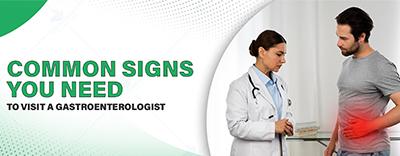
Experiencing persistent stomach pain, bloating, or acid reflux? These symptoms may require a gastroenterologist’s attention. Early diagnosis is key to treatment.
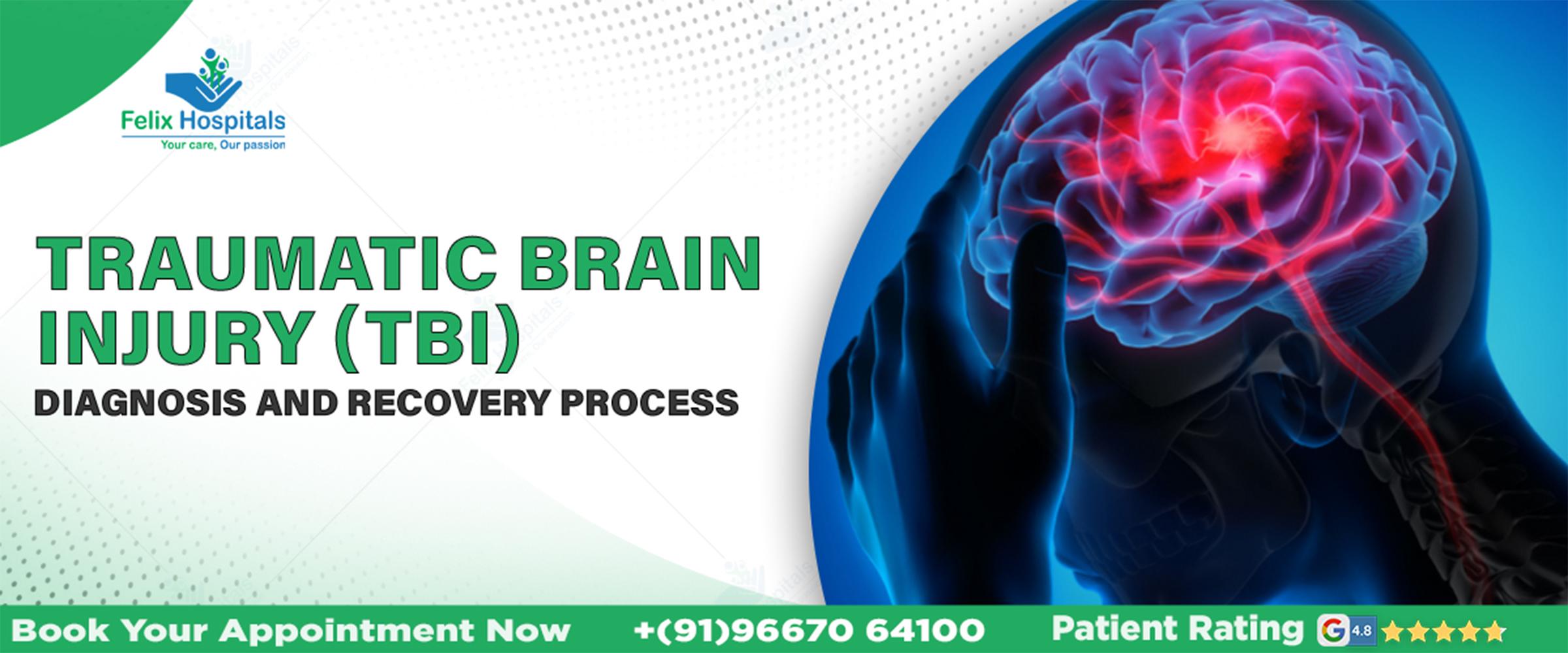
Traumatic brain injury usually results from a violent blow or jolt to the head or body. An object that goes through brain tissue, such as a bullet or shattered piece of skull, also can cause traumatic brain injury. If you or someone you love experiences such an injury, it’s important to seek help from a Brain Injury Specialist Doctor in Noida at the Best Brain Injury Hospital in Noida to ensure proper diagnosis and care.
For expert diagnosis and treatment of traumatic brain injury, call +91 9667064100 and get timely help.
Mild traumatic brain injury may affect your brain cells temporarily. More-serious traumatic brain injury can result in bruising, torn tissues, bleeding and other physical damage to the brain. These injuries can result in long-term complications or death. Understanding Who is at higher risk of TBI? is essential for taking timely precautions and planning prevention strategies.
Traumatic brain injury can have wide-ranging physical and psychological effects. Some signs or symptoms may appear immediately after the traumatic event, while others may appear days or weeks later.
The signs and symptoms of mild traumatic brain injury may include:
Nausea or vomiting
Fatigue or drowsiness
Problems with speech
Dizziness or loss of balance
Sensory problems, such as blurred vision, ringing in the ears, a bad taste in the mouth or changes in the ability to smell
Sensitivity to light or sound
Loss of consciousness for a few seconds to a few minutes
No loss of consciousness, but a state of being dazed, confused or disoriented
Memory or concentration problems
Mood changes or mood swings
Feeling depressed or anxious
Difficulty sleeping
Sleeping more than usual
Moderate to severe traumatic brain injuries can include any of the signs and symptoms of mild injury, as well as these symptoms that may appear within the first hours to days after a head injury:
Loss of consciousness from several minutes to hours
Persistent headache or headache that worsens
Repeated vomiting or nausea
Convulsions or seizures
Dilation of one or both pupils of the eyes
Clear fluids draining from the nose or ears
Inability to awaken from sleep
Weakness or numbness in fingers and toes
Loss of coordination
Cognitive or mental symptoms
Profound confusion
Agitation, combativeness or other unusual behavior
Slurred speech
Coma and other disorders of consciousness
Traumatic brain injury is usually caused by a blow or other traumatic injury to the head or body. The degree of damage can depend on several factors, including the nature of the injury and the force of impact.
Falls: Falls from bed or a ladder, down stairs, in the bath, and other falls are the most common cause of traumatic brain injury overall, particularly in older adults and young children.
Vehicle-related collisions: Collisions involving cars, motorcycles or bicycles — and pedestrians involved in such accidents — are a common cause of traumatic brain injury.
Sports injuries: Traumatic brain injuries may be caused by injuries from a number of sports, including soccer, boxing, football, baseball, lacrosse, skateboarding, hockey, and other high-impact or extreme sports. These are particularly common in youth.
Explosive blasts and other combat injuries. Explosive blasts are a common cause of traumatic brain injury in active-duty military personnel. Although how the damage occurs isn't yet well understood, many researchers believe that the pressure wave passing through the significantly disrupts brain function.
Traumatic brain injury also results from penetrating wounds, severe blows to the head with shrapnel or debris, and falls or bodily collisions with objects following a blast.
The people most at risk of traumatic brain injury include young children, older adults, and males. It's important to understand Who is at higher risk of TBI? to take effective preventive actions, especially in households with vulnerable individuals.
Children, especially newborns to 4-year-olds
Young adults, especially those between ages 15 and 24
Adults age 60 and older
Males in any age group
Several complications can occur immediately or soon after a traumatic brain injury. Severe injuries increase the risk of a greater number of and more-severe complications.
Moderate to severe traumatic brain injury can result in prolonged or permanent changes in a person's state of consciousness, awareness or responsiveness. Different states of consciousness include:
Coma: A person in a coma is unconscious, unaware of anything and unable to respond to any stimulus. This results from widespread damage to all parts of the brain.
It's possible that a vegetative state can become permanent, but often individuals progress to a minimally conscious state.
Seizures
Fluid buildup in the brain (hydrocephalus)
Blood vessel damage
Vertigo
Traumatic brain injuries at the base of the skull can cause nerve damage to the nerves that emerge directly from the brain (cranial nerves). Cranial nerve damage may result in:
Paralysis of facial muscles or losing sensation in the face
Loss of or altered sense of smell or taste
Loss of vision or double vision
Swallowing problems
Ringing in the ear
Hearing loss
Intellectual problems
Many people who have had a significant brain injury will experience changes in their thinking (cognitive) skills. It may be more difficult to focus and take longer to process your thoughts. Traumatic brain injury can result in problems with many skills, including:
Language and communications problems are common following traumatic brain injuries. These problems can cause frustration, conflict and misunderstanding for people with a traumatic brain injury, as well as family members, friends and care providers.
Follow these tips to reduce the risk of brain injury:
Seat belts and airbags: Always wear a seat belt in a motor vehicle. A small child should always sit in the back seat of a car secured in a child safety seat or booster seat that is appropriate for his or her size and weight.
Don't drive under the influence of alcohol or drugs, including prescription medications that can impair the ability to drive.
Helmets Wear a helmet while riding a bicycle, skateboard, motorcycle, snowmobile or all-terrain vehicle. Also wear appropriate head protection when playing baseball or contact sports, skiing, skating, snowboarding or riding a horse.
Pay attention to your surroundings: Don't drive, walk or cross the street while using your phone, tablet or any smart device. These distractions can lead to accidents or falls.
Traumatic brain injuries may be emergencies. In the case of more-severe TBIs, consequences can worsen rapidly without treatment. That’s why early and accurate assessment is critical to determining How is traumatic brain injury diagnosed? using proper clinical tools and imaging techniques.
This 15-point test helps a doctor or other emergency medical personnel assess the initial severity of a brain injury by checking a person's ability to follow directions and move their eyes and limbs. The coherence of speech also provides important clues.
Abilities are scored from three to 15 in the Glasgow Coma Scale. Higher scores mean less severe injuries. If you saw someone sustain an injury or arrived immediately after an injury, you may be able to provide medical personnel with information that's useful in assessing the injured person's condition.
Computerized tomography (CT) scan: This test is usually the first performed in an emergency room for a suspected traumatic brain injury. A CT scan uses a series of X-rays to create a detailed view of the brain. A CT scan can quickly visualize fractures and uncover evidence of bleeding in the brain (hemorrhage), blood clots (hematomas), bruised brain tissue (contusions), and brain tissue swelling.
Magnetic resonance imaging (MRI): An MRI uses powerful radio waves and magnets to create a detailed view of the brain. This test may be used after the person's condition stabilizes, or if symptoms don't improve soon after the injury.
Intracranial pressure monitor: Tissue swelling from a traumatic brain injury can increase pressure inside the skull and cause additional damage to the brain. Doctors may insert a probe through the skull to monitor this pressure.
Doctors often rely on Which tests confirm traumatic brain injury? such as CT scans and MRIs. These imaging techniques help identify bleeding, swelling, and other internal brain injuries that may not be externally visible.
Treatment is based on the severity of the injury.
Mild traumatic brain injuries usually require no treatment other than rest and over-the-counter pain relievers to treat a headache. However, a person with a mild traumatic brain injury usually needs to be monitored closely at home for any persistent, worsening or new symptoms. He or she may also have follow-up doctor appointments.
The doctor will indicate when a return to work, school or recreational activities is appropriate. Relative rest — which means limiting physical or thinking (cognitive) activities that make things worse — is usually recommended for the first few days or until your doctor advises that it's OK to resume regular activities. It isn't recommended that you rest completely from mental and physical activity. Most people return to normal routines gradually.
Emergency care for moderate to severe traumatic brain injuries focuses on making sure the person has enough oxygen and an adequate blood supply, maintaining blood pressure, and preventing any further injury to the head or neck.
People with severe injuries may also have other injuries that need to be addressed. Additional treatments in the emergency room or intensive care unit of a hospital will focus on minimizing secondary damage due to inflammation, bleeding or reduced oxygen supply to the brain.
Medications to limit secondary damage to the brain immediately after an injury may include:
Anti-seizure drugs: People who've had a moderate to severe traumatic brain injury are at risk of having seizures during the first week after their injury. An anti-seizure drug may be given during the first week to avoid any additional brain damage that might be caused by a seizure. Continued anti-seizure treatments are used only if seizures occur.
Coma-inducing drugs: Doctors sometimes use drugs to put people into temporary comas because a comatose brain needs less oxygen to function. This is especially helpful if blood vessels, compressed by increased pressure in the brain, are unable to supply brain cells with normal amounts of nutrients and oxygen.
Diuretics: These drugs reduce the amount of fluid in tissues and increase urine output. Diuretics, given intravenously to people with traumatic brain injury, help reduce pressure inside the brain.
Emergency surgery may be needed to minimize additional damage to brain tissues. Surgery may be used to address the following problems:
Removing clotted blood (hematomas): Bleeding outside or within the brain can result in a collection of clotted blood (hematoma) that puts pressure on the brain and damages brain tissue.
Repairing skull fractures: Surgery may be needed to repair severe skull fractures or to remove pieces of skull in the brain.
Bleeding in the brain: Head injuries that cause bleeding in the brain may need surgery to stop the bleeding.
Opening a window in the skull: Surgery may be used to relieve pressure inside the skull by draining accumulated cerebrospinal fluid or creating a window in the skull that provides more room for swollen tissues.
Suspicious of a head injury? Contact the expert Brain Injury Specialist Doctor in Noida at +91 9667064100 immediately.
If you're dealing with symptoms of a brain injury or suspect someone has sustained one, it's crucial to seek evaluation from a Brain Injury Specialist Doctor in Noida. Getting timely care at the Best Brain Injury Hospital in Noida can make a significant difference in recovery and outcome. Understanding Who is at higher risk of TBI?, recognizing early symptoms, and knowing How is traumatic brain injury diagnosed? with accuracy and Which tests confirm traumatic brain injury? can empower you to act quickly and effectively during a medical emergency.
Q.1. Who is the most vulnerable to traumatic brain injury (TBI)?
Ans. High-risk activities exposed children, older adults and young males are at an increased risk.
Q.2. In case of emergency, how is traumatic brain injury diagnosed?
Ans. Physical examination, scoring of Glasgow Coma Scale, and imaging (CT or MRI scan) are the tests used by doctors.
Q.3. What type of tests proves the severity and characteristics of TBI?
Ans. CT scans show bleeding or bruising and MRI provides detailed images of damage to the brain tissues.
Q.4. Does mild TBI lead to exacerbation of symptoms?
Ans. Yes, there are certain symptoms that may occur hours or days after the injury such as confusion, or headaches.
Advanced neurosurgery improves treatment for brain and spine disorders with better outcomes.
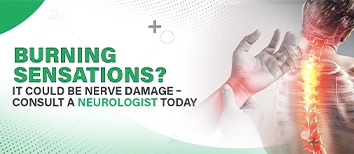
Experiencing tingling in your hands or feet? It could signal a nerve-related issue. Consult our expert neurologists at Felix Hospitals to find the cause and get the right treatment today.
Neurological disorders impact the brain, spine, and nerves, causing symptoms like headaches, seizures, or memory loss. Discover causes, treatments, and expert advice for better neurological care and management.
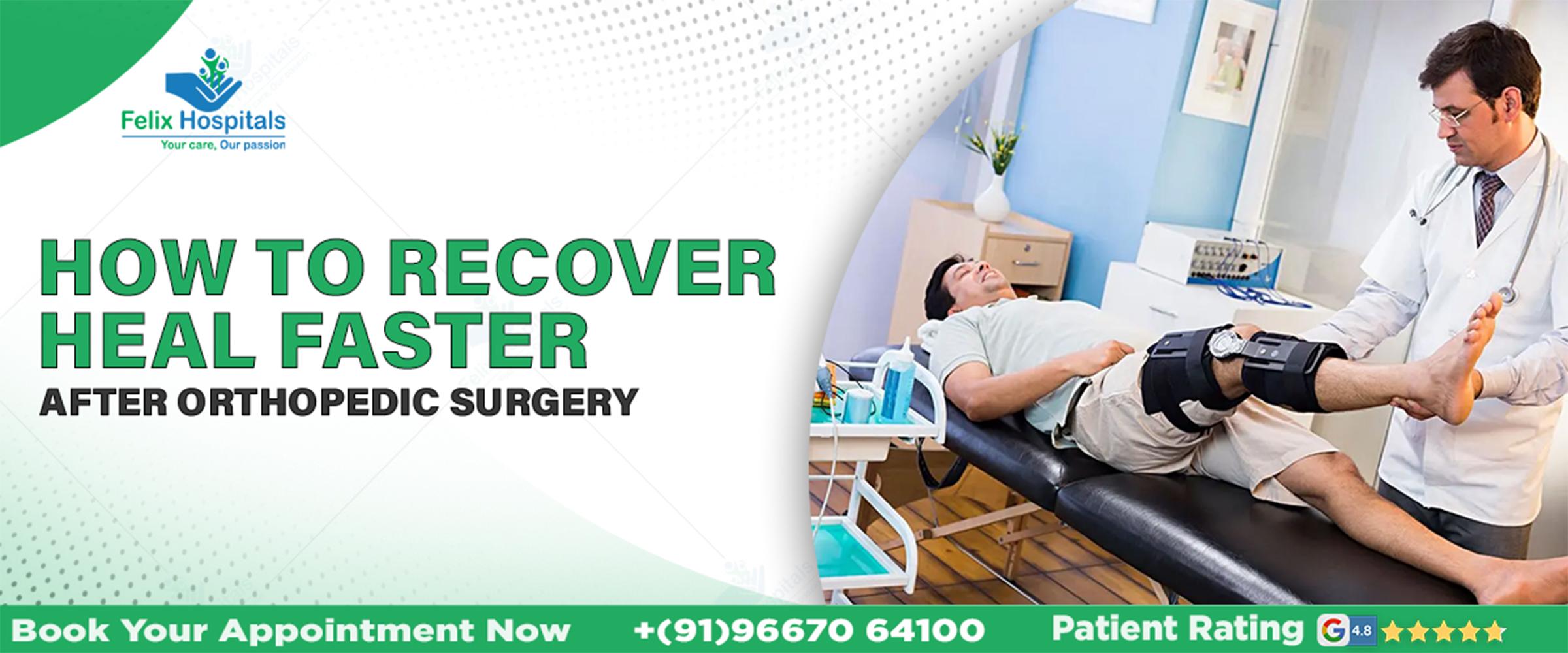
On your path to an active, pain-free life, orthopedic surgery may be a life-altering event. Rehabilitation plays a major role in determining your long-term outcome, whether it is a total knee replacement, fracture repair, or spine surgery. Your body heals, strengthens, and adjusts to new changes during the postoperative phase. How you handle this phase will undoubtedly affect how quickly and completely you recover.
An adequate recovery of your muscles and joints, pain management, and a reduced risk of complications are all ensured by proper postoperative orthopedic care by the best orthopedic doctor in Noida. Following the recovery recommendations of these professionals will guarantee a quick and easy return to your regular life if you have recently had orthopedic surgery in Noida or are planning to have one.
Recover faster with expert-guided rehabilitation—book your orthopedic follow-up at +91 9667064100 today.
Recovery following orthopedic surgery is not merely a rest period, but a processional process wherein a series of rehabilitation, nutrition, follow-up, and self-care are intertwined. The orthopedic surgery recovery tips will be effective or not depends upon:
The extent of surgery (joint replacement versus simple fracture)
Overall health
The existence of disorders like diabetes or obesity
How closely you adhere to your doctor's postoperative instructions
The recovery process for you may last several weeks to several months. However, by taking proper steps, short healing time and accelerated mobility are possible.
This is most important when it comes to how to heal faster after joint surgery. Each orthopedic surgery is distinct and you are advised by your doctor in accordance with your needs. Strictly follow-up, wound care and medications as per the directions.
Do not overstrain yourself or miss physiotherapy. Never resume normal activity or change routine without the consultation of your orthopedic surgeon. Disregarding the medical advice may slow down the healing process and lead to unwarranted complications.
Post-operative pain and inflammation is a normal occurrence which has to be addressed in a responsible way. Take anti-inflammatory medication and pain reliever prescribed by the doctor orally. Application of ice packs on and off for 15 to 20 minutes several times a day reduces swelling.
Lift your operated limb, when resting, to also enhance circulation as well as relieve pain. Never self-prescribe medication — ask your doctor for pain management advice instead.
Physical therapy is also the basis of rehabilitation after orthopedic surgery. Your physiotherapist devises special exercises to regain strength, flexibility, and coordination of the affected part.
The benefits of walking post-surgery gradually wards off stiffness and enhances circulation, bringing you back to normal more quickly. Repeat physiotherapy also assists your getting back to normal activities soonest and regaining your confidence. Missing appointments might slow things down or cause long-term stiffness.
You have to fuel your own body to rebuild itself. A nutritionally rich diet supplemented by protein, vitamins, and minerals helps to repair tissues and speed bone recovery. Include:
Protein sources: Eggs, lean beef, lent
Calcium and Vitamin D: Milk, curd, almonds, exposure to sunlight
Iron and Zinc: Spinach, whole wheat, seeds
Vitamin C: Citrus fruits, tomatoes, bell peppers
Avoid processed food, added sweets, and drinks — they suppress recovery and create inflammation.
Keeping your surgical wound clean and dry also helps prevent infection. Change your dressing as your doctor instructs and watch for warning signs like redness, discharge, and fever.
Do not immerse your wound in water (e.g., swim, long baths) until your physician okays it. Early identification of infection leads to quicker treatment and a prevention of severe consequences.
Sleep assists your body to focus on repair work. Avoid putting excess stress on the operated area, and sleep soundly, not putting excess stress on your joints.
7–8 hours of sleep a day — it aids tissue repair and general recovery.
If your physiotherapist instructs, use supporting pillows for your aches during sleep.
Nicotine and alcohol disrupt blood circulation and slow down healing by cutting off tissue's supply of oxygen. For quicker healing, refrain from smoking and drinking during your postsurgical days. They also risk infection and poor bone growth.
The healing process is no less psychological than physical. Thinking positively, going through your routine and celebrating small achievements by means of celebratory activities can perform miracles. There are worse days than others, but patience and perseverance is one of the parameters of a successful recovery process.
Deep breathing, meditation, or mindfulness exercises may also make your postoperative stress or frustration management style better.
Your orthopaedic physician will educate you about when and how to resume normal behavior. Avoid sudden movements, lifting heavy objects or over speeding. It is possible to overstrain your muscles and joints by pushing yourself too fast.
Pay attention to your body - when it is sore, swollen, or fatigued, have a rest and discuss with your doctor when you may resume.
The best way to ensure your physician is able to check your progress and detect any complication at an early stage this is the major importance of follow-up appointments
The visits are also necessary for medication, physiotherapy, or diet adjustment.
Do not miss a follow-up, even if your condition is improving.
Follow-up with a doctor also guarantees that your health status remains on course and bones, joints, and muscle repair in a relative manner.
Do not permit postoperative challenges to interfere with the process of recovery. Register your appointment here.
Want a smooth recovery after surgery? Call our orthopedic care specialists now at +91 9667064100 for personalized guidance.
The healing of an orthopedic surgery is a job of hard work, care, and patience. It can be painfully slow initially, but every little progress, be it pain relief or physiotherapy, will bring one a bit closer to being able to stand on his/her own two feet.
His body will recover quicker and have few inconveniences after surgery by simply following a balanced diet, listening to the advice of medics, and exercising consistency in the rehabilitation process. Keep in mind, full recovery does not occur suddenly; it is a gradual process requiring discipline and optimism.
If you have recently had a surgery or are about to have one, speak to a specialized orthopedic expert for individual advice. With a suitable post-surgery orthopedic care hospital in Noida and a proper methodology, your strength shall soon be restored and an active life adopted at a quicker and safer pace.
Q.1. For how many weeks is recovery after undergoing orthopedic surgery?
Ans. Recovery depends upon surgery type and personal health. Short procedures recover quickest, usually around 4–6 weeks, and large procedures of a major nature, like knees, recover for 3–6 months.
Q.2. What should be eaten following orthopedic surgery?
Ans. High-protein, calcium, vitamin D, and iron diet helps to repair muscles and bones. Add egg, lentil, leafy green vegetables, milk, and oranges to your diet.
Q. 3. How to sleep comfortably after orthopedic surgery?
Ans. Provide support by sitting on pillows and maintain a position never placing stress on the operated area. Your doctor may also recommend a comfortable posture for sleep.
Q.4. Is it normal to have swelling for weeks following surgery?
Ans. Soft tissue swelling is typical for a few weeks. Application of ice packs, limb elevation, and gradual ambulation decrease inflammation.
Q.5. Are postoperative showers permitted after orthopedic surgery?
Ans. Only when your doctor permits it. The stitch site should be kept clean and dry to avoid infection. It's best to avoid soaking in baths until it's fully recovered.
Q. 6. Physiotherapy should start shortly after surgery?
Ans. Patients normally start simple exercises a few days after their physiotherapist recommends, as getting about and getting up early helps speed recovery and prevent stiffness.
Orthopedics is a specialized branch that takes care of your musculoskeletal problems related to joints, bones, muscles, spine, ligaments, and tissues.
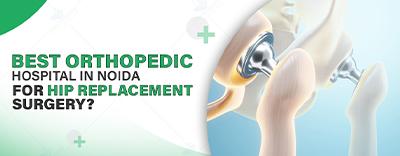
Looking for the best orthopedic hospital in Noida for hip replacement surgery? Get expert care, advanced technology, and faster recovery from top orthopedic specialists—all under one roof.
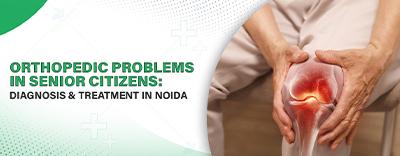
Explore common orthopedic problems in senior citizens, their diagnosis, and advanced treatment options available in Noida for better mobility and healthy aging.
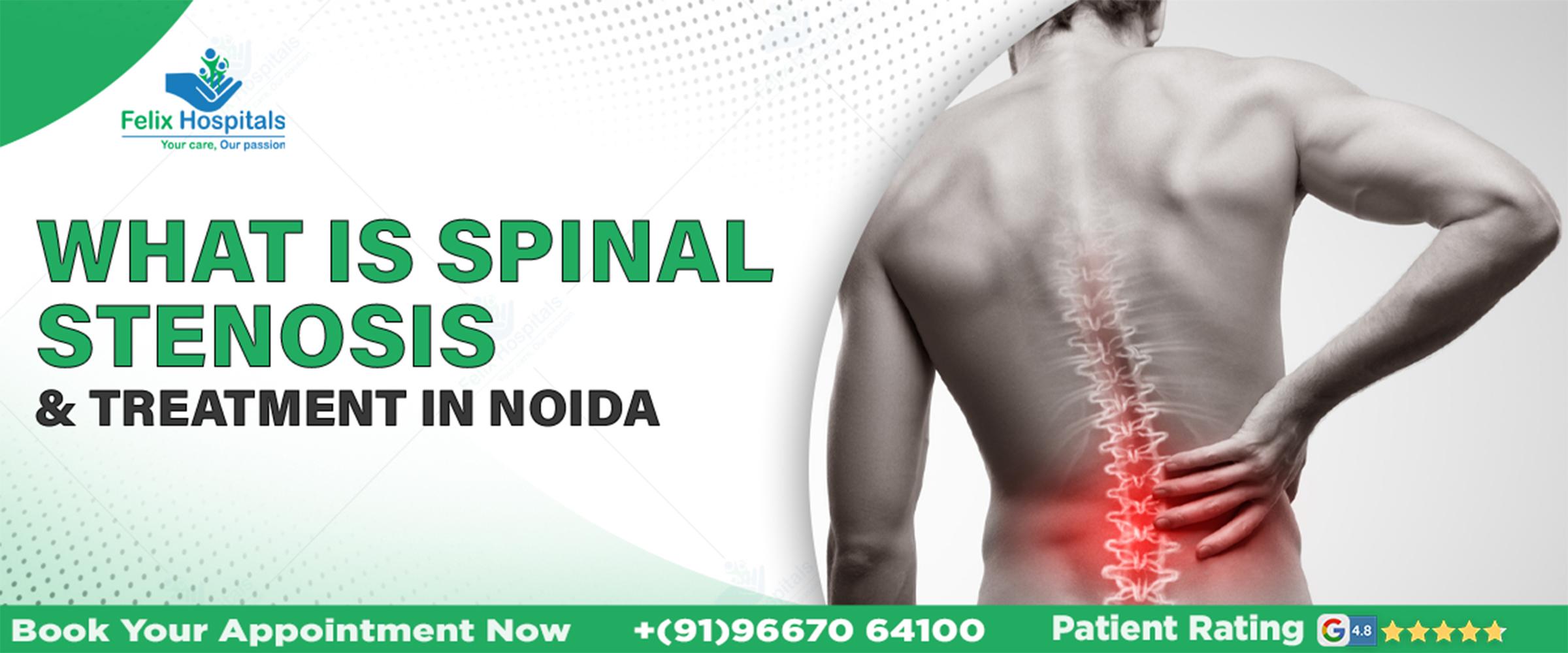
When we age or have worn down our back, certain individuals begin to feel pain, stiffness, or numbness in their back, neck, or legs. These symptoms may not necessarily stem from small matters — sometimes, they could actually be an indication of the occurrence of spinal stenosis, an illness that leads to the narrowing of the canal in the back and pressure on the nerves.
Spine problems in Indian adults, who are 50 years and older, have been gaining significant attention, primarily because of sitting for long periods, improper posture, and sedentary lifestyles. There is tolerance for majority of individuals towards initial symptoms of back pain, carrying the thought it is "normal back pain," yet initial diagnosis and effective treatment may prevent symptoms from aggravating and ensure an active, pain-free life.
In your case, if you have chronic back pain or your legs feel numb, seeking guidance from a spine doctor in Noida would aid in identifying if it is because of spinal stenosis. High-end medical facilities in the state now offer non-surgical and minimal intervention treatment techniques to effectively manage the condition.
Reclaim your mobility and ease in the hands of highly skilled professionals. Call now at +91 9667064100.
Spinal stenosis refers to the narrowing of the spinal canal, which puts pressure on the nerves and the spinal cord. It is more common in the low back, or lumbar, spine and neck, or cervical, spine. In cases where the inner space in the spine is smaller, the pressure squashes the nerves and can result in pain, tingling, numbness or weakness in the arms of legs.
Though not all of them lead to symptoms, in most cases, spinal stenosis gets increasing with time unless treated.
The most common causes of spinal stenosis are:
These causative factors are often interlinked, and the disease itself gradually advances, more predominantly for elderly adults.
Spinal stenosis is more common with age since degenerative changes in the back develop with age. Wear and tear on bones, discs, and ligaments in the years result in structural changes that decrease space within the canal in the back.
In India, long hours of work, improper posture, physical inactivity, and long hours of sitting increase the risk factor. Physical inactivity and sitting-oriented jobs, in particular, put excess strain on the back.
Spinal stenosis symptoms vary in relation to which part of the spine is affected:
Spinal Stenosis in the Cervical (Neck)
Neck stiffness and pain
Tingling, weakness, or numbness in your hands or arms
Balance and coordination problems
Difficulty walking
In more serious manifestations, bladder or bowel control difficulties
Spinal Stenosis in the Lumbar
Lower back pain that worsens when standing or walking
Cramping or weakness in the legs
Relief on bending forward or when sitting
Numbness or tingling that shoots to buttocks or legs
In case you observe such symptoms, do not overlook them. Earliest consultation with Spinal stenosis treatment in Noida expert would prevent permanent damage to your nerves.
Your physician will begin with your medical record and physical exam evaluation. Imaging studies should be used to make the diagnosis and estimate extent:
X-rays: To rule out bone spur or degenerative changes.
MRI scans: They give precise pictures of discs, nerves, and soft tissues.
CT scans or Myelogram: When it is not feasible to use an MRI, in particular, to see the bone and nerve compression more defined.
Your specialist may also assess your walk, your posture, and your flexibility to determine just how far your condition is inhibiting your daily functioning.
They ask, "Can I cure spinal stenosis without surgery?" Oh, yes, in mild to moderate stenosis, the answer is yes — with the right therapy, medicine, and changes in life-style.
Non-Surgical Treatment Methods
Medications
Painkiller drugs (NSAIDs such as ib
Pain medications like gabapentin for nerves
Mild muscle relaxants for stiffness
Short-term steroids for inflammation
Physical Therapy:
Physical exercises to strengthen back muscles, posture, and flexibility minimize symptoms significantly.
Dietary Changes
Have a healthy weight
Use ergonomic chairs and avoid prolonged sitting
Include low-impact exercises such as walking or swimming
Epidural Steroid Injection
These offer temporary relief from the inflammation and irritation of nerves but do not establish lasting cures.
Even if such treatments prove unsuccessful, surgery could be attempted for partial relief.
Surgical Treatment :When conservative treatment loses its positive effects, surgery is sometimes used to relieve pressure off the nerves.
Common surgical procedures include: Surgery is directed towards opening up space in the spinal canal.
Laminectomy: Removing the rear part of the vertebra (lamina) to ease pressure.
Laminotomy: Resection of the laminate partially to alleviate pressure on a specified compressed location.
Spinal Fusion: Joining two or more vertebrae to stabilize the spine.
In upmarket medical facilities that treat spinal stenosis in Noida, such surgeries may even be conducted via minimally invasive surgery, which would entail less recovery and less pain after surgery.
Healing from spinal stenosis—whether treated surgically or conservatively—requires patience and self-care.
This is how to support recovery:
Adhere to your physiotherapist's exercise program every.
Avoid lifting heavy objects or bending frequently.
Sit and stand in upright posture.
Have a balanced meal for support and recovery of bones.
Sleeping on a firm bed to get sufficient support for your back.
Regular treatment, in addition to consultancy from a back expert in Noida, will re-establish mobility and terminate chronic pain.
These technologies reduce blood loss, pain, hospital stay, and recovery time.
Special relief in India is also provided from integrative therapies such as:
Yoga of spinal flexibility (with professional guidance)
Ayurvedic massages or hot oil treatment for relaxing your muscles
Pain modulation and acupuncture
Chiropractic manipulations (only from qualified chiropr
These techniques, along with allopathic medicine, could potentially alleviate pain when the pain occurs.
Schedule your consultation now with the professionals who provide state-of-the-art treatment for spinal stenosis and receive customized recovery guidance.
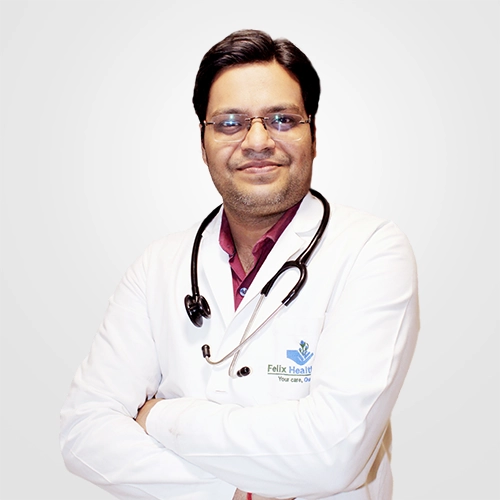
Dr. Keshav Goel is an experienced Orthopedic and Joint Replacement Surgeon in Noida with over 10 years of clinical expertise. He has performed 2,000+ independent surgeries and specializes in computer-assisted joint replacement and arthroscopic surgeries of the knee, shoulder, and hip. Known for his skill in treating sports injuries, trauma, and joint disorders, he provides advanced and patient-focused orthopedic care.
Spinal stenosis may impact your daily activities to a great extent, yet proper medical care in time and correct treatment enable you to resume an active life again. Through physiotherapy, medicine, or surgery, the remedy is in early detection and expert treatment.
In case you or your loved one suffers from chronic back or leg pain, numbness, or dizziness, do not wait and visit the best back pain doctors in Noida and get a tailored treatment plan.
Q. 1. Is stretching or yoga exercise helpful for pain from spinal stenosis?
Ans. Yes, stretching and yoga could increase flexibility, stiffness, and relieve pressure on nerves. Never do deep backbends or twisting exercises, however. Use close supervision of physiotherapist or qualified yoga instructor to avoid strain.
Q. 2. Hoe long does recovery from treatment for spinal stenosis take?
Ans. Recovery time varies from the state of the condition and treatment selected. With physical therapy and medicine, improvement could take several weeks to several months. For surgical patients, the majority of patients walk in a week or two and mend completely in 6–12 weeks with care.
Q. 3. Are There Indian Home Remedies for Relieving Pain from Spinal Stenosis?
Ans. A number of homemade remedies could assist in treatment — hot oil massage with mustard or sesame oil could ease stiffness, turmeric milk could reduce inflammation, and use of hot compress could ease pain. They should, however, accompany—and never replace—medical treatment.
Q. 4. Does posture influence symptoms of spinal stenosis?
Ans. Yes. Poor sitting, standing, or digital device use posture may exacerbate lumbar compression. Good sitting and standing posture, back support use, and sitting for minimal times may reduce pain noticeably.
Q. 5. Is stenosis of the spine irreversible?
Ans. Spinal stenosis is usually a chronic condition, but it can be relieved effectively. Exercise, control of weight, and physiotherapy may keep mobility up and pain down without surgery.
Q. 6. Is surgery in elderly Indian patients for the treatment of lumbar stenosis safe?
Ans. Yes, with the newest minimally invasive surgical methods available in Noida, surgery is now possible for even elderly patients with less recovery time and minimal risk. Proper preliminary health assessment prior to surgery ensures that surgery and treatment regimen is safe and ideal for the elderly.
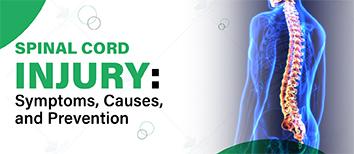
A spinal cord injury occurs when there is damage to the spinal cord, often resulting from trauma, disease, or degenerative conditions.
Spinal stenosis surgery is needed when severe pain, weakness, or numbness persists despite non-surgical treatment and affects daily activities.
Spinal fusion surgery is a procedure that joins two or more vertebrae in the spine to reduce pain, correct deformity, or improve stability.
Explore advanced spinal cord injury treatments in Noida. Discover expert care, modern rehabilitation, and hope for recovery with top neurologists and orthopedists.
Sepsis is a disorder that is life threatening and is as a result of excessive response to the body in case of infection. When the bacteria spread into the bloodstream they may cause extensive inflammation causing damages to the organs and the death of the individual in case they are not addressed on time. To the patients who want to receive special treatment, the sepsis specialist in Noida at the best medical facilities such as the Felix Hospital is vital in early detection, emergency results, and healing. The Noida sepsis treatment hospital offers state-of-the-art care supported by the latest technologies and a well-trained multidisciplinary team, which positively influences the population of survivors and reduces cases of prolonged complications.
To know what is sepsis infection you should know it is a blood infection that occurs when bacteria enter your bloodstream from an infection occurring elsewhere in the body. It is your body's extreme response to the bacterial infection.
Usually, when you have an infection, your immune system releases chemicals to fight it. However, sometimes the immune system stops fighting the disease and attacks and damages your normal tissues and organs. This leads to inflammation throughout your body.
Sepsis is a critical medical emergency. It can cause septic shock that could lead to a drop in blood pressure and damage your lungs, kidneys and other organs. Severe damage to these organs may prove fatal. Timely diagnosis and immediate medical treatment improve the chances of recovery and survival.
The three stages of sepsis are:
Sepsis: It occurs when bacteria from an infection enter your bloodstream and cause a blood infection. This leads to inflammation in the body.
Severe sepsis: This is the stage where the blood infection and the inflammation begin to affect the functioning of your organs.
Septic shock: It is a severe complication of sepsis that leads to a drop in your blood pressure, which is followed by organ dysfunction, respiratory failure, heart failure, stroke and death.
While sepsis is a life-threatening medical emergency, seeking timely medical help can make all the difference. Some symptoms of sepsis are similar to other medical conditions. Please consult your doctor for the correct diagnosis if you observe any of the following blood infection symptoms:
Sudden fever
Shivering
Difficulty breathing
Nausea and vomiting
Low blood pressure
Fast heartbeat
Rapid breathing
Excessive sweating
Extreme pain
Heart palpitations
Sensitivity to light
Difficulty breathing
Shivering
Extreme weakness
Dizziness
Low platelet count
Bluish appearance of the skin on the lips, fingers and toes
Decreased urination
Confusion, agitation or anxiety
Abnormal heart functioning
Unconsciousness
Sepsis or blood infection can advance to severe sepsis and septic shock quickly. Please consult a doctor immediately if you experience:
Severe difficulty breathing
Acute confusion
Low blood pressure
Bluish skin
Causes of sepsis infection while infection in the body can cause sepsis, blood infection occurs primarily due to bacterial infections in the respiratory system, skin, urinary tract and gastrointestinal tract.
The following infections increase the risk of blood infection or septicaemia:
Pneumonia
Infection of the brain
Infection in the spinal cord
Bowel conditions
Appendicitis (Infection of the appendix)
Gall bladder infection
Liver infection
Infection in the abdominal cavity
Urinary tract infection
Bacterial infections can occur due to inflammation, wounds, cuts, burns and scrapes.
Cellulitis or inflammation of the connective tissue
Besides bacterial infection, fungal and viral infections can also cause sepsis.
While anybody can have an infection, certain people are at a higher risk of blood infection. These include:
People with chronic medical conditions like diabetes, immune system disorders, lung disease, kidney disease, obesity and cancer.
People with a weak immune system
People older than 65 years of age as well as pregnant women, newborns and infants.
People who are admitted to a hospital for medical conditions
People with injuries like burns or wounds
People with catheters or breathing tubes.
Timely identification of sepsis or blood infection is crucial in improving the chances of recovery. Doctors advise various tests to diagnose sepsis. These are:
Physical examination.
Blood tests to check complete blood count (CBC Test), kidney function, clotting difficulty and electrolyte abnormalities.
Urine tests to conduct a urinalysis and urine culture.
Blood oxygen level test to check the levels of oxygen in the blood.
Imaging tests such as X-rays and CT scans.
Before knowing How to treat sepsis you should know If left untreated, blood infection can quickly turn into severe sepsis and septic shock. It is necessary to consult your doctor if you observe any signs or blood infection symptoms. With a timely diagnosis, your doctor will prescribe an ideal treatment plan to help you recover faster.
Your doctor will prescribe the treatment based on
Your age and overall health
Your medical history
The severity of the condition
Tolerance to certain medications and procedures
Treatment for blood infection consists of the following:
Antibiotics: If you have a bacterial infection, your doctor will prescribe antibiotics to fight the infection.
IV (intravenous) fluids: To help maintain the blood flow to your organs, your doctor will prescribe IV fluids.
Blood pressure medications: These help increase your blood pressure
Insulin: It helps stabilize blood glucose levels.
Corticosteroids: These medications will help control the inflammation.
Pain relievers: These medications help provide relief from any pain or discomfort due to the infection.
Doctors may advise ventilators in case of respiratory failure and dialysis in case of kidney failure.
Doctors may suggest surgery to remove any damaged tissue.
Sepsis needs to be identified and treated promptly to achieve good results. Felix hospital is a reputable sepsis treatment hospital in Noida that offers holistic care to its clients, and it has the best doctors to deal with sepsis. When you feel or a lost one has the symptoms that indicate sepsis, consult a qualified doctor immediately as a life-saving deseptic treatment in Noida so that recovery can be high. Prescribing special attention and careful diagnostics in Felix Hospital will help to save lives and heal people.
Q.1. Which are the first symptoms of sepsis in adult patients and children?
Ans. The early signs are sudden fever, chills, a racing heartbeat, and confusion.
Q.2. What is the rate of sepsis deteriorating to a critical state?
Ans. The problem of sepsis can deteriorate within hours, which is why medical help is urgently needed.
Q.3. Can sepsis be treated using antibiotics only?
Ans. Fluids, oxygen and organ support are also needed contrary to antibiotics which are necessary but must be combined with treatment.
Q.4. What are the most frequent causes of sepsis?
Ans. The common antecedents are pneumonia, urinary tract infection, abdominal infection, and skin infection.
Q.5. Can sepsis be prevented?
Ans. Yes, sepsis is less likely to happen due to prevention of infections and early treatment of diseases.
When you observe sepsis symptoms, Felix Hospital will provide consultations with a specialist at +91 9667064100 anytime.
To meet the requirements of advanced sepsis treatment, book an appointment with our specialists at +91 9667064100.
Felix Hospital provides all the critical care and sepsis, and it can be contacted by calling +91 9667064100.
Timely intervention is a way to save lives- call one of the top physicians in Noida regarding sepsis at +91 9667064100.
To receive 24-hour emergency treatment of sepsis, contact Felix Hospital currently at +91 9667064100.

Sexually transmitted infection is one of the significant public health problems. And the bigger problem is people hide sexual dysfunction instead of discussing it.
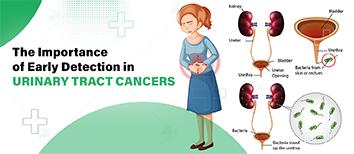
For those experiencing such symptoms, seeking care from the best hospital for pulmonology treatment in Noida ensures you receive timely and expert diagnosis and treatment.
Get immediate, expert care for your child at the best pediatric emergency centers in Noida. Available 24/7, these facilities offer advanced treatment, experienced pediatricians, and specialized care for urgent child health issues.
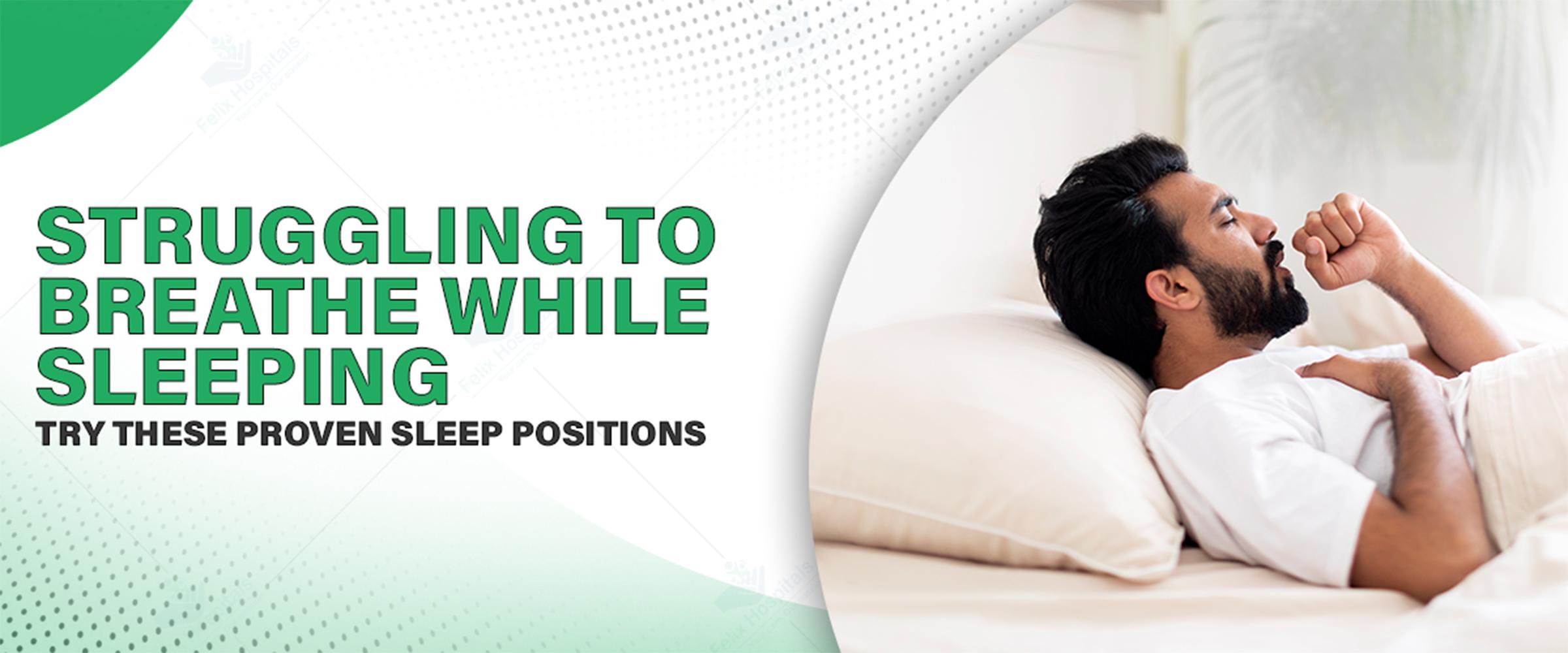
It's effortless breathing, after all, that occurs at nighttime. Alas, for most patients, bedtime is a struggle punctuated by snoring, gurgling, or awakening with gasps for breath. These symptoms aren't just bothersome but can also be indicative of deeper health concerns such as sleep apnea or cardiovascular stress. Patients themselves have questions about the severity of their symptoms and will pose such questions as, "Can a 100% blocked artery be fixed?" The response is that whole blockages necessitate sophisticated medical intervention but tiny daily lifestyle changes such as shifting sleeping position can have significant impact on the degree of effortless breathing at night.
At Felix Hospitals, our specialists emphasize comprehensive solutions that combine lifestyle modification with sophisticated medical care. Education on sleep positions and respiratory health is one of the simplest and initial measures that can help you improve your sleep quality and protect long-term health.
Take consultations from top experts at Felix Hospitals for proper evaluation and personalized solutions. Reach out to us right away at +91 9667064100.
When the body enters deep rest, the airway support muscles will relax. For others, this will constrict or close the upper airway and decrease oxygen supply. The consequence is fitful sleep, heavy snoring, or episodes where the breath will cease for a second or two at a time.
Obstructive Sleep Apnea (OSA): The most common single cause, where the airway shuts down at intervals during sleep.
Obesity and Neck Fat: The tissue pushes in on the airway and narrows and stiffens it.
Allergies or Nasal Congestion: Inflamed nasal membranes hinder passage of air.
Poor Posture in Bed: Some sleep positions will inherently angle the airway towards closing up.
Substances: Alcohol or sedatives at bedtime can exacerbate muscle relaxation, which will intensify the issue.
Leaving them unaddressed, these pauses in oxygen delivery put the heart under further stress, and can even precipitate rises in hypertension, arrhythmia, and stroke risk. This is why proper sleep position isn't a luxury – it's a move toward avoiding severe health issues.
The way you position yourself in bed can determine how freely your lungs and airways function. Research and clinical experience show that certain positions significantly improve airflow and reduce nighttime breathing disturbances.
Side sleeping also delineates the airway by not allowing the tongue and upper respiratory tract soft tissue to roll back and occlude it. Side sleeping is prescribed as the first non-invasive therapy for individuals with sleep apnea or snoring.
A small adjustment such as hugging a pillow or placing a pillow between your knees can also maintain your spine in alignment and aid in respiratory and back health.
Amongst side positions, the left side is especially helpful. This position not only minimizes airway obstruction but also increases circulation, which aids the function of the heart. In addition, left-side sleeping also reduces night-time pain in those with conditions such as acid reflux, which again boosts sleep quality further.
Lying on your back can even deepen airway obstruction, but lifting up your upper body can turn the situation around. By utilizing a wedge pillow or an adjustable bed and having your chest up slightly, the accumulation of airway tissue can be reduced. This also lessens acid reflux, which tends to worsen sleep apnea symptomatology.
Just a 30–45 degree increase can have a significant effect on oxygen circulation at night.
Flat-back sleep position is the poorest for obstructive sleep-breathing disorders. Gravity pushes the tongue and the upper airway tissue downward, which will reduce the airway passage's size. This sleep position is significantly associated with heavier snoring and greater apnea attacks.
If your habit is leaning towards sleeping on your back, positional therapy devices or special pillows will train your body to change.
Contemporary sleep solutions involve wearable devices or pillows that do not allow rolling onto the back at night. These devices might seem rudimentary, but they ensure proper body alignment and facilitate healthier sleeping postures.
When used in conjunction with medical assessment, positional therapy is a valuable step towards decreasing reliance on Interventional treatments.
The alteration of sleep position can greatly aid natural breathing, but it will not repair severe sleep apnea or late-stage cardiovascular illnesses. Some patients with both sleep and cardiovascular illnesses occasionally ask this question: "Will it be possible to repair a 100% blocked artery?" The reply is that while lifestyle adjustments such as correct sleep positions, weight reduction and healthy lifestyles predispose towards ameliorative outcomes, 100% blocked arteries require therapeutic interventions such as angioplasty, stenting, or bypass surgery.
This is where the complementary approach, reasonable lifestyle and medical assessment, comes in. In the Felix Hospitals, the specialists thoroughly investigate the symptoms and signs of every patient and compose the prescription with the most effective treatment, which can include sleep studying, CPAP drugs, or cardiology referrals.
Neglect not to notice frequent symptoms of poor or poor sleep and dyspnea. See a specialist in case of:
Irritable and periodical snoring that is annoying to others.
Sleep breathings (often observed by a partner)
Waking with gasping/choking.
Drowsiness, tiredness or loss of focus.
Dry mouth/ Morning headache.
Heart arrhythmia or hypertension.
With quick intervention, you won’t have to face the future with any serious issues and will be able to regain your energy levels, productive capacity, and overall quality of life. By checking the best Sleep Disorder Treatment Doctors in Noida, the problems and symptoms should be considered and resolved both in the short-term and long-term.
There are many long-term benefits of assuming the already developed sleeping positions:
Increased oxygenation: Reduced load on the heart and head.
Better sleep quality: Reduced disturbance means the better and sounder sleep.
Less snoring: It is not only good to the patient but also to partners of the patient.
Reduces cardiovascular risk: helps the heart to work and the nocturnal blood pressure surges.
Better energy condition: Better sleep means better concentration, better productivity and better attitude during the day.
They may be used alongside health treatment and help to promote long-term health.
Book an appointment with a trusted sleep apnea doctor at Felix Hospitals and restore your restful nights.
Disturbing trouble breathing at night is not a mere inconvenience--a sign that your body needs a prop.By implementing evidence-based sleep positions such as side sleeping, elevation of the upper body, and exclusion of flat back position, difficulty with breathing can be reduced right away and sleep improved. But sleep position is just one factor in the equation. Comprehensive review and treatment with the Best sleep apnea doctor in Noida need to take place for sleep apnea or heart problems to be diagnosed and treated.
If solutions are what have been on your mind, begin with changes in your body position this night—but do not just do it. Consult with a reliable sleep apnea doctor from Noida at Felix Hospitals for proper advice. At the same time, improvement in lifestyle and proper care will bring healthier living, sounder sleep, and better respiration.
Q.1. Why am I having difficulty breathing at night?
Ans. Shortness of breath at night can usually be caused by sleep disorders, sleep apnea, nasal obstruction, overweight, or incorrect sleeping posture.
Q. 2. What sleep position will help decrease snoring?
Ans. Sleeping on the side, especially your left side, will keep the airway open and also reduce snoring.
Q. 3. Will I feel better if I sleep upright?
Ans. Indeed, raising the upper body with an adjustable bed or wedge pillow minimizes airway slump and eases respiratory difficulty.
Q. 4. Is sleeping on your back bad for patients with sleep apnea?
Ans. In fact, supine sleep on your back will encourage airway obstruction and encourage noisier snoring and additional episodes of apnea.
Q. 5. Will lifestyle changes aid sleep-breathing?
Ans. Absolutely—breath control, abstention from drinking before bedtime, and correct sleep positions allow for effortless breathing.
Q. 6. Must I speak with a doctor if I sleep noisily only at night?
Ans. Sporadic snoring is harmless, but habitual or heavy snoring can be an indication of sleep apnea and needs professional intervention.
During sleep, the body releases growth hormones, which are essential for a child's growth and development. Adequate sleep is vital for muscle development, tissue growth, and the overall physical health of a child.
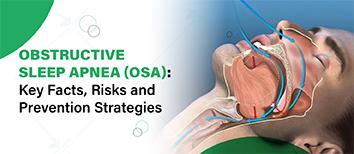
Obstructive Sleep Apnea occurs when the muscles in the throat relax excessively during sleep, causing the airway to become partially or fully blocked.
Lack of sleep silently damages your body and mind. Discover 10 shocking ways poor sleep affects your health, immunity, heart, and mental well-being.
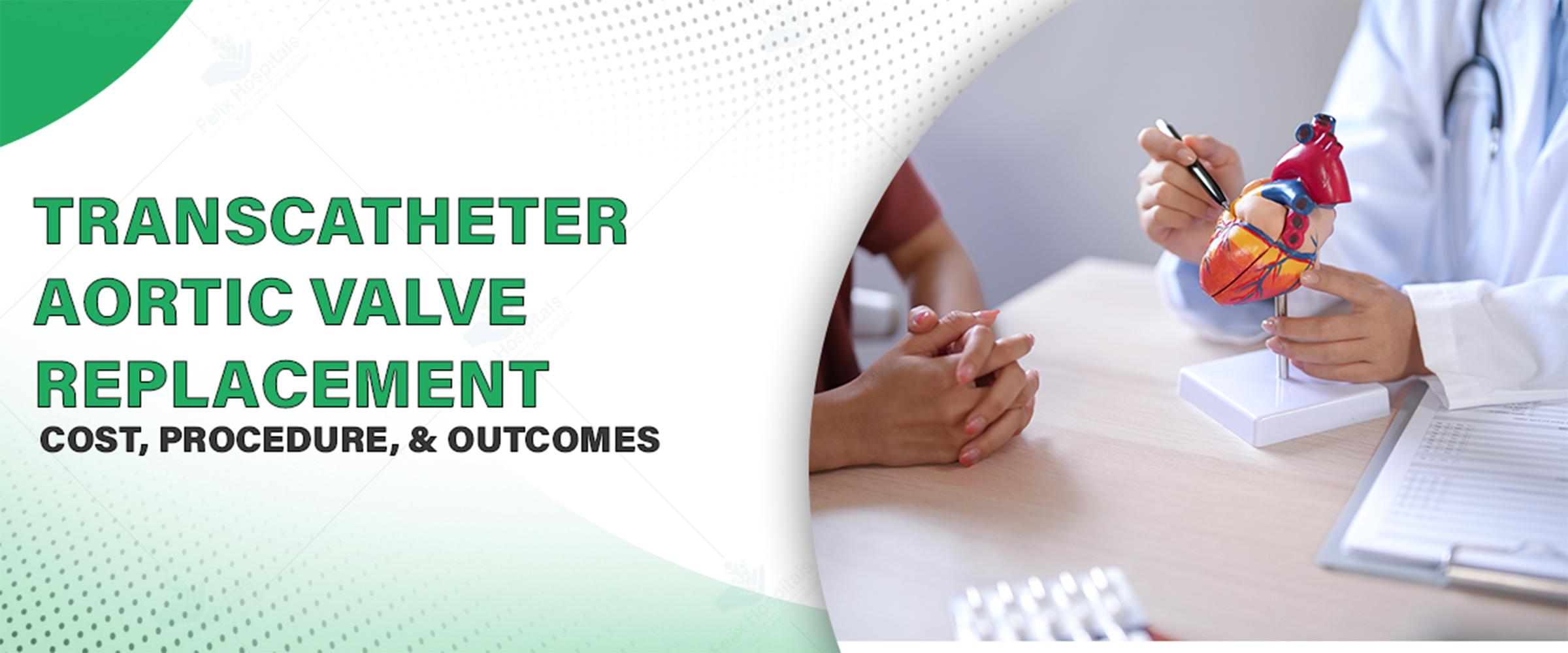
Cardiac well-being is the hospital of an active and complete life, but severe aortic stenosis may greatly affect daily activities. In unsuitable patients for open-heart surgery, Transcatheter Aortic Valve Replacement (TAVR) has established itself as the life-saving intervention. It brings renewed hope for patients by replacing a stenotic heart valve without the risk of open surgery. Taking the first step toward understanding your choices involves talking to seasoned TAVR physicians in Greater Noida.
Here, in this guide, we'll sum up all you need to know: what the TAVR procedure involves, the risks, the prices involved, how the individual recovers, and who the surgeon is—so you know more about the treatment.
Don't let heart valve disease define the way you live. Call us today on +91 9667064100.
The TAVR procedure is minimally invasive and treats aortic stenosis, in which the aortic valve hardens and narrows, hampering the flow of blood throughout the body. Open-heart surgery was the old way of treating the ailment, but for frail elders or those who had health complications elsewhere, the TAVR was the quick and safe choice.
Shortness of breath
Chest tightness or discomfort
Fatigue on everyday activities
Faintness or dizziness
Unless severe aortic stenosis is addressed, it may lead to life-threatening situations. Hence, early consultation at the best cardiac hospital in Greater Noida is important.
One of the very first questions patients ever pose is: What happens when you receive the TAVR procedure?
Here's the complete overview:
Access Port – Typically the incision will be below the groin but occasionally the chest or neck area may see use.
Insertion of Catheter – A thin plastic tube (catheter) is advanced through the artery into the heart.
Valve Insertion – An artificial valve is inserted at the site of the degenerative aortic valve.
Deployment – The replacement valve is expanded (balloon or self-expanding) to take over the function of the diseased valve.
Closure – Once the new valve has been placed within the body, the catheter is removed and the incision sealed.
The entire procedure usually takes 1–2 hours, and most patients are up and moving within a day.
Patients naturally wonder: Who receives the surgery for TAVR? It's conducted by an extremely specialized heart team made up of:
Interventional cardiologists (cardiovascular physicians who diagnose heart disorders)
Cardiac surgeon (surgical expertise and assistance when necessary)
Cardiac anesthesiologists (oversee patient comfort monitoring during the procedure)
Cardiac imaging specialists (assist in accurate placement of the valve)
It ensures the patient's safety and the optimum outcome.
Like any surgical intervention, there could be complications for TAVR. Oftentimes people want to know the complications of TAVR.
Possible complications are:
Bleeding or infection at the catheter insertion site
Blood vessel injury
Stroke or blood clots
Irregular heart rhythms (occasionally needing an electric pacemaker)
Valve leakage (paravalvular regurgitation)
Occasionally the necessity for emergent open-heart surgery.
That said, advances in technology and experienced TAVR specialists in Greater Noida have significantly reduced complication rates, making the procedure highly successful in most cases.
One of the crucial considerations for most families is knowing what the TAVR procedure costs. In Greater Noida, the cost depends on aspects like:
The Hospital Infrastructures and Facilities
Experience of the surgical staff
Valve type employed (balloon-expandable or self-exp
Patient's general health and additional needs for treatment
The average range of the TAVR surgery cost in Greater Noida ranges between ₹18,00,000 to ₹28,00,000. Prices range between hospitals. While discussing the package also talk about care after the surgery and insurance coverage beforehand. Most hospitals also provide an EMI facility or financing.
One of the biggest pluses of TAVR is decreased recovery time compared to open-heart surgery. Most patients could typically:
Stay for fewer hospital days (3–5 days on average)
Reverting back to normal activities within weeks not months
Feel substantial relief in breathing, energy, as well as total well-being.
It has long-term data demonstrating outstanding survival advantage and valve durability most notably in the highest risk or oldest patients. Routine visits with your best cardiology doctor in Greater Noida are needed for monitoring heart performance as well as the function of the valve.
Following the procedure, heart-healthy lifestyle became important for long-term success:
Eat well in moderation
Reduce salt consumption
Stay physically active through gentle exercise like walking
Attend appointments as directed
Stop smoking and reduce alcohol
Follow up on regular medical checkups
These steps not only optimize results after TAVR but also improve overall heart health.
Book an appointment with reliable experts to know the prices of TAVR surgery as well as the best treatment for long-term heart health.
Transcatheter Aortic Valve Replacement (TAVR) has transformed the management of valve stenosis, providing a patient the safest, least intrusive option beyond open heart surgery. Knowing about the process involved in the TAVR procedure, who carries it out, the risk involved, and the price of the TAVR procedure in Greater Noida enables the patient and relatives to make informed medical decisions.
With the best access to seasoned TAVR professionals in Greater Noida and the latest infrastructure available at the top cardiology hospital in Noida, patients will get improved outcomes as well as an enriched lifestyle. In case you or the person you care about happens to endure severe aortic stenosis, the time now is right for seeking expert opinion.
Q1. What is the cost of the TAVR procedure in Greater Noida?
Ans. The prices vary between ₹28,00,000- ₹18,00,000 according to the hospital, type of valve, and additional care. Always check with your doctor.
Q2. What occurs during the procedure for TAVR?
Ans. Narrow tube known as a catheter is fed through an artery (usually the groin), and the new valve is placed inside the damaged aortic valve. It's not an open heart procedure but it's minimally invasive and lasts 1–2 hours.
Q3. What are the potential complications of TAVR?
Ans. Complications vary anywhere from bleeding, stroke, vascular trauma, valve leakage, or abnormal heart rhythms. Complications are rare when qualified TAVR specialists are on staff in Greater Noida.
Q4. Who performs the TAVR surgery?
Ans. It includes the specially convened heart team of cardiac surgeons, interventional cardiologists, anesthesiologists, and imaging experts.
Q5. How long for the patient to fully recover after the procedure?
Ans. The majority of the patients recover within some weeks without the marked improvement in energy and quality of life achieved after open-heart surgery.
Q6. Are there insurances for TAVR?
Ans. Nearly all insurance plans reimburse for TAVR when medically necessary. Verify coverage and patient's out-of-pocket costs with their physician.
A stent procedure can be life-saving for those with blocked arteries. This guide walks you through the stent experience—from the angioplasty process to post-procedure recovery and lifestyle changes.
In Noida hospitals, recognized for being among the best heart health hospitals in Noida, are at the forefront of offering critical care for heart-related issues.

The weather is changing once again. Where it remains cold at night, there is a feeling of heat due to the sun's rising during the day.
Autism spectrum disorder is a developmental disorder that relates to communication, social interaction, and behavior. Early intervention is key for improving outcomes, and for families in the region, seeking help at a trusted autism treatment hospital in Greater Noida can make a profound difference. The trained pediatric neurologists in Greater Noida offer all-inclusive diagnosis and customized treatment to help children in their special needs.
Get in touch with experts who are dedicated to the best of autism care call at +91 9667064100.
You should know What is Autism Spectrum Disorder .It is a spectrum disorder is a condition related to brain development that affects how people see others and socialize with them. This causes problems in communication and getting along with others socially. The condition also includes limited and repeated patterns of behavior. The term "spectrum" in autism spectrum disorder refers to the wide range of symptoms and the severity of these symptoms.
Autism spectrum disorder includes conditions that were once thought to be separate — autism, Asperger's syndrome, childhood disintegrative disorder and a form of widespread developmental disorder that isn't specified.
Autism spectrum disorder begins in early childhood. Over time, it can cause difficulty functioning in society. For example, people with autism spectrum disorder may have problems being social or when in school or at work. Often children show symptoms of autism within the first year of life. A small number of children with the condition appear to develop as expected in the first year. Then between 18 and 24 months of age, they may lose some skills and develop autism symptoms.
There is no cure for autism spectrum disorder. But getting treatment early, during the preschool years, can make a big difference in the lives of many children with the condition.
To know What are the symptoms of Autism you should know some children show signs of autism spectrum disorder in early infancy, such as less eye contact, not responding to their names or not being interested in caregivers. Other children may not develop as expected for the first few months or years of life. Then they suddenly become withdrawn or aggressive or lose the language skills they had before. Signs usually are seen by ages 2 to 3 years old.
Some people in the mild range on the autism spectrum may have more symptoms that aren't noticed early on. They may not be diagnosed until middle to late childhood, when there is a greater need to communicate and be social. Sometimes a diagnosis is made for the first time in adulthood, though symptoms were likely present during childhood.
Each child with autism spectrum disorder is likely to have a unique pattern of behavior that depends on whether symptoms are mild, moderate or severe.
Some children with autism spectrum disorder have trouble learning, and some have signs of lower than usual intelligence. Other children with the condition usually have high intelligence. These children learn quickly but have trouble communicating, applying what they know in everyday life and adjusting to social situations.
Because each child can have a unique mix of symptoms, sometimes it can be hard to tell how severe the condition is. It's generally based on how severe the symptoms are and how much those symptoms affect a child being able to function.
Some common signs shown by people who have autism spectrum disorder are:
People with autism spectrum disorder may have problems getting along with others and communicating. They may have a mix of these and other symptoms:
Don't respond to their name, or they don't seem to hear at times.
Don't want to be cuddled or held and prefer to play alone, retreating into their own worlds.
Have poor eye contact and have no expression on their faces.
Don't speak or have delayed speech or lose the ability to say words or sentences as they could before.
Can't start a conversation or keep one going, or only start one to make requests or label items.
Speak with an unusual tone or rhythm and may use a singsong voice or robotlike speech.
Repeat words or phrases word for word but don't know how to use them.
Don't seem to understand simple questions or directions.
Don't show emotions or feelings and don't seem to be aware of how others feel.
Don't point at or bring objects to share interest.
Are passive, aggressive or disruptive when interacting with others.
Have a hard time figuring out what it means when people have different looks on their faces, position their bodies differently or speak in different tones of voice.
People with autism spectrum disorder may have limited, repetitive patterns of behavior, interests or activities, including a mix of these and other signs:
Make the same movement over and over again, such as rocking, spinning or hand-flapping.
Do activities where they could hurt themselves, such as biting or head-banging.
Create specific routines or rituals and become upset at even small changes.
Aren't coordinated and may be clumsy, or they move in patterns that aren't usual, such as walking on toes.
Have unusual, stiff or exaggerated body language.
Are fascinated by details of an object, such as the spinning wheels of a toy car, but they don't know what the object is for or how it works.
Are sensitive to light, sound or touch but may not be affected by pain or temperature.
Don't mimic others or take part in make-believe play.
Fixate on an object or activity with unusual intensity or focus.
Prefer specific foods, such as eating only a few foods or not wanting to eat foods with certain textures.
As they get older, some children with autism spectrum disorder interact more with others and show fewer disturbances in behavior. Some, usually those with the least severe problems, eventually may lead typical or nearly typical lives. But others continue to have trouble with language or social skills. And the teenage years can bring more behavioral and emotional challenges.
Babies develop at their own pace, and many don't follow exact timelines found in some parenting books. But to know when should Autism be diagnosed, you should know children with autism spectrum disorder usually show some signs of delayed development before they're 3 years old. Signs of autism spectrum disorder often appear early in development when there are obvious delays in language skills and social interactions.
If you're concerned about your child's development or think that your child may have autism spectrum disorder, talk with a healthcare professional about your concerns. Your healthcare professional may recommend developmental tests to figure out if your child has delays in learning, thinking, language or social skills that point to autism spectrum disorder or another type of developmental condition.
To know How is Autism Spectrum Disorder treated you should know there's no known way to treat autism spectrum disorder. But many studies have been done to see if taking folic acid and other vitamins before and during pregnancy can lower the risk of having a baby with autism spectrum disorder.
Getting diagnosed and treated early is most helpful in improving behavior, skills and language development. But getting treatment is helpful at any age. Though children usually don't outgrow autism spectrum disorder symptoms, they may learn to function well.
Book an appointment with a trusted pediatric neurologist in Greater Noida for comprehensive autism diagnosis and management by calling +91 9667064100.
In case your child has indications of autism spectrum disorder, it is essential to consult competent pediatric neurologists at the earliest possible. By accessing specialized care at a renowned autism treatment hospital in Greater Noida, families can receive personalized treatment plans that promote development and enhance quality of life. Timely, skilled assistance assists children to achieve their optimum potential.
Q.1. How old should the child be so that autism spectrum disorder be diagnosed?
Ans. Typically between the ages of 2 to 3, although it can manifest itself earlier.
Q.2. Is it possible that autism symptoms get worse without treatment?
Ans. Early treatment can make things better; the symptoms without treatment can become more challenging.
Q.3. What are the treatments of autism spectrum disorder?
Ans. Medical, occupational and speech therapies.
Q.4. Is autism spectrum disorder inherited?
Ans. Genetics may be a contributing factor, though there are environmental influences.
Q.5. What role can a pediatric neurologist play in the treatment of autism?
Ans. They diagnose, treat neurological conditions and plan multidisciplinary therapies.

Recognizing the early warning signs of autism in children can help parents seek timely support and interventions for better development.
Explore effective treatment options for Autism Spectrum Disorder (ASD), helping children and adults improve communication, social skills, and overall quality of life.
Advanced neurosurgery improves treatment for brain and spine disorders with better outcomes.
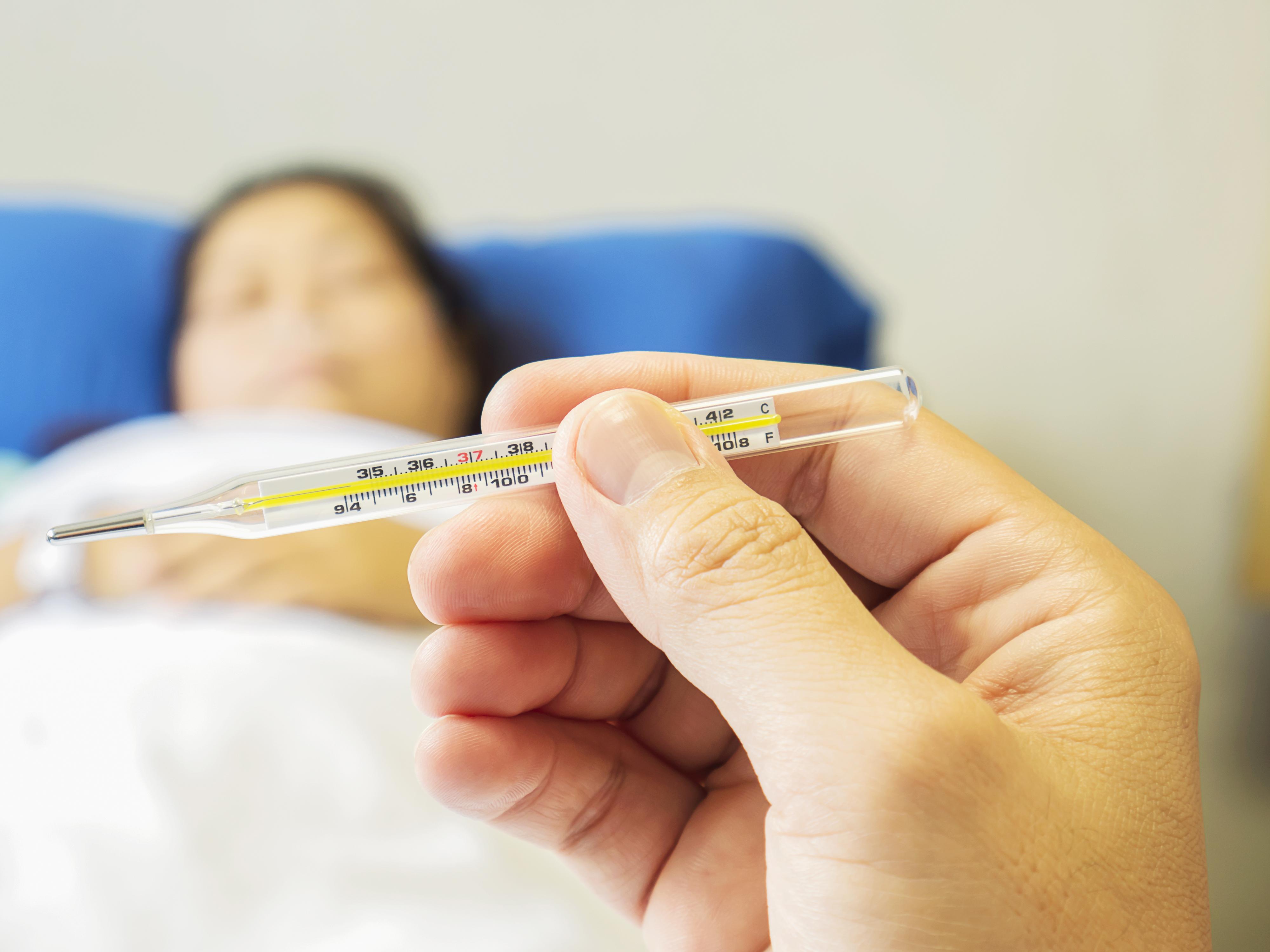
Neglected tropical diseases (NTD) will be eradicated from the root only through awareness. But this is possible only when people are aware of the illnesses and get treatment by reaching the hospital on time.


Subscribe to our
© Copyright 2026. All Rights Reserved by Felix Healthcare Private Limited
Design and development by :


 +(91)9667064100
 Emergency : +(91)9667064100