 WhatsApp
 Emergency:
  WhatsApp





Subscribe to our

Headaches are usually dismissed or misconstrued as fleeting pains brought upon by stress, fatigue, or even thirst. However, if migraines, even in children, come rather often, induce bouts of nausea, photophobia, or light headedness — they are, quite literally, migraines. Far more prevalent than many parents know, migraines are a force to be dealt with, capable of derailing a child's lifestyle, disposition, and thinking ability.
In India, and more so urban areas like Noida, school stress, exposure to electronic devices, and an irregular lifestyle are causing migraines at an alarming rate among children. Identifying symptoms at an early stage and getting proper care from a pediatric neurologist in Noida can avert long-term consequences and enhance a child's general health.
Call us today at +91 9667064100 to schedule an appointment and bring your child's life migraine-free.
A migraine headache is more than a headache — it's a multi-phasic disorder of brain function, neural electrical activity, and blood circulation. Children's attacks also last between 1 to a total of 48 hours, whereas briefer attacks are more common than their adult counterparts. Children are also less likely to have a headache localized to one side of their head and are susceptible to having difficulty explaining how they are doing, which hampers diagnosis.
Migraines also are accompanied by nausea, vomiting, photophobia, and occasional disturbances of vision. Children are agitated, isolated, or less attentive in school by these symptoms, so migraine treatment for children should be done early.
It is also necessary for parents to recognize how to tell apart a headache from a normal headache:
Headache
Migraine
Mild to moderate pain
Severe headache, throbbing
Short term
Endures for hours or a whole day
No other symptoms
With nausea, sensitivity to light/sound
Caused by dehydration, stress, or eye strain
Associated with brain function and inflammatory nerves
While sleep and fluids are typically successful treatments for headache, migraine requires health care and often a comprehensive regimen of management involving drugs and behavioral adjustments.
Knowing what kind of migraine your child has helps doctors learn how to best treat it. The three most typical types of migraines for children are:
Most frequent form of migraine in children. It generates intense throbbing headache, predominantly bilateral, accompanied by nausea and photophobia.
They may also have visual symptoms of flashing lights, zigzag lines, or blind spots before headache development. The aura usually occurs for a duration of about 10–30 minutes.
Common between the ages of 5 and 10 years. They rather experience severe abdominal pain, nausea, or vomiting, not a headache. Over a period, it may lead to classical migraine headache.
Marked by vertigo, dizziness, and imbalance, even if severe headache is not present. It may render walking or concentrating impossible.
A rare but severe type that produces brief one-sided weakness or numbness of the body, often like a stroke.
Appropriate identification and early referral to a child migraine specialist in Noida can ensure proper identification and early management.
Headaches: Migraines are a consequence of a genetic, environmental, and neurological interaction. Migraine causes of children are as follow:
Genetics: If a parent migraines, then their child's risk of developing migraines is as high as 70%.
Sleep disturbances: Abnormal sleep quality or nonspecific sleep schedule disturbances have been known to induce migraine attacks.
Dehydration: Water avoidance or excessive exposure to sunlight on sunny days.
Food factors: Processed food, caffeine, and skipping of meals are also frequent causes.
Stress and anxiety: Stressful events or feelings of anxiety may precipitate migraine attacks.
Hormonal shifts: Especially during adolescence, hormonal shifts can predispose females to increased migraines.
Environmental triggers: Bright lights, strong odors, air irritants, and too much TV viewing are typical provocations of city life in Noida.
Children's migraine symptoms are also quite diverse. Some of the frequent symptoms are as follows:
Pulsating or throbbing headache pain.
Nausea or vomiting during attacks.
Sensitivity to light, sound, or smell.
Blurred vision or visual disturbances (during migraine with aura).
Fatigue, irritability, or abrupt change of mood.
Dark circles beneath eyes or pale complexion.
Stomach hurt but no other digestive symptoms.
Children below a certain age group might not express their pain verbally but are seen to be restless, cry, or retire to dark rooms to prevent pain. Such behavioral indicators should not be dismissed.
Migraines may disrupt a child's physical, psychological, and social health.
Academic-wise, absenteeism and inability to focus may influence grades.
Socially, children may avoid playing outside or attending events to prevent headaches.
Psychologically, it can induce a state of anxiety, frustration, or withdrawal.
Proper treatment of migraines for children also tends to lead to normal activities, and children regain confidence both in school and during playtime.
Pediatric neurologists usually begin by referring to both of a child's medical as well as family histories. Diagnostic procedures include:
Neurological tests: Ruling out other brain diseases or disorders of nerves.
Imaging tests: CT scans or MRI are recommended if symptoms are unusual or severe.
Migraine diary: The parents might be requested to record when it happens, how long, and potential causes.
Proper diagnosis guides the proper course of treatment and avoids medication wastage.
Children's migraines are managed by blending medication, lifestyle modification, and relief treatments. Pain relief, reduction of occurrence, and leading a normal life are aimed at by management of migraines in children.
Doctors may prescribe:
Pain relievers (acetaminophen, ibuprofen) for mild cases.
Triptans for moderate-to-severe attacks.
Prophylactic medication for frequent attacks.
All medication is to be given under proper medical advice.
Healthy lives prevent future strokes:
Establish a sleep regimen and diet regimen.
Stay hydrated and don't eat processed foods.
Promote regular exercise and moderate viewing of television.
Stress relief through yoga or deep breathing.
These involve treatments like Cognitive Behavioral Therapy (CBT), where adolescents are educated about how to manage headache and anxiety associated with migraines. It's quite effective if added to medication.
Application of cold compresses on forehead.
Being in a dark and quiet room during the attack.
Encouraging massages and relaxing.
These processes reduce the pain and shorten healing at home.
Parents also play a significant role in taking care of migraines. Here's how:
Diary of migraine to identify and avoid triggers.
Ensure that children maintain a healthy balance and drink in their lunches.
Monitoring of screen exposure and eye rest breaks encourage.
Provide relaxation measures such as meditation.
Make regular follow-ups with a pediatric neurologist.
Seek expert consultation by qualified pediatric neurologists in Noida for proper, sound, and successful diagnosis and long-term care management.
Children's migraines are a source of distress to both child and parent, but easy management is available through awareness, early recognition, and proper management, provided by experts. Recognition of migraine warning signs early enough results in rapid intervention, thereby preventing long-term consequences such as lost days at school and distress of a psychological kind.
Children with migraines need a gentle, disciplined strategy — a mix of medical management, reassurance, and self-management of lifestyle factors. A parent in Noida should never ignore recurring headaches, as early referral to a top pediatric Hospital in Noida can profoundly change a child's health and eventual sense of ease.
Remember, migraine treatment is not just about pain relief — it's about your child's overall quality of life, being active, confident, and a happy child.
Q. 1. Migraines may begin at what age for children?
Ans. They may begin as young as at the age of 5 years. Prompt therapy averts frequent and severe attacks as children reach older ages.
Q. 2. Are migraines in children hereditary?
Ans. Yes. Kids are more likely to have migraines if their parents have migraines, as there are shared genetic causes between them.
Q. 3. Can stress or school pressures cause migraines?
Ans. In fact, psychological stress, anxiety during tests, and interrupted sleep have been recognized as primary precipitants of migraine for school children.
Q. 4. Are migraine medicines appropriate for youngsters?
Ans. Yes, under the direction of a child neurologist. Type and dosage are based on frequency of attack, weight, and child's age.
Q. 5. Do migraines cause long-term brain issues?
Ans. No, migraines are not brain-harming, but if pain is not treated, it might affect behavior, mood, and concentration in the long run.
Q. 6. Are home treatments beneficial for migraines?
Ans. Indeed, self-management measures such as fluids, rest, and cold compress are effective relief for their mild attack of migraine.
Q. 7. When should i see the doctor?
Ans. If your child's headache is severe, frequent, or is accompanied by vomiting, dizziness, etc., then please see a pediatric neurologist at Noida urgently.
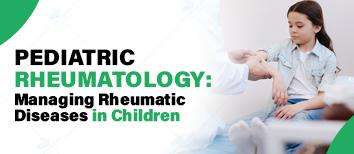
Pediatric rheumatology focuses on diagnosing and treating autoimmune and inflammatory disorders affecting children’s joints, muscles, and connective tissues.
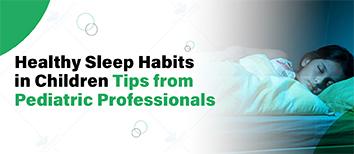
During sleep, the body releases growth hormones, which are essential for a child's growth and development. Adequate sleep is vital for muscle development, tissue growth, and the overall physical health of a child.

Our team of pediatric professionals is committed to offering expert care and guidance on sleep-related issues. If you’re looking for a pediatric doctor near me, our experienced specialists are ready to assist.

It’s essential to note that the cost of skin pigmentation disorder treatment in Noida can differ based on the type of treatment required and the healthcare facility's resources.

नवजात शिशु (Newborn Baby) के साथ यात्रा करना माता-पिता के लिए एक चुनौतीपूर्ण अनुभव होता है। शिशु का पाचन तंत्र, नींद और रोग प्रतिरोधक क्षमता अभी विकसित हो रही होती है। इसलिए यात्रा से पहले सावधानी बरतना और कुछ जरूरी नियमों का पालन करना बेहद जरूरी है। Pediatric consultation in Noida में उपलब्ध है। इस ब्लॉग में हम पीडियाट्रिक गाइडलाइन के अनुसार नवजात शिशु के साथ यात्रा करने से पहले अपनाई जाने वाली मुख्य सावधानियों पर विस्तार से चर्चा करेंगे। में ऐसे मामलों के लिए विशेषज्ञ उपलब्ध हैं।
अभी अपॉइंटमेंट शेड्यूल करें – कॉल करें: +91 9667064100
नवजात शिशु का इम्यून सिस्टम जन्म के बाद शुरुआती महीनों में पूरी तरह विकसित नहीं होता है। बाहरी वातावरण में मौजूद बैक्टीरिया, वायरस या धूल-मिट्टी के संपर्क में आने से संक्रमण का खतरा बढ़ता है। यात्रा के दौरान बार-बार जगह बदलने या भीड़भाड़ वाले स्थानों में जाने से शिशु को सर्दी, खांसी, बुखार या पेट के संक्रमण (Stomach Infections) का खतरा अधिक होता है। इसलिए सफर से पहले डॉक्टर की सलाह लेना और आवश्यक टीकाकरण की स्थिति जांचना जरूरी है।
नवजात शिशु का पाचन तंत्र बहुत संवेदनशील होता है, जो अचानक बदलाव (जैसे पानी, तापमान या खानपान में फर्क) सहन नहीं कर पाता है। यात्रा के दौरान समय पर फीडिंग न मिलने या हाइजीन की कमी से पेट खराब, गैस, कब्ज या डायरिया (Constipation or diarrhea) जैसी दिक्कतें होती हैं। यदि शिशु केवल माँ का दूध पी रहा है, तो माँ को अपने खानपान और हाइड्रेशन का विशेष ध्यान रखना चाहिए। साफ पानी और दूध तैयार करने के लिए सैनिटाइज्ड बॉटल्स (sanitized bottles) और स्टरलाइज़र साथ रखना उपयोगी रहता है।
लंबी यात्रा के दौरान लगातार आवाज, हलचल और नए माहौल के कारण शिशु की नींद प्रभावित होती है। नींद में रुकावट से शिशु चिड़चिड़ा (baby irritable) होता है। दूध पीने से इंकार करता है या बार-बार रोता है। यात्रा के समय शिशु के सामान्य सोने-जागने के रूटीन को यथासंभव बनाए रखना चाहिए। हल्का और आरामदायक कपड़ा पहनाना और कंबल या खिलौना साथ रखना शिशु को सुकून देता है।
वाहन, ट्रेन या विमान में शिशु की सही पोजिशनिंग और सीटिंग बेहद जरूरी होती है। कार या टैक्सी में हमेशा इन्फेंट कार सीट का उपयोग करें, ताकि झटकों या अचानक ब्रेक से बचाव हो सके। विमान यात्रा के दौरान टेकऑफ और लैंडिंग के समय शिशु के कानों पर दबाव न पड़े, इसके लिए उसे स्तनपान या पैसिफायर (Pacifiers) देने की सलाह दी जाती है। संक्रमण से बचाव के लिए हैंड सैनिटाइज़र का इस्तेमाल करें और भीड़भाड़ वाले स्थानों से दूरी रखें।
किसी भी यात्रा से पहले अपने पीडियाट्रिशियन (बाल रोग विशेषज्ञ) से संपर्क करें। डॉक्टर से शिशु की उम्र, वजन, स्वास्थ्य स्थिति और टीकाकरण रिकॉर्ड की पूरी जांच कराएं। यह जानें कि शिशु यात्रा के लिए फिट है या नहीं। विशेषकर यदि यात्रा लंबी है या अलग मौसम वाले क्षेत्र में जा रहे हैं। डॉक्टर से पूछें कि अगर यात्रा के दौरान बुखार, उल्टी, दस्त या डिहाइड्रेशन जैसे लक्षण दिखें तो क्या करना चाहिए। किसी एलर्जी, त्वचा समस्या (skin problem) या जन्मजात बीमारी वाले शिशु के लिए डॉक्टर विशेष सावधानियां या अतिरिक्त दवाइयां सुझाते हैं। यदि विमान यात्रा है, तो डॉक्टर से कान के दबाव और ऑक्सीजन स्तर से संबंधित सलाह भी अवश्य लें।
एक छोटा फर्स्ट एड या ट्रैवल मेडिकल किट तैयार रखें जिसमें बच्चे की आम जरूरत की दवाइयां हों। सामान्य उपयोग की दवाइयां रखें जैसे बुखार के लिए: पेरासिटामोल या डॉक्टर द्वारा बताई दवा। पेट दर्द या गैस के लिए इन्फेंट ग्रिप वॉटर या सिमेथिकोन ड्रॉप्स। सर्दी व खांसी के लिए डॉक्टर द्वारा सुझाई गई सिरप। डायरिया के लिए ओरल रिहाइड्रेशन सॉल्यूशन (ओआरएस) पाउडर साथ रखे।
थर्मामीटर, ड्रॉपर या मापने वाला चम्मच, गीले वाइप्स और डिस्पोजेबल डाइपर, सैनिटाइजर और साफ टिशू, बेबी लोशन (Baby Lotion) या क्रीम (स्किन ड्राइनेस से बचाने के लिए) यह सभी दवाइयां डॉक्टर की सलाह से ही रखें और उन पर डोज व उपयोग की जानकारी स्पष्ट लिखी होनी चाहिए।
यात्रा से पहले यह सुनिश्चित करें कि शिशु के सभी जरूरी टीके समय पर लग चुके हों। टीकाकरण से शिशु को संक्रमणों जैसे पोलियो (Polio), डिप्थीरिया, टिटनस, हेपेटाइटिस-बी, और न्यूमोनिया से सुरक्षा मिलती है। अगर यात्रा विदेश या किसी अन्य राज्य में हो रही है, तो उस क्षेत्र के अनुसार अतिरिक्त टीकाकरण की जानकारी डॉक्टर से लें। समय पर टीकाकरण करवाने से यात्रा के दौरान संक्रमण, वायरस या बैक्टीरिया के खतरे को काफी हद तक कम किया जा सकता है। टीकाकरण कार्ड को अपने ट्रैवल दस्तावेजों के साथ रखना न भूलें।
कार में यात्रा:
हमेशा इन्फेंट कार सीट का उपयोग करें जो पीछे की ओर फिट हो। कार सीट को वाहन की बैक सीट (पिछली सीट) पर सही तरीके से बेल्ट या लॉक सिस्टम से फिक्स करें। कार सीट पर शिशु को कभी ढीले कपड़ों या अतिरिक्त कुशन के साथ न रखें। इससे पोजिशन अस्थिर हो सकती है।
विमान यात्रा में:
एयरलाइन द्वारा उपलब्ध इन्फेंट सीट बेल्ट या बेसिनेट का उपयोग करें। टेकऑफ और लैंडिंग के समय शिशु को गोद में सुरक्षित पकड़ें, और यदि संभव हो तो उसे स्तनपान या पैसिफायर दें ताकि कानों में दबाव का असर कम हो। लंबी यात्रा के दौरान हर 1–2 घंटे में छोटा ब्रेक लें, ताकि शिशु को हिलाया जा सके और उसकी स्थिति बदली जा सके।
तापमान और कपड़ेः
शिशु के शरीर का तापमान जल्दी बदलता है, इसलिए उसे मौसम के अनुसार हल्के, सांस लेने वाले कपड़े पहनाएं। अत्यधिक ठंडे वातावरण में मुलायम टोपी, मोज़े और कंबल का प्रयोग करें पर ओवरकवर न करें। अधिक गर्मी से भी परेशानी होती है। अगर एयर-कंडीशन वाहन या विमान में हैं, तो बच्चे को लेयरिंग (परतों में कपड़े) पहनाएं ताकि जरूरत पड़ने पर कपड़े उतारे या बढ़ाए जा सकें। सीधे धूप, ठंडी हवा या तेज़ पंखे से बच्चे को बचाएं।
सफाई और हाइजीनः
यात्रा के दौरान हाथों की सफाई बेहद जरूरी है। सैनिटाइजर, गीले वाइप्स (wet wipes) और टिशू (tissue) हमेशा साथ रखें। बच्चे को दूध पिलाने या पकड़ने से पहले अपने हाथ साफ करें। बोतल, निप्पल, चम्मच या ड्रॉपर हमेशा स्टरलाइज़्ड और साफ़-सुथरे हों। अगर सार्वजनिक स्थान (एयरपोर्ट, होटल, स्टेशन) पर ठहरना पड़े तो शिशु के संपर्क में आने वाली सतहों (टेबल, सीट, हैंडल) को वाइप्स से पोंछें। बच्चे के आस-पास धूल, धुआं या परफ्यूम जैसी तेज गंधों से बचें।
फीडिंगः (Feeding)
मां का दूध शिशु के लिए सबसे सुरक्षित और पोषण से भरपूर विकल्प है। यह संक्रमण से भी बचाता है। अगर बोतल फीडिंग करते हैं तो पानी और दूध दोनों की सफाई पर विशेष ध्यान दें। फीडिंग के बीच लंबे अंतराल न रखें। छोटे-छोटे समयांतराल पर दूध पिलाएं ताकि डिहाइड्रेशन (dehydration) या भूख से चिड़चिड़ापन न हो। यात्रा के दौरान फीडिंग (Feeding while traveling) कवर साथ रखें ताकि सार्वजनिक जगहों पर आसानी और गोपनीयता बनी रहे।
नींदः (Sleep)
शिशु को आरामदायक और सुरक्षित स्थिति में सुलाएं। सिर के नीचे ऊंचा तकिया या भारी बिस्तर न रखें। यात्रा में आवाज या रोशनी से नींद प्रभावित हो सकती है, इसलिए शांत माहौल बनाए रखें। यदि शिशु की नींद की दिनचर्या बिगड़ जाए तो धैर्य रखें। धीरे-धीरे वह सामान्य हो जाएगी।
गैस और पेट दर्द से बचावः (Prevention of gas and stomach pain)
हर फीड के बाद बच्चे को कुछ मिनट तक डकार दिलाना जरूरी है। जिससे पेट में हवा न भरे। शिशु को लंबे समय तक एक ही पोजिशन में न रखें। समय-समय पर स्थिति बदलें। पेट दर्द की स्थिति में हल्की मालिश या डॉक्टर द्वारा बताए उपाय अपनाएं।
यात्रा के दौरान नवजात शिशु का शरीर बाहरी वातावरण, तापमान, और संक्रमण के प्रति अधिक संवेदनशील होता है। इसलिए कुछ लक्षणों को नज़रअंदाज़ करना खतरनाक साबित होता है। नोएडा में Pediatric consultation के लिए डॉक्टर उपलब्ध है। अगर नीचे दिए गए किसी भी संकेत को आप महसूस करें। तो तुरंत डॉक्टर से संपर्क करें या नजदीकी चिकित्सा केंद्र पर जाएं।
लगातार तेज रोना या बेचैनीः
यदि शिशु बार-बार रो रहा है और किसी भी तरह शांत नहीं हो पा रहा, तो यह पेट दर्द, गैस, बुखार या संक्रमण का संकेत होता है। बेचैनी के साथ अगर शिशु दूध पीने से इंकार करे या सामान्य प्रतिक्रिया न दे। तो स्थिति गंभीर होती है। कभी-कभी कान का संक्रमण या गैस्ट्रो कॉलिक (gastro colic) भी लगातार रोने का कारण बनता है। इसलिए चिकित्सकीय जांच आवश्यक है।
बार-बार उल्टी या दस्तः
यात्रा के दौरान यदि शिशु को बार-बार उल्टी या पतले दस्त हो रहे हैं। तो यह संक्रमण या डिहाइड्रेशन (पानी की कमी) का संकेत है। उल्टी के साथ दूध न पचना, सुस्ती या मुंह सूखना भी खतरे के लक्षण हैं। ऐसे में तुरंत बच्चे को ORS या स्तनपान देते रहें और डॉक्टर से संपर्क करें। लंबे समय तक लक्षण बने रहने पर डिहाइड्रेशन से जीवन-जोखिम की स्थिति भी बनती है।
तेज बुखार या ठंड लगनाः
यदि शिशु का तापमान 100.4°F (38°C) से अधिक हो जाए, तो तुरंत चिकित्सक से परामर्श करें। यात्रा में तापमान में बदलाव, संक्रमण, या थकान से वायरल या बैक्टीरियल इंफेक्शन होता है। शिशु को ठंड लगना या लगातार कांपना भी किसी गंभीर संक्रमण या सेप्सिस का संकेत (sign of sepsis) होता है। बुखार के दौरान कभी भी दवा स्वयं न दें। केवल डॉक्टर द्वारा बताई गई दवा ही दें।
नींद में असामान्य बदलाव या अत्यधिक सुस्तीः
यदि शिशु असामान्य रूप से बहुत अधिक सो रहा है या बिल्कुल नहीं सो रहा, तो यह थकान, बुखार या संक्रमण से जुड़ा होता है। सुस्ती, प्रतिक्रिया में कमी, या बच्चे का बहुत शांत रहना (जबकि सामान्यतसक्रिय रहता है) भी चेतावनी का संकेत है। यह स्थिति रक्त में शुगर या ऑक्सीजन की कमी या नर्वस सिस्टम की समस्या (nervous system problems) से भी जुड़ी होती है। तुरंत डॉक्टर को दिखाएं।
सांस लेने में कठिनाई या घरघराहटः
यदि शिशु तेज सांस ले रहा है, छाती अंदर-बहुत अंदर जा रही है, या घरघराहट (wheezing) सुनाई दे रही है, तो यह सांस संबंधी संक्रमण या एलर्जी का लक्षण है। यह स्थिति विशेष रूप से तब खतरनाक होती है जब होंठ या नाखूनों का रंग नीला या बैंगनी दिखने लगे। यह ऑक्सीजन की कमी का संकेत है। तुरंत नजदीकी अस्पताल या बाल रोग विशेषज्ञ से संपर्क करें।
नवजात शिशु के साथ यात्रा करना चुनौतीपूर्ण हो सकता है, लेकिन सही तैयारी इसे सुरक्षित बना देती है। इसके लिए पीडियाट्रिक गाइडलाइन का पालन करना और यात्रा से पहले आवश्यक तैयारी करना बेहद ज़रूरी है। बच्चे की उम्र, वजन, स्वास्थ्य और टीकाकरण स्थिति के अनुसार उचित सावधानियां अपनाने से यात्रा सुरक्षित और सुखद होती है। लेकिन जरा सी लापरवाही भारी पड़ सकती है। ऐसे में यदि आपको विशेषज्ञ सलाह चाहिए, तो नोएडा में सबसे अच्छा बच्चों का अस्पताल (best children's hospital in noida) चुनकर अपने नवजात की हेल्थ को प्राथमिकता देना हमेशा सही फैसला होता है।
विशेषज्ञ से तुरंत संपर्क करें – कॉल करें: +91 9667064100
प्रश्न 1: क्या नवजात शिशु को लंबी यात्रा पर ले जाना सुरक्षित है?
उत्तर: हां, लेकिन केवल तब जब बच्चा स्वस्थ हो और डॉक्टर की सलाह ली गई हो। इसलिए डॉक्टर से सलाह लेनी चाहिए।
प्रश्न 2: यात्रा के दौरान कितनी बार शिशु को दूध पिलाना चाहिए?
उत्तर: बच्चे की जरूरत और उम्र के अनुसार हर 2–3 घंटे में। मां का दूध बच्चे के लिए फायदेमंद है।
प्रश्न 3: क्या यात्रा के दौरान नींद में बदलाव सामान्य है?
उत्तर: हां, नए वातावरण और आवाज की वजह से नींद प्रभावित होती है।
प्रश्न 4: कार सीट की कौन-सी दिशा सुरक्षित है?
उत्तर: नवजात के लिए हमेशा पीछे की ओर लगाई गई कार सीट सुरक्षित मानी जाती है। इसलिए उसे पीछे की सीट पर बैठाएं।
प्रश्न 5: क्या बच्चे को यात्रा के दौरान बाहर धूप में ले जाना चाहिए?
उत्तर: नवजात के लिए सीधे धूप से बचें। हल्की छाया और सुरक्षित तापमान बनाए रखें। ज्यादा तापमान उसे छिड़चिड़ा बनाता है।

जानिए कैसे ग्राइप वाटर शिशुओं के पेट दर्द और गैस की समस्या में मदद करता है, साथ ही इसके नुकसान और सावधानियों के बारे में भी।
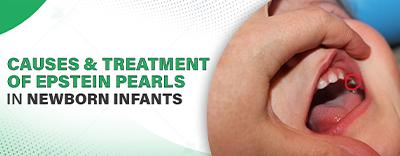
Epstein Pearls are small, white or yellowish cysts found on the gums or roof of the mouth in newborns. These harmless bumps form during fetal development and usually resolve on their own within a few weeks. No treatment is necessary unless symptoms persis

Early detection matters! Get comprehensive newborn screening tests in Noida to ensure your baby’s healthy start and timely treatment if needed.
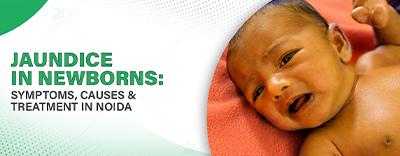
Jaundice in newborns is a common condition where a baby’s skin and eyes turn yellow due to high bilirubin levels. Learn symptoms, causes, and best treatment options in Noida.
Knee replacement surgery in Noida requires a lot of patience, care, and following instructions of the doctor is necessary to recover. Yet, unaware of it, most patients commit mistakes in the process of their recovery that may slow down their recovery process or lead to complications that are preventable. It can be too much work or lack of exercises or not remembering about pain, nevertheless, early correction of these mistakes will guarantee a quicker recovery and more effective mobility. Under the careful direction of a skilled orthopedic specialist in Noida, you will not have to experience unnecessary delays and have a symptomless recovery. This blog highlights common mistakes after knee replacement surgery, discusses what not to do after knee replacement surgery, and outlines key activities to avoid after knee surgery to protect your new joint and maximize long-term success.
One of the most common mistakes after knee replacement surgery is pushing yourself too hard, too soon. Patients think that excessive physical activity will accelerate recovery, but too much physical activity may lead to swelling, inflammation and fatigue. Trying to walk, walking too much, going up the stairs too soon, or going again to severe work may injure tissues in the surrounding area of the healed joint and delay progress.
It is necessary to balance the rest and movement. Individualize your therapy schedule, but slowly increase movement as advised. Overexertion is one of the leading knee replacement complications from mistakes, resulting in strain or joint instability. Being patient and listening to your doctor and the body will keep your recovery on time.
Skipping prescribed exercises tops the list of knee replacement surgery recovery mistakes that prolong healing. The type of physical therapy is the basis of the recovery, which builds muscle strength, increases flexibility, and recovers regular joint functionality. The fear of pain or discomfort makes many patients quit rehab sessions or do not do any practice at home.
It is worth remembering that pain in the rehabilitation process is not a failure, but rather a process of healing. Regular physiotherapy will help to avoid stiffness and other complications that can restrict movement. The failure to attend these sessions can result in a loss of range of motion or scar tissue accumulation. Taking your time is the best way to recover and be a success in the long run.
Effective knee surgery recovery tips include:
Turning up to all the therapy sessions punctually.
Doing activities at home every day.
Being open and honest with your therapist about the level of pain.
Monitoring the achievement of objectives.
Minor efforts that are performed regularly result in significant gains in mobility and strength.
Suffering is an inherent aspect of the healing process, and not paying attention to it or misusing it is perilous. Others experience painful conditions that are not worth bearing whereas others take medicine in excess knowing that it will hasten the process. Both extremes can cause harm.
Pain, when ignored during exercises, could be a sign of infection, nerve irritation or problem with alignment. To top it all, the painkillers that are abused will lead to dependency, stomach discomfort or heart-related problems. Always tell your physician of acute or chronic joint pain. Early detection of pain as a complication of knee replacement due to error will assist in avoiding a permanent damage.
The management of pain should involve:
The use of ice packs as recommended.
Adhering to prescriptions strictly.
Relaxation techniques using minor aches.
Knee strain should be avoided.
Your medical team can use open communication to alter your care plan to a safer and faster recovery.
Proper incision care is critical in avoiding infections--one of the most frequent knee replacement complications from mistakes. Contaminated dressings, lack of adequate hygiene or missing medications could bring about harmful bacteria and slow down healing leaving the implant prone to infection.
To ensure proper care:
Keep your wound clean and dry.
Have your surgical team change your bandages.
Even when you feel well, take all the antibiotics.
Do not self-medicate without the advice of your doctor.
Failure to take care of wounds can lead to more time in a hospital and complete healing can become extremely difficult. Accurate care eliminates complications and the prolongation of the recovery process.
Your exercise is as important as your posture after surgery. Safety in sitting or sleeping practices by many patients is not known to them, which worsens the joint.
Mistakes to Avoid:
Keeping the knee bent rather than straight, by placing a pillow beneath it.
Sitting on low seats or on the floor, resulting in straining when one needs to stand.
Being seated in a single position over a long period of time and become stiff.
Sleeping on your heel supported leg, not overbending it and changing your position frequently are all known to decrease the stiffness and improve the flexion. Ignoring these guidelines is among the biggest knee replacement surgery recovery mistakes seen during post-op stages.
Most individuals do not appreciate the importance of footwear in the healing process. Flat, thin or open-back shoes pose the danger of falls, falls, and dislocation of the new joint.
Padded shoes will maintain your posture upright and will also take a lot of pressure off the new joint. Improper footwear contributes to falls and is one of the lesser-known but impactful activities to avoid after knee surgery.
Option for shoes that:
Non-slip soles and a lot of cushioning.
Adapt easily without straining.
Offer proper arch support.
Fashion is not as important as comfort and safety in the recovery process.
Patients tend to ignore professional guidance due to the need to have a sense of independence. Not following the advice given to you by your physiotherapists or orthopedist may slow down the healing process or cause reversals.
Regular check-ups will help in early detection of diseases such as loosening of joints or infection particularly when mild symptoms are not noticed.
Structured guidance from experts helps avoid common mistakes after knee replacement surgery. Pride and impatience should not stop you to pursue expert care plans.
Aid of walking such as crutches, walkers, or sticks help in supporting the body weight and alleviate pressure on your healing knee. Not preventing them at an early age or applying them improperly may result in limping, imbalance in the joints, or unintentional falls.
Your knee surgery recovery tips must always include using support devices properly until cleared otherwise by your surgeon. In the event of uncertainty, it is better to go slower than faster.
The effectiveness of your body in terms of healing depends on nutrition. Unhealthy diets or deficiency of certain nutrients has a direct inhibitory effect on tissue repair. Add foods rich in the protein, leafy vegetables, iron and vitamin C rich foods to improve blood circulation and immune system.
Keep off junk, alcoholism and too much caffeine. Healing demands clean nutrition-a fundamental element in activities to avoid after knee surgery related to lifestyle.
Recovery can be emotionally challenging. Pain, limited mobility, and dependency cause frustration. Ignoring emotional needs slows healing. Mental stress often leads to increased inflammation and sleep disturbances.
Allow rest and seek support from loved ones. Rest rejuvenates strength and prevents knee replacement complications from mistakes tied to fatigue or sadness. Balanced mental health accelerates overall recovery. Even after initial recovery, patients forget the importance of long-term care. Continuing post-surgery exercises, maintaining weight, attending follow-up appointments, and avoiding risky activities are lifelong commitments to protect the replaced joint.
Neglecting maintenance routines is one of the classic knee replacement surgery recovery mistakes that can lead to early wear and tear of the implant.

Dr. Keshav Goel is an experienced Orthopedic and Joint Replacement Surgeon in Noida with over 10 years of clinical expertise. He has performed 2,000+ independent surgeries and specializes in computer-assisted joint replacement and arthroscopic surgeries of the knee, shoulder, and hip. Known for his skill in treating sports injuries, trauma, and joint disorders, he provides advanced and patient-focused orthopedic care.
Patients undergoing knee replacement surgery in Noida can achieve exceptional outcomes with proper guidance, patience, and attention to detail. Avoiding common errors like skipping therapy, ignoring pain, or overexerting ensures long-lasting success. Whether you're in rehabilitation or years post-surgery, following your orthopedic doctor's advice is key to preserving knee function, minimizing pain, and living an active, fulfilling life. With conscious effort, careful planning, and awareness of what not to do after knee replacement surgery, you can enjoy mobility and freedom with minimal complications.
Q.1 What if I still have knee stiffness months after surgery?
Ans. Mild stiffness is normal, but if it persists, visit your surgeon for assessment.
Q.2 Can I use regular gym equipment after recovery?
Ans. Yes, once cleared by your therapist, but stick to low-impact machines first.
Q.3 How long should I use walking aids?
Ans. Use them until your doctor confirms full stability and strength.
Q. 4 Is swelling normal during recovery?
Ans. Yes, mild swelling is expected but should reduce over weeks; persistent swelling needs review.
Q. 5 Can I travel after knee replacement?
Ans. Yes, after initial recovery, but take precautions to avoid prolonged sitting and swelling.

Knock knees, medically known as genu valgum, is a common condition in young children where the knees angle inward and touch one another when the legs are straightened.
Knock knees, medically known as genu valgum, is a common condition in young children where the knees angle inward and touch one another when the legs are straightened.

फेफड़ों में सूजन (Pulmonary Inflammation) एक गंभीर चिकित्सीय स्थिति होती है। यह अक्सर संक्रमण, एलर्जी, धूम्रपान या अन्य फेफड़ों की बीमारियों के कारण होती है। शुरुआती चरण में इसके लक्षण हल्के होते हैं, लेकिन समय पर पहचान और इलाज न होने पर यह गंभीर स्थिति में बदलती है। BEST LUNGS HOSPITAL IN NOIDA में उपलब्ध है। इस ब्लॉग में हम पल्मोनोलॉजी गाइडलाइन के अनुसार फेफड़ों में सूजन के 5 प्रमुख संकेत, कारण, जरूरी टेस्ट और उपचार पर विस्तार से चर्चा करेंगे।
अभी अपॉइंटमेंट शेड्यूल करें – कॉल करें: +91 9667064100
फेफड़ों में सूजन तब होती है। जब फेफड़ों की ऊतक पर चोट, संक्रमण या एलर्जी के कारण सूजन विकसित होती है। इसे पल्मोनाइटिस (Pneumonitis) भी कहते हैं। यह स्थिति हल्की खांसी से लेकर गंभीर सांस लेने में कठिनाई तक लक्षण देती है। समय पर इलाज न मिलने पर यह निमोनिया, क्रॉनिक ब्रॉन्काइटिस या फेफड़ों के अन्य गंभीर रोग में बदलती है।
फेफड़ों की सूजन कई कारणों से होती है जैसे संक्रमण (वायरल या बैक्टीरियल), प्रदूषण, एलर्जी या धूम्रपान। इसकी पहचान शुरुआती लक्षणों से ही होती है। अगर व्यक्ति ध्यान दे। नीचे दिए गए लक्षण इस स्थिति की ओर इशारा करते हैं:
सूजन के कारण फेफड़ों में जलन या म्यूकस (बलगम) का जमाव होता है। शुरुआत में हल्की या सूखी खांसी होती है, लेकिन धीरे-धीरे यह लगातार और गहरी होती है। कुछ मामलों में खांसी के साथ पीले, हरे या खून के धब्बे वाला बलगम भी निकल सकता है। यह संक्रमण का गंभीर संकेत है। लंबे समय तक चलने वाली खांसी ब्रॉन्काइटिस या निमोनिया का लक्षण (Symptoms of pneumonia) भी होती है।
फेफड़ों की सूजन ऑक्सीजन के आदान-प्रदान की क्षमता को प्रभावित करती है। व्यक्ति को चलने, सीढ़ियां चढ़ने या हल्का काम करने पर भी सांस फूलने लगती है। गहरी सांस लेने या बात करने में दर्द या असुविधा महसूस होती है। यह लक्षण ब्रॉन्कियल इंफेक्शन या अस्थमा अटैक की ओर भी संकेत करता है।
संक्रमण की वजह से शरीर में सूजन और इम्यून रिस्पॉन्स बढ़ता है। शरीर का तापमान सामान्यतः 100°F से ऊपर चला जाता है। व्यक्ति को पूरे दिन कमजोरी, थकान और ऊर्जा की कमी महसूस होती है। बुखार के साथ ठंड लगना या बदन दर्द भी आम लक्षण हैं।
फेफड़ों की सूजन से आसपास की मांसपेशियों और झिल्ली पर दबाव बढ़ता है। छाती में भारीपन, जलन या दबाव जैसा एहसास होता है। खांसते या गहरी सांस लेते समय दर्द और बढ़ता है। यह दर्द दिल के दौरे से अलग होता है, लेकिन भ्रमित कर सकता है। इसलिए चिकित्सकीय जांच आवश्यक है।
सूजन या तरल पदार्थ के जमाव से वायु मार्ग संकुचित होते हैं। सांस लेते समय सीटी” जैसी आवाज, हांफना या घरघराहट महसूस होती है। यह लक्षण अस्थमा, सीओपीडी या एलर्जिक ब्रॉन्काइटिस में आम है। रात में या सुबह उठते समय यह स्थिति और अधिक गंभीर होती है।
फेफड़ों में सूजन (Lung Inflammation) एक गंभीर समस्या बनती जा रही हैय़ खासकर बदलते मौसम, प्रदूषण और संक्रमण के दौर में। यह सूजन फेफड़ों के ऊतकों और श्वसन नलिकाओं को प्रभावित करती है, जिससे सांस लेने में तकलीफ और अन्य दिक्कतें होती हैं। इसके कई प्रमुख कारण हैं।
फेफड़ों की सूजन का सबसे आम कारण संक्रमण है यह संक्रमण बैक्टीरिया, वायरस या फंगस से हो सकता है। बैक्टीरियल संक्रमण जैसे निमोनिया या ट्यूबरकुलोसिस (टीबी) में फेफड़ों के ऊतक में मवाद या म्यूकस जमता है। वायरल संक्रमण जैसे इन्फ्लूएंजा, कोविड-19 या रिस्पिरेटरी सिंकिशियल वायरस (आरएसवी) से भी सूजन होती है फंगल संक्रमण कमजोर इम्यून सिस्टम वाले मरीजों (जैसे कैंसर या एचआईवी पीड़ित) में आम है।
लगातार धूम्रपान करने या धूम्रपान करने वालों के पास रहने से फेफड़ों की झिल्ली में सूजन और क्षति होती है। शहरों में बढ़ते एयर पॉल्यूशन, वाहन उत्सर्जन, धूल और औद्योगिक धुएं के संपर्क में आने से भी फेफड़ों के ऊतकों पर असर पड़ता है। लंबे समय तक प्रदूषित वातावरण में रहने वाले लोगों में क्रॉनिक ब्रॉन्काइटिस और सीओपीडी जैसी बीमारियाँ विकसित होती हैं।
धूल, पालतू जानवरों के बाल, परागकण या कुछ रासायनिक पदार्थों से एलर्जी फेफड़ों की सूजन का प्रमुख कारण है। जिन लोगों को अस्थमा या एलर्जिक ब्रॉन्काइटिस होता है, उनमें एलर्जी के संपर्क से वायु मार्ग सिकुड़ते हैं इससे सांस फूलना, खांसी और सीटी जैसी आवाज आने लगती है। यह स्थिति बार-बार दोहरने पर क्रॉनिक इंफ्लेमेशन का रूप ले लेती है।
क्रॉनिक ऑब्सट्रक्टिव पल्मोनरी डिजीज (सीओपीडी), ब्रॉन्किएक्टेसिस या सारकॉइडोसिस जैसी बीमारियां फेफड़ों के ऊतकों में लगातार सूजन बनाए रखती हैं। इन बीमारियों में फेफड़ों की संरचना धीरे-धीरे खराब होने लगती है और ऑक्सीजन की क्षमता घट जाती है। ऐसे मरीजों को सामान्य सर्दी या संक्रमण भी जल्दी पकड़ लेता है और गंभीर रूप लेता है।
कुछ एंटीबायोटिक्स, कीमोथेरपी या रेडिएशन थैरेपी फेफड़ों पर असर डालती हैं। इन दवाओं के साइड इफेक्ट के रूप में फेफड़ों की अंदरूनी झिल्ली में सूजन होती है। कैंसर के मरीजों, ऑटोइम्यून रोगों से ग्रस्त व्यक्तियों या लंबे समय तक स्टेरॉयड लेने वालों में यह स्थिति अधिक देखी जाती है।
फेफड़ों में सूजन का समय पर पता लगाना बेहद जरूरी है। सही टेस्ट के माध्यम से न केवल सूजन की गंभीरता का पता चलता है बल्कि सही उपचार भी संभव हो पाता है। यहां कुछ महत्वपूर्ण टेस्ट और उनके लाभ दिए गए हैं:
एक्स-रे चेस्टः (X-ray chest)
फेफड़ों में तरल पदार्थ, दाने या संक्रमण की उपस्थिति का पता लगाने में मदद करता है। यह टेस्ट जल्दी और आसानी से किया जा सकता है। निमोनिया, ब्रॉन्काइटिस या प्लीउरल इफ्यूजन जैसी स्थितियों का प्रारंभिक संकेत देता है। डॉक्टर इस टेस्ट के आधार पर फेफड़ों की सूजन की गंभीरता का अनुमान लगा सकते हैं।
एचआरसीटीः (HRCT)
यह फेफड़ों का अत्यधिक स्पष्ट और विस्तृत चित्र प्रदान करता है। सूक्ष्म सूजन, ऊतक की क्षति और संक्रमण के गहरे निशान को पहचानने में मदद करता है। गंभीर संक्रमण या क्रॉनिक फेफड़ों की बीमारियों (जैसे फाइब्रोसिस, सीओपीडी में महत्वपूर्ण है। एक्स-रे में दिखाई न देने वाली छोटी समस्याएँ एचआरसीटी से पकड़ में आ जाती हैं।
ब्लड टेस्टः (Blood test)
संक्रमण या सूजन के स्तर का पता लगाने के लिए किया जाता है। श्वेत रक्त कोशिका (WBC) गणना बढ़ने से बैक्टीरियल या वायरल संक्रमण का संकेत मिलता है। सी-रिएक्टिव प्रोटीन (सीआरपी) और ईएसआर जैसे सूजन संकेतक भी शरीर में सूजन की गंभीरता दिखाते हैं। ब्लड टेस्ट से यह भी पता चलता है कि शरीर की इम्यून सिस्टम प्रतिक्रिया कैसी है।
सपुटम कल्चरः (Saputum culture)
खांसी के माध्यम से निकाले गए बलगम (Sputum) की जांच की जाती है। इसमें यह पता लगाया जाता है कि संक्रमण बैक्टीरिया, वायरस या फंगस से हुआ है। सही एंटीबायोटिक या एंटीफंगल दवा चुनने में मदद करता है। यह टेस्ट उन मरीजों के लिए जरूरी है जिनकी खांसी लगातार बनी रहती है या बलगम में रंग बदलता है।
पल्मोनरी फंक्शन टेस्टः (Pulmonary function tests)
फेफड़ों की कार्यक्षमता और ऑक्सीजन लेने की क्षमता का मूल्यांकन करता है। अस्थमा, COPD या क्रॉनिक ब्रॉन्काइटिस जैसे रोगियों में यह टेस्ट फेफड़ों की सीमा और क्षमता बताता है। यह टेस्ट सांस लेने की कठिनाई, हांफना या थकान की वजह समझने में मदद करता है। नियमित अंतराल पर पीएफटी करवाने से फेफड़ों की प्रगति और उपचार की प्रभावशीलता पर निगरानी रखी जा सकती है।
फेफड़ों में सूजन का समय पर और सही उपचार बहुत जरूरी है। इसका इलाज केवल दवाओं तक सीमित नहीं है, बल्कि जीवनशैली, सपोर्टिव थेरेपी और गंभीर मामलों में अस्पताल आधारित देखभाल भी शामिल है।
अस्पताल में निगरानीः
गंभीर सूजन या निमोनिया जैसे मामलों में मरीज को अस्पताल में भर्ती किया जाता है। ऑक्सीजन सपोर्ट दिया जाता है ताकि फेफड़ों को पर्याप्त ऑक्सीजन मिल सके। मॉनिटरिंग के तहत हृदय की धड़कन, रक्तचाप, ऑक्सीजन स्तर और तापमान पर नजर रखी जाती है। नोएडा में पल्मोनोलॉजिस्ट डॉक्टर उपलब्ध है। (Pulmonologist doctor available in Noida) आईसीयू में भर्ती मरीजों को सांस लेने में सहायता के लिए विशेष उपकरण और दवाइयां दी जाती हैं।
एंटीबायोटिक्सः
बैक्टीरियल संक्रमण के कारण होने वाली सूजन में उपयोग होती है। उदाहरण के लिए अमोक्सिसिलिन, डॉक्सीसाइक्लिन।
एंटीवायरल / एंटिफंगल दवाएंः
वायरल या फंगल संक्रमण के अनुसार निर्धारित होती है। उदाहरण के लिए ओसेल्टामिविर, फंगल संक्रमण में फ़्लुकोनाजोल।
एंटी-इंफ्लेमेटरी दवाएंः
सूजन और फेफड़ों की जलन कम करने के लिए होती है। उदाहरण के लिए स्टेरॉयड या नॉन-स्टेरॉयड एंटी-इंफ्लेमेटरी दवाएं।
ब्रोंकोडायलेटरः
सांस लेने की प्रक्रिया को आसान बनाने के लिए। अस्थमा या क्रॉनिक ब्रॉन्काइटिस के मरीजों में विशेष उपयोग।
जीवनशैली और सपोर्टिव थेरेपीः
धूम्रपान और प्रदूषण से पूरी तरह बचें। रोजाना पर्याप्त पानी पीएं और संतुलित पोषण लें। फेफड़ों की ताकत बढ़ाने के लिए सांस की एक्सरसाइज और फिजियोथेरेपी। हल्की वॉक, योग और ब्रेथिंग तकनीकें फेफड़ों की क्षमता बढ़ाती हैं। पर्याप्त आराम और नींद लेने से शरीर को संक्रमण से लड़ने में मदद मिलती है।
गंभीर मामलों में विशेष उपचारः
पंखे पर ऑक्सीजन सपोर्ट या नॉन-इनवेसिव वेंटिलेशन। सर्जिकल इंटर्वेंशन जैसे प्लीउरल लिक्विड ड्रेनेज या फेफड़े के प्रभावित हिस्से को निकालना होता है। लंबे समय तक क्रॉनिक रोग (जैसे सीओपीडी, फाइब्रोसिस) वाले मरीजों के लिए दीर्घकालिक प्रबंधन योजना बनाना होता है।
नोएडा में विशेषज्ञ से अभी संपर्क करें – कॉल करें: +91 9667064100
फेफड़ों में सूजन शुरुआती रूप में सामान्य खांसी या हल्की सांस फूलने जैसी चीजें दिखा सकती है। मगर सही समय पर इलाज न मिलने पर यह गंभीर स्थिति बनती है। शुरुआती संकेतों की पहचान करना और पल्मोनोलॉजिस्ट से तुरंत संपर्क करना जीवन रक्षक हो सकता है। अगर इलाज में देरी की जाए तो यह जानलेना साबित हो सकती है।
प्रश्न 1: क्या फेफड़ों की सूजन हमेशा संक्रमण के कारण होती है?
उत्तर: नहीं, यह एलर्जी, प्रदूषण, धूम्रपान या क्रॉनिक रोगों के कारण भी होती है।
प्रश्न 2: फेफड़ों में सूजन के शुरुआती संकेत क्या हैं?
उत्तर: लगातार खांसी, सांस लेने में कठिनाई, छाती में दर्द, थकान और बुखार आता है।
प्रश्न 3: क्या फेफड़ों की सूजन घर पर ठीक हो सकती है?
उत्तर: हल्की स्थिति में सपोर्टिव थेरेपी और दवा मदद करती है। लेकिन भारी या लगातार लक्षण होने पर तुरंत अस्पताल जाना चाहिए।
प्रश्न 4: कौन-से टेस्ट सबसे महत्वपूर्ण हैं?
उत्तर: छाती का एक्स-रे, एचआरसीटी और ब्लड टेस्ट सबसे अहम हैं।
प्रश्न 5: फेफड़ों में सूजन का इलाज दवाओं से ही होता है?
उत्तर: हल्की सूजन में हां, लेकिन गंभीर मामलों में अस्पताल में ऑक्सीजन, एंटीबायोटिक्स, सर्जरी या विशेष थेरपी की आवश्यकता होती है।
फेफड़ों का कैंसर एक गंभीर बीमारी है जो शुरुआती पहचान और सही उपचार से नियंत्रित की जा सकती है। जानिए इसके लक्षण, कारण और इलाज के विकल्प।

एनजाइना पेक्टोरिस एक चिकित्सा स्थिति है जो तब होती है जब दिल की मांसपेशियों को पर्याप्त ऑक्सीजन युक्त रक्त नहीं मिलता। यह समस्या तब उत्पन्न होती है जब कोरोनरी धमनियों में अवरोध या संकीर्णता के कारण रक्त प्रवाह कम हो जाता है।
खांसते समय सीने में दर्द कई कारणों से हो सकता है, जैसे संक्रमण, मांसपेशियों में खिंचाव या फेफड़ों की समस्या। नोएडा में इसके लिए विशेषज्ञ इलाज उपलब्ध है।

In the present digital age, mobile telephones are an indispensable aspect of our daily routines. Whether it's to check emails or browse social media, or to sit in meetings or watch videos, we end up spending hours and hours looking at screens. While we have heard a lot about the impact of screen time on eyes and back, very few are aware that it affects heart health to a great extent.
Slouching in front of a screen not just makes you lethargic — it can boost your chances of heart disease, high blood pressure, and poor circulation. Long-term use of mobile phones has been found to be linked to stress, sleep disorders, and sitting, each of which is detrimental to the heart. If you've ever asked yourself how the heart reacts to mobile phone use, it's time to dig deeper.
If you are concerned about heart health or are stuck to your phone for hours, a consult to a specialist like a Best Cardiologist in Noida can provide you a clearer understanding and better control over heart health.
Consult a registered cardiology specialist now for early assessment and heart guidance. Call +91 9667064100 and get a step closer to a healthier heart.
The connection between heart health and cellphone use isn't direct, but it sure is strong. Intensive use of a screen — TV and movies, work, or Facebook — seems to equate to a lack of exercise and a higher stress level, both of which aren't good for the heart in the long term.
Here are some ways prolonged screen time affects your cardiovascular system:
The more time you are looking at your phone, the less you are physically active. Lack of exercise can cause obesity, high levels of bad cholesterol, and poor circulation — a recipe for heart disease.
Constant texts, social comparing, and information overload activate cortisol, the key stress hormone of the body. Long-term elevated levels of cortisol exert a stress impact on your heart and bloodstream.
Scrolling at night exposes you to blue light, and that interferes with the synthesis of melatonin and sleep. Poor sleep strongly associates with arrhythmia and hypertension.
Although there remain a few current studies, other studies indicate that long exposure to electromagnetic fields (EMF) produced when mobile phones are being used has a negligible impact toward heart function — heart rate variability.
Short answer: Mobile phone use has a more profound effect on the cardiovascular system than mental fatigues — it directly and tangibly affects heart health.
Extended time spent looking at a screen causes a litany of other health issues that ultimately take a toll on your heart. Heart effects of mobile phones are largely indirect but extremely real:
Changes in Blood Pressure: Stress due to constant mobile use may enhance blood pressure and cause palpitations.
Poor Circulation: Sitting for hours and bending to gaze downward to a computer monitor lowers circulation effectiveness, especially to the lower extremities.
Weight Gain: Physical inactivity due to excess use of mobiles gives rise to overweight and obesity, which increases the workload of the heart.
Reduced Consumption of Oxygen: Shallow respiration and slouched postures during telephone conversations reduce oxygen consumption, affecting heart efficiency.
When you compound these factors over time, it's no wonder that digital habits are a cause of cardiovascular stress and a higher heart disease risk.
Most current studies have found that inactive persons spending more than six hours a day sitting in front of a screen are significantly more likely to develop cardiovascular disease than moderate viewers. Heart disease risks amongst viewers are largely drawn from patterns of behavior — not the device, but it engenders: inactivity, stress, and sleep deprivation.
Fewer Physical Activities: Sedentary time substitutes time that may be spent on exercise.
Unhealthy Diet: Mindless phone use while snacking gives added calories and bad fat.
Mental Fatigue: Continuous digital stimulation depletes your mental energy, making you less willing to adopt healthy habits.
Increased Risk of Hypertension and Diabetes: Two of the major precursors to heart disease and are commonly linked to hours spent sitting.
If you've got any of these risk factors, it could be time to reevaluate your regular viewing habits. Speaking to a heart doctor in Noida can help you identify your current heart health and provide you with lifestyle recommendations to reduce your risk.
The impact of a digital screen on cardiovascular health can both physically and emotionally. Digital eyestrain causes further stress, emotional burnout, and poor sleep — side effects that weaken the heart in the long term.
Blue light emanating from screens damages circadian rhythm and reduced sleep quality, which may lead to higher blood pressure and arrhythmia.
Social comparison, deadlines, and information overload trigger stress chemicals that keep your heart in a continuous mode of being "on guard.".
Slouching for a long time impacts blood flow, squeezes chest muscles, and decreases oxygen to the heart.
Individuals absorbed in screen time don't heed natural signals such as thirst, appetite, or lethargy — and acquire bad habits that slowly damage the heart.
It is unrealistic to eradicate mobile phones from life, but you can control time and spare your heart. Here are ways to minimize heart peril from time spent in front of a screen:
Utilize in-phone capabilities or programs to measure and manage time, particularly for social and entertaining programs.
Follow the 20-20-20 rule — every 20 minutes, take a 20-second break and gaze 20 feet away. This recharges eyes and mind.
Enliven your viewing time with daily exercise. A 30-minute walk may increase circulation and lower heart stress.
Refrain from phone use at least once every hour prior to bedtime to help sleep better and lower blood pressure.
Turn off non-essential notifications and try some deep breathing or mindfulness to relax and release tension.
Add heart-healthy foods packed with omega-3 fatty acids, whole foods, and antioxidants to boost your heart.
Prevention is better than cure, especially when it comes to heart health. Here are some ways to protect your heart against the adverse effects of overusing mobiles:
Practice a weekly digital detox — go out or hang out with family members instead of staring at screens.
Develop good posture when sitting and using telephones or laptops to avoid chest compression.
Take enough water throughout the day to maintain viscosity of the blood and circulation.
Monitor your blood pressure regularly in case you are leading an inactive lifestyle.
See a cardiologist in relation to feeling chest tightness, palpitations or dyspnea however insignificant.
Schedule an appointment with a qualified specialist in the field of cardiology now at +91 9667064100.
Technology has made convenience knock on our doors but, there are costs involved. Excessive time at the mobile screen equates to stress, poor sleep, sitting and poor habits- and all of them work insidiously to damage the heart in the medium-term. By understanding how mobile phone use impacts heart health, you can make some key but incremental changes to give your heart a boost.
Counterbalance time spent viewing a screen with exercise, intentional time-outs, and adequate sleep. If you have issues you worry about affecting your heart or already suffer from tiredness, arrhythmia, or high blood pressure, it's high time to get control over heart health right now. Get yourself checked out by a specialist Cardiology hospital in Noida to evaluate your condition, get advice, and adopt a heart-healthy lifestyle towards a healthier tomorrow.
Q. 1. Mobile phone usage impacts the heart how?
Ans. Wielding a mobile phone stresses you out, makes you slouch, and makes you inactive — and they are all lead-ins to high blood pressure and heart disease in the long term.
Q. 2. Does a phone's radiation directly harm the heart?
Ans. There remains no solid proof, but long-term EMF exposure may have a subtle impact upon heart rate variability of vulnerable individuals.
Q. 3. For how many hours daily is it safe to use computers?
Ans. Specialists suggest spending no more than two hours a day on recreational viewing time, not including work-related activity.
Q. 4. Does late-night viewing of TV have any impact on the heart?
Ans. Indeed. Blue light exposure to screens interferes with sleeping schedules, and it builds heart disease and high blood pressure.
Q. 5. Will exercise undo the impact of heart risks from screens?
Ans. Certainly. Exercise makes the heart powerful, raises the circulation of blood, and reduces the harmful effects of sitting induced due to time spent viewing screens.
Q. 6. When to See a Doctor for Heart Disease Symptoms?
Ans. If there is chest discomfort, lethargy, arrhythmia, or dizziness, it is always advisable to consult a Heart specialist in Noida to prevent heart issues in the primary stage.

In Noida hospitals, recognized for being among the best heart health hospitals in Noida, are at the forefront of offering critical care for heart-related issues.

Learn about screening for solid malignancies, including common tests, associated costs, and the benefits of early detection.
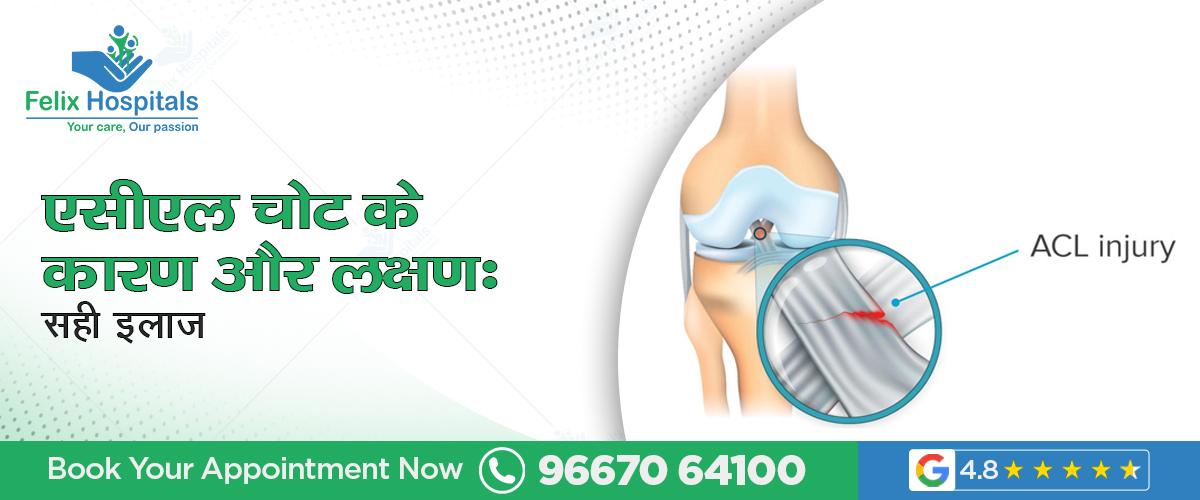
एसीएल (पूर्वकाल क्रूसिएट लिगामेंट) घुटने के चार मुख्य लिगामेंट्स में से एक है। जो घुटने की स्थिरता बनाए रखने में सबसे अहम भूमिका निभाता है। खेल, गिरने या अचानक मुड़ने से यह लिगामेंट फटता है। जिसे एसीएल इंजरी (ACL Injury) कहते हैं। यह समस्या युवाओं और खिलाड़ियों में आम है। गंभीर स्थिति में चलना, दौड़ना या सीढ़ियाँ चढ़ना मुश्किल होता है। ऐसे में एसीएल पुनर्निर्माण सर्जरी एक सुरक्षित और प्रभावी समाधान है। अगर आप नोएडा में भरोसेमंद ACL Surgery Hospital नोएडा में उपलब्ध है। सही जगह और सही विशेषज्ञ का चयन आपकी रिकवरी और परिणाम को बेहतर बनाता है।
अभी अपॉइंटमेंट शेड्यूल करें – कॉल करें: +91 9667064100
एसीएल यानी (पूर्वकाल क्रूसिएट लिगामेंट) घुटने की हड्डियां फीमर (जांघ की हड्डी) और टिबिया (पिंडली की हड्डी) को जोड़ने वाला मजबूत रेशेदार ऊतक है। इसका काम घुटने को आगे की ओर खिसकने से रोकना और स्थिरता बनाए रखना होता है।
जब कोई व्यक्ति दौड़ते समय अचानक दिशा बदलता है या अचानक रुक जाता है, तो घुटने के जोड़ पर असामान्य दबाव पड़ता है। यह दबाव एंटीरियर क्रूशिएट लिगामेंट (एसीएल) पर सीधा प्रभाव डालता है। जिससे यह फटता है या खिंचता है। यह स्थिति खासतौर पर उन खिलाड़ियों में आम है जो तेज मूवमेंट वाले खेल खेलते हैं।
जब कोई व्यक्ति ऊंचाई से कूदकर उतरता है और उसका पैर जमीन पर गलत एंगल में टिकता है। तो घुटने का संतुलन बिगड़ता है। इससे लिगामेंट (ligament) पर अत्यधिक दबाव आता है और एसीएल फटने की संभावना बढ़ती है।
फुटबॉल, बास्केटबॉल, क्रिकेट, कबड्डी, बैडमिंटन आदि खेलों में अचानक दौड़ना, मुड़ना, छलांग लगाना और टक्कर लगना शामिल होता है। तेज स्पीड में शरीर का वजन अगर गलत दिशा में पड़ जाए तो एसीएल गंभीर रूप से चोटिल होता है। खिलाड़ियों में यह सबसे सामान्य कारण माना जाता है।
तेज गति से गिरने या वाहन दुर्घटना के दौरान घुटने पर अचानक और असामान्य बल पड़ने से ACL फट सकता है। यह न केवल खिलाड़ियों में बल्कि आम लोगों में भी हो सकता है।
जब घुटने के सामने वाले हिस्से पर कोई भारी वस्तु टकराती है। किसी टक्कर के दौरान सीधा झटका लगता है, तो घुटने की हड्डियां अपनी सामान्य स्थिति से खिसकती हैं। जिससे एसीएल पर अत्यधिक दबाव आता है। यह टूट सकता है।
जब एसीएल फटता है, तो कई बार घुटने से “पॉप” या “टप” जैसी आवाज आती है। यह आवाज लिगामेंट के टूटने का संकेत है। खिलाड़ी या व्यक्ति को उस क्षण महसूस होता है कि घुटने में कुछ “उछल” गया या “फट” गया है। यह आवाज अक्सर इतनी स्पष्ट होती है कि आसपास मौजूद लोग भी इसे सुनते हैं।
चोट लगने के कुछ ही घंटों में घुटना तेजी से सूजता है। सूजन के साथ तीव्र दर्द होता है जो चलने, झुकने या सीधा करने में और बढ़ता है। यह सूजन जोड़ के अंदर खून जमने की वजह से होती है।
एसीएल का मुख्य काम घुटने को स्थिर रखना होता है। इसके फट जाने पर घुटना कमजोर महसूस होता है। चलने या दिशा बदलने के दौरान “मुड़” जाता है। व्यक्ति को लगता है जैसे घुटना अपने नियंत्रण में नहीं है, जिससे गिरने की संभावना बढ़ती है।
चोट के बाद घुटना पूरी तरह मुड़ या सीधा नहीं हो पाता है। अकड़न महसूस होती है और मूवमेंट सीमित होता है। यह समस्या सूजन, दर्द और लिगामेंट की क्षति के कारण होती है, जिससे रोजमर्रा की गतिविधियां जैसे सीढ़ियां चढ़ना, बैठना या उठना मुश्किल होता है।
एसीएल इंजरी में कई बार घुटने के अंदर खून जमा होता है। जिससे घुटना भारी और सख्त महसूस होता है। खून का यह जमाव दर्द और सूजन को और बढ़ाता है। ऐसे मामलों में अक्सर डॉक्टर एस्पिरेशन (Doctor Aspiration) प्रक्रिया के जरिए खून निकालते हैं। जिससे दबाव और दर्द कम हो सके।
शारीरिक परीक्षण:
डॉक्टर सबसे पहले मरीज के घुटने की स्थिति, लचीलापन और स्थिरता की जांच करते हैं। इस दौरान दो प्रमुख टेस्ट किए जाते हैं।
लछमन परीक्षण: (Lachman Test)
इसमें डॉक्टर घुटने को थोड़ा मोड़कर जांघ और पिंडली की हड्डी को अलग-अलग दिशाओं में हिलाते हैं। अगर एसीएल फटा होता है, तो घुटना सामान्य से ज़्यादा ढीला महसूस होता है या असामान्य रूप से हिलता है।
पिवट शिफ्ट टेस्ट: (Pivot Shift Test)
यह टेस्ट घुटने की स्थिरता मापने के लिए किया जाता है। डॉक्टर पैर को घुमाकर देखते हैं कि घुटना “शिफ्ट” या “स्लिप” तो नहीं हो रहा। अगर ऐसा होता है, तो यह एसीएल टियर का संकेत होता है। इन दोनों जांचों से डॉक्टर यह समझ पाते हैं कि चोट किस हद तक गंभीर है और क्या आगे की इमेजिंग जांच की आवश्यकता है।
एमआरआई स्कैन:
एमआरआई सबसे सटीक जांच मानी जाती है। इससे घुटने के अंदर के सॉफ्ट टिश्यू, जैसे एसीएल, पीसीएल, मेनिस्कस, और कार्टिलेज की स्थिति साफ दिखाई देती है। यह जांच यह पुष्टि करती है कि एसीएल फटा है या केवल खिंचा है। यह भी पता चलता है कि किसी अन्य लिगामेंट, मिनिस्कस (घुटने का कुशन) या जोड़ के हिस्से को भी नुकसान तो नहीं हुआ।
एमआरआई से डॉक्टर को सर्जरी या उपचार की सटीक योजना बनाने में मदद मिलती है।
एक्स-रे:
हालांकि एक्स-रे से लिगामेंट नहीं दिखते, लेकिन यह जांच घुटने की हड्डियों की स्थिति बताने में बहुत उपयोगी होती है। इससे यह पता चलता है कि कहीं फ्रैक्चर या हड्डियों में खिसकाव तो नहीं हुआ। कई बार एसीएल चोट के साथ-साथ हड्डी में हल्के दरार या जोड़ के असामान्य बदलाव भी होते हैं, जिन्हें एक्स-रे से पहचाना जा सकता है।
गैर-सर्जिकल इलाज: (Non-surgical treatment)
अगर एसीएल में हल्की चोट या केवल खिंचाव है, तो सर्जरी की आवश्यकता नहीं होती। ACL Surgery cost in Noida में उपलब्ध है। ऐसे मामलों में आराम, दवा और फिजियोथेरेपी से मरीज को पूरी तरह राहत मिल सकती है।
आराम:
घुटने पर वजन डालने से बचना चाहिए। कुछ हफ्तों तक अधिक चलना या खेलना बंद करने की सलाह दी जाती है।
बर्फ की सिकाई:
चोट लगने के तुरंत बाद बर्फ लगाने से सूजन और दर्द कम होता है। दिन में 3–4 बार 15–20 मिनट तक बर्फ की सिकाई लाभदायक रहती है।
कंप्रेशन और ब्रेस:
घुटने को स्थिर रखने के लिए ब्रेस या सपोर्ट बेल्ट का प्रयोग किया जाता है। इससे लिगामेंट को ठीक होने में मदद मिलती है और घुटना मुड़ने से बचता है।
फिजियोथेरेपी और एक्सरसाइज:
विशेषज्ञ फिजियोथेरेपिस्ट (specialist physiotherapist) की देखरेख में घुटने की मांसपेशियों को मजबूत करने वाली एक्सरसाइज़ कराई जाती हैं। इससे घुटने की मूवमेंट और स्थिरता वापस आती है।
दवाएं:
दर्द और सूजन कम करने के लिए एंटी-इंफ्लेमेटरी दवाएं दी जाती हैं। यह उपचार उन लोगों के लिए उपयुक्त होता है जो बहुत ज्यादा सक्रिय नहीं हैं या खेलकूद से जुड़े नहीं हैं।
सर्जिकल इलाज:
जब एसीएल पूरी तरह फट जाता है या घुटना बार-बार “मुड़” जाता है, तब सर्जरी आवश्यक होती है।
पुनर्निर्माण सर्जरी:
इस सर्जरी में पुराने, फटे लिगामेंट को रिपेयर नहीं किया जाता, बल्कि उसकी जगह नया लिगामेंट (ग्राफ्ट) लगाया जाता है। यह ग्राफ्ट आमतौर पर मरीज की अपनी जांघ या घुटने की हड्डी से लिया जाता है। सर्जरी के बाद कुछ हफ्तों तक घुटने का ब्रेस और फिजियोथेरेपी की जाती है ताकि नया लिगामेंट सही तरीके से जुड़ सके और घुटना फिर से मजबूत बन सके। सामान्य तौर पर मरीज 6 से 9 महीनों में पूरी तरह स्वस्थ होकर अपने सामान्य जीवन या खेल गतिविधियों में लौट सकता है।
जब घुटना बार-बार मुड़ने या फिसलने लगे
खिलाड़ी या युवा व्यक्ति जो एक्टिव लाइफस्टाइल में लौटना चाहते हैं
मिनिस्कस या अन्य लिगामेंट्स भी क्षतिग्रस्त हों
फिजियोथेरेपी के बाद भी सुधार न हो
ब्लड टेस्ट, ईसीजी, एक्स-रे और एमआरआई जांच होती है। फिजियोथेरेपी से मांसपेशियों को मजबूत करना चाहिए। शुगर, बीपी और वजन नियंत्रित रखना चाहिए। सर्जरी से पहले डॉक्टर से हर शंका पर चर्चा करनी चाहिए। भरोसेमंद ACL Surgery Hospital in Noida का चयन करें। जहां आधुनिक तकनीक व फिजियोथेरेपी यूनिट उपलब्ध हो।
एसीएल सर्जरी (ACL surgery) एक अर्थ्रोस्कोपिक (Arthroscopic) यानी मिनिमल इनवेसिव प्रक्रिया होती है। जिसमें बड़े चीरे की जरूरत नहीं पड़ती है। डॉक्टर घुटने में केवल छोटे-छोटे चीरे लगाकर एक पतला कैमरा और सूक्ष्म उपकरण अंदर डालते हैं। कैमरे की मदद से डॉक्टर घुटने के अंदर का दृश्य स्क्रीन पर स्पष्ट रूप से देख पाते हैं और उसी मार्ग से सर्जरी पूरी करते हैं। इस प्रक्रिया में सबसे पहले फटा हुआ लिगामेंट हटाया जाता है। क्योंकि इसे सीधे रिपेयर करना संभव नहीं होता। इसके बाद उसकी जगह नया ग्राफ्ट लगाया जाता है, जो आमतौर पर मरीज की अपनी जांघ, घुटने की हड्डी कभी-कभी डोनर टिश्यू से लिया जाता है।
यह नया ग्राफ्ट एसीएल का स्थान लेकर घुटने को स्थिरता प्रदान करता है। ग्राफ्ट को हड्डियों में मजबूती से फिट करने के लिए स्क्रू या बायो-फिक्सेशन डिवाइस का प्रयोग किया जाता है। जिससे नया लिगामेंट सही स्थिति में जुड़ सके। पूरी सर्जरी आमतौर पर 60 से 90 मिनट में पूरी हो जाती है और मरीज को उसी दिन या अगले दिन अस्पताल से छुट्टी दी जा सकती है। यह तकनीक कम दर्द, जल्दी रिकवरी और कम निशान छोड़ने के लिए जानी जाती है।
(1–2) दिन अस्पताल में रुकना पड़ता है।
दर्द और सूजन के लिए दवाएं व बर्फ की सिकाई करें।
संक्रमण से बचने के लिए पट्टी को साफ-सुथरा रखें।
डॉक्टर की सलाह अनुसार घुटने का ब्रेस और बैसाखी का इस्तेमाल करें।
नियमित फिजियोथेरेपी अनिवार्य है।
एसीएल इंजरी का समय पर इलाज न केवल घुटने की स्थिरता लौटाता है, बल्कि भविष्य में दूसरी जटिलताओं से भी बचाता है। आधुनिक आर्थोस्कोपिक एसीएल पुनर्निर्माण सर्जरी सुरक्षित, कम दर्दनाक और तेजी से रिकवरी देने वाली प्रक्रिया है। नोएडा में सबसे अच्छा ऑर्थोपेडिक अस्पताल (best orthopedic hospital in noida) चुनकर आप अनुभवी सर्जन, लेटेस्ट टेक्नोलॉजी और बेहतरीन पोस्ट-ऑपरेटिव केयर पा सकते हैं – जिससे रिकवरी तेज और सुरक्षित होती है।
अभी अपॉइंटमेंट शेड्यूल करें – कॉल करें: +91 9667064100
प्रश्न 1. क्या हर एसीएल इंजरी में सर्जरी जरूरी है?
उत्तर: नहीं, आंशिक चोट या हल्के लक्षणों में फिजियोथेरेपी पर्याप्त होती है।
प्रश्न 2. एसीएल सर्जरी के बाद कब चलना शुरू कर सकते हैं?
उत्तर: ज्यादातर मरीज सर्जरी के 24–48 घंटे बाद वॉकर के सहारे चल सकते हैं।
प्रश्न 3. क्या सर्जरी के बाद खेलों में वापसी संभव है?
उत्तर: हां, 6–9 महीने बाद फिजियोथेरेपिस्ट और डॉक्टर की अनुमति से।
प्रश्न 4. क्या एसीएल सर्जरी दर्दनाक होती है?
उत्तर: नहीं, यह मिनिमली इनवेसिव प्रक्रिया है। दर्द को दवाओं और फिजियोथेरेपी से नियंत्रित किया जाता है।
प्रश्न 5. क्या बुजुर्गों में एसीएल सर्जरी सुरक्षित है?
उत्तर: यदि स्वास्थ्य पैरामीटर सामान्य हैं तो यह सर्जरी 60–70 वर्ष तक के मरीजों के लिए भी सुरक्षित है।

कमर दर्द और जोड़ों का दर्द आजकल एक आम समस्या बन गई है, जो गलत जीवनशैली, बढ़ती उम्र और शारीरिक गतिविधियों की कमी के कारण होती है। समय पर पहचान और सही इलाज से इस दर्द से राहत पाई जा सकती है।
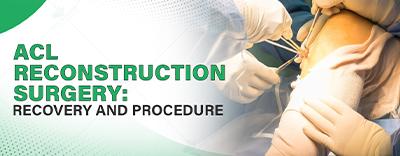
ACL Reconstruction Surgery: Learn about the procedure, recovery timeline, and post-surgery care. Book a consultation at +91 9667064100 for expert orthopedic treatment.

Air pollution is among the most threatening health issues in cities nowadays. Aside from devastating the environment, long-term exposure to dirty air could severely impact human health, primarily the heart and the lungs. Learning about the effect of air pollution on lungs and its link to heart issues could help prevent such, intervene at the right moment, and stay healthy in general.
In case of Noida residents, visiting a Best General Physician Hospital in Noida can assist in early symptom control and avoidance of complications due to early and continuous exposure to smoggy atmosphere.
Protect your heart and lungs with professional medical expertise. Call: +91 9667064100 to schedule appointment and preventive medicine.
They are the organs that get closest and most immediate exposure to the contaminants in the atmosphere. Particulate matter, noxious gases, and chemical poisons have the potential to inflame lung tissue and reduce lung efficiency.
Impact of Polluted Air on the Respiratory Tract
Short-term exposure: Will cause coughing, irritation to the throat, wheezing, and shortness of breath.
Long-term exposure: May result in chronic outcomes such as bronchitis, asthma, pulmonary fibrosis, or decreased lung function.
Air pollutants such as PM2.5, NO2, and SO2 go deep inside the lungs, which reduces immunity and makes individuals prone to infections. Pre-existing lung disorder patients should get early consultation from Noida's top-ranked doctors at Best General Physicians.
Air pollution also doesn't target only the lungs. It has the ability to enter the bloodstream leading to inflammation, oxidative stress and other cardiovascular complications.
High blood pressure: The long-term exposure makes the arteries hard and increases the chances of having hypertension.
Heart attacks and stroke: There is the possibility of decreased oxygen supply by the particles and invocation of thrombosis.
Arrhythmia: Long-term exposure to dirty environment may cause atrial arrhythmia.
Routine medical examination in a Best General Physician Hospital in Noida is justified, all the more so in those with prior heart disease. Serious complications could be avoided with treatment and early detection.
Respiratory Disorders
Asthmatic attacks
Chronic bronchi
Erectile Disorder
Cardiovascular Diseases
Heart attacks and coronary artery disease
Stroke and transient ischemic attack
Heart failure progression
Other Health Effects
Allergy and sinus inflammation
Weakened immunity, increased susceptibility to infection
Certain populations bear a greater risk of exposure to the effects of air pollution:
Children and infants with expanding lungs
Elderly patients with decreased immunity and heart effectiveness
Patients with cardiovascular or lung disease
Outdoor workers exposed to polluted air regularly
They have to follow increased safeguards and receive regular health assessments at Noida's highly-rated Best General Physician Hospitals.
Even though it shall not be possible to eliminate dirty air completely, the following measures could minimize its influence:
Keep yourself updated with the Noida Air Quality Index (AQI) and restrict your exposure to outdoor activities during high levels of pollution.
Wear the N95 when outside and place the HEPA air purifiers at home in order to inhale fewer toxic particles.
Eat an anti-oxidant diet to combat oxidative stress.
Work indoors or have a workout outdoors in non-polluted places.
Nor is it advisable to smoke, which increases the efficiency of air pollution.
Follow-ups, lung tests, and heart screens will enable the early detection of the symptoms of ailments that are based on pollution. Top General Doctors appointment in Noida offers personal consultation and preventive treatment.
There must be individual and collective action to avoid the effects of air pollution:
Advocacy to create laws that restrict the industrial degassing and automotive vehicle emissions.
Plant greenery and forest in residential colonies.
Cleaner public transportation campaign and green ventures campaign.
Sharing the message about the adverse effects of poor air on the heart and lung system would allow preventing serious diseases and promote healthier communities in general.
Have timely check-ups and tailor-made health follow-ups in one of the leading general Physician hospitals in Noida. Call us at +91 9667064100.
Air pollution poses an insidious and terrible threat to the life of people, mostly in cities like Noida. The impact of air pollution on both the lungs and the heart can be a simple discomfort or permanent life threatening illnesses.
Being aware of the risks, adopting preventive strategies, and early medical treatment can reduce long-term damages to a great extent. Regular visits to a top Pulmonologist in Noida allow you to monitor and regulate pollution-related diseases at an early stage.
Preventing lung and heart disease involves caution, a healthy life, and expert doctor advice. Taking preventive measures and visiting reputable doctors can reduce the side effects of smog and ensure general good health.
Q. 1. Can short-term exposure to particulate matters have any influence on heart health?
Ans. Yes. Exposures even short in duration to high concentrations of atmospheric pollution have been shown to provoke inflammation and to put at risk heart palpitation, high blood pressure, or small cardiovascular events in susceptible individuals.
Q. 2. How will I know if it's burning my lungs?
Ans. Symptoms such as coughing that lingers, shortness of breath, wheezing, or recurrent lung infection could suggest that you have been affected by air pollution in your lungs. A consultation at a Best General Physician Hospital in Noida can determine how your lungs function.
Q. 3. Is the atmosphere more at risk in children?
Ans. Definitively, Kids' lungs have yet to mature and so are more prone to future long-term lung conditions such as asthma or decreased lung function from air pollution.
Q. 4. Will regular check-ups prevent severe consequences of lung pollution?
Ans. Yes. Regular screens, lung function tests, and heart tests can identify early symptoms of pollution-related ailments so that early intervention and treatment could take place.
Q. 5. Is indoor air pollution equally bad as outdoor air pollution?
Ans. Indoor air also has potential to carry contaminants from the cooking process, dust, or smoke. Ventilation and air purifiers minimize indoor exposure that safeguards heart and lung health.
Q. 6. Can changes in lifestyle prevent risks from air pollution?
Ans. Definitely. The health impact of air pollution can be reduced by eating anti-oxidant-rich foods, undertaking physical activities in places that are not polluted, abstaining smoking, and using protective masks to cover the face in the air.
Q. 7. When am I supposed to consult a doctor because of the pollution-related illnesses?
Ans. When you are experiencing constant coughing, chest tightness, shortness of breath, palpitations, or some form of unexplainable fatigue, then you must visit a Best General Physician Hospital in Noida immediately to have it checked and examined.

A pulmonologist plays a crucial role in helping patients dealing with serious or chronic breathing difficulties.

Additionally, many COPD patients experience unintended weight loss and muscle wasting, a condition known as Pulmonary cachexia.

Legionnaires' disease is a serious lung infection caused by Legionella bacteria, often found in contaminated water systems. Symptoms include fever, cough, muscle aches, and shortness of breath.
रीढ़ की हड्डी (Spine) हमारे शरीर का प्रमुख सहारा होती है, जो सिर से लेकर कमर तक शरीर का संतुलन बनाती है। इसकी हर कड़ी (Vertebra) के बीच में मौजूद स्पाइनल डिस्क (Spinal Disk) झटकों को अवशोषित करती है। लचीलापन बनाती है। लेकिन जब यह डिस्क किसी कारणवश अपनी जगह से खिसक जाती है या क्षतिग्रस्त होती है, तो स्लिप डिस्क (Slip Disk) या डिस्क प्रोलैप्स (Disk Prolapse) जैसी समस्या उत्पन्न होती है यह समस्या आज के समय में युवाओं और ऑफिस में काम करने वाले लोगों में तेजी से बढ़ रही है। Spinal Disk Treatment in Noida में उपलब्ध है। सही निदान और विशेषज्ञ इलाज से इसे नियंत्रित किया जा सकता है।
अधिक जानकारी और परामर्श के लिए कॉल करें: +91 9667064100.
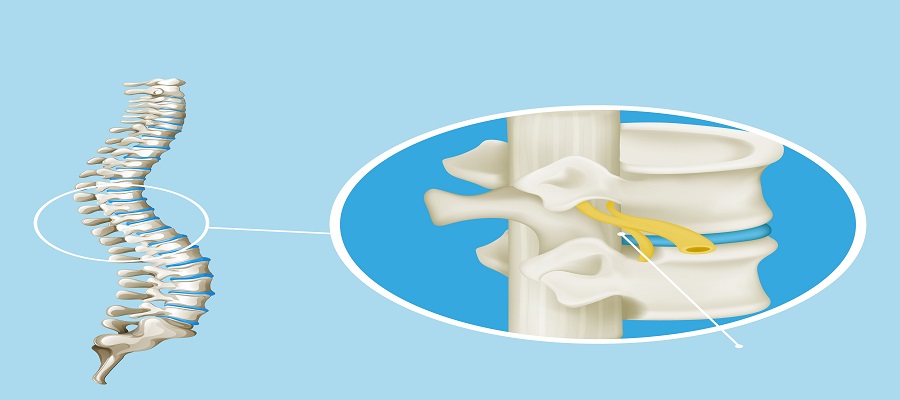
स्पाइनल डिस्क (Spinal Disc) रीढ़ की हड्डियों (bones of the spine) के बीच मौजूद एक लचीली और कुशन जैसी संरचना होती है। यह शरीर को लचीलापन, स्थिरता और झटकों से सुरक्षा प्रदान करती है। डिस्क झुकने, मुड़ने और चलने जैसी हर गतिविधि में भार को समान रूप से वितरित करने का काम करती है। स्पाइनल डिस्क मुख्य रूप से दो भागों से बनी होती है पहली एन्युलस फाइब्रोसस (annulus fibrosis) है। यह बाहरी मजबूत और रेशेदार परत होती है। इसका काम डिस्क को आकार में बनाए रखना और अंदर के जेल को सुरक्षित रखना है। यह हड्डियों को एक-दूसरे से जुड़कर स्थिरता प्रदान करती है। वहीं दूसरा न्यूक्लियस पल्पोसस (nucleus pulposus) है। यह अंदर का जेल जैसा नरम और लचीला पदार्थ होता है। इसका कार्य झटकों को सोखना और दबाव को फैलाना है। यह डिस्क को लचीलापन प्रदान करता है, जिससे रीढ़ आसानी से झुक और मुड़ सके।
स्लिप डिस्क:
डिस्क का भीतरी जेल जैसे हिस्सा अपनी जगह से खिसककर बाहर निकल आता है। यह पास की नसों पर दबाव डालता है। पीठ या कमर में तेज दर्द, पैर में झुनझुनी या कमजोरी, चलने-फिरने में कठिनाई इसके लक्षण है। इसका कारण वजन उठाना, अचानक झुकना, चोट या लंबे समय तक गलत पोस्चर में बैठना (sitting posture) है।
डिस्क प्रोलैप्स:
डिस्क की बाहरी परत फट जाती है। इसके कारण अंदर का नरम हिस्सा बाहर निकल आता है और नसों पर दबाव बनता है। स्लिप डिस्क के समान दर्द, लेकिन कभी-कभी हल्का दर्द या जकड़न पहले दिखाई देना इसके लक्षण है। आमतौर पर गंभीर चोट या बार-बार झटके लगने से होता है।
डिजेनेरेटिव डिस्क डिजीज:
उम्र बढ़ने के साथ डिस्क का लचीलापन और ऊंचाई कम हो जाती है। डिस्क की कार्टिलेज पतली हो जाती है और झटके सोखने की क्षमता घट जाती है। कमर या गर्दन में धीरे-धीरे बढ़ता दर्द, लंबे समय तक खड़े या बैठे रहने पर दर्द बढ़ना इसके लक्षण है। उम्र बढ़ना, अधिक वजन, जीवनशैली और गंभीर चोट इसके कारण है।
बुल्जिंग डिस्क:
डिस्क अपनी जगह से हल्का बाहर की ओर उभर आती है, लेकिन पूरी तरह फटती नहीं है। यह नसों को कभी-कभी दबा सकती है, जिससे हल्का दर्द या जकड़न होती है। अक्सर शुरुआती चरण में कोई दर्द नहीं, बाद में धीरे-धीरे कमर या गर्दन में असुविधा इसके लक्षण है। उम्र, वजन, लंबे समय तक बैठना, गलत पोश्चर इसका कारण है।
दर्द स्थायी या कभी-कभी तेज हो सकता है। शुरुआती चरण में हल्का जकड़न या असुविधा महसूस होती है। लंबे समय तक बैठने, झुकने या भारी सामान उठाने पर दर्द बढ़ सकता है।
नसों पर दबाव पड़ने से दर्द हाथों, पैरों या टांगों तक फैल सकता है। पैर में बैठने, खड़े होने या चलने पर दर्द बढ़ सकता है।
प्रभावित क्षेत्र में झुनझुनी या सुन्नपन महसूस होती है। कभी-कभी मांसपेशियों में कमजोरी के कारण चलने या पकड़ने में समस्या होती है।
किसी भी गतिविधि में जोड़ या रीढ़ पर दबाव पड़ने से दर्द असहनीय होता है। खासकर भारी सामान उठाते समय या अचानक मोड़ने पर तेज दर्द होना।
लंबे समय तक एक जगह बैठने पर कमर और गर्दन जकड़ जाती है। खड़े होने या चलने पर धीरे-धीरे दर्द कम या बढ़ता है।
डिस्क की गंभीर समस्या होने पर साधारण गतिविधियाँ भी मुश्किल होती हैं। लंबे समय तक खड़ा रहना, पैदल चलना या सीढ़ियाँ चढ़ना मुश्किल हो सकता है। संतुलन बिगड़ने और चोट का जोखिम बढ़ता है।
गलत तरीके से वजन उठाना या झुकना:
भारी सामान उठाते समय सीधे कमर झुकाना या मोड़कर उठाना डिस्क पर दबाव बढ़ा देता है। इससे डिस्क फटने या बाहर निकलने का जोखिम बढ़ता है।
लंबे समय तक झुके रहना या बैठे रहनाः
ऑफिस या ड्राइविंग जैसी गतिविधियों में लंबे समय तक बैठना डिस्क पर लगातार दबाव डालता है। सही पोज़िशन न होने पर कमर और गर्दन में दर्द (Neck pain) शुरू हो सकता है।
अचानक झटका लगना या गिरना:
गिरने, चोट लगने या किसी तेज झटके से रीढ़ की हड्डियों और डिस्क को नुकसान पहुंच सकता है। खेल, एक्सरसाइज या सड़क दुर्घटना इसके आम कारण हैं।
मोटापा और शारीरिक निष्क्रियता:
अतिरिक्त वजन रीढ़ और डिस्क पर लगातार दबाव डालता है। मांसपेशियों की कमजोरी के कारण डिस्क पर झटके और तनाव बढ़ाते हैं।
उम्र बढ़ने से डिस्क का कमजोर होना:
उम्र बढ़ने के साथ डिस्क में लचीलापन और जल कम होता है। इसका परिणाम सूखापन, कमजोर कार्टिलेज और आसानी से चोट लगती है।
रीढ़ में चोट लगना:
स्पोर्ट्स, दुर्घटना या अचानक मोड़ से रीढ़ की हड्डियों और डिस्क को चोट लगती है। चोट के कारण (Causes of injury) डिस्क अंदर से कमजोर हो सकती है और पॉपिंग या स्लिप डिस्क की समस्या होती है।
धूम्रपान या असंतुलित आहार से डिस्क का डीजेनेरेशन:
धूम्रपान से रीढ़ की रक्त आपूर्ति कम हो जाती है, जिससे डिस्क कमजोर होती है। प्रोटीन, विटामिन और मिनरल्स की कमी से डिस्क में जल content घटता है और जल्दी डीजेनेरेशन होता है।
नसों पर लगातार दबाव से साइटिका विकसित होना:
डिस्क का बाहर निकलना पास की नसों पर दबाव डालता है। परिणामस्वरूप पैरों में तेज दर्द, झुनझुनी या सुन्नपन महसूस होता है। दर्द अक्सर कमर से शुरू होकर पैरों तक फैलता है।
लंबे समय तक दर्द रहने से गतिशीलता में कमी:
लगातार दर्द और असहजता के कारण व्यक्ति चलने-फिरने, झुकने या बैठने में कठिनाई महसूस करता है। रोजमर्रा की गतिविधियों पर असर पड़ता है और जीवन की गुणवत्ता कम हो सकती है।
मांसपेशियों की कमजोरी और क्रॉनिक दर्द:
लंबे समय तक नसों पर दबाव मांसपेशियों को प्रभावित करता है। पैर, कमर और कंधों की मांसपेशियों में कमजोरी आती है। दर्द लगातार बना रहने से थकान और मानसिक तनाव भी बढ़ता है।
गंभीर मामलों में पैरालिसिस या पेशाब-मल त्याग पर नियंत्रण खोना:
अगर डिस्क गंभीर रूप से नसों को दबाए तो पैरों में लकवा होता है। ब्लैडर और बाउल कंट्रोल प्रभावित होने से पेशाब या मल त्याग पर नियंत्रण खोने की स्थिति बनती है। यह मेडिकल इमरजेंसी मानी जाती है और तुरंत इलाज की आवश्यकता होती है।
संतुलन और स्थिरता में कमी:
नसों पर दबाव और मांसपेशियों की कमजोरी के कारण चलने या खड़े होने में अस्थिरता महसूस हो सकती है।
गिरने या चोट लगने का जोखिम बढ़ता है।
जीवन की गुणवत्ता पर प्रभाव:
लगातार दर्द, गतिशीलता की कमी और मानसिक तनाव के कारण व्यक्ति सामाजिक और पेशेवर जीवन में बाधा महसूस करता है।
सही मुद्रा बनाए रखें:
खड़े होने, बैठने और चलने के दौरान पीठ सीधी रखें। लंबे समय तक झुककर या टेढ़ा बैठने से बचें। कंप्यूटर या लैपटॉप के सामने बैठते समय कमर और गर्दन का सही एलाइनमेंट जरूरी है।
भारी सामान उठाने का सही तरीका अपनाएं:
भारी वस्तु उठाते समय घुटनों को मोड़ें और कमर को सीधा रखें। झुकते समय कमर से झुकने के बजाय पैरों की ताकत का उपयोग करें। एक साथ बहुत भारी वस्तु उठाने से बचना चाहिए।
नियमित हल्की एक्सरसाइज और योग:
पीठ और कमर की मांसपेशियों को मजबूत करने के लिए रोजाना हल्की स्ट्रेचिंग करें। योगासनों में भुजंगासन, मकरासन, ताड़ासन, शवासन जैसे आसन फायदेमंद हैं। एब्डोमिनल और कोर मांसपेशियों को मजबूत करने वाली एक्सरसाइज करें।
संतुलित आहार लें:
हड्डियों और मांसपेशियों की मजबूती के लिए कैल्शियम, विटामिन डी (Vitamin D) और प्रोटीन युक्त आहार शामिल करें। दूध, दही, पनीर, हरी पत्तेदार सब्जियां, मछली, अंडे और सोया प्रोटीन के अच्छे स्रोत हैं। अत्यधिक तली-भुनी और प्रोसेस्ड फूड से बचें।
धूम्रपान और शराब से बचें:
धूम्रपान रक्त संचार को कम करता है और डिस्क की स्वास्थ्य को प्रभावित करता है। शराब से हड्डियों और मांसपेशियों की रिकवरी धीमी होती है।
सही मैट्रेस और नींद का महत्व:
सोते समय ऐसा मैट्रेस चुनें जो कमर और रीढ़ को सहारा दे। बहुत नरम या बहुत कठोर मैट्रेस से डिस्क पर दबाव बढ़ता है। सोते समय गद्दे और तकिए की सही पोजीशन का ध्यान रखना चाहिए।
ऑफिस और लंबे समय तक बैठने के दौरान स्ट्रेचिंग:
हर 30–45 मिनट में अपनी सीट से उठकर हल्की स्ट्रेचिंग या टहलें। लैपटॉप/कंप्यूटर पर लंबे समय तक काम करने से गर्दन और कमर की मांसपेशियां जकड़ती हैं। स्ट्रेचिंग से रक्त संचार बेहतर रहता है और मांसपेशियों में तनाव कम होता है।
वजन नियंत्रित रखें:
अधिक वजन रीढ़ और डिस्क पर दबाव बढ़ाता है। संतुलित आहार और हल्की एक्सरसाइज से वजन को नियंत्रित रखें।
दिनचर्या में छोटे बदलाव:
लगातार झुकने, भारी उठाने या सीढ़ियां चढ़ने से बचें। काम को आसान बनाने के लिए सहायक उपकरण (लिफ्ट, रैम्प, ग्रैब बार) का उपयोग करें।
शारीरिक परीक्षण:
डॉक्टर सबसे पहले आपकी स्नायु, नसों और संवेदना की जांच करते हैं। मरीज को अलग-अलग पोज़िशन में झुकने, घुमाने और उठाने के लिए कहते हैं। चलने, खड़े होने और संतुलन की जांच से मांसपेशियों और नसों की कार्यक्षमता का आकलन होता है। रिफ्लेक्स और कमजोरी की जांच से साइटिका या अन्य नसों पर दबाव का पता चलता है।
एमआरआई (चुंबकीय अनुनाद इमेजिंग) / सीटी स्कैन:
एमआरआई से रीढ़ की हड्डियों, डिस्क और आसपास की नसों की पूरी संरचना दिखाई देती है। यह जांच डिस्क की उभरने (Prolapse) या स्लिप डिस्क, सूजन और नसों पर दबाव का सही आकलन करती है। सीटी स्कैन हड्डियों और डिस्क की स्थिति की विस्तृत जानकारी देता है। इन इमेजिंग तकनीकों से डॉक्टर को सर्जरी या अन्य इलाज की योजना बनाने में मदद मिलती है।
एक्सरे:
रीढ़ की हड्डियों में असामान्य आकार, गठिया (Arthritis) या हड्डी में सिकुड़न (Degeneration) का पता लगाने के लिए। यह जांच डिस्क में परिवर्तन के संकेत भी देती है, जैसे कि ऊंचाई में कमी या असमान अंतर। इससे हड्डियों की संरचना की सामान्य स्थिति और किसी पुराने फ्रैक्चर का भी पता चलता है।
इलेक्ट्रोमायोग्राफी (ईएमजी) / तंत्रिका चालन अध्ययन:
यह जांच नसों और मांसपेशियों के बीच संदेश संचार की क्षमता को मापती है। यह पता लगाता है कि कौन-सी नस दबाव में है और कितनी गंभीरता से प्रभावित हुई है। ईएमजी से साइटिका या अन्य नसों की समस्या की गंभीरता और स्थान का सटीक आकलन किया जा सकता है।
ब्लड टेस्ट: सूजन या संक्रमण का पता लगाने के लिए होता है।
माइलोग्राफी: खासकर अगर एमआरआई से पर्याप्त जानकारी न मिलती है।
फ्लेक्सियन-एक्सटेंशन एक्स-रे: रीढ़ की हड्डी की गतिशीलता का आकलन होता है।
फिजियोथेरेपी और स्ट्रेचिंग एक्सरसाइज:
रीढ़ की हड्डियों और आसपास की मांसपेशियों को मजबूत बनाना। झुकने, मोड़ने और उठने के दौरान दर्द कम करना है। साइटिका और कमर दर्द में सुधार लाने में मदद करता है।
दर्द निवारक दवाएं और मांसपेशी रिलैक्सेंट:
पेनकिलर दर्द और सूजन कम करते हैं। मांसपेशियों की ऐंठन और तनाव को कम करने में सहायक।
हीट थेरेपी या कोल्ड कंप्रेशन:
सूजन और दर्द कम करने के लिए होता है। गर्म पानी की पट्टी या आइस पैक का इस्तेमाल होता है।
कॉर्टिकोस्टेरॉइड इंजेक्शन:
नसों पर दबाव या सूजन कम करने के लिए होता है। गंभीर दर्द या लंबे समय तक राहत न मिलने पर डॉक्टर द्वारा सुझाई जाती है।
योग और मेडिटेशन:
रीढ़ और मांसपेशियों की लचीलापन बढ़ाने के लिए होती है। मानसिक तनाव कम करने और दर्द सहन क्षमता बढ़ाने में सहायक होता है।
सर्जिकल उपचार:
जब दर्द या सुन्नपन लंबे समय तक बना रहे या मांसपेशियों की कमजोरी बढ़ जाए, तब सर्जरी की सलाह दी जाती है।
माइक्रोडिस्केक्टॉमी:
खिसकी हुई डिस्क का छोटा सा हिस्सा हटाया जाता है। नस पर दबाव कम होता है और दर्द में जल्दी राहत मिलती है। मिनिमली इनवेसिव प्रक्रिया होने के कारण रिकवरी तेज होती है।
लैमिनेक्टॉमी:
रीढ़ की हड्डी की एक छोटी हड्डी हटाई जाती है। नसों पर दबाव घटता है और साइटिका (sciatica) या पैर में दर्द कम होता है।
दो या अधिक रीढ़ की हड्डियों को जोड़कर स्थिर किया जाता है। रीढ़ की हड्डी की अत्यधिक गतिशीलता या डीजनरेशन वाले मामलों में की जाती है। लंबी अवधि में दर्द और अस्थिरता कम करने में मददगार होता है।
नोएडा के फेलिक्स अस्पताल में अनुभवी हड्डी रोग एवं रीढ़ विशेषज्ञ उपलब्ध हैं। जो स्पाइनल डिस्क समस्याओं का सटीक निदान और प्रभावी इलाज प्रदान करते हैं। Best Spine and Pain Specialists in Noida में उपलब्ध है। यह विशेषज्ञ अत्याधुनिक तकनीकों और व्यक्तिगत देखभाल के माध्यम से दर्द को नियंत्रित कर, रीढ़ की सेहत को बहाल करते हैं।
डॉक्टर से अपॉइंटमेंट के लिए कॉल करें: +91 9667064100
स्पाइनल डिस्क समस्या आधुनिक जीवनशैली की एक सामान्य परंतु गंभीर समस्या बन चुकी है। सही समय पर पहचान, नियमित व्यायाम और विशेषज्ञ डॉक्टर की सलाह से इससे पूरी तरह राहत पाना संभव है। दर्द को नजरअंदाज न करें यह रीढ़ की स्थायी क्षति में बदल सकता है। इलाज में देरी कई बार नुकसानदेह होती है। इसलिए किसी भी प्रकार के लक्षण दिखने पर डॉक्टर से संपर्क करें।
प्रश्न 1: स्लिप डिस्क क्या है?
उत्तर: जब स्पाइनल डिस्क का अंदरूनी भाग बाहर निकलकर नसों पर दबाव डालता है, तो उसे स्लिप डिस्क कहते हैं।
प्रश्न 2: क्या स्लिप डिस्क अपने आप ठीक होती है?
उत्तर: हल्के मामलों में फिजियोथेरेपी और आराम से सुधार संभव है, लेकिन गंभीर स्थिति में चिकित्सा उपचार जरूरी होता है।
प्रश्न 3: क्या योग से स्पाइनल डिस्क का दर्द कम होता है?
उत्तर: हां, योग से मांसपेशियों की लचीलापन बढ़ती है और रीढ़ को सहारा मिलता है।
प्रश्न 4: कौन-सी मुद्रा स्पाइन के लिए सही है?
उत्तर: बैठते समय पीठ सीधी और पैर जमीन पर सपाट रखें। भारी वजन उठाते समय कमर से नहीं, घुटनों से झुकें होना चाहिए।
प्रश्न 5: नोएडा में स्पाइनल डिस्क का सबसे अच्छा इलाज कहां मिलता है?
उत्तर: शहर में अनुभवी रीढ़ और दर्द विशेषज्ञ द्वारा नवीनतम तकनीक से स्पाइनल डिस्क का उपचार किया जाता है।
कमर दर्द और जोड़ों का दर्द आजकल एक आम समस्या बन गई है, जो गलत जीवनशैली, बढ़ती उम्र और शारीरिक गतिविधियों की कमी के कारण होती है। समय पर पहचान और सही इलाज से इस दर्द से राहत पाई जा सकती है।

Spinal cord injury is one of the most serious injuries one can have. The damages can be permanent if not treated on time.

Advanced neurosurgery improves treatment for brain and spine disorders with better outcomes.
किडनी शरीर का फिल्टरिंग सिस्टम है। जो खून से अपशिष्ट पदार्थ (वेस्ट) और अतिरिक्त पानी निकालकर शरीर का संतुलन बनाए रखती है। अगर किडनी सही तरह से काम न करें। तो शरीर में विषैले तत्व जमा होते हैं। इससे ब्लड प्रेशर, यूरिन की मात्रा और संपूर्ण स्वास्थ्य प्रभावित होता है। किडनी फंक्शन टेस्ट (केएफटी) ऐसे जांचों का समूह है जो किडनी की कार्यक्षमता और स्वास्थ्य का पता लगाता है। यह टेस्ट शुरुआती स्टेज पर किडनी डैमेज (kidney damage) का पता लगाता है। Kidney Function Test in Noida में उपलब्ध है। अगर आपको बार-बार सूजन, थकान, पेशाब में बदलाव या ब्लड शुगर की समस्या है, तो तुरंत किडनी की जांच करवाएं।
अधिक जानकारी या अपॉइंटमेंट के लिए कॉल करें: +91 9667064100
किडनी फंक्शन टेस्ट (केएफटी) एक रक्त और यूरिन जांच होती है। जिससे यह पता लगता है कि किडनी खून को कितनी कुशलता से फिल्टर कर रही है। यह जांच क्रिएटिनिन, ब्लड यूरिया नाइट्रोजन, जीएफआर (ग्लोमेरूल निस्पंदन दर) और इलेक्ट्रोलाइट्स जैसे मानकों को मापती है। इस जांच से यह निर्धारित किया जाता है कि किडनी सामान्य रूप से काम कर रही है। उसमें किसी प्रकार की कार्यात्मक कमी है।
कई बार किडनी की समस्या शुरुआती स्टेज में कोई लक्षण नहीं देती। किडनी फंक्शन टेस्ट समय रहते नुकसान का पता लगाने में मदद करता है। प्रारंभिक पहचान से इलाज और जीवनशैली में बदलाव जल्दी शुरू किया जा सकता है।
डायबिटीज और हाई ब्लड प्रेशर किडनी की छोटी रक्त वाहिकाओं को प्रभावित करते हैं। समय-समय पर टेस्ट करने से किडनी की कार्यक्षमता पर असर का पता चलता है। मरीजों में अल्ब्यूमिन यूरिया, क्रिएटिनिन और जीएफआर की निगरानी आवश्यक होती है।
कुछ दवाइयां (जैसे लंबे समय तक ली जाने वाली पेनकिलर्स या एंटीबायोटिक) किडनी को प्रभावित करती हैं। बार-बार होने वाले यूरिन या ब्लड इंफेक्शन भी किडनी को नुकसान पहुंचाते हैं। किडनी फंक्शन टेस्ट (kidney function tests) से इन कारणों के प्रभाव की सही जानकारी मिलती है।
टेस्ट के जरिए शुरुआती स्तर पर ही किडनी डैमेज (kidney damage) पकड़ने से गंभीर नुकसान से बचाता है। जीवनशैली में सुधार, दवा और ब्लड शुगर/ब्लड प्रेशर नियंत्रण से किडनी फेलियर का जोखिम कम किया जाता है।
नियमित जांच से किडनी की कार्यक्षमता बनाए रखने और दीर्घकालिक जटिलताओं से बचाव संभव है। विशेष रूप से डायबिटीज और हाइपरटेंशन मरीजों के लिए समय पर टेस्ट जरूरी है।
ब्लड यूरिया नाइट्रोजनः
यह टेस्ट खून में यूरिया नाइट्रोजन की मात्रा को मापता है। यूरिया प्रोटीन के मेटाबॉलिज्म से बनता है और सामान्यतः किडनी इसे शरीर से निकालती है। यह उच्च स्तर दर्शाता है कि किडनी अपशिष्ट पदार्थों को सही तरीके से निकाल नहीं पा रही। नियमित टेस्ट से शुरुआती किडनी डैमेज का पता चलता है।
सीरम क्रिएटिनिन टेस्टः
क्रिएटिनिन मांसपेशियों के सामान्य मेटाबॉलिज्म से बनता है। किडनी इसे रक्त से फिल्टर कर शरीर से बाहर निकालती है। बढ़ा हुआ क्रिएटिनिन स्तर किडनी की कार्यक्षमता घटने का संकेत है। यह टेस्ट किडनी फेलियर के जोखिम की पहचान करने में मदद करता है।
ग्लोमेरुलर फिल्ट्रेशन रेटः
जीएफआर बताता है कि किडनी प्रति मिनट कितनी मात्रा में रक्त को फिल्टर कर रही है। यदि जीएफआर 60 से कम हो तो यह क्रोनिक किडनी रोग (सीकेडी) या किडनी डैमेज का संकेत हो सकता है। जीएफआर टेस्ट किडनी की स्टेज-वार कार्यक्षमता मॉनिटर करने के लिए महत्वपूर्ण है।
यूरिन टेस्टः
मूत्र में प्रोटीन (एल्ब्यूमिन) की उपस्थिति किडनी की खराबी का शुरुआती संकेत होती है। माइक्रोएल्ब्यूमिन यूरिया शुरुआती डायबिटिक नेफ्रोपैथी की पहचान के लिए महत्वपूर्ण। नियमित यूरिन टेस्ट से किडनी में सूक्ष्म डैमेज का पता चलता है, जिससे समय पर इलाज संभव है।
इलेक्ट्रोलाइट्स टेस्टः
किडनी शरीर में सोडियम, पोटैशियम, क्लोराइड और बाइकार्बोनेट का संतुलन बनाए रखती है। यदि यह संतुलन बिगड़ता है, तो यह किडनी फेलियर, डिहाइड्रेशन या अन्य गंभीर स्थितियों का संकेत है। इलेक्ट्रोलाइट्स टेस्ट से शरीर में खनिज संतुलन और किडनी की कार्यक्षमता की सही जानकारी मिलती है।
डायबिटीज या हाई ब्लड प्रेशर के मरीजः
डायबिटीज और उच्च रक्तचाप किडनी डैमेज के मुख्य जोखिम कारक हैं। ऐसे मरीजों को हर 6–12 महीने में नियमित किडनी फंक्शन टेस्ट कराना चाहिए। समय पर जांच से शुरुआती डैमेज का पता चलता है और इलाज जल्दी शुरू किया जाता है।
पैरों, टखनों या चेहरे में सूजनः
बार-बार पैरों या टखनों में सूजन दिखना। पेशाब की मात्रा कम होना या पेशाब झागदार/फेनयुक्त होना। ये किडनी की कार्यक्षमता में गिरावट के शुरुआती संकेत हो सकते हैं। लंबे समय तक ब्लड शुगर बढ़ा हुआ होना। लगातार उच्च ब्लड शुगर किडनी की सूक्ष्म रक्त वाहिकाओं को नुकसान पहुंचाता है। इस स्थिति में नियमित किडनी जांच जरूरी है।
क्रॉनिक दवाओं का सेवन:
लंबी अवधि तक जैसे पेनकिलर्स या एंटीबायोटिक दवाओं का इस्तेमाल। यब दवाइयां किडनी पर अतिरिक्त दबाव डाल सकती हैं और फंक्शन प्रभावित कर सकती हैं।
फैमिली हिस्ट्री (परिवार में किडनी रोग):
परिवार में किसी सदस्य को क्रॉनिक किडनी डिजीज (सीकेडी) या फेलियर रहा हो। जेनेटिक कारणों से जोखिम अधिक होता है, इसलिए समय-समय पर टेस्ट जरूरी है।
डॉक्टर की सलाह:
किसी भी नेफ्रोलॉजिस्ट या एंडोक्राइनोलॉजिस्ट द्वारा किडनी फंक्शन टेस्ट की सलाह मिलने पर। यह मरीज की मेडिकल हिस्ट्री और जोखिम के आधार पर किया जाता है।
अन्य चेतावनी संकेत:
थकान और कमजोरी लगातार बनी रहना। भूख में कमी, मतली या उल्टी। रक्तचाप अनियमित होना। ये संकेत भी टेस्ट करवाने की आवश्यकता दर्शाते हैं।
रक्त नमूनाः
ब्लड टेस्ट से किडनी के अपशिष्ट पदार्थों (जैसे यूरिया और क्रिएटिनिन) का स्तर मापा जाता है। फास्टिंग csx 8–10 घंटे का उपवास कई बार जरूरी होता है ताकि सटीक परिणाम मिल सके। डॉक्टर फास्टिंग ब्लड शुगर और इलेक्ट्रोलाइट्स की भी जाँच कर सकते हैं।
मूत्र नमूनाः
24 घंटे का यूरिन कलेक्शन किया जाता है। इससे औसत प्रोटीन और अपशिष्ट स्तर पता चलता है। यूरिन में माइक्रोएल्ब्यूमिन या क्रिएटिनिन रेशियो भी चेक किया जा सकता है।
रिपोर्ट:
आमतौर पर रिपोर्ट 24 घंटे में उपलब्ध होती है। डॉक्टर रिपोर्ट को देखकर किडनी की कार्यक्षमता और संभावित जोखिम का मूल्यांकन करते हैं।
BUN या क्रिएटिनिन अधिक:
किडनी की फिल्टरिंग क्षमता कम हो रही है। यह शुरुआती डैमेज का संकेत हो सकता है।
जीएफआर कम (60 से नीचे) :
क्रॉनिक किडनी डिजीज (सीकेडी) का संकेत है। जितना कम जीएफआर, उतना अधिक नुकसान होता है।
यूरिन में एल्ब्यूमिन मौजूदः
डायबिटिक नेफ्रोपैथी या शुरुआती किडनी डैमेज का संकेत होता है। नियमित मॉनिटरिंग और जीवनशैली बदलाव की जरूरत होती है।
इलेक्ट्रोलाइट असंतुलनः
सोडियम, पोटैशियम, क्लोराइड या बाइकार्बोनेट का असंतुलन। किडनी की विफलता या डिहाइड्रेशन की संभावना। गंभीर मामलों में डॉक्टर अस्पताल में निगरानी सुझा सकते हैं।
डॉक्टर की सलाहः
जीवनशैली परिवर्तन: संतुलित आहार, ब्लड शुगर और ब्लड प्रेशर नियंत्रण जरूरी है।
दवाइयां: किडनी डैमेज रोकने या नियंत्रित करने के लिए जरूरी होती है।
अल्ट्रासाउंडः किडनी की संरचना और स्टोन/ब्लॉकेज जांच जरूरी होती है।
सीटी स्कैन /एमआरआ: गंभीर या जटिल केस में होती है।
रेनल बायोप्सीः किडनी की कोशिकाओं का विश्लेषण, विशेष परिस्थितियों में होती है।
पर्याप्त पानी पिएंः
दिनभर में कम से कम 2–3 लीटर पानी पीना चाहिए। यह किडनी को विषैले पदार्थ (toxins) बाहर निकालने में मदद करता है। पानी की कमी से यूरिन कम होता है और स्टोन बनने का खतरा बढ़ता है।
ब्लड शुगर और ब्लड प्रेशर नियंत्रित रखेंः
डायबिटीज और हाई ब्लड प्रेशर किडनी डैमेज के मुख्य कारण हैं। नियमित ब्लड शुगर और ब्लड प्रेशर मॉनिटर करें। एचबीए 1 सी स्तर 7 % से कम और ब्लड प्रेशर 130/80 एमएमएचजी से कम रखना आदर्श है।
संतुलित आहार अपनाएं:
अत्यधिक नमक, प्रोसेस्ड फूड, तली-भुनी चीज़ें और शुगर युक्त पदार्थ कम करें। ताजे फल, हरी सब्जियां, साबुत अनाज, और प्रोटीन की नियंत्रित मात्रा लें। अधिक पोटैशियम और फॉस्फोरस वाले खाद्य पदार्थ (जैसे केला, टमाटर, नट्स) सीमित करें।
धूम्रपान और शराब से बचेंः
सिगरेट और शराब किडनी की रक्त वाहिकाओं को नुकसान पहुंचाते हैं। यह किडनी डैमेज और उच्च ब्लड प्रेशर के जोखिम को बढ़ाते हैं।
नियमित व्यायाम करेंः
रोजाना 30 मिनट की हल्की-ताजी फिजिकल एक्टिविटी: वॉक, योग, साइक्लिंग या स्ट्रेचिंग। व्यायाम से ब्लड शुगर नियंत्रित रहता है और रक्त परिसंचरण बेहतर होता है।
दवाओं का सावधानीपूर्वक सेवनः
बिना डॉक्टर की सलाह के पेनकिलर या एंटीबायोटिक न लें। कुछ दवाइयां किडनी पर बुरा असर डाल सकती हैं।
नियमित जांच और फॉलो-अपः
साल में एक बार किडनी फंक्शन टेस्ट (केएफटी) अवश्य कराएं। डायबिटीज या हाई ब्लड प्रेशर वाले मरीजों को हर 6–12 महीने में केएफटी करवाना चाहिए। समय पर जांच से किडनी डैमेज की शुरुआती पहचान और रोकथाम संभव है।
तनाव और नींद पर ध्यान देंः
पर्याप्त नींद (7–8 घंटे) और तनाव कम करने वाले उपाय अपनाएं। मेडिटेशन, प्राणायाम और हॉबीज़ से मानसिक स्वास्थ्य बेहतर रहता है।
हाइड्रेशन और पर्यावरणीय सावधानियां:
गर्मियों में पानी की मात्रा बढ़ाएं। प्रदूषण और धूल से बचें; यदि बाहर हों तो मास्क या एन-95 का उपयोग करें।
फेलिक्स हॉस्पिटल, नोएडा किडनी और नेफ्रोलॉजी देखभाल के क्षेत्र में अग्रणी है। यहां अनुभवी नेफ्रोलॉजिस्ट अत्याधुनिक जांच और उपचार प्रदान करते हैं। Best Nephrology Hospital in Noida में उपलब्ध है। यहां पर 24x7 डायलिसिस यूनिट, किडनी बायोप्सी, और केएफटी जांच की सुविधा उपलब्ध है।
अपॉइंटमेंट बुक करें: +91 9667064100.
किडनी फंक्शन टेस्ट केवल जांच नहीं बल्कि एक लाइफसेविंग स्टेप है। यह किडनी रोगों को शुरुआती अवस्था में पकड़कर इलाज की दिशा तय करता है। डायबिटीज, ब्लड प्रेशर या क्रॉनिक दवाओं का सेवन करने वाले मरीजों को नियमित रूप से कीएफटी कराना चाहिए। अगर आप नोएडा या दिल्ली-एनसीआर क्षेत्र में रहते हैं तो समय पर जांच के बाद नोएडा में सर्वश्रेष्ठ न्यूरोलॉजिस्ट से सलाह लेना बेहद जरूरी है। अनुभवी नेफ्रोलॉजिस्ट सही डायग्नोसिस और व्यक्तिगत ट्रीटमेंट प्लान बनाकर किडनी फेलियर जैसी गंभीर स्थिति से बचा सकते हैं। समय पर जांच सही डॉक्टर की सलाह से किडनी को लंबे समय तक स्वस्थ रखा जा सकता है।
प्रश्न 1. क्या किडनी फंक्शन टेस्ट खाली पेट कराया जाता है?
उत्तर: हां, अधिकांश मामलों में ब्लड सैंपल देने से पहले 8–10 घंटे का फास्टिंग जरूरी होता है।
प्रश्न 2. केएफटी रिपोर्ट आने में कितना समय लगता है?
उत्तर: आमतौर पर 24 घंटे में रिपोर्ट तैयार हो जाती है। कुछ अस्पताल ऑनलाइन भी रिपोर्ट उपलब्ध करा देते हैं।
प्रश्न 3. केएफटी टेस्ट महंगा है क्या?
उत्तर: नहीं, यह एक सामान्य जांच है जिसकी कीमत 500 से 1500 के बीच होती है।
प्रश्न 4. क्या केएफटी से किडनी फेलियर का पता चल सकता है?
उत्तर: हां, यह शुरुआती स्टेज पर किडनी डैमेज और फेलियर दोनों की पहचान में मदद करता है।
प्रश्न 5. कितनी बार केएफटी कराना चाहिए?
उत्तर: सामान्य व्यक्ति को साल में एक बार और डायबिटीज/हाइपरटेंशन मरीज को हर 6 महीने में कराना चाहिए।

फेलिक्स हॉस्पिटल में,यूरोलॉजिस्ट डॉ. भंवर लाल बरकेसिया पेशेंट की आवश्यकताओं के अनुसार सही उपचार प्रदान करने के लिए प्रतिबद्ध हैं।

Find the best doctors for loose motion treatment in Noida who offer expert care for quick relief and effective recovery. Get personalized treatment for diarrhea, dehydration, and digestive issues at trusted hospitals and clinics.

Having problems with heart rhythm may happen to any person, including both young adults and aged people, and early awareness of the warning signs will result in lives being saved. In case you have had sudden heartbeats, fluttering or palpitations, then you may be experiencing arrhythmia or any other heart rate disorder. Consultation of a heart specialist as early as possible in Noida and the most suitable top cardiologist in Noida to treat abnormal heart rate Noida is of absolute importance to be properly diagnosed and provided with permanent treatment. This manual discusses the red flags of abnormal heart rates, their causes, and the contemporary therapy in the renowned cardiac centers of Noida.
Feeling a fast pulse or feeling irregular heartbeats? Book an appointment with the heart doctor in Noida at +91 9667064100 due to the irregular heart-rate.
The heart is set to pump in a regular fashion - normally 60-100 beats per minute at rest. Heart Rate Warning Signs occur when the rhythm or speed becomes abnormal (too fast, slow, or irregular). The most frequent and problematic warning signs are:
Increased or fast heartbeat (tachycardia)
Slow heart rate (bradycardia)
Unexpected or irregular heart rhythms (arrhythmia)
Pain, pressure or discomfort in the chest.
Fainting or dizziness at any given moment.
Breathlessness, particularly with slight exercise.
Fatigue, weakness of unexplained origin.
As long as these symptoms are chronic or acute, they need immediate examination by a heart expert.
Heart Palpitations Causes range from benign to life-threatening. There are other times when they are the result of something as ordinary as anxiety, stress, high levels of caffeine intake, dehydration, or exercise. Nevertheless, they may also indicate concealed heart issues, such as:
Anemia or thyroid imbalance
Electrolytes imbalance (potassium, calcium, magnesium)
Too much alcohol or stimulant (energy drinks) consumption.
Side effects of drugs, particularly of asthma, cold, or allergies.
Predisposing heart disorders: Coronary artery disease, structural heart abnormalities, or heart failure.
The cause of tachycardia Noida can only be revealed and corrected by careful assessment by the most appropriate cardiologist.
The arrhythmia or irregular heartbeat is an indication that the heart is not beating in a typical manner. You may experience skips, additional beats or fluttering sensations. Irregular Heartbeat Signs to watch for include:
Distinct pauses or additional thumps in the chest.
Severe palpitations when sitting or lying on the bed.
Ankle, leg, or stomach distention.
Sudden collapse or fainting
Difficulty in breathing, particularly on lying down.
Recording the time you experience these symptoms, the time they last and the causes can assist your physician to identify the issue.
Arrhythmia Symptoms range from mild to severe. Most of the complaints are usually ignored until a big event such as fainting or stroke. Key symptoms include:
Constant cold, moist skin, rapid or slow pulse.
The decrease in blood pressure (lightheadedness or dizziness) suddenly.
Infrequently, convulsions or heart attacks.
Certain arrhythmias may be either sporadic, but in case of heart disease, diabetes, or the family history of rhythm disorders you are at risk.
An accurate diagnosis will require a mixture of clinical observations, physical examinations, and special tests:
ECG/EKG (measures electrical activity of the heart)
Holter monitor (24-48 hour ambulatory electrical monitoring)
Echocardiogram (ultrasound of the cardiac structure/function)
Blood tests (tests of imbalances, anemia, or thyroid disease)
Stress test (test of the heart response to physical exercise)
More advanced tests, including event recorders or cardiac MRI, may be also employed by the heart specialist in the case of abnormal heart rate in Noida with regard to chronic or unexplained symptoms.
Noida facilities provide up to date treatment of any form of rhythm issues, with approaches depending on the severity and cause of the rhythm issue:
Lifestyle Interventions: Caffeine/alcohol/stress/sleep.
Drugs: Beta-blockers, antiarrhythmics, or anticoagulants stroke prevention.
Device Therapy: Bradycardia pacemakers, dangerous arrhythmia defibrillators.
Techniques: Catheter ablation destroys the abnormal focus that brings about tachycardia or atrial fibrillation.
Surgery: Structural issues in cases of failure of minimal invasive therapies.
It is always aimed at restoring and preserving a healthy rhythm, minimizing such issues as stroke or heart failure, and enhancing the general quality of life.
The abnormal heart rate can be treated easier when detected at an early age as well as through prevention. Follow these guidelines:
Have normal blood pressure and cholesterol.
Work out routinely (as recommended by your cardiologist)
Avoid high intake of caffeine and dehydration.
Adhere to medication regimen.
Tachycardia Noida Check up with your best cardiologist regularly. Proactiveness will not only help in avoiding heart issues in the future but will also lower the chances of complications that may be life threatening.
Noida is a city with a huge number of multi-specialty hospitals in which specialists in electrophysiology, cardiology, and heart surgery work. By selecting an abnormal heart rate specialist in Noida, it implies the availability of:
Dramatic diagnostic and treatment technologies.
Individualized risk evaluation and management.
Knowledge in common and rare rhythm disorders.
Noida heart centers provide high quality patient-centered care, whether you are due to a few check-ups, a complicated device implant, or an elaborate arrhythmia treatment therapy.
Make a booking of an advanced arrhythmia test in the leading heart hospitals of Noida +91 9667064100.
An abnormal heart rhythm and arrhythmias are severe potentially silent dangers to the heart health. Referring to a specialist in heart conditions in Noida means that you have access to early heart rate abnormalities, advanced diagnostics, and effective treatment based on your needs. The tachycardia Noida cardiologist can find the best way to manage the symptoms, return the normal heart rhythms, and reduce the chances of having complications like stroke or heart failure. Never ignore persistent or troubling heart rate warning signs--early expert care is your best protection.
Q.1. What are the main heart rate warning signs I shouldn't ignore?
Ans. Palpitations without any explanations, chest pain, dizziness, or fainting are conditions that need emergency medical intervention.
Q.2. Why do healthy people experience palpitations of the heart?
Ans. It can be caused by anxiety, stress, too much caffeine or dehydration although it should always be ruled out as heart disease.
Q.3. What are the methods of diagnosis of irregular heartbeats?
Ans. Holter monitor is done with ECG, Holter, blood tests, and even through more advanced imaging by a heart specialist.
Q.4. Can arrhythmia symptoms improve with lifestyle changes?
Ans. Yes, sleep, exercise, and caffeine/alcohol restriction can be used; medication and procedures are also possible in some cases.
Q.5. When to refer to a cardiologist for tachycardia?
Ans. In case of quick, persistent, or repeated symptoms, or a family history of arrhythmias, a cardiac expert should be seen immediately.

A stent procedure can be life-saving for those with blocked arteries. This guide walks you through the stent experience—from the angioplasty process to post-procedure recovery and lifestyle changes.

Find the best cardiologist for your heart care with these essential tips and expert advice.

However, stress, sedentary lifestyle, chronic diseases such as diabetes and hypertension, and genetic factors place young individuals at risk of heart attack.


Subscribe to our
© Copyright 2026. All Rights Reserved by Felix Healthcare Private Limited
Design and development by :


 +(91)9667064100
 Emergency : +(91)9667064100